

Norway's fjords cost roughly three times what you'd pay in Western Europe. A sandwich runs €8–12, a restaurant dinner €40–70 per person, and a local beer €12–15. This is the baseline for everything — accommodation, food, transport, activity fees. The fjords are worth the expense, but arriving with realistic numbers prevents shock and poor decisions.
Bergen: the practical gateway
Bergen sits at 60°N with 280,000 people and seven mountains surrounding the city. Every major fjord route starts here. Allocate one to two nights.
The old Hanseatic wharf, Bryggen, sits 10 minutes' walk from Bergen Station. UNESCO-listed, but treated as an open-air museum with restaurants and tour operators charging accordingly. Walk through for context; eat and drink elsewhere.
The Fløibanen funicular (€20 return) takes eight minutes to the city overlook — shows Bergen's position relative to the fjords and sea. Walking the same route takes 45 minutes. The view is identical; the funicular is worth it for time efficiency.
Fisketorget (the fish market) on the harborfront is tourist-priced fish soup at €12–15 per bowl but useful as a one-off orientation. For value, buy lunch from Rema 1000 or Kiwi supermarkets — a pizza slice and coffee costs €5–7. Grocery self-catering drops daily food costs to €40–50 if you're aiming for budget.
Mid-range hotel rooms cost €80–120 per night. Hostels with private rooms run €60–90. Book accommodation two to three weeks ahead if traveling in June, July, or August.
What is the "Norway in a Nutshell" route?
Norway in a Nutshell is a packaged day trip combining train, mountain railway, boat, and bus. The route: Bergen → Voss by train (1.5 hours) → Myrdal → Flåm by the Flåmsbana mountain railway (1 hour, €42 one-way, 20 hairpin turns, 863m descent) → Flåm → Gudvangen by express boat through the Nærøyfjord (2.5 hours, €50 included) → bus back to Voss → Bergen. Total cost runs €120–180 depending on whether you book direct or through a tour operator.
The honest assessment: the Nærøyfjord section is genuinely worth seeing. It's the narrowest UNESCO-listed fjord in Europe, with 1,400m cliffs rising above a channel that narrows to 250m in places. The Flåm railway is scenic — not essential but pleasant. The route works perfectly as a single day trip from Bergen.
The limitation is this: you spend most of the day in motion with brief stops (20–30 minutes in Flåm, 45 minutes in Gudvangen). It's a taster, not a deep experience. If you have two to three days, skip the package. Instead, take the train to Flåm (€42), base yourself there for one night (€110–140 for a private room), do the boat journey separately the next morning, and return to Bergen by train. This costs the same but lets you actually breathe in Flåm and hike the surrounding fjord trails.
Three fjord regions: which to prioritize

Sognefjord is Norway's longest fjord at 204km and deepest at 1,308m. Flåm lies at its head. The scenic heart — Nærøyfjord and Aurlandsfjord — is what you see on the Norway in a Nutshell route. Access by express boat from Bergen takes 5.5 hours (€75, Sognefjord Express). If basing in Flåm, day hikes to Otternes (traditional buildings, 1.5 hours) or Walnut Grove (2 hours) explore the upper fjord without guides. Plan two to three days minimum if visiting independently.
Hardangerfjord sits two hours east of Bergen by bus (Kringom Hardanger, €35–45). It's significantly less visited than Sognefjord. Fruit orchards (apples, plums, cherries) line the banks and bloom spectacularly in May — if timing allows, this month alone makes Hardangerfjord worth the detour. Odda is the base for the Trolltunga hike (see below). The fjord itself is less sheer than Sognefjord but quieter and cheaper.
Geirangerfjord is UNESCO-listed and arguably most dramatic: 1,400m vertical cliffs and the Seven Sisters waterfall (cascades from a tributary, especially powerful in May–June when snowmelt peaks). The catch: it sits 6+ hours northeast of Bergen. Fly to Ålesund (1.5 hours from Bergen, €50–80 return on SAS or Norwegian) and drive 1.5 hours to Geirangerfjord, or drive from Bergen (7–8 hours via E6). This route makes sense only if spending four or more days in the region. Bus tours from Geirangerfjord village run €40–70 for a four-hour fjord cruise.
Most first-time visitors should focus on Sognefjord (Flåm base) plus Bergen. Hardangerfjord suits a second trip. Geirangerfjord requires its own separate journey.
Preikestolen (Pulpit Rock): logistics and honest difficulty
Preikestolen sits near Stavanger, one hour by flight from Bergen (€50–80 return on SAS or Norwegian). Alternatively, the night ferry from Bergen to Stavanger (€50–80, 10.5 hours, departs 22:45, arrives 09:15) works as a budget transport option if you book a cabin.
The hike itself: 3.8km each way with 500m elevation gain. Takes two to 2.5 hours up, slightly faster down. The path is rocky, clearly marked, and non-technical — appropriate for reasonably fit walkers with no fear of heights. It's not extreme, but it's not a casual stroll. Cumulative elevation gain equals climbing a 50-story building.
The destination is a flat 25m × 25m rock platform 604m above Lysefjord with no safety fence. The view is genuinely impressive, and the sense of exposure is real — appropriate caution required.
Access from Stavanger: take the local bus from the city center to Tau (€12), then a ferry across Lysefjord to the trailhead (€15). Total transport €25 return. Alternatively, rent a car for €60/day, which also allows exploring other Lysefjord viewpoints (Kjeragbolten, another dramatic rock formation).
Timing matters: July and August are peak, with crowds on the rock from 09:00–17:00. Arrive by 08:00 to have the summit relatively quiet. Snow can persist until late May. Go between June and September.
Real costs: transport, accommodation, food
Train and bus: NSB (Norges Statsbaner) operates the main rail routes. Vy operates regional buses. Book through vy.no. Sample fares: Bergen–Voss train €42, Voss–Flåm train €42, Bergen–Stavanger train €80–120 (5.5 hours). Buses cost €15–35 depending on distance.
Accommodation in fjord villages: Flåm Hostel charges €35–45 for dorms, €110–140 for private rooms. Mid-range hotels in Bergen, Stavanger, or Ålesund run €120–200 per night. Book three weeks ahead for peak season (June–August).
Food: Bring breakfast supplies from supermarkets (bread, cheese, yogurt costs €10–15 for two days). Pack lunch from a grocery store (€8–12 per meal). Reserve restaurant meals for one dinner per trip — expect €50–80 per person including drinks. This model brings total daily food costs to €35–50 per person.
Daily cost summary: Budget €100–150/day per person including accommodation, transport between regions, food, and one major activity (hiking is free, fjord cruises €40–60).
When to visit: May, June, July, August, or September?
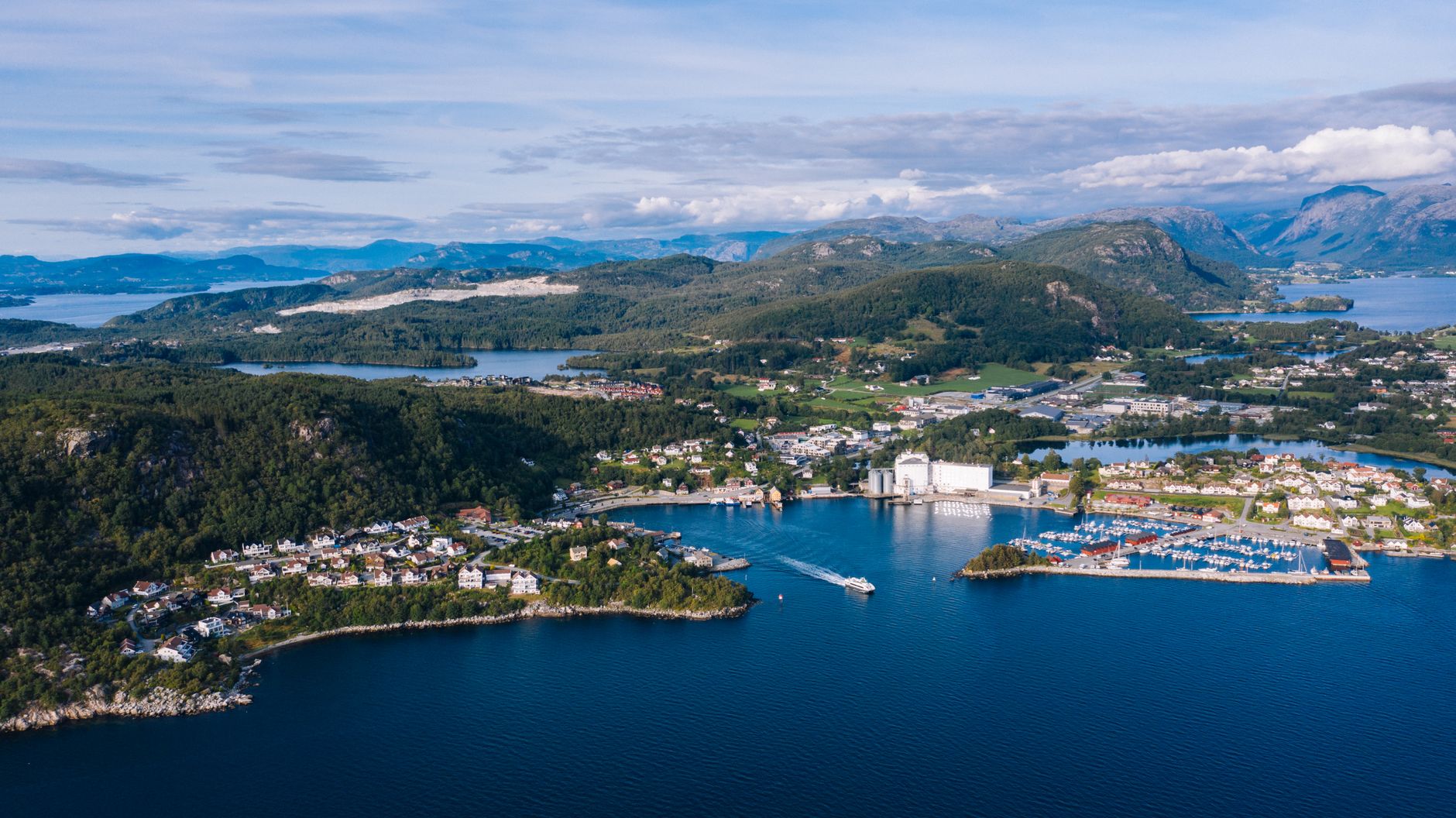
The fjord season runs May through September. Winter (October–April) means limited daylight, snow-blocked mountain passes, and closed hiking trails; most accommodations in smaller villages shut for the season.
May: Least crowded of the season. Temperatures 10–14°C. Hardangerfjord blooms spectacularly (fruit orchards). Accommodation discounts (€20–40 less per night than July). Daylight extends 17–19 hours. Waterfall volume peaks from snowmelt.
June and July: Peak daylight (20+ hours in Bergen, midnight sun further north). Warmest month (15–20°C). Most crowded and most expensive (accommodation 30–50% above May prices). All trails open. Geirangerfjord accessible.
August: Still warm, still busy, still expensive. Fewer tourists than July but accommodation remains peak-priced.
September: Warmth lingers (14–18°C). Foliage begins turning. Tourist numbers drop 50% from August. Accommodation returns to May–June pricing. Hiking remains excellent. This is the month to visit if priority is fewer crowds with maintained access.
Winter (November–March): Northern lights visible in northern Norway (Tromsø region, 1,800km north). Not reliably visible in the fjord region. Winter fjord cruises operate but most hiking trails are snow-closed. Accommodations cheaper but many small-town businesses shut. Go here only if specifically chasing northern lights or prefer solitude and are equipped for winter hiking.
Getting around independently: the realistic picture
Public transport covers the main routes. Trains connect Bergen–Voss–Oslo with good frequency. Buses link Bergen to Stavanger, Ålesund, and internal fjord villages. Fjord express boats (Sognefjord Express, Hardanger Express) offer scheduled service.
For true independence — exploring side valleys, accessing trailheads not near towns, or building a custom route — rent a car. Local rental costs €55–75/day for a compact vehicle. Fuel is expensive (€1.80/liter as of recent years), so expect €60–80/day for a small car in rural driving. This breaks even if two people are traveling; for solo travel, public transport is cheaper.
Don't drive in winter unless experienced with ice and darkness. Roads close (Sognefjord's Valdres pass, E16) when snow accumulates.
Who should go to Norway's fjords and when
First-time visitors should spend three to four days: two nights in Bergen, one in Flåm doing the Norway in a Nutshell day trip, then a day hike (Otternes or Walnut Grove around Flåm). Skip package tours; book trains and boats separately through vy.no. Plan for May or September — warmth, light, manageable crowds, and the best price-to-experience ratio. Budget €100–150/day including accommodation, food, and transport, and accept that Norway is expensive without complaint.