147 articles
12 June 2026
thailandBest Time to Visit Koh Mak: Month-by-Month Weather and Crowds
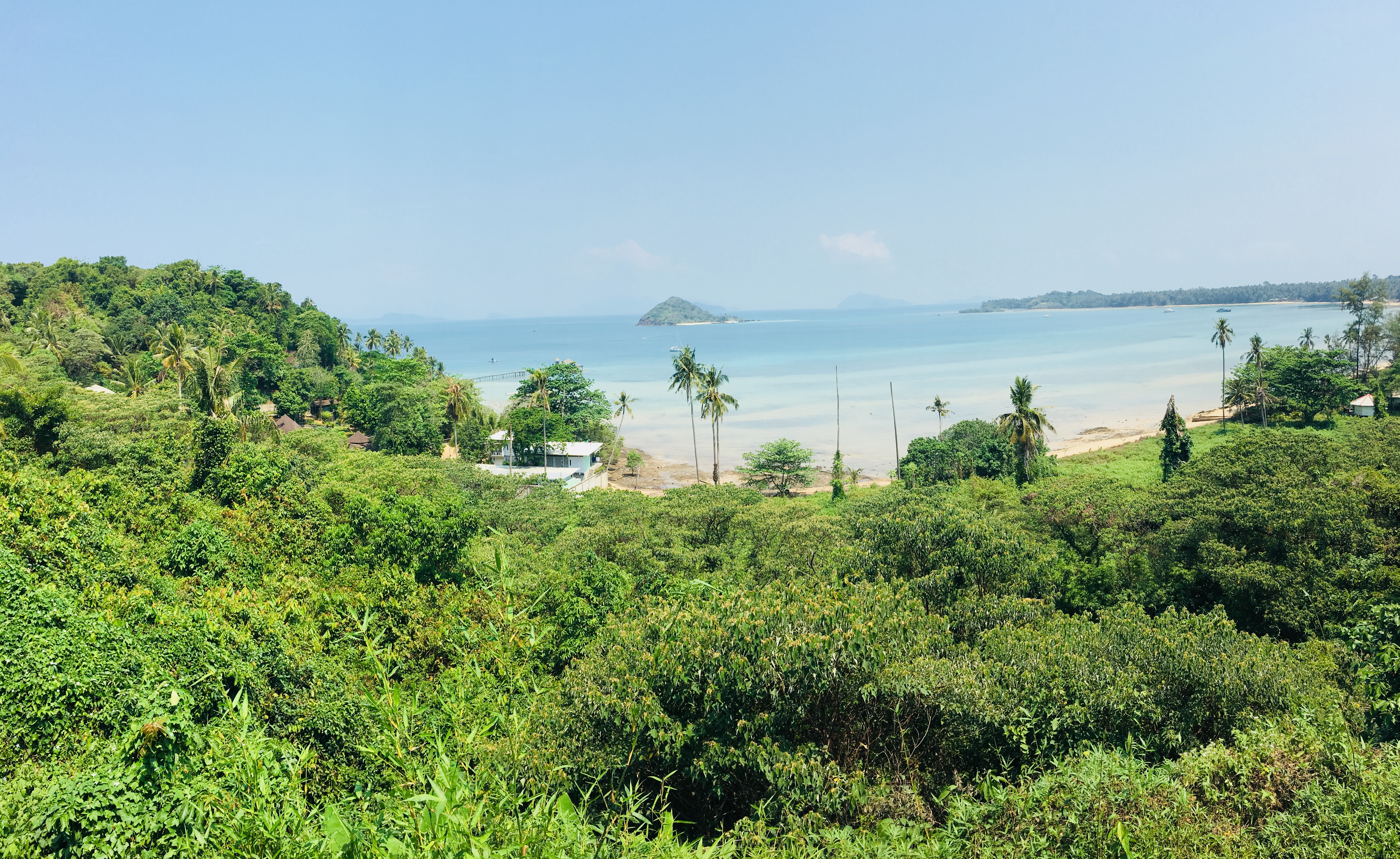
Koh Mak runs on the same calendar as the rest of the Trat archipelago: a dry season from November to April when the island is open and easy, and a wet season from May to October when boats thin out and many resorts close. Being flat and low, it has no high ground to dodge the weather — so timing matters. Here is the year, month by month.
Henrik Vinter
11 June 2026
thailandBest Time to Visit Koh Kood: Month-by-Month Weather and Crowds
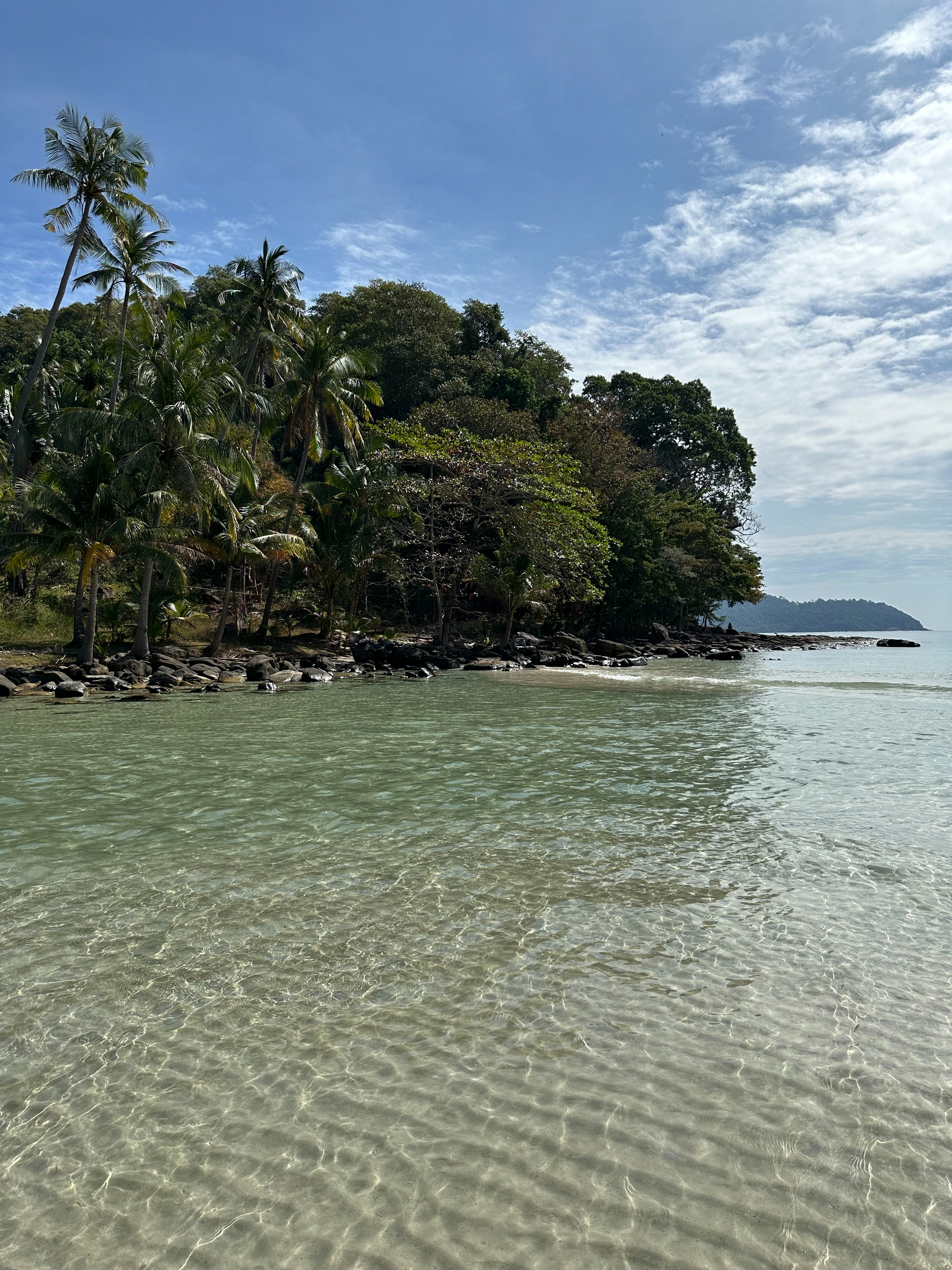
Koh Kood is a dry-season island in a way Koh Samui never is: a large share of its resorts simply close for the wet months, and the ferries thin out with them. That makes timing less about chasing the perfect forecast and more about travelling inside the window when the island is actually open. Here is how the year breaks down, month by month.
Henrik Vinter
4 June 2026
moroccoEssaouira Travel Guide: The Atlantic Coast Alternative to Marrakech
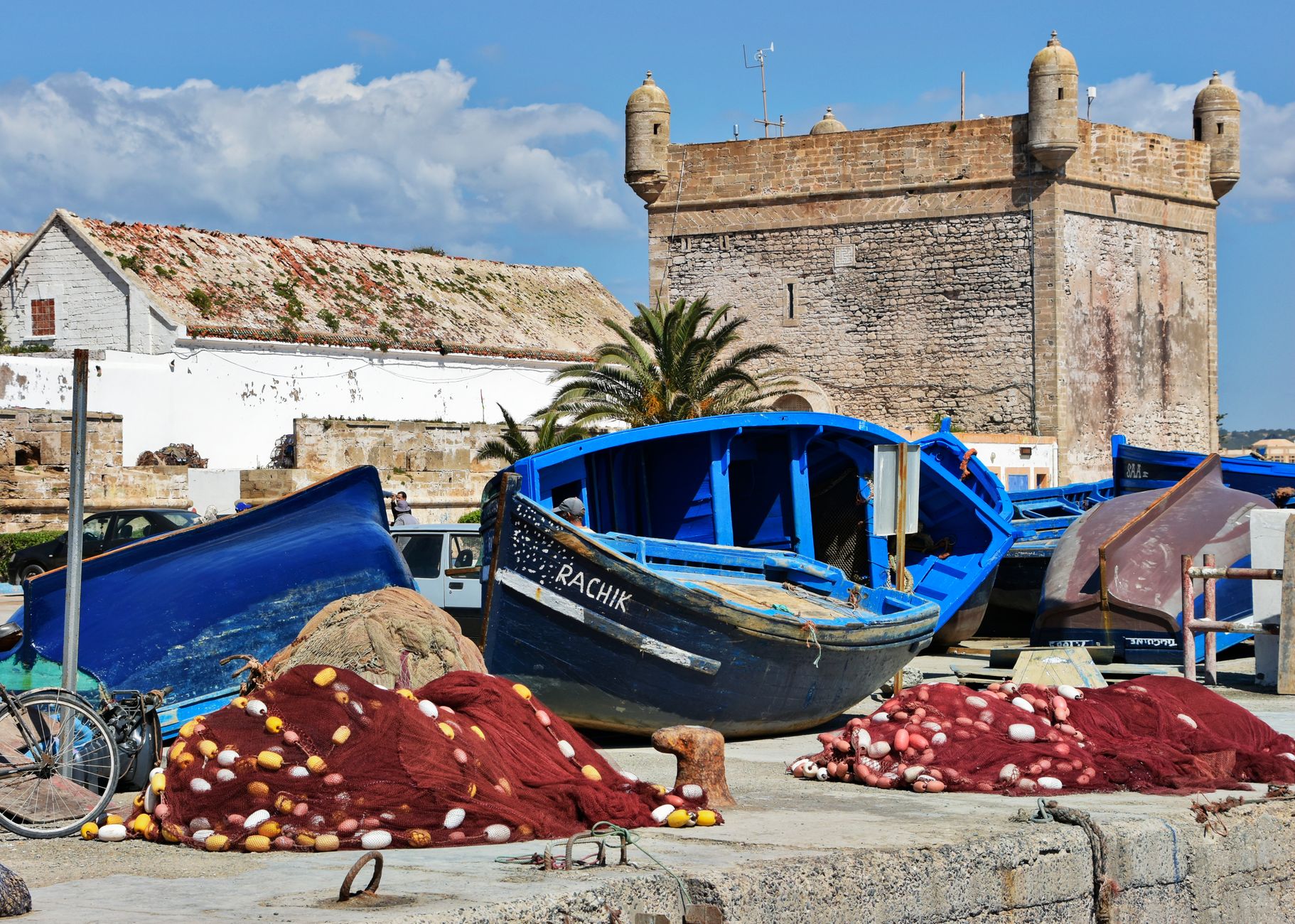
Essaouira is a walled Atlantic port 175km southwest of Marrakech, enclosed by 18th-century fortifications designed by a French military architect (Théodore Cornut, under the Alaouite Sultan Sidi Mohammed ben Abdallah). The medina is UNESCO World Heritage. The consistent trade…
Henrik Vinter
4 June 2026
greeceZakynthos Travel Guide: Navagio Beach, Sea Turtles, and the Blue Caves
Zakynthos — marketed internationally as Zante — is an Ionian island on Greece's west coast. The island's most circulated image is Navagio Beach (Shipwreck Beach): a rusted 1980s cargo ship run aground in a white-sand cove enclosed by vertical limestone cliffs, with water the…
Henrik Vinter

4 June 2026
croatiaHvar Travel Guide: Getting There, Where to Stay, and What to Skip
Hvar is the longest island in the Adriatic at 68km, but the parts that most visitors come for occupy a few square kilometres at the western tip. The island has been a tourist destination since the Austrian imperial period in the 19th century; it has the best-developed…
Henrik Vinter
4 June 2026
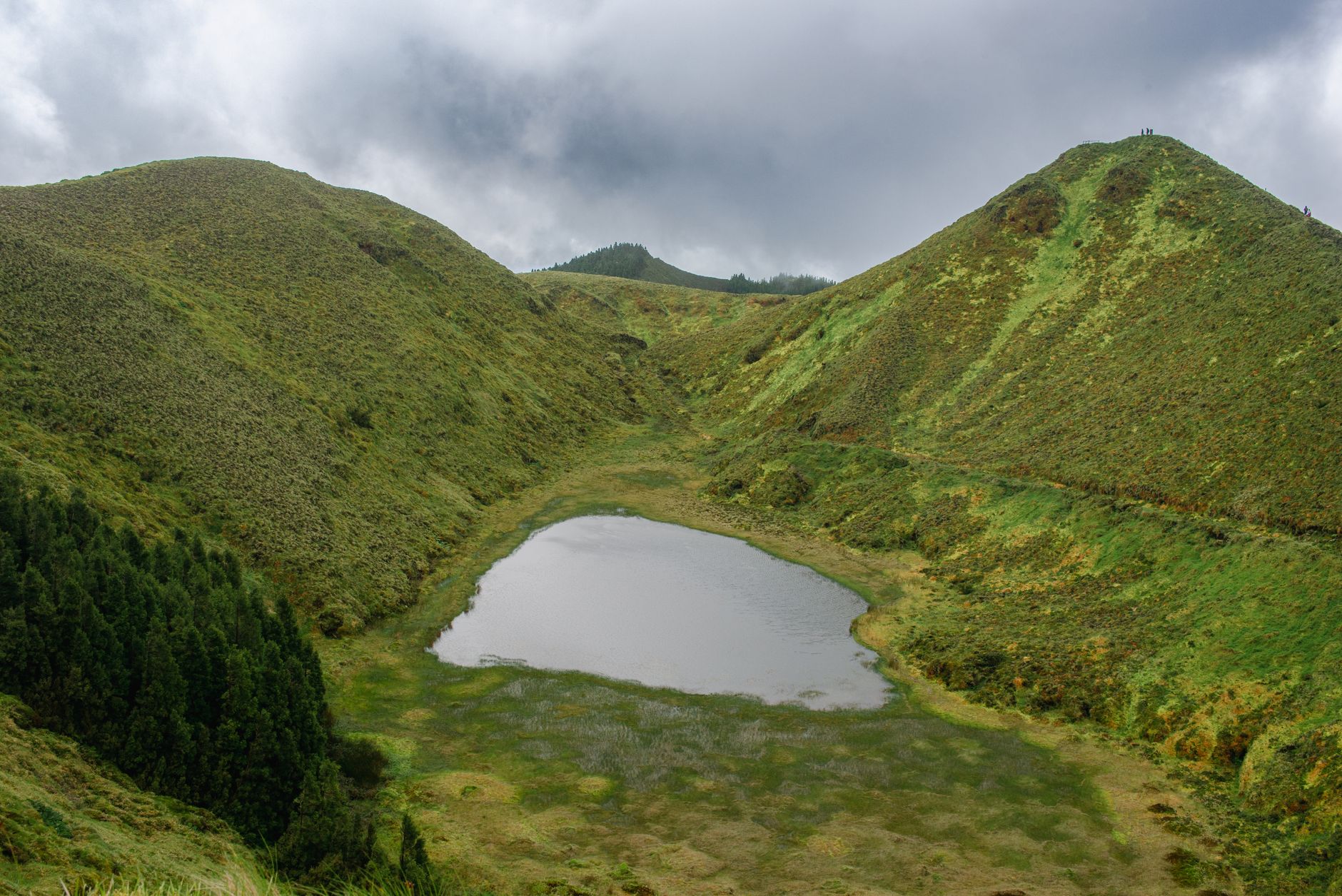
portugalAzores Travel Guide: Which Islands, What to Expect, and How to Plan the Trip
The Azores is nine volcanic islands in the mid-Atlantic, 1,500km west of Lisbon — roughly the same distance as Lisbon to Moscow. The archipelago is Portuguese since the 15th century, geologically among the youngest land masses in the Atlantic. Each island has a distinct…
Henrik Vinter

4 June 2026
portugalMadeira Travel Guide: Levada Walks, Funchal, and Why the Season Doesn't Matter
Madeira sits 600km southwest of Lisbon and 700km west of the Moroccan coast in the Atlantic. The island is volcanic, mountainous, and receives between 16°C and 26°C year-round — the south coast around Funchal gets around 2,700 hours of sunshine annually. The "island of eternal…
Henrik Vinter

4 June 2026
franceNormandy Travel Guide: D-Day Beaches, the Bayeux Tapestry, and Mont Saint-Michel
The D-Day beaches stretch 80km across the Normandy coast. On 6 June 1944, Allied forces landed approximately 156,000 men in the largest seaborne invasion in history, involving nearly 7,000 vessels. The landscape bears direct evidence: the crater field at Pointe du Hoc has not…
Henrik Vinter
4 June 2026
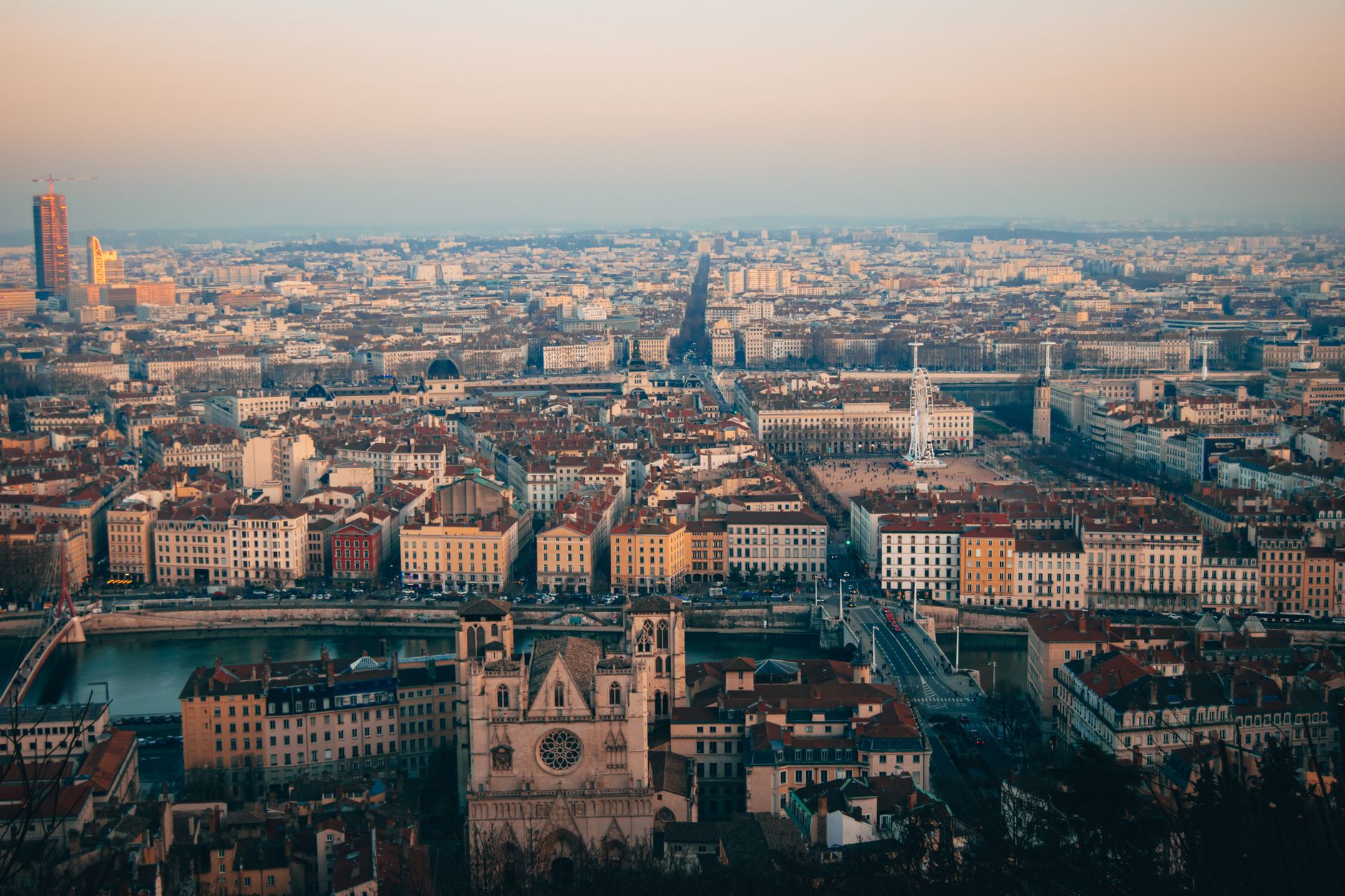
franceLyon Travel Guide: Food, Traboules, and the City Most Visitors Underestimate
Lyon is France's third city by population, first by any meaningful measure of culinary density. The Michelin Guide lists more stars per square kilometre here than anywhere in France outside Paris. Paul Bocuse — the most decorated French chef of the 20th century — was born 10km…
Henrik Vinter

4 June 2026
italyNaples Travel Guide: The City, the Food, and the Excursions
Naples has a metropolitan population of 3 million, a UNESCO World Heritage centre storico, the world's most complete Roman artifact museum, and pizza that genuinely justifies the claim of being better here than anywhere else. It also requires approximately 12 hours of adjustment…
Henrik Vinter

4 June 2026
italyCinque Terre Travel Guide: The Five Villages, the Trails, and the Crowds
Five fishing villages on a 15km stretch of Ligurian coastline, connected by regional trains and a partially accessible coastal path — that is the Cinque Terre. The combination of colourful stacked houses, clear water, and easy train access from Milan or Pisa has made it one of…
Henrik Vinter
4 June 2026
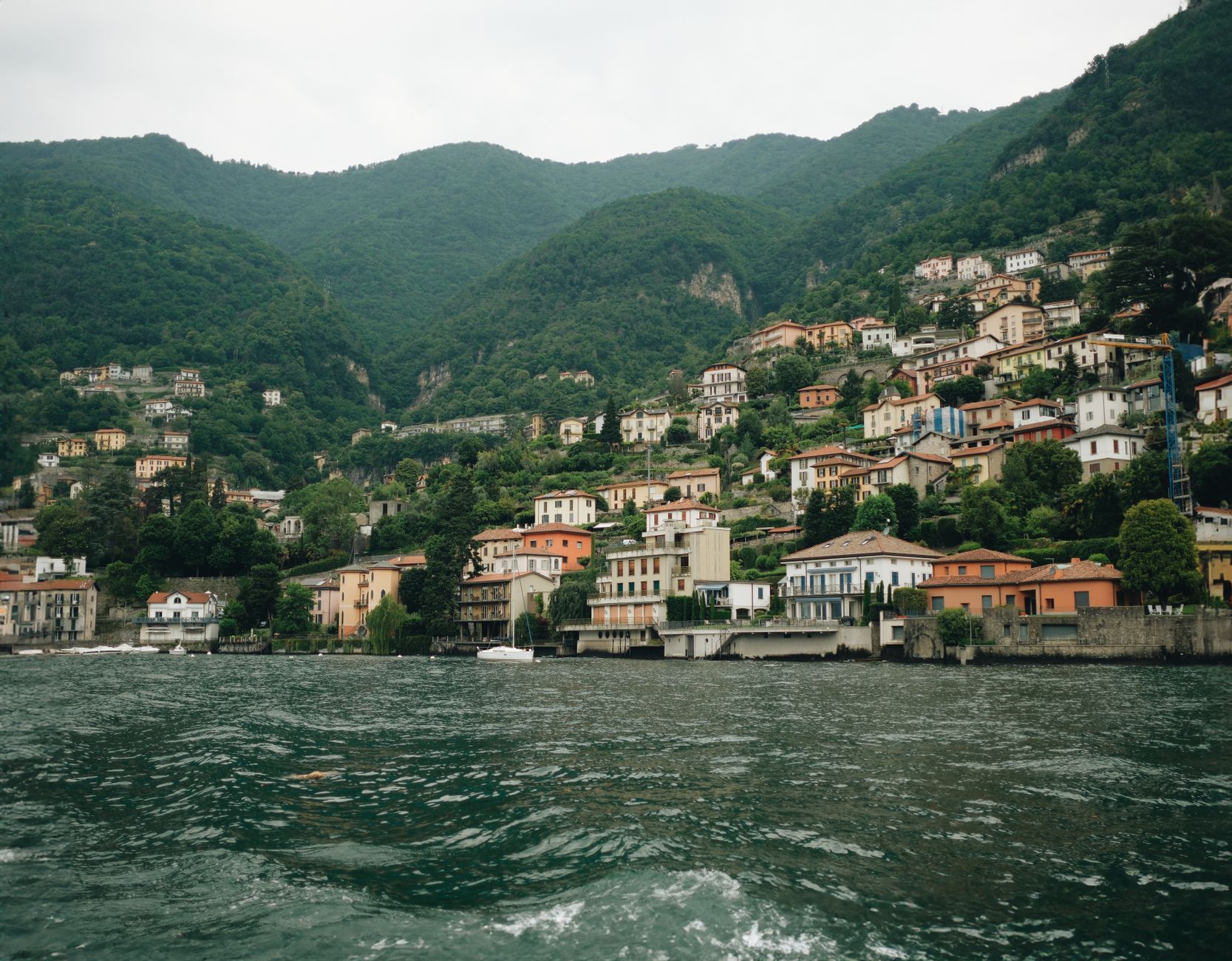
italyLake Como Travel Guide: Towns, Ferries, and What Most Visitors Get Wrong
Lake Como sits 50km north of Milan in the Lombardy foothills, split into two branches by a central promontory where Bellagio stands. It is 46km long, up to 410m deep, and has been a destination for European elites since Roman times — Pliny the Younger had a villa here. The…
Henrik Vinter

28 May 2026
cambodiaKampot Travel Guide: Cambodia's Most Relaxed River Town
Kampot sits on the Kampot river in southern Cambodia, 5km from the Gulf of Thailand coast and 148km from Phnom Penh. The town is not famous for a single monument — it is famous for pepper, for French colonial architectur
Henrik Vinter
28 May 2026
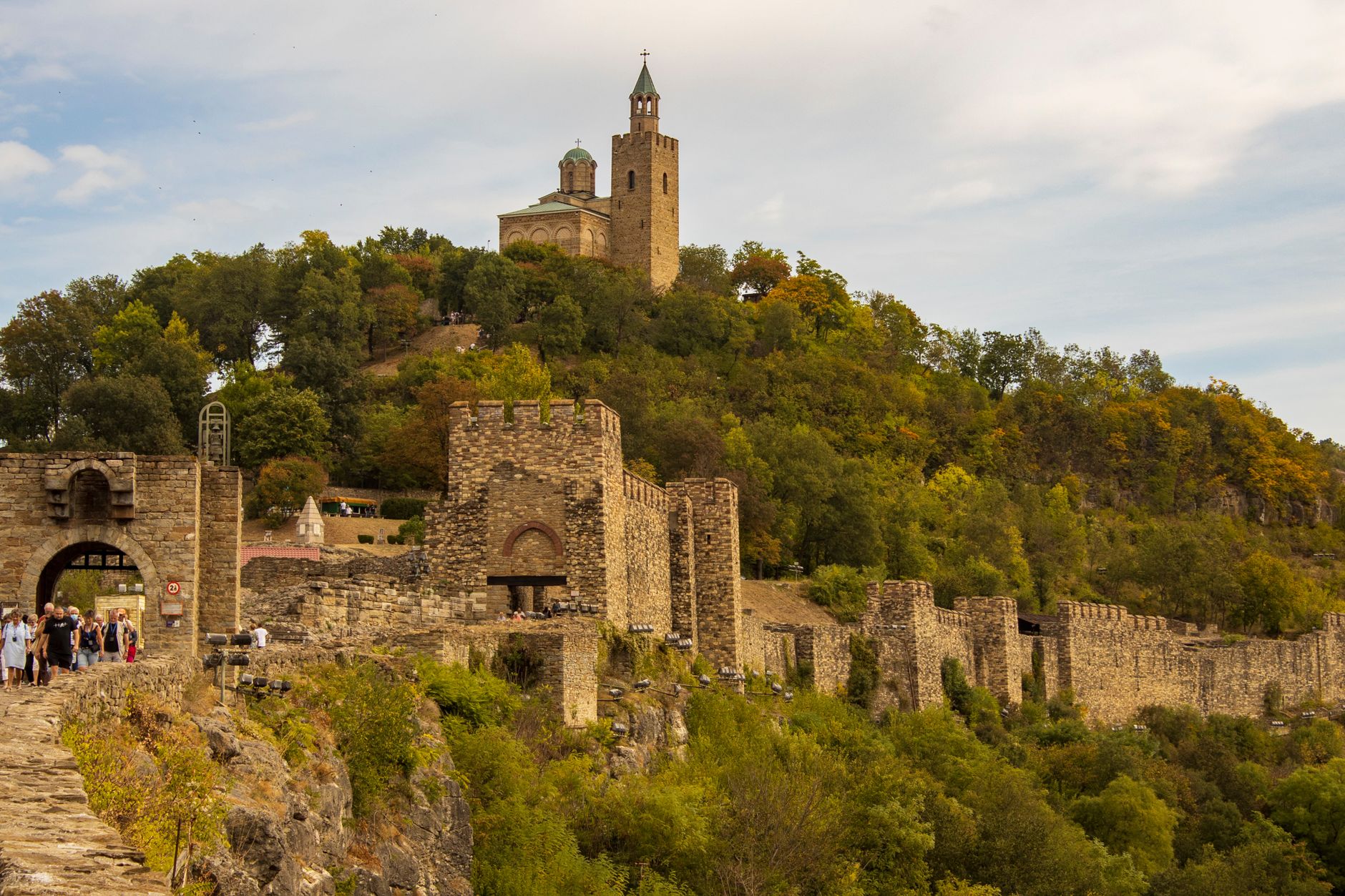
bulgariaVeliko Tarnovo Travel Guide: Bulgaria's Medieval Capital
Veliko Tarnovo was the capital of the Second Bulgarian Empire from 1185 to 1393, when it fell to Ottoman forces after a three-month siege by Sultan Bayezid I. The city sits on three steep hills in a gorge of the Yantra r
Henrik Vinter

28 May 2026
croatiaRovinj Travel Guide: Istria's Most Photogenic Coastal Town
Rovinj's old town occupies a peninsula that was an island until the 18th century, when the channel was filled with rubble. The result is a compact knot of narrow streets radiating uphill from the waterfront to a Baroque
Henrik Vinter

28 May 2026
japanMatsumoto Travel Guide: The Black Castle and the Japanese Alps
Matsumoto Castle was built between 1593 and 1614 and is one of only twelve original castles remaining in Japan — meaning the wooden keep and tower are the genuine 16th–17th-century structure, not a 20th-century reinforce
Henrik Vinter

28 May 2026
greeceAncient Olympia Travel Guide: The Original Home of the Olympics
The Olympic Games were held at Olympia from 776 BCE to 393 CE — a continuous run of 293 Olympic cycles over nearly 1,200 years before the Emperor Theodosius banned all pagan festivals. The sanctuary of Zeus at Olympia wa
Henrik Vinter
28 May 2026
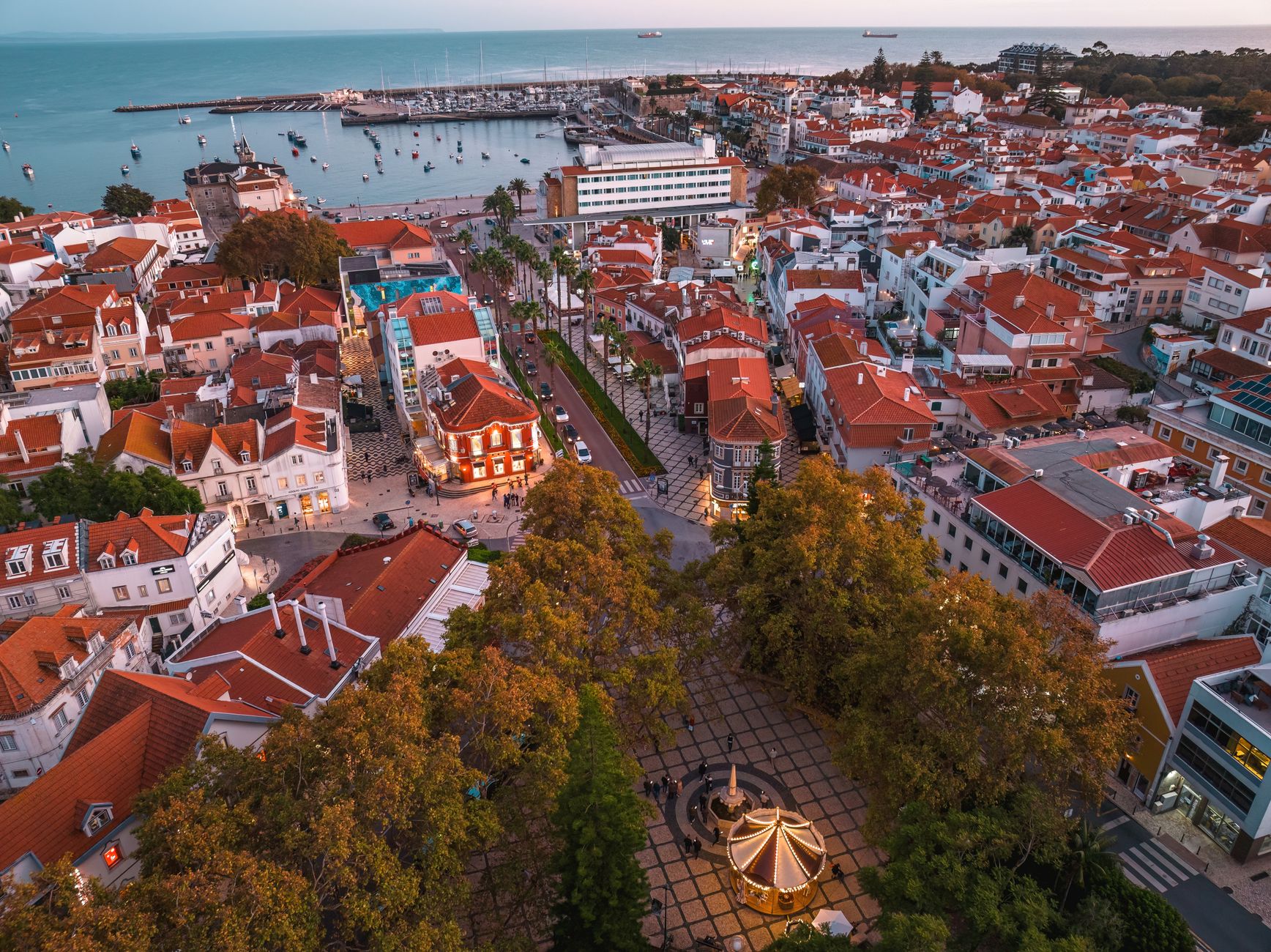
portugalCascais Travel Guide: The Atlantic Town 30km from Lisbon
Cascais is a fishing town on the Atlantic coast of the Estoril Coast (Linha de Cascais), 30km west of Lisbon and 40 minutes by train from Cais do Sodré station. The Portuguese royal family used it as a summer residence f
Henrik Vinter
28 May 2026
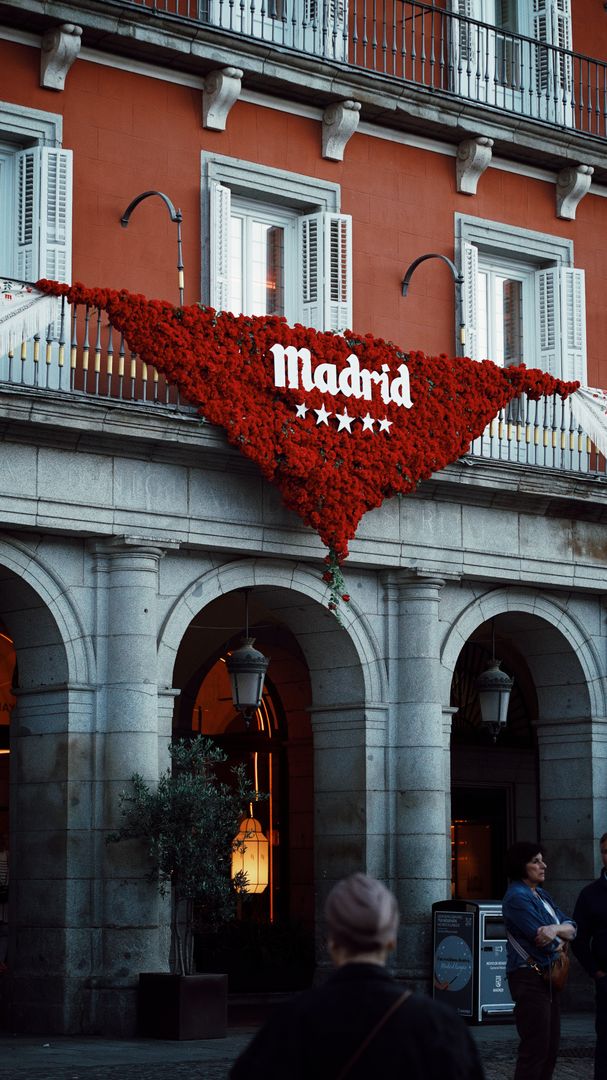
spainSalamanca Travel Guide: Spain's Golden University City
Salamanca has one of the oldest universities in Europe — founded in 1218, making it the first in Spain and the fourth oldest in western Europe. The institution was at the peak of its influence in the 16th and 17th centur
Henrik Vinter
28 May 2026
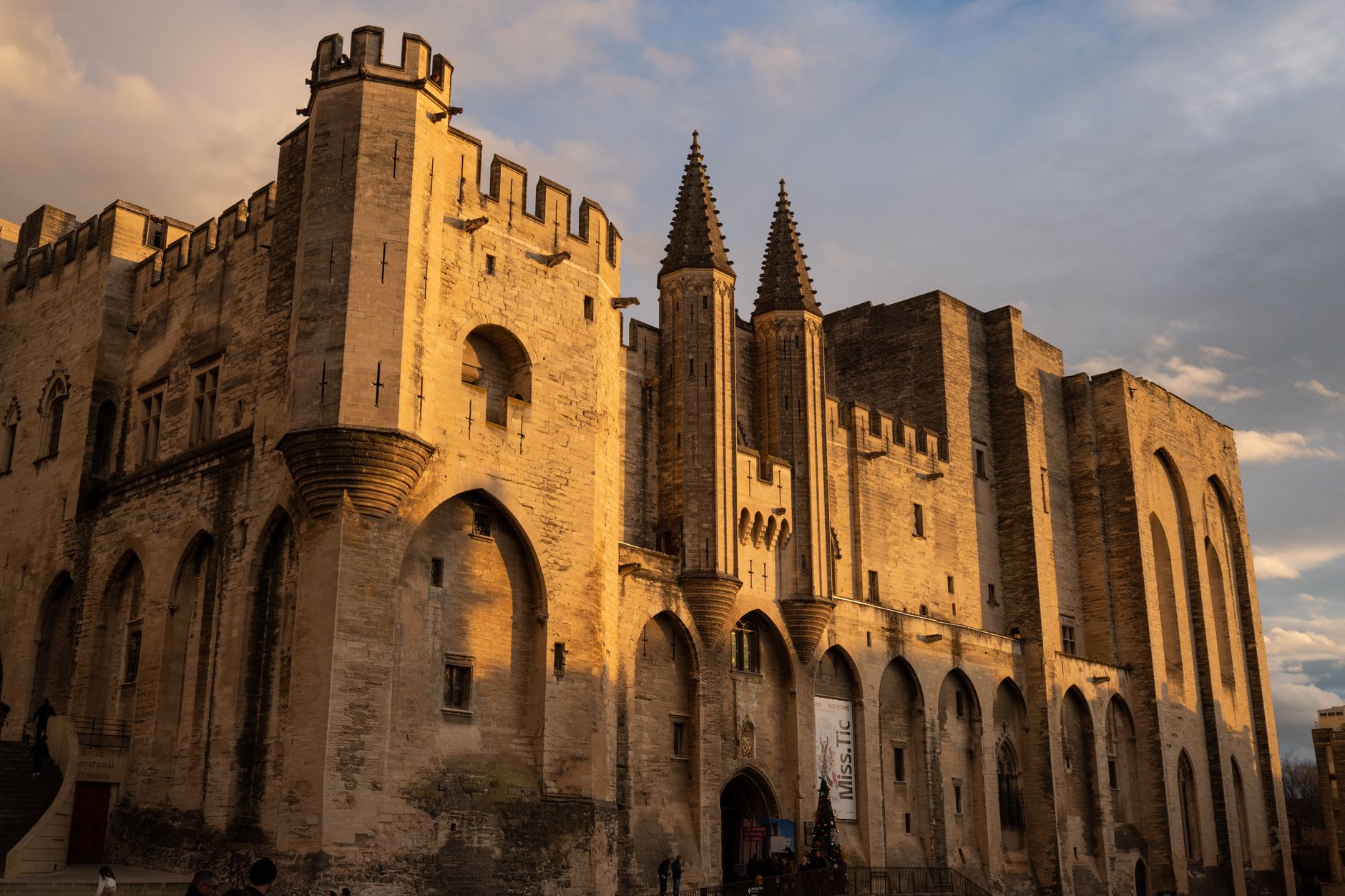
franceAvignon Travel Guide: The Papal City and the Vaucluse
Avignon was the seat of the Catholic papacy from 1309 to 1377, when a succession of French-aligned popes — under pressure from the French crown — transferred the Holy See from Rome to the banks of the Rhône. They built t
Henrik Vinter
28 May 2026
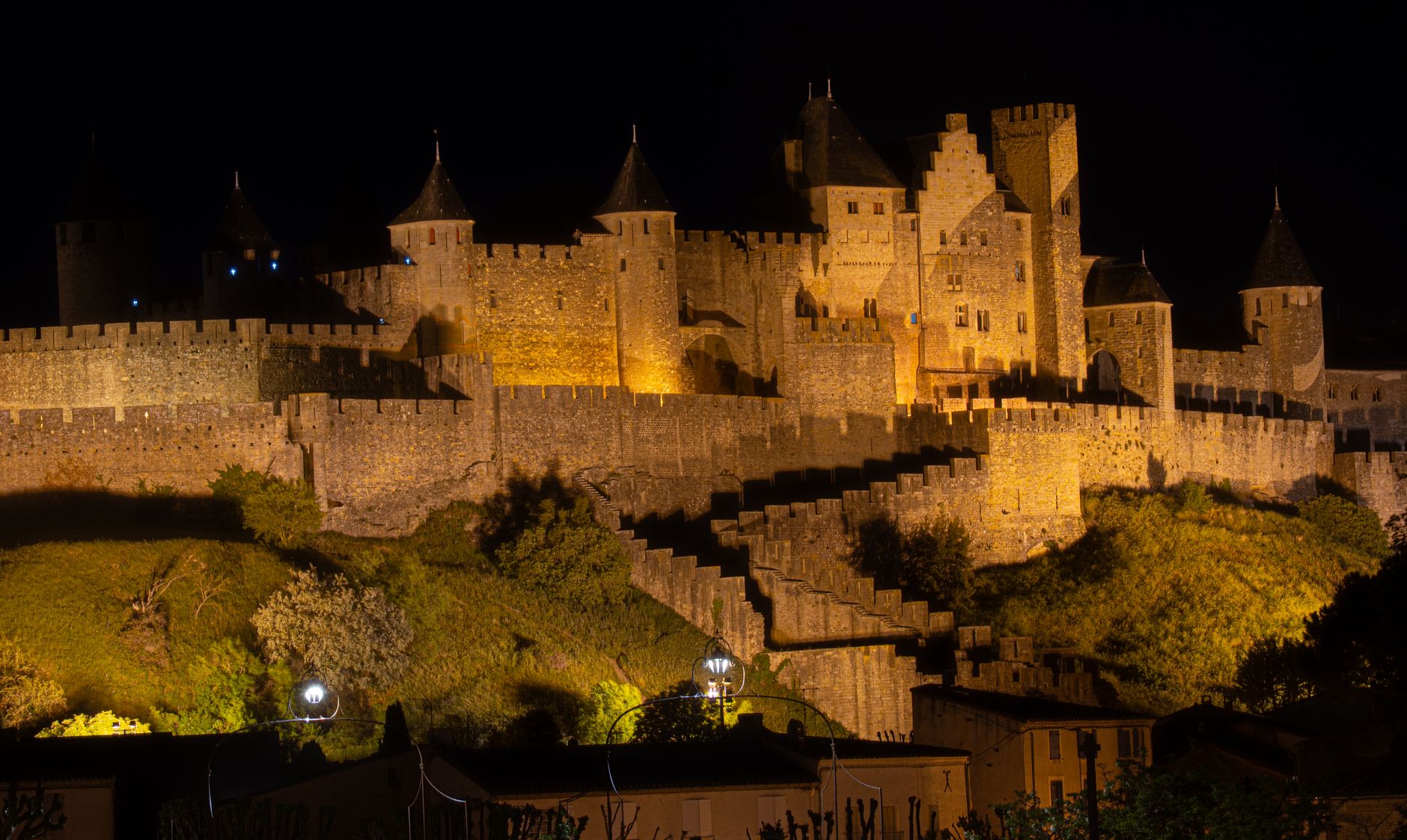
franceCarcassonne Travel Guide: Inside Europe's Largest Medieval Citadel
Carcassonne's Cité is the largest medieval fortress complex in Europe: 52 towers, 3 kilometres of double curtain walls, an inner château, and a Romanesque cathedral, all enclosed in a double ring of fortification that wi
Henrik Vinter
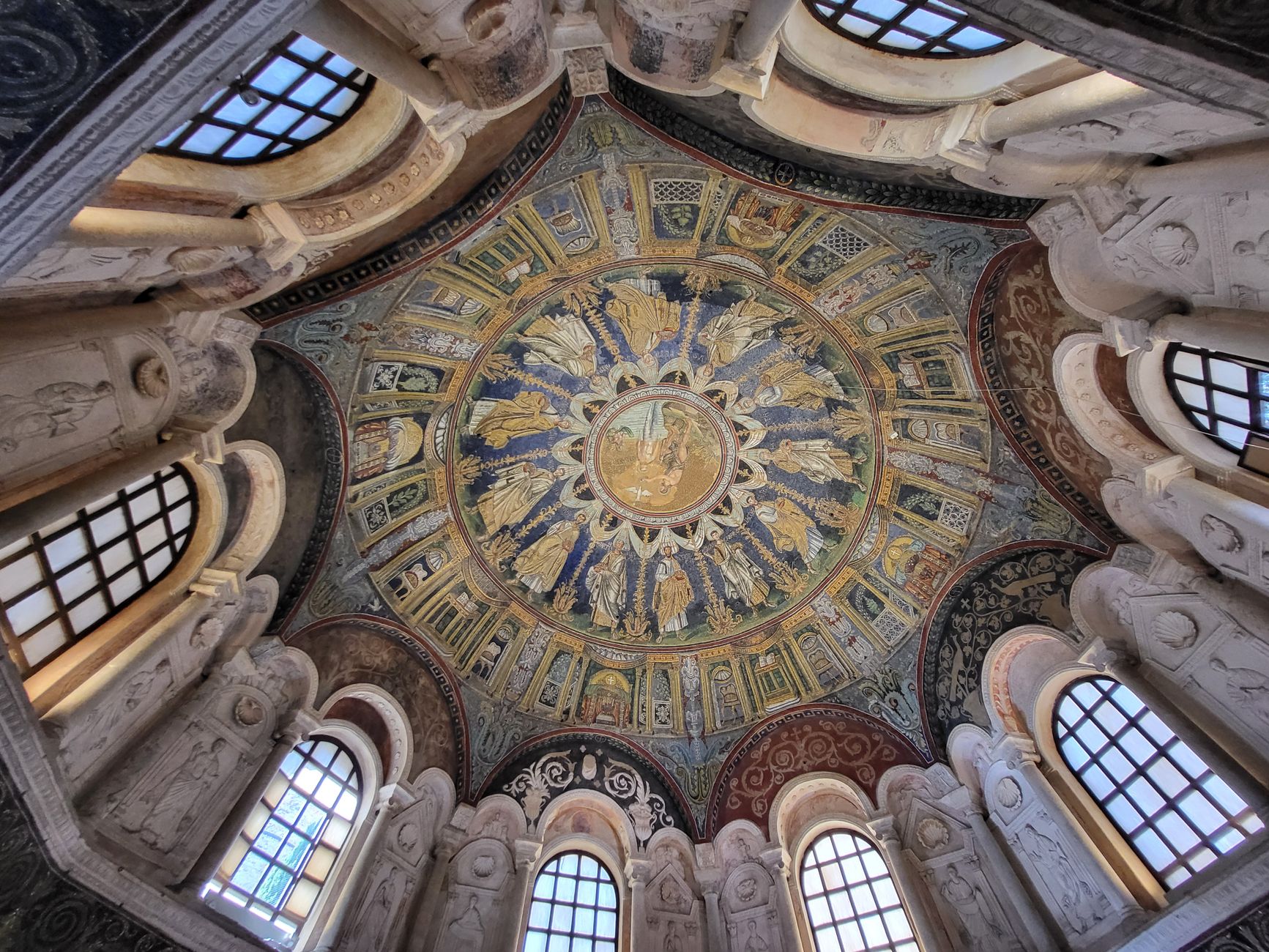
28 May 2026
italyRavenna Travel Guide: Italy's Byzantine Mosaic Capital
Ravenna was the capital of the Western Roman Empire from 402 CE until its fall in 476, then the seat of the Ostrogothic kingdom, then the centre of the Byzantine Exarchate of Italy from 540 to 751 CE. Each transition pro
Henrik Vinter

28 May 2026
croatiaKorčula Travel Guide: The Dalmatian Island Town
Korčula town sits at the tip of a peninsula on the northern shore of the island of the same name, its medieval old town rising on a headland with the Adriatic on three sides. The fortified walls, towers, and the herringb
Henrik Vinter

28 May 2026
moroccoChefchaouen Travel Guide: The Blue City of the Rif Mountains
Chefchaouen is a city of 45,000 people in the Rif Mountains of northern Morocco, 112km from Tangier and 200km from Fès. The medina is painted in shades of blue — cobalt, turquoise, powder blue, and indigo — that extend o
Henrik Vinter
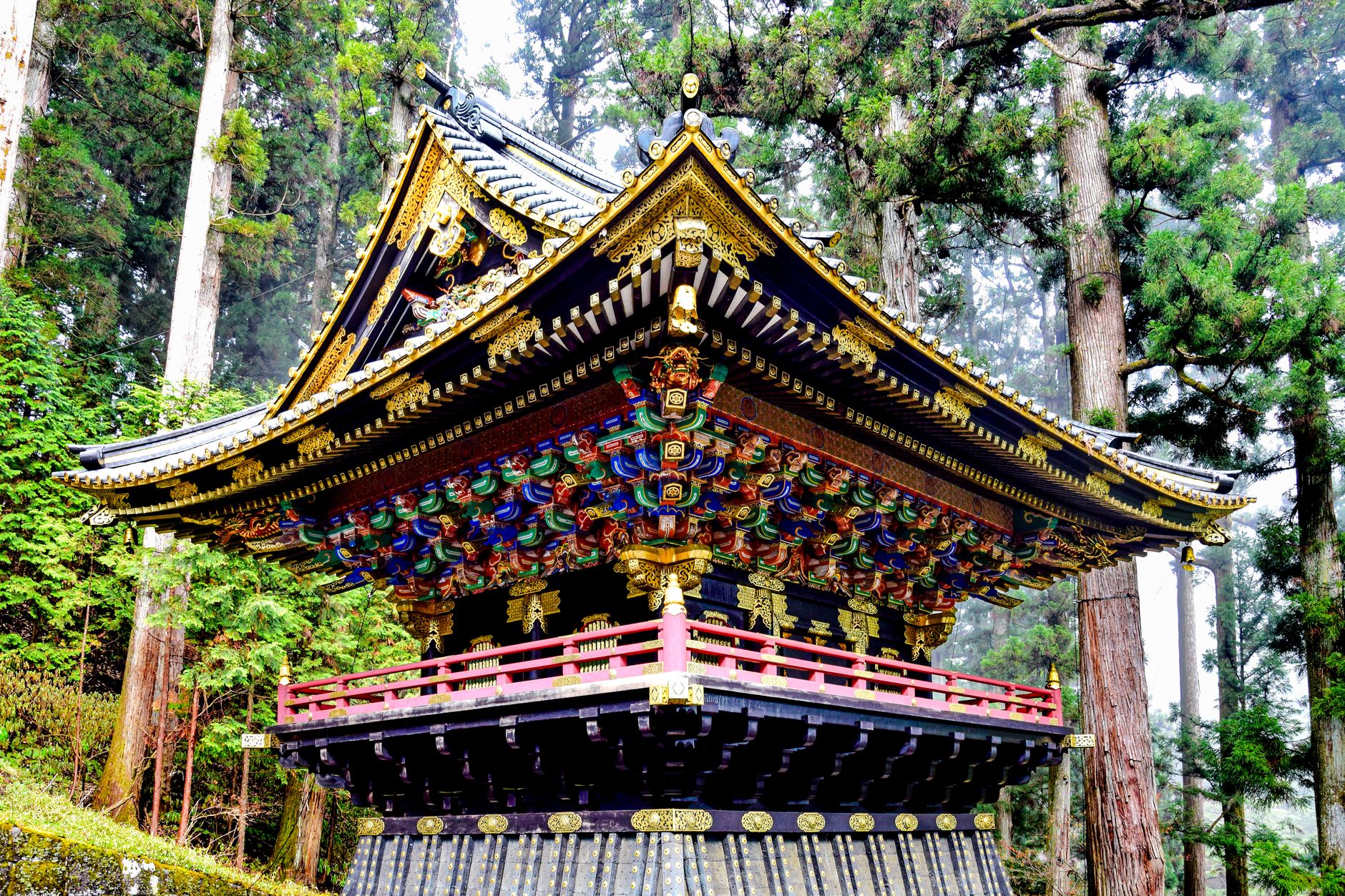
28 May 2026
japanNikko Travel Guide: The Toshogu Shrine Complex and the National Park
Nikko is 150km north of Tokyo in Tochigi Prefecture, a 2-hour journey by Tobu Limited Express from Asakusa. The town itself is unremarkable, but the forested hillside above it contains the Toshogu Shrine — the mausoleum
Henrik Vinter
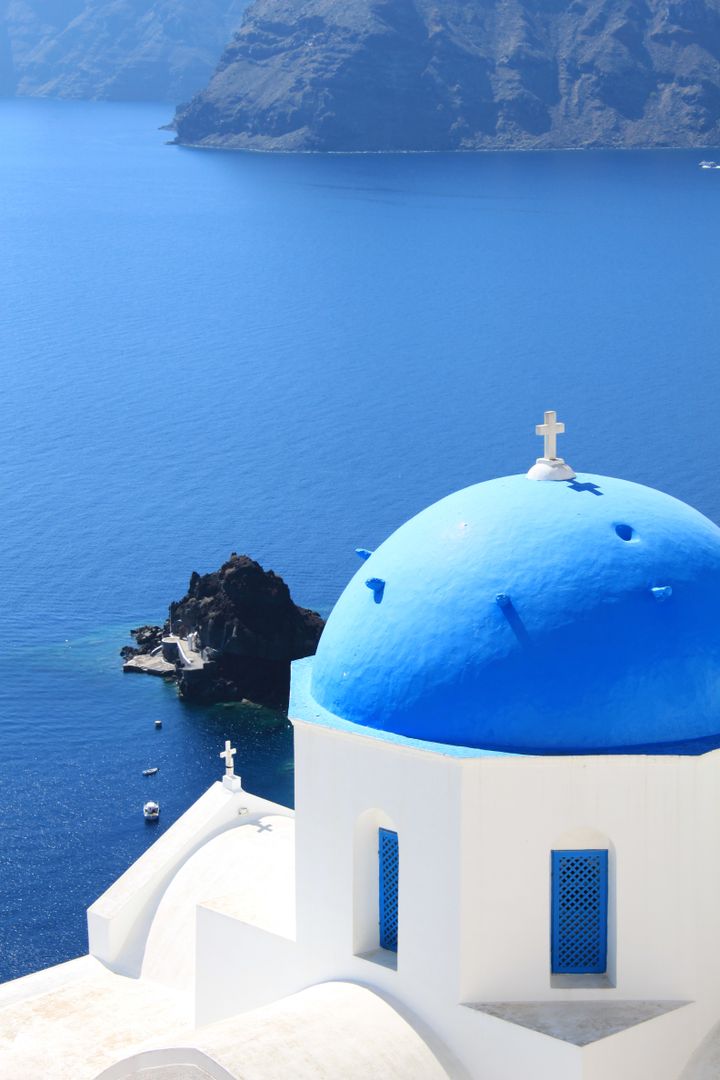
28 May 2026
greeceMonemvasia Travel Guide: The Byzantine Rock Fortress
Monemvasia is a medieval walled town built onto a detached rock rising 300 metres above the sea on the southeastern Peloponnese coast. The rock is connected to the mainland by a single 200-metre causeway — the name means
Henrik Vinter

28 May 2026
portugalÉvora Travel Guide: Roman Ruins, Bones, and the Alentejo
Évora is the capital of the Alentejo, the vast inland plain that covers a third of Portugal's territory between the Tagus river and the Algarve. The city sits on a low hill in the centre of a cork oak and olive landscape
Henrik Vinter
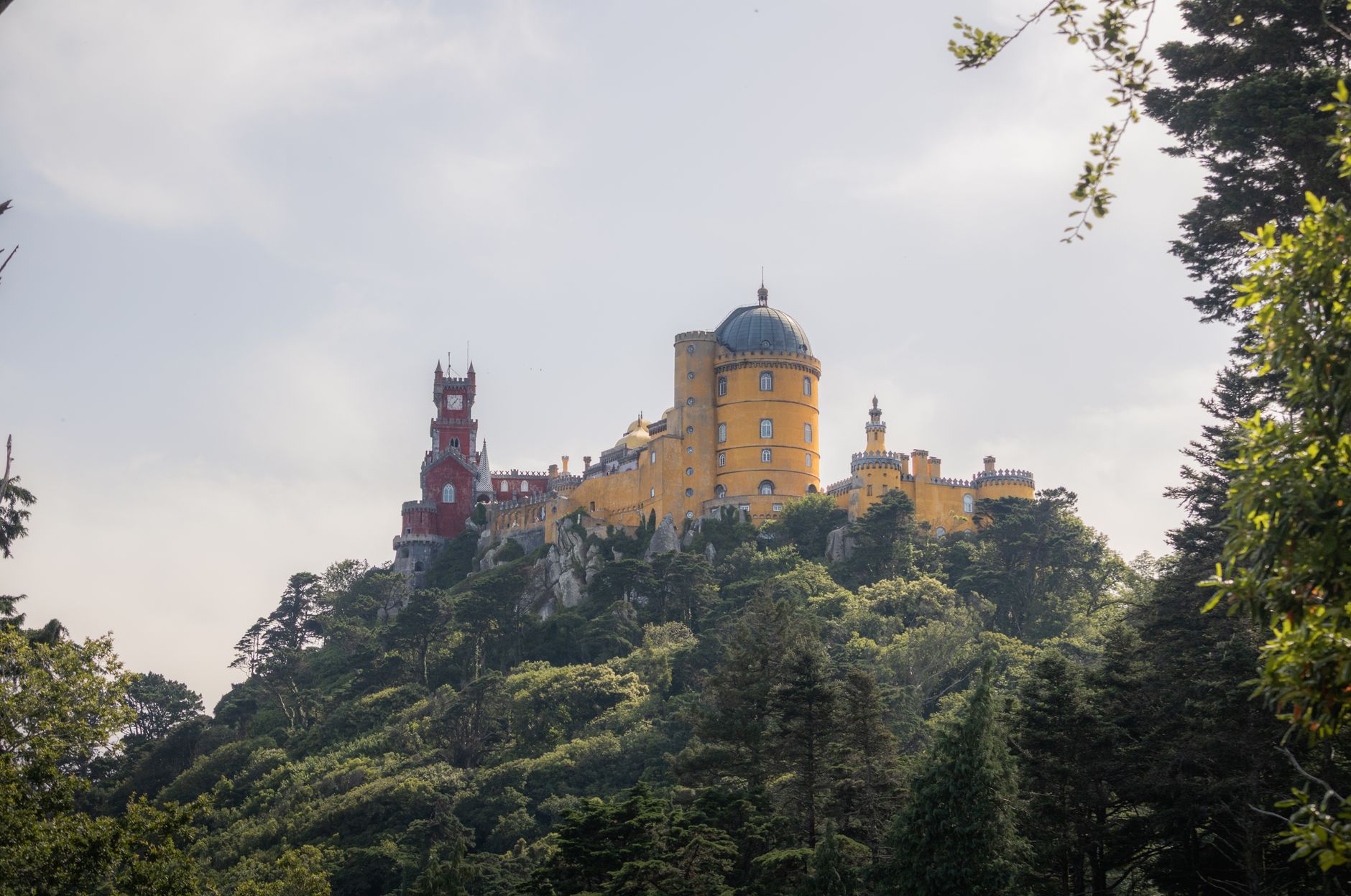
28 May 2026
portugalSintra Travel Guide: Palaces, Crowds, and How to Handle Both
Sintra sits in the Serra de Sintra hills 30km northwest of Lisbon, where an Atlantic microclimate keeps the hillsides forested and the temperature 5–8°C cooler than the capital year-round. The Portuguese royal family use
Henrik Vinter

28 May 2026
spainSegovia Travel Guide: Aqueduct, Alcázar, and Roast Pig
Segovia has three structures that each belong in a different century and between them span 1,700 years of European history: a Roman aqueduct built in the 1st or 2nd century CE that still stands 29 metres high in the city
Henrik Vinter

28 May 2026
spainCórdoba Travel Guide: The Mezquita and the City Around It
Córdoba was the most populous city in western Europe in the 10th century — capital of the Umayyad Caliphate of al-Andalus, with a population estimated at 500,000, a functioning street lighting system, running water in pu
Henrik Vinter
28 May 2026
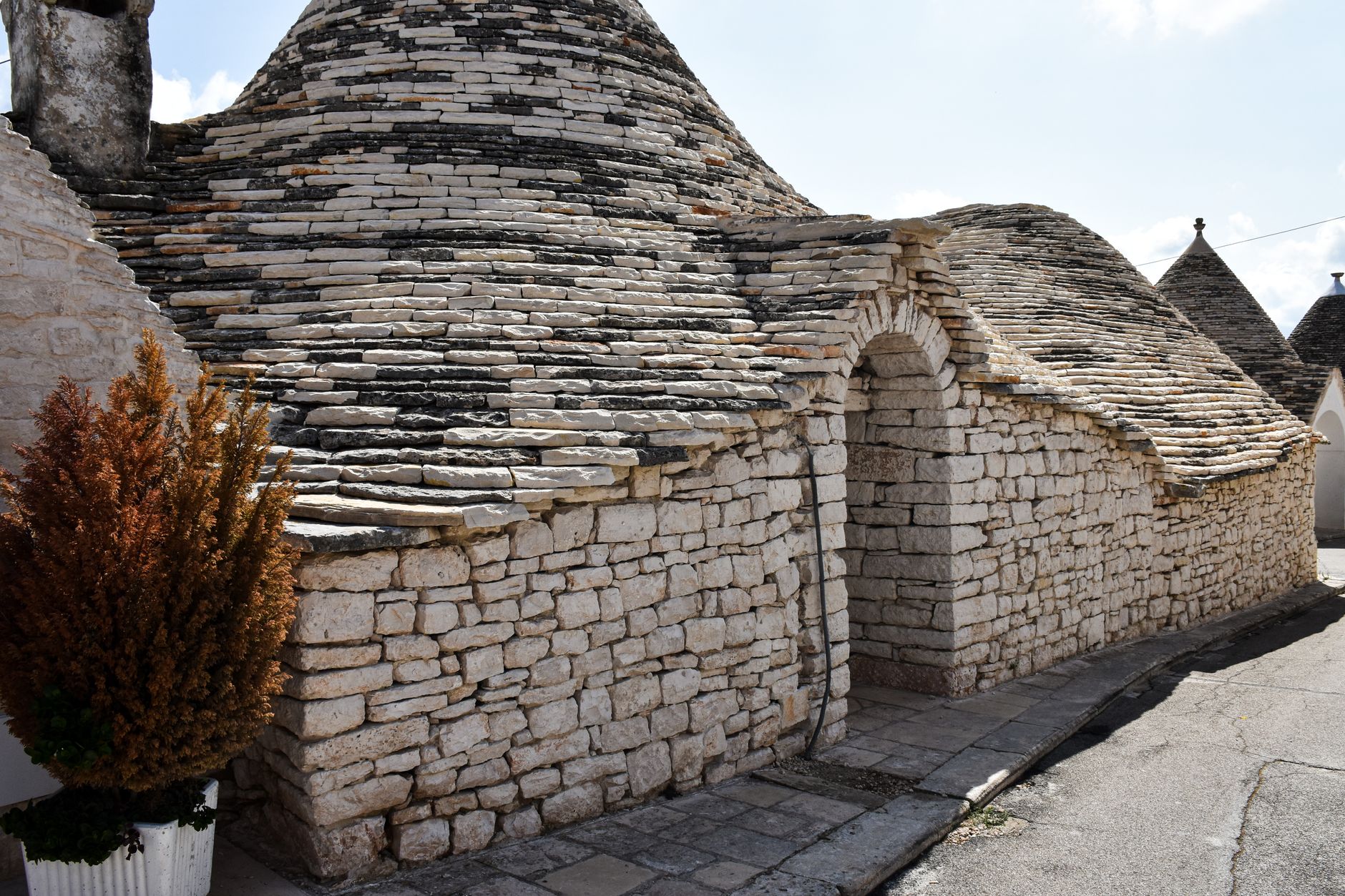
italyAlberobello Travel Guide: Puglia's Trulli District
Alberobello's trulli are not a reconstruction or a theme park — roughly 1,500 of the stone cone houses are still standing in the original form, many still inhabited, and the two concentrations in the Rione Monti and Aia
Henrik Vinter

28 May 2026
italyOrvieto Travel Guide: The Cathedral Town on the Tufa Cliff
Orvieto sits on a flat-topped plateau of volcanic tufa rock rising 300 metres above the valley of the Paglia river. The plateau is sheer on every side — the medieval town on top of it has never needed defensive walls bec
Henrik Vinter

28 May 2026
south koreaAndong Travel Guide: South Korea's Confucian Heartland
Andong anchors South Korea's Confucian heritage more systematically than any other city. Hahoe Folk Village — a UNESCO World Heritage Site since 2010 — is a riverside settlement of thatched and tile-roofed houses where d
Henrik Vinter

28 May 2026
vietnamPhong Nha Travel Guide: Caves, National Park, and the Son Doong Expedition
Phong Nha-Kẻ Bàng National Park contains the world's largest known cave system by volume. Hang Son Doong — the largest single cave passage on earth — is 5km long, 200 metres high in its main chamber, and contains its own
Henrik Vinter

28 May 2026
spainRonda Travel Guide: The Gorge City and the Pueblos Blancos
Ronda sits on a plateau split by the El Tajo gorge — a limestone canyon 100 metres deep with near-vertical walls on both sides. The Puente Nuevo, the 18th-century bridge that spans the narrowest point of the gorge and co
Henrik Vinter
28 May 2026
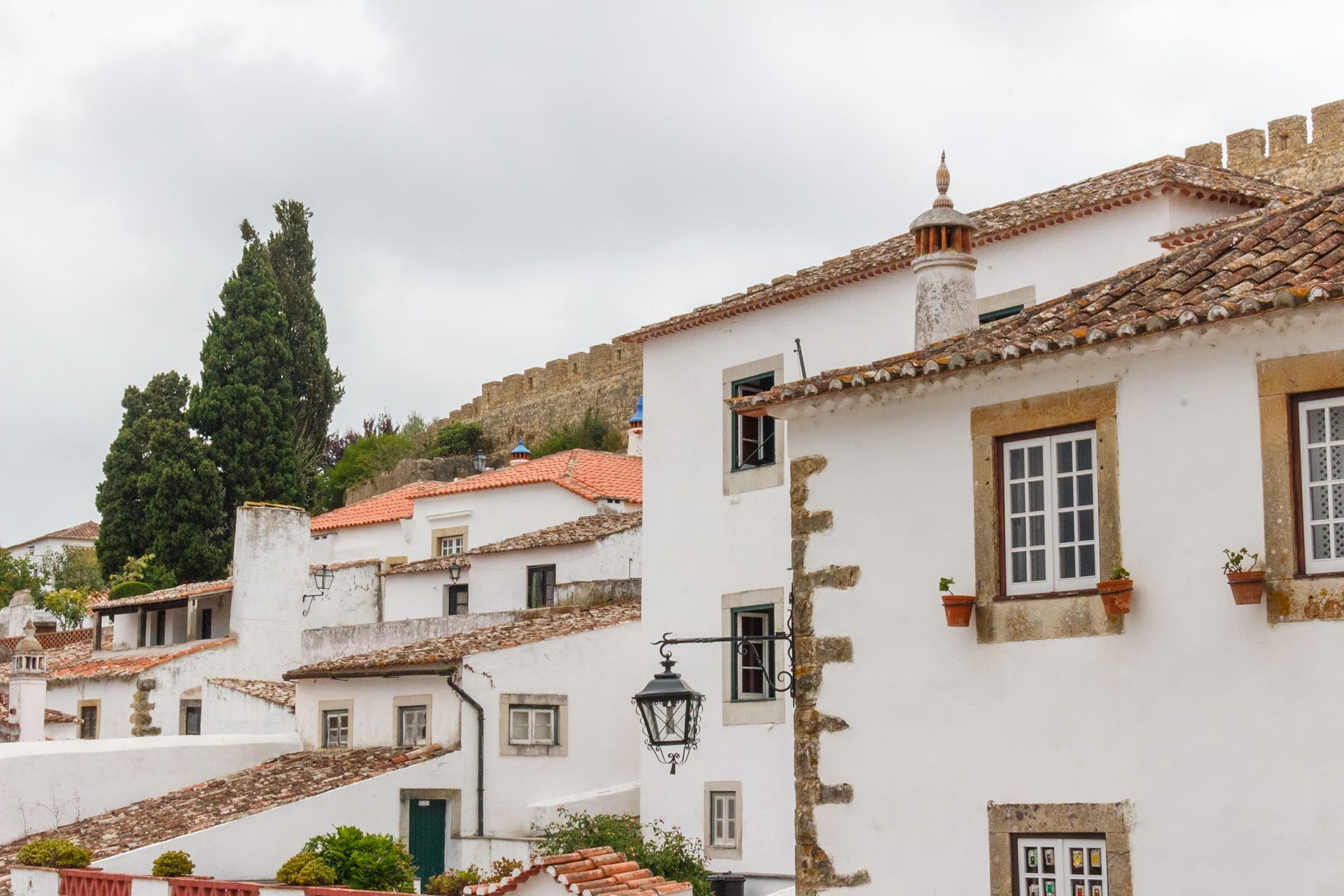
portugalÓbidos Travel Guide: Portugal's Walled Medieval Town
Óbidos is a medieval walled town of around 3,000 permanent residents in central Portugal, 80km north of Lisbon. The walls — 1.5km of complete Roman and medieval fortification — enclose an area small enough to walk end to
Henrik Vinter

28 May 2026
japanTakayama Travel Guide: The Mountain Town with Japan's Best-Preserved Old Quarter
Takayama sits at 573 metres in the mountains of Gifu Prefecture, 2.5 hours by limited express train from Nagoya through the Hida range. The city's two preserved merchant districts — Sanmachi Suji — date from the Edo peri
Henrik Vinter

28 May 2026
greeceNafplio Travel Guide: Greece's First Capital
Nafplio served as the first capital of the modern Greek state from 1821 to 1834, before the seat of government moved to Athens. Three fortresses — the Venetian-built Palamidi on the hill above the town, the sea fortress
Henrik Vinter

28 May 2026
franceAnnecy Travel Guide: Lake, Alps, and the Old Town
Lake Annecy is consistently recorded as one of the cleanest freshwater lakes in Europe — the result of a 1962 ban on industrial activity and a strict prohibition on motorised watercraft that remains in force today. The o
Henrik Vinter

28 May 2026
franceColmar Travel Guide: Alsace's Most Photographed Town
Colmar sits in the southern Alsace plain 70km south of Strasbourg, at the northern end of the Alsatian wine route. The historic centre has roughly 900 buildings under heritage protection, including a canal-threaded quart
Henrik Vinter
28 May 2026
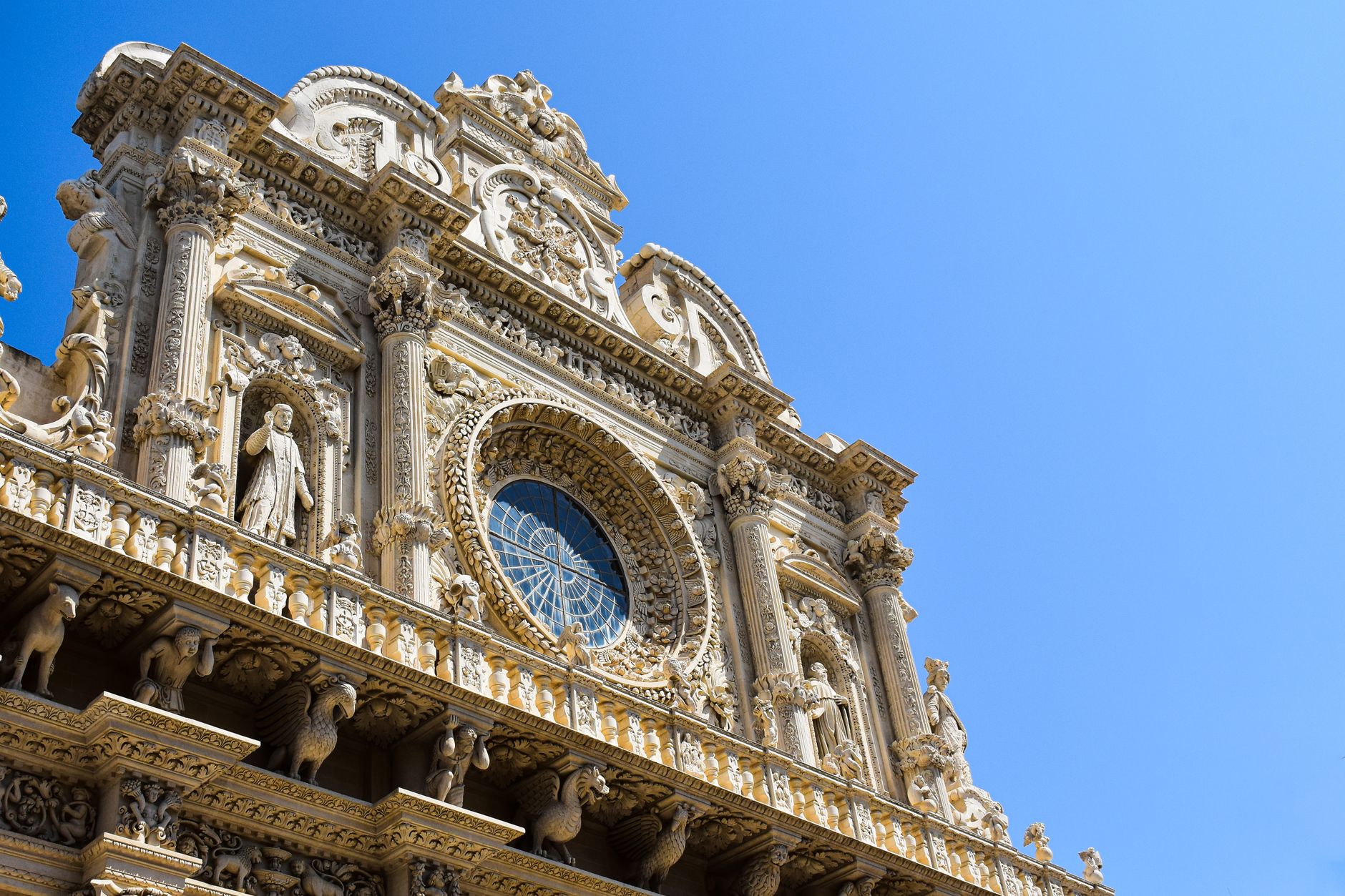
italyLecce Travel Guide: The Baroque City at the Heel of Italy
Lecce's historic centre contains more ornate Baroque architecture per square metre than anywhere else in southern Italy. Every church facade, palazzo doorway, and civic building is carved from pietra leccese — a fine-gra
Henrik Vinter
28 May 2026
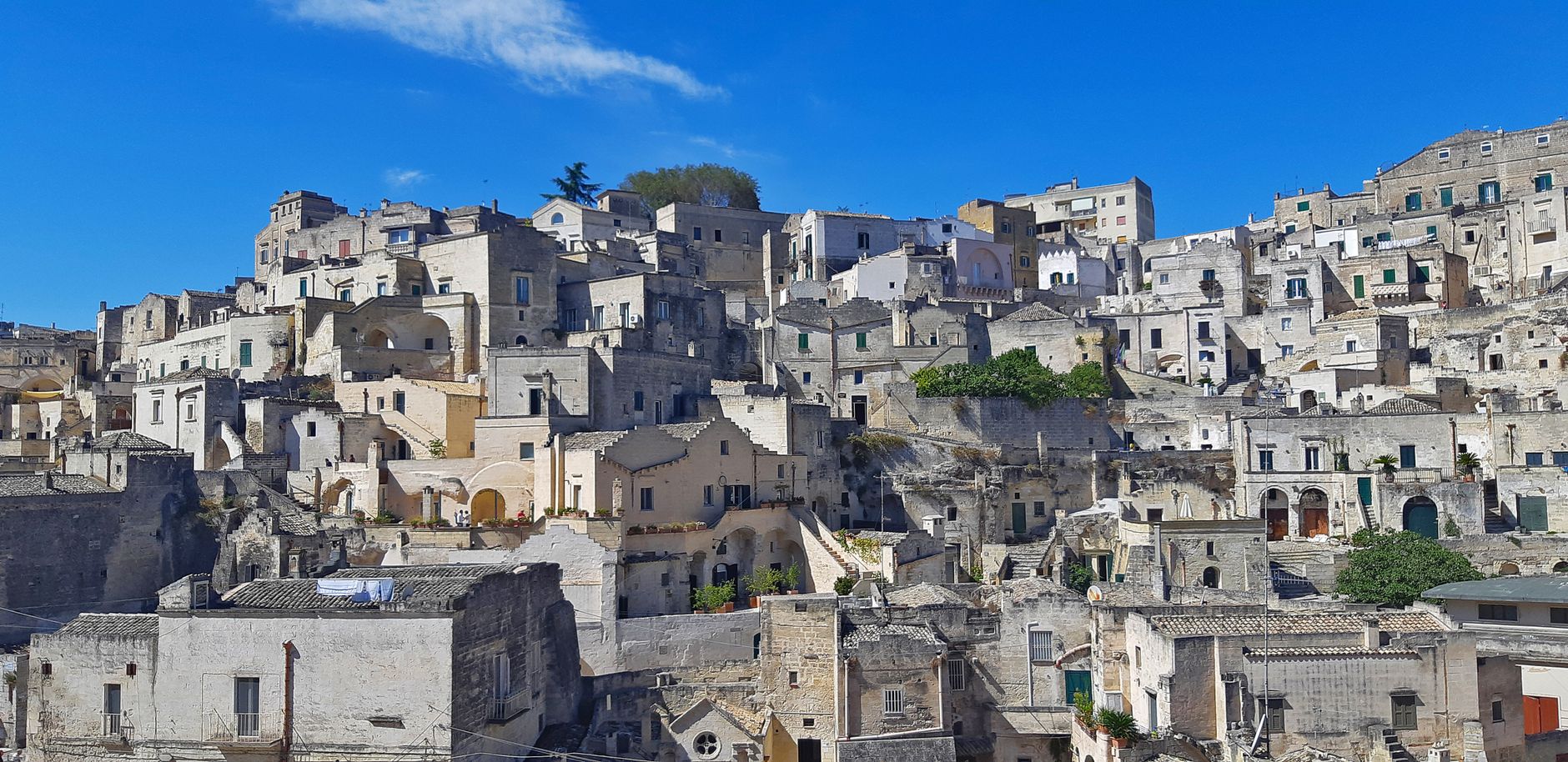
italyMatera Travel Guide: The Cave City and How to Visit It
Matera is one of the oldest continuously inhabited settlements on earth — people have lived in these carved limestone caves for at least 9,000 years. The city was declared a UNESCO World Heritage Site in 1993 and served
Henrik Vinter
9 April 2026
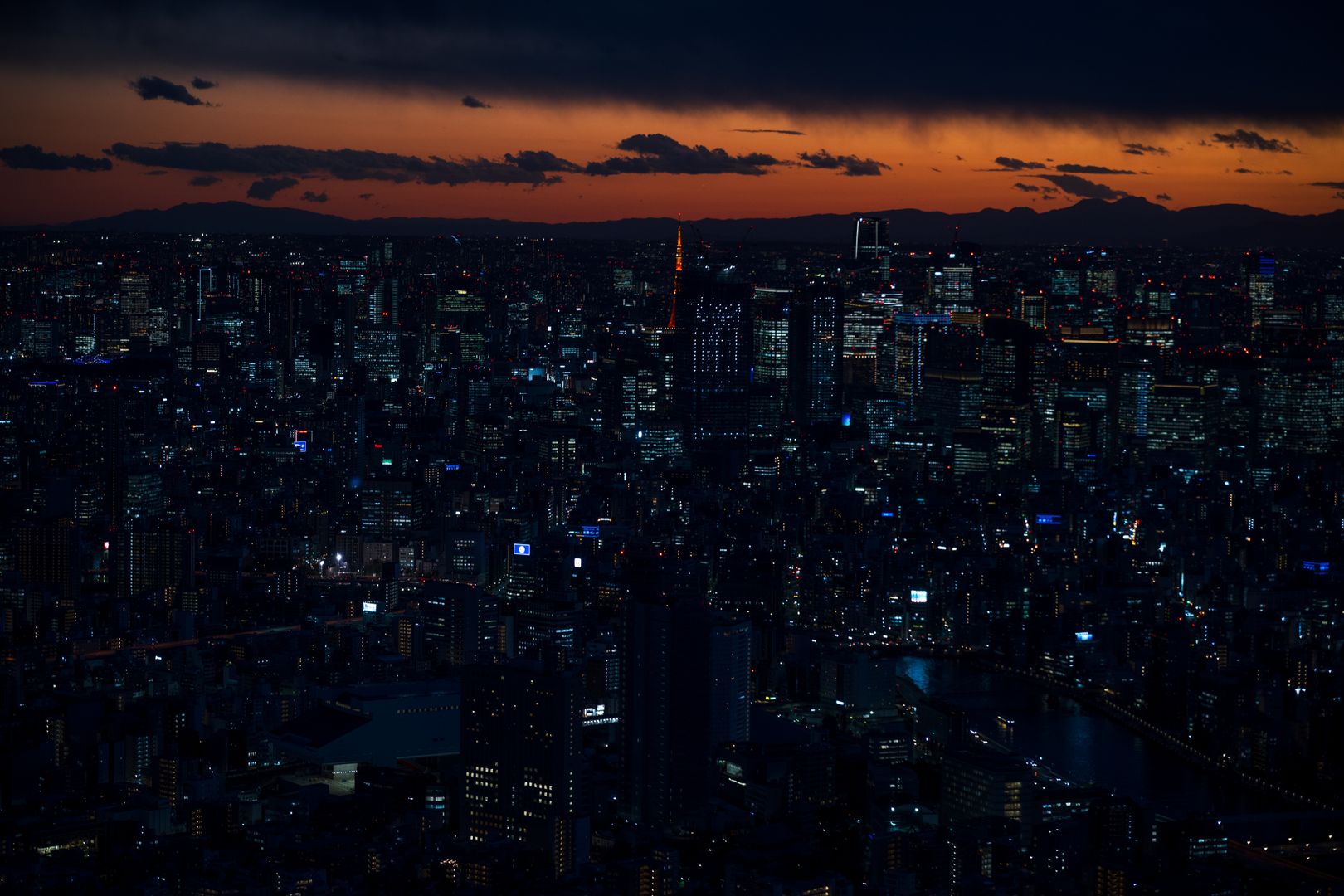
japanTokyo Neighbourhoods: Where to Stay and What Each Area Is Like
Tokyo spans 627 km² across 23 special wards and over 40 distinct neighbourhoods, each with its own character, price tier, and convenience profile. Where you stay determines your daily commute pattern and which parts of the city feel accessible — staying in the wrong area for your interests can add 45 minutes of transit time to every outing. The Yamanote Line, the circular JR loop connecting 29 stations in 60 minutes, forms the city's backbone. East of it (Asakusa, Ueno, Akihabara) tends toward tradition and affordability; west (Shinjuku, Shibuya, Harajuku, Omotesando) leans contemporary and expensive. Understanding this geography before booking is more useful than comparing hotel star ratings.
Henrik Vinter
6 April 2026
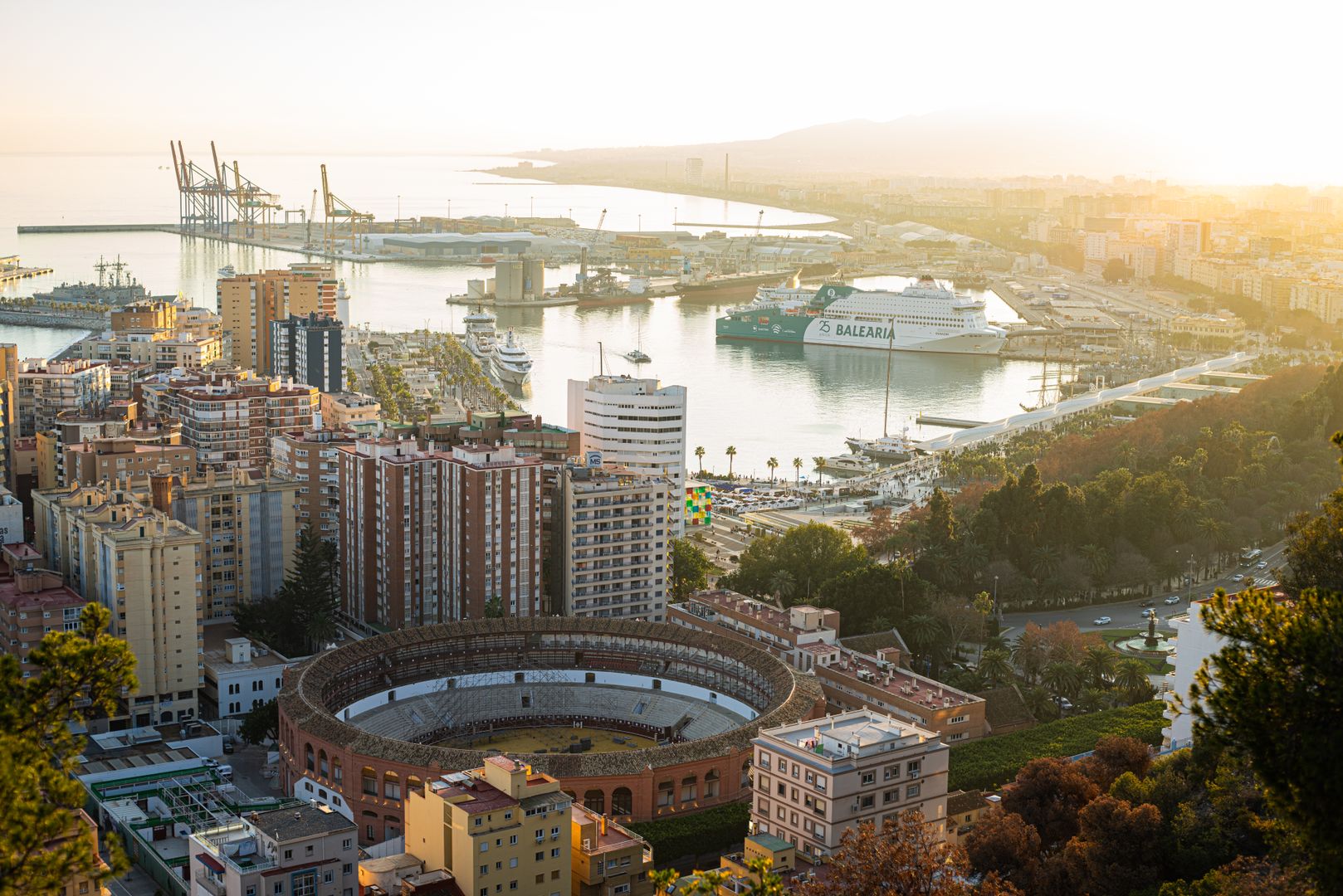
spainMálaga and the Costa del Sol: Beyond the Package Holiday
Málaga Airport is Spain's third busiest, but most travellers treat it as a car rental depot—a stepping stone to somewhere else. That mistake costs them. Málaga is Picasso's birthplace and a functioning Mediterranean port city with a restored 16th-century centre, 200+ works in a museum that fits nowhere else, and reliable 17°C January weather. The Costa del Sol extends 150km east and west: Nerja has actual charm; Marbella has money and boats; Tarifa has kitesurfing and Africa visible across the strait. Skip the airport transfer and stay three days.
Henrik Vinter
5 April 2026
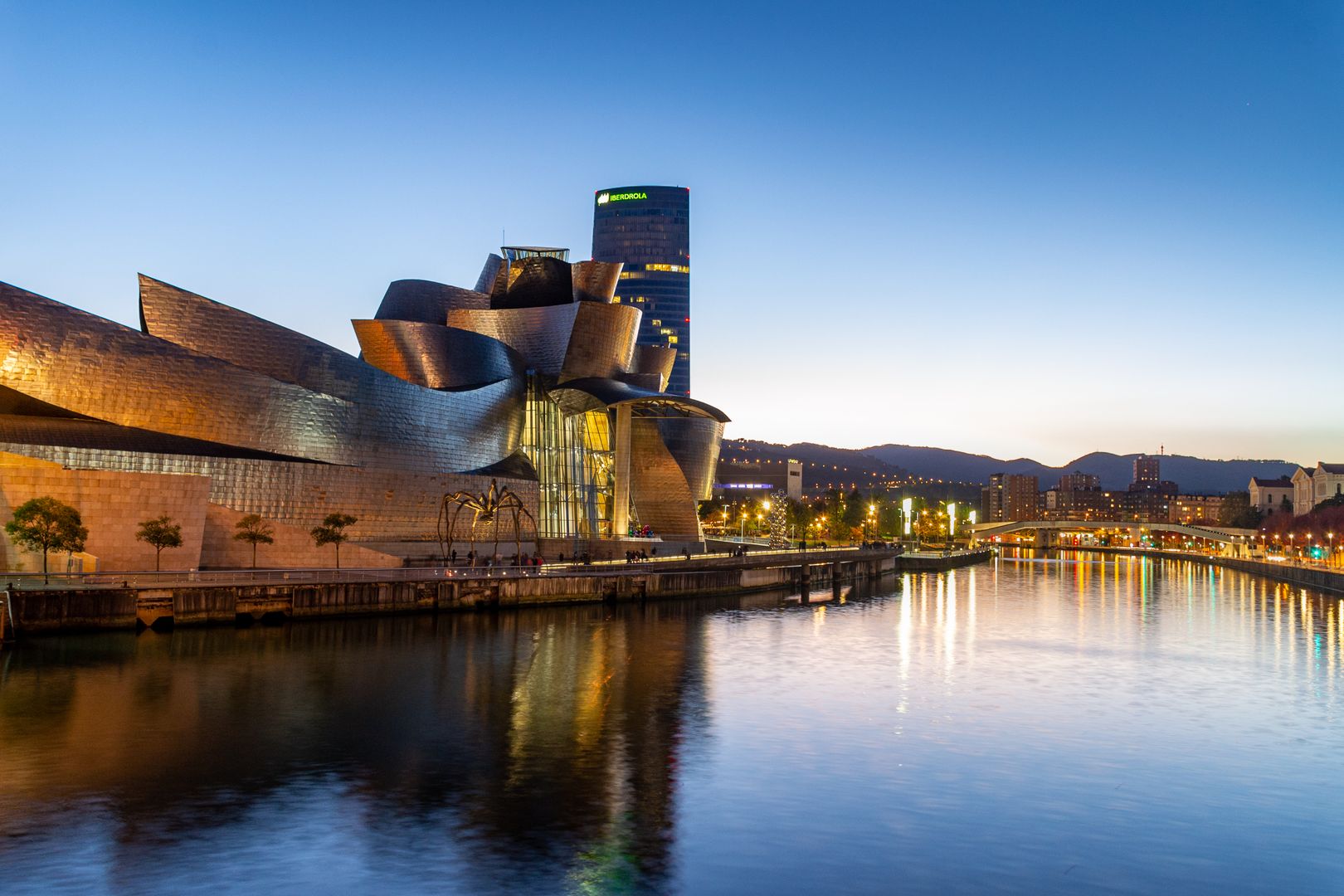
spainBilbao and the Basque Country: Guggenheim, Food, and the Coast
In 1990, Bilbao was dying. The Basque industrial heartland had contracted into unemployment, contaminated rivers, and urban decay. When Frank Gehry's Guggenheim Museum opened in 1997, the building didn't just attract visitors — it forced the city to ask what came next. Twenty-seven years on, the "Bilbao Effect" theory (the belief that iconic architecture alone regenerates cities) remains debated by planners. What's not debatable: Bilbao is now a genuinely good destination. The Guggenheim is essential. The food is serious. The coast is within reach.
Henrik Vinter
4 April 2026
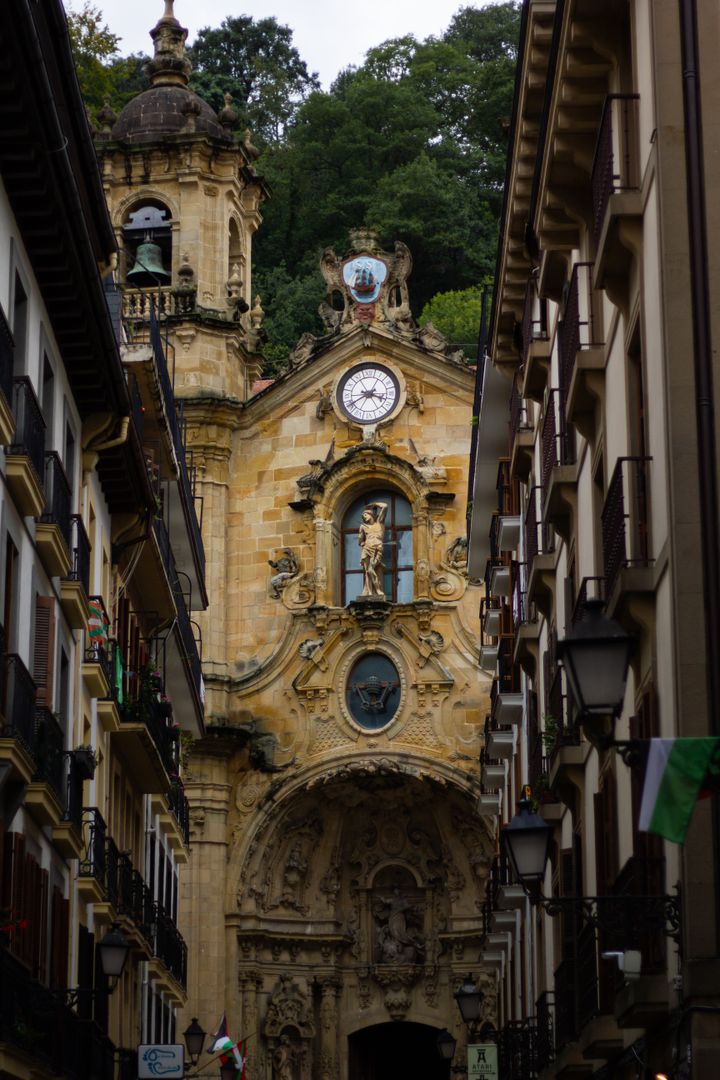
spainSan Sebastián Travel Guide: Pintxos, Beaches, and the Basque Country
San Sebastián has more Michelin stars per capita than any city in the world — three restaurants with three stars (Arzak, Akelarre, Martín Berasategui) serving a population of 190,000. It also has pintxos bars where €15 buys a sequence of small plates and drinks that outrank most European fine-dining experiences. Both claims are true. This is not a destination for one or the other; it's a city where the food culture splits cleanly between haute cuisine restaurants booked eight weeks ahead and a street-level pintxos circuit that operates every evening in the Parte Vieja (Old Town), where locals and travellers stand at the bar, order rounds of txakoli, point at skewers and croquetas, and move to the next bar. Understanding the distinction — and how to navigate each — is the core of a San Sebastián visit.
Henrik Vinter
3 April 2026
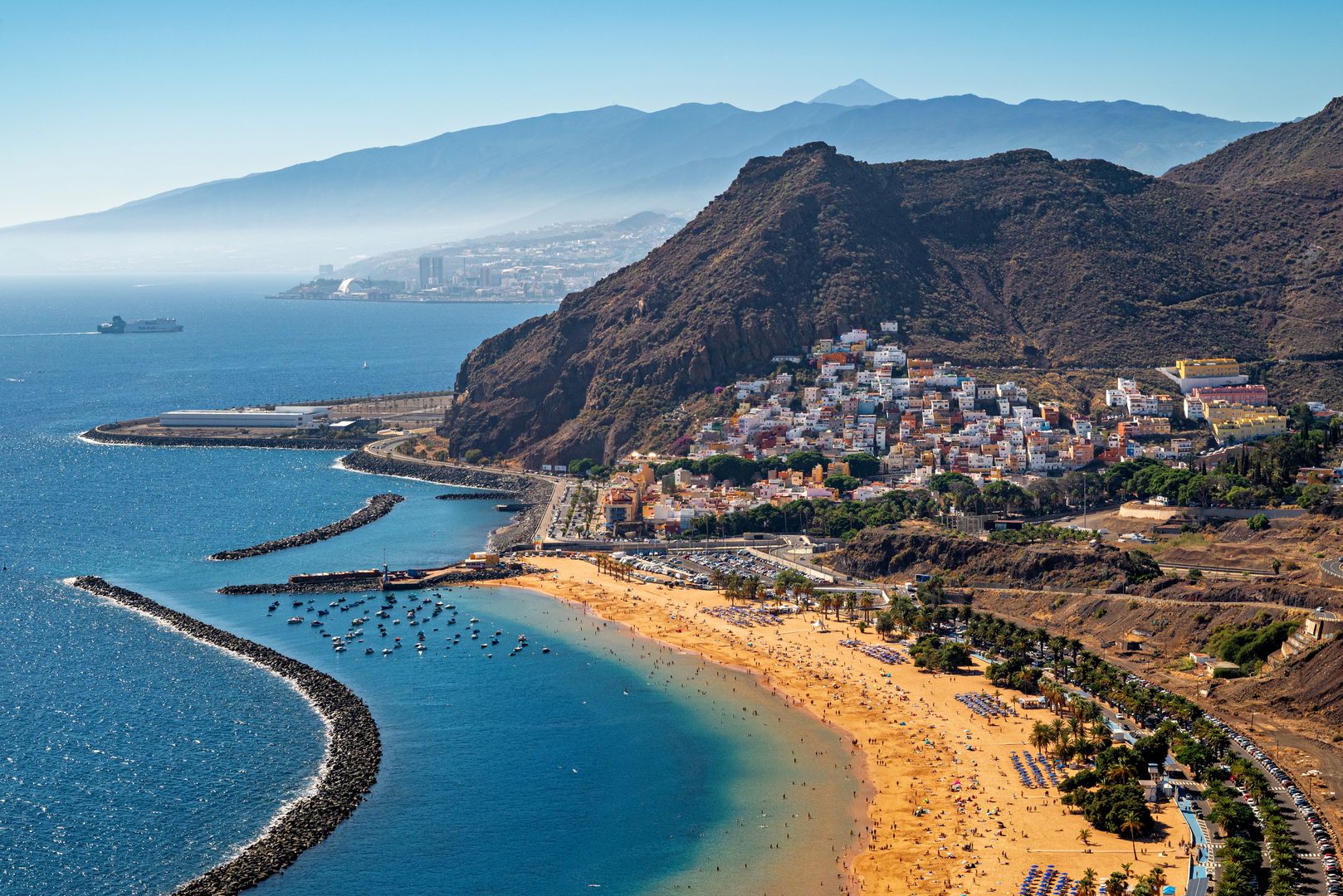
spainThe Canary Islands: Choosing Between Tenerife, Gran Canaria, and Lanzarote
The Canary Islands sit 100km off the coast of Africa yet belong to Spain—making them the winter escape route for northern Europeans seeking guaranteed warmth without leaving the EU. Average temperatures range from 21–26°C even in January, and direct budget flights from the UK and Scandinavia mean the islands are 4–5 hours away. They are why functional winter tans exist north of the Alps. But the four main islands are fundamentally different: Tenerife is the package resort anchor, Gran Canaria offers variety compressed into one island, Lanzarote is geologically distinctive, and Fuerteventura is the wind-and-sand extreme. Choosing between them requires knowing what each actually does well—not just which is most famous.
Henrik Vinter

2 April 2026
spainMadrid Travel Guide: What First-Timers Actually Need to Know
Madrid is Spain's capital and the most uncompromisingly Spanish of the country's major cities — it makes no particular effort to accommodate non-Spanish speakers, eats dinner at 10pm, and houses a museum collection that rivals Paris. Barcelona is more internationally polished, has the sea, and markets itself as a destination. The two cities appeal to different people entirely, and knowing which you are saves both time and argument.
Henrik Vinter

1 April 2026
spainSeville Travel Guide: Flamenco, the Alcázar, and How to Time Your Visit
Seville is the hottest city in continental Europe during summer — July averages 37°C, August 36°C, with regular peaks at 42–44°C. This is not background detail; it dictates whether you spend your days inside or exploring the Alcázar's gardens and cathedral plazas. Visit March through May or October through November, and Seville is extraordinary. Visit in August and you're managing heat rather than discovering a city. The historic centre is compact, the tapas are genuine, and the architecture — Moorish, Gothic, Renaissance, layered across eight centuries — rewards the traveller who arrives at the right season.
Henrik Vinter

31 March 2026
greeceThe Greek Islands: How to Choose the Right One
There are 227 inhabited Greek islands. Most travel articles recommend the same five: Santorini, Mykonos, Crete, Rhodes, and Naxos. This guide strips away that noise and matches you to the island that actually fits how you travel, what you value, and how much time you have. The goal isn't comprehensiveness — it's a decision framework that works.
Henrik Vinter
29 March 2026
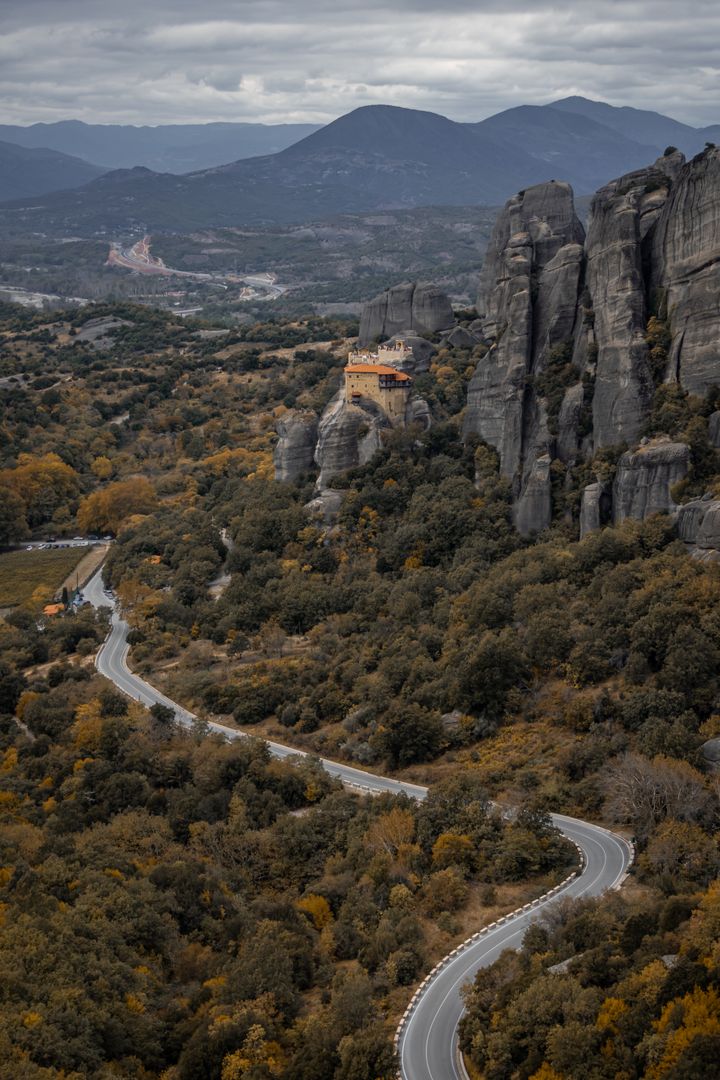
greeceMeteora Travel Guide: The Monasteries, How to Get There, and What to Expect
Meteora is sixty rock pillars rising 400 metres from a Thessalian plain, their tops crowned by six active Orthodox monasteries perched on stone so vertical that monks once entered by rope and basket. The photographs are not exaggerated—this is genuinely one of Europe's most otherworldly landscapes. The six monasteries remain functioning communities, not museums, and the landscape around them is traversable on foot through a network of ancient trails and modern roads. Getting there from Athens is straightforward; the real decision is whether to day-trip or stay overnight.
Henrik Vinter

28 March 2026
greeceCorfu Travel Guide: The Green Island of the Ionian
Corfu (Kerkyra in Greek) is the greenest and most Italianate of the major Greek islands, shaped by four centuries of Venetian rule that left behind a capital resembling Ragusa or Genoa rather than the Cycladic whitewash of the Aegean. The interior holds three to four million olive trees, never pruned, only harvested — a legacy of deliberate Venetian planting. The climate is wetter than the Aegean. This combination makes Corfu fundamentally different from what most travellers expect from Greece.
Henrik Vinter
26 March 2026
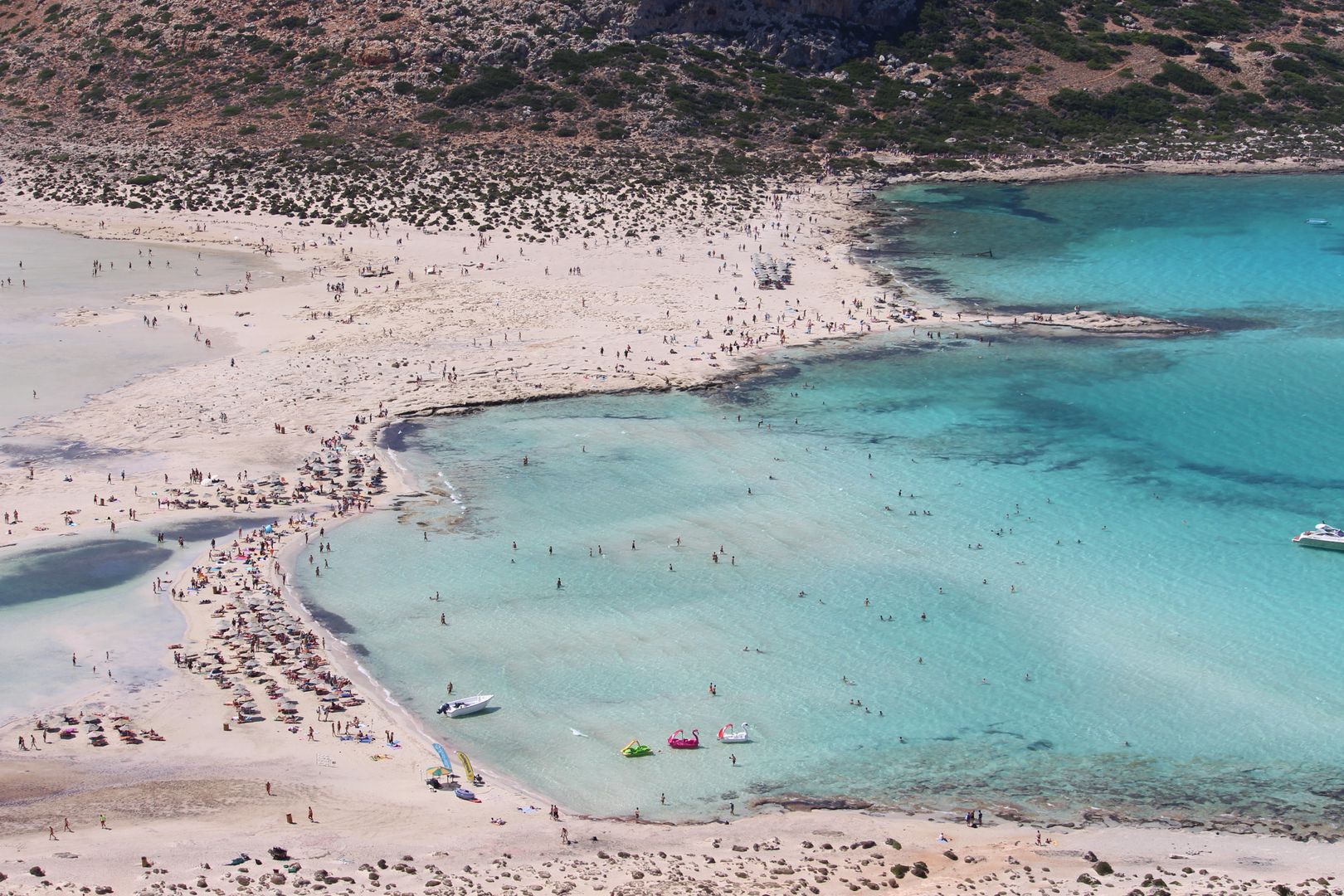
greeceCrete Travel Guide: Greece's Largest Island, Practically Explained
Crete spans 260 kilometres from west to east — longer than the distance from London to Brighton — and the island demands logistical choices that smaller Cycladic alternatives do not. Flying into Heraklion airport on the east coast and booking accommodation in Chania on the west costs €80–120 in transfers or 2.5 hours by bus and makes sense only if you rent a car or commit to one region. That constraint is the point: Crete rewards depth over coverage. Most travellers default to Santorini or Mykonos because their geography is legible in three days. Crete requires that you choose — and that choice determines whether the island reveals itself or remains a series of postcards.
Henrik Vinter

26 March 2026
greeceSantorini Travel Guide: What It's Actually Like and How to Do It Right
Santorini is one of the most photographed places on Earth, and the photos are accurate. The blue-domed churches against white caldera walls, the volcanic cliffs above a submerged crater — they look like that. What the photographs don't convey: Oia in August has 15,000 visitors cycling through a village of 3 km, most hotels with caldera views cost €400–1,000/night in peak season, and the island's famous beaches are black volcanic sand that burns bare feet. Santorini works best as a three-to-five-day stop, not a week-long beach holiday.
Henrik Vinter

24 March 2026
greeceAthens Travel Guide: What First-Timers Actually Need to Know
Athens is a city that underwhelms before it corrects itself. The first impression—traffic, dust, a chaotic centre scarred by 1960s concrete—gives way to something more textured: an ancient city that feels genuinely inhabited rather than preserved for visitors. The Acropolis is real and worth seeing. The food is excellent. And the neighbourhoods south of the centre—Koukaki, Mets, Pangrati—are what the travel photography never captures. Most first-timers spend two days chasing monuments and miss the Athens that actually exists below the hill.
Henrik Vinter

24 March 2026
japanJapan Rail Pass: Is It Worth It for Your Trip?
The fastest Shinkansen trains between Tokyo and Osaka—the Nozomi services—don't accept the Japan Rail Pass. Only the slower Hikari trains are covered. On this route, that's a difference of 50 minutes (Nozomi: 2h 25m vs. Hikari: 3h 15m). If your itinerary relies on Nozomi for speed, the JR Pass math changes immediately.
Henrik Vinter

22 March 2026
japanJapan on a Budget: What Things Cost and Where to Save
Japan costs roughly 60% of what a comparable trip to London, Paris, or Sydney costs in 2026, and this gap has widened since 2023 due to yen weakness. A mid-range traveller spends £40–65 per day on everything except long-distance trains and accommodation—substantially less than the same itinerary in Western Europe. The persistent myth that Japan is prohibitively expensive dates from 2010–2015, when the yen was strong and budget options were genuinely scarce. In 2026, with a weak yen hovering around 150–155 to the US dollar and 190–200 to the pound, and with capsule hotels, business hotel chains, and ramen culture thriving, Japan is one of the most sensible budget destinations in developed Asia.
Henrik Vinter

21 March 2026
japanHakone and Mount Fuji: The Practical Guide
Mount Fuji is hidden by cloud approximately 60% of the time year-round. This single fact should shape your entire itinerary. If you plan to see the mountain from a summit or base viewpoint, allocate multiple days in the Hakone and Fuji area, or accept that you may see nothing but grey. The mountain is most visible in October and during clear spells in December to February. If you're set on summiting, July to early September is the only window — and even then, you'll climb into cloud cover roughly half the time. The area remains rewarding without Fuji views: Hakone itself is a functional mountain resort with geothermal water, ropeway access to volcanic vents, and an excellent open-air museum. But the Fuji element is the draw, and pretending otherwise leads to disappointment.
Henrik Vinter
20 March 2026
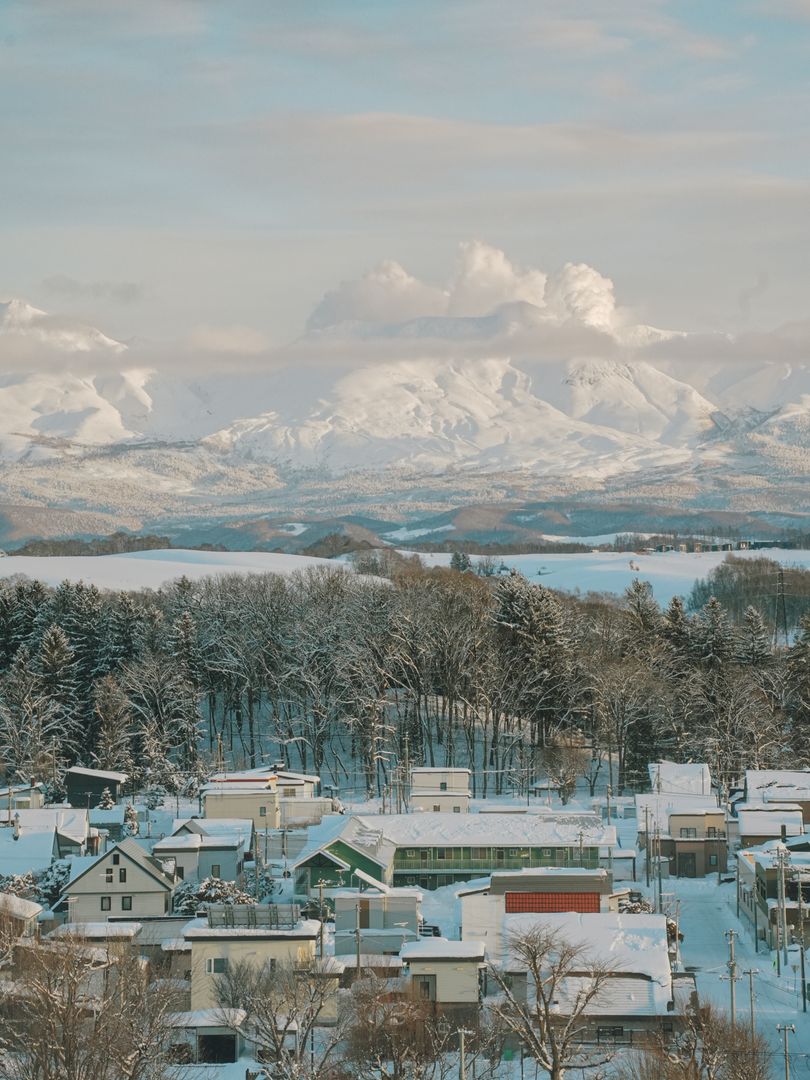
japanHokkaido Travel Guide: Japan's Wild North
Hokkaido is not a smaller version of Honshu — it is a fundamentally different Japan. The island covers 22% of Japan's land area but holds only 4% of the population. The climate is subarctic: winters drop to −10°C in Sapporo, −20°C in rural valleys, with annual snowfall exceeding 15 metres in ski zones. Summers stay dry and mild (20–25°C), free of the humidity that makes Tokyo in July oppressive. This is a choice between two entirely separate Japan experiences, separated by geography and season.
Henrik Vinter
20 March 2026
japanOsaka Travel Guide: Food, Neighbourhoods, and What the City Is Actually Like
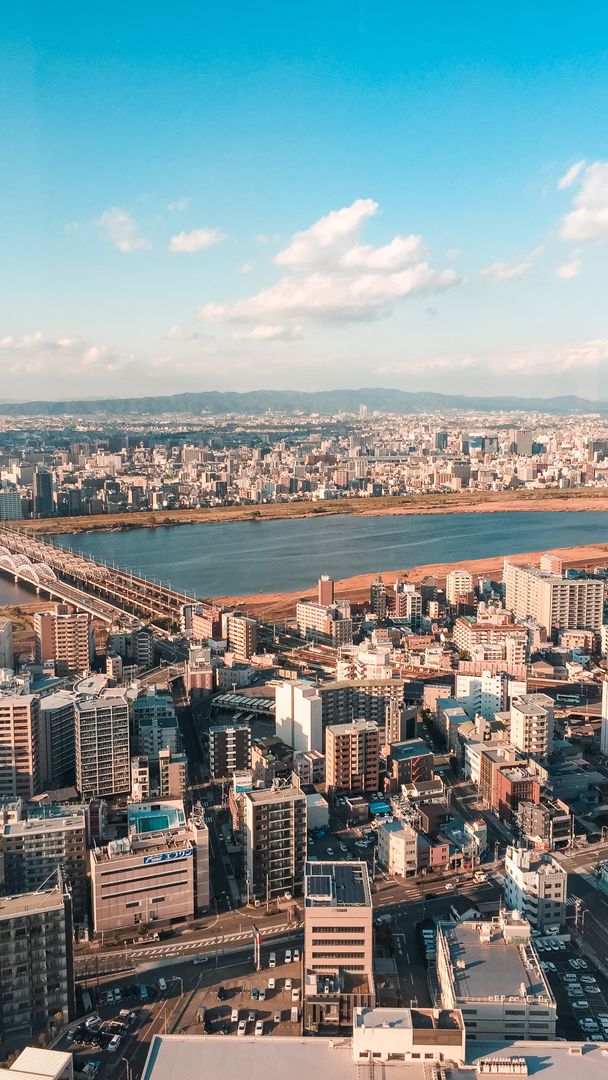
Osaka's reputation outside Japan is as Tokyo's louder, messier cousin — a characterization that misses the point entirely. The city that other Japanese cities consider too direct, too loud, too willing to talk to strangers. Local saying: "Kyoto people are subtle, Osaka people are direct." The food is richer, the humour sharper, and the street energy closer to Hong Kong or Naples than to Tokyo's contained precision. For many long-term Japan visitors, it is the most approachable Japanese city — and the only one where pointing at a menu and grunting is not just acceptable but expected.
Henrik Vinter

19 March 2026
japanHiroshima and Miyajima: What to Know Before You Visit
Hiroshima is simultaneously a modern, well-functioning city of 1.2 million people and the site of the world's first atomic bomb attack on August 6, 1945. Visiting requires some capacity to sit with that contradiction. The Peace Memorial Museum does not simplify or sanitise the event. If you approach it with that expectation, it becomes one of the most worthwhile museum visits in Japan—not as tourism, but as necessary witness.
Henrik Vinter

18 March 2026
japanKyoto Travel Guide: What First-Timers Actually Need
Kyoto holds 17 of Japan's UNESCO World Heritage Sites and more temples than any comparable city in the world — 1,700+ temples and shrines scattered across a basin the size of Greater London. The central problem isn't finding things to do. It's deciding how many temples you can genuinely appreciate before they blur into architectural repetition. Two full days is the practical minimum to see the main sites without a sense of rushing. Three days is the threshold where you can actually spend time in places instead of collecting them.
Henrik Vinter

16 March 2026
japanOne Week in Japan: A Practical First-Timer's Itinerary
A one-week Japan itinerary typically follows the Tokyo–Kyoto–Osaka circuit, and it works well for first-timers because these three cities are connected by reliable trains and collectively show Japan's contradictions: megacity noise, temple forests, neon districts, and centuries-old shrine districts within 30 minutes of each other. What first-timers get wrong is thinking seven days is enough to add Hiroshima without rushing—it isn't. This route instead prioritises depth over distance. Decide upfront whether you're optimising for urban exploration, temple culture, food, or sensory contrast. Everything else follows from that choice.
Henrik Vinter

14 March 2026
thailandHua Hin Travel Guide: Thailand's Royal Resort Town
Hua Hin has hosted the Thai royal family since 1923, when King Rama VII built Klai Kangwon Palace on the Gulf coast—a fact that still shapes the town's character today. While most travellers flying south from Bangkok head for islands or Phuket, Hua Hin sits just 2.5 hours away by train, offers a cleaner beach than Pattaya, and serves better seafood than either. It's Thailand's oldest beach resort, favoured by Thai families and retirees rather than backpackers, which means fewer neon bars, fewer jet-ski touts, and a distinctly more local atmosphere. For anyone with four to five days and a base in Bangkok, Hua Hin avoids the flight-connection trap while delivering a genuine beach break—just not the one you've seen on Instagram.
Henrik Vinter
14 March 2026
thailandTwo Weeks in Thailand: A Practical Itinerary
Most first-time visitors to Thailand waste days deciding between north and south, then spend half their time in transit. Two weeks is enough to do both well if you make one strategic choice upfront: fly between Bangkok and Chiang Mai rather than taking the overnight train, and skip the second return to Bangkok. This saves a full day and removes the logistical knot that derails most two-week itineraries.
Henrik Vinter
13 March 2026
thailandEntering Thailand: Visas, Entry Requirements, and First Days
Thailand's 60-day visa-free entry for Western nationalities—extended from 30 days in November 2024—is the single most important update for anyone planning a longer initial stay. Most US, UK, EU, Australian, and Canadian passport holders can now arrive, clear immigration, and remain legally for two months without advance paperwork. The process is straightforward once you understand which documents matter, which ones don't, and where the actual delays happen.
Henrik Vinter
12 March 2026
thailandChiang Rai Travel Guide: White Temple, Golden Triangle, and the North
Chiang Rai is worth two nights if Chiang Mai has delivered what you wanted from northern Thailand — quieter, smaller, and with three genuinely unusual temples that don't exist elsewhere. The White Temple is the anchor; the Golden Triangle is primarily context and a museum, not spectacle. Most guides oversell the "escape" narrative; the reality is a manageable provincial city where the temples are the content, and the in-between time moves slowly.
Henrik Vinter
11 March 2026
thailandPai and Northern Thailand: Beyond Chiang Mai
Pai has a reputation as a hippie retreat three hours north of Chiang Mai—and that reputation is half-right. The town is small (population under 5,000), heavily visited relative to its size, and extremely oriented toward cafés, massage shops, and slow travel. That's either exactly what you want or entirely not. The real draw isn't the town itself. It's the surrounding countryside: the canyon ridges, the hot springs, the waterfall circuits. Know what you're signing up for before the minivan leaves Chiang Mai.
Henrik Vinter

10 March 2026
thailandKrabi Travel Guide: Railay, Rock Climbing, and Island Hopping
Krabi province is not a single destination — it's a collection of beaches, islands, and limestone formations spread across a 4,500 km² region, and where you choose to base yourself determines almost everything about your trip. Most first-timers settle in Ao Nang, a roadside beach town on the mainland, but many should actually skip it entirely and go straight to Railay Beach, which has no road access and feels like a different universe 15 minutes away by boat. Understanding the geography first — and being honest about what's actually worth your time — separates a good Krabi trip from a wasted week in a mediocre beach town.
Henrik Vinter

9 March 2026
thailandKoh Samui Travel Guide: The Honest First-Timer's Briefing
Koh Samui is Thailand's second-largest island and the first major coastal resort destination that actually has functioning infrastructure: an airport, a hospital, internet that doesn't cut out mid-email, and seven-elevens on every corner. It's not the backpacker hideout it was 20 years ago. It's a developed beach island that works for families, couples, and anyone who wants reliable services alongside sand — but that reliability comes with crowds, higher prices, and a taxi cartel that prices journeys with the efficiency of a Stockholm auction house.
Henrik Vinter

8 March 2026
united statesMaui Travel Guide: A First-Timer's Practical Briefing
Maui is the second-largest Hawaiian island and the one deliberately engineered for tourists. The resort infrastructure is concentrated, the beaches are genuinely excellent, and the costs are high: a week for two people runs roughly $4,500–7,000 including flights from the US mainland, accommodation, car rental, and meals — comparable to a Maldives trip but for a fundamentally different experience. The question is whether Maui's particular appeal — excellent snorkelling, reliable weather, proximity to the volcano, whale watching in season — justifies it over the Big Island or a return to somewhere you've already been.
Henrik Vinter

6 March 2026
united statesNew Orleans Travel Guide: What to Know Before You Visit
New Orleans is the only major American city that resembles a European port town — a direct result of French and Spanish colonial rule, African diaspora food cultures, and a relationship with time that's markedly different from anywhere else in the country. Most visitors spend their entire trip on Bourbon Street and leave thinking they've seen the city. Bourbon Street is the worst block in New Orleans. This guide covers what the city actually is, when to visit outside the tourist machinery, where locals eat, and what trips up first-time visitors.
Henrik Vinter
5 March 2026
united statesSan Francisco Travel Guide: What First-Timers Need to Know
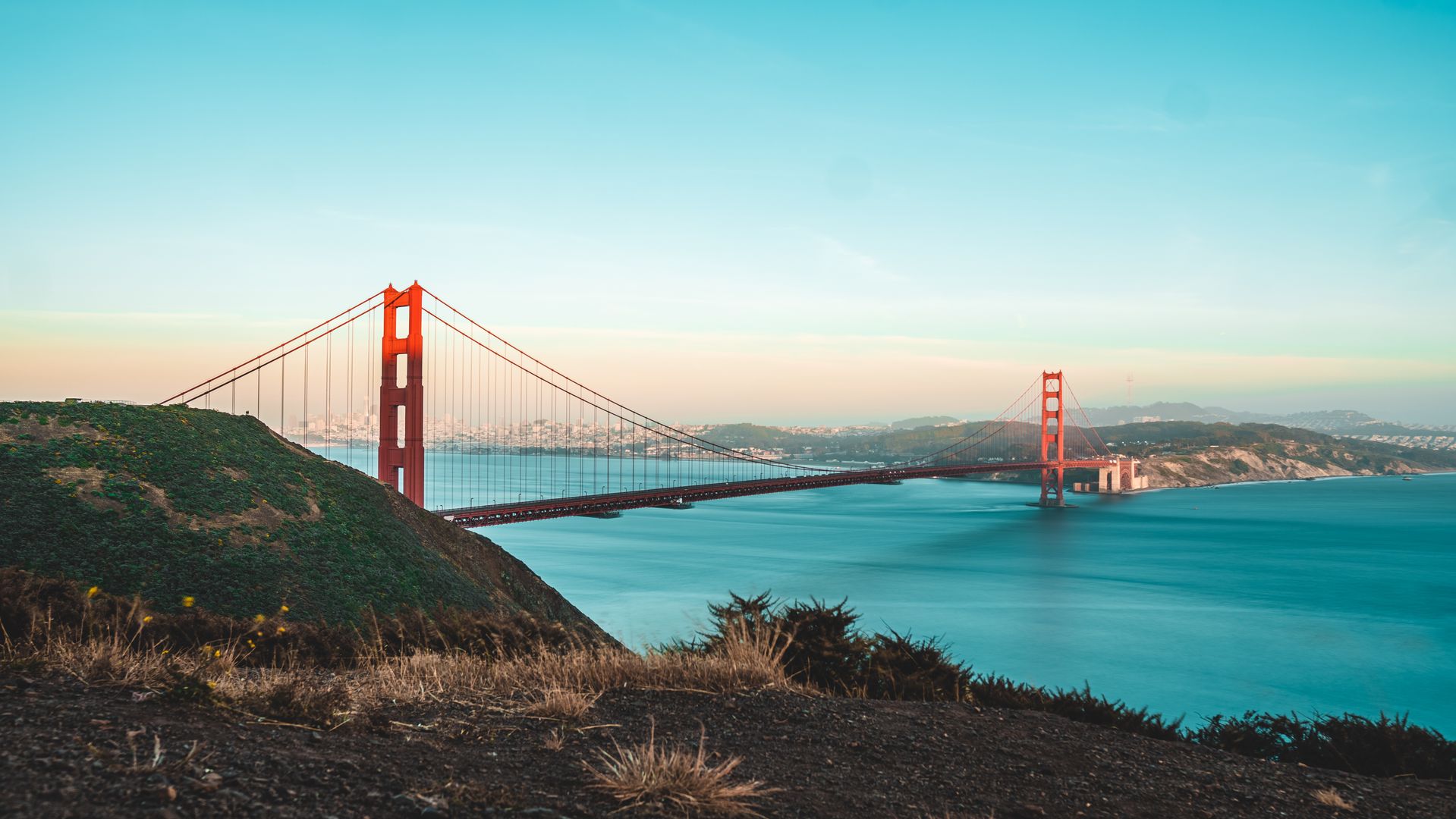
San Francisco's most famous weather feature—the summer fog rolling through the Golden Gate every afternoon—makes July and August among the worst months to visit. The city reaches its warmest and clearest state in September and October, when the rest of California thinks about autumn. Most visitors discover this frustration only after booking. The reality of San Francisco is messier than the postcard: it's expensive, visibly struggling with open-air drug use in specific neighbourhoods, and the cable cars move slower than walking. What remains genuine is the topology, the water on three sides, the neighbourhoods that feel like separate towns, and a working port that hasn't been turned into pure tourism.
Henrik Vinter
4 March 2026
united statesNew York City: A Practical First-Timer's Guide
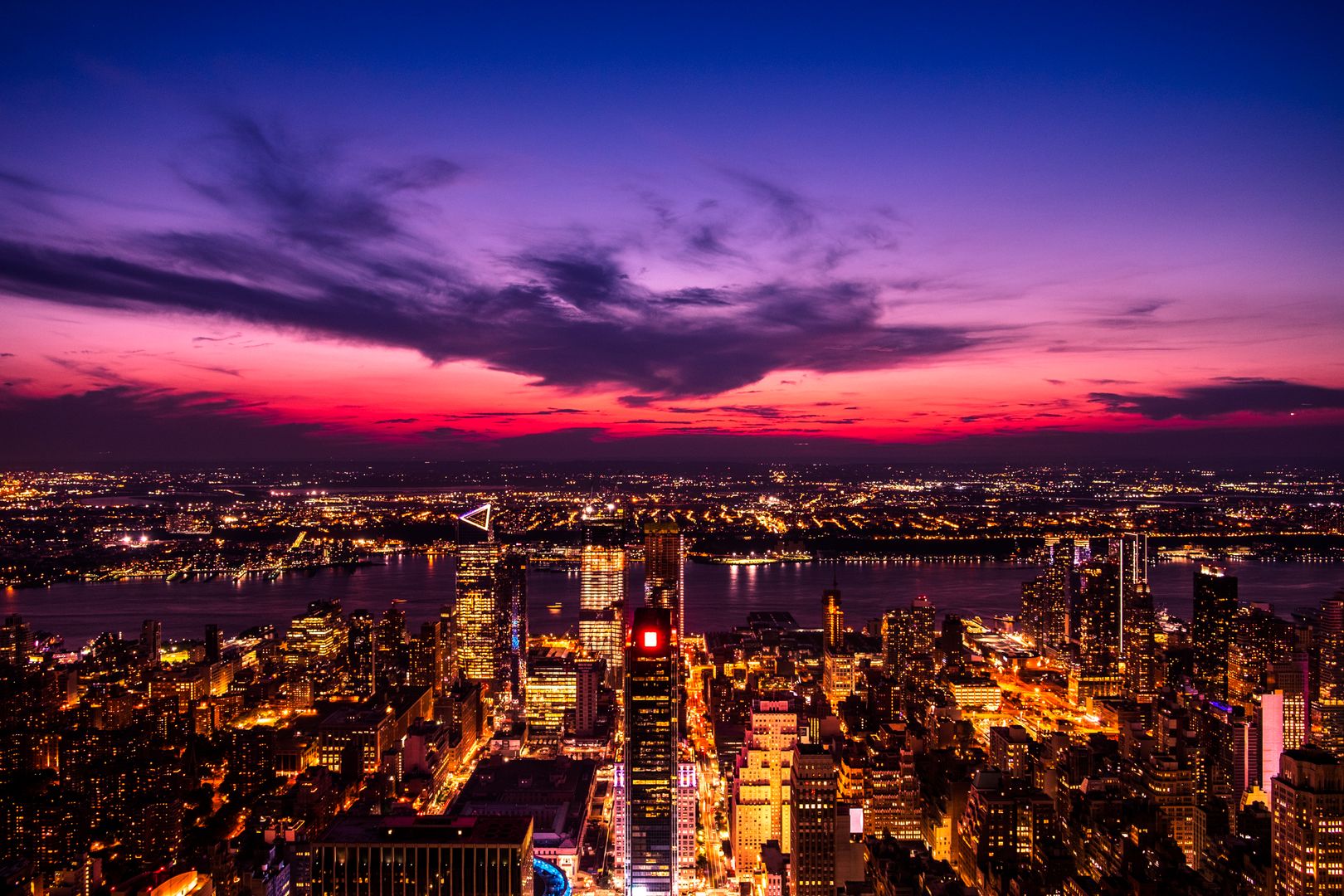
New York City is five boroughs, not one, and most first-timers spend four days in Midtown Manhattan—the most expensive, least representative part—and miss the city almost entirely. The gap between Times Square and the actual New York that people who live here inhabit is about ten subway stops. A realistic first visit takes four to five days to move through multiple neighbourhoods without rushing, but those days are wasted if you don't leave Midtown.
Henrik Vinter
4 March 2026
malaysiaKuala Lumpur Travel Guide: A Practical First-Timer's Briefing
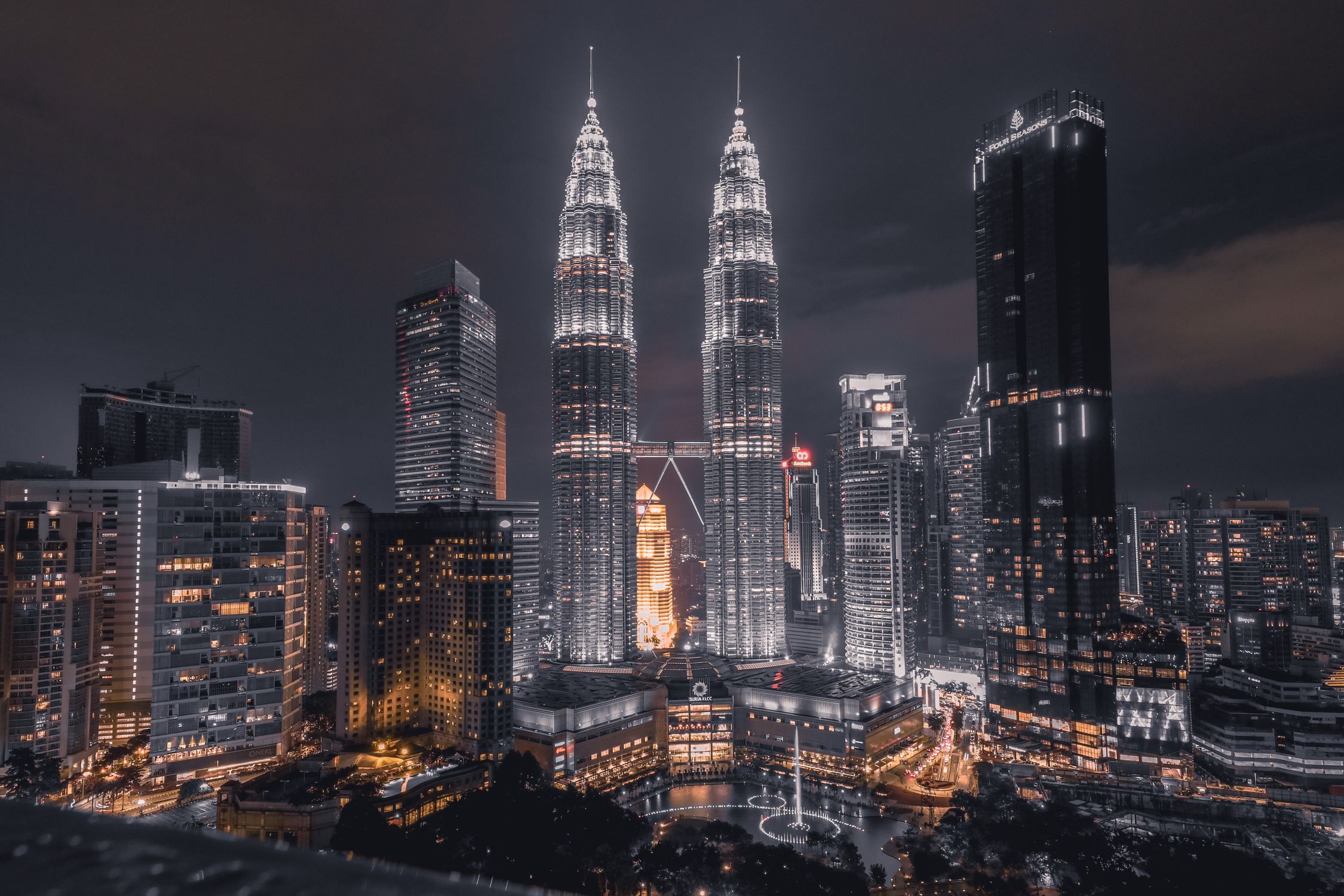
Kuala Lumpur is a cheap, efficient, food-obsessed city that most visitors underestimate. The city's genuine draw isn't the towers — it's a food culture built from Malay, Chinese, Tamil, and Nyonya traditions, all priced for locals. The Petronas Towers get the Instagram attention, but the real reason to spend three days here is to eat methodically: nasi lemak from a hawker stall at 6am, char kway teow from a shop you found by accident at lunch, bak kut teh at 11pm in a mamak filled with construction workers and off-shift nurses. The city works. The trains run. The food is exceptional. The only real gap is between what most guidebooks promise and what actually matters when you arrive.
Henrik Vinter
3 March 2026
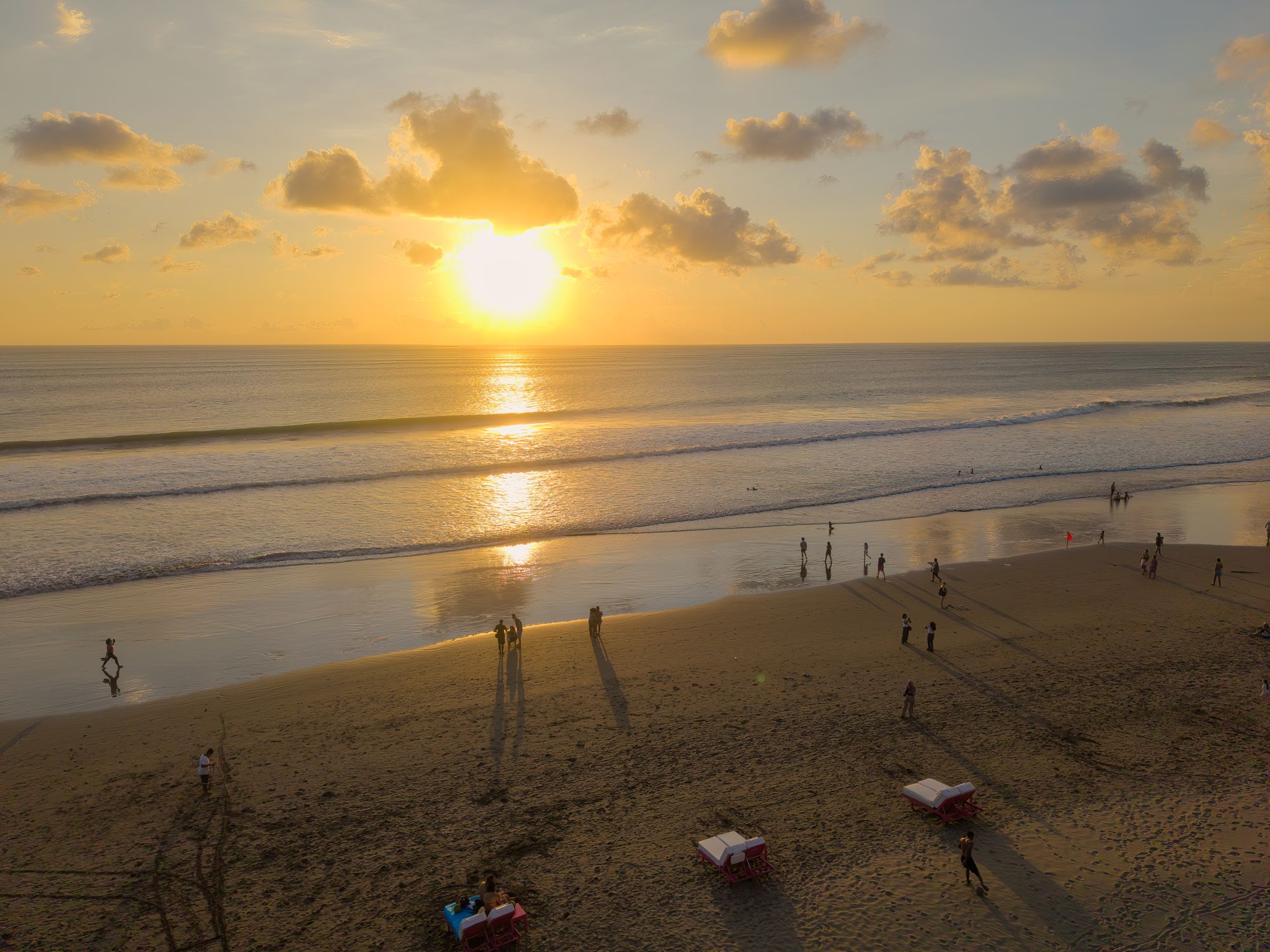
baliWhere to Stay in Bali: Honest Area-by-Area Guide
Bali has no single centre. Six distinct towns spread across a 5,600 km² island — each with different energy, price, and practical constraints. Where you base yourself determines how much time you spend in taxis and what you actually see. The wrong location means costly transport friction and wasted days.
Henrik Vinter

2 March 2026
thailandPhuket Travel Guide: What First-Timers Get Wrong
Phuket is Thailand's largest island and its most visited — which means it contains both the country's most developed resort infrastructure and some of its most degraded beach environments side by side. Where you stay determines which Phuket you experience. The island has split into distinct zones: Patong, the neon-bright resort strip; Kata and Karon, quieter southern beaches; Bang Tao and Kamala in the north, where higher-end hotels cluster; Rawai and Nai Harn to the south, for those wanting less tourism density; and Phuket Town itself, a genuine old commercial centre that most beach-focused visitors skip. Understanding these geographies is the difference between a productive stay and wasting transport time chasing a beach experience that doesn't match your pace.
Henrik Vinter
1 March 2026
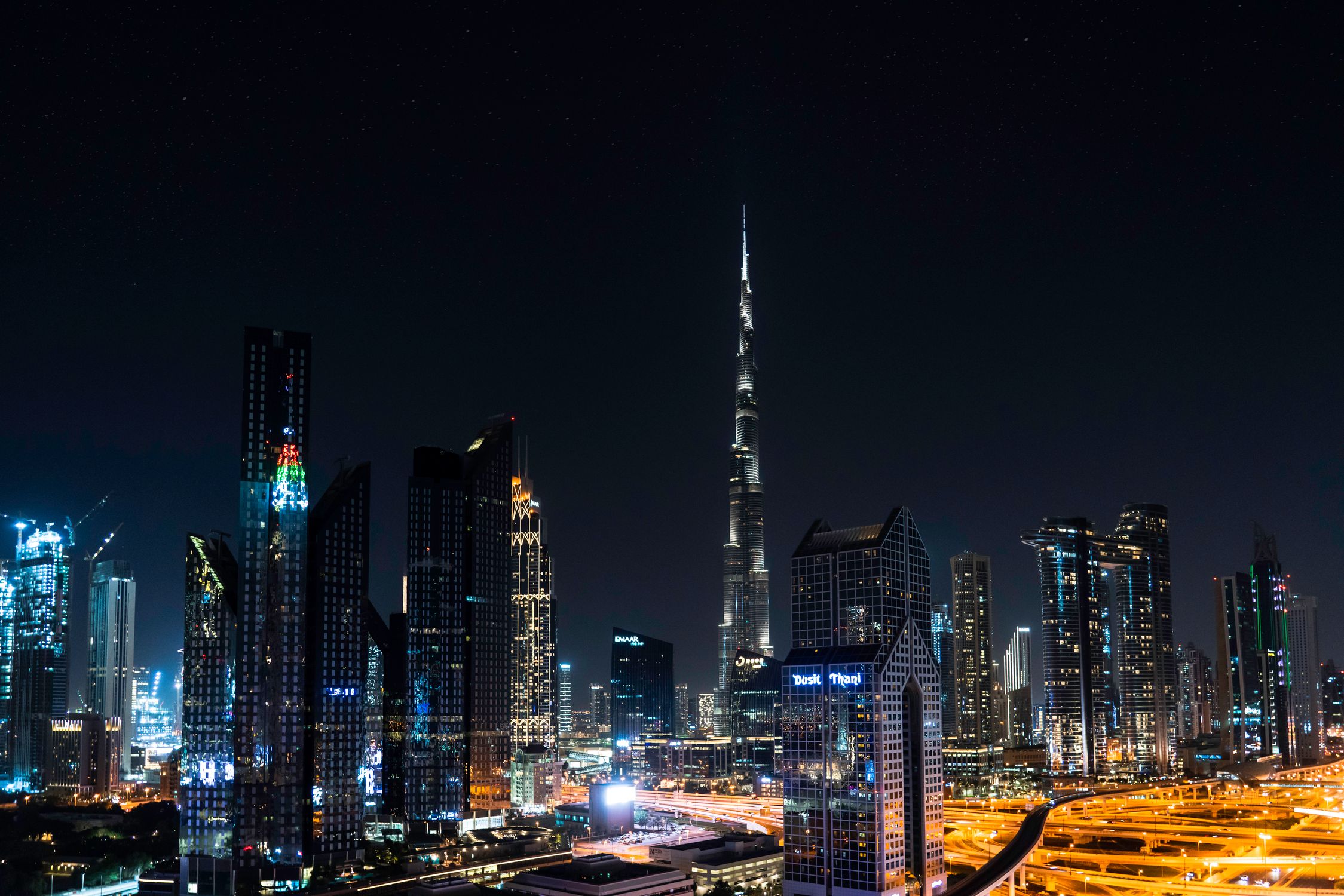
united arab emiratesDubai Travel Guide: What to Expect Before You Go
Dubai is a purpose-built city operating almost entirely in climate control, designed for spectacle and commerce rather than local culture or natural geography. It works brilliantly if you understand what it is: a 60-year-old trading port transformed into a global resort and shopping destination. It disappoints badly if you expect Middle Eastern authenticity, walkable neighbourhoods, or a slower pace. The city is efficient, safe, expensive by regional standards, and almost entirely disconnected from the desert that surrounds it.
Henrik Vinter
28 February 2026
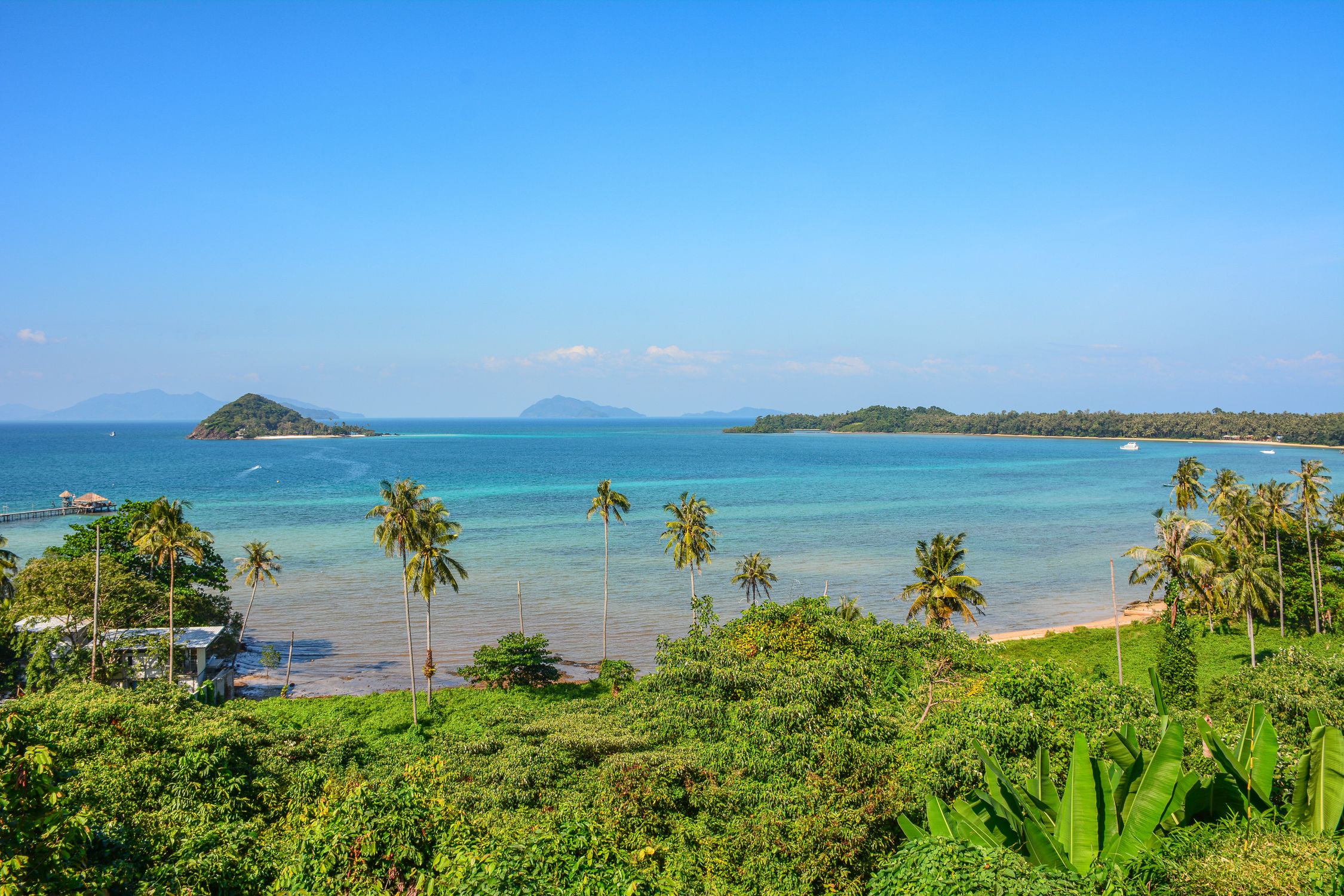
thailandOne Week in the Koh Chang Archipelago: A Practical Island-Hopping Route
A week in the Koh Chang archipelago requires accepting that getting there consumes most of a travel day: Bangkok to Koh Chang takes five and a half to seven hours via bus and ferry, and returning to Bangkok from Koh Kood means a two-hour speedboat to Laem Ngop plus another five hours overland—or a flight from Trat Airport. This itinerary assumes seven full nights away from Bangkok, treating the arrival and departure days separately.
Henrik Vinter
28 February 2026
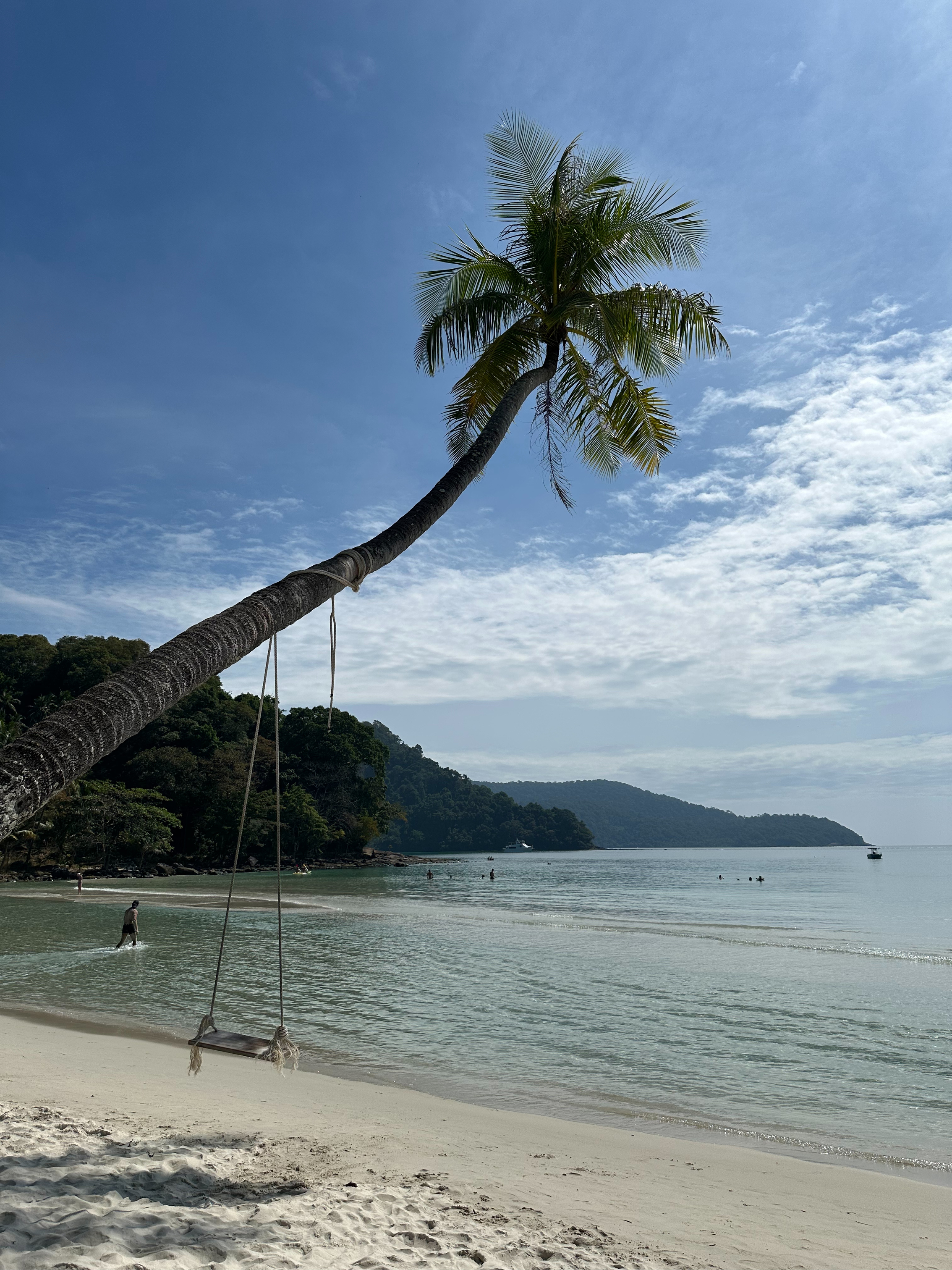
thailandKoh Mak vs Koh Kood: Which Is Worth the Extra Journey?
Koh Mak's speedboat from Laem Ngop takes one hour; Koh Kood takes 1.5–2 hours and sometimes runs just once daily. The difference sounds minor until you're holding a ticket for a boat that won't return for three days. Both islands reject Thailand's party-scene formula, but they solve the problem differently: Koh Mak is the answer if you want quiet Thailand accessible; Koh Kood is the answer if you want quiet Thailand remote.
Henrik Vinter
27 February 2026
thailandKoh Chang vs Koh Mak: Two Islands, Very Different Trips
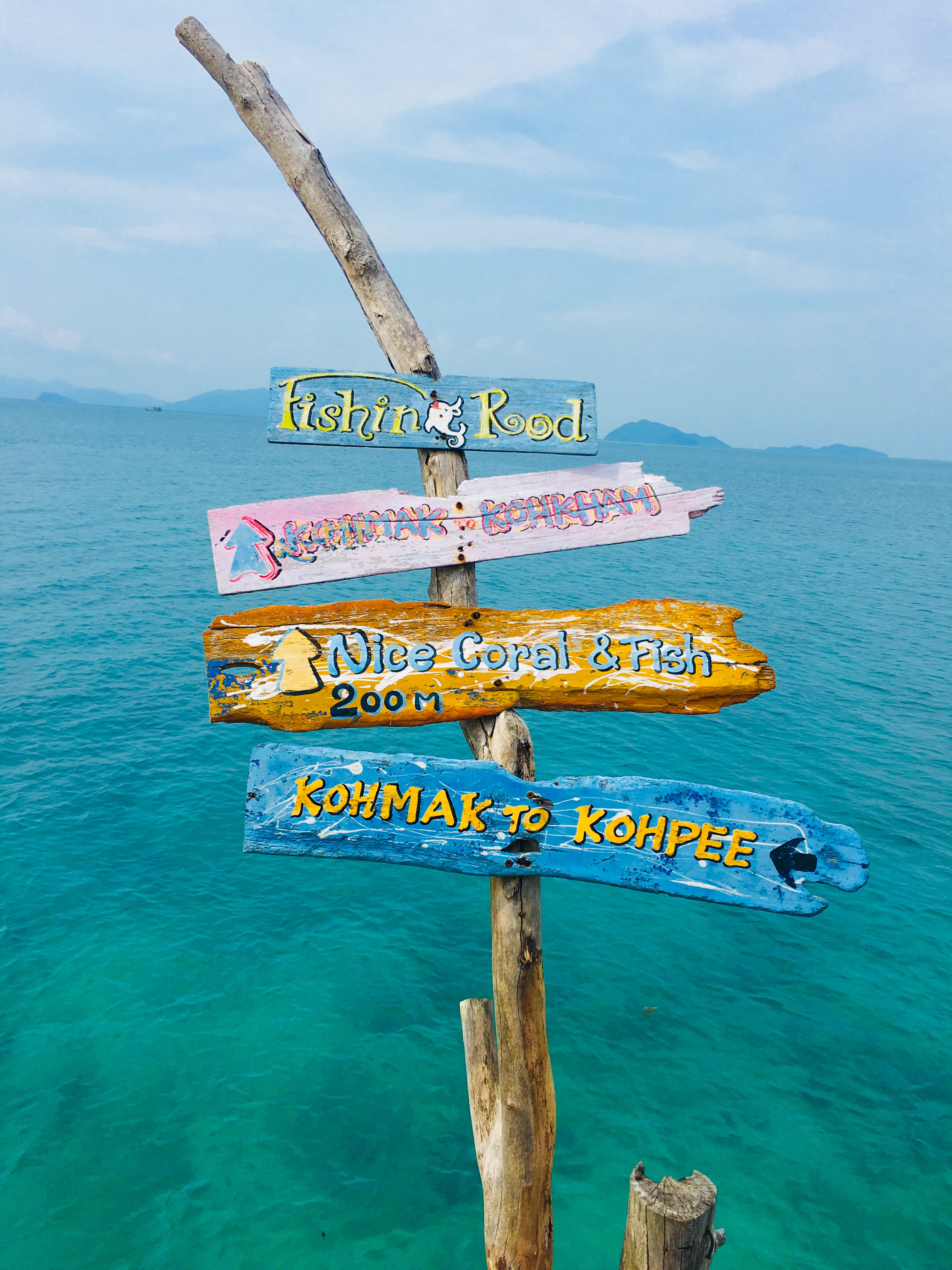
Koh Chang is Thailand's second-largest island at 429 sq km with a paved ring road, 7-Elevens, pharmacies, a hospital, and bars that stay open past midnight. Koh Mak is 16 sq km with one unreliable ATM, no nightlife, and restaurants that close at 9pm. This isn't a quality difference — it's a purpose gap. You pick based on whether you want infrastructure and options or silence and simplicity.
Henrik Vinter
26 February 2026
thailandBangkok for First-Timers: What the City Is Actually Like
Bangkok's defining feature isn't its temples or night markets — it's the friction of moving through it. The BTS Skytrain covers maybe a third of the city; everything else requires planning. Traffic is so severe that a 3km journey in a tuk-tuk can take 40 minutes. The areas worth visiting are scattered across different districts, connected by overlapping transport networks that don't always overlap where you need them to. Spontaneity works against you here. The travellers who enjoy Bangkok are the ones who accept this upfront and build routes around it, not around a mental map of "must-sees."
Henrik Vinter
26 February 2026
thailandWhere to Stay on Koh Chang: An Honest Area-by-Area Guide
Koh Chang's main beaches run along the northwest and west coast in a clear south-bound sequence from the ferry piers: Klong Son, White Sand Beach, Klong Prao, Kai Bae, Lonely Beach, and Bang Bao. The main road (Route 4049) connects them — each beach is five to fifteen minutes by songthaew from the last. The island's mountainous interior is undeveloped; the east coast has almost no tourist infrastructure. This means your choice of beach effectively determines your entire stay: each area has its own character, price tier, and crowd level. Pick the wrong one and you'll spend your trip driving between beaches.
Henrik Vinter

25 February 2026
thailandHow to Get to Koh Chang (and the Smaller Islands): Ferries, Routes, and What Changes by Season
Getting to Thailand's eastern Gulf islands requires accepting that Trat Province sits 315km east of Bangkok, just 15km from the Cambodian border — this is not a quick day trip. Plan 5.5–8 hours door-to-beach from central Bangkok depending on your route, plus another 1–2 hours if continuing to Koh Mak or Koh Kood. Most travellers underestimate this distance and arrive exhausted or miss tidal windows for onward ferries.
Henrik Vinter
24 February 2026
thailandKoh Mak: The Quiet Thai Island Most Itineraries Skip
Koh Mak is Thailand's answer to "what if we made an island smaller and slower." Sixteen square kilometres, no nightlife, one traffic light that doesn't work because traffic is irrelevant, and a deliberate scarcity of the infrastructure that defines other Thai islands. The selling point is what's missing — bars until midnight, pharmacies on every corner, reliable mobile signal. If you need those things, Koh Chang is 90 minutes west and has them all. Koh Mak trades convenience for genuine quietness.
Henrik Vinter

24 February 2026
thailandBest Time to Visit Koh Chang: Month-by-Month Weather and Crowd Guide
Koh Chang follows the Gulf of Thailand weather pattern — completely different from the Andaman coast just a few hundred kilometres away — yet most traveller guides treat the entire country as a single climate zone. When Phuket and Krabi are drying out from their monsoon (May–October), Koh Chang and its neighbours Koh Mak and Koh Kood are saturated. The dry season runs November–April everywhere, but the monsoon dynamics shift. Using a generic Thailand weather guide for Koh Chang will lead to poor timing decisions.
Henrik Vinter
22 February 2026
thailandKoh Chang vs Koh Mak vs Koh Kood: Which Thai Island Should You Choose?
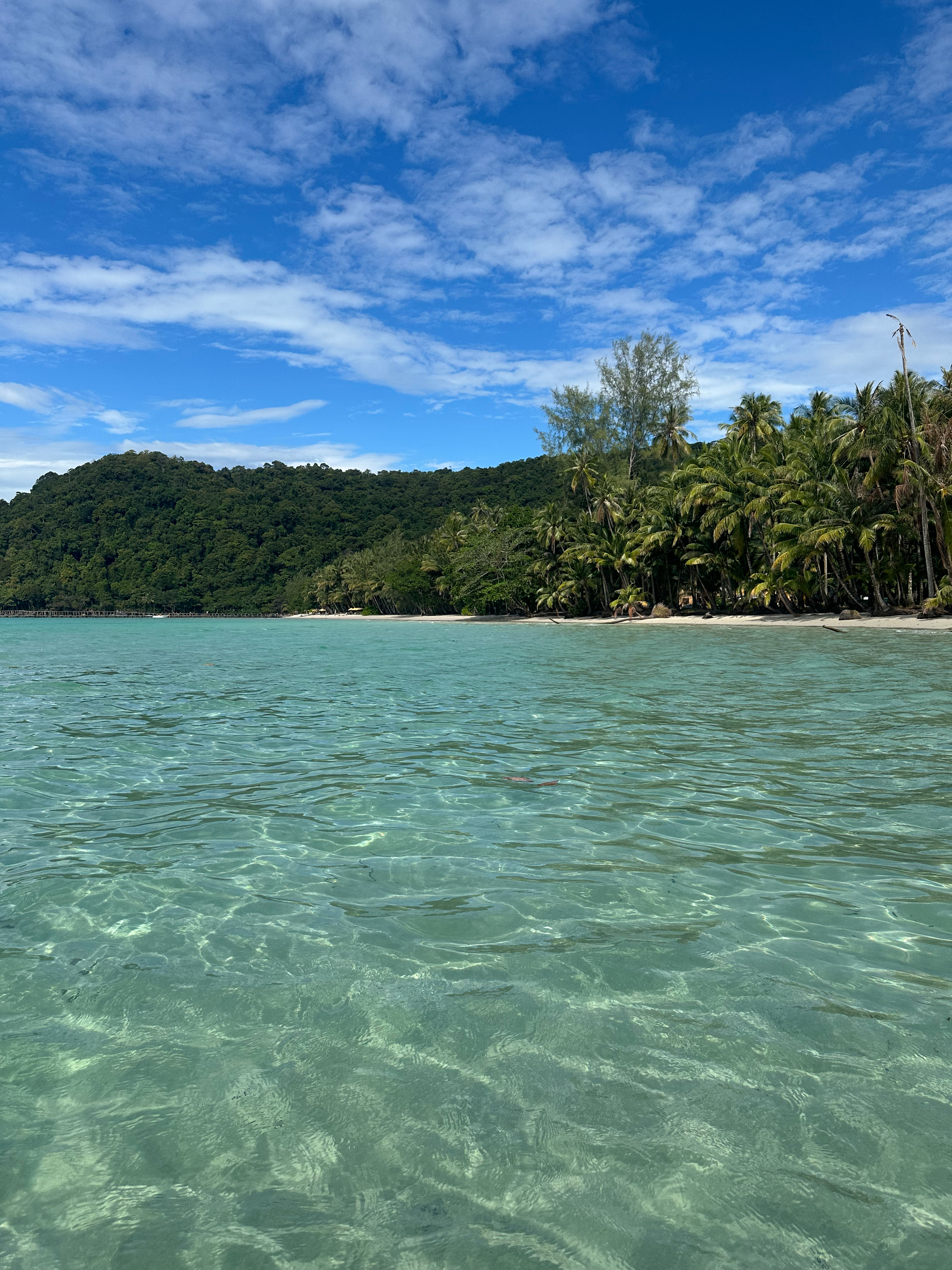
Koh Chang, Koh Mak, and Koh Kood sit in the same archipelago, two to six hours from Bangkok by bus and ferry, but they represent three completely different propositions—and travellers consistently pick the wrong one. Koh Chang is Thailand's second-largest island, developed and accessible, with ATMs, hospitals, and multiple restaurant choices. Koh Mak is a car-free retreat for people who genuinely want to sit still. Koh Kood is remote and expensive, the benchmark for "untouched" Thailand. Pick the wrong one and you'll either be bored by too much activity or frustrated by too little infrastructure.
Henrik Vinter
22 February 2026
thailandKoh Chang Travel Guide: What First-Timers Need to Know
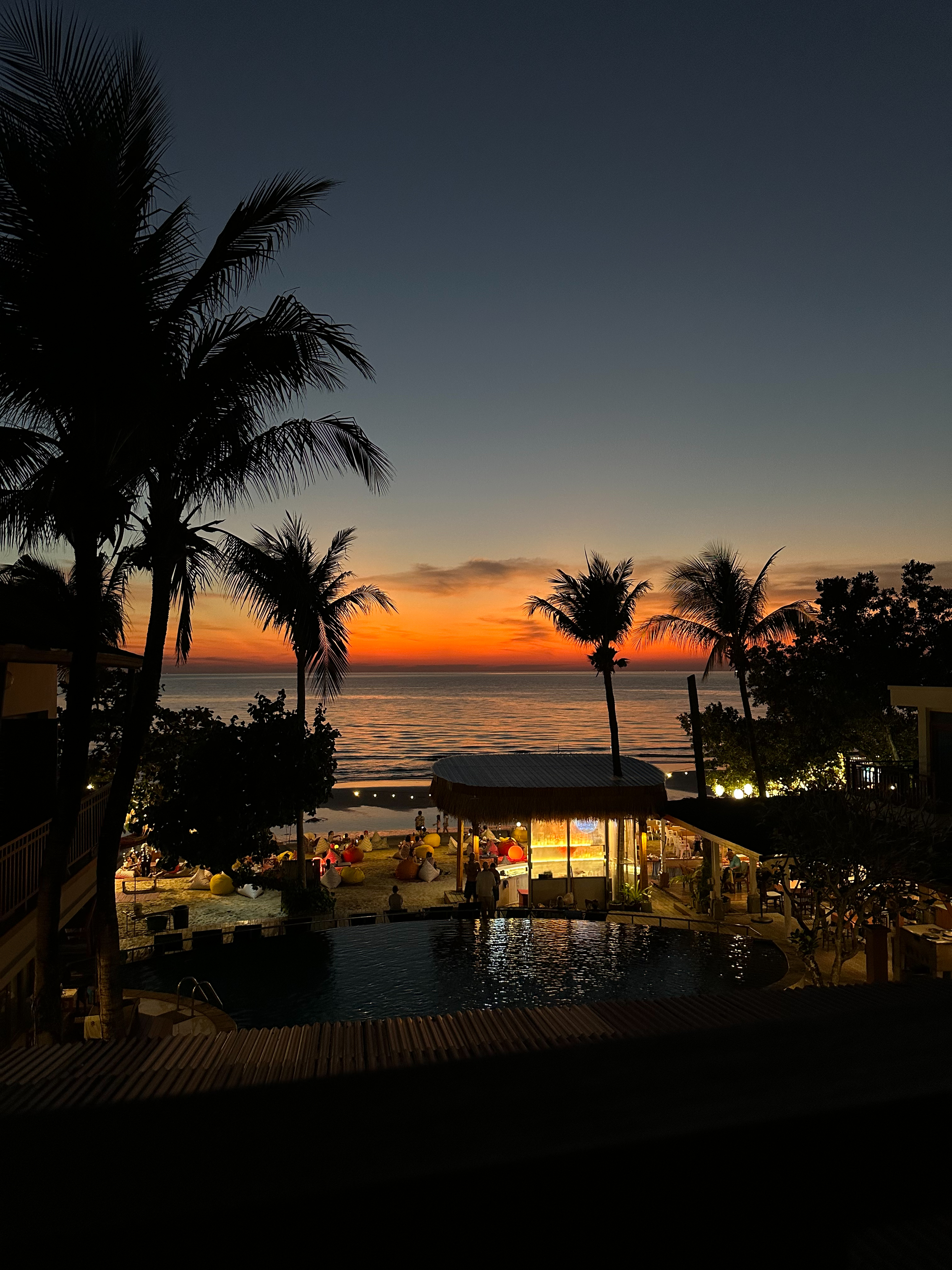
Koh Chang is a 429 sq km mountainous island in Trat Province, eastern Thailand, where 70% is protected national park jungle—but this doesn't mean undeveloped. White Sand Beach on the northwest coast has 7-Elevens, proper hotels, and busy bars, yet 20 minutes south by songthaew you're in genuine forest with waterfalls and empty roads. It's a working island, not a resort construct, which means better value and fewer crowds than the Andaman coast, but also fewer English speakers and less tourist infrastructure than Phuket or Pattaya.
Henrik Vinter
21 February 2026
thailandKoh Kood Travel Guide: Thailand's Most Remote Island Without the Hype
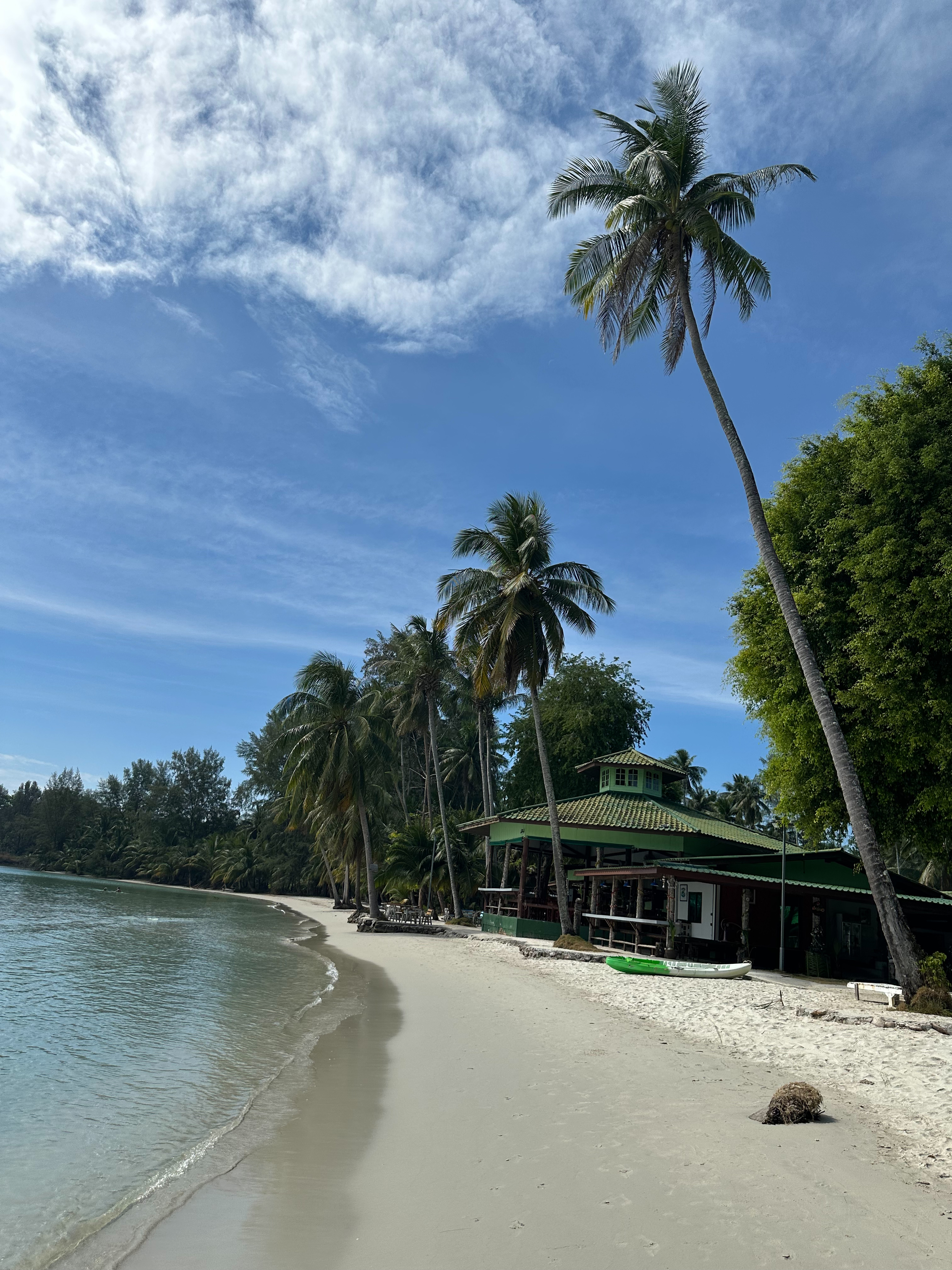
Koh Kood is Thailand's fourth-largest island and its least developed major one—105 sq km with around 3,000 permanent residents, no McDonalds, no 7-Eleven, one ATM with a 20,000 THB daily limit, and 24-hour electricity only recently reliably available across the island. The photographs are accurate: deep green water, white sand, and beaches with perhaps ten people on them. This is rare—the marketing matches reality. What you need to understand before going: Koh Kood requires planning, costs more than Koh Chang or Koh Mak, and rewards patience over speed.
Henrik Vinter

20 February 2026
denmarkCopenhagen Travel Guide: What It Costs and What It's Worth
Copenhagen's cost structure is fundamentally different from other major European cities: a mid-range dinner for two with wine runs DKK 600–1,000 (€80–135), and a beer at a bar costs DKK 75–110 (€10–15). It ranks among Europe's most expensive destinations for tourists, competing with Zurich and Reykjavik. Yet the expense isn't random inflation — it reflects high wages, strong design culture, and a city that functions exceptionally well. The decision to visit Copenhagen isn't whether to afford it, but whether what you get justifies the price. For cyclists, neighbourhood explorers, and those who value walkability over tourist density, the answer is usually yes. For budget travellers focused on free attractions and street food, it requires strategic planning.
Henrik Vinter

20 February 2026
omanOman Travel Guide: Muscat, the Desert, and the Green Mountain
Oman is not the UAE, and the moment you step out of Muscat International Airport, you'll notice the deliberate difference. Where Dubai performs its modernity vertically, in glass and brand saturation, Oman sprawls horizontally—quiet, older, built around what's actually there rather than what investors want you to see. The forts are centuries old and still standing. The desert is genuinely overwhelming. The souqs operate on genuine commerce, not theatre. Most visitors arrive expecting a Dubai-adjacent experience and leave wondering why they hadn't come here first.
Henrik Vinter

19 February 2026
greeceBest Time to Visit Greece: Islands, Mainland, and the Crowds in Between
Greece's tourism window is not July to August—it is May to October, with a critical distinction: ferries to the Cyclades (Santorini, Paros, Naxos, Mykonos) and the smaller Dodecanese islands run only from mid-May through late October. If your itinerary includes these islands, your realistic travel window is 5–6 months. If you're willing to stick to Athens, Crete, Rhodes, or Corfu, you have more flexibility, but you'll sacrifice the casual ferry-hopping and beach-bar culture that defines Greek island tourism. The real decision is not when to go—it's what you're willing to compromise on to get there.
Henrik Vinter

18 February 2026
rwandaRwanda Gorilla Trekking: What It Costs, How to Book, and What to Expect
A Rwanda gorilla permit costs $1,500 USD per person in 2026. One hour with a mountain gorilla family. There is no discount for arriving late, no partial refund if the group isn't found (they always are), and no other way to access a habituated gorilla group in Volcanoes National Park. This is the price of the most reliably extraordinary wildlife experience on the continent, and the question is not whether it's expensive — it is — but whether the experience justifies it.
Henrik Vinter

18 February 2026
mexicoOaxaca Travel Guide: Food, Mezcal, and Monte Albán
Oaxaca is not Mexico City scaled down or Cancún remixed — it's a separate category entirely. The city sits in a highland valley at 1,550m elevation, built on the foundations of Zapotec culture rather than Spanish colonial template, and it remains the world's mezcal production centre (over 80% of Mexico's artisanal mezcal originates from Oaxaca state). The food tradition here is the most technically complex in Mexico, built around seven distinct mole sauces and ingredients that are still sourced and prepared by local producers rather than imported for tourists. If you're planning Oaxaca after Mexico City, or weighing it against beach destinations, understand this first: the draw is the cuisine, the craft, and the indigenous cultural continuity — not architecture or monuments competing with Mexico City's collection.
Henrik Vinter

17 February 2026
jordanJordan in One Week: Petra, Wadi Rum, and the Dead Sea
A seven-day trip to Jordan costs between JD 50–150 per day depending on accommodation choices, and the single biggest planning decision is whether to buy the Jordan Pass—it pays for itself if you stay longer than three nights and visit Petra. Most Western travellers arrive expecting bureaucratic friction and find instead a small, stable country where the main sites are connected by a single highway, English is spoken widely, and a rental car costs JD 25–40 per day. The real shock is that Jordan remains one of the easiest and cheapest Middle Eastern countries to navigate independently, yet it absorbs far fewer tourists than Egypt or Lebanon.
Henrik Vinter

16 February 2026
taiwanTaipei Travel Guide: The Practical First-Timer's Briefing
Taipei is cheaper than Tokyo, calmer than Bangkok, and less organised around performance than Seoul. It offers better night market culture than any of them — and rewards wandering more than following a predetermined list. The gaps between the tourist highlights are often where Taipei's actual character lives: the side streets in Da'an, the morning dumpling shops, the temple districts where worship still happens without an audience. First-time visitors who spend three days following an itinerary and two days getting lost will see the city more clearly than those who book every hour.
Henrik Vinter

15 February 2026
austriaVienna First-Timer Guide: Coffee Houses, Palaces, and Practical Advice
Vienna costs roughly 40% more than Prague and sits at Paris-level pricing for continental Europe — which surprises first-timers banking on Czech prices. The trade-off is worth examining: world-class museums with depth (not just famous pieces), functional modernism alongside baroque facades, and a public transit system so efficient that hiring a taxi is optional. The coffee house culture is not heritage theatre; it's how locals spend afternoons. Most first-time guides treat Vienna as a classical music pilgrimage destination. The reality is denser: a working capital where you can see Velázquez in the morning, eat Käsekrainer at midnight, and spend three hours in a coffee house reading newspapers without anyone asking you to leave.
Henrik Vinter

14 February 2026
japanBest Time to Visit Japan: A Month-by-Month Guide
Japan's peak seasons are narrow, furious, and prices-tripling events. Late March through early April brings cherry blossoms and the year's largest crowd surge; mid-November replicates it with autumn foliage. Between these two poles sits a year that most travellers ignore: July and August are genuinely hot and humid in most of Honshu but manageable in Hokkaido; June is rainy but photographers and budget travellers find underrated value; May 6–31 and October are genuinely excellent with near-zero crowds; January and early December are quiet and cheap.
Henrik Vinter

14 February 2026
baliBali vs Lombok: Which Indonesian Island Should You Choose
Bali delivers reliable infrastructure, abundant restaurants, and consistent beginner-friendly waves. Lombok offers fewer crowds, better advanced surf breaks, and genuine quiet beaches — at the cost of patchy transport and fewer amenities. The choice depends on whether you want maximum options or minimum tourists.
Henrik Vinter

13 February 2026
south koreaSeoul First-Timer Guide: What to Know Before You Go
Seoul's greatest shock for first-timers is how efficiently it runs despite almost no English street signage outside tourist zones. The city is safer and cheaper than most Asian capitals, the subway is colour-coded and announces stops in English, and a ₩3,000 T-money card unlocks everything. Yet without it—and the Naver Map or Kakao Map app in your pocket—you'll waste entire mornings navigating. This is the contract Seoul offers: exceptional infrastructure that requires you to use it on Seoul's terms, not yours.
Henrik Vinter

12 February 2026
czech republicPrague: A First-Timer's Guide to the City That's More Than Its Centre
Prague's Old Town Square was completely exposed to Luftwaffe bombing raids in 1944–45, yet the medieval buildings surrounding it — the Church of Our Lady before Týn, St. Nicholas Church, the Jan Hus Monument — survived intact. This accident of war is why Prague remains one of Central Europe's most architecturally coherent cities. It is also why the city attracts 8–9 million visitors annually, and why the streets between Old Town Square and Charles Bridge are functionally impassable by mid-morning in peak season.
Henrik Vinter

12 February 2026
indiaRajasthan: How to Plan a Two-Week Trip Through India's Desert Kingdom
Rajasthan is one of the few places in India where the historical setting is as dramatic as the guidebooks claim. The Mehrangarh Fort above Jodhpur, the lake palaces of Udaipur, the sand dunes outside Jaisalmer, the pink-walled City Palace of Jaipur — these are not overrated. They require planning to experience well, because the distances between them are significant and the heat from March onwards is severe. A two-week Rajasthan itinerary moving through the four major cities is the standard circuit, and it works because each stop has a distinct character and the logistics between them — train, bus, or private car — are straightforward if booked ahead.
Henrik Vinter

11 February 2026
mexicoCancún vs Tulum: Which Mexican Caribbean Coast Is Right for You
Cancún is a purpose-built resort strip with direct international flights, large all-inclusive hotels, and reliable infrastructure. Tulum became globally known for boutique eco-lodges and wellness culture but has transformed dramatically in five years into an expensive, crowded version of its former self. Neither is a hidden gem. The choice is between different types of packaged experience, each with specific trade-offs worth understanding before committing to one.
Henrik Vinter

10 February 2026
swedenStockholm: What to Do, Where to Eat, and When to Go
Stockholm sits on 14 islands where Lake Mälaren meets the Baltic Sea, and the water is genuinely everywhere—visible from almost any street corner, crossed by bridges constantly. The architecture alternates between baroque palaces and severe Functionalist rectangles. Summer light in June barely sets. The city is also expensive: a coffee costs €5, a beer €8, a dinner for two at a competent mid-range restaurant €80. This requires specific cost-management strategies rather than avoidance.
Henrik Vinter

10 February 2026
greeceAthens: What First-Timers Get Wrong and How to Get It Right
Most travellers treat Athens as a transit point — a day or two on the way to Santorini or Mykonos. This is a strategic error. The city contains the Acropolis, one of the finest ancient sites in the world, a purpose-built archaeology museum that ranks among Europe's best, several distinct neighbourhoods worth actual time, and a food scene that has developed measurably over the past decade. Three focused days in Athens are more rewarding than a rushed visit followed by a week on an island. The infrastructure exists to see the best of it without joining the cruise-ship pile-up. You just need to know how to time it.
Henrik Vinter

9 February 2026
franceParis Without the Tourist Traps: A Practical First Visit Guide
Paris simultaneously presents two contradictory experiences: monuments surrounded by queues of 90 minutes, and neighbourhoods fifteen minutes away where locals move through near-empty streets without a second glance. Most first-time visitors spend three days photographing the Eiffel Tower and two hours in the Louvre's Mona Lisa crush, then leave without understanding why the city matters. This guide is designed to correct that balance—to show you how to see the essential works without surrendering your entire visit to queuing, and more importantly, where to actually spend time.
Henrik Vinter

7 February 2026
australiaAustralia's East Coast: How to Do It Without a Package Tour
Sydney to Cairns spans 2,800 kilometres along Australia's most visited coastline, yet most independent travellers underestimate the distances and overload their itinerary. Three weeks gives you Sydney, Byron Bay, Brisbane, the Whitsundays, and Cairns with breathing room. Two weeks forces difficult cuts. The east coast is expensive — budget €55–75 daily in hostels with self-catering, €100–140 for mid-range travel — and distances between stops run 2–6 hours by bus or flight. Plan for slowness rather than coverage.
Henrik Vinter

6 February 2026
croatiaDubrovnik and the Croatian Coast: How to See More Than the Walls
Dubrovnik delivers what the photographs promised: a genuinely beautiful medieval walled city with limestone streets, red-tile roofs, and a position on the Adriatic that justifies centuries of naval power. It also receives 1.5 million visitors annually in a city of 42,000 residents. The resolution is not to skip Dubrovnik but to understand cruise ship arrival patterns and time your visit accordingly. Most large ships dock by 9am and passengers reach the Old Town walls by 9:30am. The solution is structural: 8am starts, afternoon islands, evening returns.
Henrik Vinter

5 February 2026
brazilRio de Janeiro Beyond the Postcard: A Practical First-Timer's Guide
Rio de Janeiro is one of the most beautifully situated cities on earth — granite peaks rising 700m from the Atlantic, Atlantic Forest in the city limits, beaches that curve around the bay like a postcard that happens to be real. It is also a city with stark inequality and street crime concentrated in specific patterns. Both facts exist at the same time. The second one, understood precisely, makes the first one accessible.
Henrik Vinter

5 February 2026
icelandIceland in One Week: What to Do, What to Skip, and When to Go
Iceland costs €100–130 per day on a tight budget (hostels, self-catered), €200–250 mid-range (guesthouses, restaurant dinners), and €300+ for comfort. This is not backpacker territory. The landscape is extraordinary, but the economic reality requires honest framing before booking.
Henrik Vinter

4 February 2026
indiaGoa vs Kerala: Which Part of South India Should You Choose
Goa and Kerala are 400km apart and almost completely different destinations. Goa is a beach holiday: colonial Portuguese towns, nightlife, beach shacks, and established tourist infrastructure. Kerala is a cultural and ecological experience: backwaters, tea plantations, ayurveda, and a food tradition that stands apart from the rest of India. The question "Goa vs Kerala — which is better" has no answer because they solve different problems. You can visit both in a two-week trip; you shouldn't try to combine them into a single experience.
Henrik Vinter

3 February 2026
chilePatagonia Without a Tour: How to Do It Independently
Patagonia is large, remote, and weather-dependent—three facts that separate casual planning from actual success. Two main hubs draw independent travellers: Puerto Natales, the gateway to Torres del Paine in Chilean Patagonia, and El Chaltén, Argentina's self-proclaimed trekking capital. Both are accessible by budget airlines from Santiago and Buenos Aires; both have free and paid trekking options; and neither requires a packaged tour if you book accommodation early enough. The standard circuit takes 10–14 days and costs €600–900 (excluding flights) if you camp and self-cater.
Henrik Vinter

1 February 2026
colombiaMedellín, Colombia: What the City Is Actually Like Now
Medellín was the world's most dangerous city in 1991—approximately 6,300 homicides in a city of 1.6 million people. Today it has transformed significantly: the Metro cable car system connects hillside comunas directly to the city centre; the Escaleras Eléctricas (electric escalators) cover 400 vertical metres in San Javier; a metropolitan university system and tech sector investment have created jobs; and tourism arrivals have grown steadily to around 3 million annually. The city is genuinely interesting to visit. It is also not comparable to a European capital for personal safety. The risks are specific, manageable, and worth understanding clearly.
Henrik Vinter

31 January 2026
argentinaBuenos Aires: What to Know Before Your First Visit
The economic dislocation that defines Argentina's current reality also makes Buenos Aires extraordinarily cheap for foreign visitors. The informal exchange rate — the "blue dollar" — trades at roughly double the official bank rate. Tourists accessing this rate through legal channels (cash exchanges at cuevas, or transfers via Wise) find restaurant meals that cost €25 in Lisbon at €8 here, hotels that would command €150 in Madrid available for €50, and steak restaurants charging €12 for meals that cost €50 in London. This shapes everything: what you stay in, where you eat, how long you can afford to remain. It is not the reason to visit Buenos Aires, but it changes the equation entirely.
Henrik Vinter

30 January 2026
costa ricaCosta Rica for First-Timers: How to See the Country Without a Package Tour
Costa Rica compresses an unusual range of ecosystems—cloud forest, rainforest, dry forest, two coastlines, active volcanoes—into a country the size of Switzerland. Getting between them takes longer than a map suggests; roads are slow and winding, which makes routing decisions critical. Two weeks is the right amount of time for independent travel; one week forces cuts that hollow out the experience.
Henrik Vinter

30 January 2026
hungaryBudapest: A Practical Guide for First-Time Visitors
Budapest is one of Europe's most architecturally striking cities — divided by the Danube into two distinct characters. The hilly Buda side holds the castle district and panoramic viewpoints; the flat Pest side spreads the grand boulevards, markets, ruin bars, and most of the restaurants and nightlife. It was genuinely cheap a decade ago. It's now firmly mid-range by European standards — cheaper than Vienna, Amsterdam, or London, but no longer a bargain destination. That said, a meal costs half what it does in Scandinavia, and the thermal baths remain inexpensive relative to their quality.
Henrik Vinter

28 January 2026
egyptEgypt Beyond the Pyramids: Luxor, Aswan, and How to See Both
Egypt is one of the most historically overwhelming destinations on earth. Karnak Temple, the Valley of the Kings, the Step Pyramid of Djoser, Abu Simbel — the monuments are not just famous, they are extraordinary. Visiting requires managing heat, persistent hawkers near tourist sites, and logistics that don't always work cleanly. The trade-off is worth it.
Henrik Vinter

28 January 2026
malaysiaPenang, Malaysia: A First-Timer's Guide to George Town and Beyond
Penang is Malaysia's food capital, and George Town — its UNESCO-listed heritage district — is where that reputation lives. This is not a beach destination. Batu Ferringhi's sand is mediocre, the water murky. Come for the hawker stalls, the street art, the clan jetties, and the fact that you can eat extraordinary food for €2–5 per meal in a city that actually tastes like something. The island rewards hungry, curious travellers willing to turn down alleys without a plan.
Henrik Vinter

27 January 2026
singaporeSingapore: What to Do in 3 Days (and What to Skip)
Singapore's cost is 40% higher than Bangkok but 30% lower than central London — and the three-day experience justifies both the price and the precision. The city rewards travellers who don't fight its nature: it's orderly, air-conditioned, efficient, and built for short visits with real payoff.
Henrik Vinter

26 January 2026
vietnamTwo Weeks in Vietnam: A Practical North to South Route
A two-week Vietnam itinerary covering Hanoi to Ho Chi Minh City requires picking five or six stops maximum. The north-to-south routing follows the geography: limestone karst formations and colonial history at the top, imperial cities in the centre, beaches and urban intensity at the bottom. You'll spend 2–3 nights per location and move every second or third day. South-to-north works identically well, but north-to-south feels more natural — you move with the country's gradual shift from cool northern mountains to tropical heat.
Henrik Vinter

26 January 2026
sri lankaSri Lanka in 10 Days: A Practical Route Through the Island
A 10-day circuit of Sri Lanka covers the cultural triangle, hill country, and coast in a logical sequence without backtracking — but only if you move south or east from the cultural sites instead of returning to Colombo. The island is compact (300km north to south), yet transport is slow: a private driver with a vehicle covers roughly 150km in five hours on main roads. The efficient route is Colombo (transit) → cultural triangle (Dambulla, Sigiriya, Polonnaruwa) → highlands (Kandy, Ella via train) → coast (south or east, depending on monsoon season). This avoids reversing direction and maximises distinct landscapes.
Henrik Vinter

24 January 2026
cambodiaAngkor Wat: The Practical Guide to Visiting Cambodia's Temple Complex
Angkor Archaeological Park covers 400 square kilometres with over 1,000 temple structures spread across terrain that takes four to five hours to traverse. Most visitors see five to eight key sites. The standard circuit takes a full day; the outer circuit adds another. Accomplishing it all in a few hours leaves the most interesting temples—Banteay Srei, Beng Mealea, Pre Rup—unseen and means missing what makes Angkor archaeologically distinct beyond Angkor Wat itself.
Henrik Vinter

24 January 2026
maldivesMaldives Without the Resort Price Tag: What's Actually Possible
The single honest fact that changes every budget Maldives conversation: an overwater bungalow at a resort costs €600–2,000 per night. A guesthouse room on a local island—on the same reef, with the same fish below the water—costs €60–150 per night. The €1,800 daily difference buys privacy, exclusivity, seaplane transfers, and the ability to snorkel alone at dawn. The water and marine life are identical. Understanding what you're actually paying for at a resort versus what you're getting on a local island determines whether the price gap makes sense for your trip.
Henrik Vinter

23 January 2026
mexicoMexico City for First-Timers: Neighbourhoods, Food, and Getting Around
Mexico City has 9 million residents in the city proper and 22 million in the metro area—the largest Spanish-speaking city on earth. The first thing to understand about visiting it is that you will not see "Mexico City." You'll see the three or four neighbourhoods you choose to base yourself in. The choice of neighbourhood determines the food, the noise level, the transport options, and the experience more than any single sight. A first-timer who picks the wrong area can spend a week feeling like they're in a quieter version of their home city rather than Mexico City at all.
Henrik Vinter

22 January 2026
peruMachu Picchu: The Logistics Most Guides Get Wrong
Most travel articles about Machu Picchu misidentify which altitude will affect you. The ruins sit at 2,430 metres above sea level — a moderate elevation that rarely causes problems. Cusco, where almost every visitor spends two to three days before heading to the site, sits at 3,400 metres. That 970-metre difference matters. The standard itinerary actually works in your favour: you acclimatise in Cusco, then descend to Machu Picchu, gaining relief rather than facing additional altitude stress. Plan your trip around Cusco's elevation, not the ruins'.
Henrik Vinter

22 January 2026
moroccoMorocco Beyond Marrakech: Fez, Chefchaouen, and the Sahara
Marrakech absorbs four million tourists annually while Fez — home to the largest intact medieval medina in the world, with 9,400 pedestrian streets largely unchanged since the 14th century — receives a fraction of that traffic. The imbalance has nothing to do with quality and everything to do with flight routes and Instagram algorithms. If you have more than four days in Morocco, Fez outperforms Marrakech for the kind of immersive urban disorientation most travellers actually seek. Adding Chefchaouen and the Sahara transforms a Morocco itinerary beyond Marrakech from pleasant to substantial.
Henrik Vinter

21 January 2026
croatiaBest Time to Visit Croatia: Coast, Islands, and Dubrovnik
Croatia's peak season runs mid-June through August, and during this window Dubrovnik's old city receives up to 10,000 cruise passengers daily in addition to hotel guests. The old city covers 2 square kilometres. Do the arithmetic — then decide whether July is the month you want to visit it.
Henrik Vinter

20 January 2026
italyAmalfi Coast by Public Transport: The Practical Guide
The Amalfi Coast doesn't require a car, but every rental agency and travel article insists it does. In July and August, a vehicle becomes a liability: the SS163 coast road carries two lanes of traffic with one lane per direction, SITA buses overtake on blind corners, and parking costs €30/day in Positano or simply doesn't exist in Amalfi town. The ferry network and SITA bus system cover all main towns reliably between April and October, making public transport not just viable but often faster than driving. The trade-off is straightforward: less flexibility for spontaneous stops, more standing room in high season, and motion sickness on hairpin turns for some passengers. This matters only if your itinerary depends on being elsewhere by noon.
Henrik Vinter

20 January 2026
kenyaKenya Safari: What First-Timers Get Wrong About the Experience
Kenya's Masai Mara covers 1,510 square kilometres in the southwest, continuous with Tanzania's Serengeti, and the park fee alone is $200 per person per day — before you pay for a guide, vehicle, or somewhere to sleep. Most first-time safari visitors arrive expecting the sustained drama of BBC's Planet Earth: lions taking down prey, herds migrating in a visible tide, perfect light every morning. The reality is that 70% of a game drive is slow driving through empty plains with binoculars in hand. The remaining 30% — a single lioness walking to a waterhole at dawn, a cheetah with three-week-old cubs, a giraffe silhouetted against an acacia tree — is why people return to Kenya repeatedly. Understanding what you're paying for changes how you experience it.
Henrik Vinter

19 January 2026
thailandChiang Mai for First-Timers: What the City Is Actually Like
Chiang Mai's old city centre holds 130,000 people — Bangkok fits that many into a single district. The difference registers immediately: the moat-enclosed medieval core is walkable in 30 minutes, the major temples operate without the crowding of their Bangkok counterparts, and the surrounding mountains fundamentally alter the landscape. A 1.5-hour flight from Bangkok costs €30 on AirAsia, making Chiang Mai the practical reset point for travellers who want to see Thailand beyond metropolitan sprawl.
Henrik Vinter

18 January 2026
tanzaniaTanzania Safari: Serengeti, Ngorongoro, and What It Actually Costs
A Tanzania safari costs roughly two to three times what first-timers expect. A five-day Serengeti safari with mid-range lodge accommodation runs €3,000–5,000 per person. Budget camping safaris exist from €1,200, but involve shared facilities, fixed group schedules, and significantly less control over timing and movement within the parks. This is not a destination where you can meaningfully reduce costs without reducing the experience itself.
Henrik Vinter

18 January 2026
south africaCape Town for First-Timers: A Practical Week
Cape Town occupies a geographic triangle: the Atlantic Ocean to the west, Table Mountain rising 1,086 metres behind the city, and the Cape Peninsula extending 60 kilometres south as a mountain range that drops directly into the sea. This geography creates a different climate on nearly every shore. The Atlantic side—Sea Point, Camps Bay—stays cool and windy year-round. The False Bay side—Muizenberg, Kalk Bay—runs 5–10 degrees warmer. Both neighbourhoods are Cape Town, but a first-timer needs to understand which side they're on to predict what to pack and how the day will feel.
Henrik Vinter

17 January 2026
japanKyoto vs Osaka: How to Split Your Japan Time
Kyoto and Osaka sit 75km apart and are connected by Shinkansen (14 minutes, €12), Hankyu Railway (45 minutes, €3.50), and Kintetsu Railway (35 minutes express, €7). They're close enough to day-trip between but fundamentally different in purpose. Kyoto is the former imperial capital — 17 UNESCO sites, 1,600+ temples, a city designed around cultural pilgrimage. Osaka is the food-forward commercial city that generates revenue instead of nostalgia. Choosing the wrong base for your travel style wastes commute time every morning. This guide clarifies which city to sleep in, how many days each requires, and what actually takes priority when your time is limited.
Henrik Vinter

16 January 2026
netherlandsThree Days in Amsterdam: A First-Timer's Practical Guide
Amsterdam's canal ring spans roughly two kilometres across—the entire city centre takes thirty minutes to walk end to end. Most first-time visitors dramatically overestimate how much ground they need to cover, which means they either overschedule transport or miss the fact that the best use of three days is depth over distance. This guide covers where the time actually goes, what requires advance booking, and what the city demands that other guides leave vague.
Henrik Vinter

16 January 2026
turkeyIstanbul for First-Timers: Where East Meets Your Itinerary
Istanbul straddles two continents, and this split is not decorative—it dictates how the city functions, where tourists cluster, and where actual life happens. The European side holds the historical sights that draw most first-timers: Hagia Sophia, the Blue Mosque, Topkapı Palace, and the Grand Bazaar. The Asian side—primarily Kadıköy and Üsküdar—is where 10 million residents eat, work, and spend weekends without foreign tour groups. The Bosphorus strait running between them is 700 metres wide and crossed by regular ferries for €0.80 each way. That single commute encapsulates why Istanbul works: a journey between continents costs less than a coffee.
Henrik Vinter

15 January 2026
greeceSantorini vs Mykonos: Which Greek Island Is Right for You
Santorini and Mykonos sit 2 hours apart by fast ferry, share a reputation, and are on almost every first-time Greece itinerary. They are functionally different islands. Choosing the wrong one is one of the most common planning mistakes visitors make. One is a caldera landscape with excellent restaurants and sunset tourism. The other is a beach club and nightlife destination with prices to match. They suit entirely different types of trips.
Henrik Vinter

14 January 2026
norwayNorway's Fjords: How to See Them Without a Package Tour
Norway's fjords cost roughly three times what you'd pay in Western Europe. A sandwich runs €8–12, a restaurant dinner €40–70 per person, and a local beer €12–15. This is the baseline for everything — accommodation, food, transport, activity fees. The fjords are worth the expense, but arriving with realistic numbers prevents shock and poor decisions.
Henrik Vinter

14 January 2026
portugalPorto in Three Days: Where to Go and What to Skip
Porto operates on different principles than Lisbon. Where Lisbon spreads across rolling hills and feels systematically organized, Porto crowds itself into steep terraces that tumble toward the Douro River—the stone is older and rougher, the staircases narrower, the whole city feels like it's sliding downhill. Lisbon rewards broad itineraries and efficient ticking off; Porto rewards walking in circles, sitting on a curb with coffee, noticing that a street you walked this morning connects to one you're on now from a completely different angle. Most first-time visitors arrive expecting a smaller version of Lisbon with port wine. The port wine is real and worth one afternoon. The rest of Porto—the worn-down residential neighbourhoods, the small standing-room cafés, the fact that you'll get genuinely lost and find something better than the guidebook suggests—is what actually anchors a three-day visit.
Henrik Vinter

13 January 2026
italyFlorence vs Rome: Which Italian City to Prioritise
Most Italy guidebooks treat Florence and Rome as equivalent first-time destinations. They aren't. Florence is a concentrated Renaissance art museum you can walk across in 25 minutes; Rome is a sprawling three-city layering (ancient, medieval, papal) that requires 4–5 days minimum and significantly more logistics. Choose Florence if you want art intensity and walkability. Choose Rome if you want historical range and can tolerate crowds, heat, and longer distances between sights. Many travellers who try to do both in five days end up burnt out and hotel-hopping. The better question isn't which one to visit—it's how much time you have and what exhausts you less: queuing or walking.
Henrik Vinter

12 January 2026
portugalOne Week in Lisbon: What to Do, Skip, and Eat
Lisbon's seven hills are not decorative. Two neighbourhoods that appear adjacent on a map—Príncipe Real and Alfama, say—can mean 25 minutes of climbing on foot, straight up. This single fact reshapes how you navigate the city and determines whether a week feels rushed or measured. Get this wrong and you waste hours hiking between districts. Get it right and the week becomes fluid.
Henrik Vinter

12 January 2026
spainFirst Time in Barcelona: What to Know Before You Go
Barcelona's most famous street, Las Ramblas, is where you'll see the most postcards and lose the most wallets. Pickpocketing here runs at roughly one incident per 50 tourists during peak season. The architecture tourists photograph is often 20th-century reconstruction, not medieval original. But ignore that street—the actual Barcelona starts a ten-minute walk into the grid of Eixample or the narrow lanes of El Born. First-timers arriving without a strategy waste three days finding this out.
Henrik Vinter

11 January 2026
moroccoFirst Time in Marrakech: What to Expect (and What to Ignore)
Marrakech is a functioning city of 1.2 million people built around a 1,000-year-old medina, not a heritage site that happens to contain residents. Most first-timers expect it to feel like a larger version of European old towns—manageable, predictable, visually coherent. It isn't. The medina disorients intentionally in places. But the intensity is structural, not dangerous: it requires different navigation confidence than Paris or Bangkok, not a higher security threshold. You navigate it by learning three anchor points and understanding that every negotiation, persistent tout offer, and unmarked doorway follows rules you'll recognize once explained.
Henrik Vinter

10 January 2026
japan72 Hours in Tokyo: The Essential First-Timer's Itinerary
Tokyo rewards structure. The city is vast — 14 million people in the metropolitan area, a subway system with over 280 stations — and first-time visitors who arrive without a plan tend to spend their first day riding the wrong trains and queuing for things that didn't need queuing. This itinerary is built for efficiency, not coverage. Three days won't show you all of Tokyo. They will give you a real foundation: the old city and the new, the commercial and the quiet, the iconic and the actual.
Henrik Vinter

10 January 2026
vietnamHanoi or Ho Chi Minh City: Where to Start Your Vietnam Trip?
Vietnam's monsoon system splits at the 16th parallel: the north has winter (November–April, cool and dry) while the south bakes year-round and gets drenched June–October. This means the better starting city often isn't about which you prefer—it's about when you're travelling. A traveller arriving in July from Europe is making a mistake by starting in the north; someone landing in December with two weeks should prioritize Hanoi first. Most guides treat Hanoi and Ho Chi Minh City as interchangeable entry points. They are not.
Henrik Vinter

9 January 2026
baliBest Time to Visit Bali: Month-by-Month Guide
Bali offers warm weather and activities year-round, but timing your visit around the seasonal climate, religious festivals, and crowd patterns will significantly affect your experience. Unlike destinations with extreme seasonal swings, Bali's two broad seasons—dry and wet—overlap considerably with tourism cycles, making some months vastly better than others depending on what you want to do.
Henrik Vinter
8 January 2026
thailandKoh Samui vs Phuket: Which Thailand Island Should You Visit?
Thailand's two most visited islands get compared constantly, and most of that comparison misses the point. People debate beach quality or nightlife or price, when the single most important factor is a calendar question: the two islands sit in different bodies of water and operate on opposite monsoon cycles. Get that wrong and you'll spend a week watching rain. Get it right, and either island delivers genuinely good travel. Here's how to choose between them.
Henrik Vinter

7 January 2026
thailandBest Time to Visit Thailand: Month-by-Month Guide
Thailand's climate divides cleanly into three seasons, but the catch that catches most first-time visitors off guard is that these seasons don't apply uniformly across the country. The Gulf of Thailand coast and the Andaman Sea coast operate on opposite monsoon cycles, meaning there is almost always somewhere in Thailand worth visiting — but also meaning that choosing the wrong coast at the wrong time can derail an otherwise well-planned trip. This guide gives you the specific data you need to match your travel dates to conditions on the ground.
Henrik Vinter