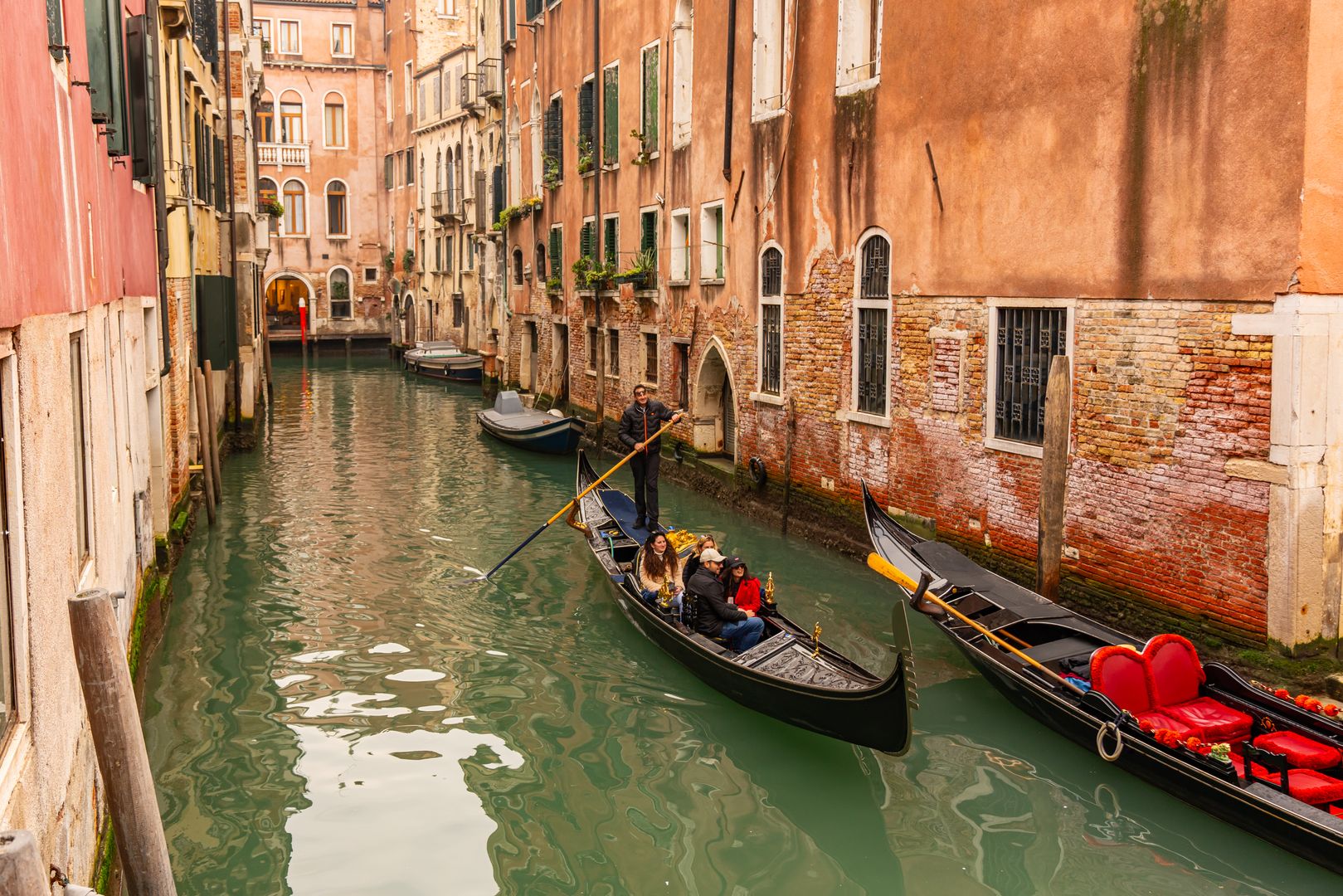

The Amalfi Coast (Costiera Amalfitana) is a 50km stretch of the Sorrentine Peninsula's southern face, running between Positano in the west and Salerno in the east. The road — the SS163, built in the 1830s — is a single-lane track in many sections, cut into limestone cliffs 200m above the sea, with passing places and regular traffic jams behind tourist buses that misjudged a corner. The villages below the road are connected by steps rather than streets; the villages above it by mule paths. Everything here is vertical. This is not a design choice — it's the only geometry the terrain allows. The result is one of the most photogenic coastlines in Europe and, in high summer, one of the most unpleasant to actually visit.
Getting There and Along the Coast
The coast is accessed from Naples (90 minutes by car or bus to Positano), Sorrento (30 minutes to Positano by car), or Salerno (30 minutes to Amalfi by car or ferry). The SITA bus network runs along the SS163 every 30–90 minutes; tickets (€1.30 per stretch, or a day pass at €7.60) make it possible to move between villages without a car. The bus is slower than driving, requires patience in high season, and eliminates the parking problem.
Ferries and hydrofoils connect the major villages from April through October (Positano, Amalfi, Ravello's port at Minori, Salerno). Naples to Positano by hydrofoil takes 65 minutes (€25–35); Sorrento to Positano by ferry takes 30 minutes (€18–25). Moving by boat between Positano and Amalfi (30 minutes, €10–15) is the most comfortable option on days when the road is gridlocked. Car hire is possible from Naples or Sorrento but parking is €15–25 per day in most villages and spaces run out by 9am in summer.
Positano
Positano is the most photographed village on the coast — a cascade of cube-shaped buildings in pink, yellow, and terracotta dropping from the road to the Spiaggia Grande. The steepness is real; the main walking route from the top of the village to the beach involves 250 steps. Water taxis operate between the beach and the marina for €5–10, bypassing the climb.
Spiaggia Grande is the main beach — grey sand, sunloungers at €20–30 per day, clear but crowded water in July and August. The Spiaggia di Fornillo, a 10-minute walk west along the cliff path from Spiaggia Grande, is smaller, slightly quieter, and has two beach bars rather than the resort infrastructure of the main beach. Both beaches face southwest, catching afternoon sun.
Positano's accommodation is the most expensive on the coast — a mid-range hotel in a converted palazzo runs €200–450 in high season. The village has no supermarket and limited affordable food options; most restaurants are tourist-facing at €20–35 for a main course. It is worth visiting for a day trip; staying here requires either a generous budget or a philosophical adjustment to price.
Amalfi Town
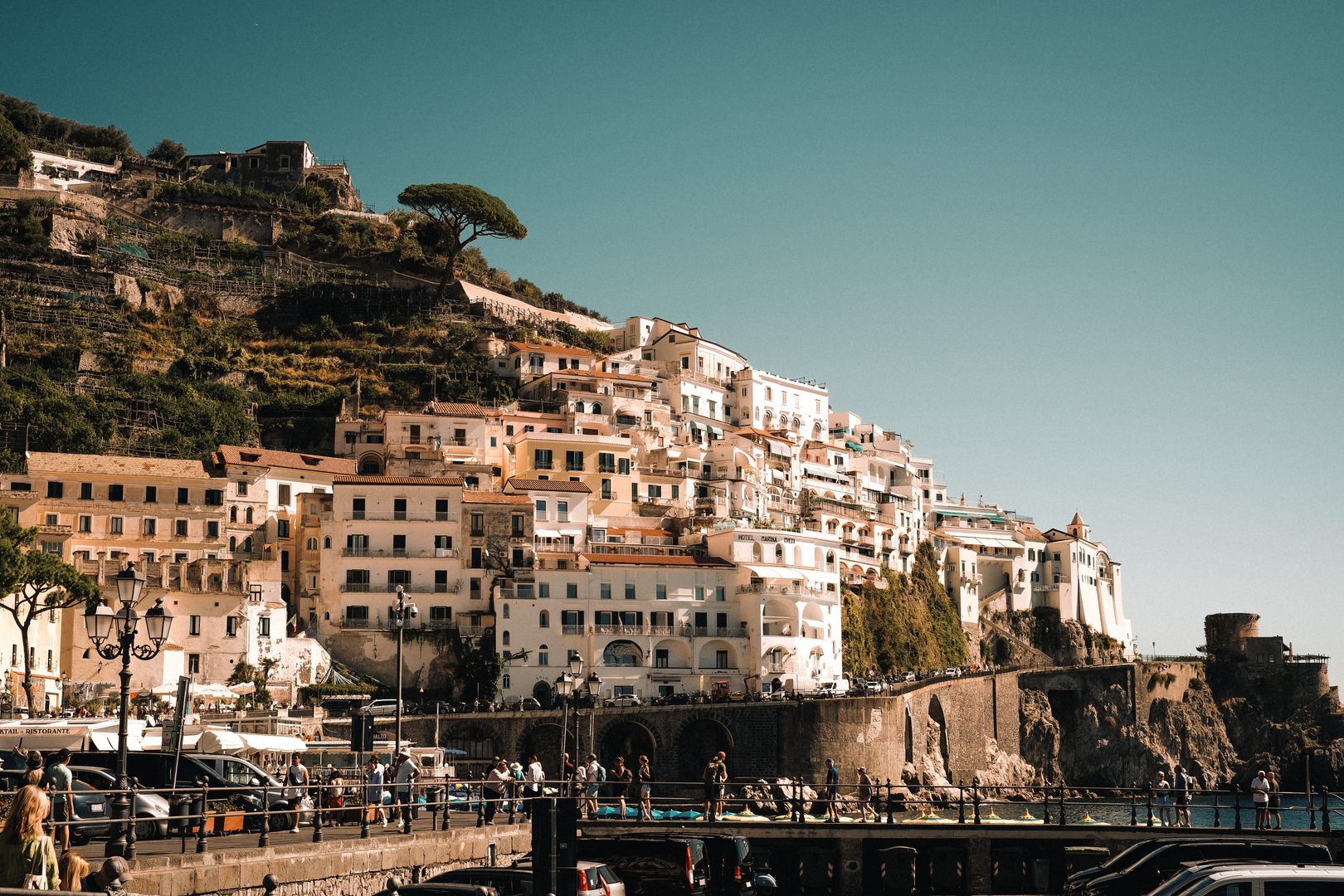
Amalfi was a significant maritime republic in the 9th–11th centuries (the Tavole Amalfitane, the first maritime code in Europe, originated here) and the town retains the scale and character of that history better than its current tourist density suggests. The Duomo di Sant'Andrea (9th century, Arab-Norman facade, free entry but €3 for the crypt and adjacent cloister) is at the top of a wide staircase at the end of the main piazza. The Arsenale della Repubblica, a vaulted medieval boatyard on the waterfront, is now a small museum (€3).
The Valle delle Ferriere nature reserve, accessible on foot from the town centre, follows a stream up a narrow valley through lemon groves and abandoned paper mills (Amalfi had a significant paper industry from the 13th century; some mills still operate). The trail to the main waterfall takes 2–3 hours return and provides complete separation from the coast's tourist infrastructure. Go in the morning before the day-trippers arrive from Naples.
Ravello
Ravello sits 300m above sea level in the hills behind the coast, connected to Amalfi by a 30-minute bus ride or 40-minute uphill walk. The altitude means it's reliably 3–5°C cooler than the coastal villages in summer and largely free of the beach-day crowds. The population is under 2,500.
Villa Cimbrone (€7, gardens open daily) has a terrace — the Belvedere of Infinity — extending over the cliff edge with a view directly down to the coast and sea. The view is justifiably famous; arrive before 10am or after 5pm to see it without crowds. Villa Rufolo (€7), opposite the cathedral on Piazza Duomo, has garden terraces used as the main stage for the Ravello Festival (classical music, July–August, €40–120 per concert). The festival is the reason many visitors choose Ravello over the coast villages; it's also the reason accommodation prices double in July.
The Sentiero degli Dei (Path of the Gods)
The Sentiero degli Dei is a 7.8km trail running along the ridge above the coast between Bomerano (above Agerola) and Nocelle (above Positano), at 400–650m elevation. The path gives views directly down to the coastline and sea — the perspective that road-level travel never provides. The trail is one-way downhill from Bomerano to Nocelle; the ascent from Nocelle to the coast road at Positano takes a further 30 minutes on steep steps.
Access from Amalfi: take the SITA bus to Agerola (45 minutes, €1.30) and continue to Bomerano by local bus or taxi. The trail takes 3–4 hours. The section between Bomerano and the mid-point is the most exposed and most dramatic. Take water; shade is limited. The trail is at its best in May and early June when the wildflowers are in bloom and the visibility is clear; late summer brings haze that reduces the sea view. Avoid after heavy rain — the limestone path becomes slippery.
Praiano: The Alternative Base

Praiano sits between Positano and Amalfi, smaller and less visited than either, with a functioning residential life alongside its tourist accommodation. The village has two small beaches (Marina di Praia, accessible by steps, with a beach bar and fish restaurant; Gavitella, further east, with a platform cut into the rock), good sunset views west toward Positano, and accommodation at €100–200 per night for a sea-view room — significantly cheaper than Positano. Most visitors pass through Praiano on the bus without stopping; those who stay report it as the most sustainable base for exploring the coast in both directions.
When to Go
May–June and September–October are the practical windows. The sea temperature in May is 19–20°C (cold but swimmable); by September it's 24–25°C and the summer crowds have dropped. The road is manageable, accommodation is available, and the villages function as places rather than crowd-management exercises. July–August: the road is gridlocked by 10am, beach sunloungers are reserved by 7am, hotel rooms start at €200 for a basic double in Positano, and the experience of moving between villages takes most of a day. November–April: most accommodation closes, boat services stop, and the coast is quiet to the point of near-emptiness, with rain possible from November. The shoulder months are unambiguously the better choice.
Practical Costs
Peak season (July–August) costs: Positano hotel €200–450, Amalfi €140–300, Praiano/Minori €100–180. Shoulder season: deduct 30–40%. Ferries between villages: €10–25. SITA bus day pass: €7.60. Restaurant main course: €18–32 in Positano, €14–22 in Amalfi, €12–18 in Praiano. Parking: €15–25 per day. The cost structure rewards those who move between villages by public transport rather than car, and who eat at restaurants one street back from the seafront rather than the waterfront terraces.


