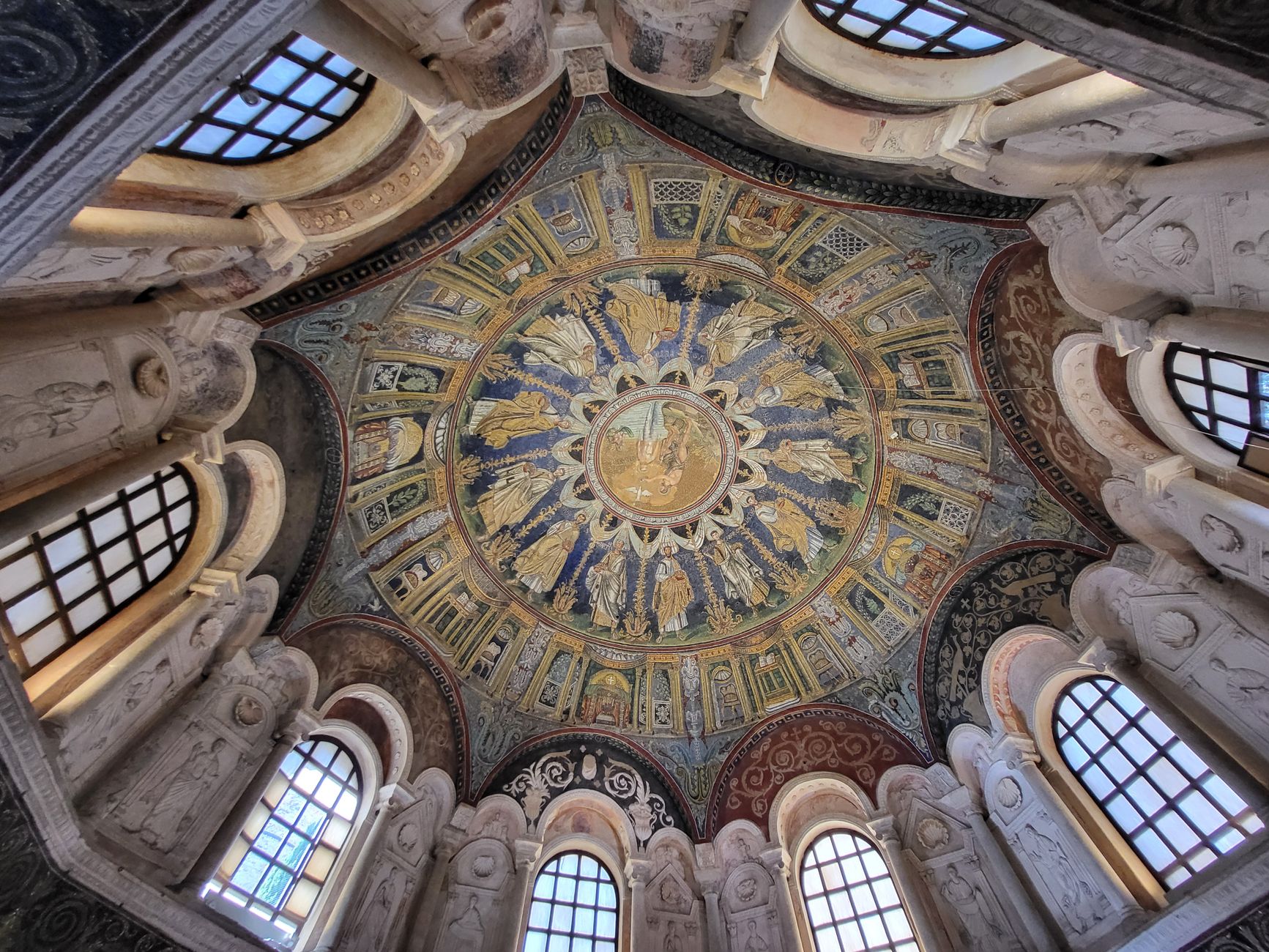
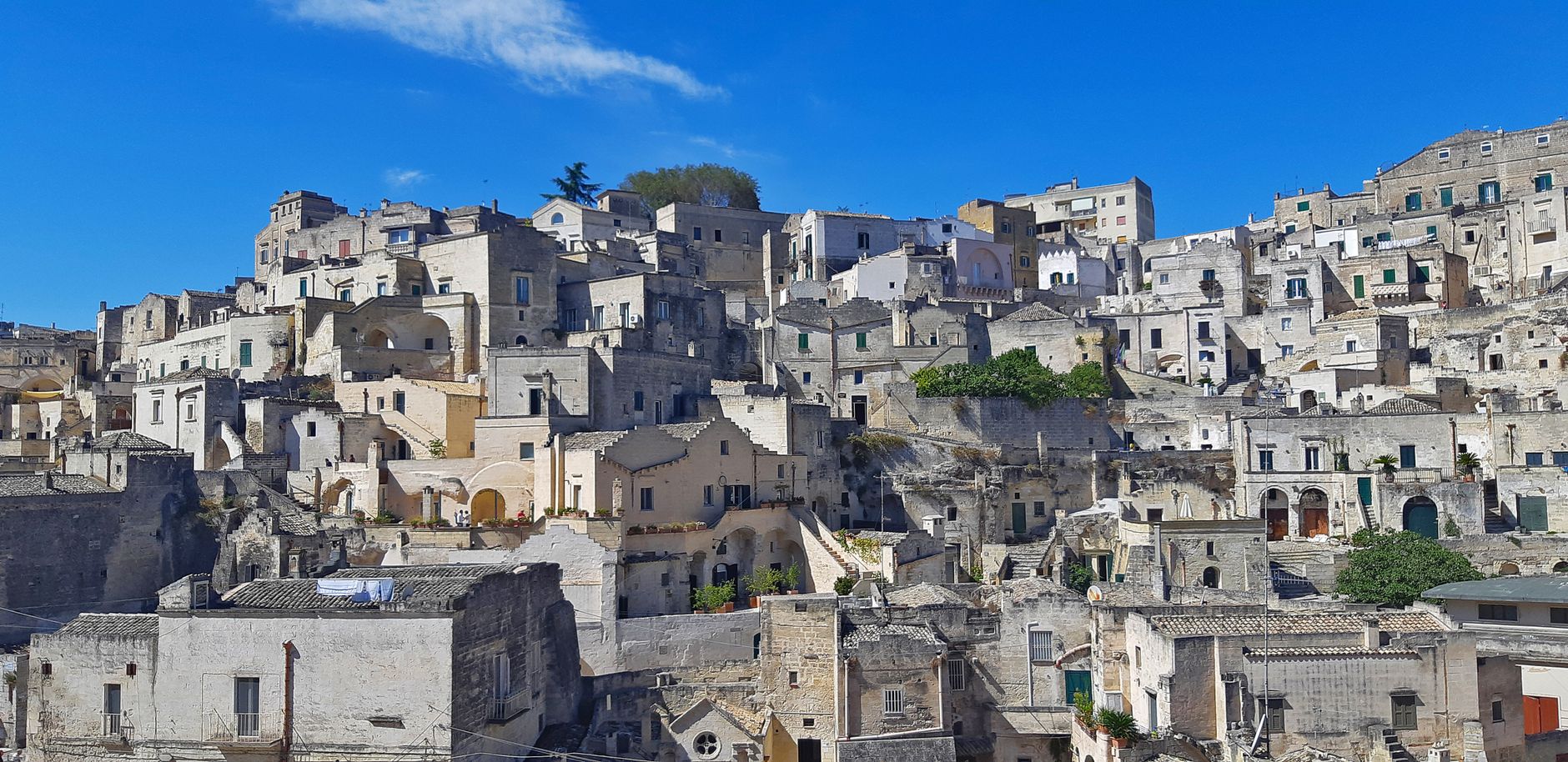
Naples has a metropolitan population of 3 million, a UNESCO World Heritage centre storico, the world's most complete Roman artifact museum, and pizza that genuinely justifies the claim of being better here than anywhere else. It also requires approximately 12 hours of adjustment before the chaos becomes navigable. This is not a reason to avoid it — it is the context.
Is Naples Safe?
The tourist zones — centro storico, Spaccanapoli, Chiaia, the waterfront — are safe in the same way any major Italian city is safe. Specific risks: petty theft and scooter bag-snatching near Napoli Centrale station and in the Quartieri Spagnoli. Practical responses: bags on the building-side shoulder, inside pockets for phones and wallets, awareness of scooter proximity near bags. Naples is not more dangerous than Rome for visitors staying in the tourist zones. The reputation exceeds the reality.
What to See
National Archaeological Museum (MANN): the most complete Roman artifact collection in the world, built from excavations at Pompeii and Herculaneum. The Secret Cabinet (Gabinetto Segreto) contains the erotic art removed from Pompeii — long kept under restricted access, now open with ticket. The floor mosaics and wall frescoes removed from Pompeii for preservation are here in rooms that dwarf the Pompeii site itself for detail and condition. Entry €22. Allow 2.5–3 hours. Closed Tuesdays.
Spaccanapoli: the main east-west street through the centro storico. Walk it from west to east — the Piazza del Gesù Nuovo end to the Piazza San Domenico Maggiore end takes 20 minutes without stops, 2–3 hours with them. Along it: the Gesù Nuovo church (17th century, unusual diamond-rusticated façade), Santa Chiara monastery complex, and the Cappella Sansevero.
Cappella Sansevero: a private chapel on Via Francesco De Sanctis containing Antonio Corradini's Veiled Christ — a marble sculpture in which the body including the face is covered by a thin translucent veil rendered in stone. Technically exceptional; no photograph reproduces the tactile quality of the material. Entry €8. Book ahead at museosansevero.it — daily capacity is limited.
San Gregorio Armeno: the lane known for nativity figurine workshops, active year-round. The craftspeople produce satirical figures of politicians and celebrities alongside traditional pastoral scenes. A 10-minute walk and an honest look at a surviving artisan trade.
Castel dell'Ovo: the waterfront castle at Santa Lucia, built on a small islet connected to the shore. Free entry. The surrounding Borgo Marinari has waterfront fish restaurants at more honest prices than the city centre.
Pizza
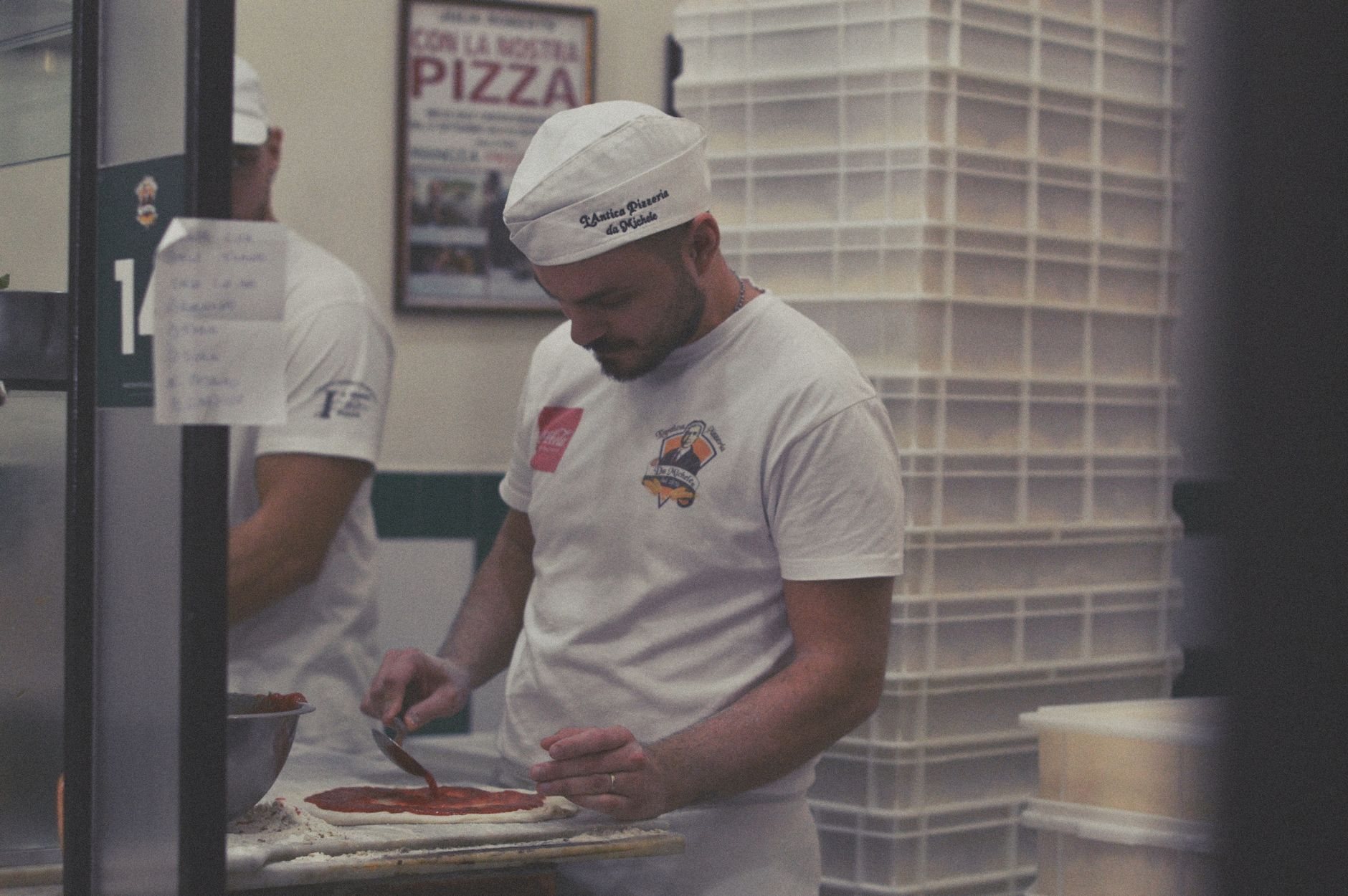
Pizza Napoletana received UNESCO Intangible Cultural Heritage status in 2017. The Associazione Verace Pizza Napoletana certifies operators using specific flour, San Marzano tomatoes, and wood-fired ovens. Three recommended places:
L'Antica Pizzeria Da Michele (Via Cesare Sersale): cash only, two options (marinara or margherita, €6–8). Queue expected; it moves. Making margherita the same way since 1870.
Sorbillo (Via dei Tribunali 32): broader menu, similar quality, slightly longer queue. Multiple locations — the original Via dei Tribunali branch.
Di Matteo (Via dei Tribunali 94): pizza a portafoglio — a folded quarter-pizza for €1.50, eaten walking. The street food version.
Street food beyond pizza: sfogliatella (pastry shell with ricotta and candied citrus, €2–3); cuoppo (fried seafood in paper cone, €3–4); pizza fritta (fried pizza, cheaper and more filling than baked).
Pompeii and Herculaneum
Circumvesuviana trains from Napoli Garibaldi station (Piazza Garibaldi, beside Centrale). Line 2 direction Sorrento.
Pompeii: stop Pompei Scavi–Villa dei Misteri, 40 minutes, €3.20 each way. Entry €18. 44 hectares of excavated city. Key sites: the Forum, House of the Vettii (intact frescoes), the Amphitheatre, and the plaster casts of victims. Allow 3–4 hours. Book tickets at ticketone.it for July–August to skip the entrance queue. Heat in summer is significant from midday — start early.
Herculaneum: stop Ercolano Scavi, 30 minutes, €2.90 each way. Entry €13. Covered by volcanic mud rather than ash, which preserved wood, fabric, and food that Pompeii's ash destroyed. Smaller (3 hours), less visited, and archaeologically denser per square metre. If doing one excavation, Herculaneum is the more manageable choice; if doing both, do Herculaneum first.
Getting to Capri and the Amalfi Coast
Hydrofoils to Capri leave from Molo Beverello pier in central Naples: Caremar and SNAV, approximately 45 minutes, €22–25 each way. The last service back is typically 7:30–8pm — check before you go. Capri is expensive (coffee €5–7, mains €25–40); factor that into the day.
For the Amalfi Coast: SITA buses from Sorrento (reached via Circumvesuviana), or ferries from Salerno (train from Naples, 45 minutes). Naples is the most practical base for combining all three (Pompeii, Capri, Amalfi) over 3–4 days.
When to Visit
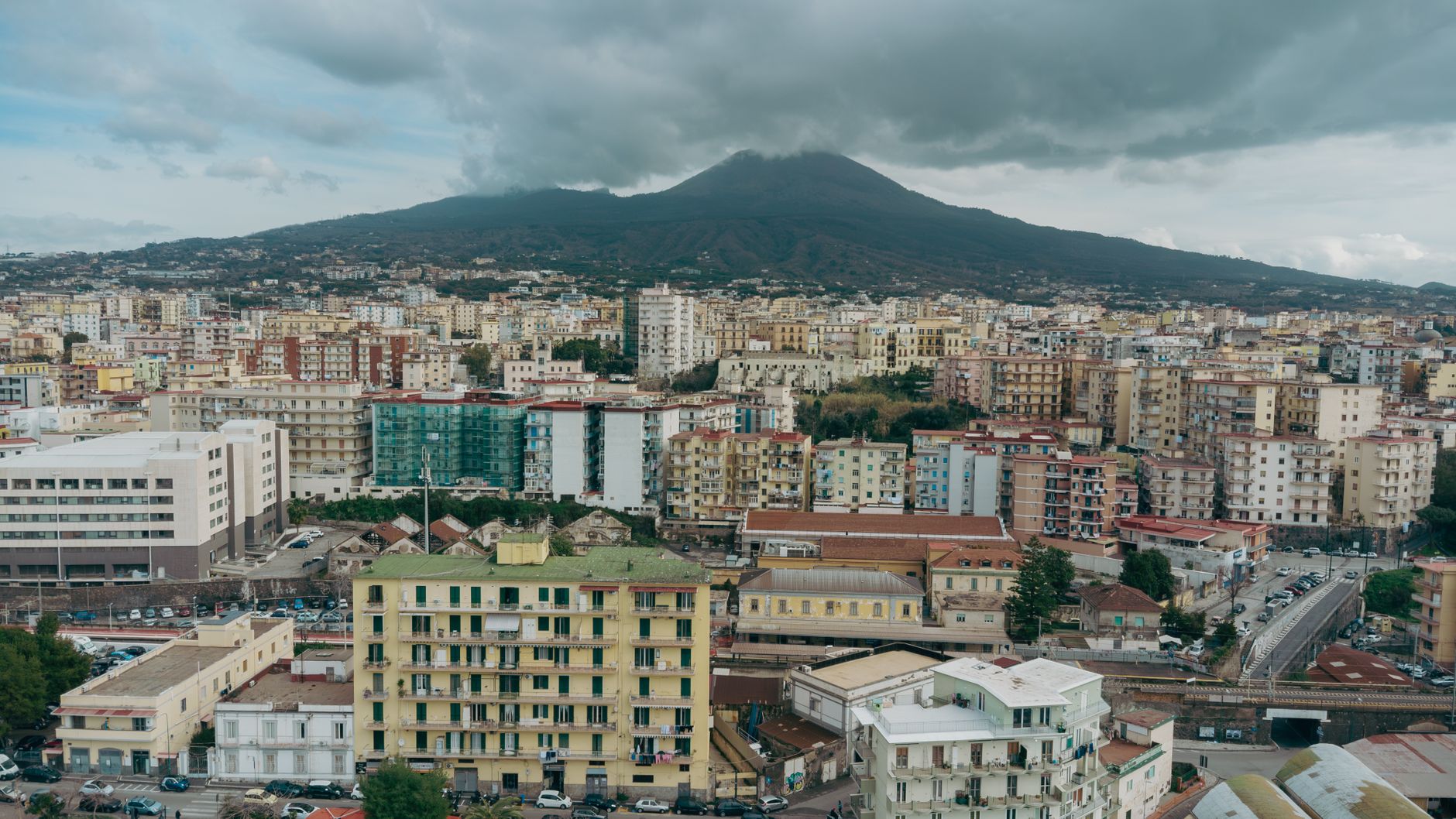
April–June and September–October: optimal. Summer (July–August) reaches 30–35°C; the Circumvesuviana to Pompeii is crowded and the excavations are exhausting in afternoon heat. December has a festive version of the San Gregorio Armeno figurine trade. March offers good museum weather and low-season pricing.
High-speed trains from Rome: Frecciarossa or Italo, Roma Termini to Napoli Centrale, 1h10–1h20, €19–50 depending on timing.
Frequently Asked Questions
How many days should I spend in Naples?
Two full days covers the MANN, the centro storico walk, and one excavation (Pompeii or Herculaneum). Three days adds Capri or a partial Amalfi route. One day works only as a transit stop.
Do I need to book Pompeii in advance?
In July–August, yes — timed entry at ticketone.it. In other months, 20–30 minute walk-up queues are typical.
Is the centro storico walkable from the station?
Yes — 20 minutes' walk from Napoli Centrale to Spaccanapoli. Most major sights are within the historic centre and reachable on foot.
Is Naples suitable for first-time visitors to Italy?
It rewards visitors who come prepared for its intensity. First-timers who haven't been to Rome or Florence may find the sensory overload significant. That said, the payoff — MANN, the pizza, the street life — is proportionally large.
What neighbourhood is best for accommodation?
The centro storico or the Toledo area for proximity to main sights. Chiaia for a quieter base with better restaurants. Avoid the immediate Stazione Centrale surroundings.