August crowds or October harvest season? Our Italy guides go beyond the obvious to focus on timing, regional character, and the kind of practical detail that turns a good trip into a great one.
15 articles

4 June 2026
Naples Travel Guide: The City, the Food, and the Excursions
Naples has a metropolitan population of 3 million, a UNESCO World Heritage centre storico, the world's most complete Roman artifact museum, and pizza that genuinely justifies the claim of being better here than anywhere else. It also requires approximately 12 hours of adjustment…
Henrik Vinter

4 June 2026
Cinque Terre Travel Guide: The Five Villages, the Trails, and the Crowds
Five fishing villages on a 15km stretch of Ligurian coastline, connected by regional trains and a partially accessible coastal path — that is the Cinque Terre. The combination of colourful stacked houses, clear water, and easy train access from Milan or Pisa has made it one of…
Henrik Vinter
4 June 2026
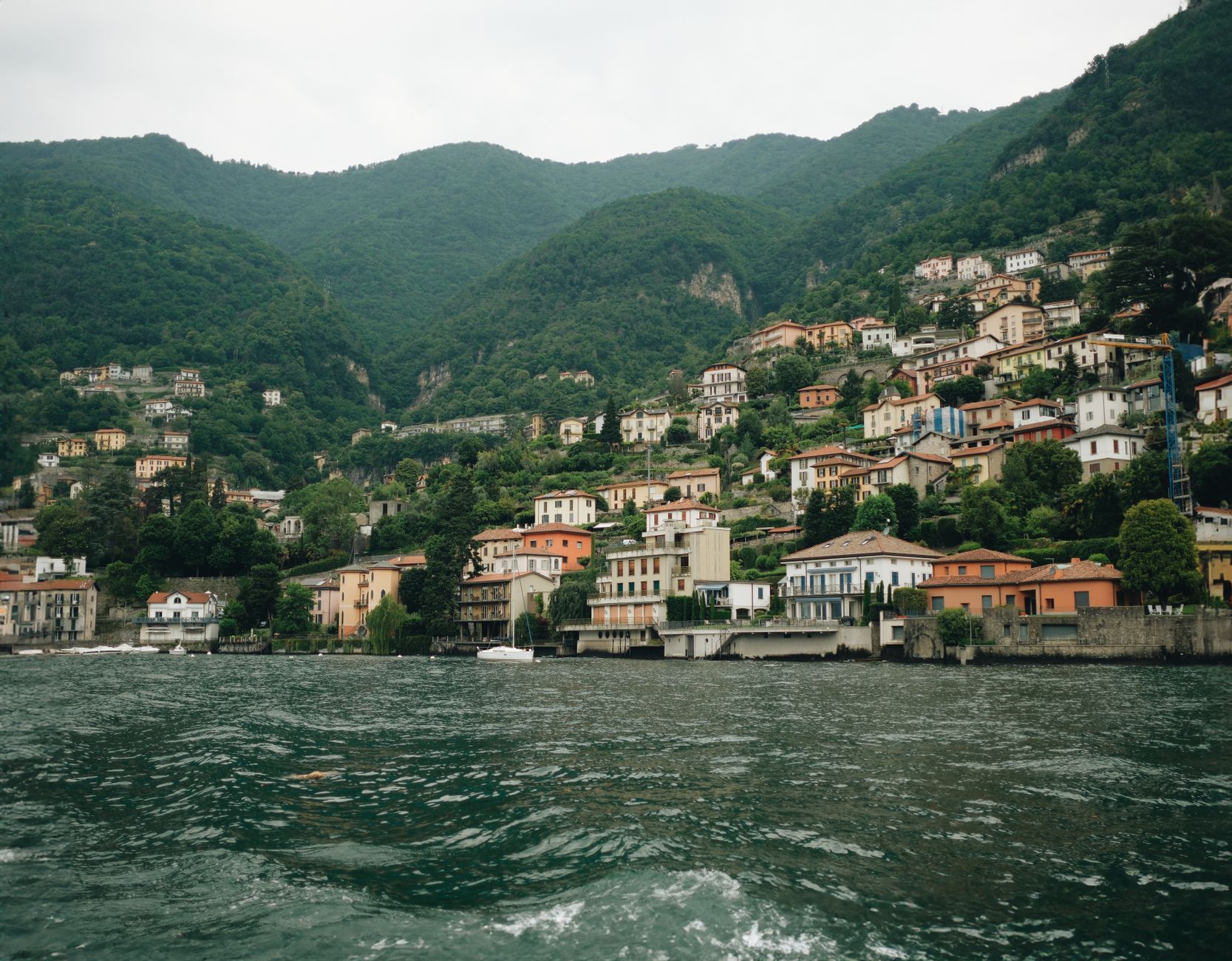
Lake Como Travel Guide: Towns, Ferries, and What Most Visitors Get Wrong
Lake Como sits 50km north of Milan in the Lombardy foothills, split into two branches by a central promontory where Bellagio stands. It is 46km long, up to 410m deep, and has been a destination for European elites since Roman times — Pliny the Younger had a villa here. The…
Henrik Vinter
28 May 2026
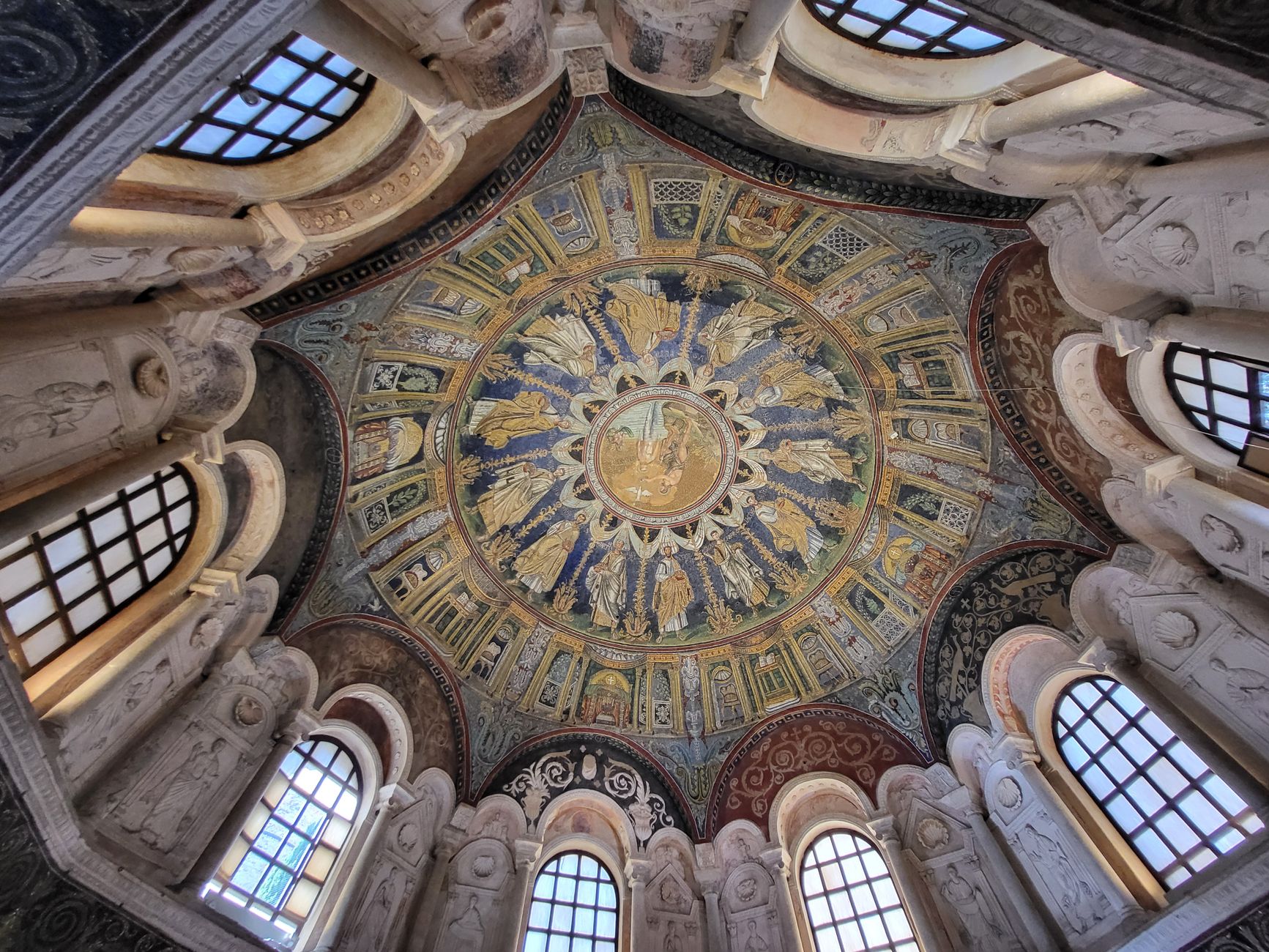
Ravenna Travel Guide: Italy's Byzantine Mosaic Capital
Ravenna was the capital of the Western Roman Empire from 402 CE until its fall in 476, then the seat of the Ostrogothic kingdom, then the centre of the Byzantine Exarchate of Italy from 540 to 751 CE. Each transition pro
Henrik Vinter
28 May 2026
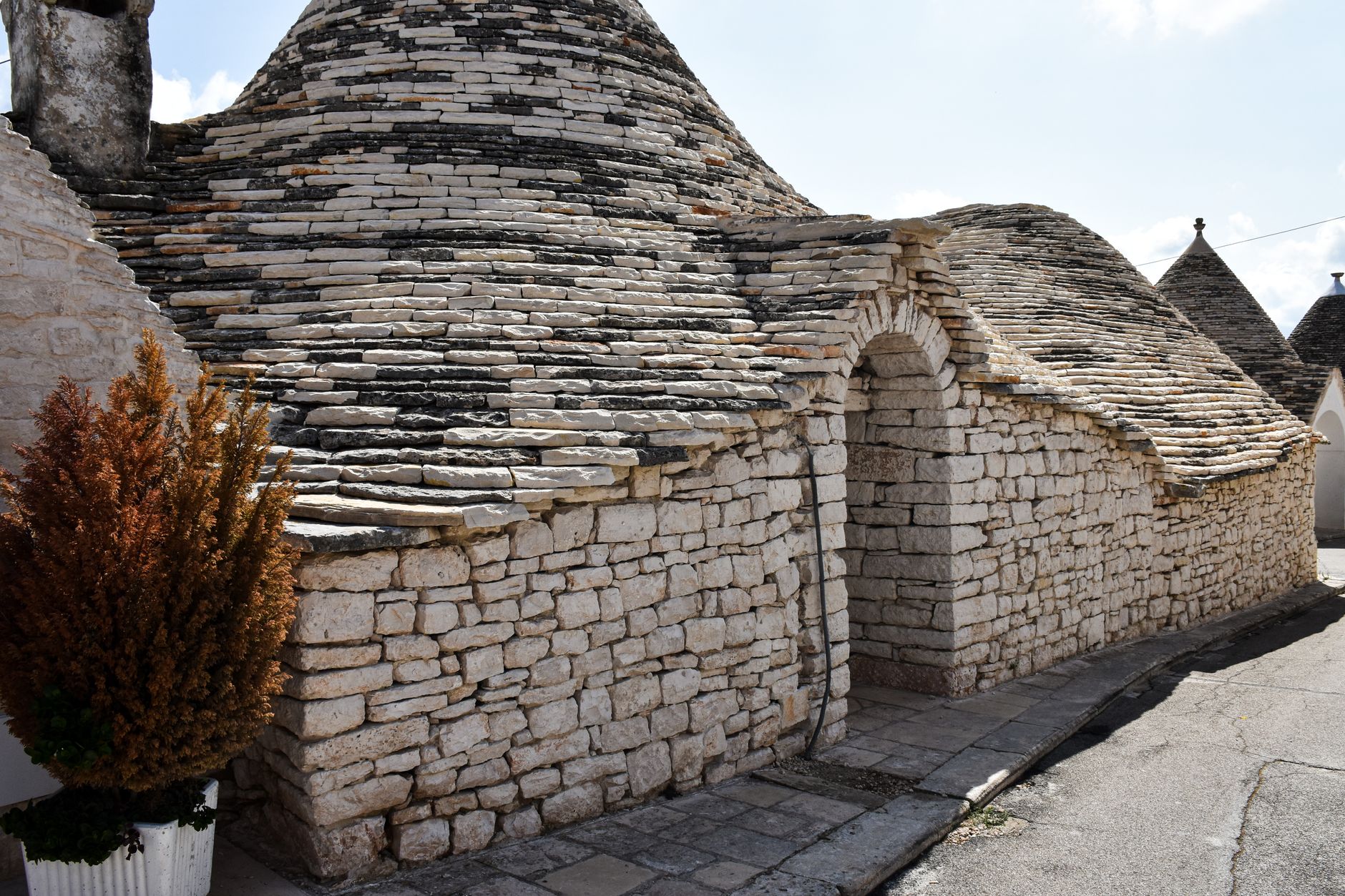
Alberobello Travel Guide: Puglia's Trulli District
Alberobello's trulli are not a reconstruction or a theme park — roughly 1,500 of the stone cone houses are still standing in the original form, many still inhabited, and the two concentrations in the Rione Monti and Aia
Henrik Vinter

28 May 2026
Orvieto Travel Guide: The Cathedral Town on the Tufa Cliff
Orvieto sits on a flat-topped plateau of volcanic tufa rock rising 300 metres above the valley of the Paglia river. The plateau is sheer on every side — the medieval town on top of it has never needed defensive walls bec
Henrik Vinter
28 May 2026
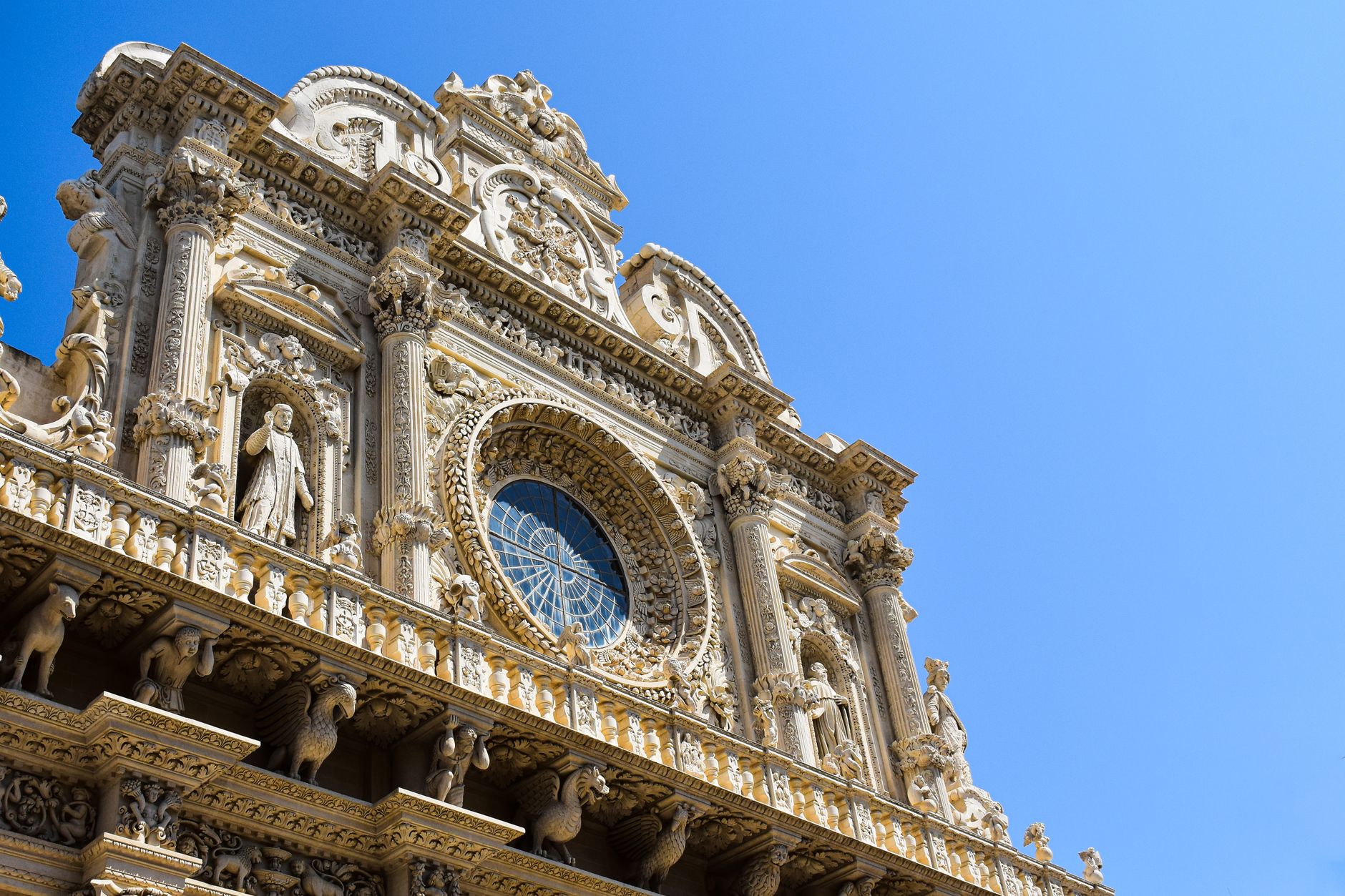
Lecce Travel Guide: The Baroque City at the Heel of Italy
Lecce's historic centre contains more ornate Baroque architecture per square metre than anywhere else in southern Italy. Every church facade, palazzo doorway, and civic building is carved from pietra leccese — a fine-gra
Henrik Vinter
28 May 2026
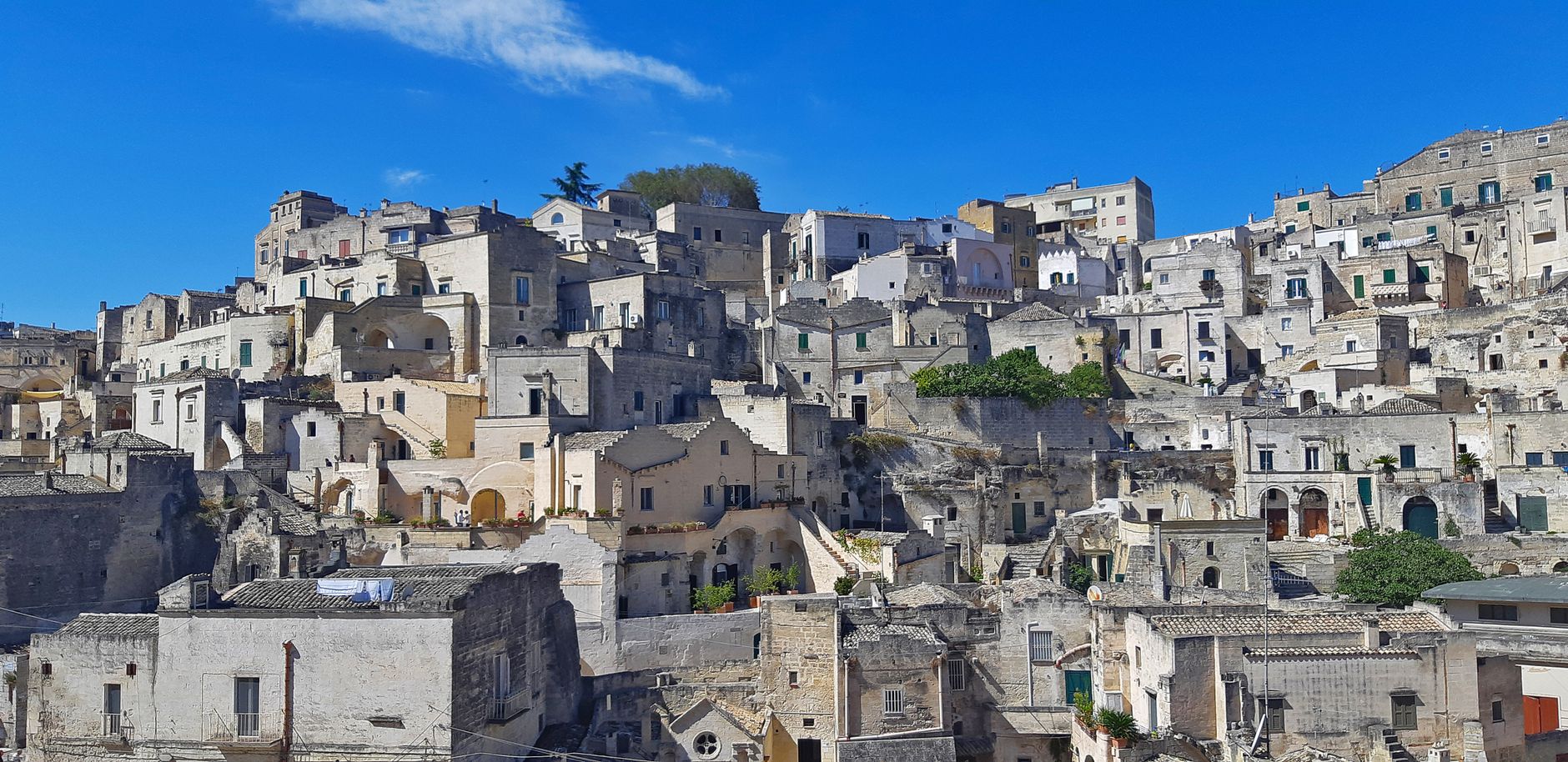
Matera Travel Guide: The Cave City and How to Visit It
Matera is one of the oldest continuously inhabited settlements on earth — people have lived in these carved limestone caves for at least 9,000 years. The city was declared a UNESCO World Heritage Site in 1993 and served
Henrik Vinter
1 May 2026
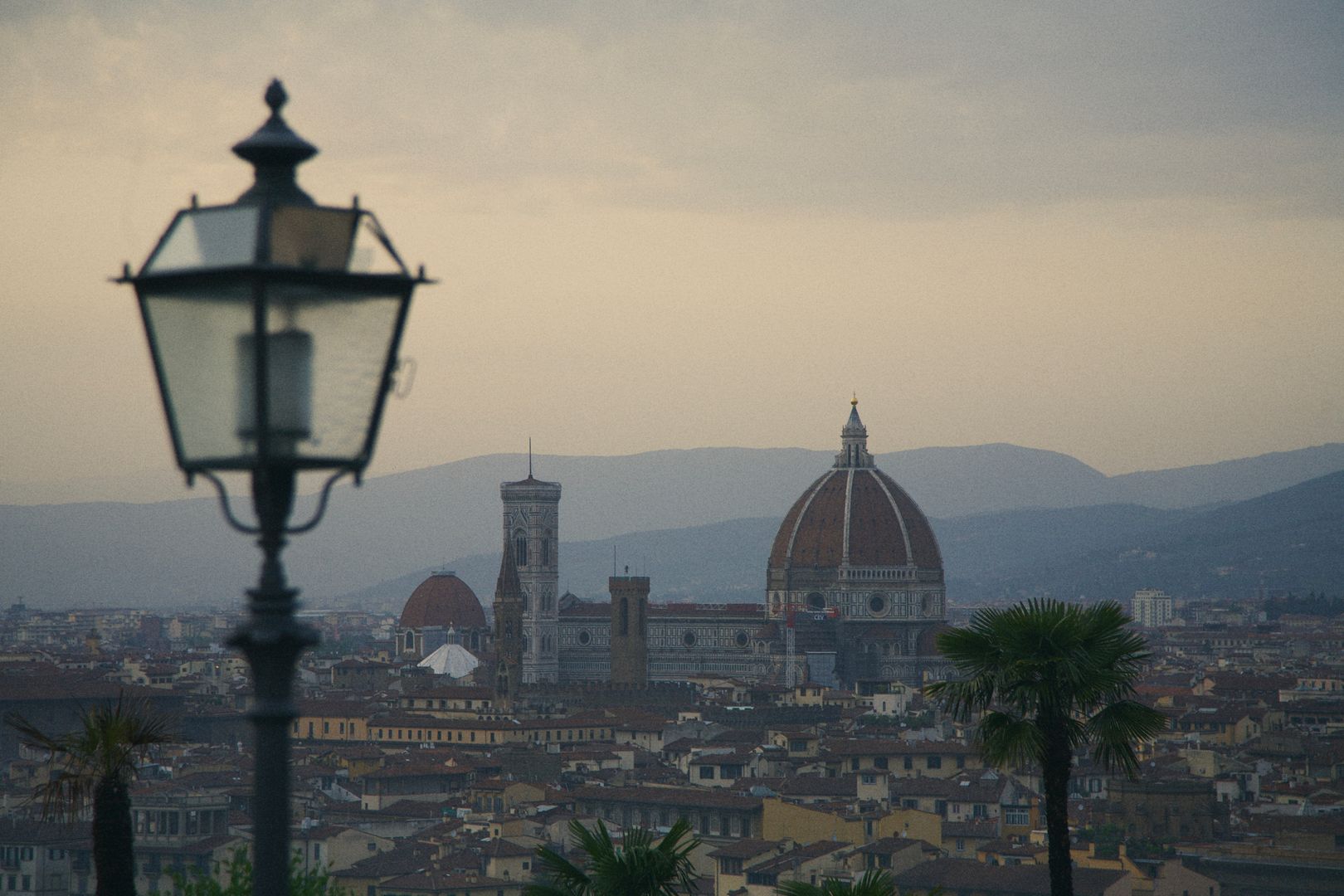
Florence Travel Guide: The Uffizi, the Food, and the City Beyond the Renaissance Superlatives
Florence is one of the most densely concentrated collections of Renaissance art in the world, in a city of 380,000 people that receives 12 million visitors annually. The logistics — booked museums, booked restaurants, strategic timing — matter more here than almost anywhere else in Europe.
Henrik Vinter
24 April 2026
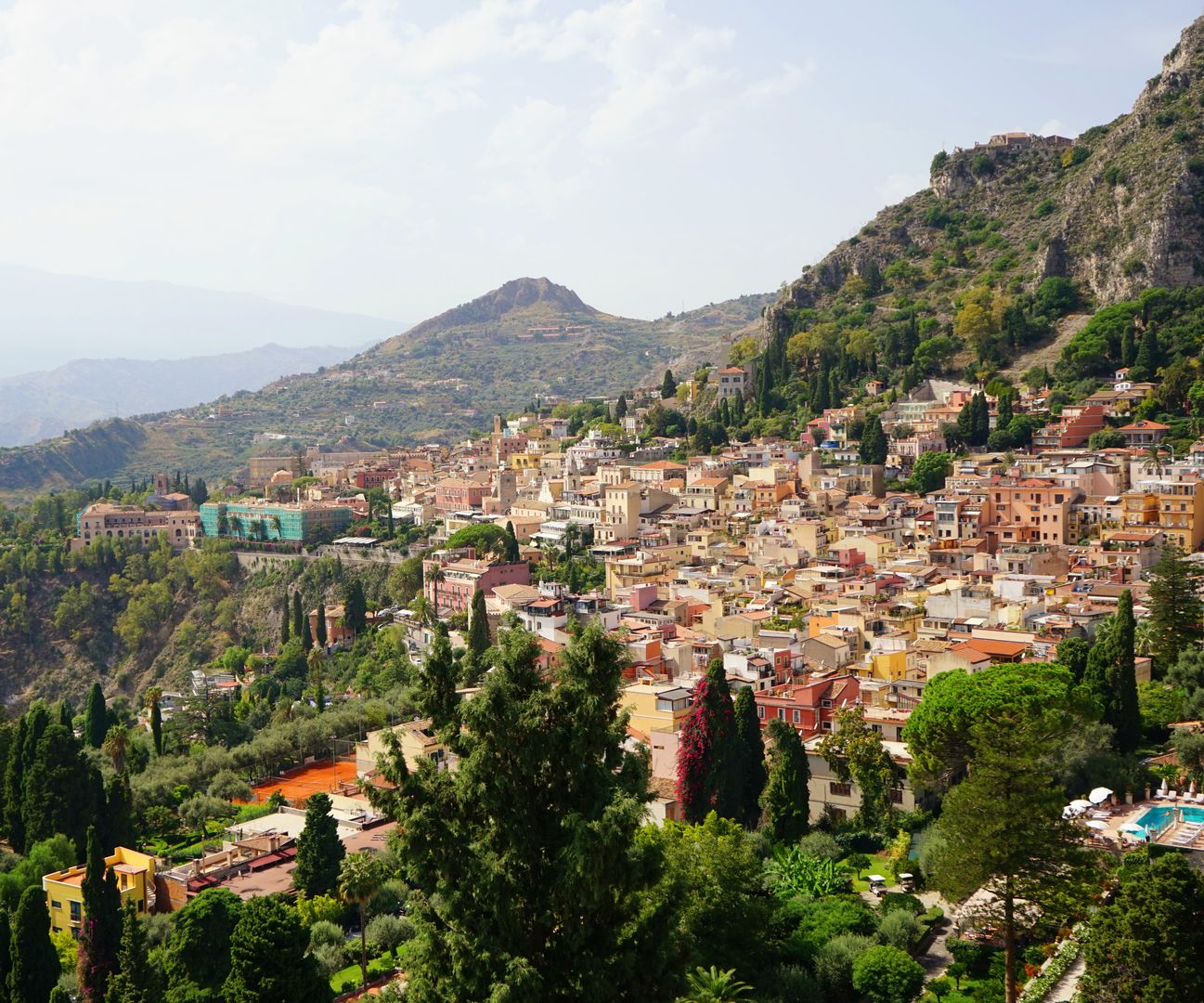
Sicily Travel Guide: Palermo, Etna, Greek Temples, and the Food That Explains the Rest
Sicily is the Mediterranean's largest island and the meeting point of Greek, Roman, Arab, Norman, and Spanish cultures. The architecture reflects all of them simultaneously. So does the food. A car is essential; most of the best things require driving to reach them.
Henrik Vinter
22 April 2026
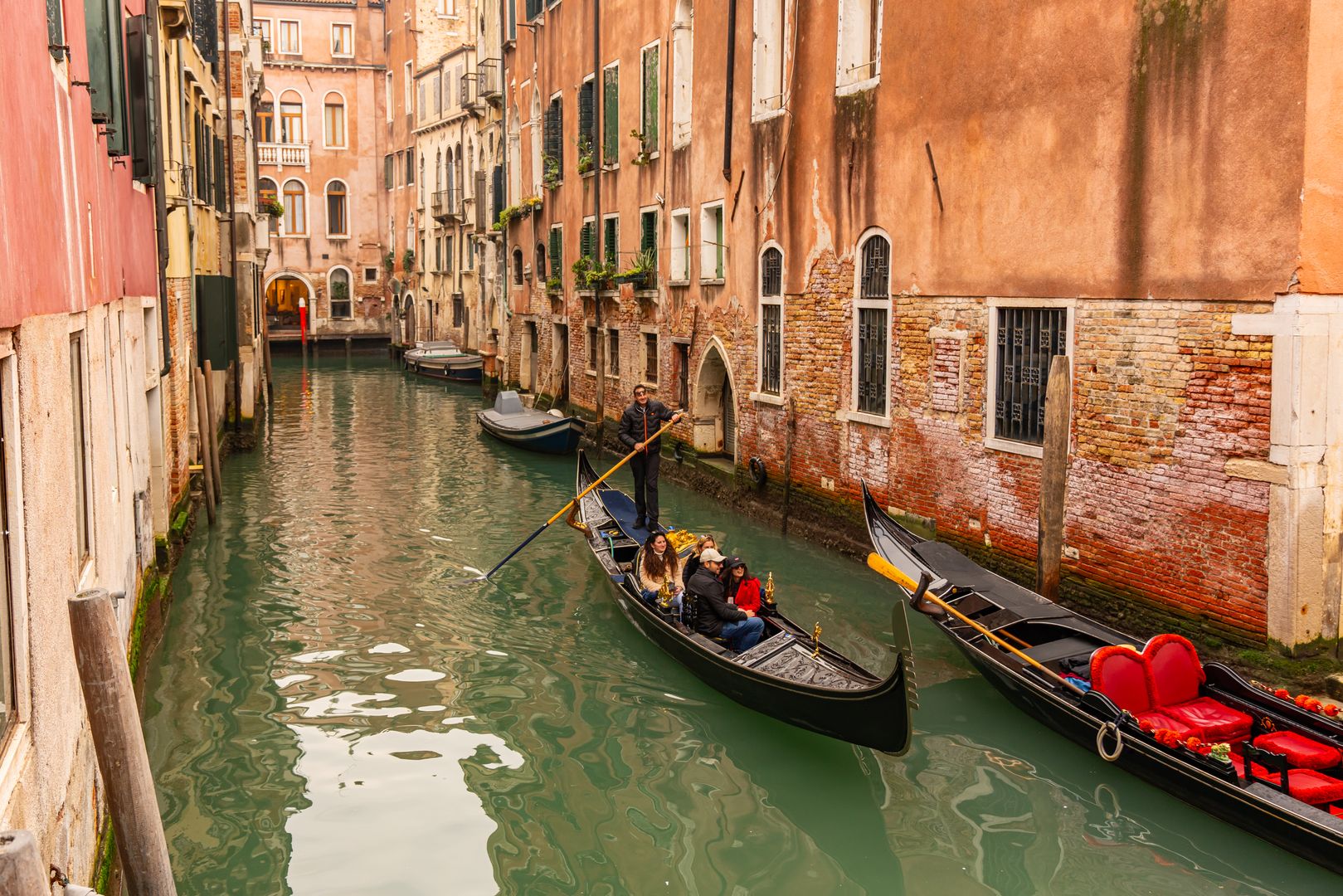
Amalfi Coast Guide: The Drive, the Villages, and the Honest Assessment of When to Go
The Amalfi Coast is 50km of cliffside road between Positano and Salerno with villages hanging above the sea. In July and August it's gridlocked, expensive, and crowded beyond what the infrastructure was designed to handle. In May and September it's one of the finest stretches of Mediterranean coastline.
Henrik Vinter
17 April 2026
Rome Travel Guide: What First-Time Visitors Get Wrong
Rome's big three—Colosseum, Vatican, Trevi Fountain—are worth seeing, but the city works far better once you understand which neighbourhoods to use as your base and what to pre-book months ahead.
Henrik Vinter
11 April 2026
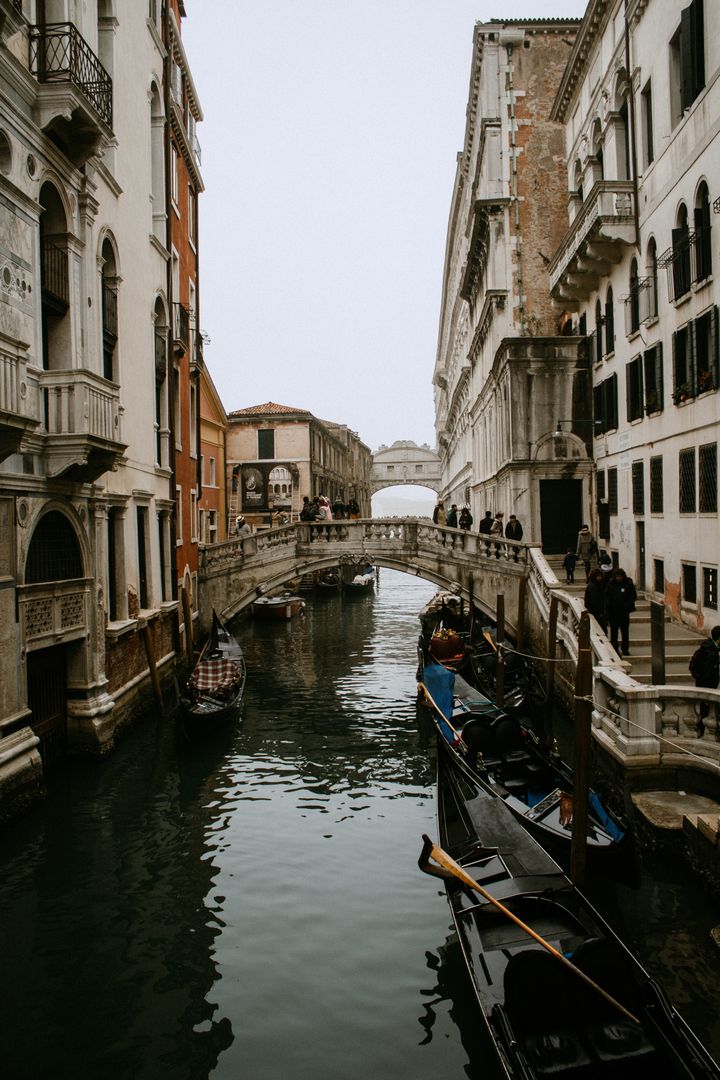
Venice Travel Guide: What to Know Before You Go
Venice works best in October or January, when the crowds thin and prices drop. Here's how the city actually functions—transport, costs, and which parts are worth your time.
Henrik Vinter

20 January 2026
Amalfi Coast by Public Transport: The Practical Guide
The Amalfi Coast doesn't require a car, but every rental agency and travel article insists it does. In July and August, a vehicle becomes a liability: the SS163 coast road carries two lanes of traffic with one lane per direction, SITA buses overtake on blind corners, and parking costs €30/day in Positano or simply doesn't exist in Amalfi town. The ferry network and SITA bus system cover all main towns reliably between April and October, making public transport not just viable but often faster than driving. The trade-off is straightforward: less flexibility for spontaneous stops, more standing room in high season, and motion sickness on hairpin turns for some passengers. This matters only if your itinerary depends on being elsewhere by noon.
Henrik Vinter

13 January 2026
Florence vs Rome: Which Italian City to Prioritise
Most Italy guidebooks treat Florence and Rome as equivalent first-time destinations. They aren't. Florence is a concentrated Renaissance art museum you can walk across in 25 minutes; Rome is a sprawling three-city layering (ancient, medieval, papal) that requires 4–5 days minimum and significantly more logistics. Choose Florence if you want art intensity and walkability. Choose Rome if you want historical range and can tolerate crowds, heat, and longer distances between sights. Many travellers who try to do both in five days end up burnt out and hotel-hopping. The better question isn't which one to visit—it's how much time you have and what exhausts you less: queuing or walking.
Henrik Vinter