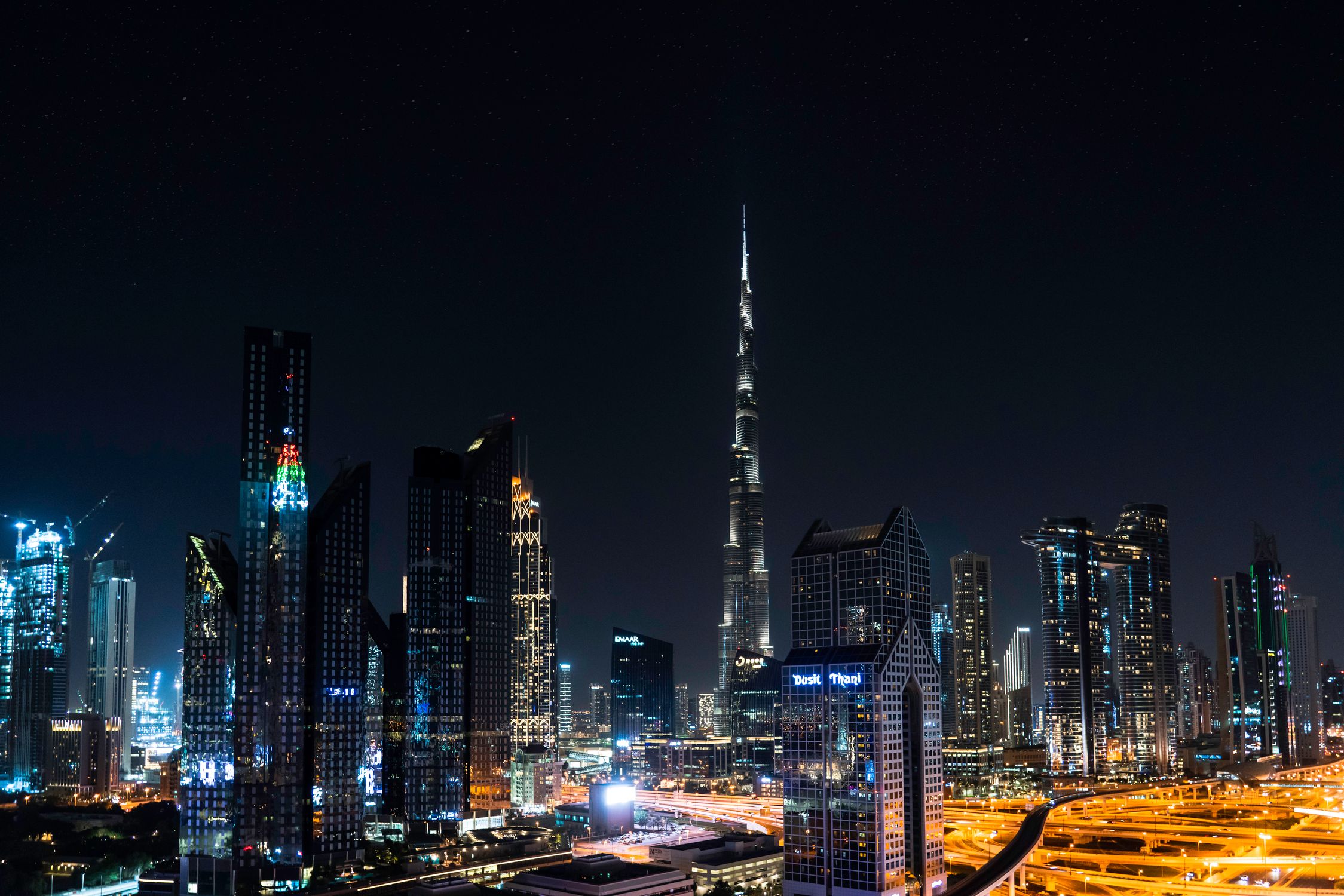

Dubai is a purpose-built city operating almost entirely in climate control, designed for spectacle and commerce rather than local culture or natural geography. It works brilliantly if you understand what it is: a 60-year-old trading port transformed into a global resort and shopping destination. It disappoints badly if you expect Middle Eastern authenticity, walkable neighbourhoods, or a slower pace. The city is efficient, safe, expensive by regional standards, and almost entirely disconnected from the desert that surrounds it.
Best time to visit Dubai: temperature and crowds
The single most misunderstood fact about Dubai travel timing is that summer (May–September) is genuinely impractical for most visitors. Temperatures hit 40–45°C regularly, and outdoor activity stops entirely. The beach is unusable after 10am. Desert safaris don't run. Even walking between a taxi and a building becomes unpleasant. Hotels discount aggressively (AED 400–600 instead of AED 1,000+) to fill rooms, but you'll spend the entire day indoors.
October through April is the tourist season, with pleasant daytime temperatures of 18–28°C and low humidity. November and February are arguably best: warm enough to enjoy the beach and desert, not yet crowded. December and January are peak season — expect higher prices (30–50% premium), queue times at major attractions, and crowded beaches.
Ramadan (variable by lunar calendar; in 2026 it runs March 30–April 29) creates a different dynamic. Eating, drinking, and smoking in public during daylight hours are prohibited — this is enforced, particularly in older neighbourhoods and souks. Restaurants close from dawn to sunset and reopen for crowded evening meals. Many visitors find this period quieter and more interesting, with a genuine local atmosphere replacing the usual resort vibe. Hotel prices often drop. The trade-off is limited daytime dining options and a very different rhythm.
Where to stay in Dubai: the right neighbourhood matters
Most first-time visitors choose between four distinct areas, each serving a different purpose. Location genuinely affects the quality of a three-to-five-day trip.
Downtown Dubai is the literal centre of gravity. The Burj Khalifa, Dubai Mall, and Gold Souk are walkable or a short metro ride away. It's expensive: mid-range hotels cost AED 700–1,200 per night. The area is highly built-up, traffic-heavy, and somewhat soulless outside the main attractions. It's optimal for a short trip (2–3 days) where you want everything nearby. Book 8–12 weeks ahead in peak season for decent availability.
Dubai Marina is 4km south and more resort-oriented. The neighbourhood is newer, cleaner, and built around the marina itself. JBR (Jumeirah Beach Residence) beach is a 15-minute walk; the Metro connects you to Downtown in 12 minutes. Hotels run AED 600–1,000 per night for mid-range options. If you want beach access without being downtown, this works. It's less "local" than it is resort-comfortable.
Deira (Old Dubai) is where most of Dubai's actual character lives — if you can call it that. The Gold Souk and Spice Souk are genuinely interesting; the Al Fahidi Historical Neighbourhood has 200-year-old wind-tower houses now converted to museums and galleries. Hotels are cheaper (AED 300–500) because this is business-district territory, not where tourists traditionally stay. The Creek is walkable. If your priority is seeing the 3% of Dubai with texture, base yourself here for one or two nights. The Metro covers it, but the neighbourhood is also walkable. Expect modest facilities compared to Marina or Downtown.
Palm Jumeirah is an artificial island marketed as ultra-luxury. The Atlantis resort and dozens of villa-style properties cluster here. It's photogenic but functionally isolated — the monorail to the mainland is slow (12 minutes to Nakheel Metro Station), and there's no walking access to restaurants or attractions. Book this only if you're doing a five-star resort bubble experience and don't plan to leave the property often. Rooms cost AED 3,000–8,000+.
Avoid budget hotels near the airport (Al Garhoud) unless you have a strict 6-hour stopover. They're cheap but geographically useless for any real Dubai experience.
What's actually worth your time
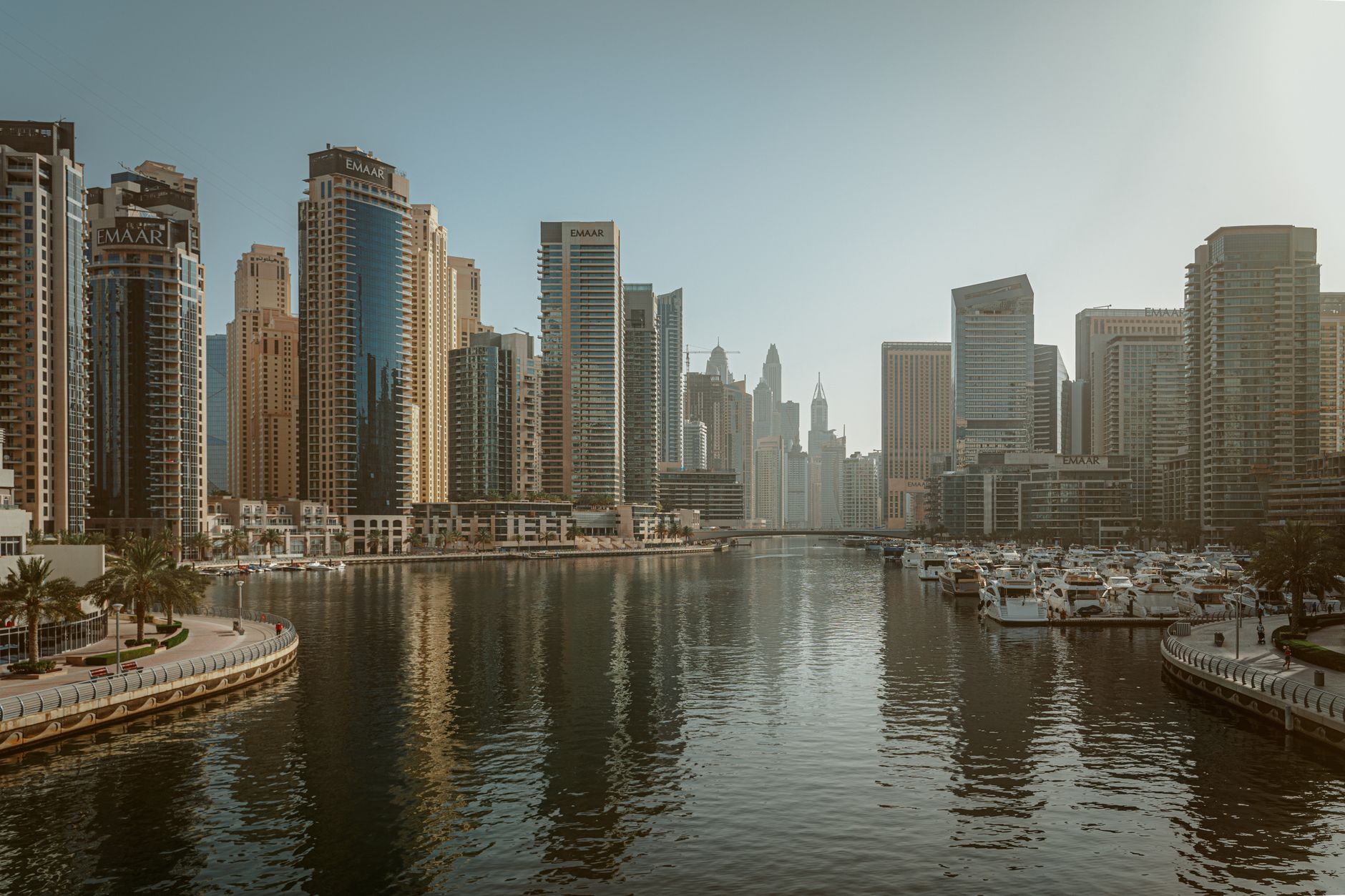
Burj Khalifa observation deck (At the Top, 124th floor): Buy tickets online through the Burj Khalifa website (AED 149) rather than at the door (AED 200+). Go at dusk, not midday — the light changes over 45 minutes, and you see both day and night cityscape. The view is genuinely impressive: 360 degrees of carefully planned city meeting featureless desert. Allow 90 minutes total (including queues). This is the single most photographed viewpoint in the region and worth the money. Skip "At the Top Sky" (148th floor) unless you're genuinely interested in an extra AED 100 for slightly higher altitude.
Old Dubai: Spend a half-day walking the Gold Souk, Spice Souk, and Al Fahidi Historical Neighbourhood. This is the only part of Dubai older than 1980. The gold vendors are aggressive; don't buy unless you're knowledgeable. The spice souk has actual colour and smell — the only sensory-rich experience in the city. The abra (wooden boat) crossing of the Creek costs AED 1 and takes five minutes. It's the cheapest and most memorable transport in Dubai. Walk from Bur Dubai to Deira. Expect crowds, particularly on Friday and Saturday mornings.
Dubai Frame (AED 50): A newer observation point—essentially a giant golden frame with viewing platforms on the 48th floor and a museum inside. It's far less impressive than Burj Khalifa but shorter queues and lower cost. Useful if you want a second viewpoint or are budget-conscious. The museum component is forgettable.
Dubai Mall: Massive (1.2 million square metres). Functional as an air-conditioned refuge and shopping destination. The Dubai Aquarium (AED 120) is worth 90 minutes if you have children; otherwise, it's a standard tank-and-tunnel aquarium. The Underwater Zoo (additional AED 80) is supplementary. The mall itself is a destination for shopping, not tourism, though window-shopping is fine. Don't budget time here unless you're actually buying something.
Desert safari: Nearly all are half-day tours booked through hotels or operators (Platinum Heritage, Arabian Adventures—AED 200–350 for the standard package). These include dune-bashing in a Land Cruiser, sunset photo stops, sandboarding, and a catered dinner in a Bedouin camp. The experience is heavily touristic and staged, but the actual landscape is real and worth experiencing—it's genuinely different from the city. Book one evening rather than morning; the light is better and the experience less crowded. Expect a four-hour commitment including transfer time. Skip the falconry and camel rides unless they're genuinely interesting to you (often feel exploitative).
Expo City Dubai (formerly Expo 2020 site): A new mixed-use district with museums, restaurants, and event spaces. The Terra Sustainability Pavilion (AED 95) and Al Wasl Plaza events change regularly. Check the schedule during your visit—sometimes there's nothing worth the trip, sometimes there's a specific exhibition or music program. It's 20 minutes by Metro from Downtown.
Beaches: Jumeirah Beach (near JBR in Marina) is the most accessible public beach—free, reasonably clean, with cafés nearby. Water temperature is 21°C in winter, 35°C+ in summer. There's no privacy and crowds peak mid-morning. Public decorum applies—no revealing swimwear. This is functional, not scenic. Beach clubs (like Nasimi Beach at Atlantis or Nikki Beach at Atlantis) charge for entry (AED 200–400) but include sun loungers, food, and changing facilities. Worth it for a proper beach day in winter; in summer, the beach is genuinely uncomfortable.
Practical essentials
Dress code for tourists: Conservative in public spaces is the rule. Cover shoulders and knees in souks and malls—this is both respectful and practical (sun protection). Swimwear is appropriate only at beaches and pool areas. Bikini tops on the street or at cafés will attract unwanted attention and could result in being asked to leave. Lightweight long-sleeved clothing is actually more comfortable in the heat. Men should avoid sleeveless shirts outside of beach and gym contexts.
Alcohol: Legal and widely available in hotels, licensed bars, and many restaurants. It's not available in supermarkets, convenience stores, or "dry" establishments. Don't drink alcohol in public spaces or transport. The police presence is low, but enforcement happens. Drunk behaviour is taken seriously. If you want alcohol, plan it for sit-down meal or a hotel bar, not the street or Metro.
Drugs: Zero tolerance. Possession of even trace amounts—including some prescription medications (codeine, some ADHD medications, some sleep aids) and even CBD—results in imprisonment and deportation. The laws are written broadly and enforced strictly. Research any prescription medication before travel if you have concerns.
Transport: The Dubai Metro (Red Line and Green Line) is the cheapest and most efficient option. It's air-conditioned, reliable, and runs every 3–5 minutes during peak hours. A single journey costs AED 3–7 depending on distance. The women-and-children-only car is at the front. A Nol Card (rechargeable transit card) costs AED 25 with AED 19 in credit. Taxis are cheap by Western standards: AED 12 flag fall; airport to Downtown costs approximately AED 80. Uber and Careem both operate and often offer first-ride discounts. Walking outside designated areas is impractical—distances are large and the heat is hostile to pedestrians for much of the year.
Currency: UAE Dirham (AED). Fixed exchange rate: 1 EUR ≈ 3.9 AED; 1 USD ≈ 3.67 AED. Cards (Visa, Mastercard) are accepted almost everywhere. ATMs are abundant. Tipping is not expected but appreciated (5–10% in restaurants if service charge isn't included).
Budget breakdown
Accommodation: Mid-range hotels (3–4 star) cost AED 700–1,200 per night in low season, AED 1,000–1,800 in peak season (December–January). Budget options exist (AED 300–500) in Deira but often feel institutional. Luxury properties start at AED 2,000 and scale upward dramatically (the Burj Al Arab begins around AED 5,000 and is primarily a status destination—the experience doesn't meaningfully improve above AED 3,000 unless the design itself is your interest).
Food: A decent lunch or dinner at a non-tourist restaurant costs AED 60–120. Hotel restaurants and tourist-facing establishments cost AED 150–250. Street food (shawarma, falafel) is AED 15–25. A mid-range meal for two is approximately AED 200–300.
Attractions: Burj Khalifa AED 149 (online). Dubai Frame AED 50. Desert safari AED 250–350. Aquarium AED 120. Everything else is free (souks, beaches, neighborhoods, abra crossing AED 1).
Daily cost estimate (mid-range, two people): AED 1,600–2,200 including accommodation, meals, transport, and one major attraction. Budget travel in Dubai is difficult—the city wasn't designed for it. Calculate luxury at AED 3,500–5,000+ per day.
Realistic three-day itinerary

Day 1: Arrive in the afternoon. Check into Downtown or Marina. Walk the Gold Souk and Spice Souk (2 hours). Take an abra across the Creek. Dinner in Deira or return to your hotel neighbourhood. Metro everywhere (AED 7 maximum).
Day 2: Burj Khalifa at dusk (book morning tickets, arrive at 4pm). Dubai Mall for an hour if needed. Dinner near your hotel. Total cost: AED 149 + meals.
Day 3: Desert safari in the evening (4 hours including transfer; departs 3–4pm, returns 8–9pm). Morning is free—beach or Expo City depending on season. This works if you stay three nights (leaving morning of day 4).
Alternative if you prefer to skip the Burj: Old Dubai (half-day), Desert safari (evening Day 1 or 2), Beach or shopping Day 3. This actually gives you more time to breathe.
Frequently Asked Questions
Is Dubai worth visiting?
Dubai is worth visiting if you enjoy modern cities, shopping, engineering spectacle, and clear logistics. It's not worth the trip if you want cultural immersion, walkable neighbourhoods, or natural scenery. The honest answer: Dubai works best as an add-on to a longer Middle East itinerary (combine it with Oman or Abu Dhabi) or as a high-comfort beach resort stay. It's expensive to visit as a standalone destination and doesn't offer unique experiences you can't find elsewhere—except the Burj Khalifa and the desert, which are genuinely worth seeing once.
What should I pack for Dubai?
Pack lightweight, loose clothing (cotton or linen), sunscreen (SPF 50 minimum), sunglasses, and a hat. Bring a scarf or lightweight shawl to cover shoulders in souks. Swimwear is essential if visiting October–April. Winter (November–February) requires nothing warm; a single light layer is enough. In summer (May–September), you'll spend so much time indoors that air-conditioning layers matter more than heat protection. Avoid heavy fabrics and dark colours. Comfortable walking shoes are important despite air-conditioning—you'll navigate malls and souks.
How much does a typical Dubai trip cost?
A mid-range three-day trip (accommodation, meals, major attractions, transport) costs approximately AED 4,800–6,600 per person (USD 1,300–1,800 / EUR 1,200–1,650). This assumes one four-star hotel, two meals daily in good restaurants, one desert safari, Burj Khalifa entry, and metro/taxi transport. Luxury versions double this. Budget versions (budget hotel, street food, fewer attractions) are possible but not typical for Dubai—the city's economics don't favour them.
Is Dubai safe for tourists?
Dubai is extremely safe. Violent crime against tourists is virtually nonexistent. Petty theft is rare. Police presence is visible and professional. Women travel alone without unusual risk. The primary safety concern is making sure not to break drug laws or drink alcohol in public—both are enforced. Otherwise, Dubai is arguably safer than most major Western cities. The main hazard is practical: heat exhaustion in summer and occasional traffic accidents involving rental cars driven by unfamiliar drivers.
What's the best month to visit Dubai?
February is objectively best: warm (25–28°C), lower humidity, moderate crowds compared to December–January, and good visibility. November and March are nearly as good. October is shoulder season—decent weather (30–35°C), fewer crowds, lower prices, but beginning of heat. January is peak tourist season and peak pricing (AED 1,800+ for mid-range hotels). May through September should be avoided unless you're doing a pure resort stay and have no issue with 40–45°C heat. Ramadan timing (March 30–April 29 in 2026) offers a quieter experience if you're comfortable with altered dining schedules.
Can I visit Dubai for just 2 days?
Two days is tight but workable. Arrive Day 1 afternoon, check in. Day 1 evening: Old Dubai (1 hour). Day 2 morning: Burj Khalifa (at dusk, so plan afternoon onwards) and Dubai Mall. Day 2 evening: dinner and return. You'll cover the essential sights but without breathing room. Three days is materially better—it lets you add a desert safari or a full morning in Deira. Two days works as a stopover between flights; it doesn't work as a holiday.
Who should go to Dubai?: Travellers who enjoy modern cities, shopping, clear logistics, and comfort over authenticity. People wanting a reliable beach resort combined with architectural spectacle. Families with young children who value safety and air-conditioning. Business travellers with a day or two free. Groups comfortable with expensive, purpose-built tourism infrastructure.
When: October through April, with February and November best for balance of weather, crowds, and price. Avoid May–September unless you're doing a resort-only stay.
Why: The Burj Khalifa genuinely impresses. The desert is real and worth experiencing. Old Dubai has surprising texture. The logistics work flawlessly. There's no other city in the region organized at this scale, which makes it useful as a hub. But go with realistic expectations: this is engineered spectacle, not discovery.