46 articles

17 April 2026
united kingdomEdinburgh Travel Guide: Old Town, Festivals, and the City Beyond the Royal Mile
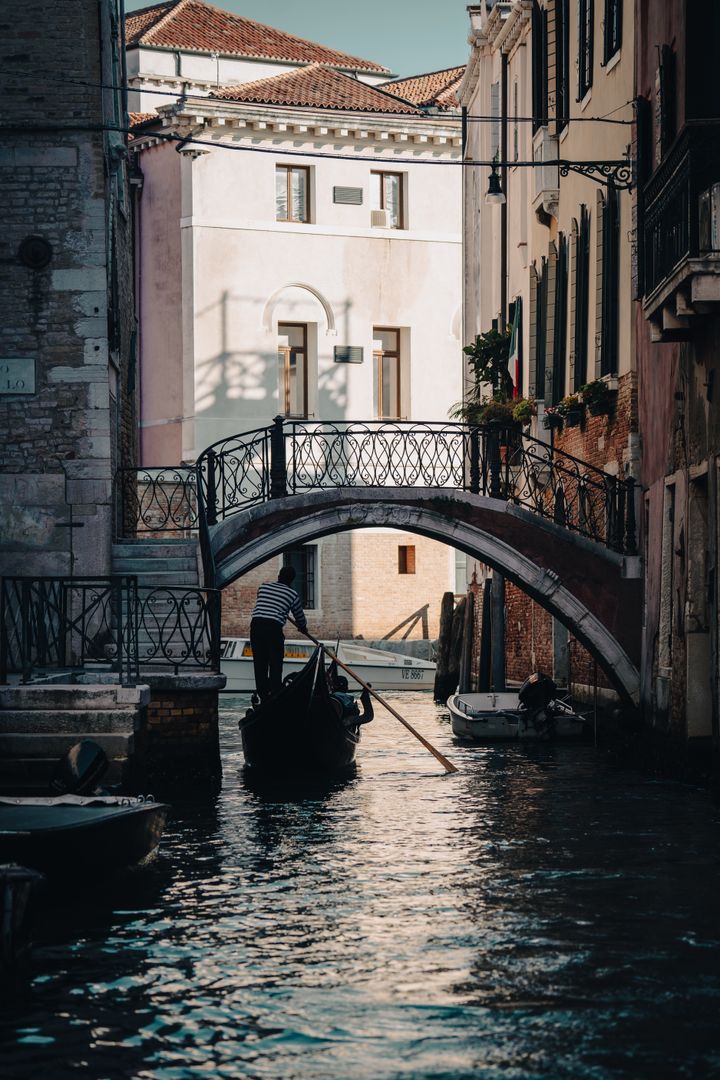
Edinburgh Castle and the Royal Mile are the obvious starting points, but the city's more interesting hours are in Stockbridge, Leith, and the streets climbing to Calton Hill—all within 30 minutes' walk of each other.
Henrik Vinter
17 April 2026
italyRome Travel Guide: What First-Time Visitors Get Wrong
Rome's big three—Colosseum, Vatican, Trevi Fountain—are worth seeing, but the city works far better once you understand which neighbourhoods to use as your base and what to pre-book months ahead.
Henrik Vinter
11 April 2026
italyVenice Travel Guide: What to Know Before You Go
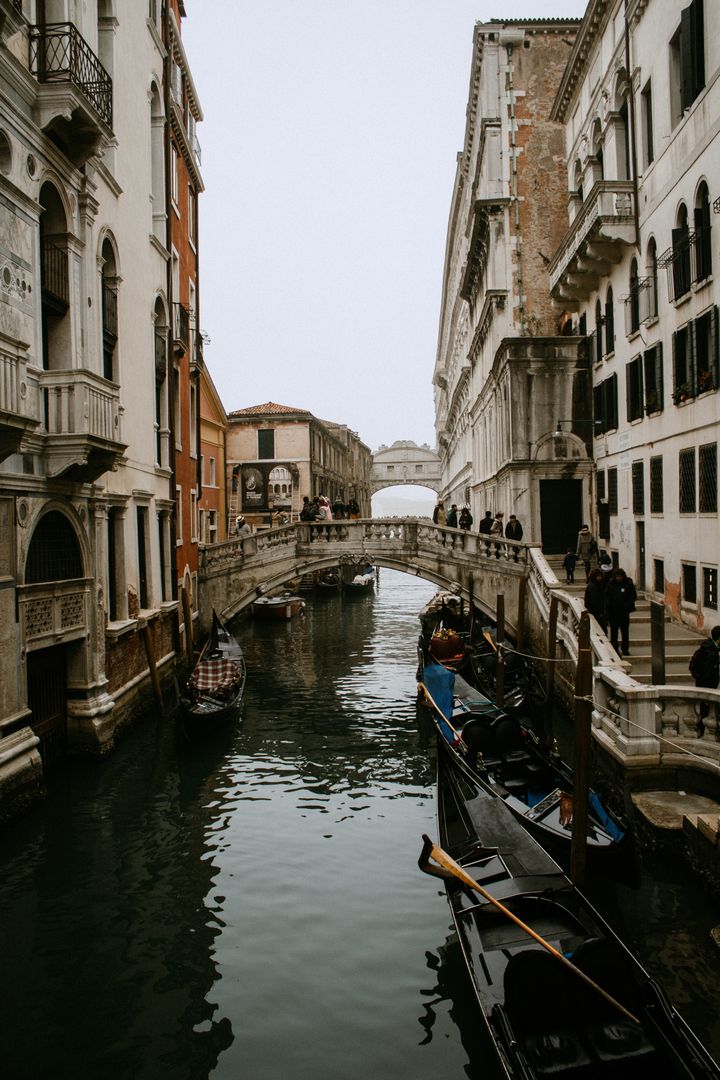
Venice works best in October or January, when the crowds thin and prices drop. Here's how the city actually functions—transport, costs, and which parts are worth your time.
Henrik Vinter

9 April 2026
franceNice and the French Riviera: A Practical Travel Guide
Nice is the most affordable base on the Côte d'Azur, with Monaco 20 minutes east and Antibes 15 minutes west. Here's how to use it without the resort-town markup.
Henrik Vinter

9 April 2026
japanTokyo Neighbourhoods: Where to Stay and What Each Area Is Like
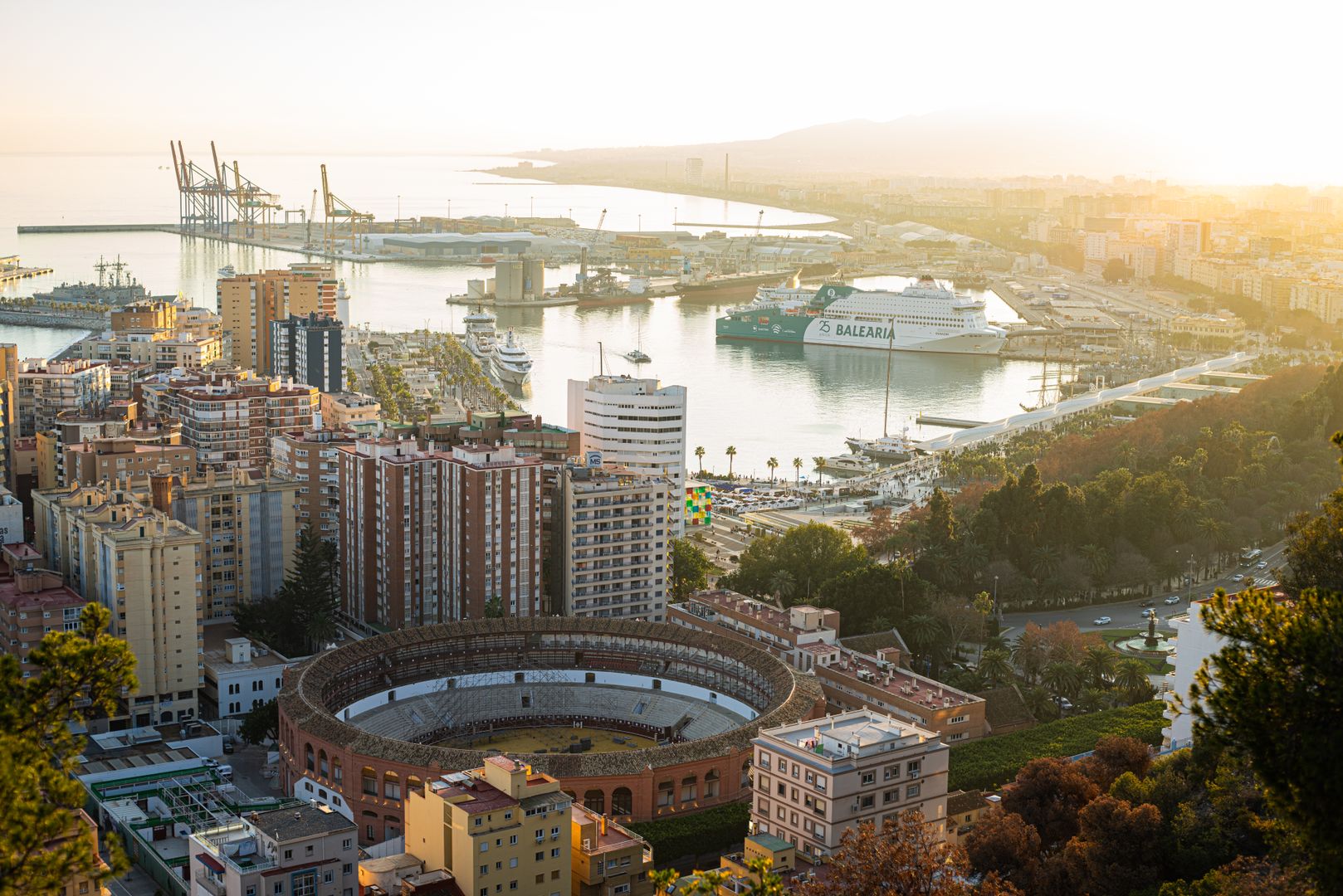
Tokyo spans 627 km² across 23 special wards and over 40 distinct neighbourhoods, each with its own character, price tier, and convenience profile. Where you stay determines your daily commute pattern and which parts of the city feel accessible — staying in the wrong area for your interests can add 45 minutes of transit time to every outing. The Yamanote Line, the circular JR loop connecting 29 stations in 60 minutes, forms the city's backbone. East of it (Asakusa, Ueno, Akihabara) tends toward tradition and affordability; west (Shinjuku, Shibuya, Harajuku, Omotesando) leans contemporary and expensive. Understanding this geography before booking is more useful than comparing hotel star ratings.
Henrik Vinter
6 April 2026
spainMálaga and the Costa del Sol: Beyond the Package Holiday
Málaga Airport is Spain's third busiest, but most travellers treat it as a car rental depot—a stepping stone to somewhere else. That mistake costs them. Málaga is Picasso's birthplace and a functioning Mediterranean port city with a restored 16th-century centre, 200+ works in a museum that fits nowhere else, and reliable 17°C January weather. The Costa del Sol extends 150km east and west: Nerja has actual charm; Marbella has money and boats; Tarifa has kitesurfing and Africa visible across the strait. Skip the airport transfer and stay three days.
Henrik Vinter

5 April 2026
spainValencia Travel Guide: Paella, Architecture, and the City of Arts and Sciences
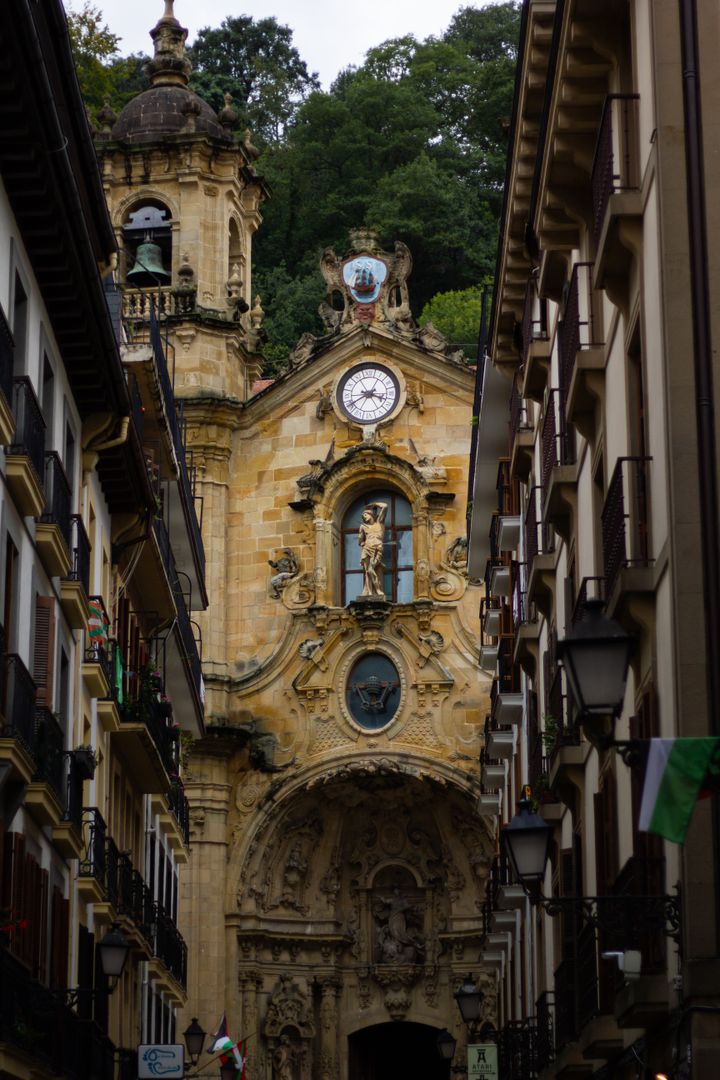
Valencia is the city where paella was invented—not as cuisine tourism, but as the daily lunch of farmers and fishermen in the Turia region. It's also where a catastrophic 1957 flood prompted the diversion of an entire river, transforming the old riverbed into a nine-kilometre park that now hosts Santiago Calatrava's €1.3 billion futuristic cultural complex. It has one of Europe's better urban beaches accessible by tram, and a Mediterranean pace that feels distinctly removed from the competitive intensity of Barcelona or the bureaucratic formality of Madrid. Valencia is underrated because it doesn't market itself as aggressively, but the architecture is bolder, the food is less performative, and the crowds are half the size.
Henrik Vinter
4 April 2026
spainSan Sebastián Travel Guide: Pintxos, Beaches, and the Basque Country
San Sebastián has more Michelin stars per capita than any city in the world — three restaurants with three stars (Arzak, Akelarre, Martín Berasategui) serving a population of 190,000. It also has pintxos bars where €15 buys a sequence of small plates and drinks that outrank most European fine-dining experiences. Both claims are true. This is not a destination for one or the other; it's a city where the food culture splits cleanly between haute cuisine restaurants booked eight weeks ahead and a street-level pintxos circuit that operates every evening in the Parte Vieja (Old Town), where locals and travellers stand at the bar, order rounds of txakoli, point at skewers and croquetas, and move to the next bar. Understanding the distinction — and how to navigate each — is the core of a San Sebastián visit.
Henrik Vinter

3 April 2026
spainGranada Travel Guide: The Alhambra, the Albaicín, and How to Do It Right
The Alhambra sells out months in advance. Book tickets now—at least 6 to 8 weeks ahead if you're arriving in spring (March–May), or 2 to 4 weeks for autumn and winter. Arrive without a reservation and you will not get in, regardless of how flexible the rest of your trip is. This single fact overrides every other planning decision for Granada.
Henrik Vinter

2 April 2026
spainMadrid Travel Guide: What First-Timers Actually Need to Know
Madrid is Spain's capital and the most uncompromisingly Spanish of the country's major cities — it makes no particular effort to accommodate non-Spanish speakers, eats dinner at 10pm, and houses a museum collection that rivals Paris. Barcelona is more internationally polished, has the sea, and markets itself as a destination. The two cities appeal to different people entirely, and knowing which you are saves both time and argument.
Henrik Vinter

1 April 2026
spainSeville Travel Guide: Flamenco, the Alcázar, and How to Time Your Visit
Seville is the hottest city in continental Europe during summer — July averages 37°C, August 36°C, with regular peaks at 42–44°C. This is not background detail; it dictates whether you spend your days inside or exploring the Alcázar's gardens and cathedral plazas. Visit March through May or October through November, and Seville is extraordinary. Visit in August and you're managing heat rather than discovering a city. The historic centre is compact, the tapas are genuine, and the architecture — Moorish, Gothic, Renaissance, layered across eight centuries — rewards the traveller who arrives at the right season.
Henrik Vinter

30 March 2026
greeceThessaloniki Travel Guide: Greece's Second City
Thessaloniki is the city Greeks from Athens recommend when you tell them you're going to Greece. It has better food, a more vibrant street culture, and a Byzantine history as deep as Athens' ancient one. It's also consistently underbooked by international visitors — which makes it one of the better-value cities in the country. Most visitors treat it as a side trip. It deserves to be the main event.
Henrik Vinter

24 March 2026
greeceAthens Travel Guide: What First-Timers Actually Need to Know
Athens is a city that underwhelms before it corrects itself. The first impression—traffic, dust, a chaotic centre scarred by 1960s concrete—gives way to something more textured: an ancient city that feels genuinely inhabited rather than preserved for visitors. The Acropolis is real and worth seeing. The food is excellent. And the neighbourhoods south of the centre—Koukaki, Mets, Pangrati—are what the travel photography never captures. Most first-timers spend two days chasing monuments and miss the Athens that actually exists below the hill.
Henrik Vinter
20 March 2026
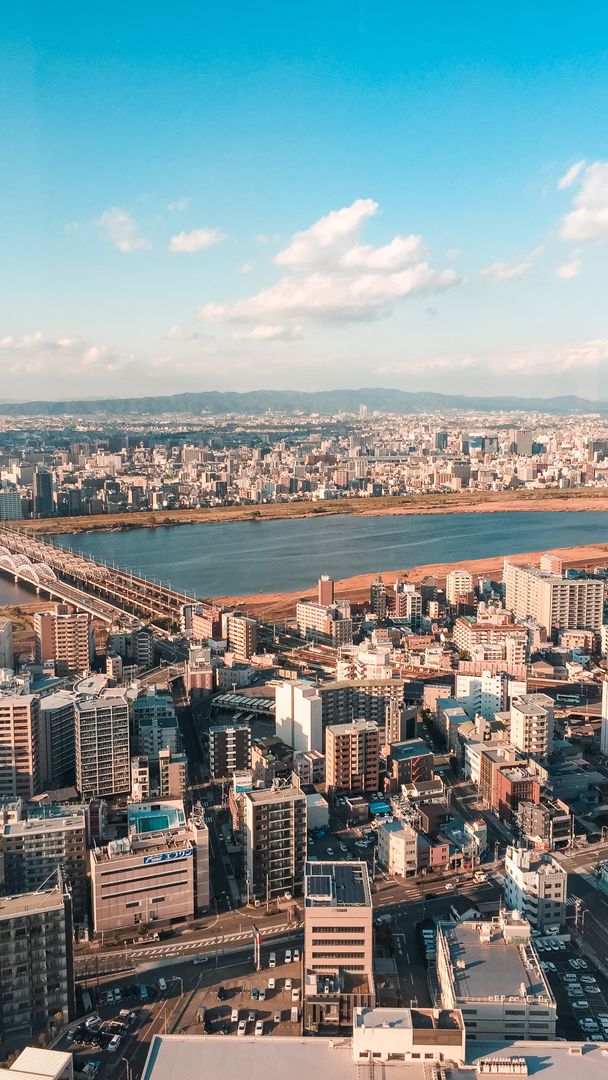
japanOsaka Travel Guide: Food, Neighbourhoods, and What the City Is Actually Like
Osaka's reputation outside Japan is as Tokyo's louder, messier cousin — a characterization that misses the point entirely. The city that other Japanese cities consider too direct, too loud, too willing to talk to strangers. Local saying: "Kyoto people are subtle, Osaka people are direct." The food is richer, the humour sharper, and the street energy closer to Hong Kong or Naples than to Tokyo's contained precision. For many long-term Japan visitors, it is the most approachable Japanese city — and the only one where pointing at a menu and grunting is not just acceptable but expected.
Henrik Vinter

18 March 2026
japanKyoto Travel Guide: What First-Timers Actually Need
Kyoto holds 17 of Japan's UNESCO World Heritage Sites and more temples than any comparable city in the world — 1,700+ temples and shrines scattered across a basin the size of Greater London. The central problem isn't finding things to do. It's deciding how many temples you can genuinely appreciate before they blur into architectural repetition. Two full days is the practical minimum to see the main sites without a sense of rushing. Three days is the threshold where you can actually spend time in places instead of collecting them.
Henrik Vinter
6 March 2026
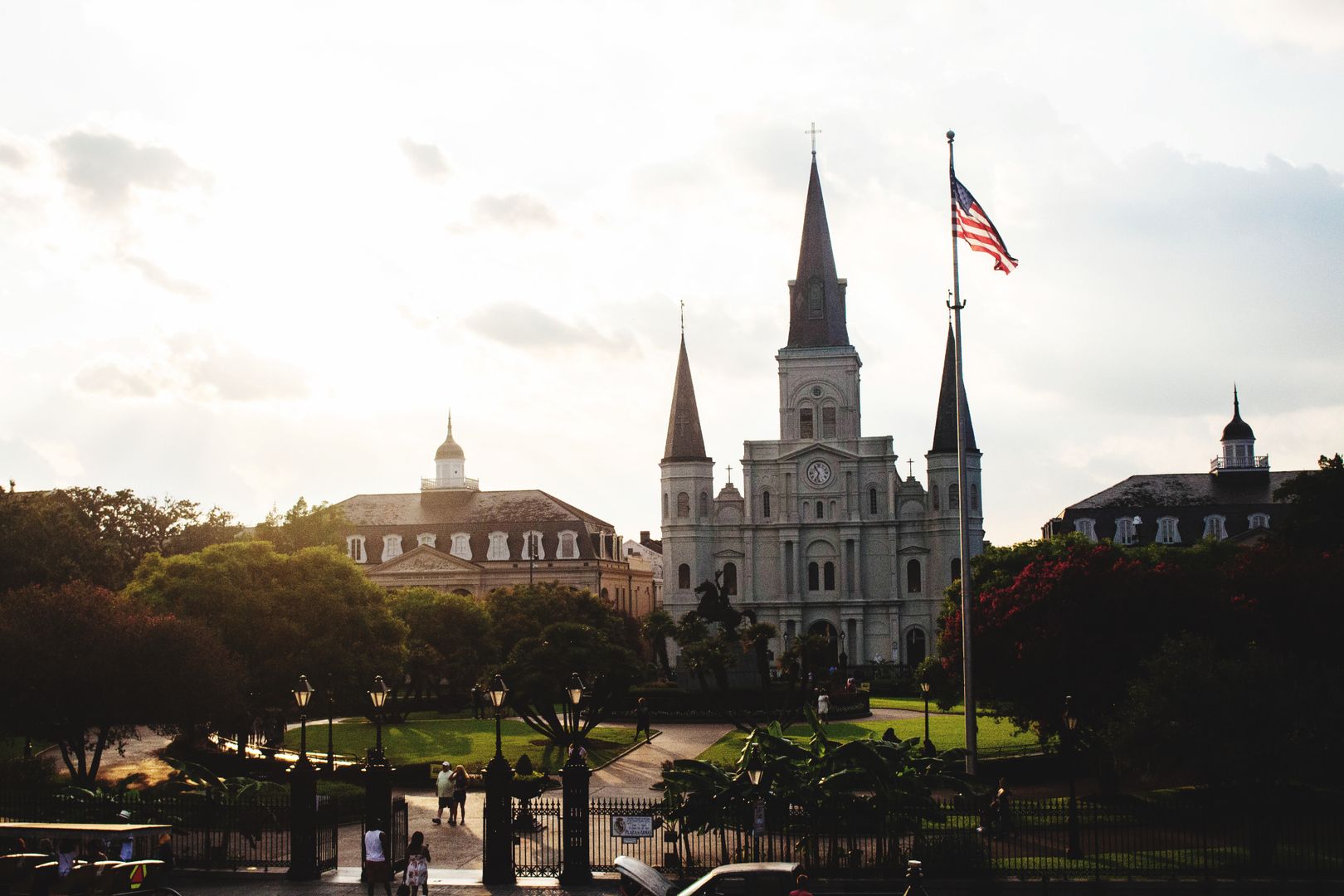
united statesNew Orleans Travel Guide: What to Know Before You Visit
New Orleans is the only major American city that resembles a European port town — a direct result of French and Spanish colonial rule, African diaspora food cultures, and a relationship with time that's markedly different from anywhere else in the country. Most visitors spend their entire trip on Bourbon Street and leave thinking they've seen the city. Bourbon Street is the worst block in New Orleans. This guide covers what the city actually is, when to visit outside the tourist machinery, where locals eat, and what trips up first-time visitors.
Henrik Vinter
5 March 2026
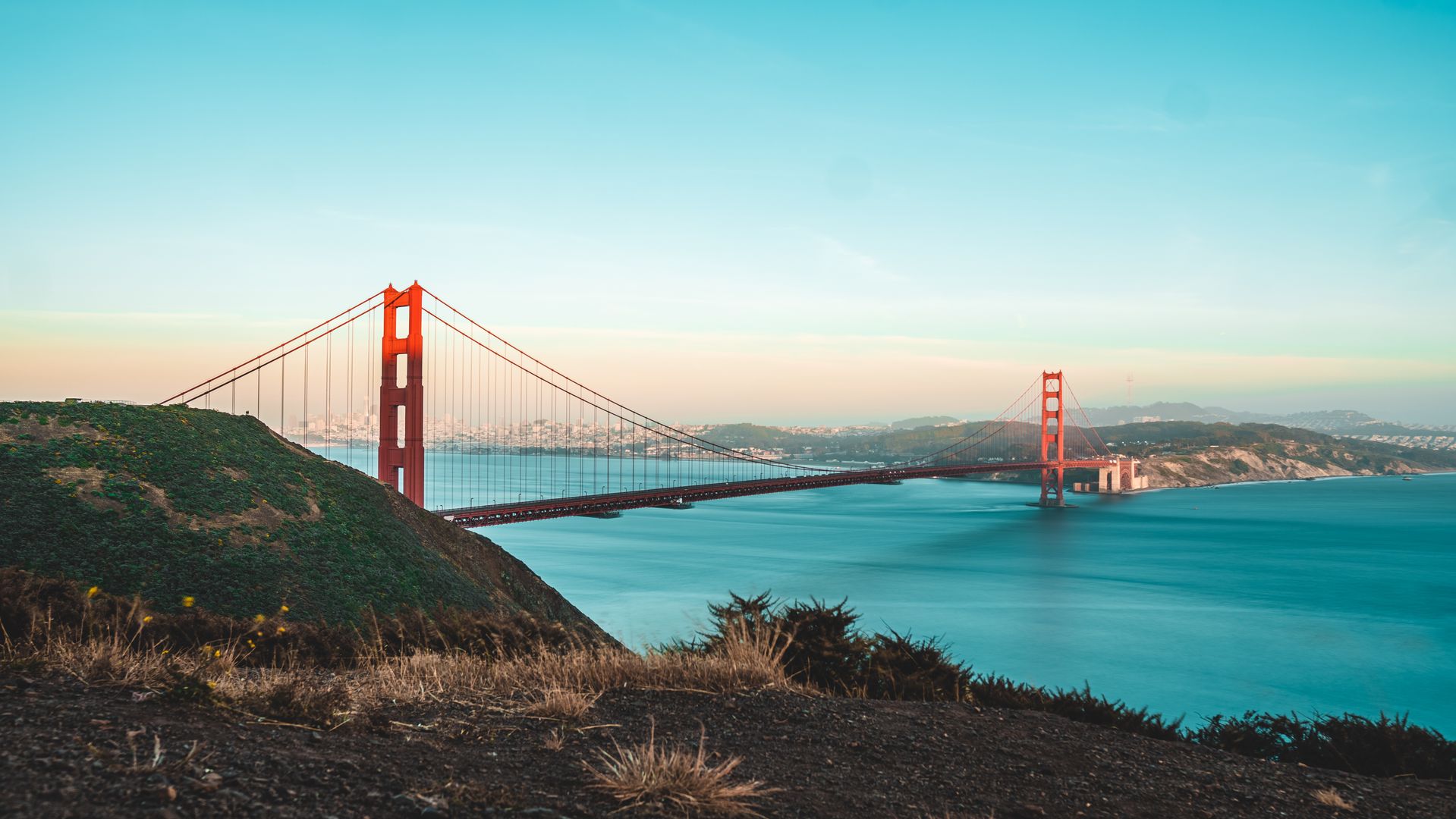
united statesSan Francisco Travel Guide: What First-Timers Need to Know
San Francisco's most famous weather feature—the summer fog rolling through the Golden Gate every afternoon—makes July and August among the worst months to visit. The city reaches its warmest and clearest state in September and October, when the rest of California thinks about autumn. Most visitors discover this frustration only after booking. The reality of San Francisco is messier than the postcard: it's expensive, visibly struggling with open-air drug use in specific neighbourhoods, and the cable cars move slower than walking. What remains genuine is the topology, the water on three sides, the neighbourhoods that feel like separate towns, and a working port that hasn't been turned into pure tourism.
Henrik Vinter

4 March 2026
united statesNew York City: A Practical First-Timer's Guide
New York City is five boroughs, not one, and most first-timers spend four days in Midtown Manhattan—the most expensive, least representative part—and miss the city almost entirely. The gap between Times Square and the actual New York that people who live here inhabit is about ten subway stops. A realistic first visit takes four to five days to move through multiple neighbourhoods without rushing, but those days are wasted if you don't leave Midtown.
Henrik Vinter
4 March 2026
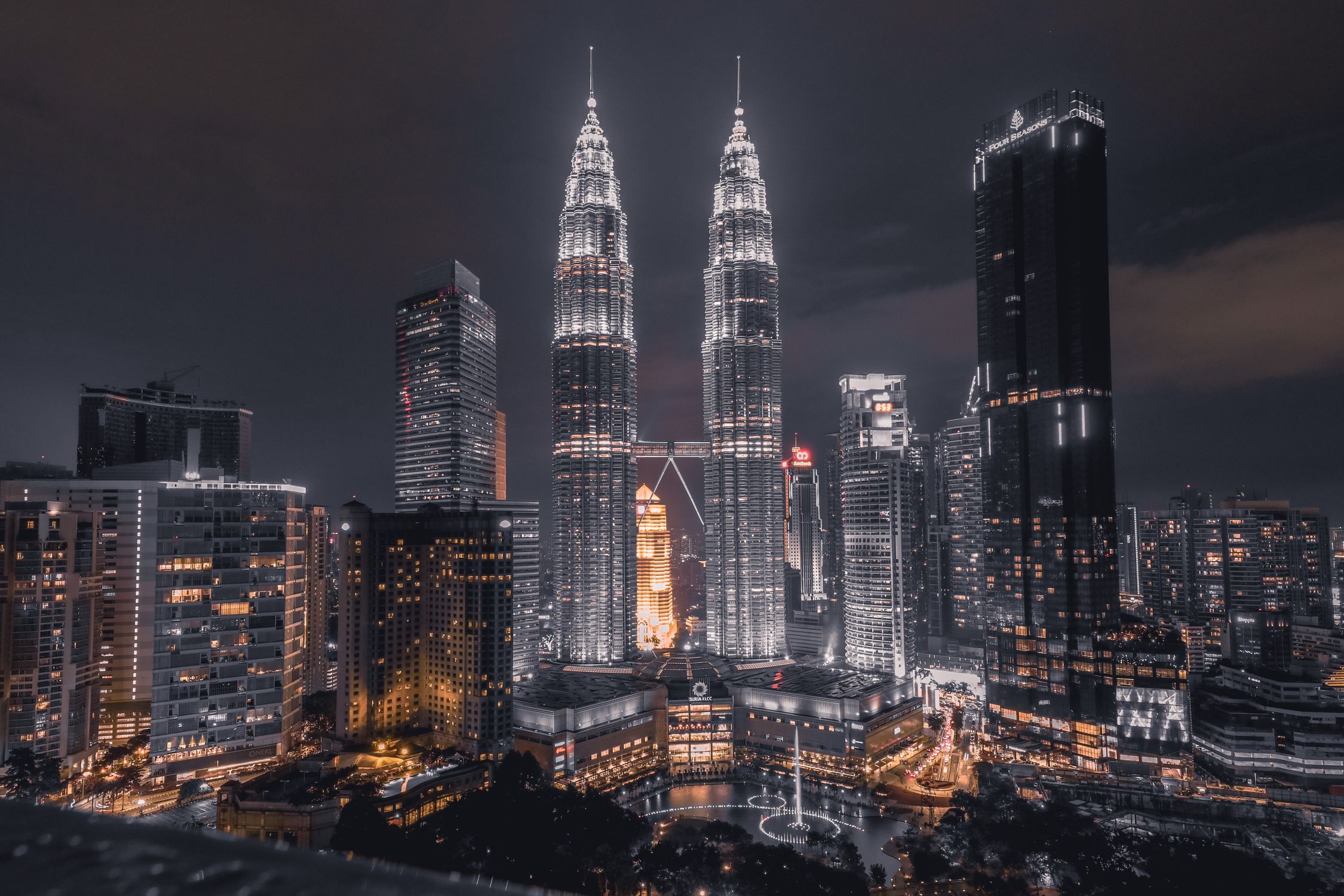
malaysiaKuala Lumpur Travel Guide: A Practical First-Timer's Briefing
Kuala Lumpur is a cheap, efficient, food-obsessed city that most visitors underestimate. The city's genuine draw isn't the towers — it's a food culture built from Malay, Chinese, Tamil, and Nyonya traditions, all priced for locals. The Petronas Towers get the Instagram attention, but the real reason to spend three days here is to eat methodically: nasi lemak from a hawker stall at 6am, char kway teow from a shop you found by accident at lunch, bak kut teh at 11pm in a mamak filled with construction workers and off-shift nurses. The city works. The trains run. The food is exceptional. The only real gap is between what most guidebooks promise and what actually matters when you arrive.
Henrik Vinter
1 March 2026
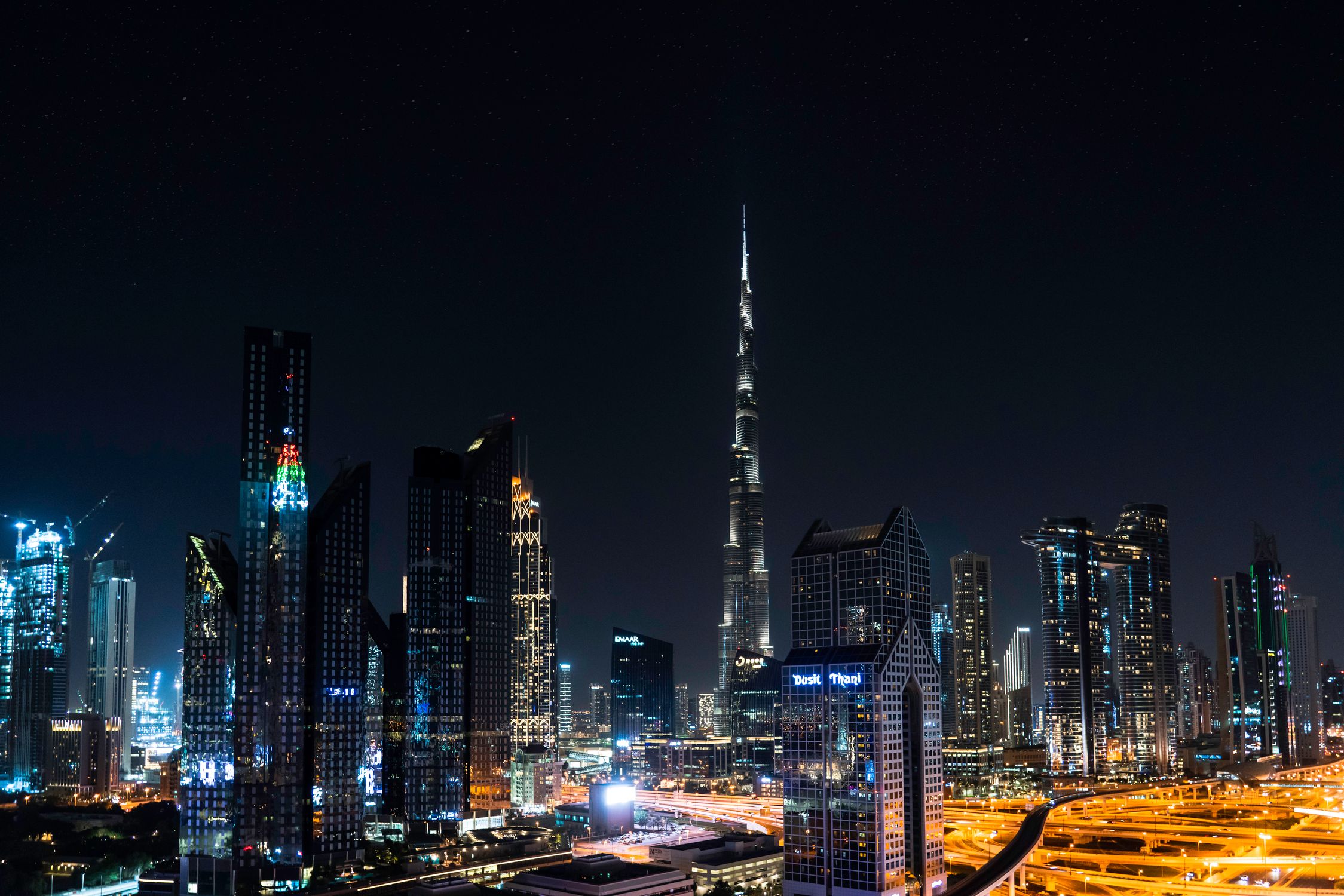
united arab emiratesDubai Travel Guide: What to Expect Before You Go
Dubai is a purpose-built city operating almost entirely in climate control, designed for spectacle and commerce rather than local culture or natural geography. It works brilliantly if you understand what it is: a 60-year-old trading port transformed into a global resort and shopping destination. It disappoints badly if you expect Middle Eastern authenticity, walkable neighbourhoods, or a slower pace. The city is efficient, safe, expensive by regional standards, and almost entirely disconnected from the desert that surrounds it.
Henrik Vinter
26 February 2026
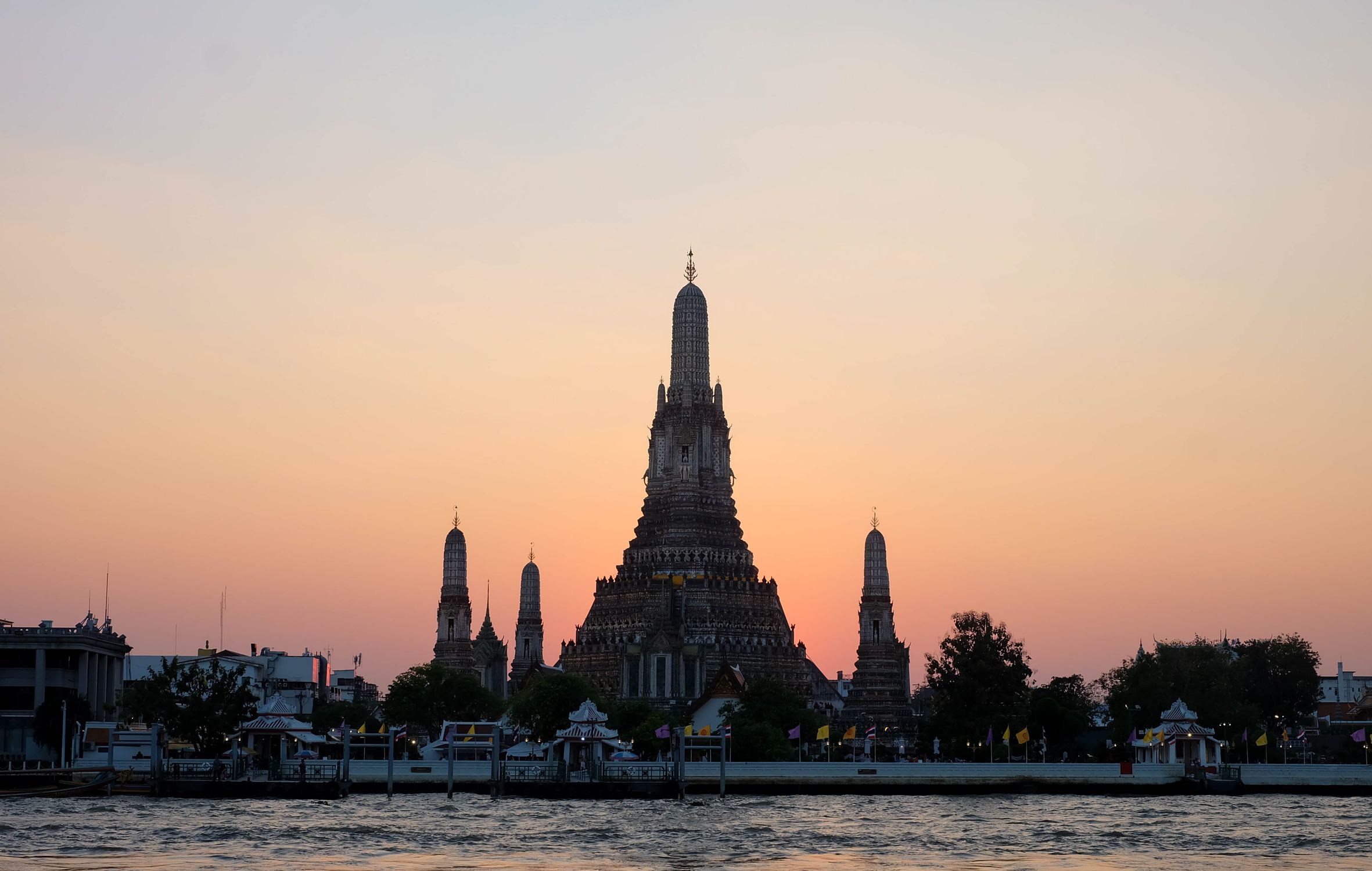
thailandBangkok for First-Timers: What the City Is Actually Like
Bangkok's defining feature isn't its temples or night markets — it's the friction of moving through it. The BTS Skytrain covers maybe a third of the city; everything else requires planning. Traffic is so severe that a 3km journey in a tuk-tuk can take 40 minutes. The areas worth visiting are scattered across different districts, connected by overlapping transport networks that don't always overlap where you need them to. Spontaneity works against you here. The travellers who enjoy Bangkok are the ones who accept this upfront and build routes around it, not around a mental map of "must-sees."
Henrik Vinter
22 February 2026
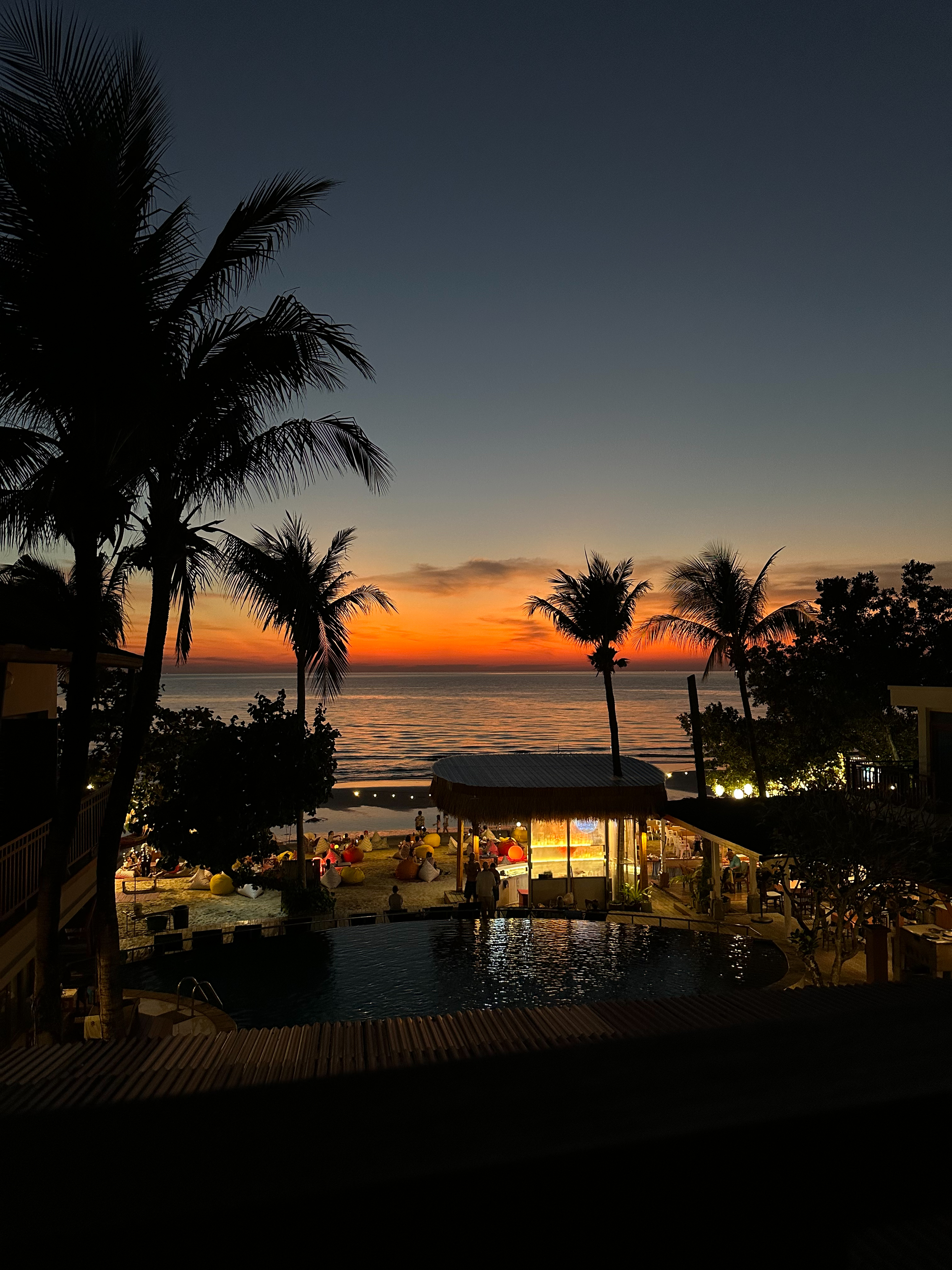
thailandKoh Chang Travel Guide: What First-Timers Need to Know
Koh Chang is a 429 sq km mountainous island in Trat Province, eastern Thailand, where 70% is protected national park jungle—but this doesn't mean undeveloped. White Sand Beach on the northwest coast has 7-Elevens, proper hotels, and busy bars, yet 20 minutes south by songthaew you're in genuine forest with waterfalls and empty roads. It's a working island, not a resort construct, which means better value and fewer crowds than the Andaman coast, but also fewer English speakers and less tourist infrastructure than Phuket or Pattaya.
Henrik Vinter

20 February 2026
denmarkCopenhagen Travel Guide: What It Costs and What It's Worth
Copenhagen's cost structure is fundamentally different from other major European cities: a mid-range dinner for two with wine runs DKK 600–1,000 (€80–135), and a beer at a bar costs DKK 75–110 (€10–15). It ranks among Europe's most expensive destinations for tourists, competing with Zurich and Reykjavik. Yet the expense isn't random inflation — it reflects high wages, strong design culture, and a city that functions exceptionally well. The decision to visit Copenhagen isn't whether to afford it, but whether what you get justifies the price. For cyclists, neighbourhood explorers, and those who value walkability over tourist density, the answer is usually yes. For budget travellers focused on free attractions and street food, it requires strategic planning.
Henrik Vinter

16 February 2026
taiwanTaipei Travel Guide: The Practical First-Timer's Briefing
Taipei is cheaper than Tokyo, calmer than Bangkok, and less organised around performance than Seoul. It offers better night market culture than any of them — and rewards wandering more than following a predetermined list. The gaps between the tourist highlights are often where Taipei's actual character lives: the side streets in Da'an, the morning dumpling shops, the temple districts where worship still happens without an audience. First-time visitors who spend three days following an itinerary and two days getting lost will see the city more clearly than those who book every hour.
Henrik Vinter

15 February 2026
austriaVienna First-Timer Guide: Coffee Houses, Palaces, and Practical Advice
Vienna costs roughly 40% more than Prague and sits at Paris-level pricing for continental Europe — which surprises first-timers banking on Czech prices. The trade-off is worth examining: world-class museums with depth (not just famous pieces), functional modernism alongside baroque facades, and a public transit system so efficient that hiring a taxi is optional. The coffee house culture is not heritage theatre; it's how locals spend afternoons. Most first-time guides treat Vienna as a classical music pilgrimage destination. The reality is denser: a working capital where you can see Velázquez in the morning, eat Käsekrainer at midnight, and spend three hours in a coffee house reading newspapers without anyone asking you to leave.
Henrik Vinter

13 February 2026
south koreaSeoul First-Timer Guide: What to Know Before You Go
Seoul's greatest shock for first-timers is how efficiently it runs despite almost no English street signage outside tourist zones. The city is safer and cheaper than most Asian capitals, the subway is colour-coded and announces stops in English, and a ₩3,000 T-money card unlocks everything. Yet without it—and the Naver Map or Kakao Map app in your pocket—you'll waste entire mornings navigating. This is the contract Seoul offers: exceptional infrastructure that requires you to use it on Seoul's terms, not yours.
Henrik Vinter

12 February 2026
czech republicPrague: A First-Timer's Guide to the City That's More Than Its Centre
Prague's Old Town Square was completely exposed to Luftwaffe bombing raids in 1944–45, yet the medieval buildings surrounding it — the Church of Our Lady before Týn, St. Nicholas Church, the Jan Hus Monument — survived intact. This accident of war is why Prague remains one of Central Europe's most architecturally coherent cities. It is also why the city attracts 8–9 million visitors annually, and why the streets between Old Town Square and Charles Bridge are functionally impassable by mid-morning in peak season.
Henrik Vinter

10 February 2026
swedenStockholm: What to Do, Where to Eat, and When to Go
Stockholm sits on 14 islands where Lake Mälaren meets the Baltic Sea, and the water is genuinely everywhere—visible from almost any street corner, crossed by bridges constantly. The architecture alternates between baroque palaces and severe Functionalist rectangles. Summer light in June barely sets. The city is also expensive: a coffee costs €5, a beer €8, a dinner for two at a competent mid-range restaurant €80. This requires specific cost-management strategies rather than avoidance.
Henrik Vinter

9 February 2026
franceParis Without the Tourist Traps: A Practical First Visit Guide
Paris simultaneously presents two contradictory experiences: monuments surrounded by queues of 90 minutes, and neighbourhoods fifteen minutes away where locals move through near-empty streets without a second glance. Most first-time visitors spend three days photographing the Eiffel Tower and two hours in the Louvre's Mona Lisa crush, then leave without understanding why the city matters. This guide is designed to correct that balance—to show you how to see the essential works without surrendering your entire visit to queuing, and more importantly, where to actually spend time.
Henrik Vinter

1 February 2026
colombiaMedellín, Colombia: What the City Is Actually Like Now
Medellín was the world's most dangerous city in 1991—approximately 6,300 homicides in a city of 1.6 million people. Today it has transformed significantly: the Metro cable car system connects hillside comunas directly to the city centre; the Escaleras Eléctricas (electric escalators) cover 400 vertical metres in San Javier; a metropolitan university system and tech sector investment have created jobs; and tourism arrivals have grown steadily to around 3 million annually. The city is genuinely interesting to visit. It is also not comparable to a European capital for personal safety. The risks are specific, manageable, and worth understanding clearly.
Henrik Vinter

31 January 2026
argentinaBuenos Aires: What to Know Before Your First Visit
The economic dislocation that defines Argentina's current reality also makes Buenos Aires extraordinarily cheap for foreign visitors. The informal exchange rate — the "blue dollar" — trades at roughly double the official bank rate. Tourists accessing this rate through legal channels (cash exchanges at cuevas, or transfers via Wise) find restaurant meals that cost €25 in Lisbon at €8 here, hotels that would command €150 in Madrid available for €50, and steak restaurants charging €12 for meals that cost €50 in London. This shapes everything: what you stay in, where you eat, how long you can afford to remain. It is not the reason to visit Buenos Aires, but it changes the equation entirely.
Henrik Vinter

30 January 2026
hungaryBudapest: A Practical Guide for First-Time Visitors
Budapest is one of Europe's most architecturally striking cities — divided by the Danube into two distinct characters. The hilly Buda side holds the castle district and panoramic viewpoints; the flat Pest side spreads the grand boulevards, markets, ruin bars, and most of the restaurants and nightlife. It was genuinely cheap a decade ago. It's now firmly mid-range by European standards — cheaper than Vienna, Amsterdam, or London, but no longer a bargain destination. That said, a meal costs half what it does in Scandinavia, and the thermal baths remain inexpensive relative to their quality.
Henrik Vinter

27 January 2026
singaporeSingapore: What to Do in 3 Days (and What to Skip)
Singapore's cost is 40% higher than Bangkok but 30% lower than central London — and the three-day experience justifies both the price and the precision. The city rewards travellers who don't fight its nature: it's orderly, air-conditioned, efficient, and built for short visits with real payoff.
Henrik Vinter

23 January 2026
mexicoMexico City for First-Timers: Neighbourhoods, Food, and Getting Around
Mexico City has 9 million residents in the city proper and 22 million in the metro area—the largest Spanish-speaking city on earth. The first thing to understand about visiting it is that you will not see "Mexico City." You'll see the three or four neighbourhoods you choose to base yourself in. The choice of neighbourhood determines the food, the noise level, the transport options, and the experience more than any single sight. A first-timer who picks the wrong area can spend a week feeling like they're in a quieter version of their home city rather than Mexico City at all.
Henrik Vinter

19 January 2026
thailandChiang Mai for First-Timers: What the City Is Actually Like
Chiang Mai's old city centre holds 130,000 people — Bangkok fits that many into a single district. The difference registers immediately: the moat-enclosed medieval core is walkable in 30 minutes, the major temples operate without the crowding of their Bangkok counterparts, and the surrounding mountains fundamentally alter the landscape. A 1.5-hour flight from Bangkok costs €30 on AirAsia, making Chiang Mai the practical reset point for travellers who want to see Thailand beyond metropolitan sprawl.
Henrik Vinter

18 January 2026
south africaCape Town for First-Timers: A Practical Week
Cape Town occupies a geographic triangle: the Atlantic Ocean to the west, Table Mountain rising 1,086 metres behind the city, and the Cape Peninsula extending 60 kilometres south as a mountain range that drops directly into the sea. This geography creates a different climate on nearly every shore. The Atlantic side—Sea Point, Camps Bay—stays cool and windy year-round. The False Bay side—Muizenberg, Kalk Bay—runs 5–10 degrees warmer. Both neighbourhoods are Cape Town, but a first-timer needs to understand which side they're on to predict what to pack and how the day will feel.
Henrik Vinter

17 January 2026
japanKyoto vs Osaka: How to Split Your Japan Time
Kyoto and Osaka sit 75km apart and are connected by Shinkansen (14 minutes, €12), Hankyu Railway (45 minutes, €3.50), and Kintetsu Railway (35 minutes express, €7). They're close enough to day-trip between but fundamentally different in purpose. Kyoto is the former imperial capital — 17 UNESCO sites, 1,600+ temples, a city designed around cultural pilgrimage. Osaka is the food-forward commercial city that generates revenue instead of nostalgia. Choosing the wrong base for your travel style wastes commute time every morning. This guide clarifies which city to sleep in, how many days each requires, and what actually takes priority when your time is limited.
Henrik Vinter

16 January 2026
turkeyIstanbul for First-Timers: Where East Meets Your Itinerary
Istanbul straddles two continents, and this split is not decorative—it dictates how the city functions, where tourists cluster, and where actual life happens. The European side holds the historical sights that draw most first-timers: Hagia Sophia, the Blue Mosque, Topkapı Palace, and the Grand Bazaar. The Asian side—primarily Kadıköy and Üsküdar—is where 10 million residents eat, work, and spend weekends without foreign tour groups. The Bosphorus strait running between them is 700 metres wide and crossed by regular ferries for €0.80 each way. That single commute encapsulates why Istanbul works: a journey between continents costs less than a coffee.
Henrik Vinter

16 January 2026
netherlandsThree Days in Amsterdam: A First-Timer's Practical Guide
Amsterdam's canal ring spans roughly two kilometres across—the entire city centre takes thirty minutes to walk end to end. Most first-time visitors dramatically overestimate how much ground they need to cover, which means they either overschedule transport or miss the fact that the best use of three days is depth over distance. This guide covers where the time actually goes, what requires advance booking, and what the city demands that other guides leave vague.
Henrik Vinter

14 January 2026
portugalPorto in Three Days: Where to Go and What to Skip
Porto operates on different principles than Lisbon. Where Lisbon spreads across rolling hills and feels systematically organized, Porto crowds itself into steep terraces that tumble toward the Douro River—the stone is older and rougher, the staircases narrower, the whole city feels like it's sliding downhill. Lisbon rewards broad itineraries and efficient ticking off; Porto rewards walking in circles, sitting on a curb with coffee, noticing that a street you walked this morning connects to one you're on now from a completely different angle. Most first-time visitors arrive expecting a smaller version of Lisbon with port wine. The port wine is real and worth one afternoon. The rest of Porto—the worn-down residential neighbourhoods, the small standing-room cafés, the fact that you'll get genuinely lost and find something better than the guidebook suggests—is what actually anchors a three-day visit.
Henrik Vinter

13 January 2026
italyFlorence vs Rome: Which Italian City to Prioritise
Most Italy guidebooks treat Florence and Rome as equivalent first-time destinations. They aren't. Florence is a concentrated Renaissance art museum you can walk across in 25 minutes; Rome is a sprawling three-city layering (ancient, medieval, papal) that requires 4–5 days minimum and significantly more logistics. Choose Florence if you want art intensity and walkability. Choose Rome if you want historical range and can tolerate crowds, heat, and longer distances between sights. Many travellers who try to do both in five days end up burnt out and hotel-hopping. The better question isn't which one to visit—it's how much time you have and what exhausts you less: queuing or walking.
Henrik Vinter

12 January 2026
portugalOne Week in Lisbon: What to Do, Skip, and Eat
Lisbon's seven hills are not decorative. Two neighbourhoods that appear adjacent on a map—Príncipe Real and Alfama, say—can mean 25 minutes of climbing on foot, straight up. This single fact reshapes how you navigate the city and determines whether a week feels rushed or measured. Get this wrong and you waste hours hiking between districts. Get it right and the week becomes fluid.
Henrik Vinter

12 January 2026
spainFirst Time in Barcelona: What to Know Before You Go
Barcelona's most famous street, Las Ramblas, is where you'll see the most postcards and lose the most wallets. Pickpocketing here runs at roughly one incident per 50 tourists during peak season. The architecture tourists photograph is often 20th-century reconstruction, not medieval original. But ignore that street—the actual Barcelona starts a ten-minute walk into the grid of Eixample or the narrow lanes of El Born. First-timers arriving without a strategy waste three days finding this out.
Henrik Vinter

11 January 2026
moroccoFirst Time in Marrakech: What to Expect (and What to Ignore)
Marrakech is a functioning city of 1.2 million people built around a 1,000-year-old medina, not a heritage site that happens to contain residents. Most first-timers expect it to feel like a larger version of European old towns—manageable, predictable, visually coherent. It isn't. The medina disorients intentionally in places. But the intensity is structural, not dangerous: it requires different navigation confidence than Paris or Bangkok, not a higher security threshold. You navigate it by learning three anchor points and understanding that every negotiation, persistent tout offer, and unmarked doorway follows rules you'll recognize once explained.
Henrik Vinter

10 January 2026
japan72 Hours in Tokyo: The Essential First-Timer's Itinerary
Tokyo rewards structure. The city is vast — 14 million people in the metropolitan area, a subway system with over 280 stations — and first-time visitors who arrive without a plan tend to spend their first day riding the wrong trains and queuing for things that didn't need queuing. This itinerary is built for efficiency, not coverage. Three days won't show you all of Tokyo. They will give you a real foundation: the old city and the new, the commercial and the quiet, the iconic and the actual.
Henrik Vinter

10 January 2026
vietnamHanoi or Ho Chi Minh City: Where to Start Your Vietnam Trip?
Vietnam's monsoon system splits at the 16th parallel: the north has winter (November–April, cool and dry) while the south bakes year-round and gets drenched June–October. This means the better starting city often isn't about which you prefer—it's about when you're travelling. A traveller arriving in July from Europe is making a mistake by starting in the north; someone landing in December with two weeks should prioritize Hanoi first. Most guides treat Hanoi and Ho Chi Minh City as interchangeable entry points. They are not.
Henrik Vinter