

Edinburgh sits on volcanic rock and has been a capital city since the 15th century, which explains both the castle on the crag and the density of architecture packed into the Old Town below it. The Royal Mile — the kilometre-long street running from the Castle down to the Palace of Holyroodhouse — is the tourist spine and is worth walking once for the closes (narrow passages cutting between the main street and the parallel wynds below). After that, the city works better if you treat it as a series of distinct neighbourhoods rather than a single monument.
Old Town vs New Town
The Old Town is the medieval city — tall tenements, irregular street patterns, the Castle, St Giles' Cathedral, and Greyfriars Kirkyard (the cemetery that inspired parts of Harry Potter and contains a famous small terrier monument). The New Town, built in the late 18th and early 19th centuries, is a grid of Georgian streets running north from Princes Street. It looks austere and is actually pleasant to walk — Charlotte Square, Stockbridge (the village-like neighbourhood at the northern end), and the Dean Village (a former mill settlement on the Water of Leith) are the best parts.
Leith, the port district 3km north of the centre, has shifted over the past two decades from post-industrial to the neighbourhood with the most interesting restaurant scene in the city. The Shore (the old harbour area) has a concentration of seafood restaurants. The Royal Yacht Britannia, moored at the Ocean Terminal, is one of Scotland's most-visited attractions (£20 entry) and is better than it sounds — access to all five decks of the Queen's former floating residence, preserved as it was in 1997.
Edinburgh Castle and Holyrood
Edinburgh Castle charges £22 for standard adult entry and is worth it for the Scottish Crown Jewels (the oldest in the British Isles), the Stone of Destiny, and the views from the esplanade. The queues peak between 10am and 2pm; arriving at opening (9:30am) or after 3pm reduces the wait. The audioguide is included and better than average.
The Palace of Holyroodhouse at the bottom of the Mile is the Queen's official Scottish residence, open to visitors when the Royal Family is not in residence (most of the year, closed in late June/early July). Entry £18. The attached ruins of Holyrood Abbey date to 1128 and are free to walk through as part of the palace ticket. Arthur's Seat — the 251-metre extinct volcano behind the palace — takes about 45 minutes to climb and gives better views of the city than any paid viewpoint. Go in the morning before cloud settles on the top.
The Edinburgh Festivals
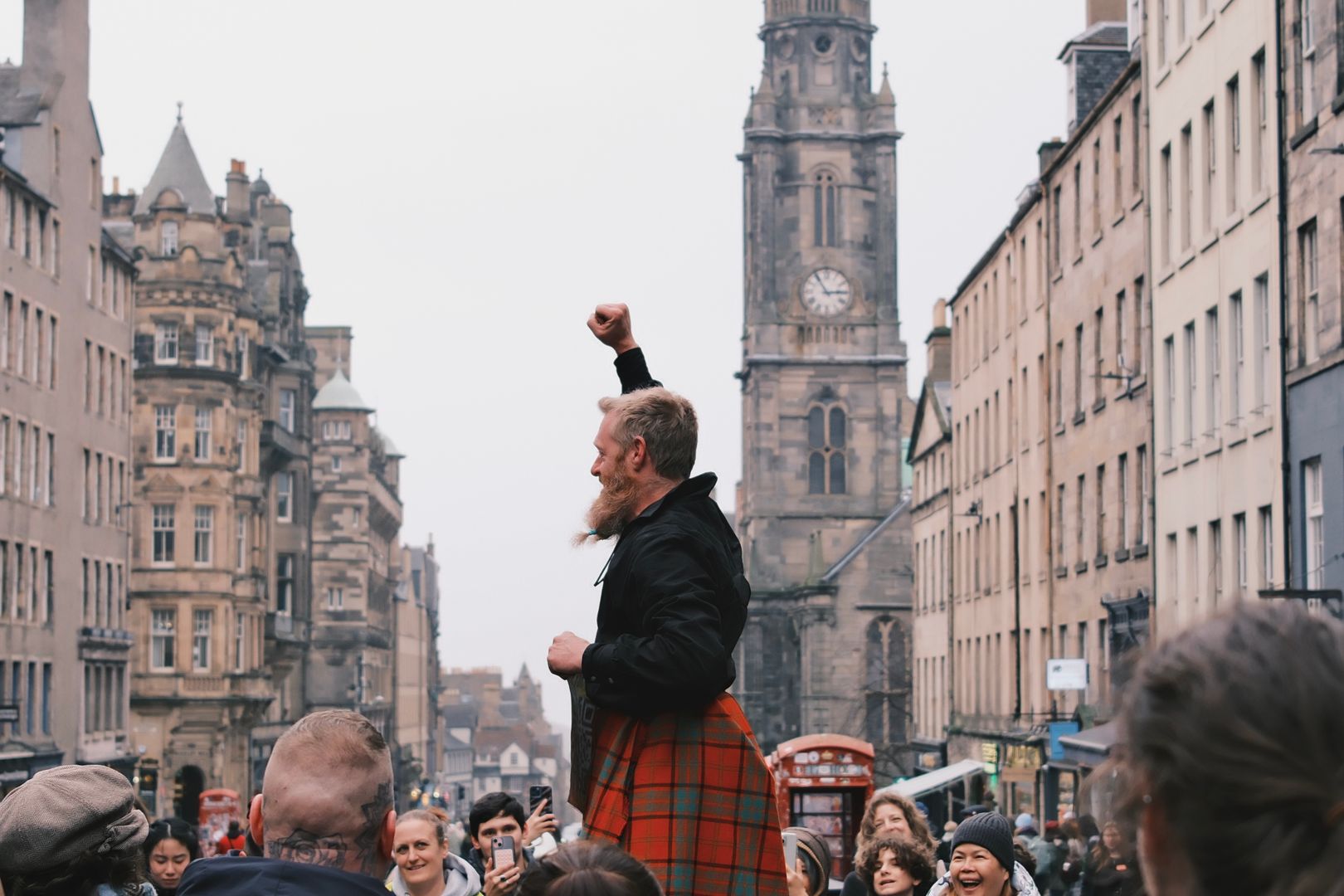
August in Edinburgh means the world's largest arts festival. The Edinburgh Festival Fringe (three weeks starting early August) sells around 3 million tickets annually across 300+ venues. The International Festival runs concurrently with higher-budget productions. The Military Tattoo on the Castle esplanade happens nightly in August and requires booking months ahead.
The Fringe is the one worth planning around. Around 3,500 shows run simultaneously, ranging from free street performances to ticketed theatre and stand-up comedy. Same-day tickets to smaller shows are often available even during the busiest week. Accommodation prices in August are significantly higher than any other month — expect to pay 2–3 times the usual rate, and book at least 6–8 months ahead if you want central options. The city is genuinely energetic in a way it isn't the rest of the year; it's also genuinely crowded.
Day Trips From Edinburgh
The Highlands start around 90 minutes north by road or train. Stirling (50 minutes by train, £12–20) has its own castle on a similar volcanic crag to Edinburgh's, with better sight lines and fewer queues. Loch Lomond is 1h15 by bus from the city centre and the nearest loch to Edinburgh; the western shore is more scenic than the accessible eastern one.
St Andrews (1h by bus or 1h30 by train via Leuchars, £12) is worth the trip for the cathedral ruins, the university town atmosphere, and the Old Course at the Royal and Ancient Golf Club — you don't need to play to walk the 18th fairway, which is public land. The Fife Coastal Path starts near St Andrews and offers short sections accessible for day walking.
When to Visit Edinburgh
May and June have the best weather — temperatures 14–18°C, long daylight hours (up to 17.5 hours in midsummer), and pre-August prices. September is excellent: the Festival crowds are gone, the weather holds, and the city returns to its normal pace. July is warm and sometimes very rainy.
December is worth considering for Hogmanay (the Scottish New Year, 31 December–1 January): street parties, fireworks from the Castle, and a genuinely participatory local tradition rather than a tourist performance. Accommodation books out months ahead for New Year's Eve. January and February are cold (2–7°C) and occasionally icy but the city is quiet and museums are uncrowded.
Practical Costs

Edinburgh is expensive by UK regional standards but cheaper than London. A mid-range hotel in the centre runs £120–200 per night; in Leith, £80–130. A meal at a proper restaurant — not a pub but a sit-down dinner with wine — runs £30–50 per person. Pub food is better value at £12–18 for a main. Scotland's national drink is whisky: a dram in a regular pub costs £4–7; in specialist whisky bars the range expands considerably and tastings are common. The Scotch Whisky Experience on the Royal Mile charges £19 for a tasting tour and is one of the more honest tourist attractions of its type.
Many of Edinburgh's best attractions are free: the National Museum of Scotland, the National Galleries, Calton Hill, Arthur's Seat, and the Dean Village. A daily budget of £70–100 per person excluding accommodation covers food, one paid attraction, and a pub evening.
