48 articles

28 May 2026
south koreaAndong Travel Guide: South Korea's Confucian Heartland
Andong anchors South Korea's Confucian heritage more systematically than any other city. Hahoe Folk Village — a UNESCO World Heritage Site since 2010 — is a riverside settlement of thatched and tile-roofed houses where d
Henrik Vinter
25 May 2026
south koreaGyeongju Travel Guide: Temples, Burial Mounds, and the Ancient Silla Capital
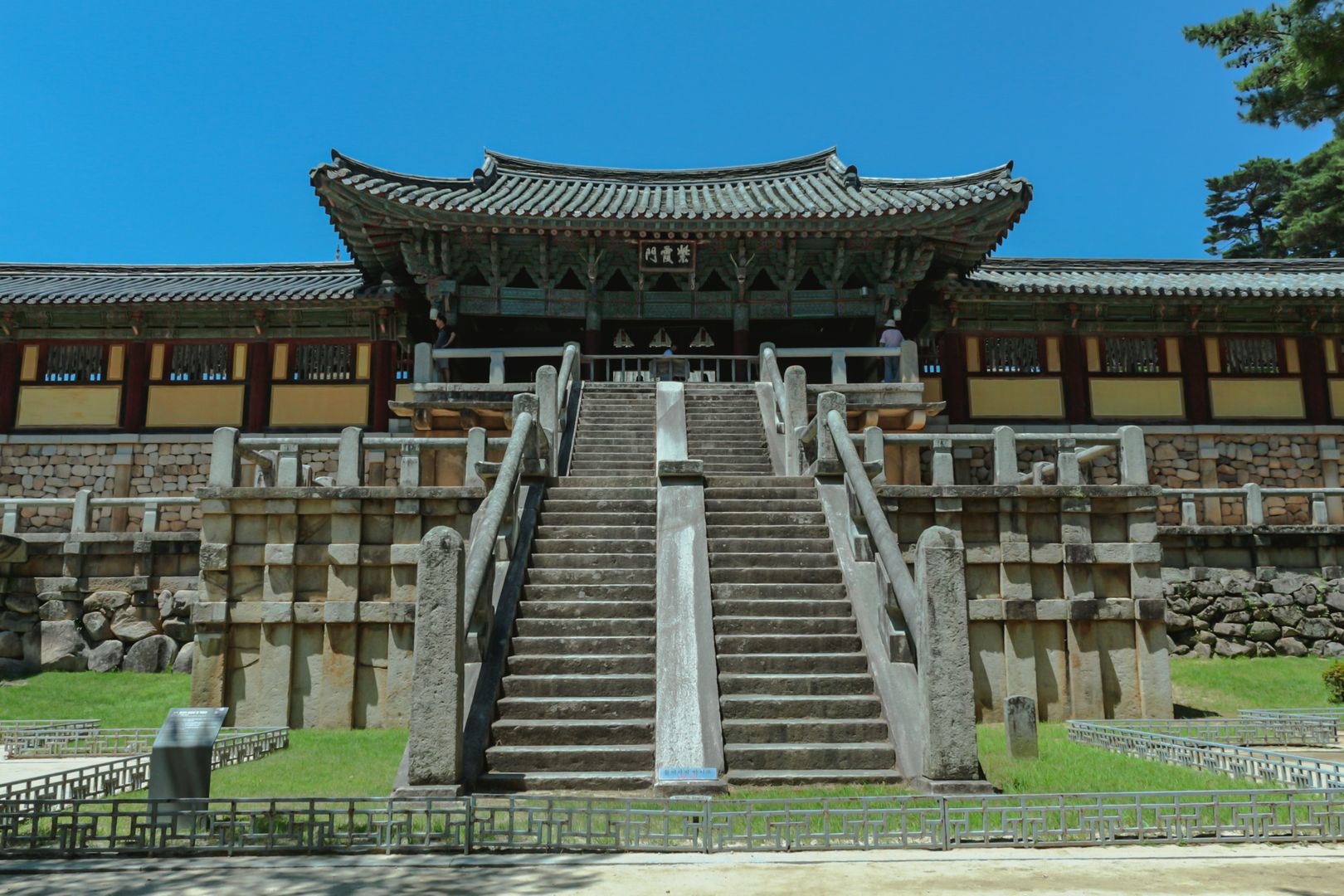
Gyeongju was the capital of the Silla Kingdom for almost a thousand years (57 BC – 935 AD). The city is sometimes called a museum without walls — burial mounds sit in public parks, pagodas date to the 7th century, and the Bulguksa Temple complex has been a UNESCO World Heritage Site since 1995. It is a 2-hour KTX ride from Seoul.
Henrik Vinter
23 May 2026
united statesChicago Travel Guide: Architecture, Deep Dish, and the Bean
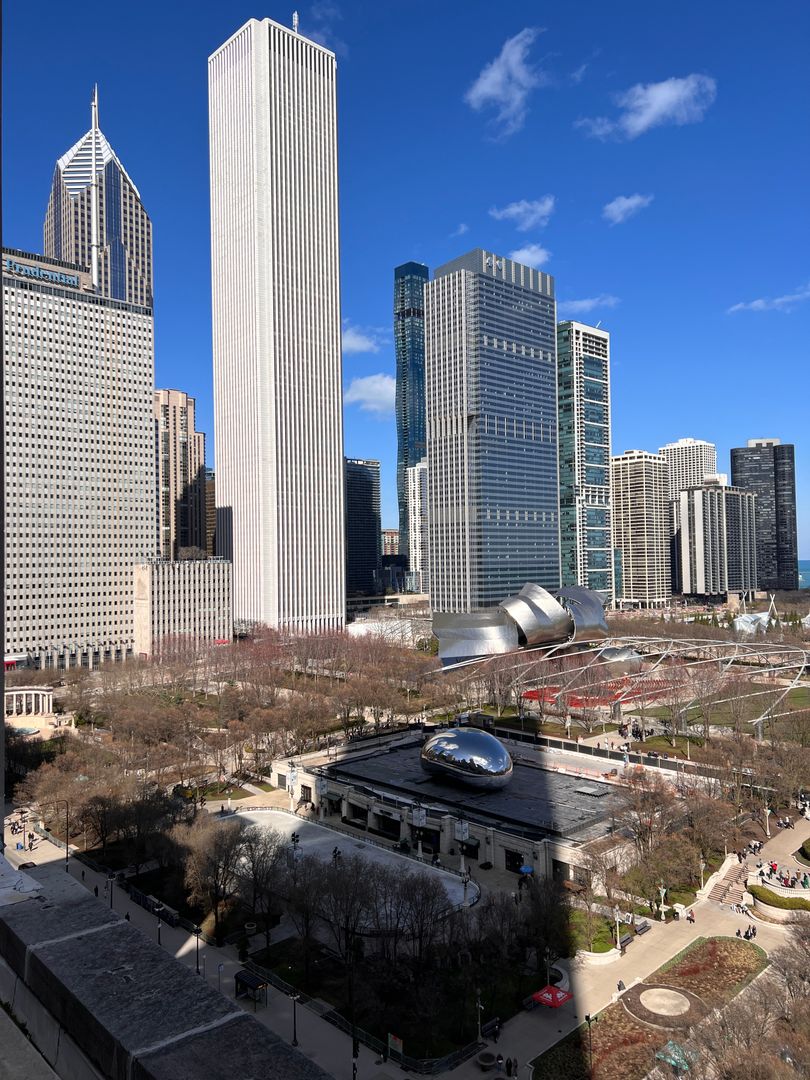
Chicago is the third-largest city in the United States and arguably its most architecturally significant — the steel-frame skyscraper was invented here in 1885. The city has a world-class art museum, a Blues scene that shaped American music, pizza so different from New York's that the comparison is not useful, and a lake that functions as an inland sea.
Henrik Vinter

23 May 2026
south koreaJeonju Travel Guide: Hanok Village, Bibimbap, and a City That Kept Its Old Centre
Jeonju is the capital of North Jeolla Province and the origin city of bibimbap — a fact taken seriously here, in the same way that Bologna takes ragu seriously. The Hanok Village (Hanokmaul) contains over 700 traditional tile-roofed houses in a single neighbourhood, still functioning as a residential area rather than an outdoor museum.
Henrik Vinter
21 May 2026
vietnamMekong Delta Guide: Floating Markets, River Villages, and Two Days Well Spent
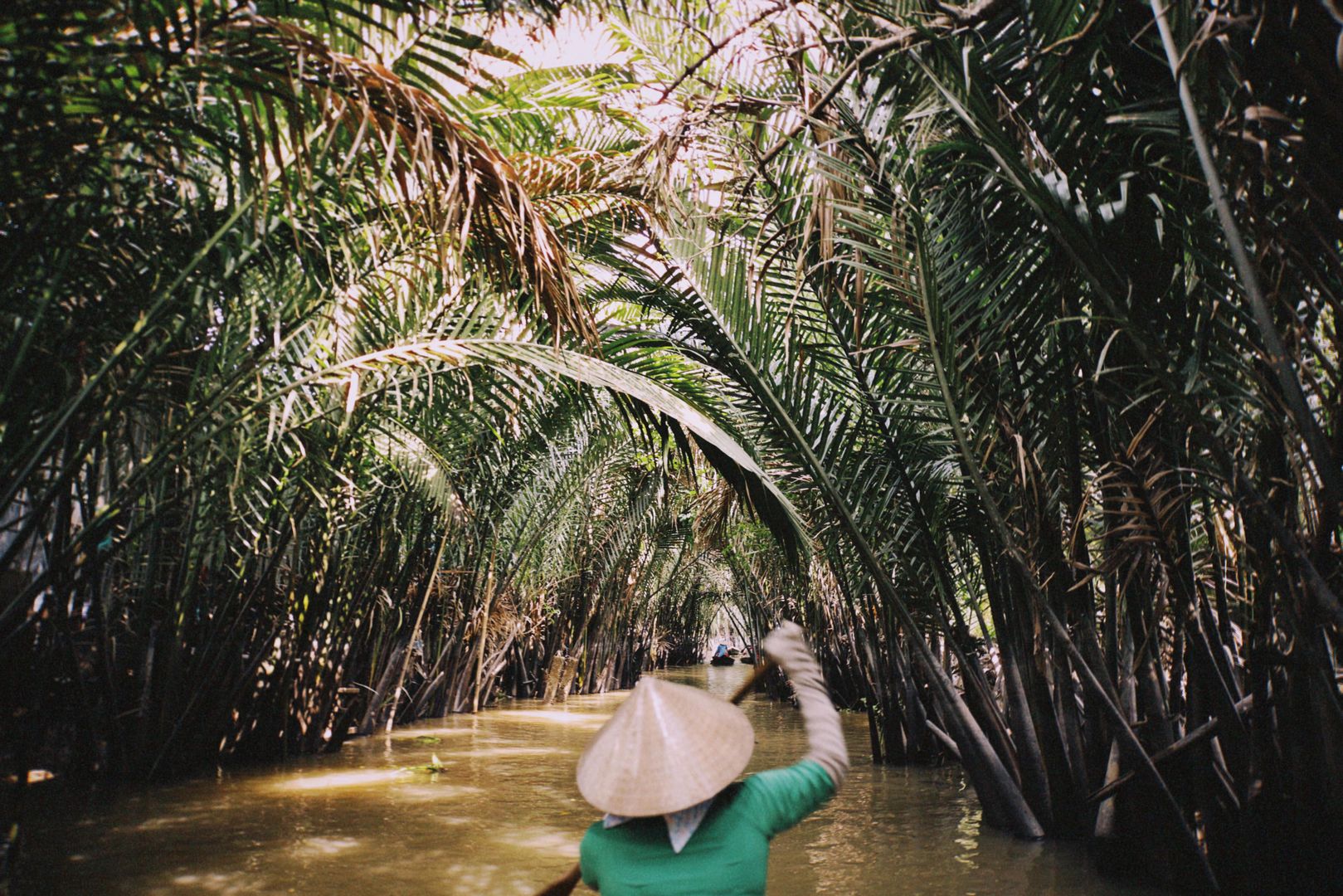
The Mekong splits into nine distributaries before reaching the sea in southern Vietnam — this is the delta, a flat, green, boat-dependent region that produces more than half of Vietnam's rice and a third of its fish. Can Tho is the delta's largest city and the most practical base. The floating markets run in the early morning.
Henrik Vinter
19 May 2026
japanKanazawa Travel Guide: Kenroku-en, Seafood Markets, and a City That Missed the Bombs
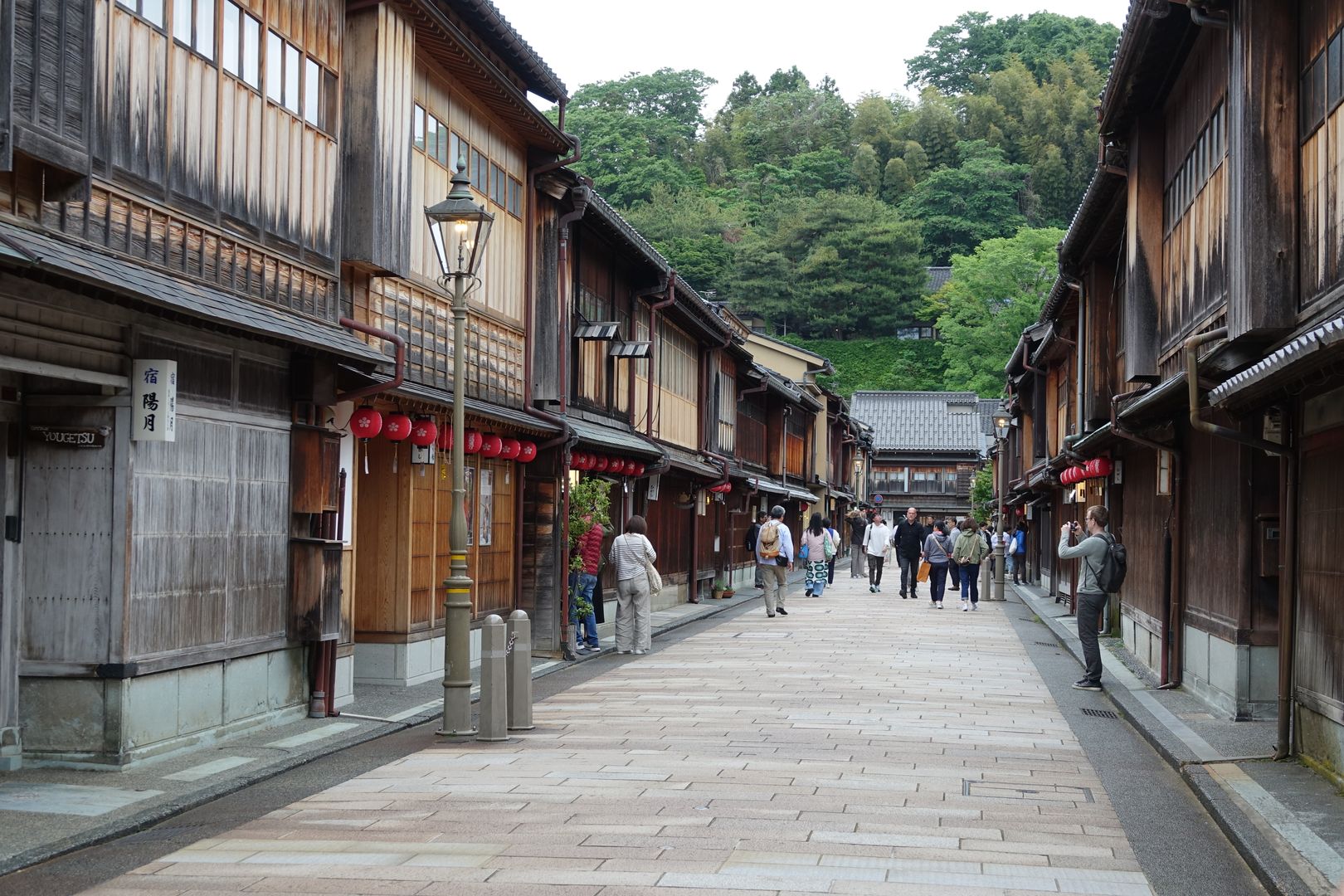
Kanazawa escaped Allied bombing in World War II — its industrial base was light enough not to be a priority target. The result is one of the best-preserved pre-Meiji urban environments in Japan: a geisha district, a samurai neighbourhood, a functioning morning fish market, and the castle garden rated among Japan's three finest.
Henrik Vinter

17 May 2026
japanKamakura Day Trip Guide: The Great Buddha, Coastal Temples, and When to Go
Kamakura is 50 minutes from Tokyo Station and contains 19 major temples, 5 major shrines, and a 13.35-metre bronze Great Buddha that has been sitting outdoors since the wooden building around it blew away in a 1334 typhoon. It is the easiest and most rewarding day trip from Tokyo.
Henrik Vinter
16 May 2026
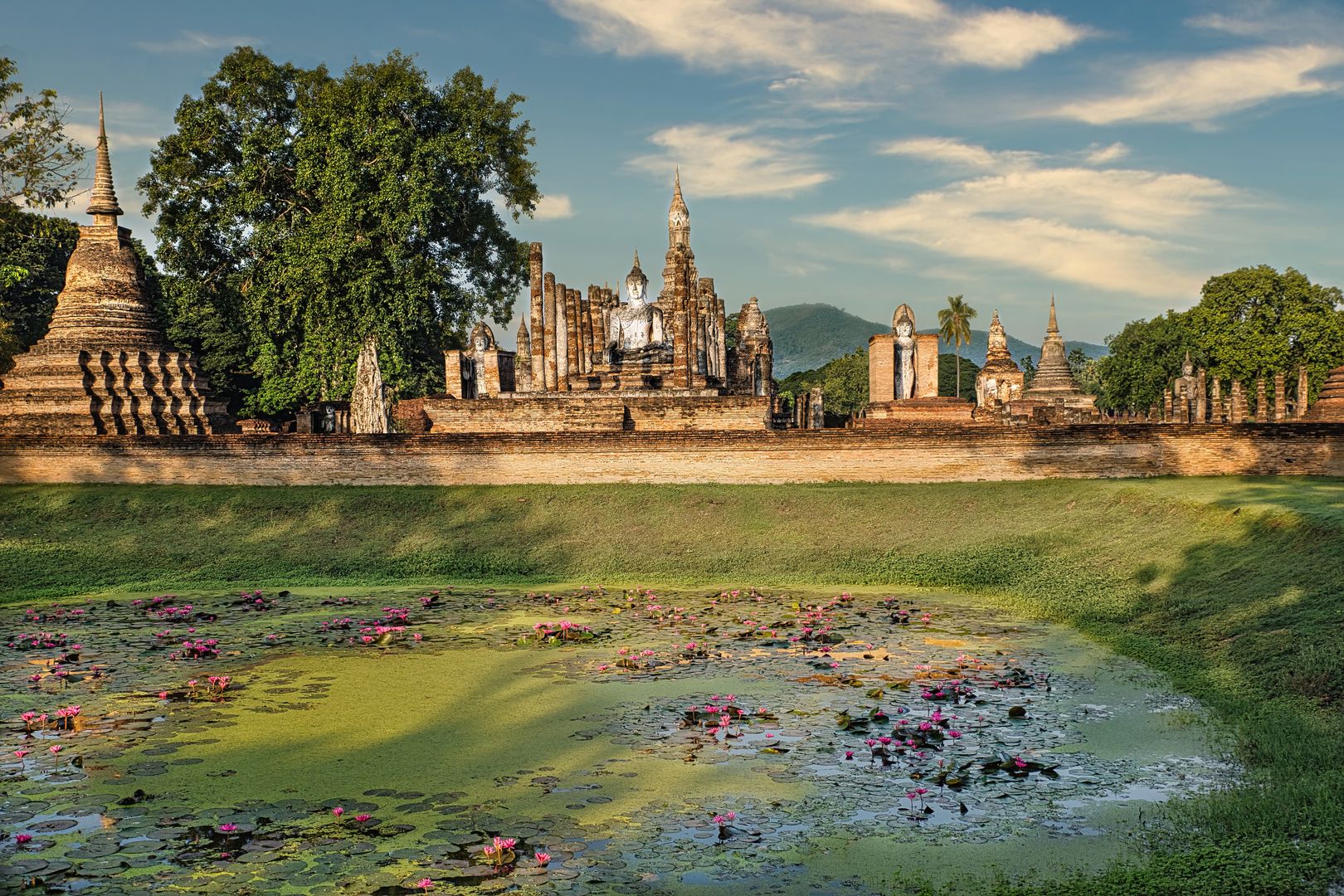
thailandSukhothai Travel Guide: Cycling Through Thailand's First Kingdom
Sukhothai was the capital of Thailand's first kingdom from the 13th to 15th centuries. The ruins — 193 temples spread across a 70 km² historical park — are best seen at dawn on a bicycle, before the tour buses arrive and while the mist still sits over the lotus ponds.
Henrik Vinter
15 May 2026
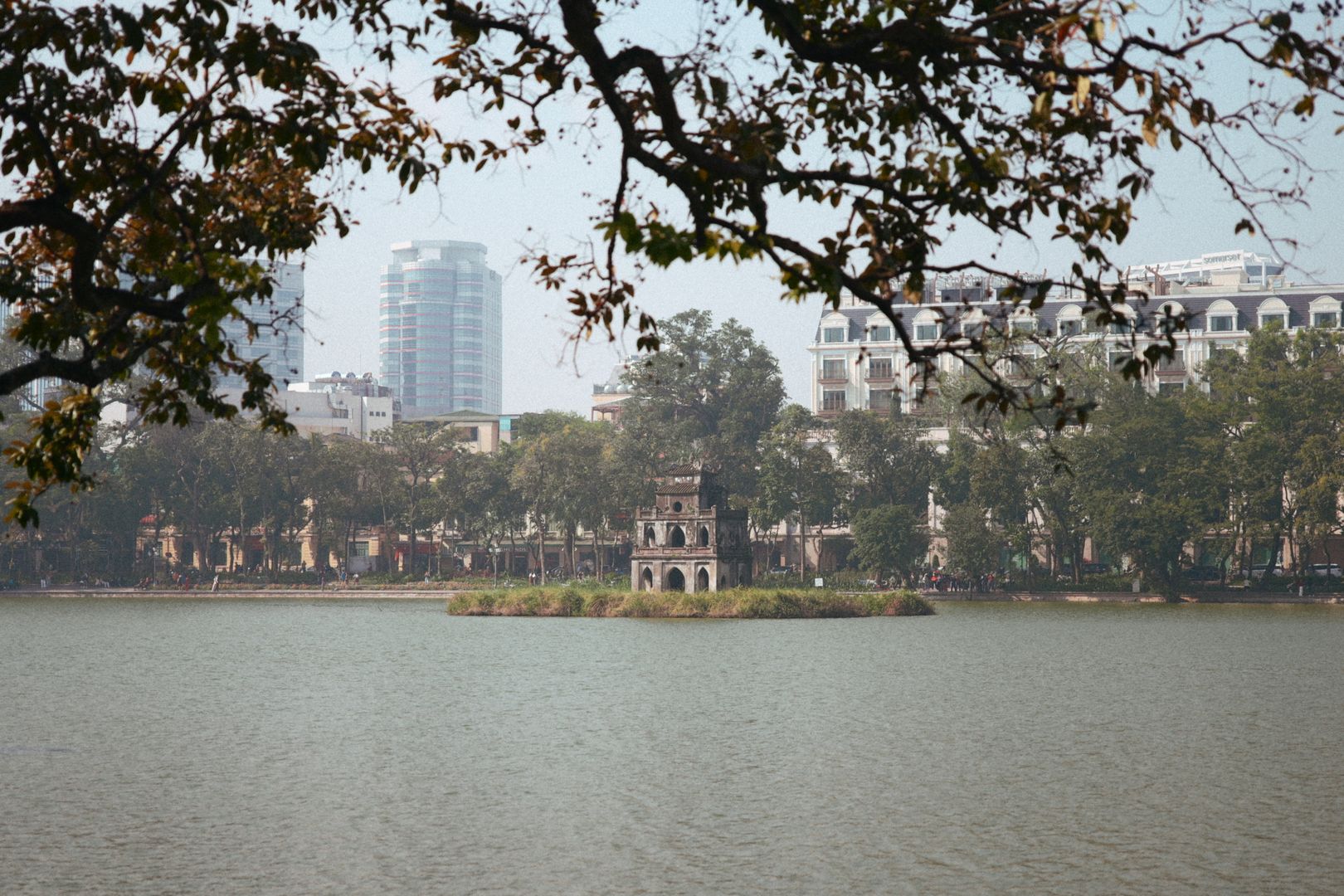
vietnamHanoi Travel Guide: Old Quarter, Hoan Kiem Lake, and a Capital That Moves Fast
Hanoi is Vietnam's capital and has been a city for over 1,000 years. The Old Quarter — 36 streets originally organised by trade guild — is still the commercial centre, still chaotic, and increasingly expensive. Hoan Kiem Lake sits at its edge like a pause button. The food is worth the trip by itself.
Henrik Vinter

15 May 2026
vietnamNinh Binh Guide: Tam Coc, Trang An, and the Karsts Without the Boat Traffic
Ninh Binh sits 90km south of Hanoi at the edge of a karst landscape — limestone mountains rising from rice paddies, river caves accessible by rowing boat, and one of Vietnam's most complete ancient imperial citadels. It is often called the inland Ha Long Bay, which understates how different it is from Ha Long Bay.
Henrik Vinter
12 May 2026
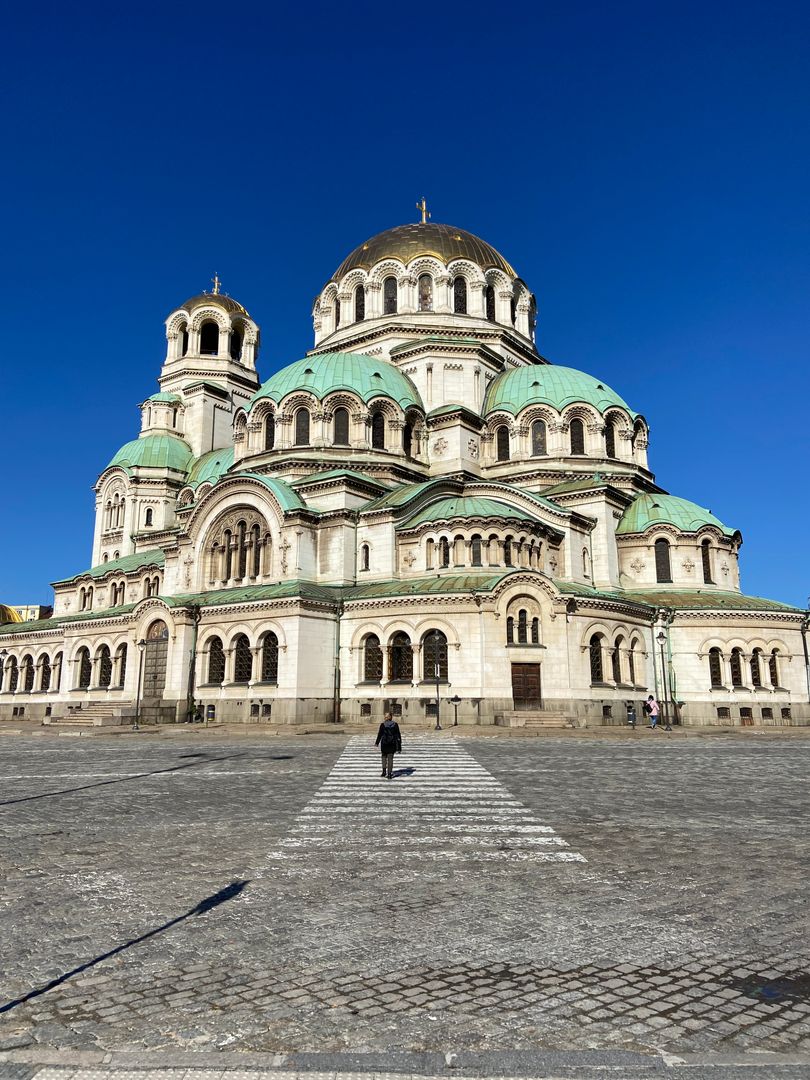
bulgariaSofia Travel Guide: Alexander Nevsky, Vitosha Mountain, and a Capital That's Still Cheap
Sofia is one of Europe's least expensive capital cities — a hotel room for €40, a restaurant meal for €6, a metro ticket for €0.90. The Alexander Nevsky Cathedral, the Roman ruins under the city centre, and the mountain rising directly behind it are reasons to stay rather than transit.
Henrik Vinter
9 May 2026
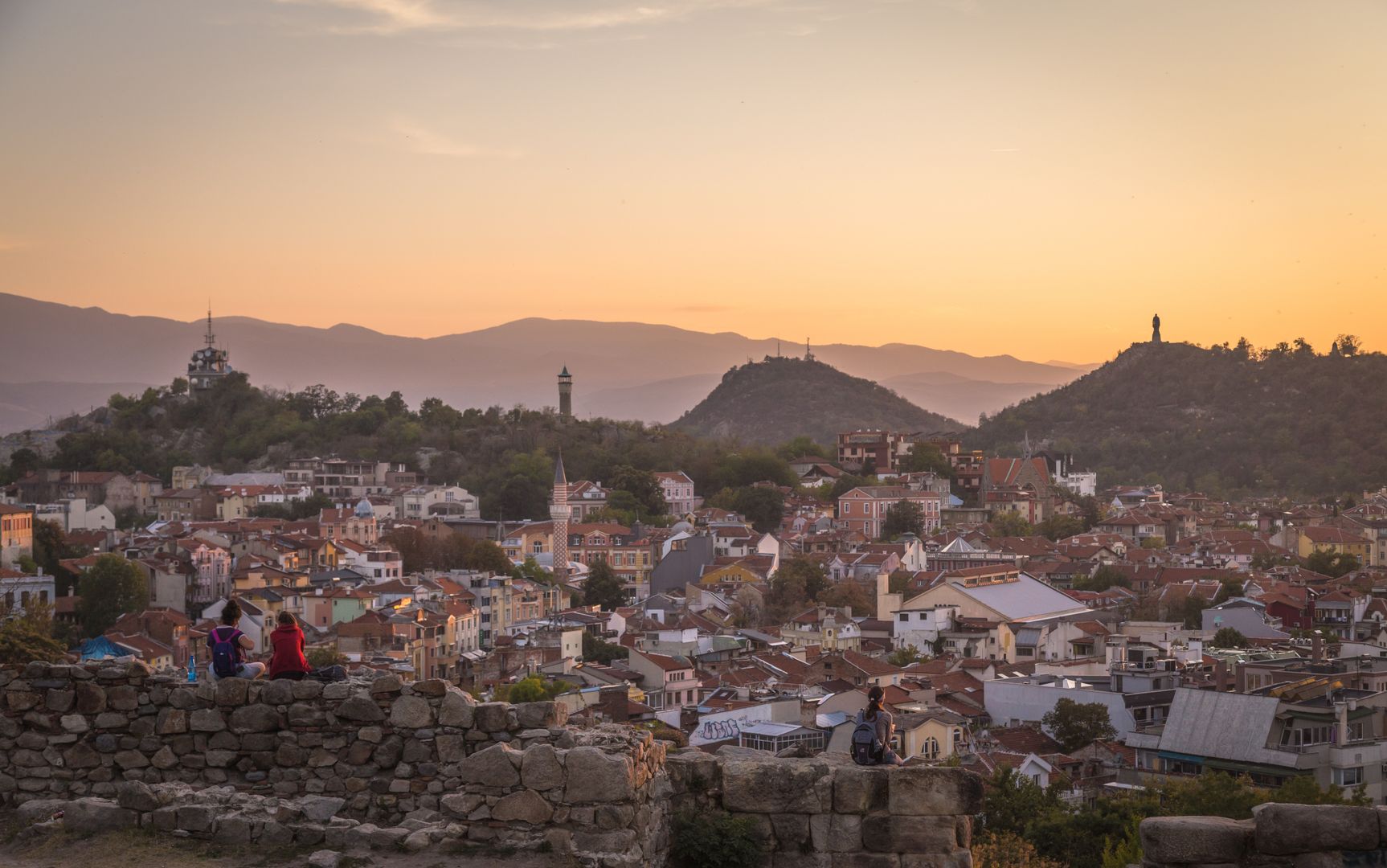
bulgariaPlovdiv Travel Guide: Old Town, the Roman Theatre, and the Kapana District
Plovdiv claims to be one of the oldest continuously inhabited cities in Europe. The 2nd-century Roman amphitheatre is built into the hill below the National Revival architecture of the Old Town. The Kapana creative district below it opened the city to international attention. All three coexist in an area you can walk across in 20 minutes.
Henrik Vinter
7 May 2026
vietnamHuế Travel Guide: Imperial Citadel, Royal Tombs, and the Food Capital of Central Vietnam
Huế was Vietnam's imperial capital for 143 years under the Nguyen dynasty. The citadel, the royal tombs, and the Perfume River are the architectural evidence. The food — bún bò Huế, bánh khoái, cơm hến — is the other reason the city has a reputation that outlasts most of the travellers who pass through it.
Henrik Vinter
5 May 2026
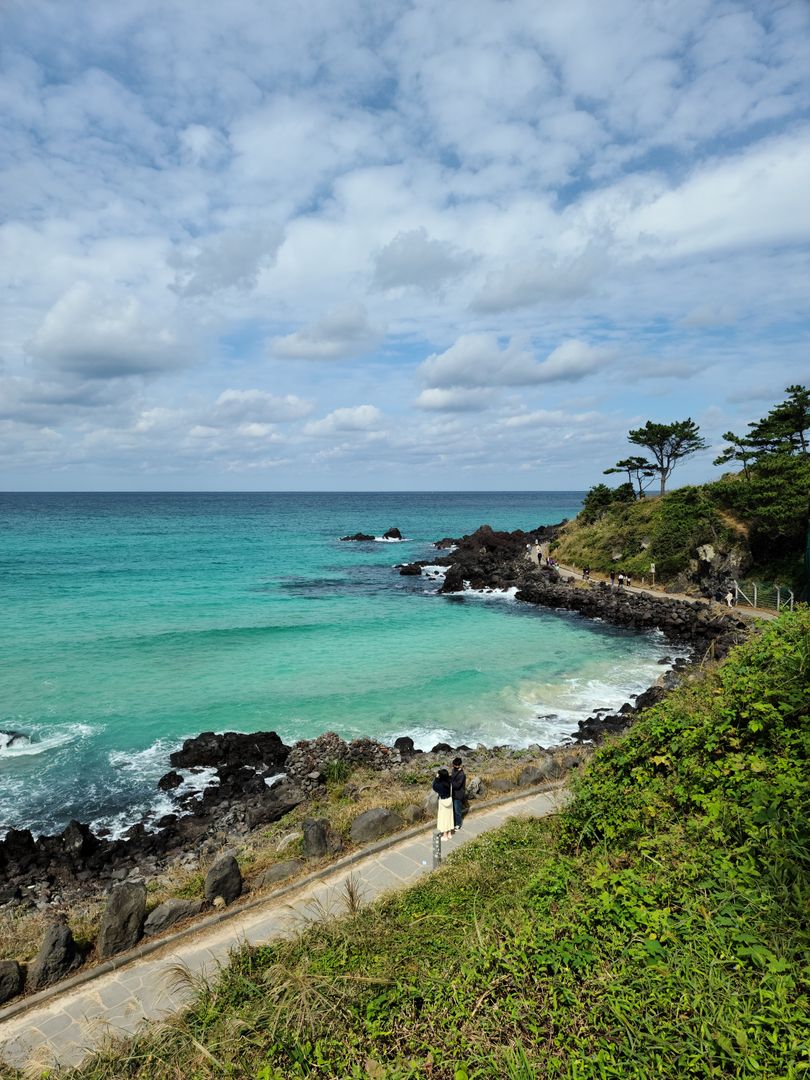
south koreaBusan Travel Guide: Gamcheon Village, the Fish Market, and Korea's Second City
Busan is South Korea's second city and its largest port — a working industrial city on a spectacular coastline. Gamcheon Culture Village, Jagalchi Fish Market, and the cliff-side Haedong Yonggungsa Temple are the main attractions. The seafood is the best reason to go.
Henrik Vinter

4 May 2026
cambodiaSiem Reap and Angkor: The Temple Complex, the Logistics, and How Many Days You Actually Need
Angkor is the largest religious monument ever constructed — a 400 km² complex of over 1,000 temples built between the 9th and 15th centuries. Three days is the minimum to see it properly. Siem Reap, the gateway town, has caught up to the temples as a reason to visit in its own right.
Henrik Vinter

3 May 2026
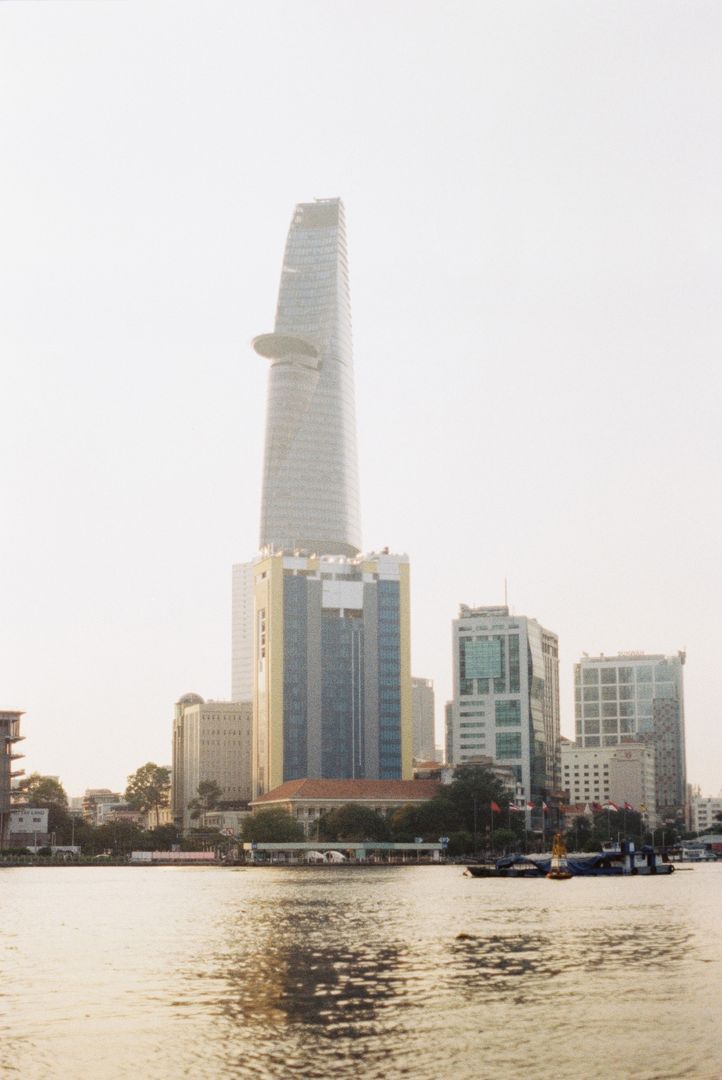
vietnamHo Chi Minh City Travel Guide: Districts, the War History, and Street Food in Saigon
Ho Chi Minh City — still called Saigon by most residents — is Vietnam's commercial capital and its most kinetic city. The War Remnants Museum is the most important single visit. The food, from $1 bánh mì to three-hour hotpot dinners, is the reason to stay longer than you planned.
Henrik Vinter

2 May 2026
south koreaSeoul Travel Guide: Palaces, Neighbourhoods, and the Food That Keeps People Longer Than Planned
Seoul is a city of 10 million people in a metro area of 26 million, built into a landscape of granite mountains and the Han River. The infrastructure is excellent, the food range is extraordinary, and the combination of ancient palaces and contemporary neighbourhoods is closer to Tokyo than to any other Southeast Asian capital.
Henrik Vinter
1 May 2026
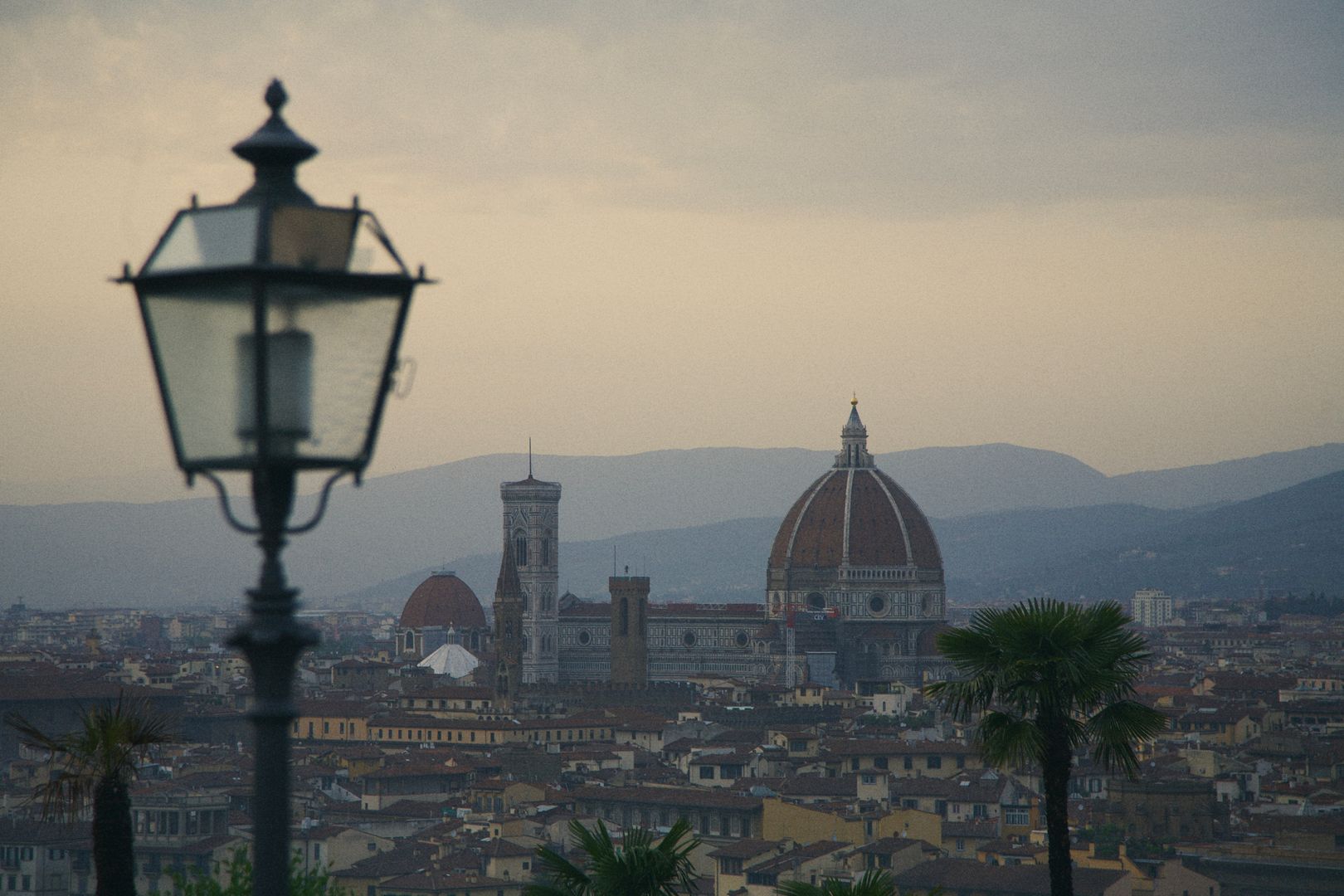
italyFlorence Travel Guide: The Uffizi, the Food, and the City Beyond the Renaissance Superlatives
Florence is one of the most densely concentrated collections of Renaissance art in the world, in a city of 380,000 people that receives 12 million visitors annually. The logistics — booked museums, booked restaurants, strategic timing — matter more here than almost anywhere else in Europe.
Henrik Vinter

30 April 2026
cambodiaPhnom Penh Travel Guide: The Khmer Rouge History, the Riverside, and a Capital That's Moving Fast
Phnom Penh has changed faster in the past decade than almost any capital in Southeast Asia. The Khmer Rouge history — S-21 and the Killing Fields — remains the most important thing to understand about Cambodia. The city around it is increasingly worth a few days on its own terms.
Henrik Vinter

29 April 2026
franceParis Travel Guide: Neighbourhoods, What to Skip, and What to Actually Do
Paris has 2.1 million residents and 50 million annual visitors. The icons are real, the crowds are real, and the cost has risen sharply. Getting the balance right between the Eiffel Tower and everything else is the main logistical challenge.
Henrik Vinter

27 April 2026
franceProvence Travel Guide: Lavender, Hill Villages, and the Case for Renting a Car
Provence is a region of villages, vineyards, and seasonal landscapes — lavender fields in July, olive groves year-round, the Verdon Gorge in late summer. Getting between them without a car is possible but significantly slower.
Henrik Vinter

27 April 2026
franceBordeaux Wine Region Guide: The City, the Châteaux, and Who the Wine Is Actually For
Bordeaux is split between a genuinely good European city and a wine region where access to the famous châteaux ranges from open-door welcoming to appointment-only exclusive. Knowing which is which saves considerable frustration.
Henrik Vinter

26 April 2026
portugalLisbon Travel Guide: Neighbourhoods, Miradouros, and the Cost of a City That Changed Fast
Lisbon spent a decade as Europe's affordable alternative city break. Prices have risen substantially since 2018, but the city still delivers — historic neighbourhoods on steep hills, exceptional food markets, and a scale that remains walkable.
Henrik Vinter

25 April 2026
portugalPorto Travel Guide: Wine Cellars, the Ribeira, and the City That Resisted Tourism Longer Than Lisbon
Porto took a decade longer than Lisbon to attract mass tourism, which left its working-class character more intact. The wine lodges of Vila Nova de Gaia, the tiled facades of the Ribeira, and the fish restaurants of Matosinhos are the reasons to visit.
Henrik Vinter

25 April 2026
new zealandNew Zealand North Island: Auckland, Rotorua, and the Self-Drive Circuit
The North Island holds New Zealand's geothermal zone, its Māori cultural heartland, and the capital Wellington—all accessible on a 7–10 day self-drive from Auckland that requires no internal flights.
Henrik Vinter
24 April 2026
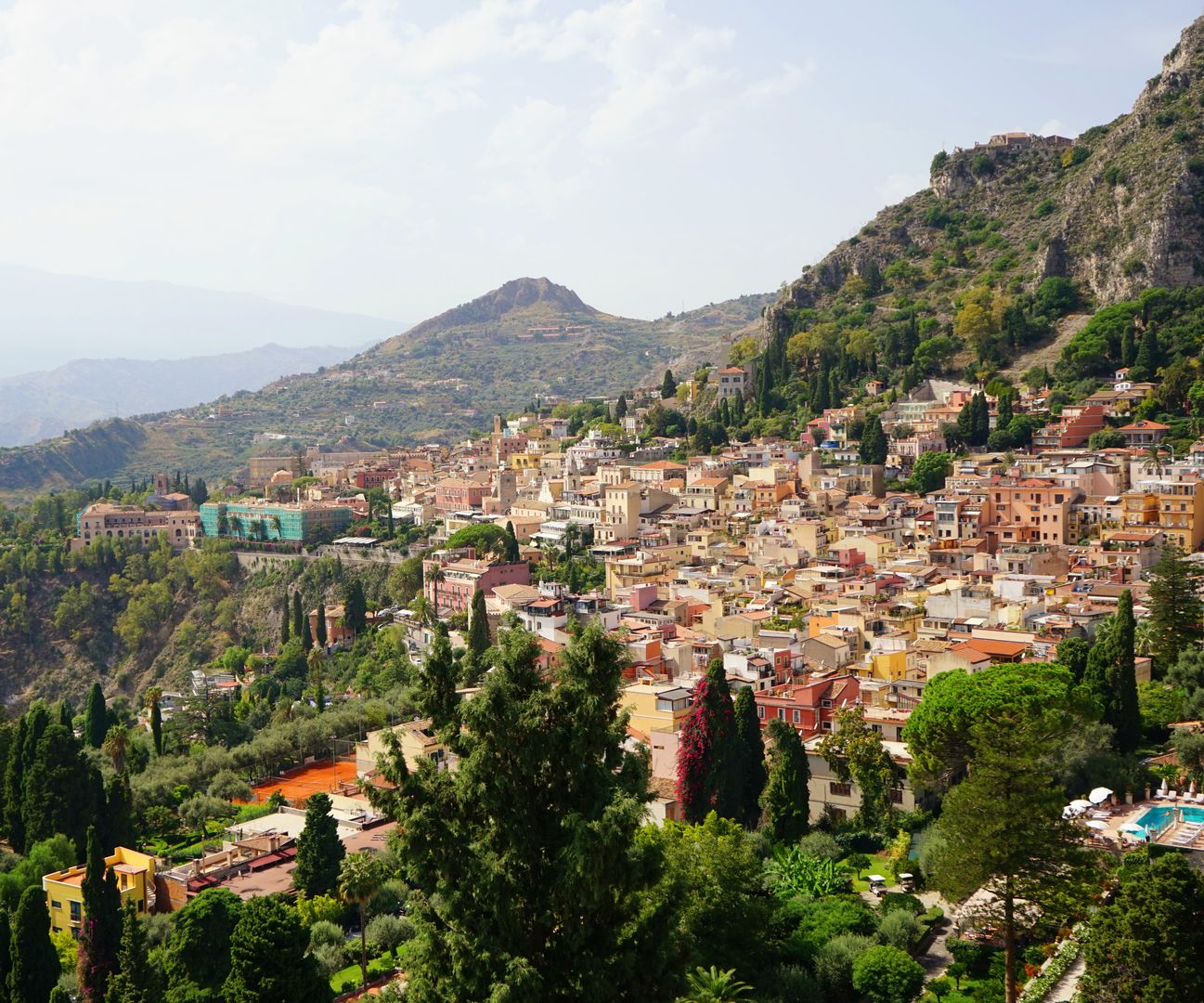
italySicily Travel Guide: Palermo, Etna, Greek Temples, and the Food That Explains the Rest
Sicily is the Mediterranean's largest island and the meeting point of Greek, Roman, Arab, Norman, and Spanish cultures. The architecture reflects all of them simultaneously. So does the food. A car is essential; most of the best things require driving to reach them.
Henrik Vinter
23 April 2026
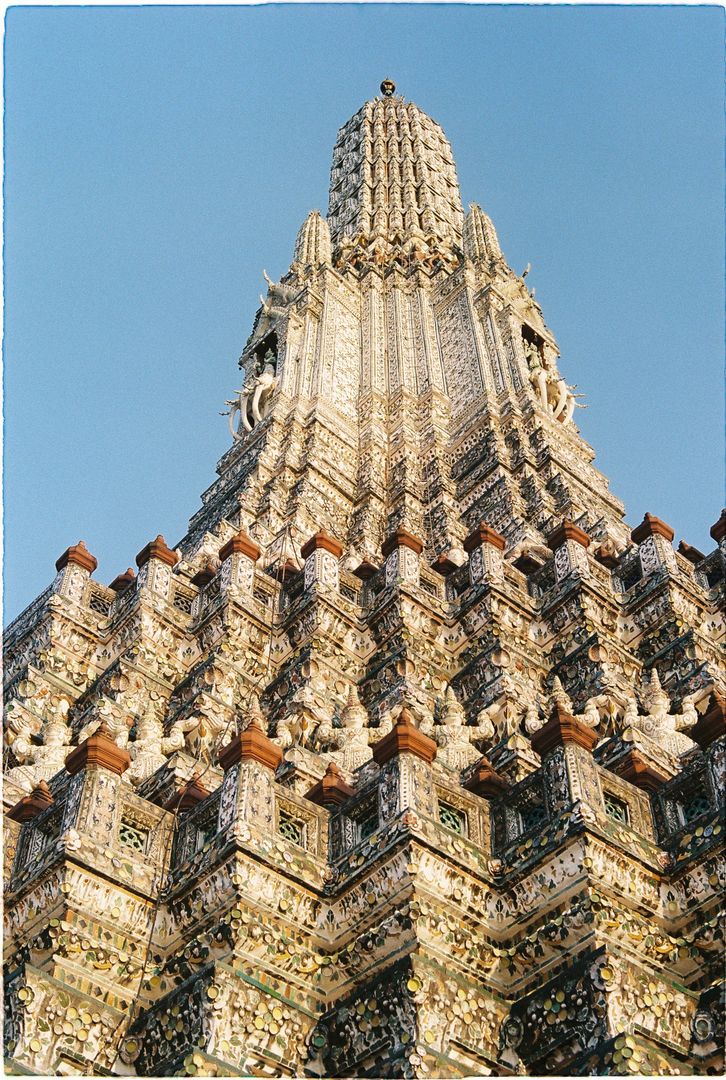
thailandBangkok Temple Guide: Wat Pho, Wat Arun, and the Grand Palace
Three of Bangkok's most significant landmarks cluster within walking distance on the Chao Phraya riverbank. How to cover all three in a day, what to expect at each, and how to avoid the most common mistakes.
Henrik Vinter
23 April 2026
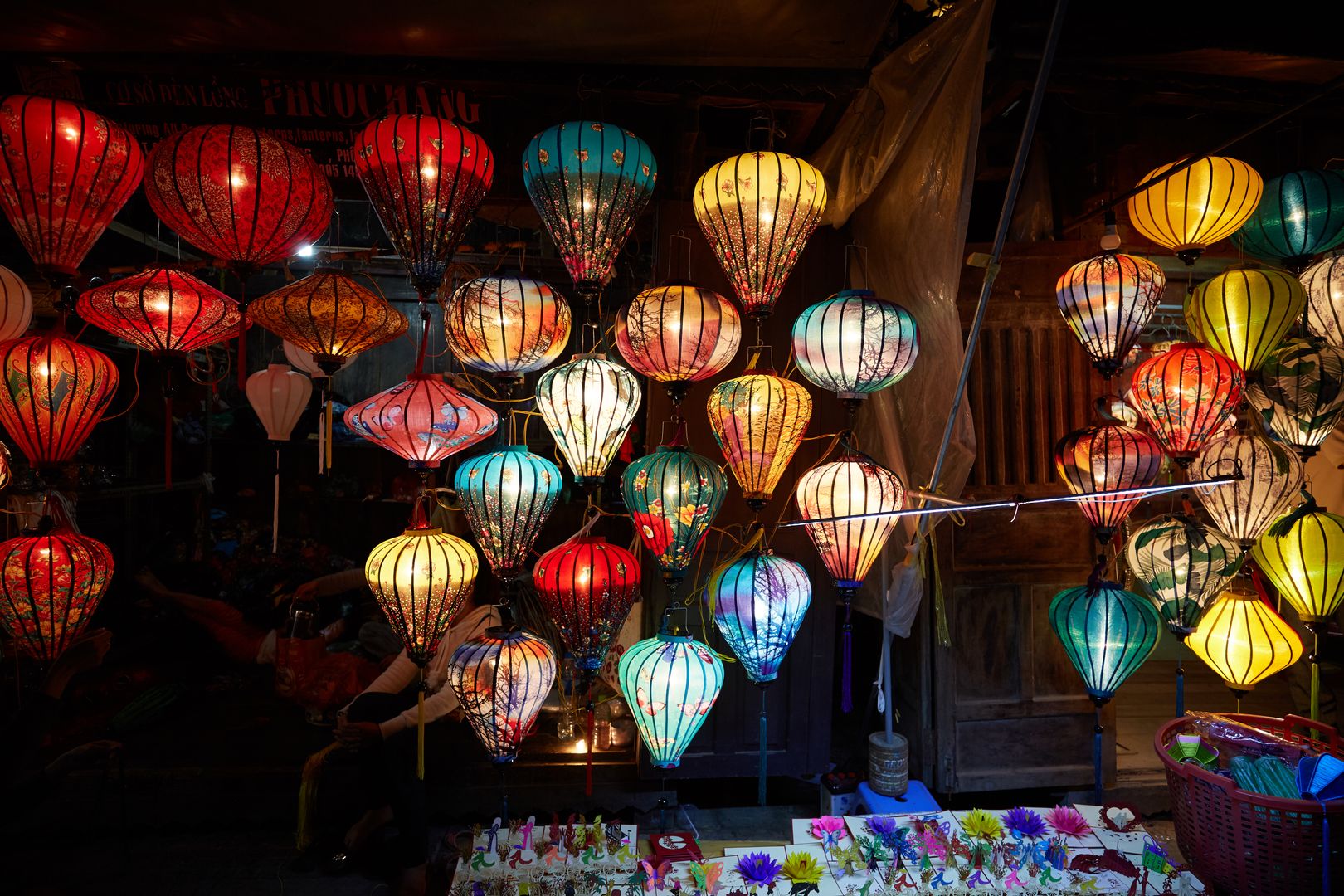
vietnamSapa, Vietnam: Trekking the Rice Terraces and Getting There Without the Tour
Sapa sits at 1,500 metres near the Chinese border. The rice terraces peak in September and October during harvest. Most visitors come on weekend tours from Hanoi—going independently is cheaper and significantly more flexible.
Henrik Vinter

18 April 2026
cubaCuba Travel Guide: Havana, Practical Logistics, and What Has (and Hasn't) Changed
Cuba's infrastructure is genuinely different from any other tourist destination—cash economy, limited internet, accommodation split between state hotels and private casas. The country is worth the friction if you're prepared for it.
Henrik Vinter

17 April 2026
united kingdomEdinburgh Travel Guide: Old Town, Festivals, and the City Beyond the Royal Mile
Edinburgh Castle and the Royal Mile are the obvious starting points, but the city's more interesting hours are in Stockbridge, Leith, and the streets climbing to Calton Hill—all within 30 minutes' walk of each other.
Henrik Vinter
13 April 2026
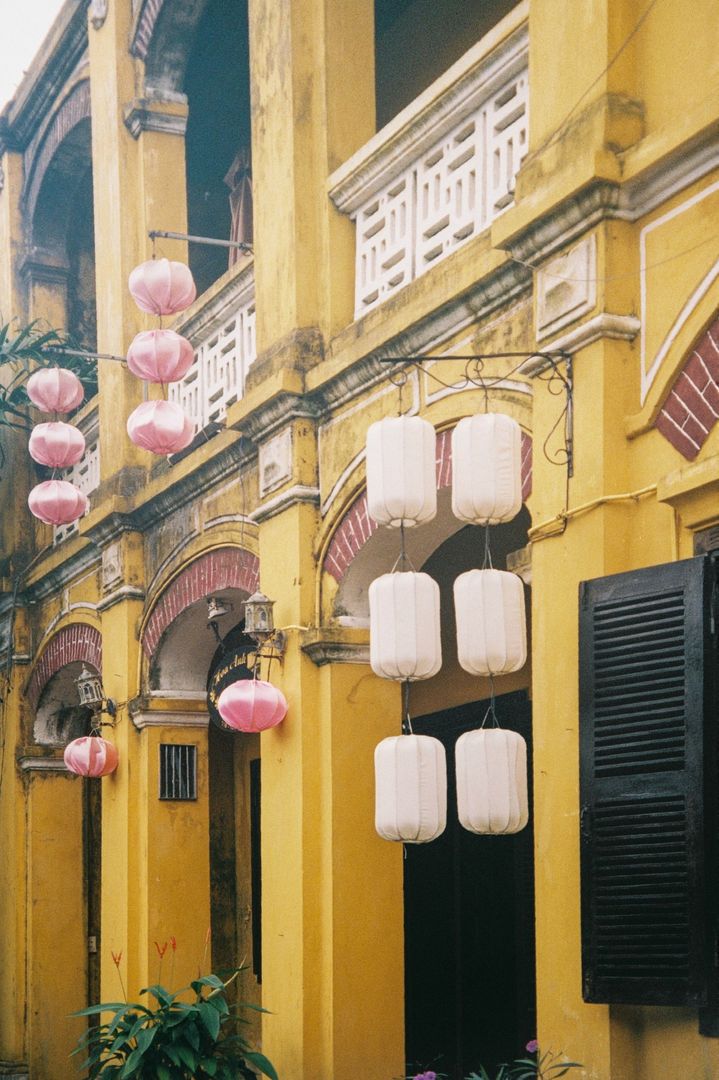
vietnamHoi An Travel Guide: Ancient Town, Tailors, and Getting the Timing Right
Hoi An's Ancient Town is genuinely old and genuinely atmospheric—but it's also one of Vietnam's most visited destinations, with pricing to match. Here's how to make it work.
Henrik Vinter

12 April 2026
moroccoFez Travel Guide: Navigating the World's Largest Car-Free Urban Area
Fez el-Bali is a 1,200-year-old medina with 9,000 streets and no motor vehicles. It's the largest car-free urban area in the world. Getting lost is not a metaphor—it happens to everyone.
Henrik Vinter

10 April 2026
turkeyCappadocia Travel Guide: Hot Air Balloons, Cave Hotels, and Logistics
Cappadocia's balloon flights sell out 2–3 weeks ahead in spring and autumn. The landscape is genuinely unlike anywhere else in the world, and the logistics are simpler than the distance from Istanbul suggests.
Henrik Vinter

8 April 2026
chinaLhasa Travel Guide: Potala Palace, Permits, and Altitude Sickness
Lhasa is one of the most remote capital cities in the world, sitting at 3,650 metres on the Tibetan Plateau. Getting there requires special permits and a body that can handle thin air. Here's what to know before you go.
Henrik Vinter
7 April 2026
spainToledo Day Trip Guide: Spain's Medieval Capital One Hour from Madrid
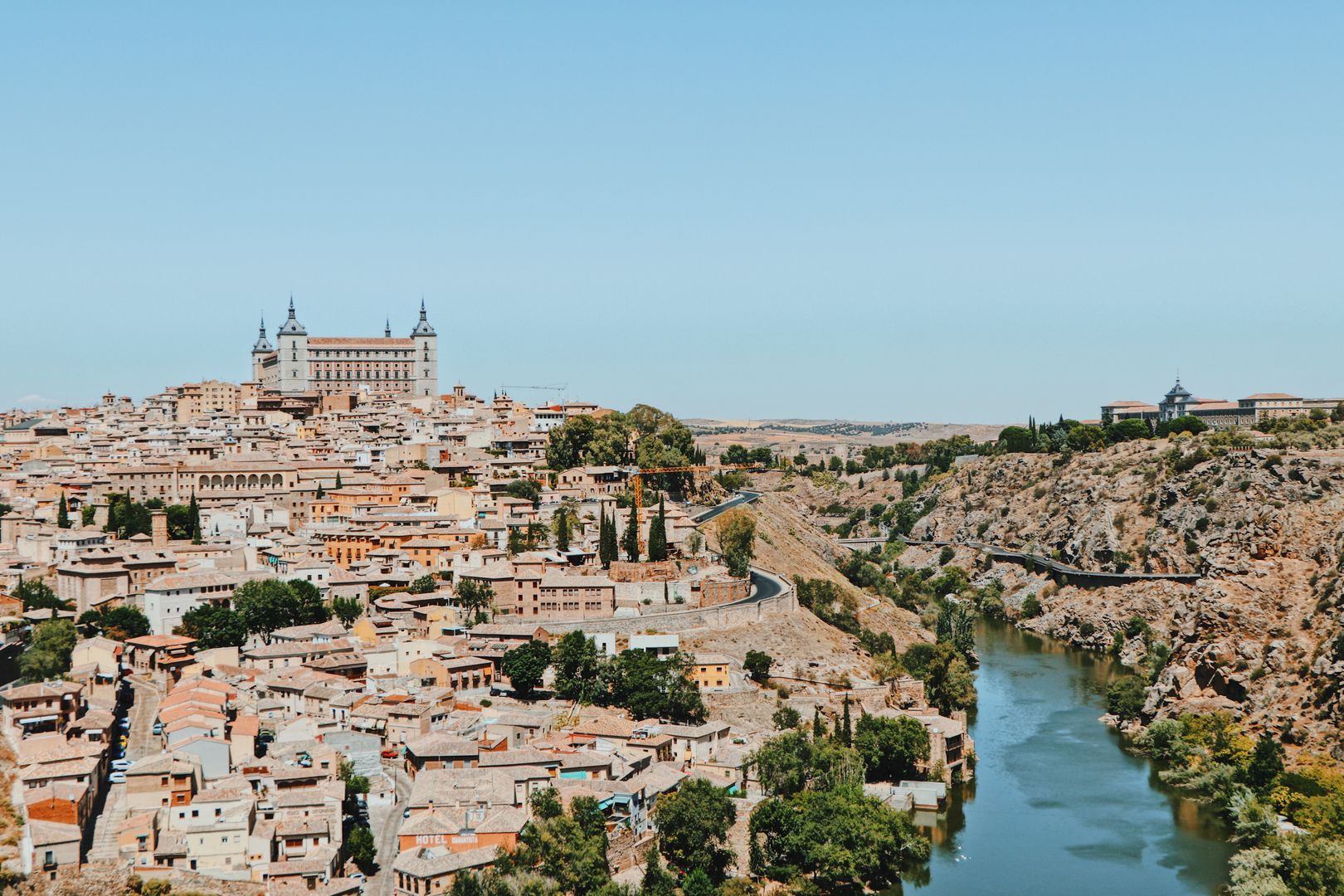
Toledo sits 70km south of Madrid on a granite hill ringed by a bend in the Tagus river — a 16th-century city so unchanged that it functions as a three-dimensional archive of Christian, Jewish, and Islamic coexistence. The problem is timing: on a weekend in July, tour buses outnumber residents; on a weekday morning in November, it's one of the most spatially coherent old towns in Europe. Getting the timing right separates a memorable visit from a queue-management exercise.
Henrik Vinter

3 April 2026
spainGranada Travel Guide: The Alhambra, the Albaicín, and How to Do It Right
The Alhambra sells out months in advance. Book tickets now—at least 6 to 8 weeks ahead if you're arriving in spring (March–May), or 2 to 4 weeks for autumn and winter. Arrive without a reservation and you will not get in, regardless of how flexible the rest of your trip is. This single fact overrides every other planning decision for Granada.
Henrik Vinter

1 April 2026
spainSeville Travel Guide: Flamenco, the Alcázar, and How to Time Your Visit
Seville is the hottest city in continental Europe during summer — July averages 37°C, August 36°C, with regular peaks at 42–44°C. This is not background detail; it dictates whether you spend your days inside or exploring the Alcázar's gardens and cathedral plazas. Visit March through May or October through November, and Seville is extraordinary. Visit in August and you're managing heat rather than discovering a city. The historic centre is compact, the tapas are genuine, and the architecture — Moorish, Gothic, Renaissance, layered across eight centuries — rewards the traveller who arrives at the right season.
Henrik Vinter

30 March 2026
greeceThessaloniki Travel Guide: Greece's Second City
Thessaloniki is the city Greeks from Athens recommend when you tell them you're going to Greece. It has better food, a more vibrant street culture, and a Byzantine history as deep as Athens' ancient one. It's also consistently underbooked by international visitors — which makes it one of the better-value cities in the country. Most visitors treat it as a side trip. It deserves to be the main event.
Henrik Vinter

30 March 2026
greeceDelphi Day Trip from Athens: The Oracle, the Temple, and What to Expect
The ancient oracle at Delphi was consulted by kings and generals before wars, and the site's dramatic position—perched on a narrow mountain shelf at 570m, overlooking a sprawl of olive groves toward the Gulf of Corinth—makes it one of Greece's most rewarding day trips from Athens. The oracle was no mystical illusion: a priestess called the Pythia inhaled ethylene gas seeping from geological faults beneath the Temple of Apollo, entered a trance state, and delivered pronouncements that city-states treated as divine instruction. The site occupied religious and political authority for nearly a thousand years. A day trip here covers the archaeological site (2–2.5 hours), the museum (1–1.5 hours), and lunch in the village above—logistically straightforward, and worth the three-hour journey for the scale and preservation of what remains.
Henrik Vinter
29 March 2026
greeceMeteora Travel Guide: The Monasteries, How to Get There, and What to Expect
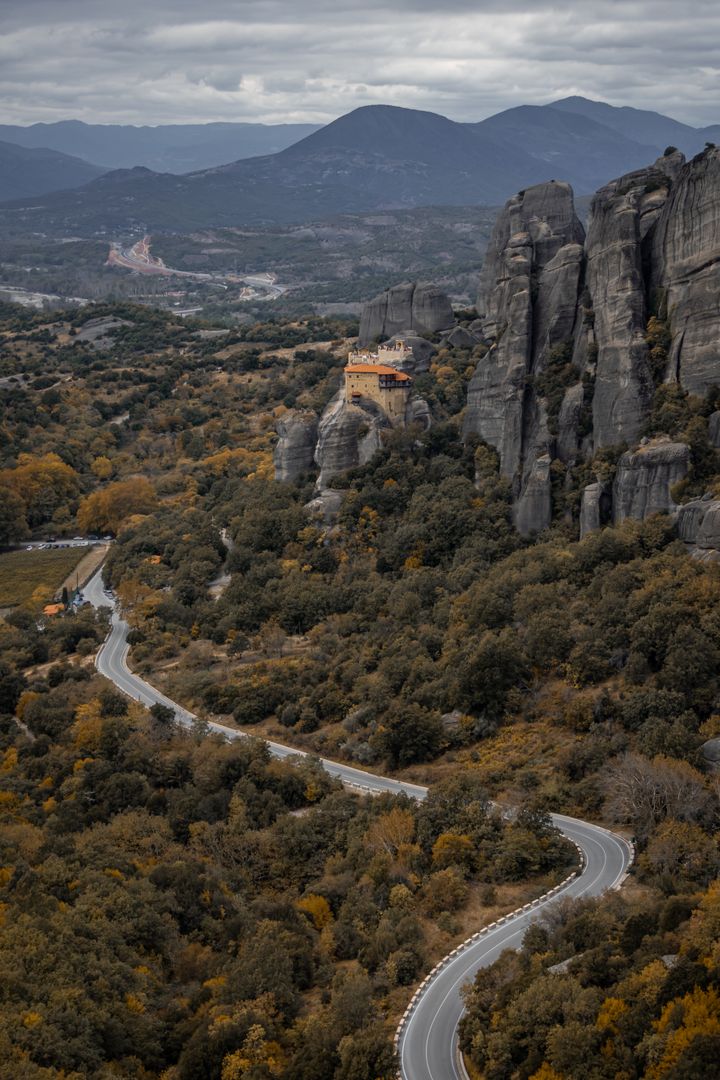
Meteora is sixty rock pillars rising 400 metres from a Thessalian plain, their tops crowned by six active Orthodox monasteries perched on stone so vertical that monks once entered by rope and basket. The photographs are not exaggerated—this is genuinely one of Europe's most otherworldly landscapes. The six monasteries remain functioning communities, not museums, and the landscape around them is traversable on foot through a network of ancient trails and modern roads. Getting there from Athens is straightforward; the real decision is whether to day-trip or stay overnight.
Henrik Vinter

22 March 2026
japanNara Day Trip from Kyoto or Osaka: Deer, Temples, and How to Do It
Nara was Japan's first permanent capital from 710–794 AD and is now home to 370,000 people and over 1,200 freely roaming sika deer. The deer are the draw — they will bow, headbutt you for crackers, and occasionally eat your map. It is exactly what it sounds like, and it is excellent. Most visitors from Kyoto or Osaka can see the essential sights in three to four hours, though the experience easily stretches to a half day. The question isn't whether to go — it's how to fit it into your existing itinerary without wasting time.
Henrik Vinter

19 March 2026
japanHiroshima and Miyajima: What to Know Before You Visit
Hiroshima is simultaneously a modern, well-functioning city of 1.2 million people and the site of the world's first atomic bomb attack on August 6, 1945. Visiting requires some capacity to sit with that contradiction. The Peace Memorial Museum does not simplify or sanitise the event. If you approach it with that expectation, it becomes one of the most worthwhile museum visits in Japan—not as tourism, but as necessary witness.
Henrik Vinter

18 March 2026
japanKyoto Travel Guide: What First-Timers Actually Need
Kyoto holds 17 of Japan's UNESCO World Heritage Sites and more temples than any comparable city in the world — 1,700+ temples and shrines scattered across a basin the size of Greater London. The central problem isn't finding things to do. It's deciding how many temples you can genuinely appreciate before they blur into architectural repetition. Two full days is the practical minimum to see the main sites without a sense of rushing. Three days is the threshold where you can actually spend time in places instead of collecting them.
Henrik Vinter

17 March 2026
thailandAyutthaya Day Trip from Bangkok: Ancient Temples and River Ruins
Ayutthaya was the capital of Siam for 417 years until Burmese forces sacked it in 1767. The ruins covering the island—surrounded by three rivers—are a UNESCO World Heritage Site and Southeast Asia's most historically significant archaeological complex. Eighty kilometres from Bangkok, it's reachable by train in 90 minutes, making it the most straightforward day trip from the capital.
Henrik Vinter
12 March 2026
thailandChiang Rai Travel Guide: White Temple, Golden Triangle, and the North
Chiang Rai is worth two nights if Chiang Mai has delivered what you wanted from northern Thailand — quieter, smaller, and with three genuinely unusual temples that don't exist elsewhere. The White Temple is the anchor; the Golden Triangle is primarily context and a museum, not spectacle. Most guides oversell the "escape" narrative; the reality is a manageable provincial city where the temples are the content, and the in-between time moves slowly.
Henrik Vinter

18 February 2026
mexicoOaxaca Travel Guide: Food, Mezcal, and Monte Albán
Oaxaca is not Mexico City scaled down or Cancún remixed — it's a separate category entirely. The city sits in a highland valley at 1,550m elevation, built on the foundations of Zapotec culture rather than Spanish colonial template, and it remains the world's mezcal production centre (over 80% of Mexico's artisanal mezcal originates from Oaxaca state). The food tradition here is the most technically complex in Mexico, built around seven distinct mole sauces and ingredients that are still sourced and prepared by local producers rather than imported for tourists. If you're planning Oaxaca after Mexico City, or weighing it against beach destinations, understand this first: the draw is the cuisine, the craft, and the indigenous cultural continuity — not architecture or monuments competing with Mexico City's collection.
Henrik Vinter

2 February 2026
chinaBeijing Travel Guide: Forbidden City, Hutongs, and the Great Wall
China's capital holds more UNESCO World Heritage Sites than any other city on earth. Here's how to navigate the major landmarks and find the parts of Beijing that most visitors miss.
Henrik Vinter

8 January 2026
baliUbud, Bali: What to Know Before You Visit
Ubud is not a yoga retreat town that happens to sit in Bali. It is a working Balinese town of about 80,000 people where rice farming, arts markets, and family-run restaurants exist alongside Instagram cafés and wellness studios. You'll see fruit vendors next to coffee shops charging 85,000 IDR for flat whites. You'll hear gamelan music rehearsals from temples mixed with English accents in the streets. The reputation draws people seeking spiritual transformation and digital nomad infrastructure; the reality is a place where local economy and tourist economy exist in direct, sometimes awkward proximity.
Henrik Vinter