
Miami was incorporated as a city in 1896 with a population of 344 people. A century later it had 5.5 million in the metropolitan area and had become the undisputed capital of Latin America north of the Rio Grande — a city where Spanish is the majority language in many neighbourhoods, where the cultural and commercial links to Colombia, Venezuela, Cuba, and Brazil are more present than the links to the American interior, and where the real estate and financial sectors operate on a scale disproportionate to any metropolitan US city of comparable age. The permanent population is vastly outnumbered by short-term visitors from November to April, which is when the city is at its most functional and its accommodation most expensive.
Getting There
Miami International Airport (MIA) is 11km northwest of downtown, with a dedicated MIA Mover people-mover to the Miami Intermodal Center and Metrorail connections to downtown and Brickell ($2.25 per ride). Uber/Lyft from the airport to South Beach costs $25–45 depending on time and traffic. Direct international routes from London (9 hours), Frankfurt, Madrid, Toronto, and most Latin American capitals. Domestic connections from New York (3 hours, $100–250 one-way) are frequent.
Miami Beach (where South Beach is located) is on a barrier island connected to the mainland by causeways — driving to South Beach from the airport takes 30–45 minutes. Taxis and rideshares run regularly.
South Beach and the Art Deco Historic District
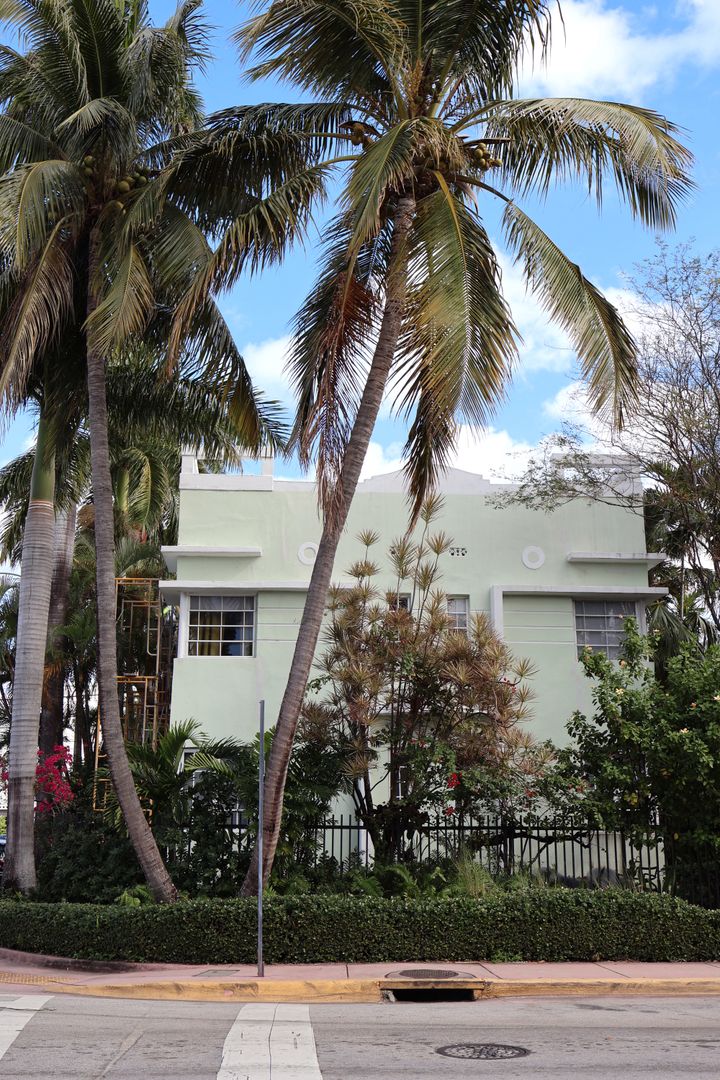
The Art Deco Historic District (roughly bounded by 5th–23rd Streets, Collins Avenue to Ocean Drive) is the most concentrated collection of Art Deco and Streamline Moderne architecture in the world — approximately 800 buildings constructed between 1923 and 1943 and largely preserved intact. The Art Deco Welcome Center on Ocean Drive (free entry) has a self-guided walking tour map; guided walking tours run Saturday mornings ($30). The best time to walk Ocean Drive is early morning before the crowds (06:30–09:00) when the pastel facades are illuminated from the east and the restaurant terraces are still quiet.
The beach itself (Miami Beach) is wide, flat, and regularly maintained — one of the best urban beaches in North America. The north end (above 22nd Street toward Surfside) is quieter than the South Beach strips. Lifeguards operate daily; swim conditions are generally safe. The water temperature ranges from 21°C in February to 29°C in August.
Wynwood

Wynwood (northwest of downtown, east of I-95) was a garment district that was largely vacant by the 2000s. Tony Goldman began commissioning murals on warehouse walls in 2009; the neighbourhood is now the highest concentration of gallery space and street art in the United States. The Wynwood Walls (free outdoor museum, admission charged for the indoor gallery space) are the curated core — 80,000 sq ft of murals from internationally recognised artists. The surrounding streets extend the visual density for 10–15 blocks in every direction. The neighbourhood's bars, restaurants, and gallery spaces operate Thursday–Sunday primarily; daytime visits on weekday mornings are quiet.
Little Havana
Little Havana (Calle Ocho / SW 8th Street) is where Miami's Cuban community concentrated after the 1959 revolution and where the political, cultural, and culinary character of that community remains most visible. Versailles Restaurant (3555 SW 8th St) has been open since 1971 and is the unofficial community meeting place — counter service pasteles (pastries) and café cubano at the takeout window is the most authentic interaction the area offers. Domino Park (Máximo Gómez Park) at SW 15th Avenue has tables of older men playing dominoes daily; watching is welcome, joining uninvited is not. Calle Ocho is busiest on the first Friday of each month (Viernes Culturales street festival).
Brickell and Downtown
Brickell is Miami's financial district — tall glass towers, a Metrorail station, and the best concentration of international restaurants in the city (Zuma rooftop, Cantina La Veinte, the various mid-century American institutions in the Brickell City Centre mall). It is not architecturally interesting but it is where the city's working-day energy is concentrated. Downtown Miami is being rebuilt around the Brightline high-speed rail station (Miami Central) — the train connects to Fort Lauderdale (30 minutes, $10) and Orlando (3 hours, $79–200) with more routes planned.
Day Trips
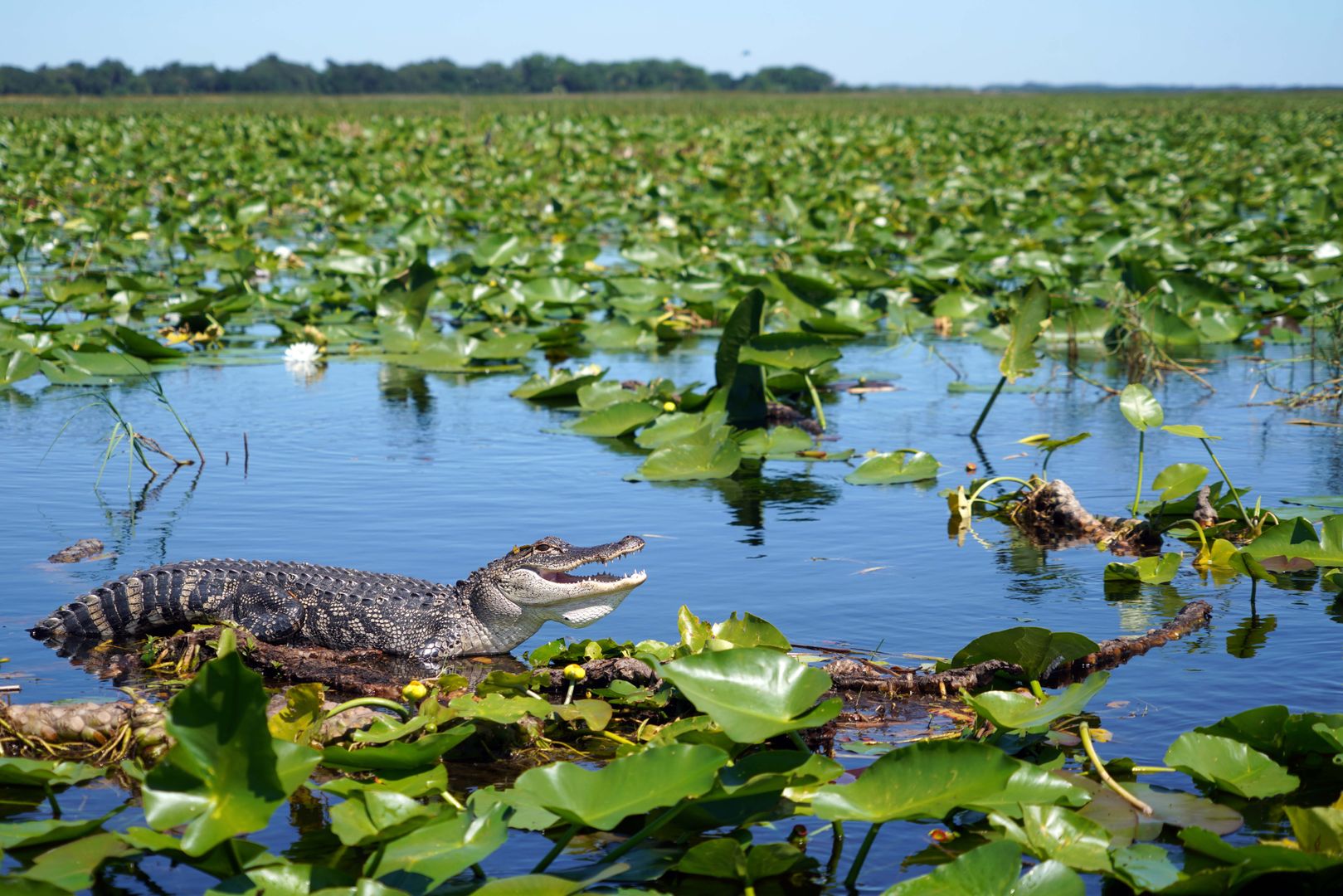
The Everglades are 45 minutes west — airboat tours depart from multiple operators on the Tamiami Trail (US-41), giving a 45–60 minute tour through sawgrass marshes with alligators, wading birds, and the singular flat horizon of South Florida wetland. Budget $30–50 per person. The western entrance to Everglades National Park (Royal Palm area) is a 1-hour drive and has free walking trails past alligator holes in the dry season. Key West is 4 hours south by car on the Overseas Highway — 113 miles of bridges and small keys with the Atlantic to the east and Gulf of Mexico to the west. One long day is doable; an overnight is better.
Practical Notes
Best months: December–April (dry season, 22–28°C, no hurricane risk). June–September is hurricane season plus high humidity (32–35°C, 70%+ humidity) — hotel prices drop by 40–60% but the outdoor experience degrades significantly. Miami is a driving city except for South Beach and Brickell; car rental ($50–90/day) or reliance on rideshares is necessary for anything beyond the Beach. South Beach hotel prices in high season start at $200/night for a basic room and can exceed $500 for Art Deco beachfront properties. Brickell and Downtown are 30–40% cheaper for equivalent quality.
FAQ
Is Miami worth visiting in summer?
For beach and nightlife: yes if heat and humidity do not deter you, and the prices are significantly lower. For sightseeing: the outdoor walks through Art Deco and Wynwood are uncomfortable in 35°C heat. The indoor experience (museums, restaurants, nightlife) is weather-independent.
How many days do you need in Miami?
Three days: South Beach + Art Deco (1 day), Wynwood + Little Havana (1 day), Everglades or Key West day trip (1 day). Add a fourth for Brickell dining and the beach at leisure.