

New Zealand's South Island gets most of the attention — Queenstown, Milford Sound, the glaciers — but the North Island holds a different and in some ways more varied geography. The Central Plateau is a volcanic zone with three active volcanoes, geothermal springs, and craters that steams through the ground at Rotorua. The Bay of Plenty and Coromandel Peninsula have beaches of a different character from the South Island's wilder coasts. Wellington is a compact capital with serious food and arts infrastructure. And the Māori cultural presence is more concentrated here than anywhere else in the country. A 7–10 day self-drive circuit from Auckland covers the main points without rushing.
Auckland: How Long and What to Do
Auckland is New Zealand's largest city and its main international entry point — most long-haul flights arrive here. Two days is enough to see what's worth seeing without the city overstaying its welcome as a base. The Sky Tower (328m, NZ$32 entry) gives orientation views over the city's unusual geography: a land bridge between two harbours, dotted with 53 volcanic cones. Mission Bay and St Heliers, east of the centre, have the most accessible waterfront walks. Waiheke Island, 35 minutes by ferry (NZ$40 return), has vineyards, good beaches, and the most pleasant few hours available within commuting distance of the city.
The Viaduct Harbour, rebuilt for the 2000 America's Cup, is the functional restaurant and bar district. The Wynyard Quarter, adjacent, has converted industrial warehouses and fish market stalls. The Auckland War Memorial Museum on the Domain — free to New Zealand residents, NZ$28 for visitors — has the best collection of Māori and Pacific taonga (treasures) in the country, and the kapa haka (Māori performance) staged in the museum's main gallery runs three times daily and is worth watching before you visit marae (community meeting grounds) in Rotorua.
The Coromandel Peninsula
The Coromandel Peninsula is 2.5 hours east of Auckland and the closest good beach region to the city. Hahei, on the eastern coast, is the base for Cathedral Cove — a sea arch reached by a 45-minute coastal walk (or water taxi in summer). The rock formations along the coast are the result of volcanic activity from 8 million years ago. Hot Water Beach, 9km south of Hahei, sits over a geothermal vent; at low tide you can dig into the sand with a spade (rented at the beach café for NZ$5) and create a pool of 64°C water. It sounds gimmicky and is actually one of the more genuinely unusual beach experiences in the region. Bring a spade and go 2 hours either side of low tide.
Rotorua and the Geothermal Zone

Rotorua smells of hydrogen sulphide — a fact that every guidebook mentions and every first-time visitor confirms within 30 seconds of arrival. The geothermal activity is concentrated across several parks within the region, ranging from the commercial (Te Puia, the most visited, which has excellent Māori cultural demonstrations alongside the geyser fields) to the free (Kuirau Park, a public park in the city centre where you can walk between steaming craters and boiling mud pools at no cost).
Wai-O-Tapu Thermal Wonderland, 30km south of Rotorua, is the most visually dramatic of the geothermal parks — boiling mud pools, the Champagne Pool (a 65°C cauldron of orange and green), and the Lady Knox Geyser which erupts daily at 10:15am through the injection of soap powder. Entry NZ$40. Te Puia (NZ$60) includes the Pōhutu geyser (which erupts 20+ times daily without assistance) and has the most serious cultural programme of any of the parks.
Māori cultural performances in Rotorua (haka, poi, waiata) are staged at several venues; the most frequently recommended for authenticity rather than scale is the Mitai Māori Village evening experience (NZ$135), which includes a hāngī (earth-oven cooked meal) and a night walk to see glow-worms.
Tongariro National Park
Tongariro is New Zealand's oldest national park and contains three active volcanoes: Tongariro, Ngauruhoe, and Ruapehu. The Tongariro Alpine Crossing is the most-walked single-day hike in New Zealand — a 19.4km route across a volcanic plateau, past emerald crater lakes, and across the lava fields of the 1975 Ngauruhoe eruption. The crossing takes 6–8 hours and is classified as a challenging alpine day hike, not a beginner walk. Shuttles from nearby Whakapapa Village and National Park township deposit you at one end and collect at the other (NZ$35–45).
The crossing is closed or requires an ice axe and crampons in winter (June–October) when snow and ice cover the route. Check the Department of Conservation website (doc.govt.nz) for conditions before attempting it in shoulder seasons. In summer (December–February) it's busy — start at 7am to avoid the midday crunch at the crater rim.
Wellington
Wellington sits at the southern tip of the North Island, 7 hours from Auckland by road or 1 hour by air. The city of 220,000 punches well above its size for food, coffee, and arts — more independent café and restaurant options per capita than almost any city of equivalent size in the Southern Hemisphere. The Te Papa Tongarewa national museum (free) is one of the best museums in the Pacific and should be given most of a day. The Wellington Cable Car (NZ$7 return) climbs to the Botanic Garden with harbour views. Courtenay Place is the restaurant and bar district.
Wellington is also the departure point for the Interislander ferry to the South Island — a 3.5-hour crossing through the Marlborough Sounds that is frequently cited as one of the world's more scenic ferry routes. If you're continuing south, this is the standard connection.
Self-Drive Circuit: Timing and Costs
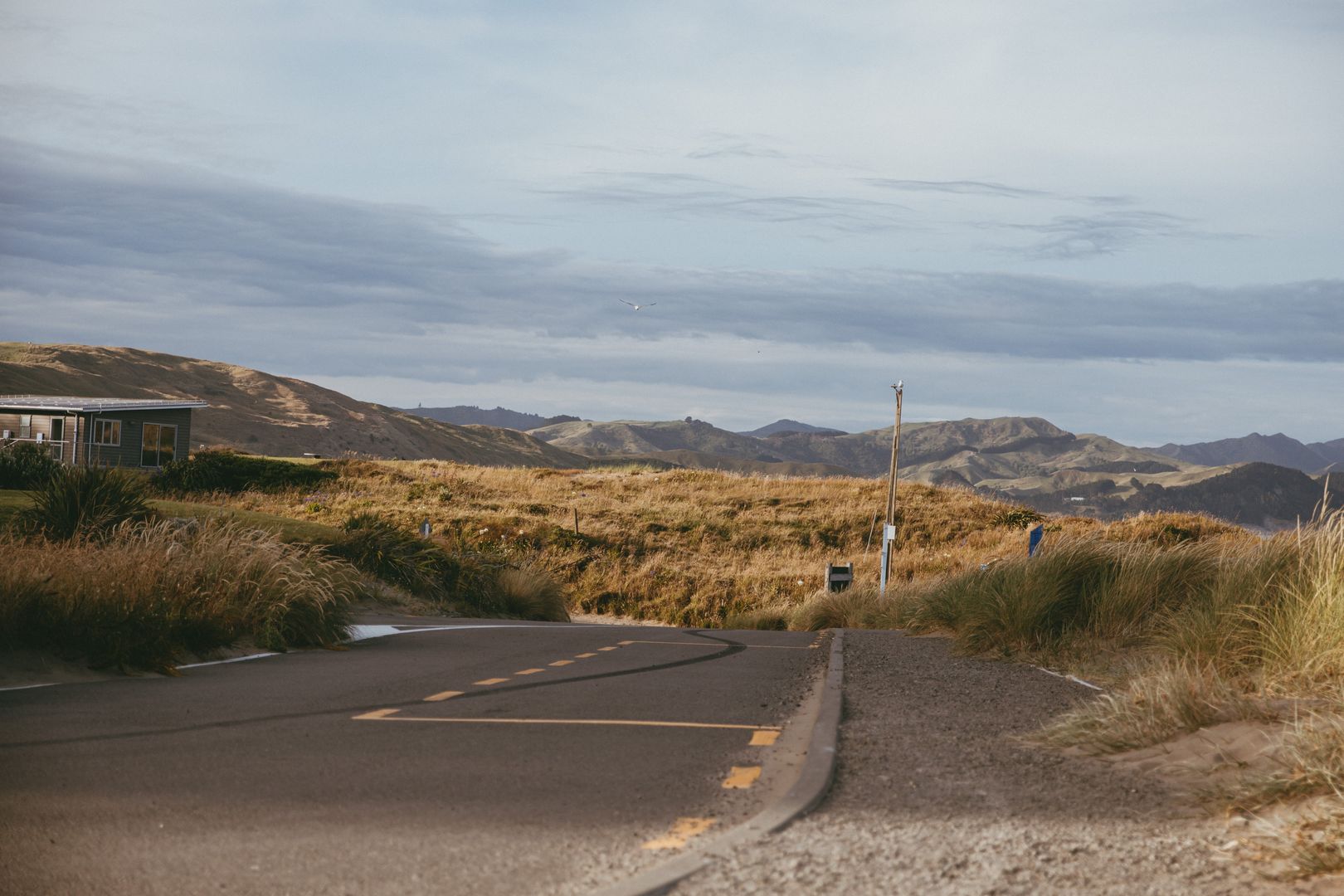
A sensible 10-day circuit from Auckland: 2 nights Auckland, 1 night Coromandel, 3 nights Rotorua (using it as a base for Tongariro day trip), 1 night Taupo (Lake Taupo, the largest lake in Oceania, with bungee jumping and skydiving infrastructure), 3 nights Wellington. Car rental from Auckland runs NZ$50–80 (€28–44) per day for a compact automatic; fuel costs NZ$3.10–3.40 per litre. A daily budget of NZ$120–200 (€66–110) per person excluding accommodation covers food, park entry fees, and activities. Accommodation ranges from NZ$30 in hostel dorms to NZ$180–300 for a mid-range hotel or motel. New Zealand motels, an underappreciated accommodation category, typically offer good-sized self-catering rooms with kitchenettes at NZ$120–180 per night — practical for a multi-day drive.
