4 articles
1 May 2026
italyFlorence Travel Guide: The Uffizi, the Food, and the City Beyond the Renaissance Superlatives
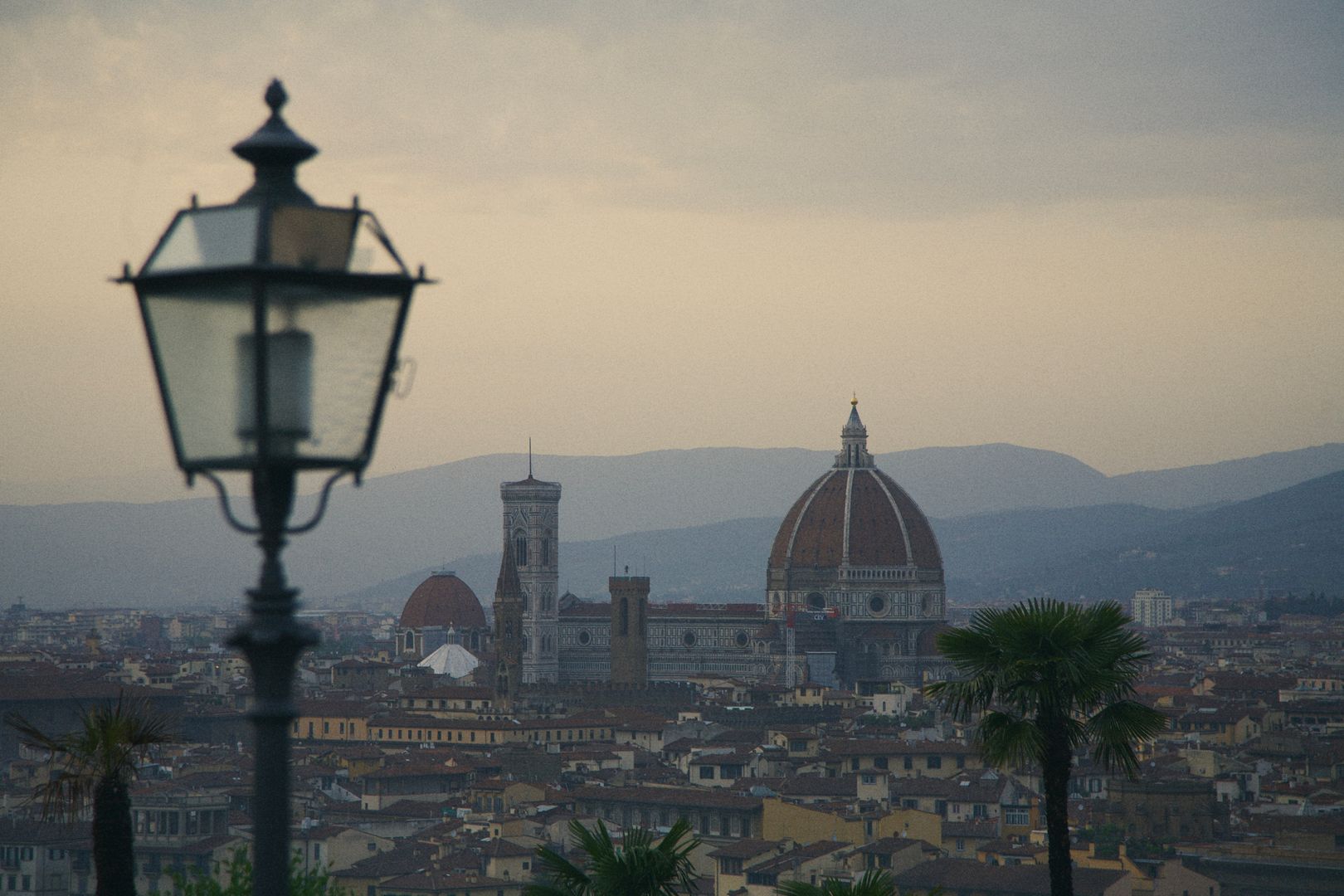
Florence is one of the most densely concentrated collections of Renaissance art in the world, in a city of 380,000 people that receives 12 million visitors annually. The logistics — booked museums, booked restaurants, strategic timing — matter more here than almost anywhere else in Europe.
Henrik Vinter
5 April 2026
spainBilbao and the Basque Country: Guggenheim, Food, and the Coast
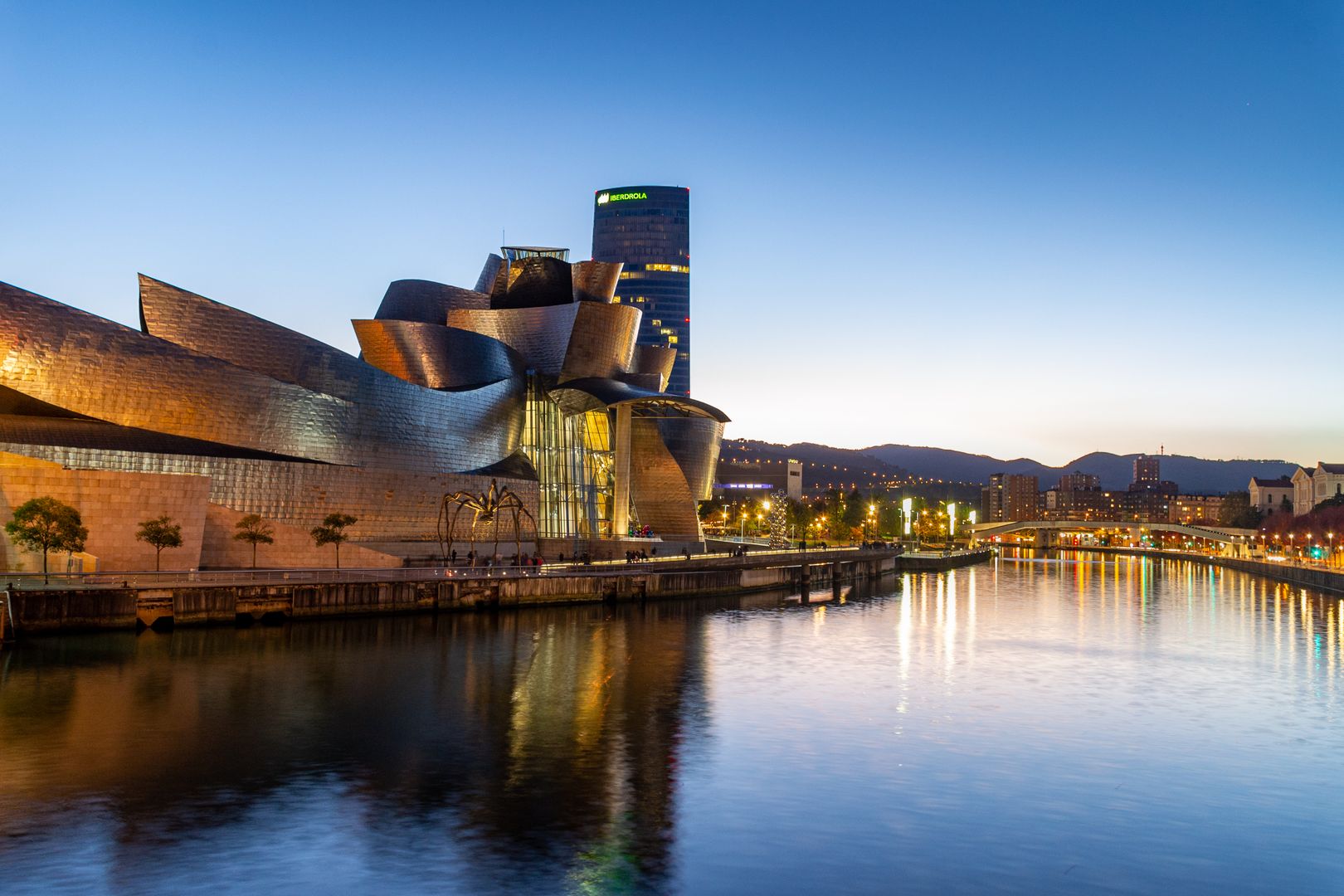
In 1990, Bilbao was dying. The Basque industrial heartland had contracted into unemployment, contaminated rivers, and urban decay. When Frank Gehry's Guggenheim Museum opened in 1997, the building didn't just attract visitors — it forced the city to ask what came next. Twenty-seven years on, the "Bilbao Effect" theory (the belief that iconic architecture alone regenerates cities) remains debated by planners. What's not debatable: Bilbao is now a genuinely good destination. The Guggenheim is essential. The food is serious. The coast is within reach.
Henrik Vinter

2 April 2026
spainMadrid Travel Guide: What First-Timers Actually Need to Know
Madrid is Spain's capital and the most uncompromisingly Spanish of the country's major cities — it makes no particular effort to accommodate non-Spanish speakers, eats dinner at 10pm, and houses a museum collection that rivals Paris. Barcelona is more internationally polished, has the sea, and markets itself as a destination. The two cities appeal to different people entirely, and knowing which you are saves both time and argument.
Henrik Vinter

9 February 2026
franceParis Without the Tourist Traps: A Practical First Visit Guide
Paris simultaneously presents two contradictory experiences: monuments surrounded by queues of 90 minutes, and neighbourhoods fifteen minutes away where locals move through near-empty streets without a second glance. Most first-time visitors spend three days photographing the Eiffel Tower and two hours in the Louvre's Mona Lisa crush, then leave without understanding why the city matters. This guide is designed to correct that balance—to show you how to see the essential works without surrendering your entire visit to queuing, and more importantly, where to actually spend time.
Henrik Vinter