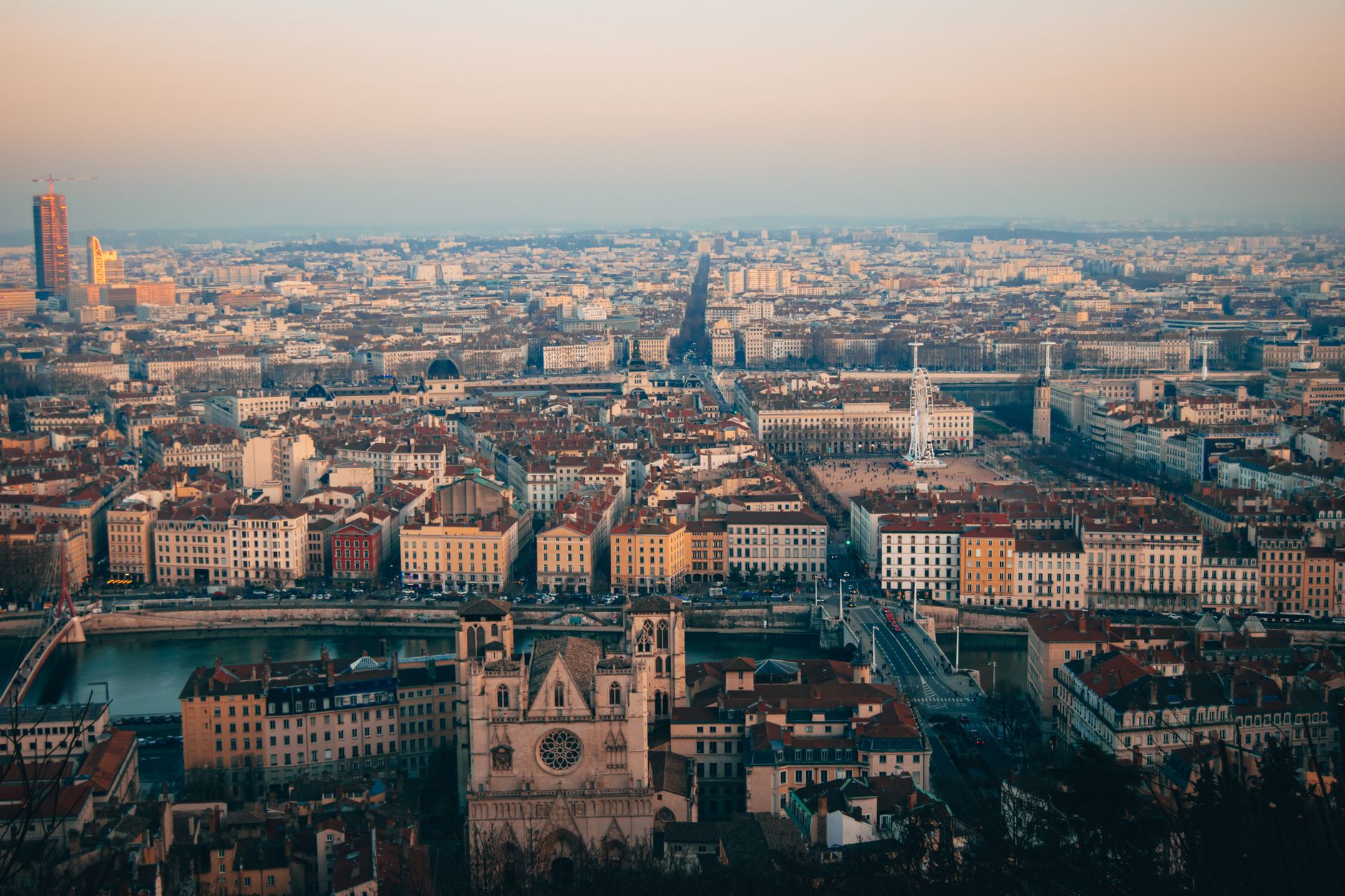
Paris simultaneously presents two contradictory experiences: monuments surrounded by queues of 90 minutes, and neighbourhoods fifteen minutes away where locals move through near-empty streets without a second glance. Most first-time visitors spend three days photographing the Eiffel Tower and two hours in the Louvre's Mona Lisa crush, then leave without understanding why the city matters. This guide is designed to correct that balance—to show you how to see the essential works without surrendering your entire visit to queuing, and more importantly, where to actually spend time.
The Louvre: book timed entry, skip the crowds
The Louvre receives nine million annual visitors. Without a strategy, you will spend forty-five to ninety minutes in the entry queue during peak season, then another hour navigating to the handful of paintings that appear in every postcard.
Visit louvre.fr and book a timed-entry ticket (€20, or included with the Paris Museum Pass at €80 for four days). The evening slots—Friday and Saturday openings until 9:45pm—have substantially fewer people. A morning slot is fine; early afternoon is worst (11am–3pm).
The museum displays 35,000 artworks across three wings. A first visit should focus on one wing only. The Denon Wing holds the canonical works: Leonardo's Mona Lisa, the Winged Victory at the top of the Daru staircase, and the Venus de Milo. Allow three hours minimum. Do not attempt the Richelieu or Sully wings on the same visit.
Download the Louvre's free app or rent a €8 audio guide. The self-directed approach of reading placards produces exhaustion. A guide provides rhythm.
Musée d'Orsay: Impressionism in a railway station
The Impressionist collection—Monet's Water Lilies, Renoir's Luncheon of the Boating Party, Cézanne, Van Gogh, Degas—lives in a former railway station with a barrel-vault glass ceiling. Book online (€16). The museum is less crowded than the Louvre and more coherent; you will see how the movement developed.
The fifth-floor gallery of late-nineteenth-century paintings is the core. Spend two to three hours. Visit before 11am or after 4pm to walk through without shoulder-to-shoulder compression.
Eiffel Tower: the trade-off between access and time

The summit requires booking two to three months ahead during peak season (April–September). Tickets cost €35 for the summit, €22 for the second floor. The first floor is €12 via stairs and has far shorter queues. All three tiers see long lines.
A counter-intuitive fact: the view from below the tower is often better than from inside it. Trocadéro Plaza (free, one kilometre northwest) provides the postcard-angle photograph. Parc du Champ de Mars (directly below, free) gives you the perspective the tower was designed for—to be seen from the field, not looked out from.
If the tower sells out or you face a two-hour queue, spend that time instead in the park with a sandwich from a nearby boulangerie. You will see the tower. You will not regret skipping the climb.
Sainte-Chapelle, Notre-Dame, and Île de la Cité
Sainte-Chapelle is a medieval Gothic chapel with 1,113 panes of thirteenth-century stained glass—the finest in France. Entry is €15. The queue is typically forty-five minutes versus two hours for the Louvre. Visit in the morning to catch light through the windows. Spend forty-five minutes.
Notre-Dame reopened in December 2024 after the 2019 fire reconstruction. Check the official website for current entry details and ticket requirements, as ticketing and access policies may still be evolving.
Île de la Cité itself—the island in the Seine where the city began—is worth walking for the light on the water and the narrow medieval streets, regardless of which monuments you enter.
Centre Pompidou: modern art and a city view
The museum is an inside-out building: escalators, pipes, and ductwork on the exterior, galleries within. It holds Matisse, Picasso, and Duchamp. Entry is €15. The rooftop terrace provides a free 360-degree city view without a ticket. Two to three hours if you enter; fifteen minutes if you take the escalators up and skip the galleries.
Le Marais: the best neighbourhood for walking

The Marais (3rd and 4th arrondissements) is the geographic and cultural core of Paris. Walk from Hôtel de Ville eastward. Place des Vosges is the oldest planned square in Paris (early seventeenth century, arcaded, peaceful, free). The Jewish Quarter along Rue des Rosiers has falafels, bookshops, and bakeries without tourist premiums. The neighbourhood contains the Pompidou Centre, dozens of small galleries, and a genuine mix of locals and visitors—unlike the pure-tourist experience of Montmartre.
The BHV Marais department store (corner of Rue de Rivoli and Rue de Turenne) has a fifth-floor terrace café with Seine views and reasonable €5 coffee. A useful place to reset during the day.
Montmartre: the one neighbourhood you should see briefly, then leave
Sacré-Cœur basilica sits at the highest point in Paris (130 metres elevation). Entrance to the basilica itself is free. The interior is quiet and white, with Byzantine mosaics. The dome climb costs €7 and takes twenty minutes for views. The front steps are crowded with tourists and street vendors; ignore them and go inside.
The surrounding streets—Rue Lepic, Place du Tertre—are best visited before 9am, when they are actually Parisian. The artists' portraits at Place du Tertre are largely for tourists, but the square is historically real (it has been a hub for painters since the nineteenth century). The neighbourhood below the basilica, toward Abbesses metro station, contains genuine residents, small shops, and good bistros.
Plan ninety minutes for the basilica and surrounding streets. Montmartre is smaller and more climactic than first-timers expect.
Saint-Germain-des-Prés: cafes, markets, and medieval art
This neighbourhood (6th arrondissement) contains Café de Flore and Les Deux Magots—legendary cafes where Sartre and Hemingway sat, now expensive and crowded. Have coffee at one once; do not plan meals there.
The real draw is the Musée de Cluny (€12), which holds medieval manuscripts, stonework, and the Unicorn tapestries—extraordinary work from the fifteenth century. Two hours.
Rue de Buci market operates weekday mornings and Saturday—real Parisians buying vegetables, cheese, bread, and fish. Walk through without buying; the point is the chaos and variety.
Luxembourg Gardens (free, one kilometre south) is the largest public park in Paris: chairs facing the fountain, book readers, elderly men playing chess. Spend an hour sitting.
Canal Saint-Martin: where locals actually go
The 10th arrondissement around Canal Saint-Martin has become the neighbourhood that replaced the Marais in local preference. Walk from République to Stalingrad. Iron footbridges cross the canal. The covered passages (Passages des Panoramas, Passage Jouffroy) are nineteenth-century shopping arcades—free to walk through, extraordinary glass ceilings, good bars and cafes inside.
Hôpital Saint-Louis courtyard (1607) is a hidden Renaissance square adjacent to the canal. This neighbourhood has concept cafes and natural wine bars without the Marais's gallery crowds or Montmartre's tourist inflation.
Getting around: the Métro and alternatives
The Paris Métro covers the entire city in a rational grid. The Navigo Découverte weekly pass costs €30 for zones 1–2 (the entire city proper), valid Monday through Sunday. Buy it at any metro station with a photo ID. A single ticket costs €2.10. The pass pays for itself after fifteen trips.
Walking is often faster than the metro for short distances. Louvre to Notre-Dame is twenty minutes on foot. Louvre to Eiffel Tower is forty-five minutes.
Vélib' (bike share) costs €3 for twenty-four hours with unlimited thirty-minute journeys. The network is dense in central Paris. Useful for flat arrondissements; avoid the hills of Montmartre and the Left Bank.
Buses are reliable but slower. Use the metro or walk for first-time navigation.
Where to eat: three price tiers
Bistrot meal (€15–30 per person): Order a steak frites, salade Niçoise, croque-monsieur, or the plat du jour (daily special). Sit at the bar (comptoir) for service without a reservation. A glass of red wine costs €4–6. This is the rhythm of eating in Paris.
Boulangerie breakfast (€5 per person): A croissant (€1.50), pain au chocolat (€1.70), and café allongé (espresso with hot water, €2–3). Any neighbourhood bakery opening at 7:30am is superior to a hotel breakfast. Le Grenier à Pain and Du Pain et des Idées are reference boulangeries. The neighbourhood boulangerie is better.
Natural wine bars (€12–25 per person): The 11th arrondissement has become the natural wine hub. Cave à Michel, La Buvette, and Septime La Cave serve glasses at €7–12, with bottles at reasonable markup. These are not tourist experiences; locals predominate. Arrive early (7pm) or late (9:30pm) to find a seat.
The covered passages (Galerie Vivienne and Galerie Colbert in the 2nd arrondissement) offer nineteenth-century glass-ceiling architecture and adequate cafes. Free to walk through. A useful place to eat when crowds push you indoors.
How many days to allocate
3 days: The Louvre, Musée d'Orsay, Eiffel Tower summit (if booked), and one neighbourhood walk. You will be moving. This works if this is your second or third European city. Otherwise, rushed.
4–5 days: This is the optimal first visit. Day one: Louvre (afternoon slot to beat crowds) and Île de la Cité walk. Day two: Musée d'Orsay morning, then Saint-Germain-des-Prés market and café time. Day three: Montmartre morning, then Sainte-Chapelle. Day four: Le Marais walking and Pompidou Centre, or Canal Saint-Martin and Hôpital Saint-Louis. Day five: Eiffel Tower, or a day trip to Versailles (forty minutes by RER C, €20 entry, book ahead) or Giverny (Monet's gardens, April–October, €12.50, ninety minutes by train and bus).
7 days: Adds Versailles as a full day, Giverny, or wandering neighbourhoods beyond the central arrondissements (Belleville, Buttes-aux-Cailles, the Marais's eastern edge). Enough time to establish neighbourhood preferences and eat without a schedule.
What to pack: seasonal considerations
April–May and September–October: 12–18°C. Layers, a light jacket, comfortable walking shoes (you will walk ten to fifteen km daily). A small backpack or crossbody bag—never a large rolling suitcase on public transport.
June–August: 18–25°C, crowded. The same clothes. Sun protection.
November–March: 5–10°C, grey. A proper coat, warm layers, waterproof shoes. Umbrella essential.
Museum entry (€15–20 per museum) adds up. The four-day Paris Museum Pass (€80) covers the Louvre, Musée d'Orsay, Sainte-Chapelle, Pompidou, and thirty other museums and monuments—worth buying if you plan to visit more than four paid sites. Available at any metro station or museum entrance.
The practical reality
Paris rewards time over efficiency. The first visit is about establishing orientation—the Seine dividing left and right bank, the arrondissement spiral radiating from the Île de la Cité, the relationship between café culture and street life. Four days is sufficient to see the major works and eat well. Five days is enough to understand why people return. One week is enough to start having preferences about neighbourhood cafes, which bakery opens earliest, and which market to use on a Saturday morning. Plan for four to five days on your first visit.