

Zanzibar is 35km off the coast of Tanzania in the Indian Ocean, a spice island with a genuinely distinctive Swahili-Arab heritage concentrated in Stone Town and some of the finest beaches in East Africa. The misconception is that you come here for the beach alone—a resort lounge and airport transfer. The island delivers far more if you move between the old town's alleyways, the night market at sunset, and two or three different beach locations depending on what you want: swimming reliability, photogenic sand, or wind for kitesurfing. It is more expensive than mainland Tanzania, and some of the most-photographed beachfront hotels charge premium rates for mediocre delivery. The north coast (Nungwi, Kendwa) offers better value and more consistent swimming. The east coast (Paje, Jambiani) has the postcard sand but punishes you with a 200–400m tidal swing that empties the sea for hours each day.
Stone Town: two days minimum
The old town is a UNESCO World Heritage Site functioning as a lived city, not a museum. Narrow coral stone alleyways, Zanzibari wooden doors studded with brass and carved in Arab style, shops selling spices and fabrics, mosques with afternoon calls to prayer, and a palpable history of Omani sultans and Indian Ocean trade routes. Tourists move through it; locals live in it. Expect to get lost—that's the point.
The essentials:
House of Wonders (Beit-el-Ajaib): the five-storey former palace of the Sultan, built 1883, is now a museum covering Swahili coast history, sultanate rule, and trade routes. The ground floor and first two levels are coherent; higher floors become patchy. Entry €3. Spend one to one and a half hours. Go early (before 10am) to avoid school groups.
Arab Fort (Old Fort): built by Omanis in the 17th century, the courtyard is free to enter. Stone walls, a handful of vendors, occasional concerts or film screenings in the evenings. Five minutes to walk through; it's more about the atmosphere than exhibits.
Slave Market Memorial: the Anglican Cathedral was deliberately built on the site of the last open slave market in the British Empire (operating until 1873). The small underground slave chambers beneath the cathedral are profoundly affecting—narrow, windowless rooms where enslaved people were held before auction. The cathedral itself is architecturally unremarkable. Entry €5. Budget 20 minutes and arrive emotionally prepared. This is not entertainment.
Mercury's Restaurant: a deliberate detour. Freddie Mercury was born in Stone Town in 1946 as Farrokh Bulsara; this restaurant occupies his childhood home. The food is tourist-inflated and mediocre, so don't eat here, but the photographs inside document his childhood in the building. Ten minutes, no charge to look at the entrance.
Food in Stone Town—this is where the island's flavour actually lives:
Forodhani Gardens night market opens at sunset on the waterfront, running until around 10pm. Vendors set up portable grills and stalls selling Zanzibar mix (fried bread with mango pickle or tamarind chutney, €0.50), mishkaki (grilled beef skewers spiced with cumin and turmeric, €1 for three), grilled octopus (€2), and fresh sugarcane juice pressed in front of you (€0.70). The quality and value are genuine—no tourist markup. Arrive by 7pm for the best selection and seats. Bring cash only.
Lukmaan Restaurant is a local institution on New Mkunazini Road, run queue-style: you order at the counter, then sit. Rice-and-curry dishes—pilau (spiced rice with meat), biryani, urojo (soup with bread)—cost €3–5. It's packed at lunch; arrive by noon or after 2pm. Credit cards not accepted.
Emerson on Hurumzi is the rooftop tea house option, occupying the fourth floor of a restored mansion overlooking the old town's rooftops. Afternoon tea with views, sunset drinks, or dinner. €8–12 per person for tea; €20–30 for dinner. Book ahead (emersonhotel.com). The views are the sell; the food is secondary.
Beaches: north coast versus east coast
The misconception is that all Zanzibari beaches are interchangeable. They're not. The north and east coasts operate on different tidal systems, wind patterns, and infrastructure—and they suit different travellers.
North coast (Nungwi, Kendwa, Matemwe, Kiwengwa): clear water year-round, minimal tidal fluctuation, safe for swimming at any time. Nungwi is the most developed—bars, dive shops, kitesurfing schools, restaurants. It's social, sometimes rowdy in the evenings, geared toward backpackers and younger groups. Kendwa is two beaches north, quieter, better for snorkelling (nearby reef). Matemwe and Kiwengwa offer north coast conditions—stable swimming, reef access—without Nungwi's party atmosphere. Mid-range guesthouses €60–120/night; budget options €35–60/night.
East coast (Paje, Jambiani): powdery white sand and turquoise water—the Instagram image of Zanzibar. Critical fact: strong tidal variation means the sea retreats 200–400 metres at low tide, exposing mudflat and seagrass beds for three to five hours daily. Swimming is only possible at high tide. Check tide tables before booking activities. Paje is the kitesurfing hub (consistent offshore wind June–August; lessons €50–80/hour). Jambiani is more laid-back. Budget guesthouses €25–50/night; mid-range €60–100/night. Fewer restaurants and services than the north.
Best for swimming: Nungwi or Kendwa. Best for photographs: Paje or Jambiani at high tide only. Best for kitesurfing: Paje, June–August.
Combining Zanzibar with a Tanzania mainland safari
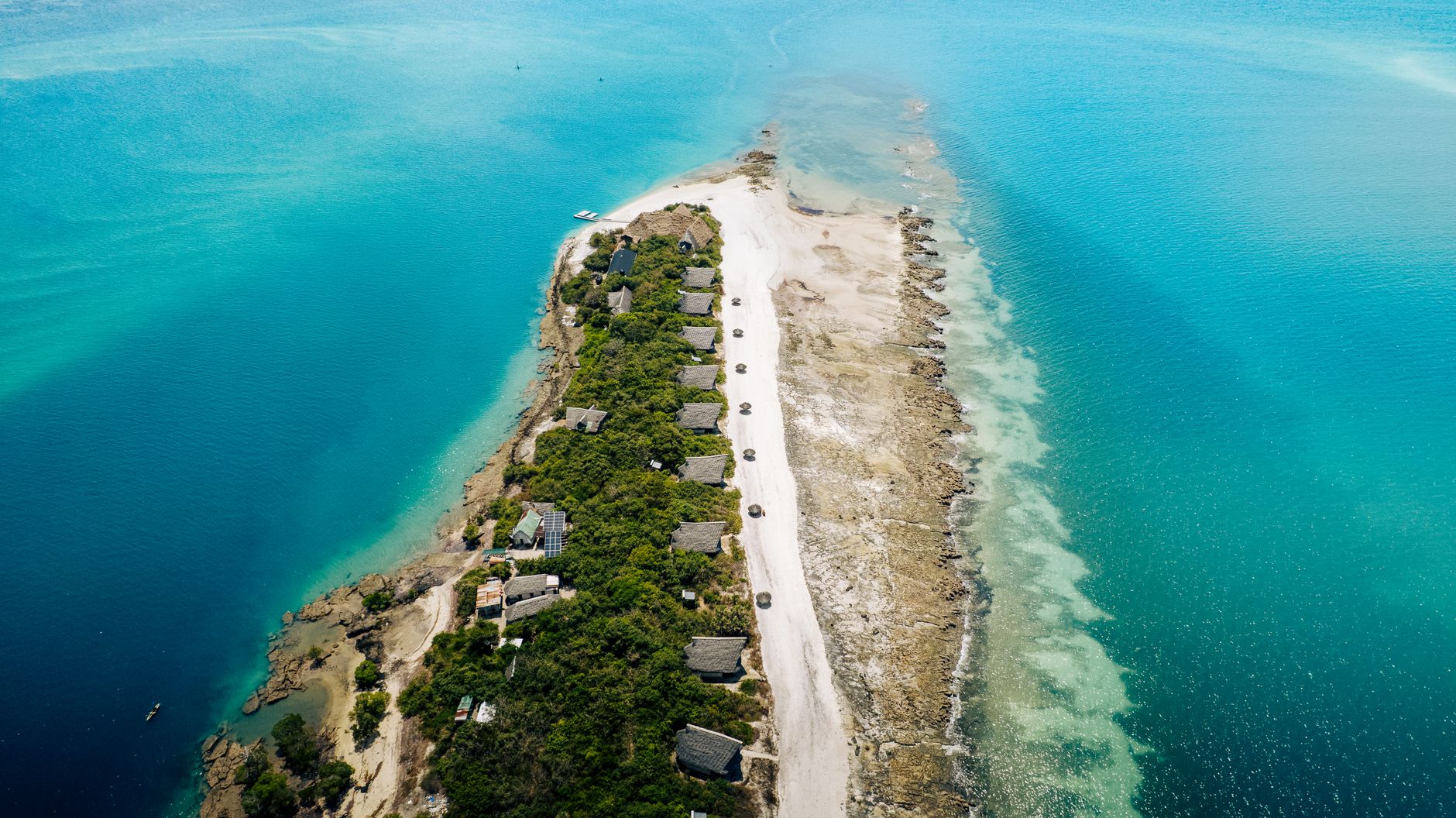
Most visitors pair Zanzibar with an overland safari on the Tanzanian mainland—Serengeti, Ngorongoro, Tarangire, or Nyerere (Selous) National Park. The logistics work cleanly if you sequence correctly.
Standard routing: Arrive at Kilimanjaro International Airport (JRO, near Arusha) or Julius Nyerere International Airport (DAR, Dar es Salaam). Complete a 2–6 day safari by vehicle. Fly from Arusha (ARK) or Dar es Salaam (DAR) to Zanzibar (ZNZ). Return home from Zanzibar or link a second safari.
Inter-island flights: Precision Air and Coastal Aviation operate Arusha–Zanzibar (€100–180, two and a half hours). Fastjet, Air Tanzania, and others fly Dar es Salaam–Zanzibar (€40–80, 45 minutes). Book flights three to four weeks ahead for better pricing.
The strategy: do the safari first—it's physically demanding with early starts, dust, and long game drives—then use Zanzibar as beach recovery for three to four nights. A five-day safari followed by three Zanzibar nights is the minimum that feels unhurried. Two nights in Zanzibar feels truncated after intensive game viewing.
Realistic daily costs
Budget traveller: €50–70/day. Guesthouse (€15–25), local food (street market, basic restaurant), dala-dala minibus transport (€0.50–1.50 per ride), free entry to the Old Fort courtyard.
Mid-range: €100–160/day. Three-star beach hotel (€60–100), restaurant meals (€8–15), domestic flights (€40–100), guided excursions (spice tour €15–25, snorkelling €20–30, dolphin tour €25–35).
Splurge: €200–400 per night. Boutique beach hotels at Matemwe, Pongwe, or Chwaka Bay. These are exceptional—restored historic buildings, private plunge pools, excellent kitchens. The cost is high but justified by design and exclusivity.
Excursions to budget for:
- Spice tour (three hours, genuinely informative, visiting clove and vanilla plantations): €15–25
- Prison Island (Changuu Island, Aldabra tortoises, snorkelling): €20
- Dolphin tour at Kizimkazi (morning boat trip, variable sighting rates): €25–35
- Snorkelling excursion (reef sites, usually half-day): €20–30
Best time to visit
June–October: the longer dry season. Cooler air (24–27°C), low humidity, best for beach and hiking. Kitesurfing season peaks July–August on the east coast. Hotels are busy; book eight weeks ahead. Accommodation at mid-range €80–120/night.
December–February: shorter dry season. Hot (30–33°C), minimal rain, clear water. Christmas and New Year are peak booking periods; prices rise 20–30%. February has the lowest prices of this window.
March–May: the long rains. Heavy, persistent rain especially April–May. Some interior roads become impassable; coastal areas stay accessible. Accommodation prices drop 30–40%. Fewer tourists; the landscape is lush. Accept rain showers as a trade-off.
October–November: short rains. Scattered afternoon showers, usually brief. Not ideal for beach holidays but perfectly viable if you're flexible. Prices lower than peak seasons.
What most guides miss
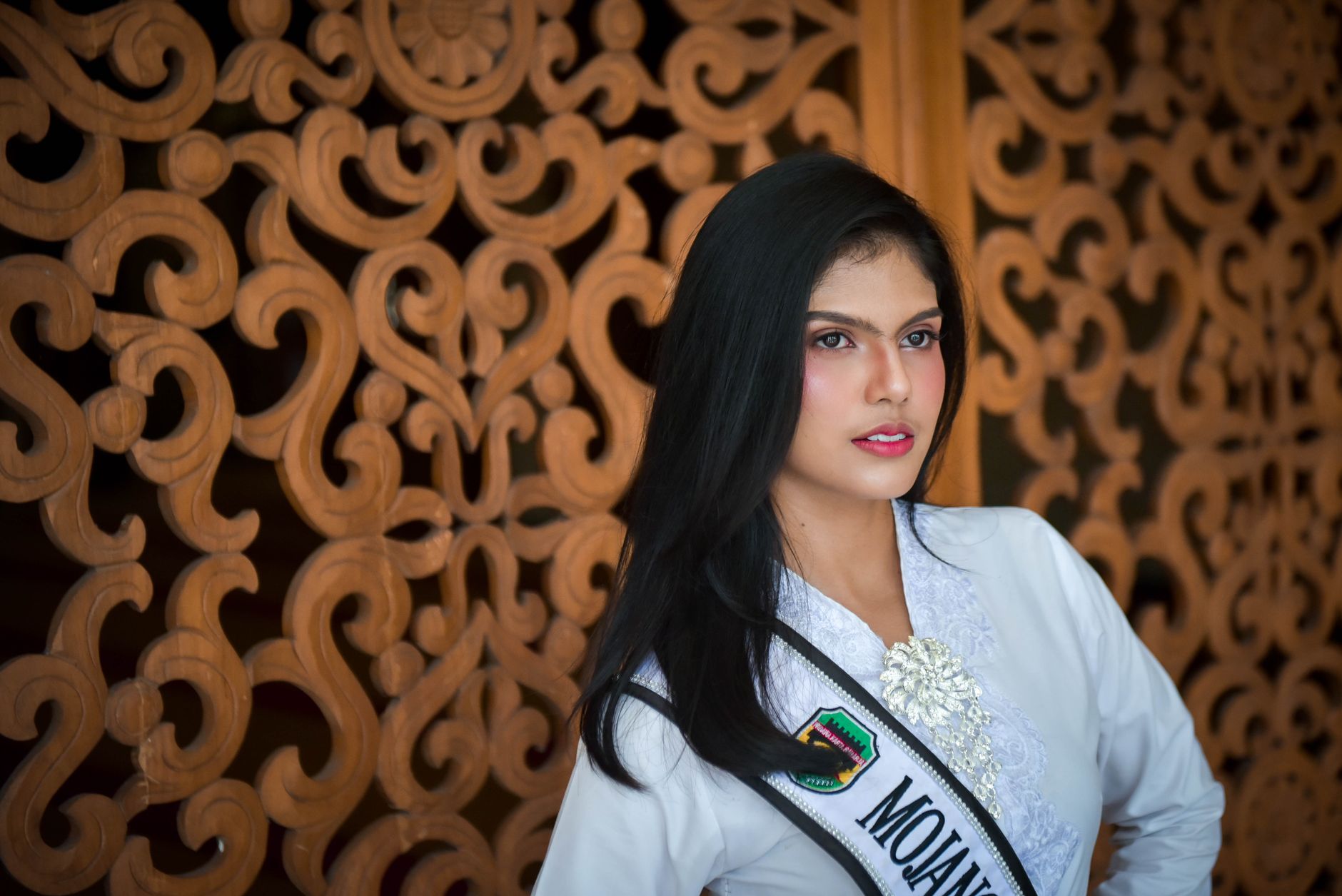
Stone Town is genuinely significant as a place—the architecture, the history, the daily rhythm of the alleyways. Most travel articles bypass it in favour of beach photographs. The town warrants two full days: one for the main sites, one for getting lost and sitting in cafés. The Forodhani night market is worth an evening purely for the food and atmosphere; it's one of the best street food scenes in East Africa.
The east coast's tidal pattern is rarely mentioned clearly in tourism writing. Travellers book a "beach holiday" at Paje expecting daily swimming, then discover the sea is gone for hours. It matters enormously for daily planning—and for kitesurfing, it's irrelevant (wind doesn't wait for tides). Read tide times before arrival.
Zanzibar is more expensive than mainland Tanzania. A guesthouse meal (€3–5) equals mainland prices, but beachfront hotels charge double or triple for identical rooms because of location and tourism markup. The north coast delivers better value than the southeast without sacrificing quality.
Book the Dar–Zanzibar flight (not Arusha–Zanzibar) if you're connecting from a safari. It's cheaper (€40–80 versus €100–180), shorter (45 minutes), and you bypass the long drive to Arusha.
Zanzibar works best as a deliberate combination: five to six days across Stone Town and one or two beach locations, or bolted onto a Tanzania mainland safari for recovery and swim days. The island rewards moving beyond the resort—alleyways in the old town, the night market at sunset, a spice plantation tour in the afternoon, then beach time. Three to four beach nights is sufficient; five starts to feel repetitive unless you're learning kitesurfing or diving seriously.
