26 articles
21 June 2026
thailandThe Best Beaches on Koh Mak (and Which to Skip)
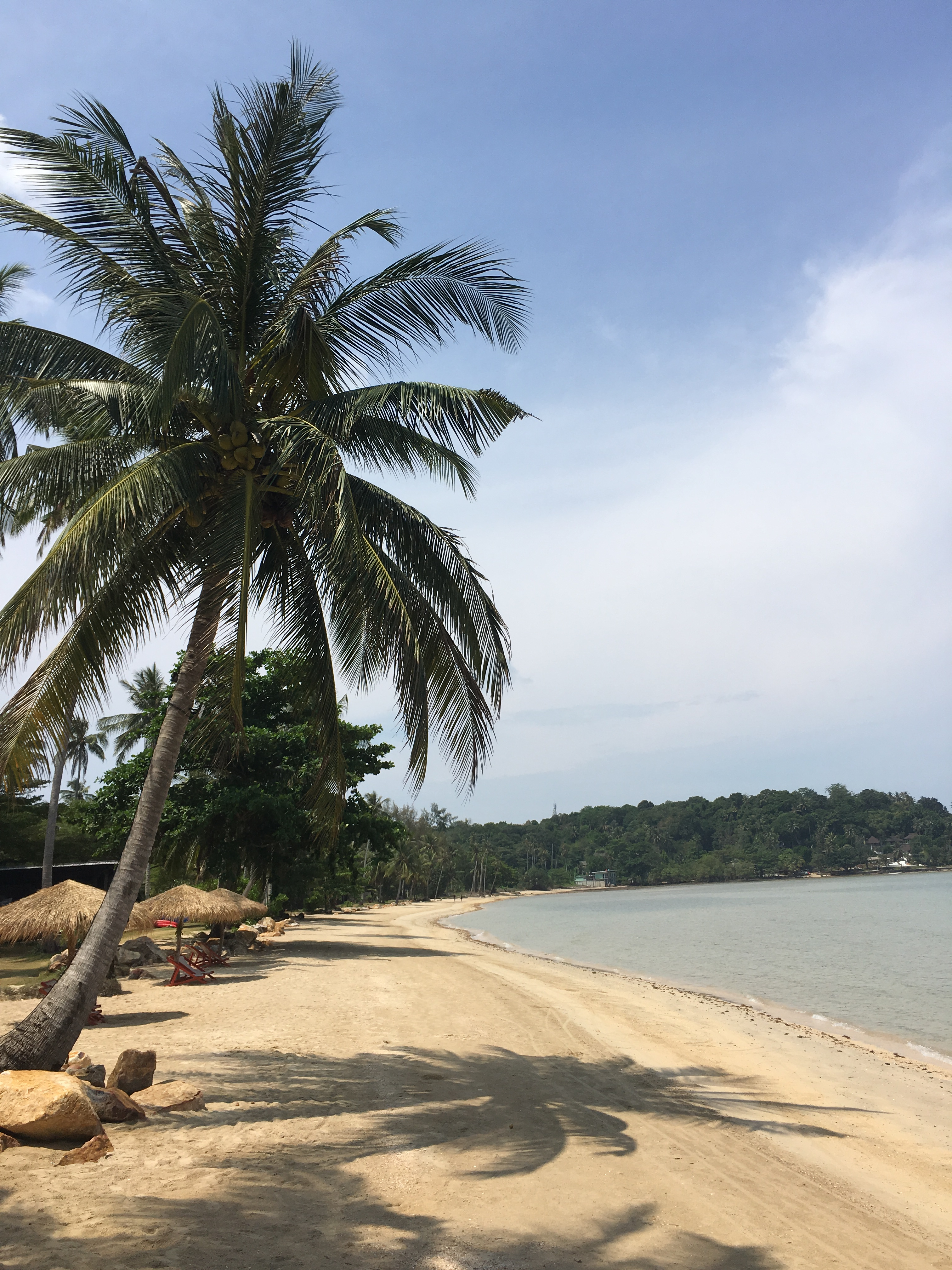
Koh Mak has two beaches worth planning your trip around and several smaller ones worth a cycle, but it is honest to say not all of them are swimming beaches — some go shallow and weedy at low tide, and one is really a working pier. Here is what each Koh Mak beach is actually like, so you base yourself on the right sand.
Henrik Vinter
16 June 2026
thailandThe Best Beaches on Koh Kood, Ranked by What You Want
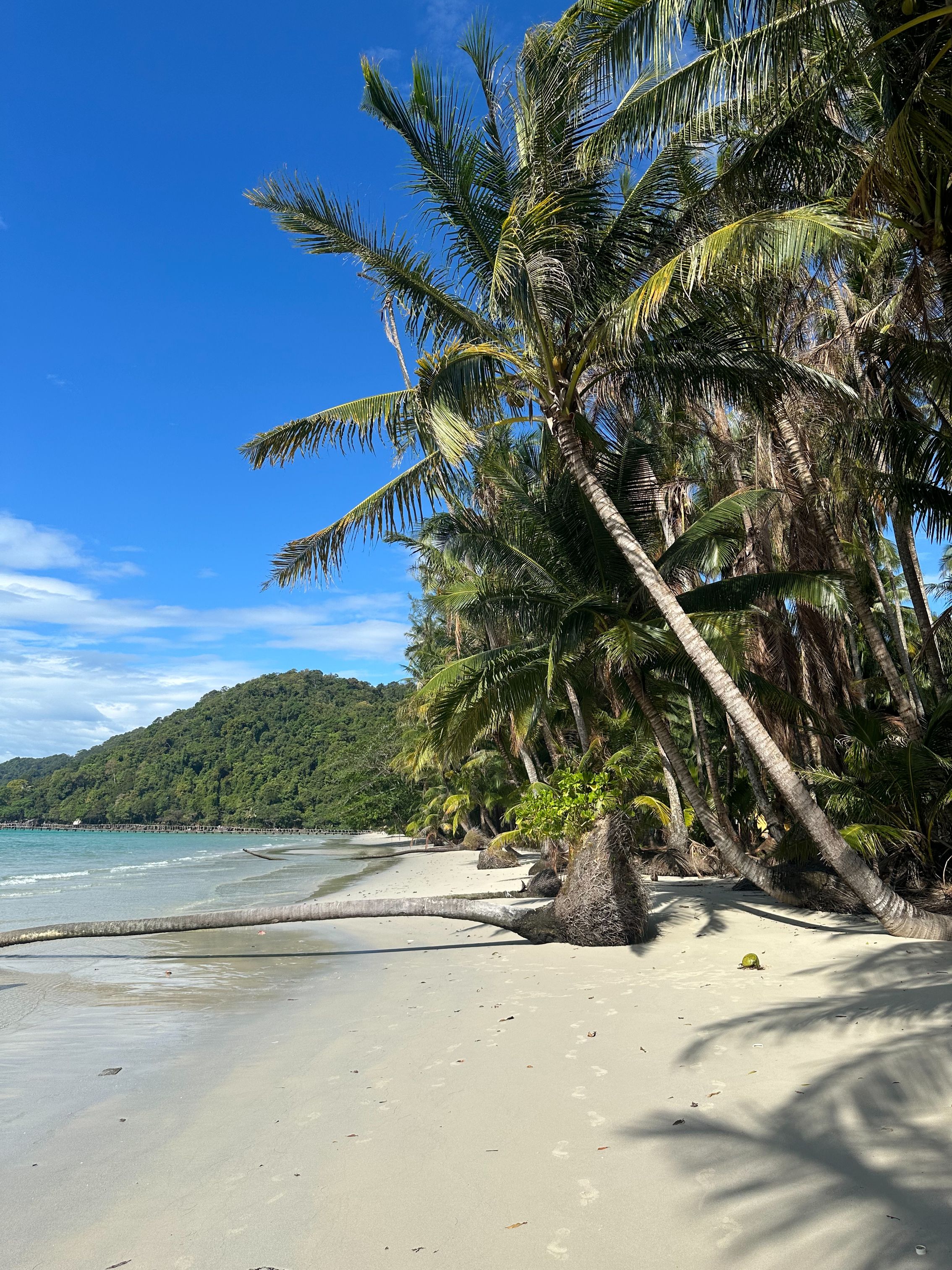
Koh Kood has the clearest water of the three main islands in the Trat archipelago, but its beaches are not interchangeable: some are all-rounders with food and resorts, others are empty stretches you reach by scooter, and a couple are working fishing villages where you would not actually swim. Here is which beach matches which kind of day.
Henrik Vinter
29 April 2026
philippinesBoracay Travel Guide: White Beach After the Cleanup
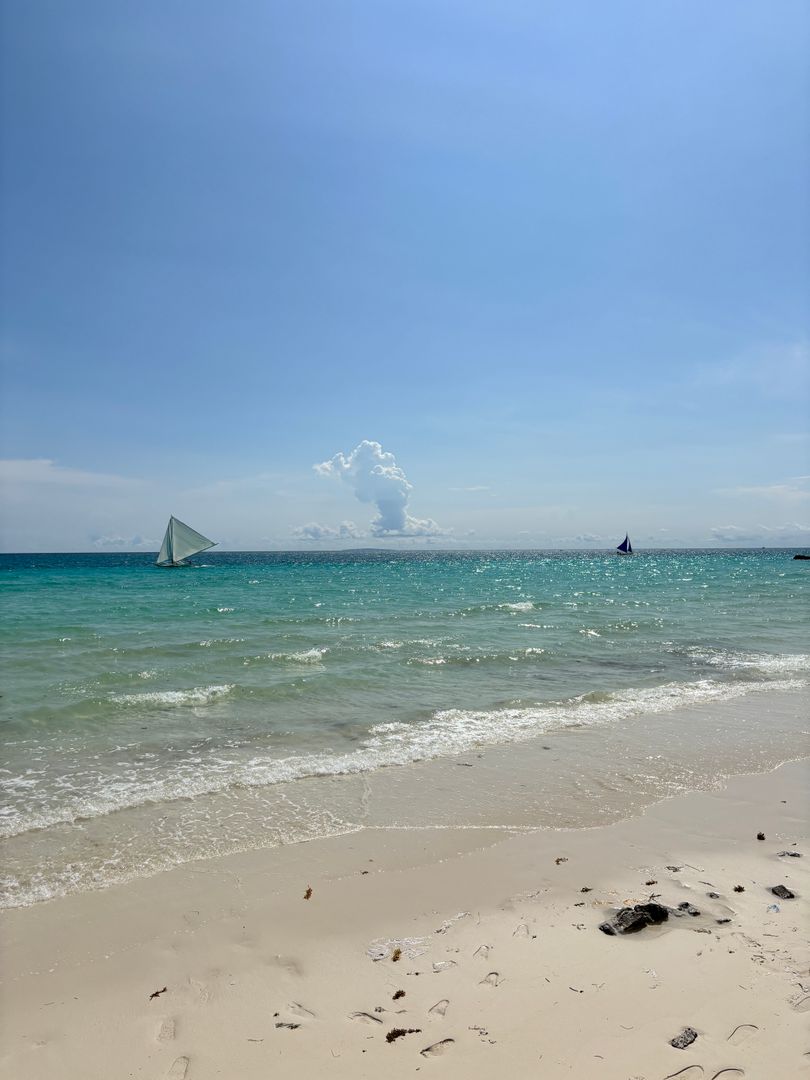
Boracay closed to tourists for six months in 2018 for environmental rehabilitation. The island reopened cleaner and more regulated. Here's what it's actually like now.
Henrik Vinter

21 April 2026
philippinesCebu, Philippines: Whale Sharks, Diving, and Island Hopping the Visayas
Cebu is the Philippines' most accessible island beyond Palawan—direct international flights, good dive sites, and a central location for reaching the Visayas islands. The whale shark watching at Oslob has a controversial history; here's what you need to know.
Henrik Vinter

19 April 2026
baliLombok Travel Guide: Rinjani, the South Coast, and Life Without the Crowds
Lombok is 35km east of Bali with a fraction of the visitors. The south coast beaches are more dramatic than anything on Bali, and Rinjani is one of the finest two-day volcano treks in Southeast Asia.
Henrik Vinter

16 April 2026
colombiaCartagena, Colombia: Walled City, Caribbean Coast, and What to Skip
Cartagena's walled city is one of the best-preserved Spanish colonial centres in the Americas. The surrounding Caribbean coast is the most straightforward beach region in Colombia to visit independently.
Henrik Vinter

15 April 2026
mexicoYucatán Peninsula Travel Guide: Ruins, Cenotes, and the Caribbean Coast
The Yucatán Peninsula holds the largest concentration of Mayan ruins in the Americas, a coastline that splits between backpacker-heavy Tulum and family-resort Riviera Maya, and 6,000 freshwater cenotes. Here's how to navigate it.
Henrik Vinter

14 April 2026
croatiaSplit, Croatia: A Travel Guide to the Dalmatian Coast's Biggest City
Split is built inside a Roman palace. Diocletian's retirement home from 305 AD is now a functioning neighbourhood with bars, restaurants, and apartment rentals in the cellars. That's the thing that makes it different.
Henrik Vinter

13 April 2026
indiaKerala Travel Guide: Backwaters, Beaches, and When Monsoon Works
Kerala has two monsoon systems and one of India's most functional tourist infrastructures. The backwaters, the hill stations, and the beaches are all accessible without the logistical friction of many Indian destinations.
Henrik Vinter

11 April 2026
portugalAlgarve Travel Guide: Beaches, Costs, and When to Go
The Algarve's 150km of coastline splits into two distinct halves. The west is wilder and windier; the east is calmer and more developed. Which one you want depends on why you're going.
Henrik Vinter

9 April 2026
franceNice and the French Riviera: A Practical Travel Guide
Nice is the most affordable base on the Côte d'Azur, with Monaco 20 minutes east and Antibes 15 minutes west. Here's how to use it without the resort-town markup.
Henrik Vinter
6 April 2026
spainMálaga and the Costa del Sol: Beyond the Package Holiday
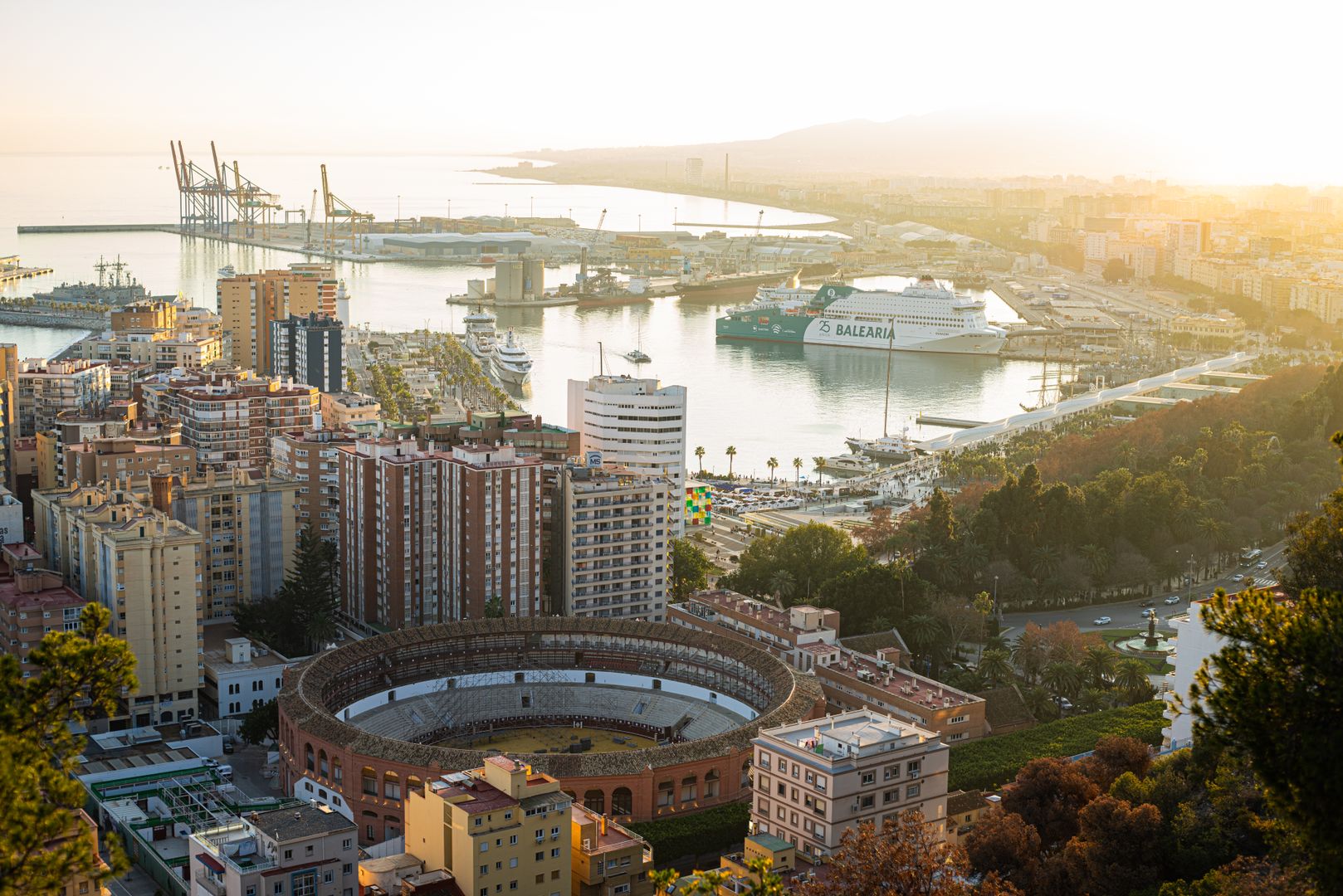
Málaga Airport is Spain's third busiest, but most travellers treat it as a car rental depot—a stepping stone to somewhere else. That mistake costs them. Málaga is Picasso's birthplace and a functioning Mediterranean port city with a restored 16th-century centre, 200+ works in a museum that fits nowhere else, and reliable 17°C January weather. The Costa del Sol extends 150km east and west: Nerja has actual charm; Marbella has money and boats; Tarifa has kitesurfing and Africa visible across the strait. Skip the airport transfer and stay three days.
Henrik Vinter
3 April 2026
spainThe Canary Islands: Choosing Between Tenerife, Gran Canaria, and Lanzarote
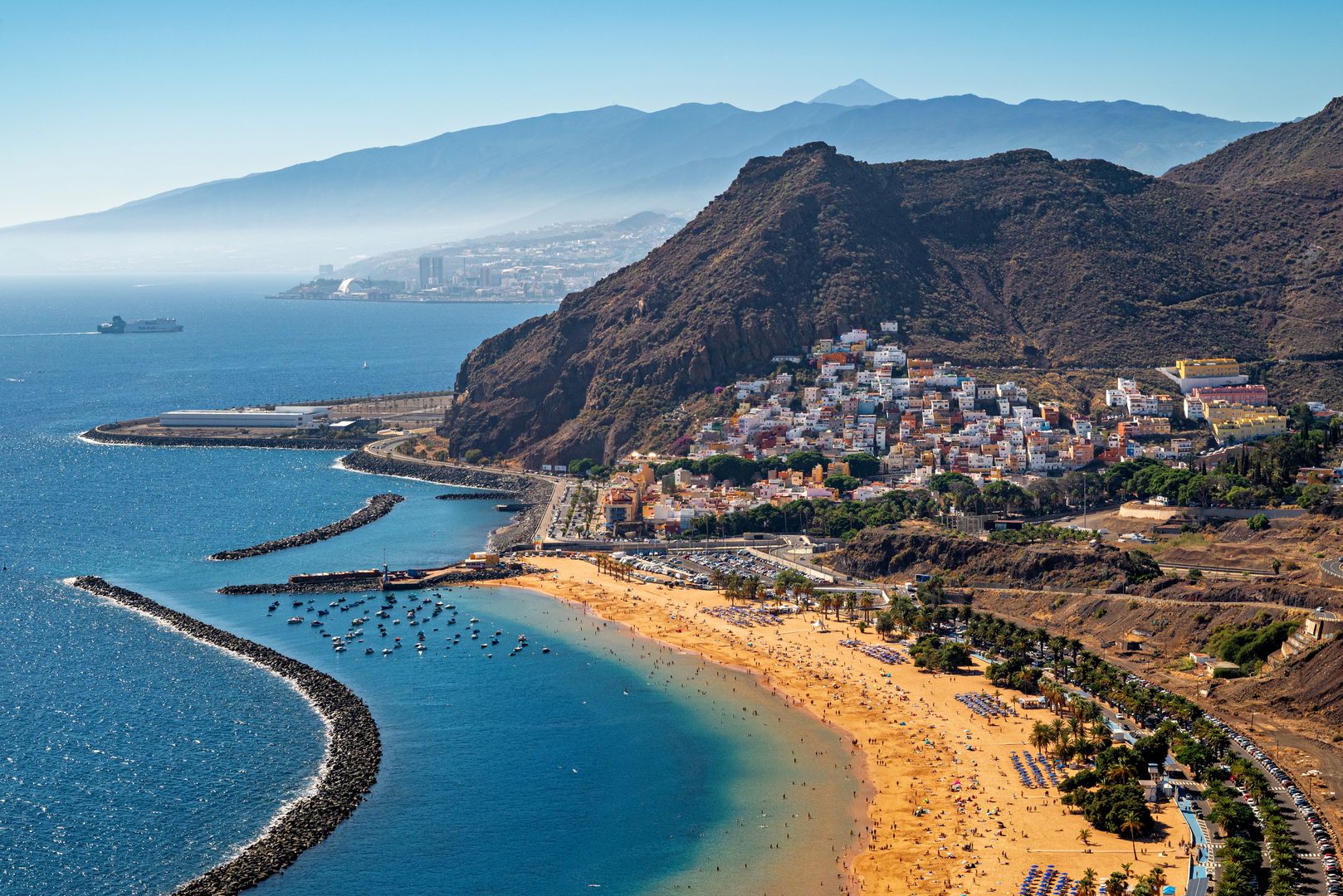
The Canary Islands sit 100km off the coast of Africa yet belong to Spain—making them the winter escape route for northern Europeans seeking guaranteed warmth without leaving the EU. Average temperatures range from 21–26°C even in January, and direct budget flights from the UK and Scandinavia mean the islands are 4–5 hours away. They are why functional winter tans exist north of the Alps. But the four main islands are fundamentally different: Tenerife is the package resort anchor, Gran Canaria offers variety compressed into one island, Lanzarote is geologically distinctive, and Fuerteventura is the wind-and-sand extreme. Choosing between them requires knowing what each actually does well—not just which is most famous.
Henrik Vinter
28 March 2026
greeceRhodes Travel Guide: History, Beaches, and the Medieval Old Town
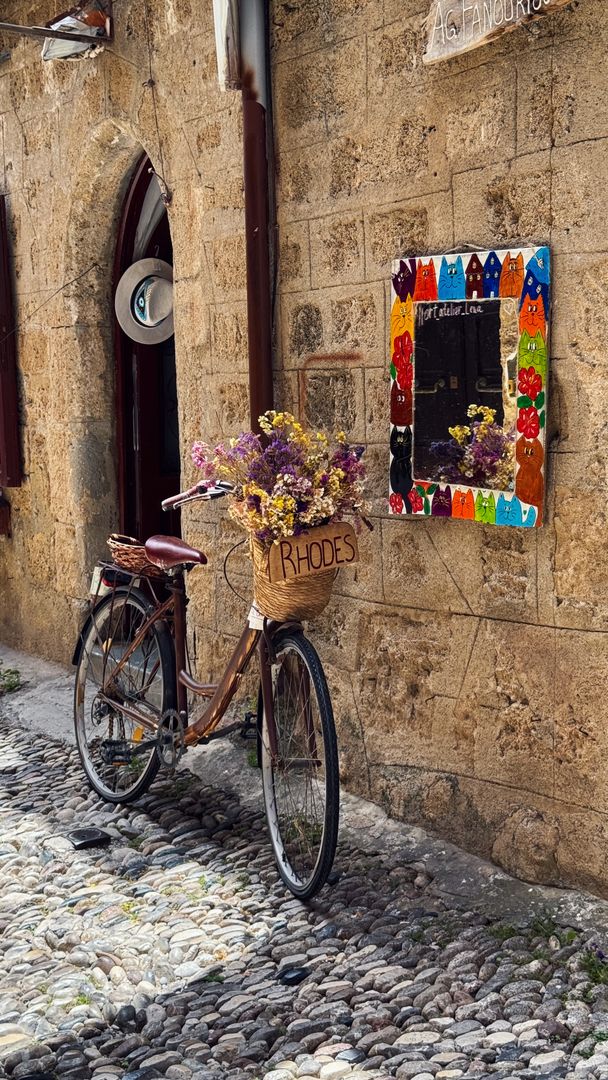
Rhodes is the largest of the Dodecanese islands and home to the most intact medieval city in Europe. The Knights Hospitaller built the Old Town's walls and streets starting in 1309, and those same 4km of stone ramparts and cobblestone alleys function as a living neighbourhood today — restaurants operate in 700-year-old buildings, families live above street-level shops, the city never became a museum. This distinguishes Rhodes fundamentally from Santorini or Mykonos, where historic cores have been hollowed out and rebuilt as tourist infrastructure. Add three genuinely excellent beaches within 50km, an extended warm season, and compact geography that allows real exploration without a car, and you have the most complete island experience in the southern Aegean.
Henrik Vinter

28 March 2026
greeceCorfu Travel Guide: The Green Island of the Ionian
Corfu (Kerkyra in Greek) is the greenest and most Italianate of the major Greek islands, shaped by four centuries of Venetian rule that left behind a capital resembling Ragusa or Genoa rather than the Cycladic whitewash of the Aegean. The interior holds three to four million olive trees, never pruned, only harvested — a legacy of deliberate Venetian planting. The climate is wetter than the Aegean. This combination makes Corfu fundamentally different from what most travellers expect from Greece.
Henrik Vinter

27 March 2026
greeceMykonos Travel Guide: What to Expect and How to Plan the Trip
Mykonos is the most expensive, most international, and most deliberately glamorous Greek island. It is also one of the most fun, if that's what you're after. The Cycladic architecture is genuine — whitewashed alleys, windmills, pelicans. The beach clubs are not subtle. Both coexist on 85km² and it mostly works.
Henrik Vinter

26 March 2026
greeceSantorini Travel Guide: What It's Actually Like and How to Do It Right
Santorini is one of the most photographed places on Earth, and the photos are accurate. The blue-domed churches against white caldera walls, the volcanic cliffs above a submerged crater — they look like that. What the photographs don't convey: Oia in August has 15,000 visitors cycling through a village of 3 km, most hotels with caldera views cost €400–1,000/night in peak season, and the island's famous beaches are black volcanic sand that burns bare feet. Santorini works best as a three-to-five-day stop, not a week-long beach holiday.
Henrik Vinter
26 March 2026
greeceCrete Travel Guide: Greece's Largest Island, Practically Explained
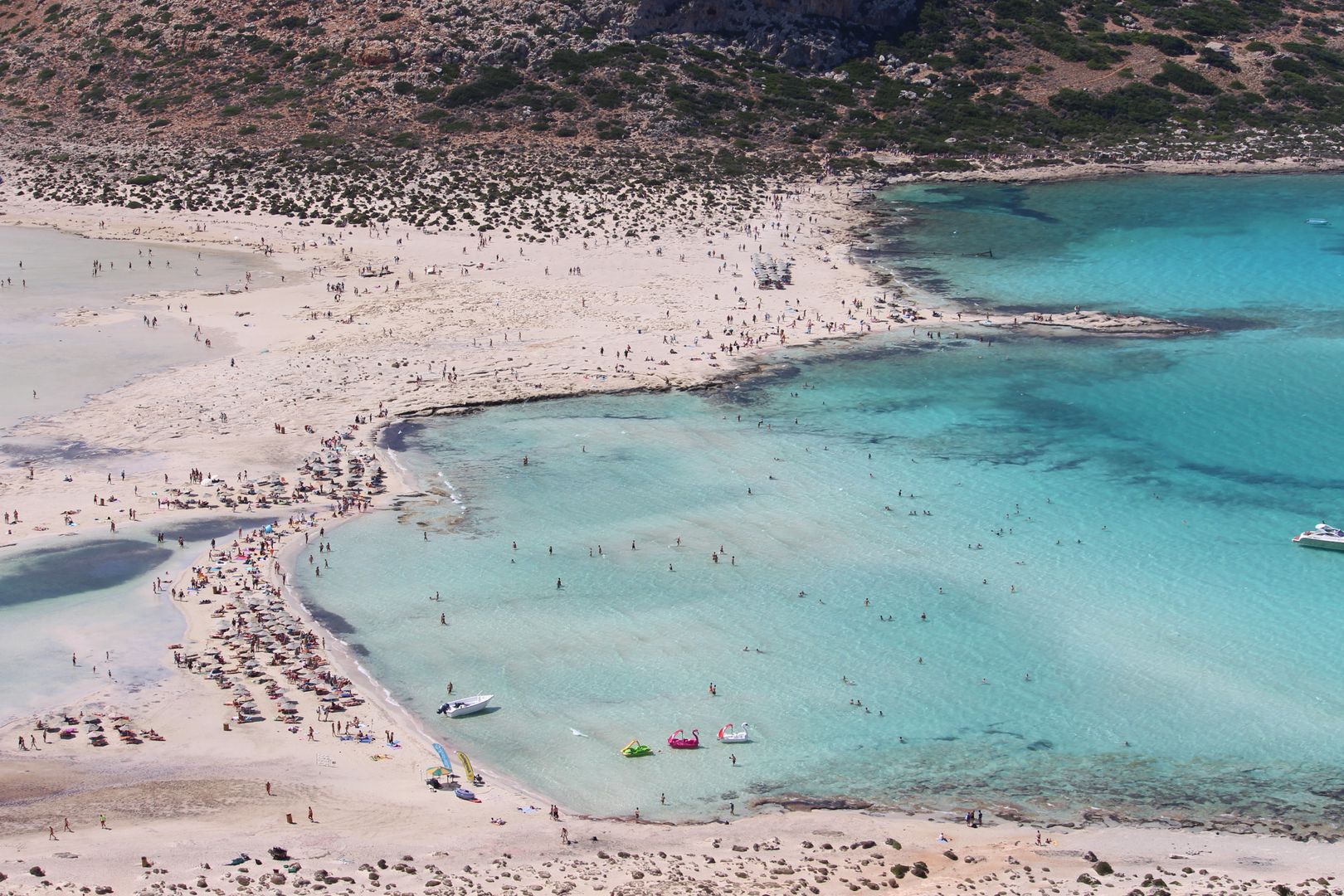
Crete spans 260 kilometres from west to east — longer than the distance from London to Brighton — and the island demands logistical choices that smaller Cycladic alternatives do not. Flying into Heraklion airport on the east coast and booking accommodation in Chania on the west costs €80–120 in transfers or 2.5 hours by bus and makes sense only if you rent a car or commit to one region. That constraint is the point: Crete rewards depth over coverage. Most travellers default to Santorini or Mykonos because their geography is legible in three days. Crete requires that you choose — and that choice determines whether the island reveals itself or remains a series of postcards.
Henrik Vinter

14 March 2026
thailandHua Hin Travel Guide: Thailand's Royal Resort Town
Hua Hin has hosted the Thai royal family since 1923, when King Rama VII built Klai Kangwon Palace on the Gulf coast—a fact that still shapes the town's character today. While most travellers flying south from Bangkok head for islands or Phuket, Hua Hin sits just 2.5 hours away by train, offers a cleaner beach than Pattaya, and serves better seafood than either. It's Thailand's oldest beach resort, favoured by Thai families and retirees rather than backpackers, which means fewer neon bars, fewer jet-ski touts, and a distinctly more local atmosphere. For anyone with four to five days and a base in Bangkok, Hua Hin avoids the flight-connection trap while delivering a genuine beach break—just not the one you've seen on Instagram.
Henrik Vinter
12 March 2026
thailandKoh Tao Diving Guide: What First-Timers Need to Know
More than 100,000 people complete their PADI Open Water certification on Koh Tao every year — roughly equivalent to the entire resident population of the 21km² island turning over as tourists every twelve months. At any time during peak season, one in three visitors is in a dive school's four-day course. The infrastructure for training is exceptional: over 70 operators, equipment for thousands, instructors in a dozen languages, and certification costs roughly 50% of what you'd pay in Europe or Australia. This scale defines the island entirely — it's not a diving destination that happens to have schools, it's a diving school that happens to be on an island.
Henrik Vinter

10 March 2026
thailandKrabi Travel Guide: Railay, Rock Climbing, and Island Hopping
Krabi province is not a single destination — it's a collection of beaches, islands, and limestone formations spread across a 4,500 km² region, and where you choose to base yourself determines almost everything about your trip. Most first-timers settle in Ao Nang, a roadside beach town on the mainland, but many should actually skip it entirely and go straight to Railay Beach, which has no road access and feels like a different universe 15 minutes away by boat. Understanding the geography first — and being honest about what's actually worth your time — separates a good Krabi trip from a wasted week in a mediocre beach town.
Henrik Vinter

9 March 2026
thailandKoh Samui Travel Guide: The Honest First-Timer's Briefing
Koh Samui is Thailand's second-largest island and the first major coastal resort destination that actually has functioning infrastructure: an airport, a hospital, internet that doesn't cut out mid-email, and seven-elevens on every corner. It's not the backpacker hideout it was 20 years ago. It's a developed beach island that works for families, couples, and anyone who wants reliable services alongside sand — but that reliability comes with crowds, higher prices, and a taxi cartel that prices journeys with the efficiency of a Stockholm auction house.
Henrik Vinter

8 March 2026
thailandKoh Phi Phi: What First-Timers Need to Know
Phi Phi is two islands with entirely different purposes, and confusing the two ruins most people's visits. Phi Phi Don—the inhabited one—receives roughly three thousand visitors daily and hosts what Thailand's backpacker circuit calls a "full-on party scene," which is accurate in Tonsai Village but misleading if you stay on Hat Yao. Phi Phi Leh, uninhabited except for day-trippers, is the postcard: Maya Bay and its surrounding snorkel circuit. The decision isn't whether Phi Phi is worth visiting—it's whether you're buying the full experience or just the snorkeling.
Henrik Vinter

5 February 2026
brazilRio de Janeiro Beyond the Postcard: A Practical First-Timer's Guide
Rio de Janeiro is one of the most beautifully situated cities on earth — granite peaks rising 700m from the Atlantic, Atlantic Forest in the city limits, beaches that curve around the bay like a postcard that happens to be real. It is also a city with stark inequality and street crime concentrated in specific patterns. Both facts exist at the same time. The second one, understood precisely, makes the first one accessible.
Henrik Vinter

4 February 2026
indiaGoa vs Kerala: Which Part of South India Should You Choose
Goa and Kerala are 400km apart and almost completely different destinations. Goa is a beach holiday: colonial Portuguese towns, nightlife, beach shacks, and established tourist infrastructure. Kerala is a cultural and ecological experience: backwaters, tea plantations, ayurveda, and a food tradition that stands apart from the rest of India. The question "Goa vs Kerala — which is better" has no answer because they solve different problems. You can visit both in a two-week trip; you shouldn't try to combine them into a single experience.
Henrik Vinter

29 January 2026
tanzaniaZanzibar: What the Island Is Actually Like (and What to Do There)
Zanzibar is 35km off the coast of Tanzania in the Indian Ocean, a spice island with a genuinely distinctive Swahili-Arab heritage concentrated in Stone Town and some of the finest beaches in East Africa. The misconception is that you come here for the beach alone—a resort lounge and airport transfer. The island delivers far more if you move between the old town's alleyways, the night market at sunset, and two or three different beach locations depending on what you want: swimming reliability, photogenic sand, or wind for kitesurfing. It is more expensive than mainland Tanzania, and some of the most-photographed beachfront hotels charge premium rates for mediocre delivery. The north coast (Nungwi, Kendwa) offers better value and more consistent swimming. The east coast (Paje, Jambiani) has the postcard sand but punishes you with a 200–400m tidal swing that empties the sea for hours each day.
Henrik Vinter