51 articles
23 June 2026
thailandThings to Do on Koh Mak: Cycling, Snorkelling and Koh Kham
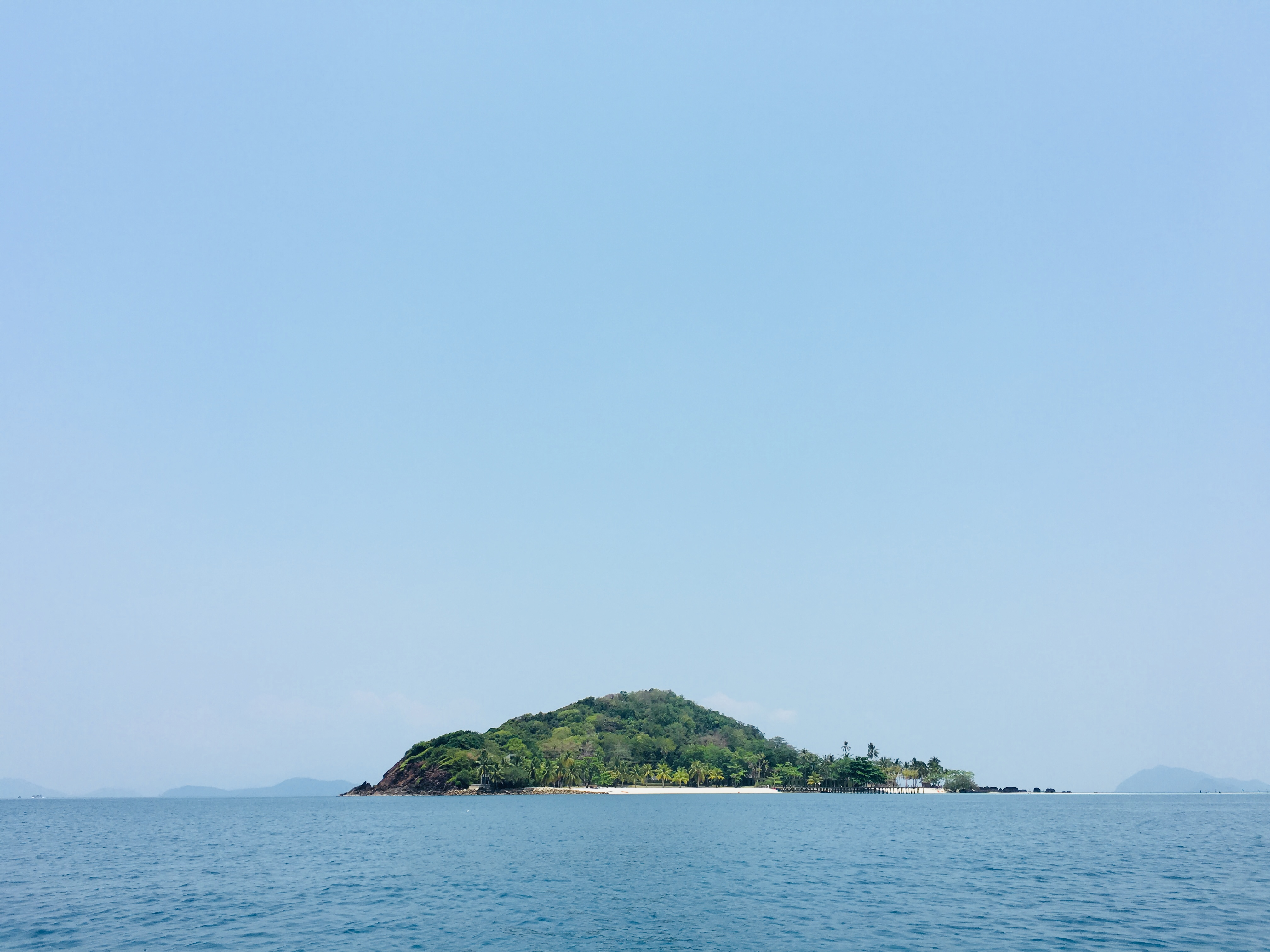
Koh Mak is built for slowness, and most of its best hours are spent on a bicycle, in the water, or doing very little. But it has a genuine signature — it is flat enough to cycle end to end — plus the archipelago's best snorkelling on its doorstep and a tiny island day trip just offshore. Here is what is actually worth doing.
Henrik Vinter
21 June 2026
thailandThe Best Beaches on Koh Mak (and Which to Skip)
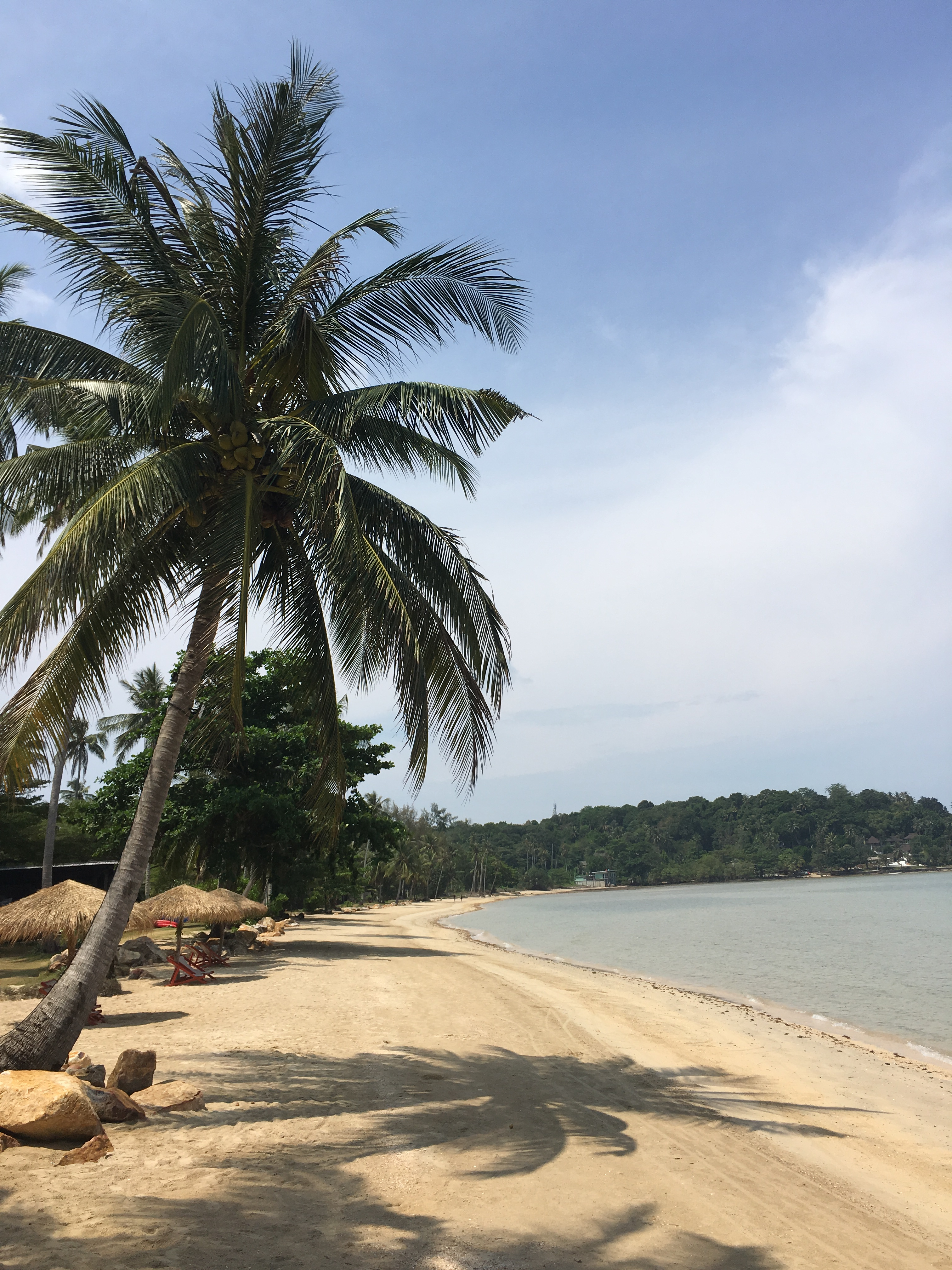
Koh Mak has two beaches worth planning your trip around and several smaller ones worth a cycle, but it is honest to say not all of them are swimming beaches — some go shallow and weedy at low tide, and one is really a working pier. Here is what each Koh Mak beach is actually like, so you base yourself on the right sand.
Henrik Vinter
19 June 2026
thailandThings to Do on Koh Kood Beyond the Beach
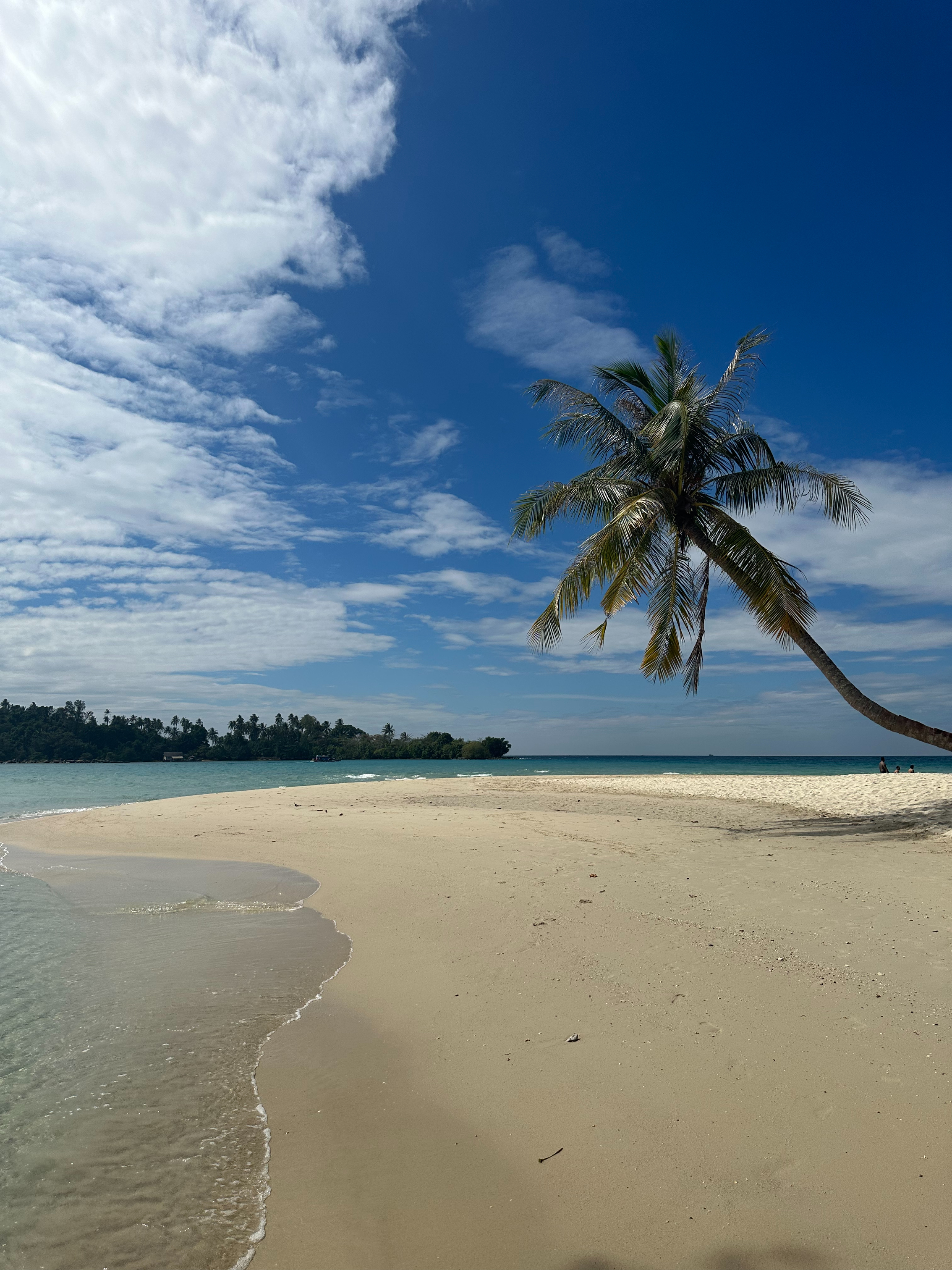
Koh Kood rewards people who do almost nothing, but the island has a real spine of jungle, waterfalls, and fishing villages if you want more than sand. None of it is a theme-park attraction — it is a waterfall you kayak to, a 500-year-old tree, a reef you reach by boat. Here is what is actually worth the scooter ride.
Henrik Vinter
17 June 2026
thailandWhere to Stay on Koh Mak: Ao Kao vs Ao Suan Yai and Beyond
Koh Mak's accommodation gathers on two beaches — Ao Kao on the south-west and Ao Suan Yai on the north-west — with a scattering of remote places on the quieter coasts. The island is flat and small enough to cycle across, so the choice is less about logistics than about which beach you want to wake up on. Here is the honest difference between them.
Henrik Vinter
16 June 2026
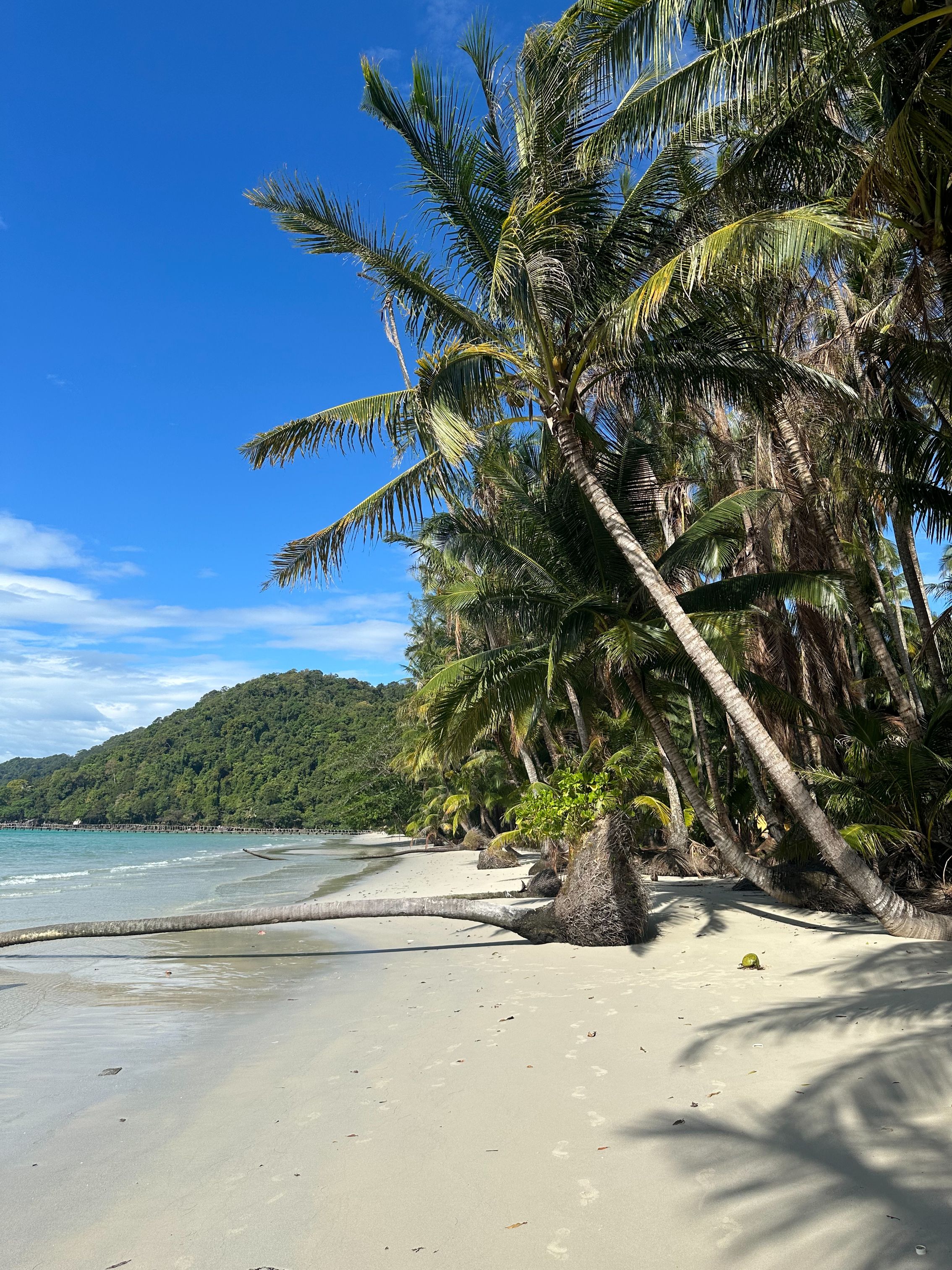
thailandThe Best Beaches on Koh Kood, Ranked by What You Want
Koh Kood has the clearest water of the three main islands in the Trat archipelago, but its beaches are not interchangeable: some are all-rounders with food and resorts, others are empty stretches you reach by scooter, and a couple are working fishing villages where you would not actually swim. Here is which beach matches which kind of day.
Henrik Vinter
13 June 2026
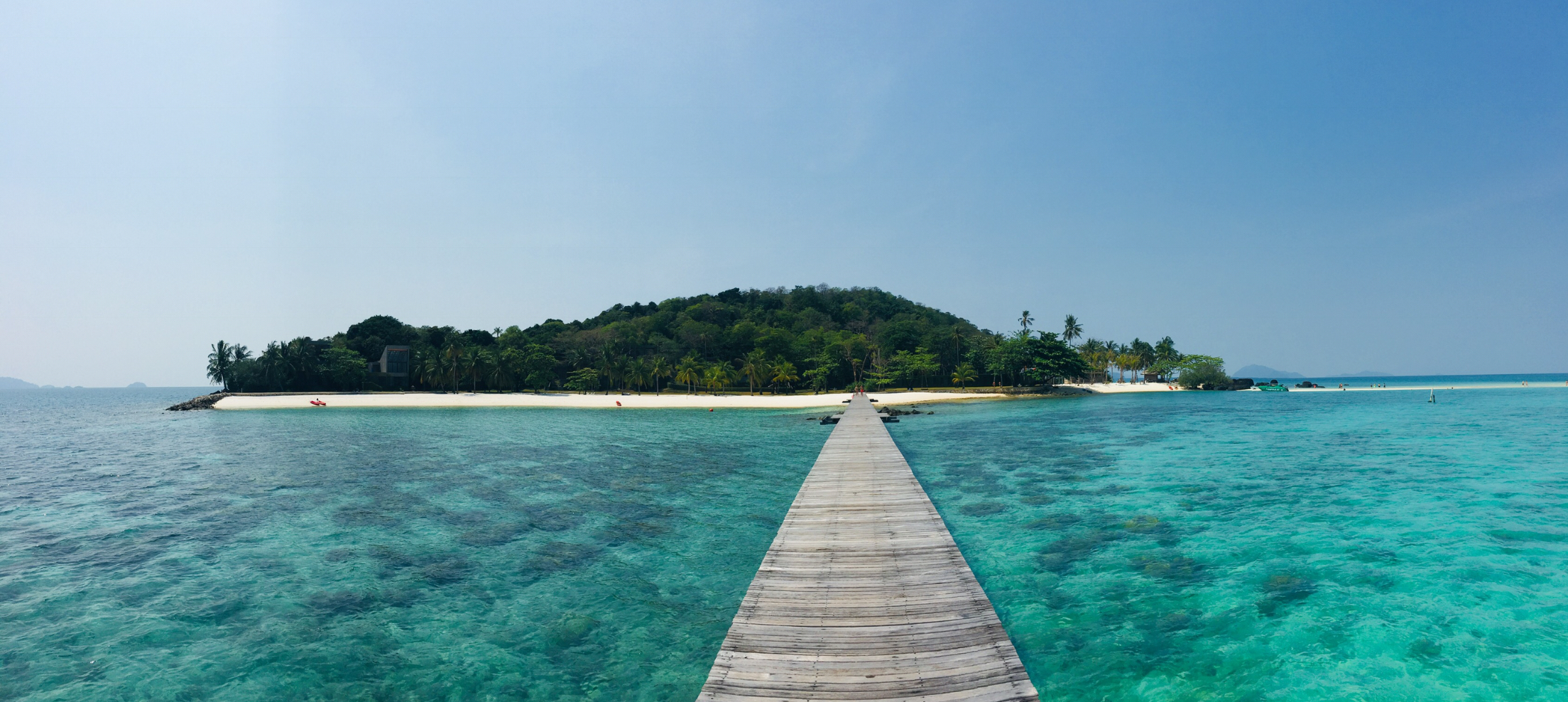
thailandWhere to Stay on Koh Kood: An Honest Area-by-Area Guide
Koh Kood is bigger than it looks on a map and its beaches are spread along a single coast road, so where you base yourself decides how your days feel — walkable and social, or properly remote. Most first-timers should stay around Klong Chao. Here is what each area is actually like, who it suits, and where you will need a scooter to do anything.
Henrik Vinter
10 June 2026
thailandHow to Get to Koh Mak: Routes from Bangkok, Koh Chang and Koh Kood
Koh Mak sits in the middle of the Trat archipelago, halfway between Koh Chang and Koh Kood, which makes it the easiest of the three to fold into an island-hopping trip and the one most people reach by combining it with a neighbour. There is no airport and no bridge — every route runs through a ferry. Here is each one, with times and the seasonal catches.
Henrik Vinter
9 June 2026
thailandHow to Get to Koh Kood: Every Route from Bangkok
Koh Kood sits in the far south-east corner of Thailand, closer to Cambodia than to Bangkok, and there is no airport on the island. Reaching it means getting to Trat province first, then a ferry from Laem Sok pier. The chain is longer than for Phuket or Samui, but it runs on one bookable ticket — here is every route, what it costs, and where people lose half a day.
Henrik Vinter
4 June 2026
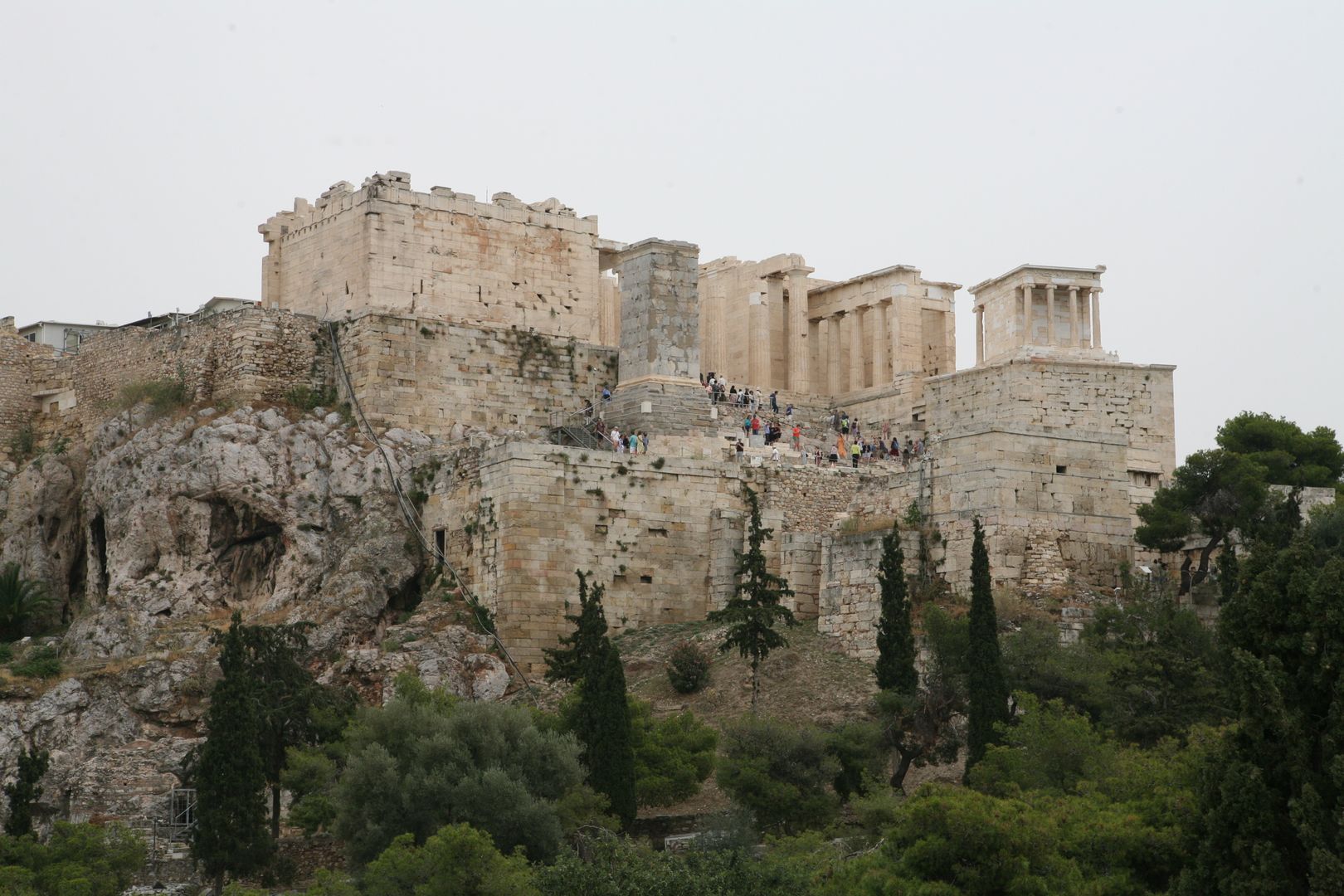
greeceZakynthos Travel Guide: Navagio Beach, Sea Turtles, and the Blue Caves
Zakynthos — marketed internationally as Zante — is an Ionian island on Greece's west coast. The island's most circulated image is Navagio Beach (Shipwreck Beach): a rusted 1980s cargo ship run aground in a white-sand cove enclosed by vertical limestone cliffs, with water the…
Henrik Vinter

4 June 2026
croatiaHvar Travel Guide: Getting There, Where to Stay, and What to Skip
Hvar is the longest island in the Adriatic at 68km, but the parts that most visitors come for occupy a few square kilometres at the western tip. The island has been a tourist destination since the Austrian imperial period in the 19th century; it has the best-developed…
Henrik Vinter
4 June 2026
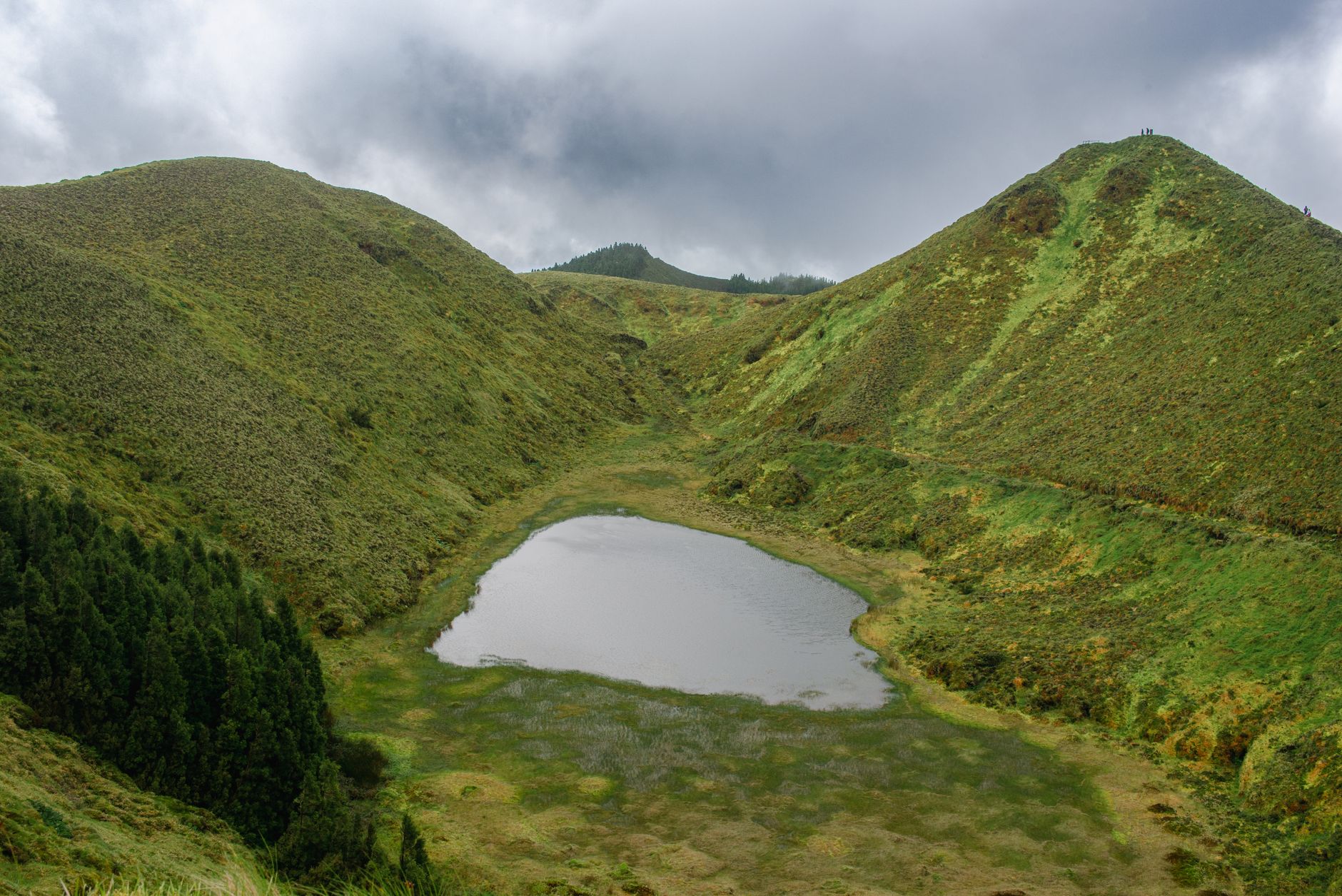
portugalAzores Travel Guide: Which Islands, What to Expect, and How to Plan the Trip
The Azores is nine volcanic islands in the mid-Atlantic, 1,500km west of Lisbon — roughly the same distance as Lisbon to Moscow. The archipelago is Portuguese since the 15th century, geologically among the youngest land masses in the Atlantic. Each island has a distinct…
Henrik Vinter

4 June 2026
portugalMadeira Travel Guide: Levada Walks, Funchal, and Why the Season Doesn't Matter
Madeira sits 600km southwest of Lisbon and 700km west of the Moroccan coast in the Atlantic. The island is volcanic, mountainous, and receives between 16°C and 26°C year-round — the south coast around Funchal gets around 2,700 hours of sunshine annually. The "island of eternal…
Henrik Vinter
29 May 2026
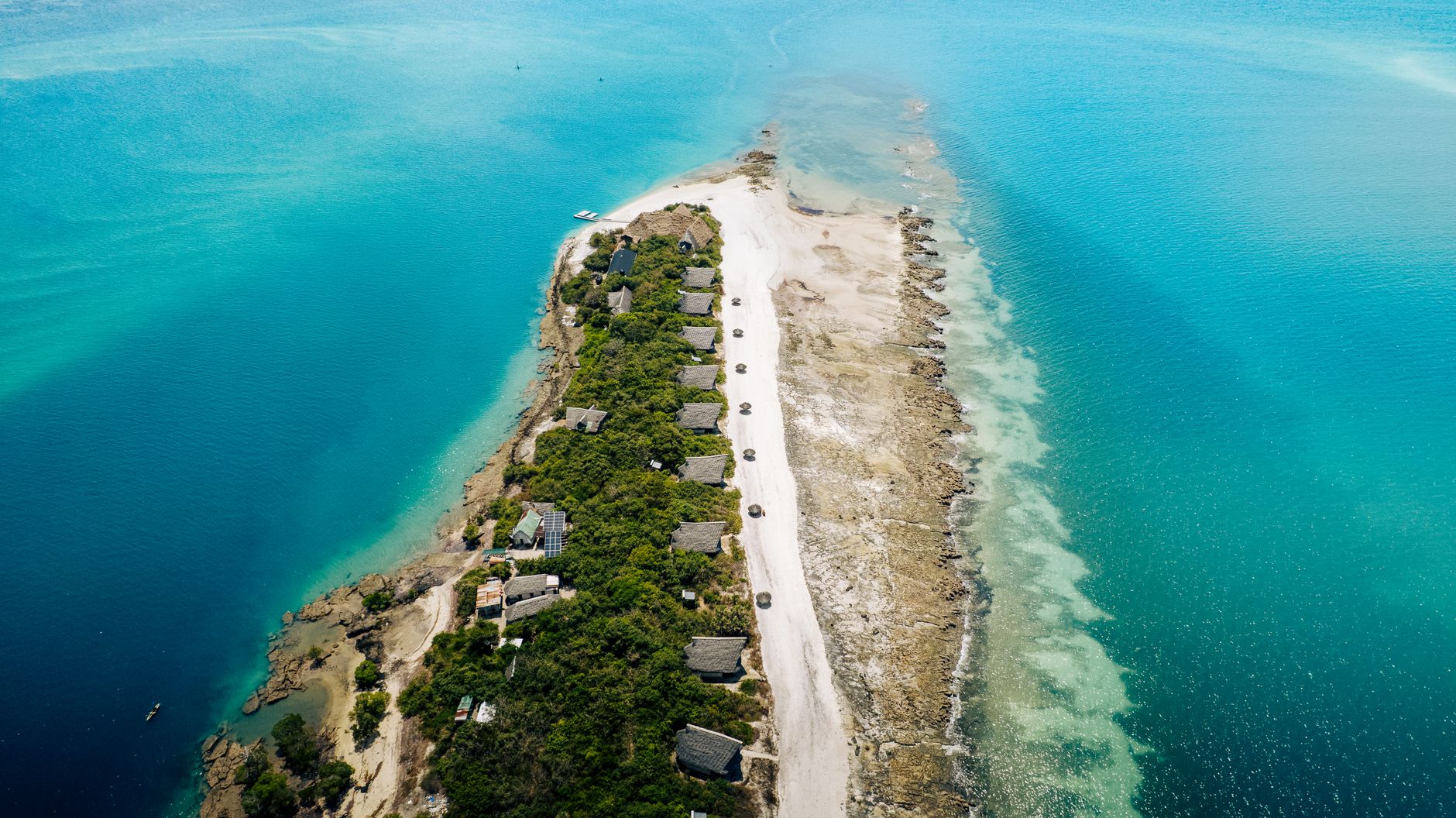
tanzaniaMnemba Island: Zanzibar's Best Dive Atoll
Mnemba Island sits about 3km off the northeast coast of Zanzibar — a flat coral atoll barely a kilometre across, ringed by some of the most intact reef in the western Indian Ocean. The island itself is private. The marine area around it is what draws divers and snorkellers from…
Henrik Vinter

28 May 2026
croatiaKorčula Travel Guide: The Dalmatian Island Town
Korčula town sits at the tip of a peninsula on the northern shore of the island of the same name, its medieval old town rising on a headland with the Adriatic on three sides. The fortified walls, towers, and the herringb
Henrik Vinter
24 May 2026
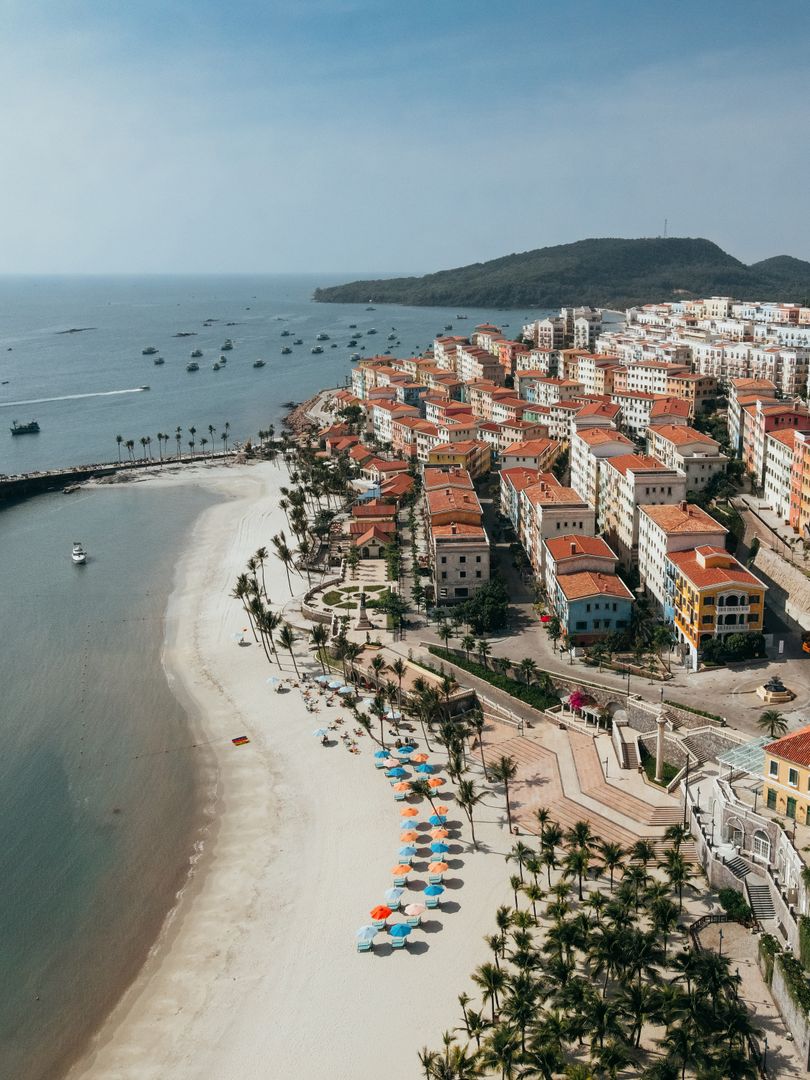
vietnamPhu Quoc Travel Guide: Vietnam's Island That Got Discovered Twice
Phu Quoc is Vietnam's largest island — 589 km² off the southwest coast, closer to Cambodia than to Ho Chi Minh City. An international airport opened in 2012; a casino resort opened in 2020; an elevated cable car crosses 8km of sea to a theme park island. Long Beach is still a long beach. The north still has a national park.
Henrik Vinter
20 May 2026
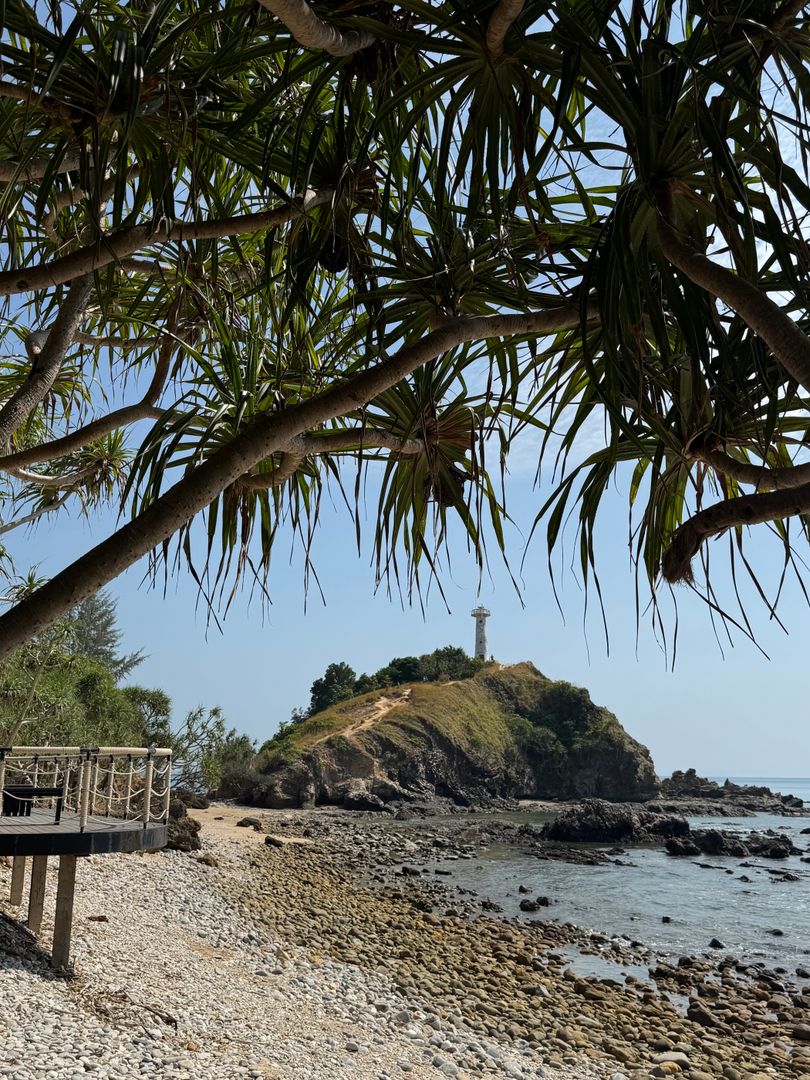
thailandKoh Lanta Travel Guide: The Andaman Island That Trades Crowds for Coral
Koh Lanta sits south of Krabi in the Andaman Sea — long enough to have a proper road, small enough that most of it stays quiet. Long Beach stretches 4km without jet-ski operators; the national park at the southern tip costs 200 baht to enter and is almost never full.
Henrik Vinter
18 May 2026
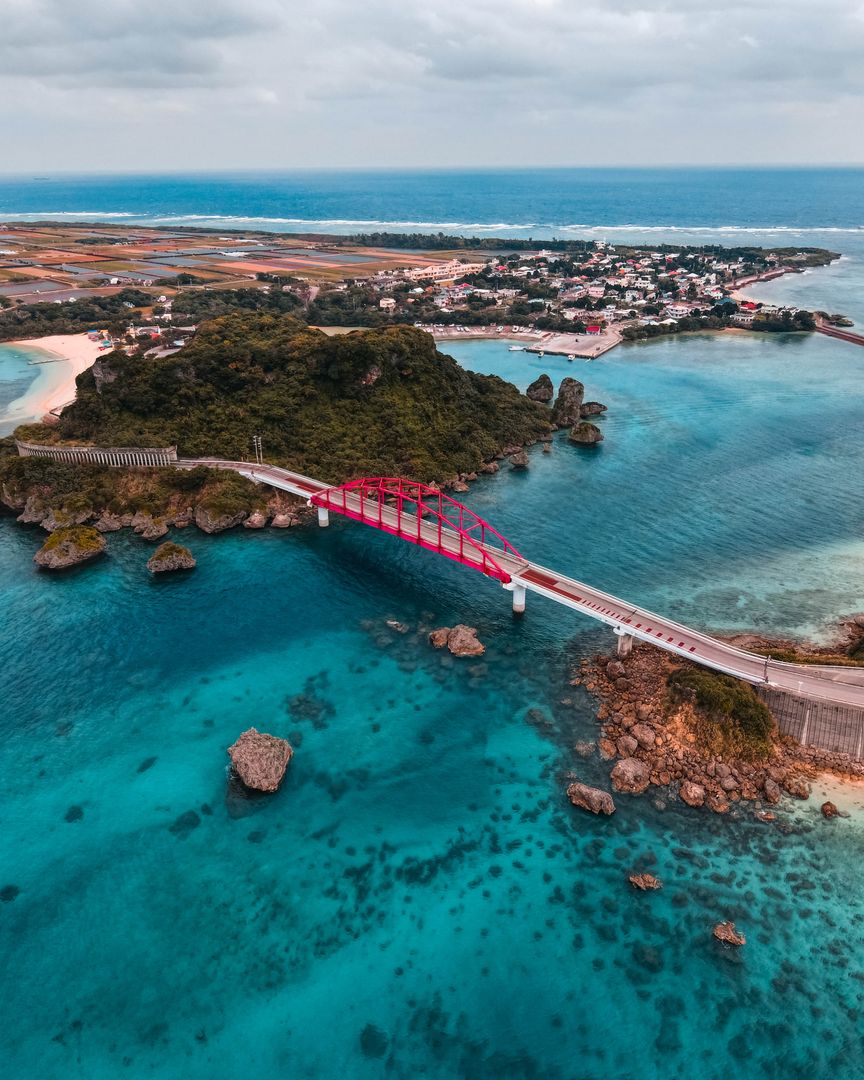
japanOkinawa Travel Guide: Japan's Subtropical Islands, Explained
Okinawa Prefecture consists of 160 islands spread across 1,000km of ocean between Japan and Taiwan. The main island has traffic, Shuri Castle, and the most US military bases outside the continental United States. The outer islands have some of the clearest water in Japan and almost no one on them.
Henrik Vinter
14 May 2026
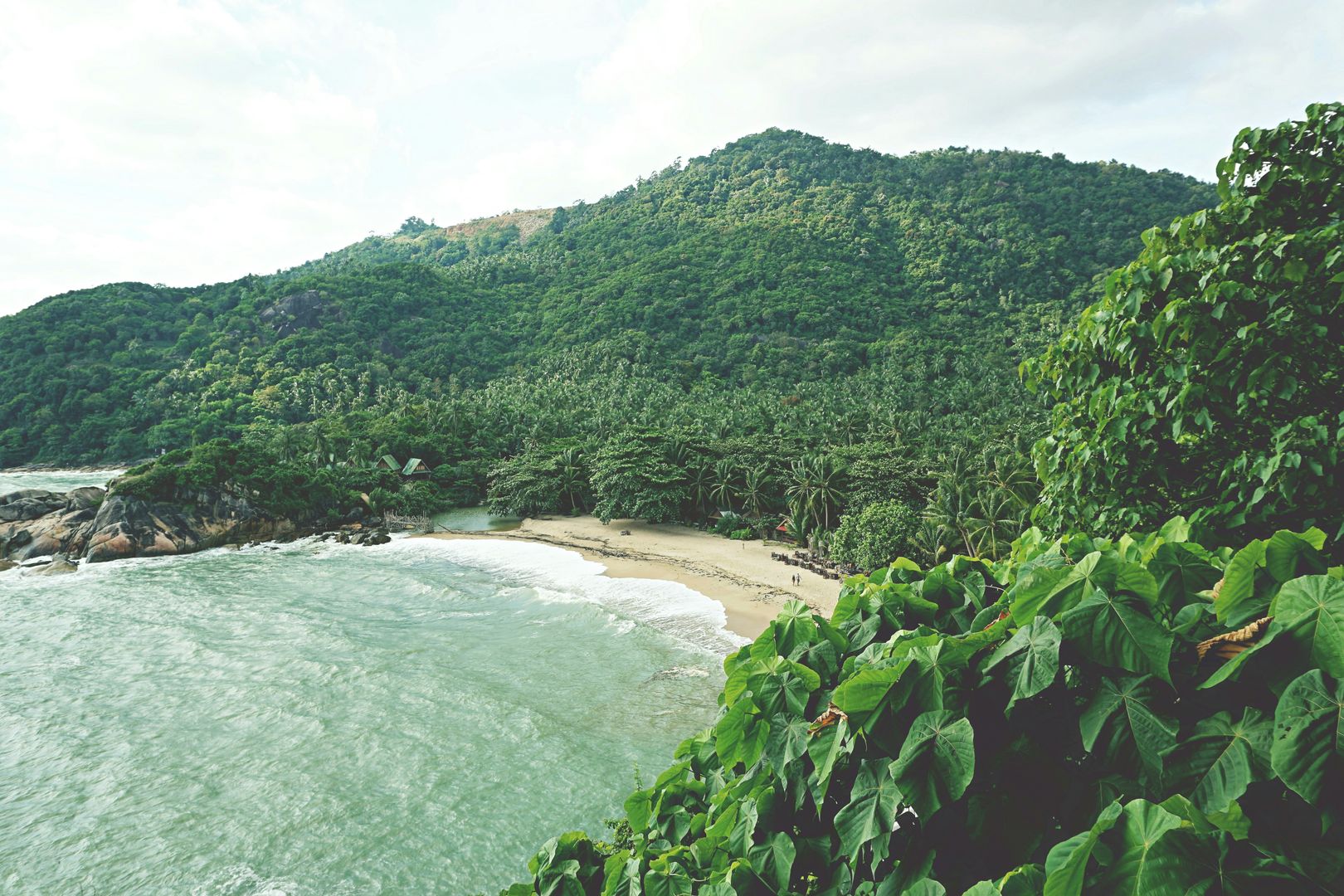
thailandKoh Phangan Travel Guide: Beyond the Full Moon Party
The Full Moon Party is real and it is worth doing once. But Koh Phangan is also a 168 km² island with a national park, a dozen quiet bays, a functioning yoga industry, and some of the best seafood in the Gulf of Thailand. Most of it has nothing to do with buckets and neon paint.
Henrik Vinter

6 May 2026
philippinesSiargao Travel Guide: Cloud 9, Island Hopping, and the Coconut Road
Siargao built its reputation on the Cloud 9 surf break. The teardrop-shaped island in the Philippine Sea has more going for it than one wave — here's how to see it properly.
Henrik Vinter
29 April 2026
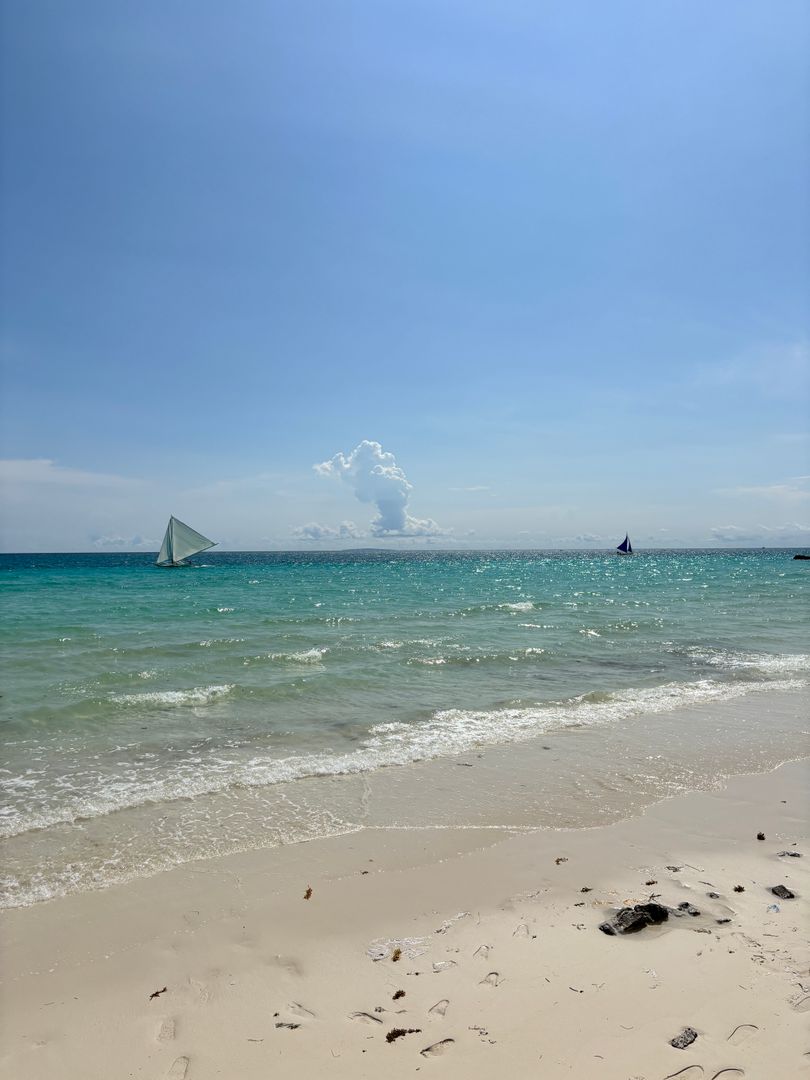
philippinesBoracay Travel Guide: White Beach After the Cleanup
Boracay closed to tourists for six months in 2018 for environmental rehabilitation. The island reopened cleaner and more regulated. Here's what it's actually like now.
Henrik Vinter
3 April 2026
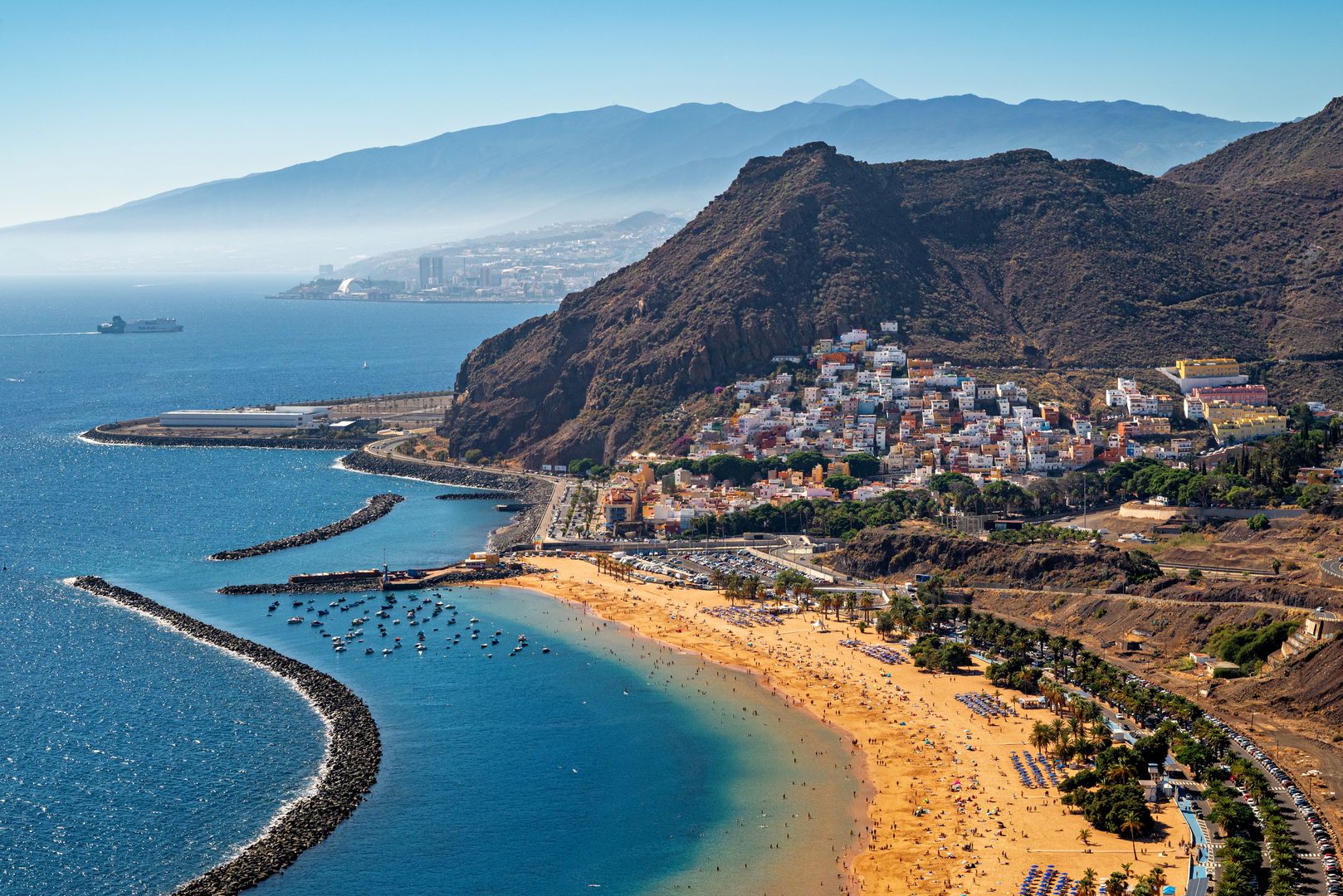
spainThe Canary Islands: Choosing Between Tenerife, Gran Canaria, and Lanzarote
The Canary Islands sit 100km off the coast of Africa yet belong to Spain—making them the winter escape route for northern Europeans seeking guaranteed warmth without leaving the EU. Average temperatures range from 21–26°C even in January, and direct budget flights from the UK and Scandinavia mean the islands are 4–5 hours away. They are why functional winter tans exist north of the Alps. But the four main islands are fundamentally different: Tenerife is the package resort anchor, Gran Canaria offers variety compressed into one island, Lanzarote is geologically distinctive, and Fuerteventura is the wind-and-sand extreme. Choosing between them requires knowing what each actually does well—not just which is most famous.
Henrik Vinter

31 March 2026
greeceThe Greek Islands: How to Choose the Right One
There are 227 inhabited Greek islands. Most travel articles recommend the same five: Santorini, Mykonos, Crete, Rhodes, and Naxos. This guide strips away that noise and matches you to the island that actually fits how you travel, what you value, and how much time you have. The goal isn't comprehensiveness — it's a decision framework that works.
Henrik Vinter

28 March 2026
greeceCorfu Travel Guide: The Green Island of the Ionian
Corfu (Kerkyra in Greek) is the greenest and most Italianate of the major Greek islands, shaped by four centuries of Venetian rule that left behind a capital resembling Ragusa or Genoa rather than the Cycladic whitewash of the Aegean. The interior holds three to four million olive trees, never pruned, only harvested — a legacy of deliberate Venetian planting. The climate is wetter than the Aegean. This combination makes Corfu fundamentally different from what most travellers expect from Greece.
Henrik Vinter
28 March 2026
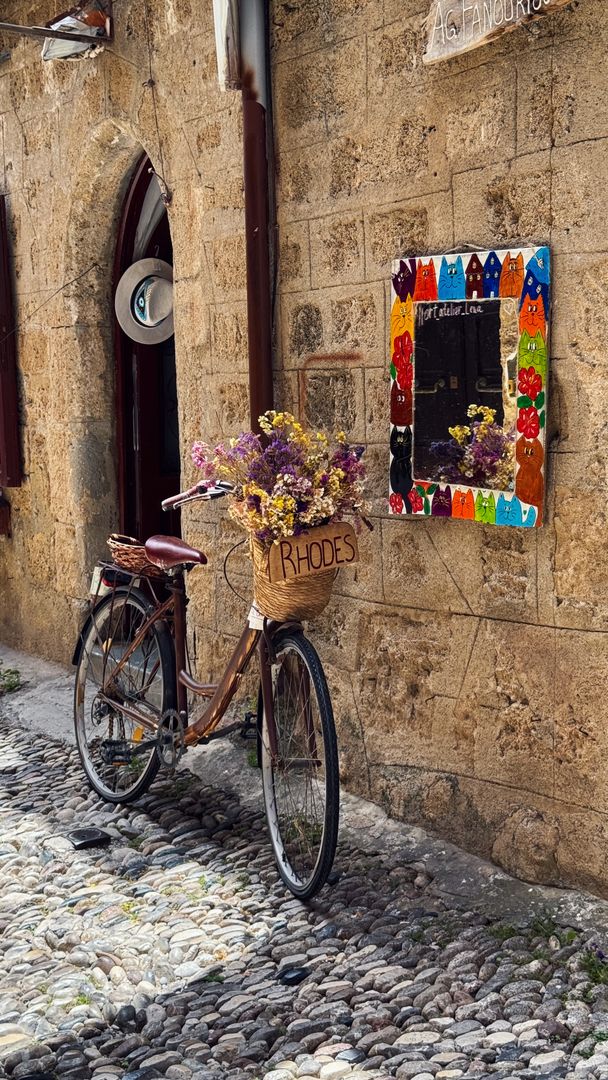
greeceRhodes Travel Guide: History, Beaches, and the Medieval Old Town
Rhodes is the largest of the Dodecanese islands and home to the most intact medieval city in Europe. The Knights Hospitaller built the Old Town's walls and streets starting in 1309, and those same 4km of stone ramparts and cobblestone alleys function as a living neighbourhood today — restaurants operate in 700-year-old buildings, families live above street-level shops, the city never became a museum. This distinguishes Rhodes fundamentally from Santorini or Mykonos, where historic cores have been hollowed out and rebuilt as tourist infrastructure. Add three genuinely excellent beaches within 50km, an extended warm season, and compact geography that allows real exploration without a car, and you have the most complete island experience in the southern Aegean.
Henrik Vinter

27 March 2026
greeceMykonos Travel Guide: What to Expect and How to Plan the Trip
Mykonos is the most expensive, most international, and most deliberately glamorous Greek island. It is also one of the most fun, if that's what you're after. The Cycladic architecture is genuine — whitewashed alleys, windmills, pelicans. The beach clubs are not subtle. Both coexist on 85km² and it mostly works.
Henrik Vinter

26 March 2026
greeceSantorini Travel Guide: What It's Actually Like and How to Do It Right
Santorini is one of the most photographed places on Earth, and the photos are accurate. The blue-domed churches against white caldera walls, the volcanic cliffs above a submerged crater — they look like that. What the photographs don't convey: Oia in August has 15,000 visitors cycling through a village of 3 km, most hotels with caldera views cost €400–1,000/night in peak season, and the island's famous beaches are black volcanic sand that burns bare feet. Santorini works best as a three-to-five-day stop, not a week-long beach holiday.
Henrik Vinter
26 March 2026
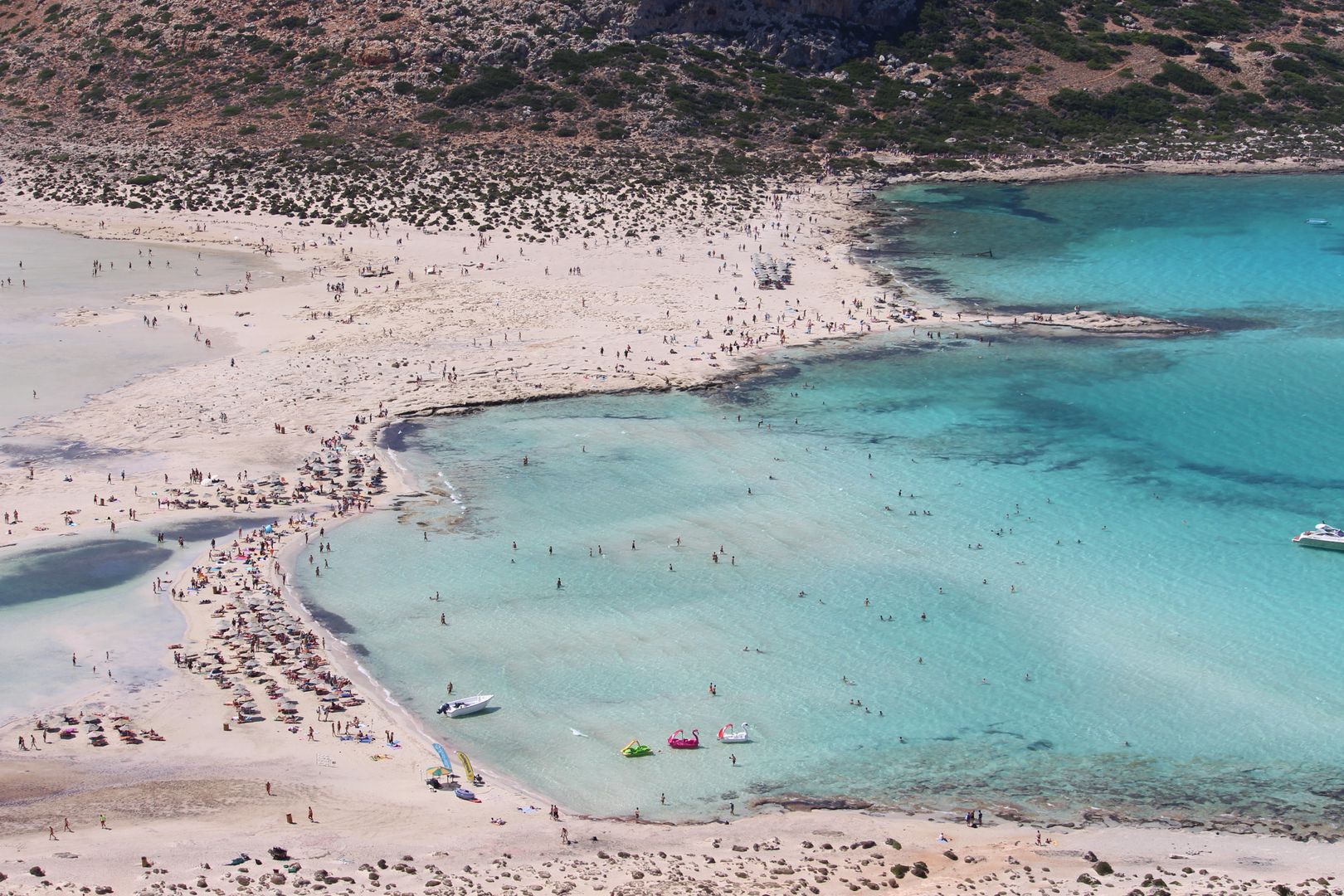
greeceCrete Travel Guide: Greece's Largest Island, Practically Explained
Crete spans 260 kilometres from west to east — longer than the distance from London to Brighton — and the island demands logistical choices that smaller Cycladic alternatives do not. Flying into Heraklion airport on the east coast and booking accommodation in Chania on the west costs €80–120 in transfers or 2.5 hours by bus and makes sense only if you rent a car or commit to one region. That constraint is the point: Crete rewards depth over coverage. Most travellers default to Santorini or Mykonos because their geography is legible in three days. Crete requires that you choose — and that choice determines whether the island reveals itself or remains a series of postcards.
Henrik Vinter

12 March 2026
thailandKoh Tao Diving Guide: What First-Timers Need to Know
More than 100,000 people complete their PADI Open Water certification on Koh Tao every year — roughly equivalent to the entire resident population of the 21km² island turning over as tourists every twelve months. At any time during peak season, one in three visitors is in a dive school's four-day course. The infrastructure for training is exceptional: over 70 operators, equipment for thousands, instructors in a dozen languages, and certification costs roughly 50% of what you'd pay in Europe or Australia. This scale defines the island entirely — it's not a diving destination that happens to have schools, it's a diving school that happens to be on an island.
Henrik Vinter

10 March 2026
thailandKrabi Travel Guide: Railay, Rock Climbing, and Island Hopping
Krabi province is not a single destination — it's a collection of beaches, islands, and limestone formations spread across a 4,500 km² region, and where you choose to base yourself determines almost everything about your trip. Most first-timers settle in Ao Nang, a roadside beach town on the mainland, but many should actually skip it entirely and go straight to Railay Beach, which has no road access and feels like a different universe 15 minutes away by boat. Understanding the geography first — and being honest about what's actually worth your time — separates a good Krabi trip from a wasted week in a mediocre beach town.
Henrik Vinter

9 March 2026
thailandKoh Samui Travel Guide: The Honest First-Timer's Briefing
Koh Samui is Thailand's second-largest island and the first major coastal resort destination that actually has functioning infrastructure: an airport, a hospital, internet that doesn't cut out mid-email, and seven-elevens on every corner. It's not the backpacker hideout it was 20 years ago. It's a developed beach island that works for families, couples, and anyone who wants reliable services alongside sand — but that reliability comes with crowds, higher prices, and a taxi cartel that prices journeys with the efficiency of a Stockholm auction house.
Henrik Vinter

8 March 2026
thailandKoh Phi Phi: What First-Timers Need to Know
Phi Phi is two islands with entirely different purposes, and confusing the two ruins most people's visits. Phi Phi Don—the inhabited one—receives roughly three thousand visitors daily and hosts what Thailand's backpacker circuit calls a "full-on party scene," which is accurate in Tonsai Village but misleading if you stay on Hat Yao. Phi Phi Leh, uninhabited except for day-trippers, is the postcard: Maya Bay and its surrounding snorkel circuit. The decision isn't whether Phi Phi is worth visiting—it's whether you're buying the full experience or just the snorkeling.
Henrik Vinter

8 March 2026
united statesMaui Travel Guide: A First-Timer's Practical Briefing
Maui is the second-largest Hawaiian island and the one deliberately engineered for tourists. The resort infrastructure is concentrated, the beaches are genuinely excellent, and the costs are high: a week for two people runs roughly $4,500–7,000 including flights from the US mainland, accommodation, car rental, and meals — comparable to a Maldives trip but for a fundamentally different experience. The question is whether Maui's particular appeal — excellent snorkelling, reliable weather, proximity to the volcano, whale watching in season — justifies it over the Big Island or a return to somewhere you've already been.
Henrik Vinter

2 March 2026
thailandPhuket Travel Guide: What First-Timers Get Wrong
Phuket is Thailand's largest island and its most visited — which means it contains both the country's most developed resort infrastructure and some of its most degraded beach environments side by side. Where you stay determines which Phuket you experience. The island has split into distinct zones: Patong, the neon-bright resort strip; Kata and Karon, quieter southern beaches; Bang Tao and Kamala in the north, where higher-end hotels cluster; Rawai and Nai Harn to the south, for those wanting less tourism density; and Phuket Town itself, a genuine old commercial centre that most beach-focused visitors skip. Understanding these geographies is the difference between a productive stay and wasting transport time chasing a beach experience that doesn't match your pace.
Henrik Vinter
28 February 2026
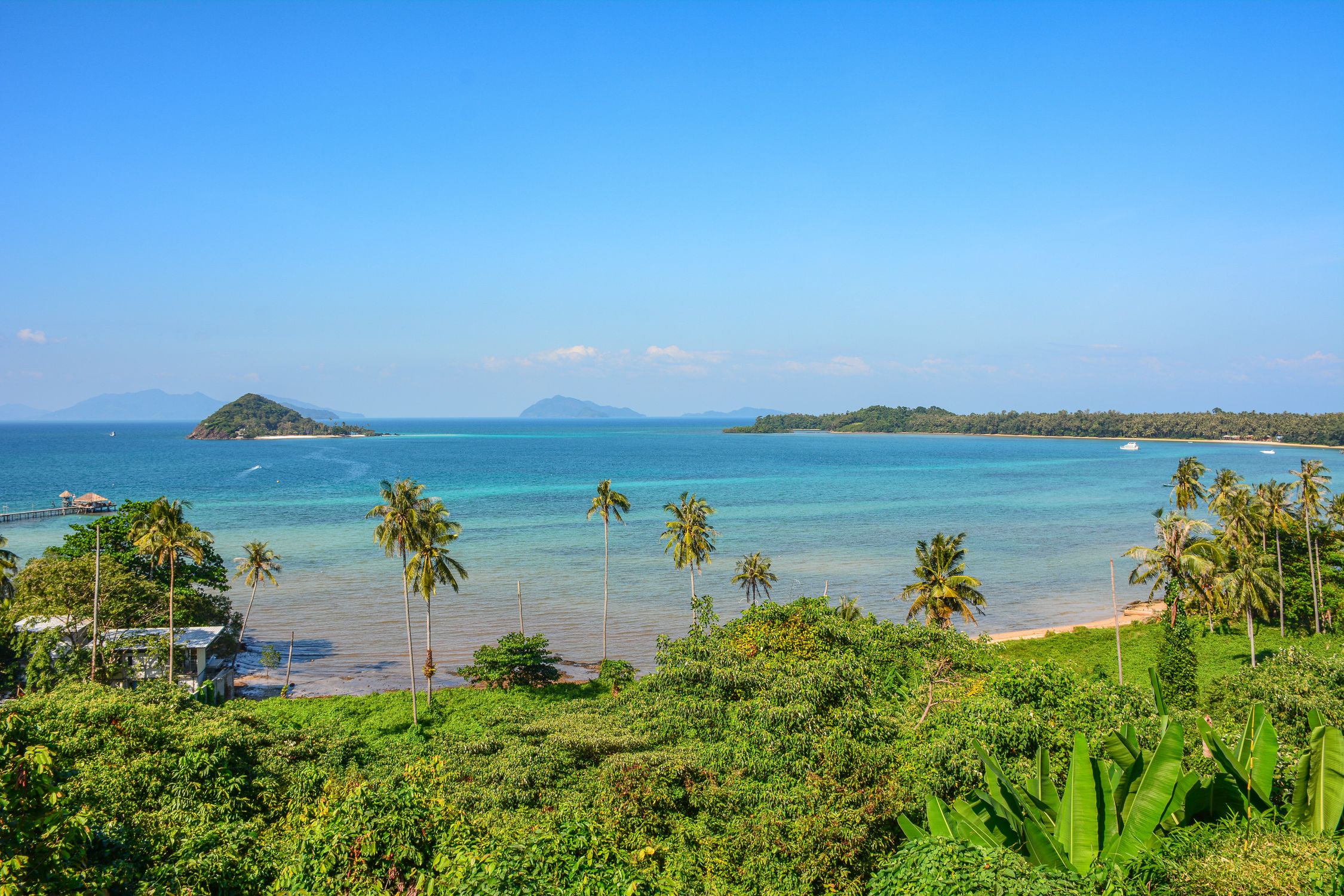
thailandOne Week in the Koh Chang Archipelago: A Practical Island-Hopping Route
A week in the Koh Chang archipelago requires accepting that getting there consumes most of a travel day: Bangkok to Koh Chang takes five and a half to seven hours via bus and ferry, and returning to Bangkok from Koh Kood means a two-hour speedboat to Laem Ngop plus another five hours overland—or a flight from Trat Airport. This itinerary assumes seven full nights away from Bangkok, treating the arrival and departure days separately.
Henrik Vinter
28 February 2026
thailandKoh Mak vs Koh Kood: Which Is Worth the Extra Journey?
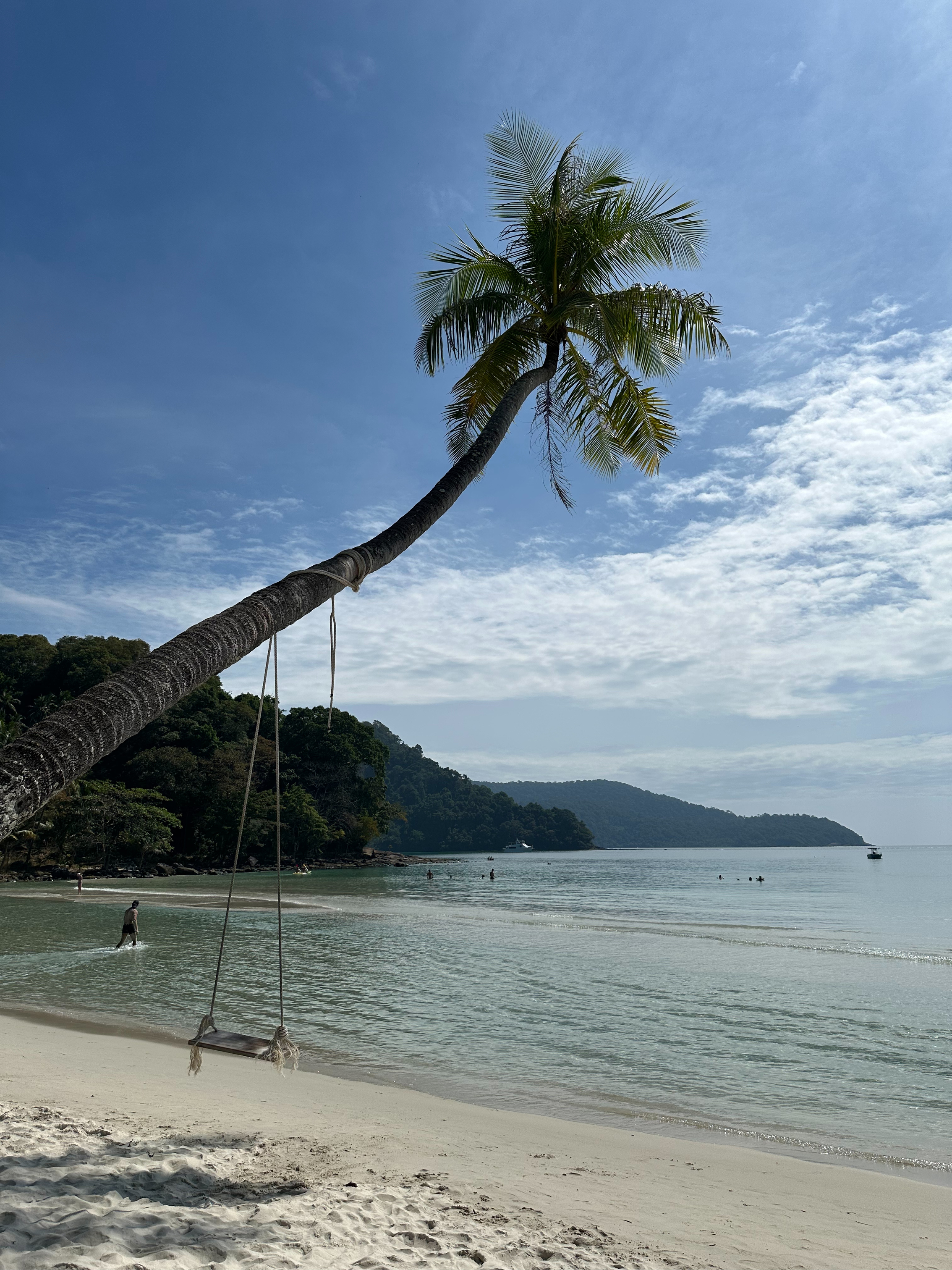
Koh Mak's speedboat from Laem Ngop takes one hour; Koh Kood takes 1.5–2 hours and sometimes runs just once daily. The difference sounds minor until you're holding a ticket for a boat that won't return for three days. Both islands reject Thailand's party-scene formula, but they solve the problem differently: Koh Mak is the answer if you want quiet Thailand accessible; Koh Kood is the answer if you want quiet Thailand remote.
Henrik Vinter
27 February 2026
thailandKoh Chang vs Koh Mak: Two Islands, Very Different Trips
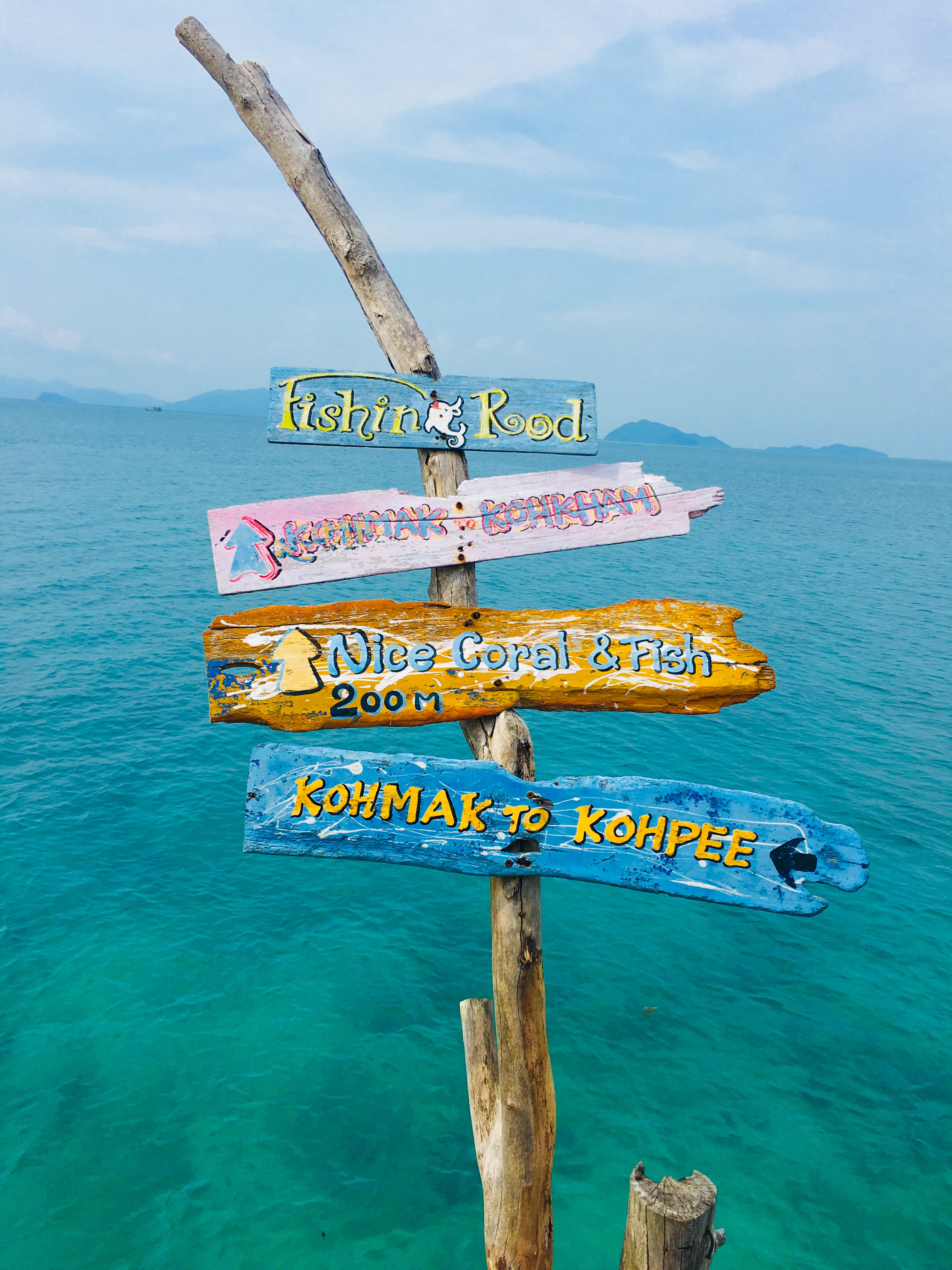
Koh Chang is Thailand's second-largest island at 429 sq km with a paved ring road, 7-Elevens, pharmacies, a hospital, and bars that stay open past midnight. Koh Mak is 16 sq km with one unreliable ATM, no nightlife, and restaurants that close at 9pm. This isn't a quality difference — it's a purpose gap. You pick based on whether you want infrastructure and options or silence and simplicity.
Henrik Vinter
26 February 2026
thailandWhere to Stay on Koh Chang: An Honest Area-by-Area Guide
Koh Chang's main beaches run along the northwest and west coast in a clear south-bound sequence from the ferry piers: Klong Son, White Sand Beach, Klong Prao, Kai Bae, Lonely Beach, and Bang Bao. The main road (Route 4049) connects them — each beach is five to fifteen minutes by songthaew from the last. The island's mountainous interior is undeveloped; the east coast has almost no tourist infrastructure. This means your choice of beach effectively determines your entire stay: each area has its own character, price tier, and crowd level. Pick the wrong one and you'll spend your trip driving between beaches.
Henrik Vinter

25 February 2026
thailandHow to Get to Koh Chang (and the Smaller Islands): Ferries, Routes, and What Changes by Season
Getting to Thailand's eastern Gulf islands requires accepting that Trat Province sits 315km east of Bangkok, just 15km from the Cambodian border — this is not a quick day trip. Plan 5.5–8 hours door-to-beach from central Bangkok depending on your route, plus another 1–2 hours if continuing to Koh Mak or Koh Kood. Most travellers underestimate this distance and arrive exhausted or miss tidal windows for onward ferries.
Henrik Vinter

24 February 2026
thailandBest Time to Visit Koh Chang: Month-by-Month Weather and Crowd Guide
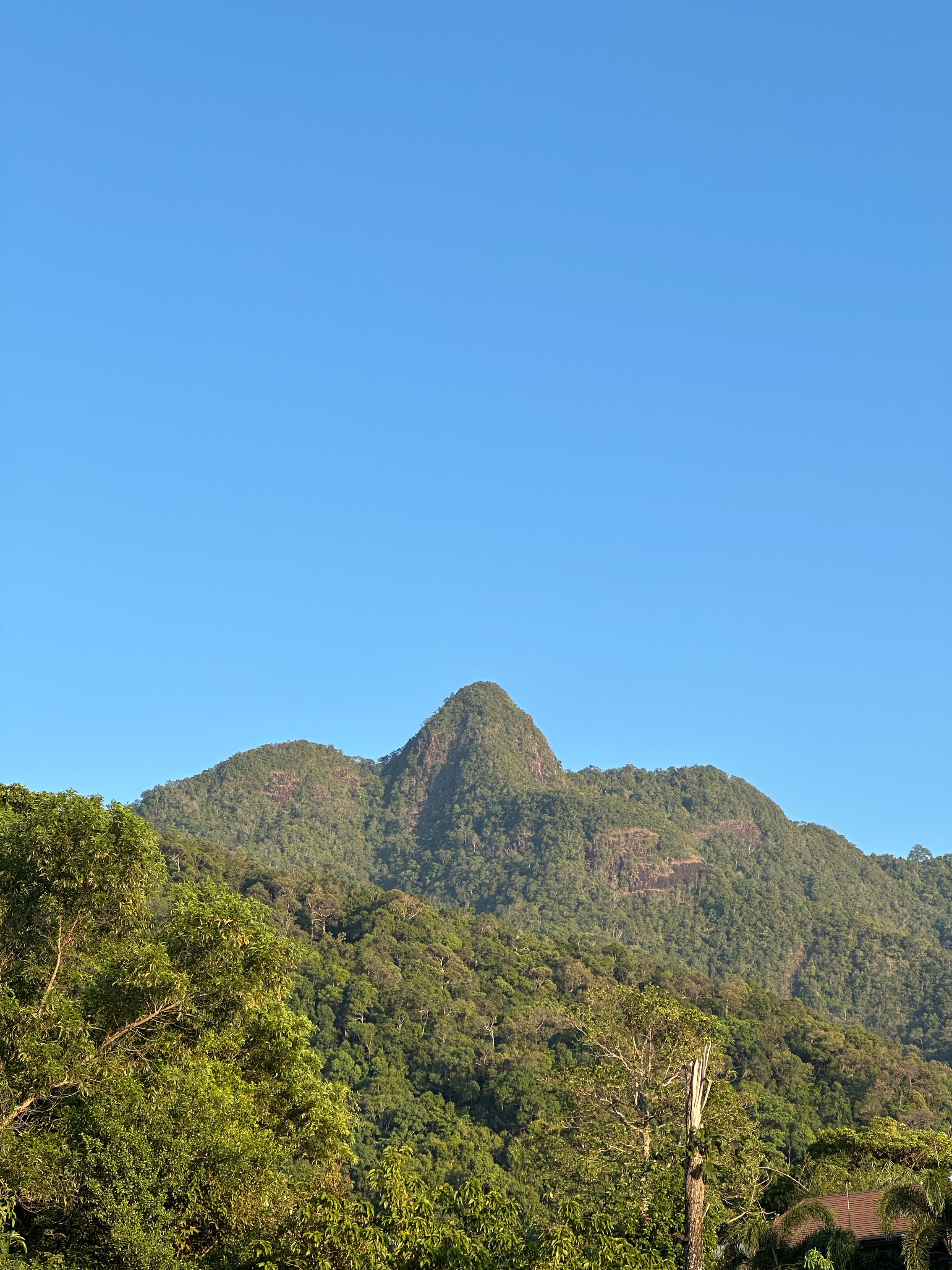
Koh Chang follows the Gulf of Thailand weather pattern — completely different from the Andaman coast just a few hundred kilometres away — yet most traveller guides treat the entire country as a single climate zone. When Phuket and Krabi are drying out from their monsoon (May–October), Koh Chang and its neighbours Koh Mak and Koh Kood are saturated. The dry season runs November–April everywhere, but the monsoon dynamics shift. Using a generic Thailand weather guide for Koh Chang will lead to poor timing decisions.
Henrik Vinter
24 February 2026
thailandKoh Mak: The Quiet Thai Island Most Itineraries Skip
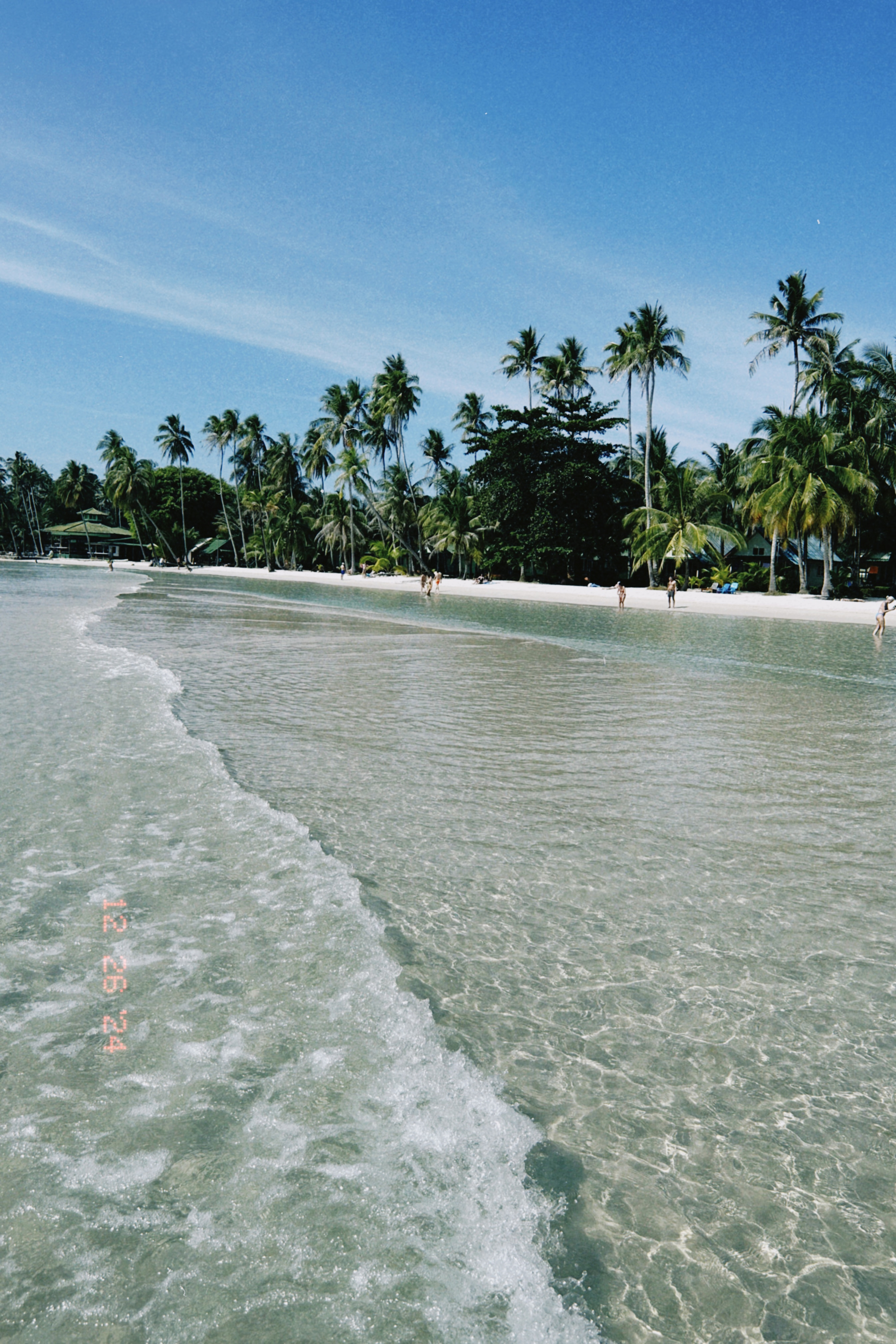
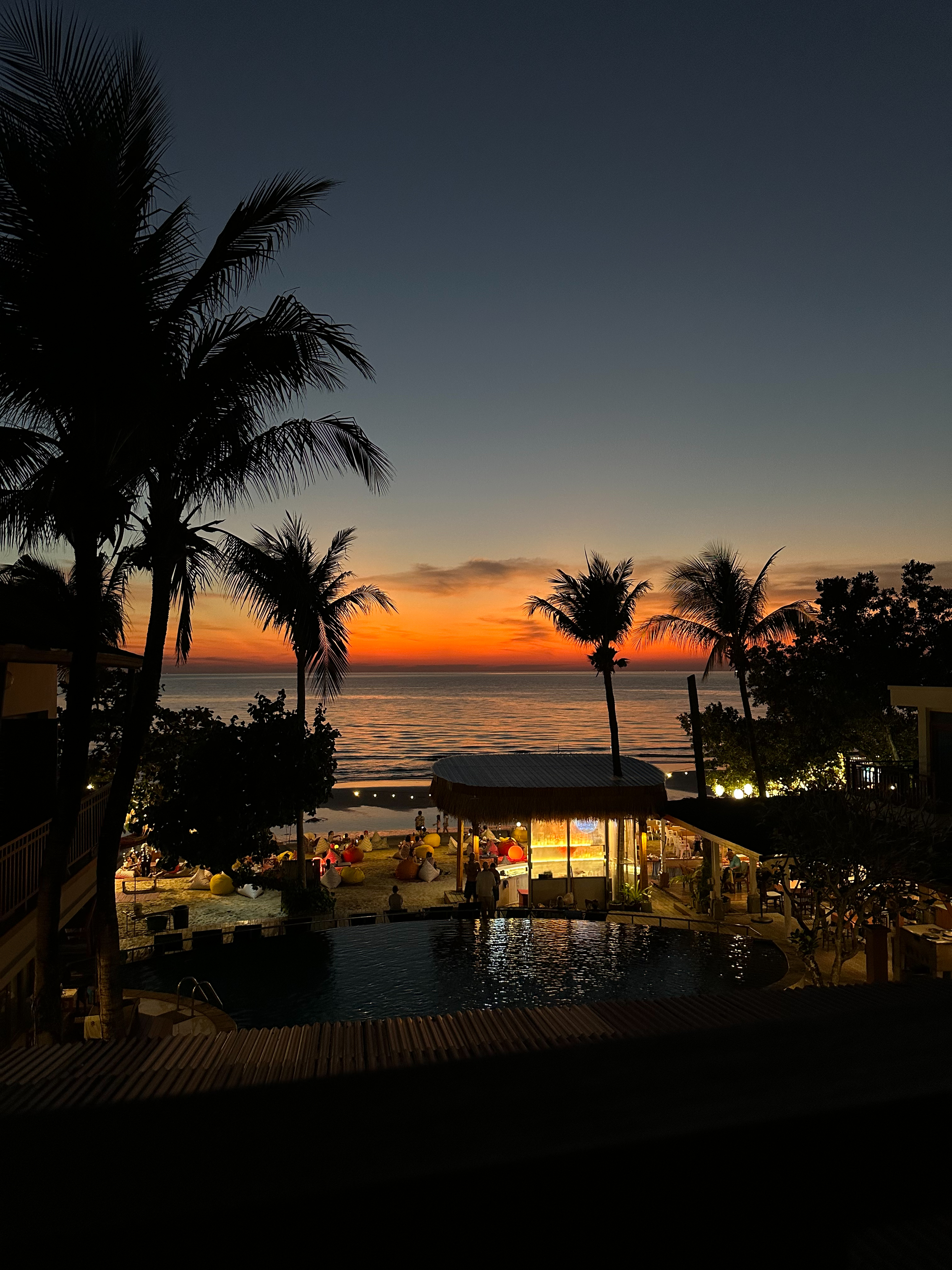
Koh Mak is Thailand's answer to "what if we made an island smaller and slower." Sixteen square kilometres, no nightlife, one traffic light that doesn't work because traffic is irrelevant, and a deliberate scarcity of the infrastructure that defines other Thai islands. The selling point is what's missing — bars until midnight, pharmacies on every corner, reliable mobile signal. If you need those things, Koh Chang is 90 minutes west and has them all. Koh Mak trades convenience for genuine quietness.
Henrik Vinter
22 February 2026
thailandKoh Chang Travel Guide: What First-Timers Need to Know
Koh Chang is a 429 sq km mountainous island in Trat Province, eastern Thailand, where 70% is protected national park jungle—but this doesn't mean undeveloped. White Sand Beach on the northwest coast has 7-Elevens, proper hotels, and busy bars, yet 20 minutes south by songthaew you're in genuine forest with waterfalls and empty roads. It's a working island, not a resort construct, which means better value and fewer crowds than the Andaman coast, but also fewer English speakers and less tourist infrastructure than Phuket or Pattaya.
Henrik Vinter
22 February 2026
thailandKoh Chang vs Koh Mak vs Koh Kood: Which Thai Island Should You Choose?
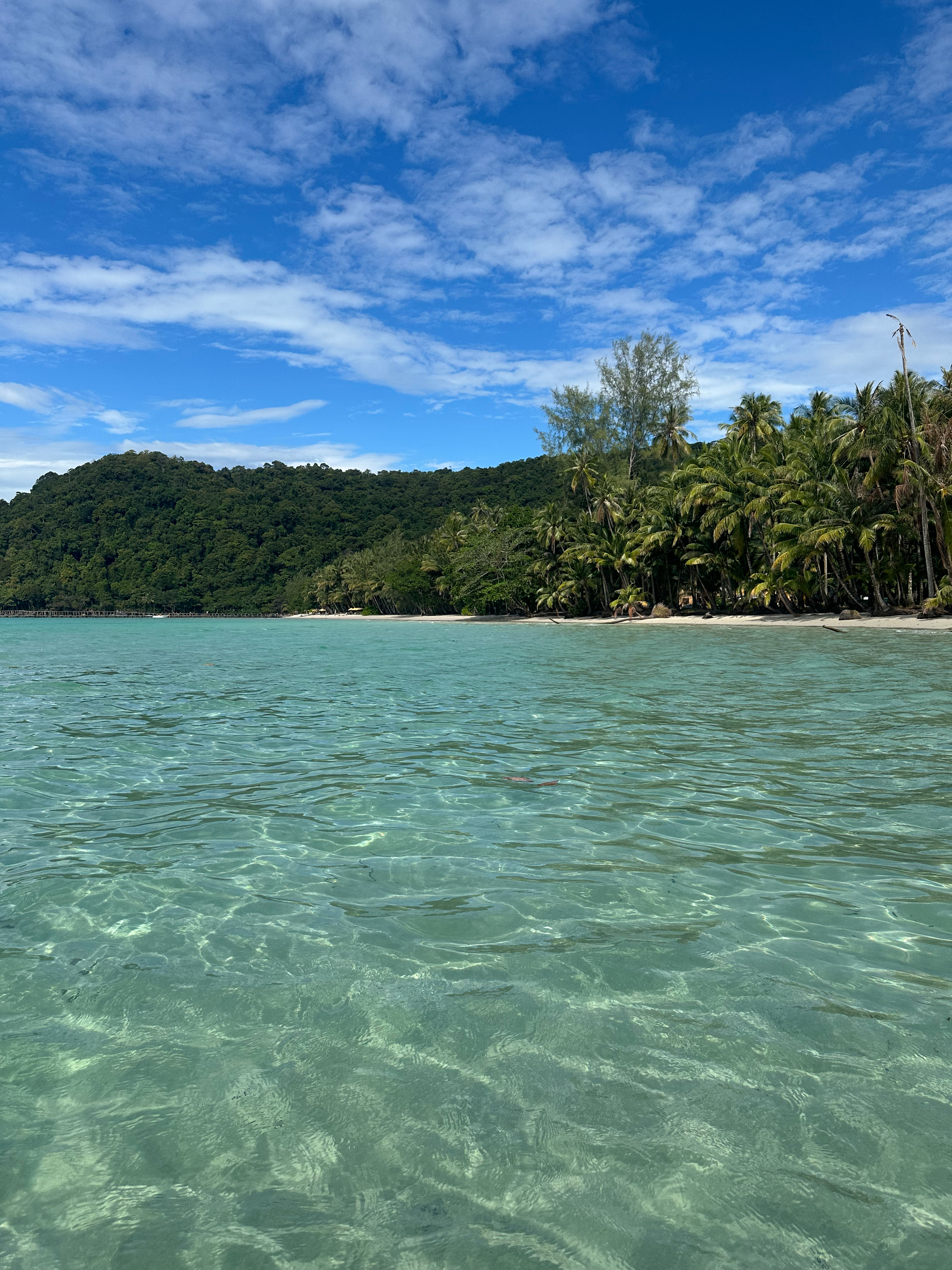
Koh Chang, Koh Mak, and Koh Kood sit in the same archipelago, two to six hours from Bangkok by bus and ferry, but they represent three completely different propositions—and travellers consistently pick the wrong one. Koh Chang is Thailand's second-largest island, developed and accessible, with ATMs, hospitals, and multiple restaurant choices. Koh Mak is a car-free retreat for people who genuinely want to sit still. Koh Kood is remote and expensive, the benchmark for "untouched" Thailand. Pick the wrong one and you'll either be bored by too much activity or frustrated by too little infrastructure.
Henrik Vinter
21 February 2026
thailandKoh Kood Travel Guide: Thailand's Most Remote Island Without the Hype
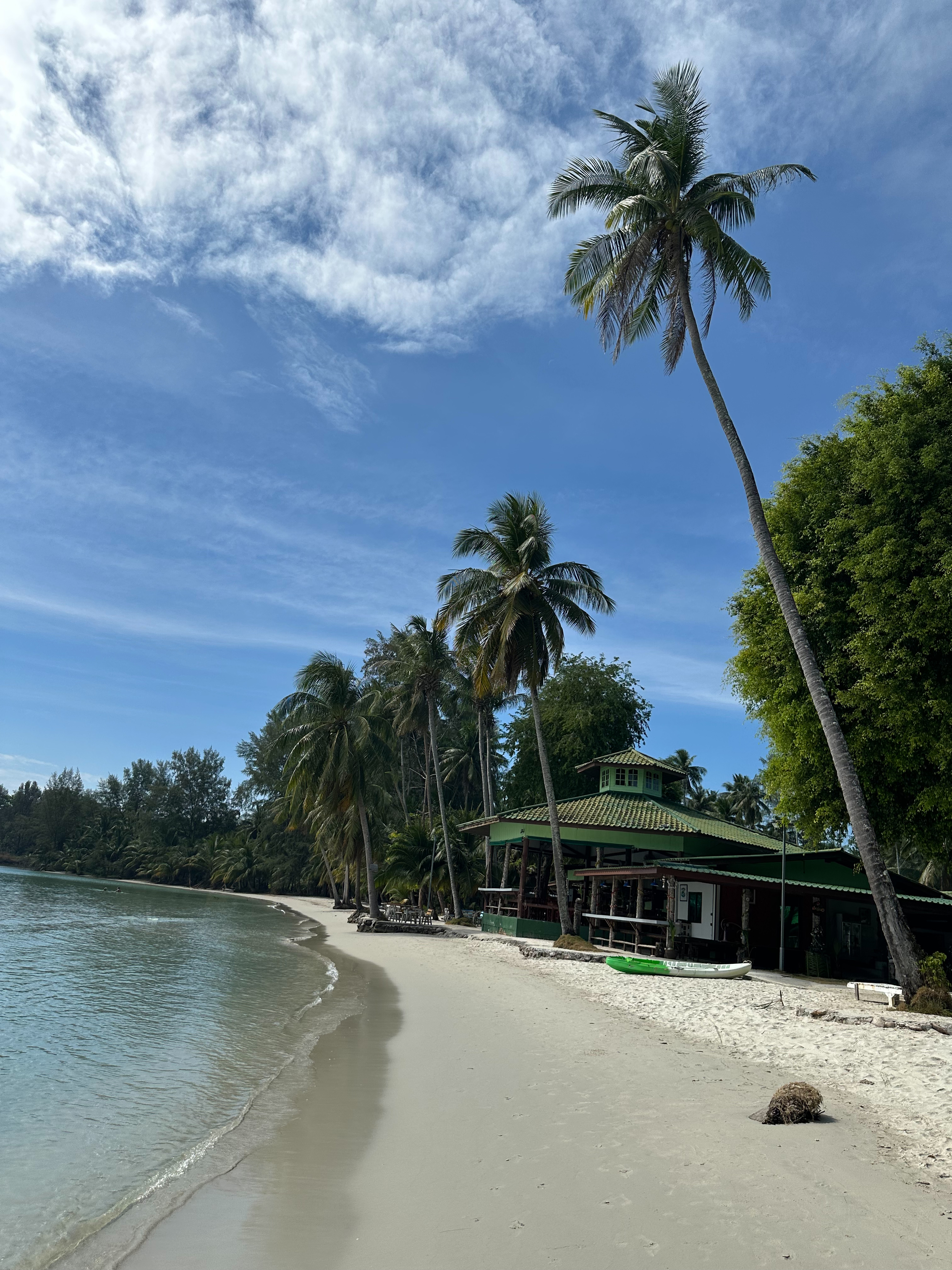
Koh Kood is Thailand's fourth-largest island and its least developed major one—105 sq km with around 3,000 permanent residents, no McDonalds, no 7-Eleven, one ATM with a 20,000 THB daily limit, and 24-hour electricity only recently reliably available across the island. The photographs are accurate: deep green water, white sand, and beaches with perhaps ten people on them. This is rare—the marketing matches reality. What you need to understand before going: Koh Kood requires planning, costs more than Koh Chang or Koh Mak, and rewards patience over speed.
Henrik Vinter

19 February 2026
greeceBest Time to Visit Greece: Islands, Mainland, and the Crowds in Between
Greece's tourism window is not July to August—it is May to October, with a critical distinction: ferries to the Cyclades (Santorini, Paros, Naxos, Mykonos) and the smaller Dodecanese islands run only from mid-May through late October. If your itinerary includes these islands, your realistic travel window is 5–6 months. If you're willing to stick to Athens, Crete, Rhodes, or Corfu, you have more flexibility, but you'll sacrifice the casual ferry-hopping and beach-bar culture that defines Greek island tourism. The real decision is not when to go—it's what you're willing to compromise on to get there.
Henrik Vinter

14 February 2026
baliBali vs Lombok: Which Indonesian Island Should You Choose
Bali delivers reliable infrastructure, abundant restaurants, and consistent beginner-friendly waves. Lombok offers fewer crowds, better advanced surf breaks, and genuine quiet beaches — at the cost of patchy transport and fewer amenities. The choice depends on whether you want maximum options or minimum tourists.
Henrik Vinter

6 February 2026
croatiaDubrovnik and the Croatian Coast: How to See More Than the Walls
Dubrovnik delivers what the photographs promised: a genuinely beautiful medieval walled city with limestone streets, red-tile roofs, and a position on the Adriatic that justifies centuries of naval power. It also receives 1.5 million visitors annually in a city of 42,000 residents. The resolution is not to skip Dubrovnik but to understand cruise ship arrival patterns and time your visit accordingly. Most large ships dock by 9am and passengers reach the Old Town walls by 9:30am. The solution is structural: 8am starts, afternoon islands, evening returns.
Henrik Vinter

29 January 2026
tanzaniaZanzibar: What the Island Is Actually Like (and What to Do There)
Zanzibar is 35km off the coast of Tanzania in the Indian Ocean, a spice island with a genuinely distinctive Swahili-Arab heritage concentrated in Stone Town and some of the finest beaches in East Africa. The misconception is that you come here for the beach alone—a resort lounge and airport transfer. The island delivers far more if you move between the old town's alleyways, the night market at sunset, and two or three different beach locations depending on what you want: swimming reliability, photogenic sand, or wind for kitesurfing. It is more expensive than mainland Tanzania, and some of the most-photographed beachfront hotels charge premium rates for mediocre delivery. The north coast (Nungwi, Kendwa) offers better value and more consistent swimming. The east coast (Paje, Jambiani) has the postcard sand but punishes you with a 200–400m tidal swing that empties the sea for hours each day.
Henrik Vinter

25 January 2026
philippinesEl Nido, Palawan: What to Expect and How to Plan the Trip
El Nido's limestone karsts rising from turquoise lagoons—the photographs are accurate. The experience is genuinely one of Southeast Asia's best island destinations. The challenge is logistics: getting there is involved, weather windows are strict, and the infrastructure is budget-leaning with limited mid-range options. Most promotional content skips the six-hour van journey from the airport, the ferry cancellations in wet season, and the fact that you'll share the lagoons with 200 other tourists in peak months. Plan with specifics, or disappointment arrives faster than you do.
Henrik Vinter

24 January 2026
maldivesMaldives Without the Resort Price Tag: What's Actually Possible
The single honest fact that changes every budget Maldives conversation: an overwater bungalow at a resort costs €600–2,000 per night. A guesthouse room on a local island—on the same reef, with the same fish below the water—costs €60–150 per night. The €1,800 daily difference buys privacy, exclusivity, seaplane transfers, and the ability to snorkel alone at dawn. The water and marine life are identical. Understanding what you're actually paying for at a resort versus what you're getting on a local island determines whether the price gap makes sense for your trip.
Henrik Vinter

15 January 2026
greeceSantorini vs Mykonos: Which Greek Island Is Right for You
Santorini and Mykonos sit 2 hours apart by fast ferry, share a reputation, and are on almost every first-time Greece itinerary. They are functionally different islands. Choosing the wrong one is one of the most common planning mistakes visitors make. One is a caldera landscape with excellent restaurants and sunset tourism. The other is a beach club and nightlife destination with prices to match. They suit entirely different types of trips.
Henrik Vinter
8 January 2026
thailandKoh Samui vs Phuket: Which Thailand Island Should You Visit?
Thailand's two most visited islands get compared constantly, and most of that comparison misses the point. People debate beach quality or nightlife or price, when the single most important factor is a calendar question: the two islands sit in different bodies of water and operate on opposite monsoon cycles. Get that wrong and you'll spend a week watching rain. Get it right, and either island delivers genuinely good travel. Here's how to choose between them.
Henrik Vinter