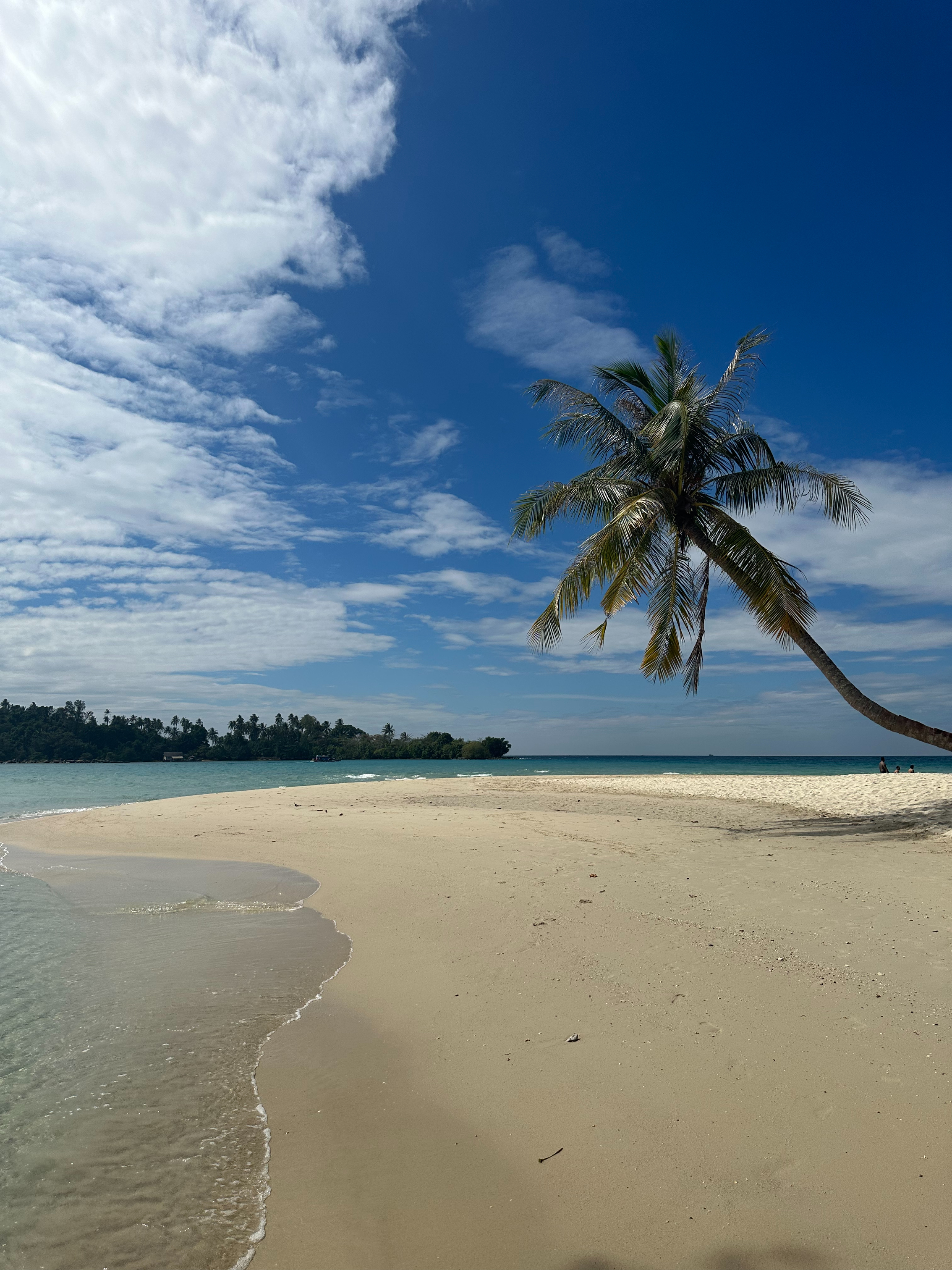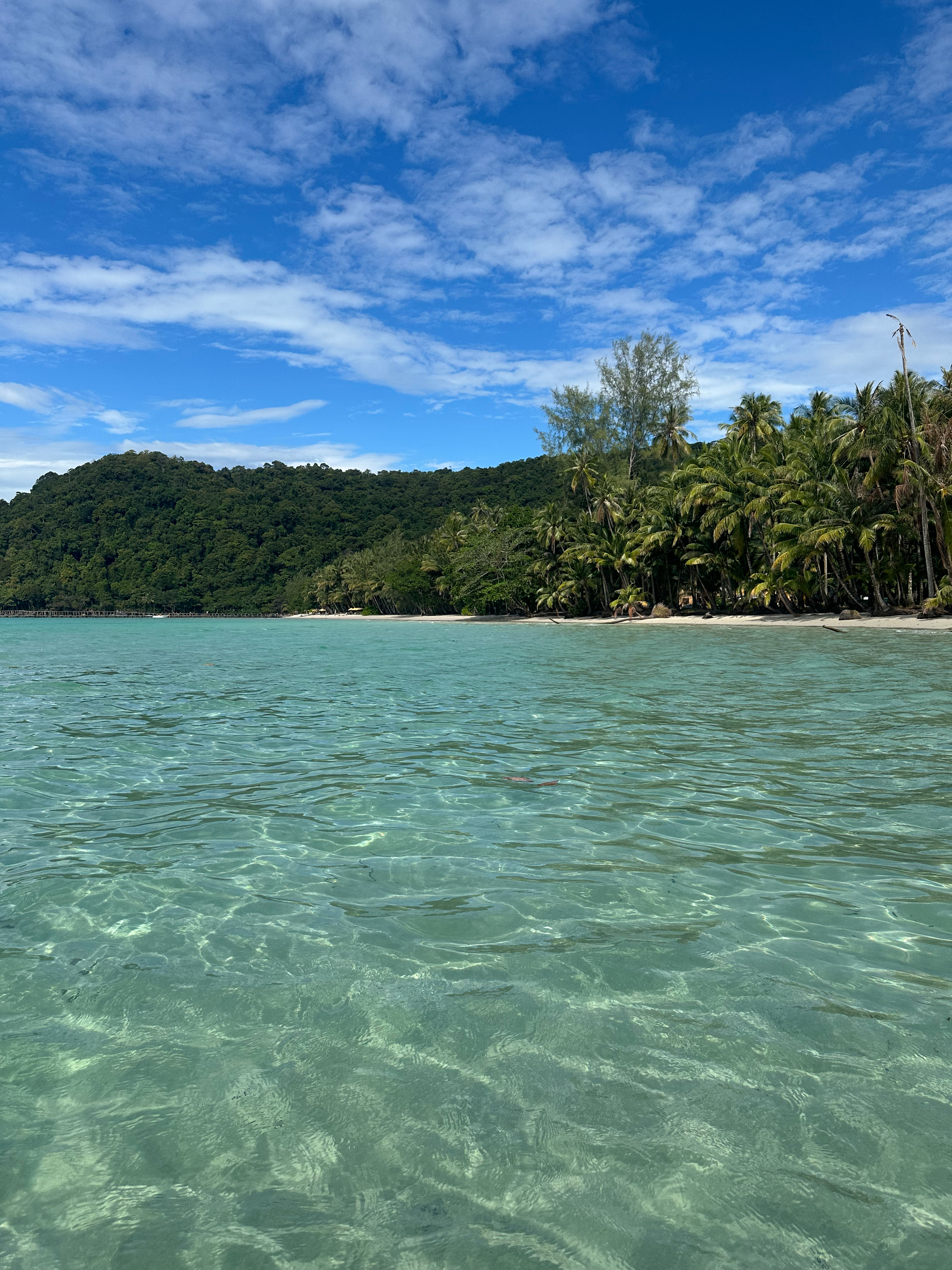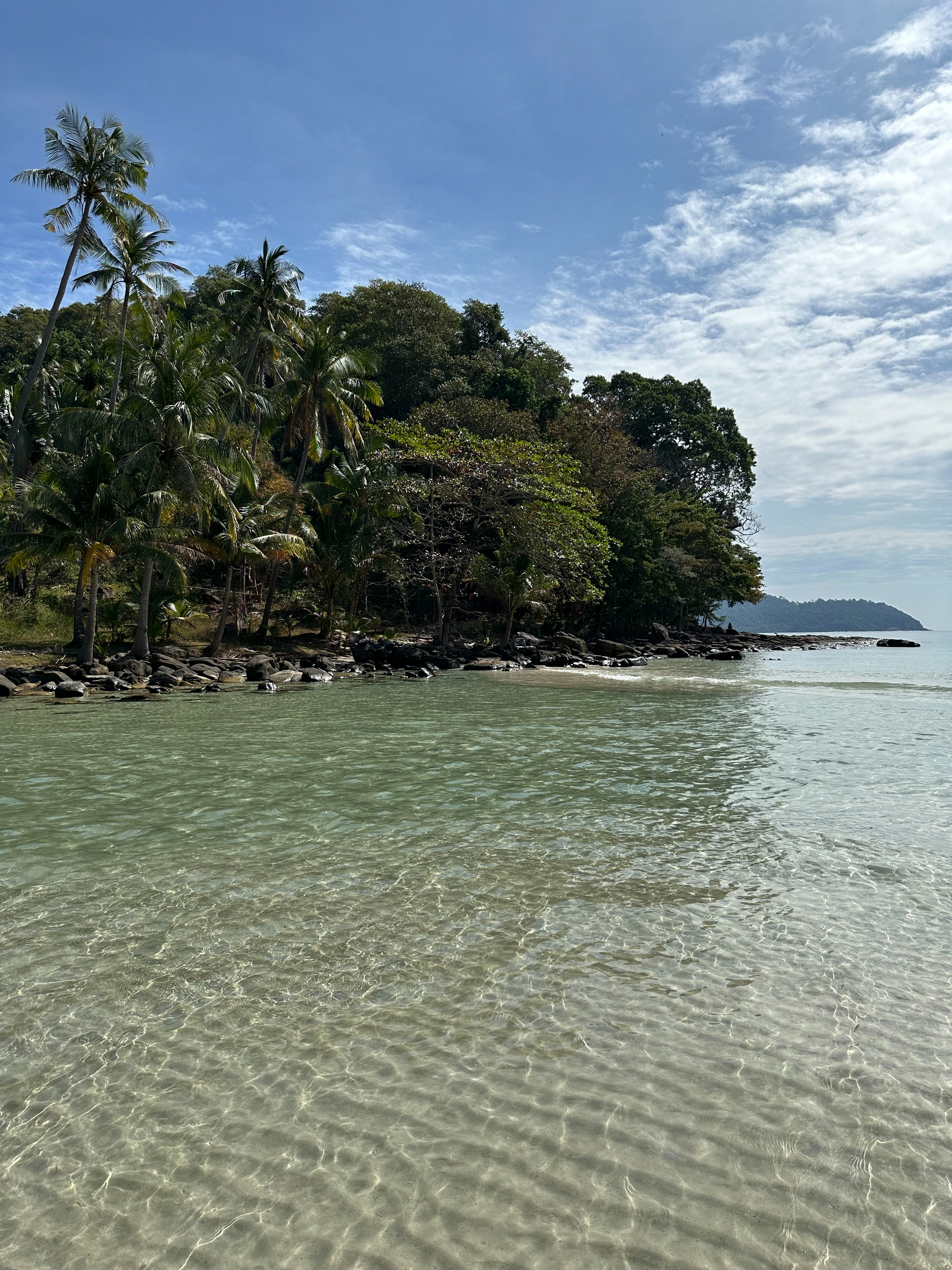

Most Thai islands sell themselves on being a year-round escape. Koh Kood is honest about not being one. A meaningful share of its accommodation runs as a seasonal business that opens for the dry months and shuts for the wet ones, and the ferry timetable follows the same rhythm. So the real question is not which week has the best weather — it is whether the island is open and reachable when you want to go. For most visitors that means November to April, and ideally December to March.
Koh Kood's two seasons at a glance
There is a dry season from roughly November to April and a south-west monsoon from May to October. The dry months bring calm seas, clear water, and full resorts. The wet months bring real rain — not a passing afternoon shower but multi-day systems — reduced boats, and widespread closures. The shoulders, November and April, are the value windows when the island is open but not full.
| Month | Conditions | Verdict |
|---|---|---|
| November | Rains easing, islands greening up, seas settling | Good — shoulder value |
| December | Dry, clear, calm; holiday crowds late month | Best — book ahead |
| Jan–Feb | Driest, clearest water, all resorts open | Best — peak |
| March | Hot building, still dry and calm | Good |
| April | Hottest, humid, flat sea, some haze | Good — shoulder value |
| May | Monsoon arriving, closures begin | Mixed — discounts |
| Jun–Sep | Wettest, many resorts shut, ferries cut | Avoid unless flexible |
| October | Rain tapering, reopening starts late month | Mixed |
When resorts close
This is the detail that catches people who book on price alone. Across roughly June to September, many of the island's smaller bungalow operations and beach restaurants close, and a few do not reopen until late October. The larger resorts on Klong Chao tend to stay open longer, but your range of choice narrows and the island feels half-shuttered. Always confirm a property is actually operating for your dates rather than assuming a listing means open.
The best month for value
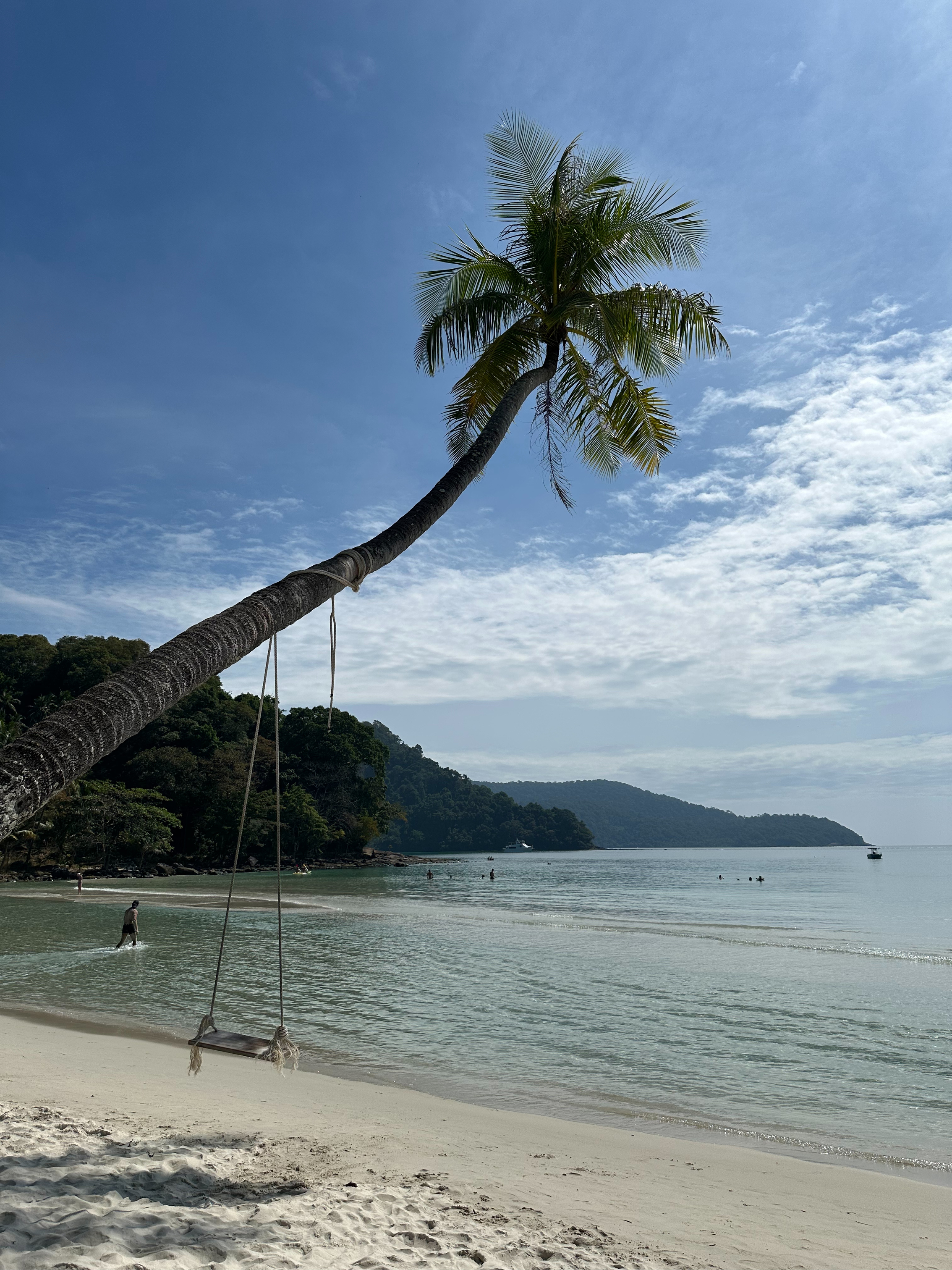
November and April are the sweet spots. The weather is reliable enough, the island is open, and rates sit below the December-to-March peak. Avoid the last week of December and the first days of January if you care about either price or quiet — that fortnight is the busiest and most expensive of the year.
What about the rainy season?
It is cheaper, greener, and far quieter, and on a good day the sea is still swimmable. But you are gambling: boats get cancelled, dive and snorkel trips to Koh Rang stop when the swell is up, and a rained-in day on a quiet island with half the restaurants closed is a long day. Go in green season only if you are flexible on dates and relaxed about losing a day or two to weather.
Frequently Asked Questions
What is the best month to visit Koh Kood?
January and February are the most reliable — dry, calm seas, every resort open, and the clearest water for snorkelling. December is just as good but busier over the holidays, and prices peak around New Year.
Does Koh Kood close in the rainy season?
Partly. Many smaller resorts and some restaurants shut from around June to September, and ferry sailings are cut back. The island does not close entirely, but your choice of where to stay and eat shrinks sharply, and boats can be cancelled by weather.
Is Koh Kood worth visiting in April?
Yes, with a caveat: April is the hottest month and the sea is bath-warm and flat, which is great for swimming, but humidity is high and the pre-monsoon haze can dull the sky. It is a good-value shoulder window before the rains arrive.
When is the cheapest time to go to Koh Kood?
May and the tail of the rainy season offer the lowest rates among resorts that stay open, sometimes 30 to 50 percent below peak. You trade reliable weather and full services for the discount.