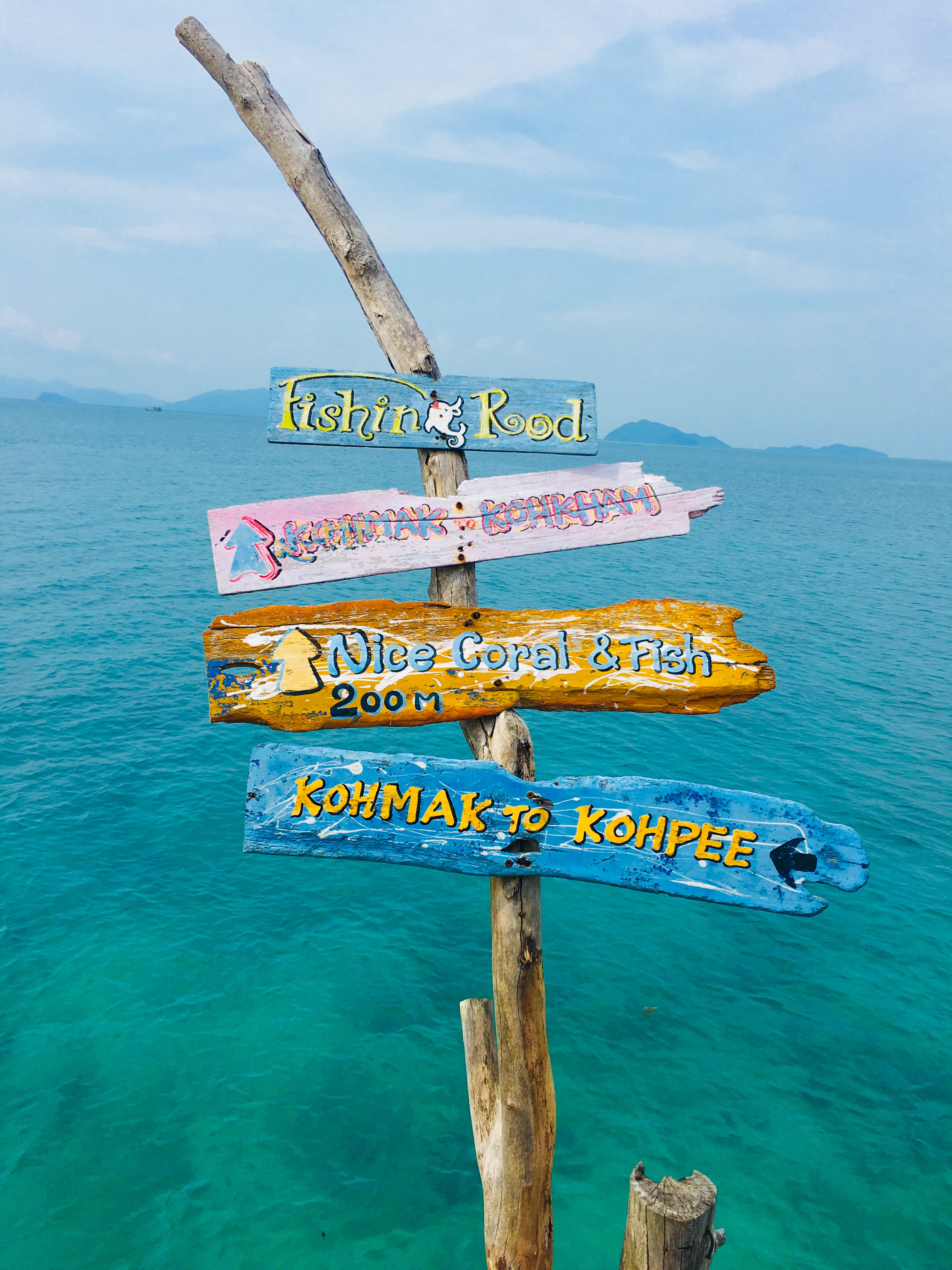

Koh Mak's speedboat from Laem Ngop takes one hour; Koh Kood takes 1.5–2 hours and sometimes runs just once daily. The difference sounds minor until you're holding a ticket for a boat that won't return for three days. Both islands reject Thailand's party-scene formula, but they solve the problem differently: Koh Mak is the answer if you want quiet Thailand accessible; Koh Kood is the answer if you want quiet Thailand remote.
| Category | Koh Mak | Koh Kood |
|---|---|---|
| Best for | Couples, short stays, relaxation | Active explorers, longer stays, remoteness |
| Vibe | Calm, functional, two-beach focus | Wild-feeling, jungle-integrated, fishing-village energy |
| Key draw | Easy access, reliable infrastructure | Waterfalls, proper size, genuine isolation |
| Main beaches | Ao Kham (primary), Ao Suan Yai | Ao Ngam Kho, Ao Phrao, Ao Bang Bao, more |
| Water activities | Snorkelling, mangrove kayaking | Snorkelling, diving, river kayaking, trekking |
| Daily cost (mid-range) | 2,500–4,500 THB | 3,500–6,000 THB |
| Peak-season crowds | Light (100–200 visitors peak) | Very light (50–150 visitors peak) |
| Best months | November–April | November–April |
| Recommended stay | 2–3 nights | 3–5 nights |
Getting There: The First Real Difference
Koh Mak's accessibility is its defining feature. Speedboats from Laem Ngop (the main pier for Thailand's eastern islands, 45 minutes from Trat Town) run four to six times daily in high season—typically 08:00, 10:00, 13:00, 15:00—at 300–400 THB per person. The crossing takes 60 minutes. Miss one, catch another two hours later. From Koh Chang's Bang Bao pier, it's 40 minutes and two daily sailings.
Koh Kood operates on a different schedule. One boat typically departs Laem Ngop in high season (November–April) at a fixed time—usually 13:00 or 14:00—taking 1.5–2 hours depending on sea state. A second service occasionally runs in peak weeks. From mid-May to October, frequency drops to two or three departures per week. The speedboat operator (Koh Kood Speed Boat Co. operates the primary route) is the monopoly; no competing services. Book ahead in high season; check departure times the day before you travel because changes happen without warning.
This isn't a minor inconvenience. It means missing the boat = another night on the island or on Koh Chang. Your itinerary cannot be flexible. It means planning the return journey three days in advance.
Size and What You Can Actually Explore
Koh Mak spans 16 square kilometres. You can bicycle from Ao Kham to Ao Suan Yai in 20 minutes. The entire inhabited coast is reachable on a rented motorbike in one afternoon (250 THB/day). The interior is coconut plantations and smallholder rubber trees; no jungle trekking, no hidden valleys. Exploration feels complete in one full day. After that, the island's appeal is static: beach, hammock, repeat.
Koh Kood is 105 square kilometres—the fourth-largest island in Thailand. The northern beaches (Ao Ngam Kho, Ao Phrao) are separated from the southern coast (Ao Salat fishing village, the jetty) by 45 minutes' drive. The island has a spine of genuine jungle with river systems cutting through it. Khlong Chao Waterfall drops into a pool deep enough for swimming; the trek in is 20 minutes from the car park. Khlong Chao River is navigable by kayak for 3–4 kilometres inland, passing through mangrove and primary forest—something impossible on Koh Mak. The interior remains unmapped by most visitors; roads end, and trails pick up irregularly.
Most guidebooks mention only the beaches. Koh Kood's actual draw—for anyone beyond day two—is the landscape inland.
The Beaches: Quantity Versus Reliability
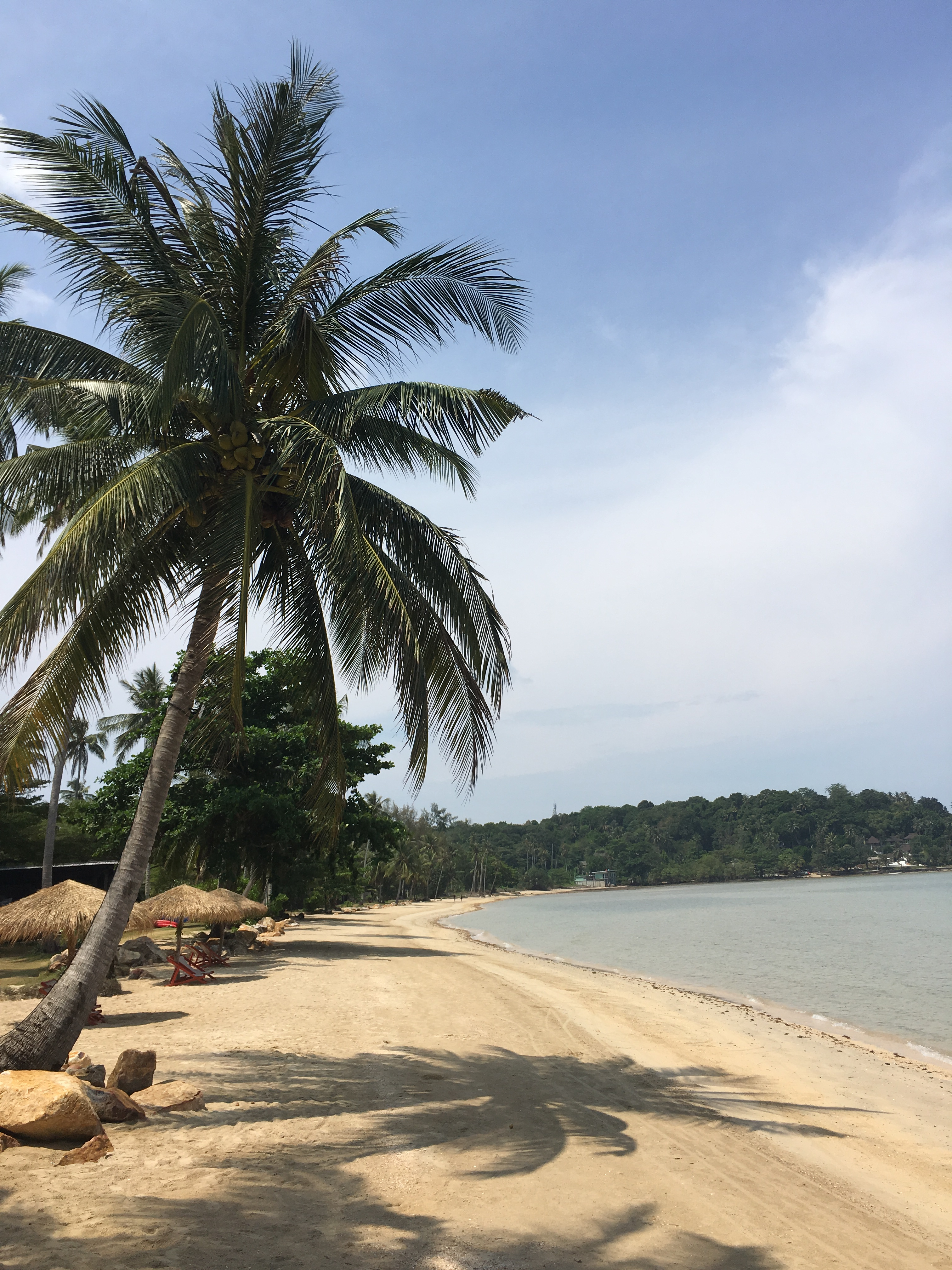
Koh Mak has two developed beaches, both excellent.
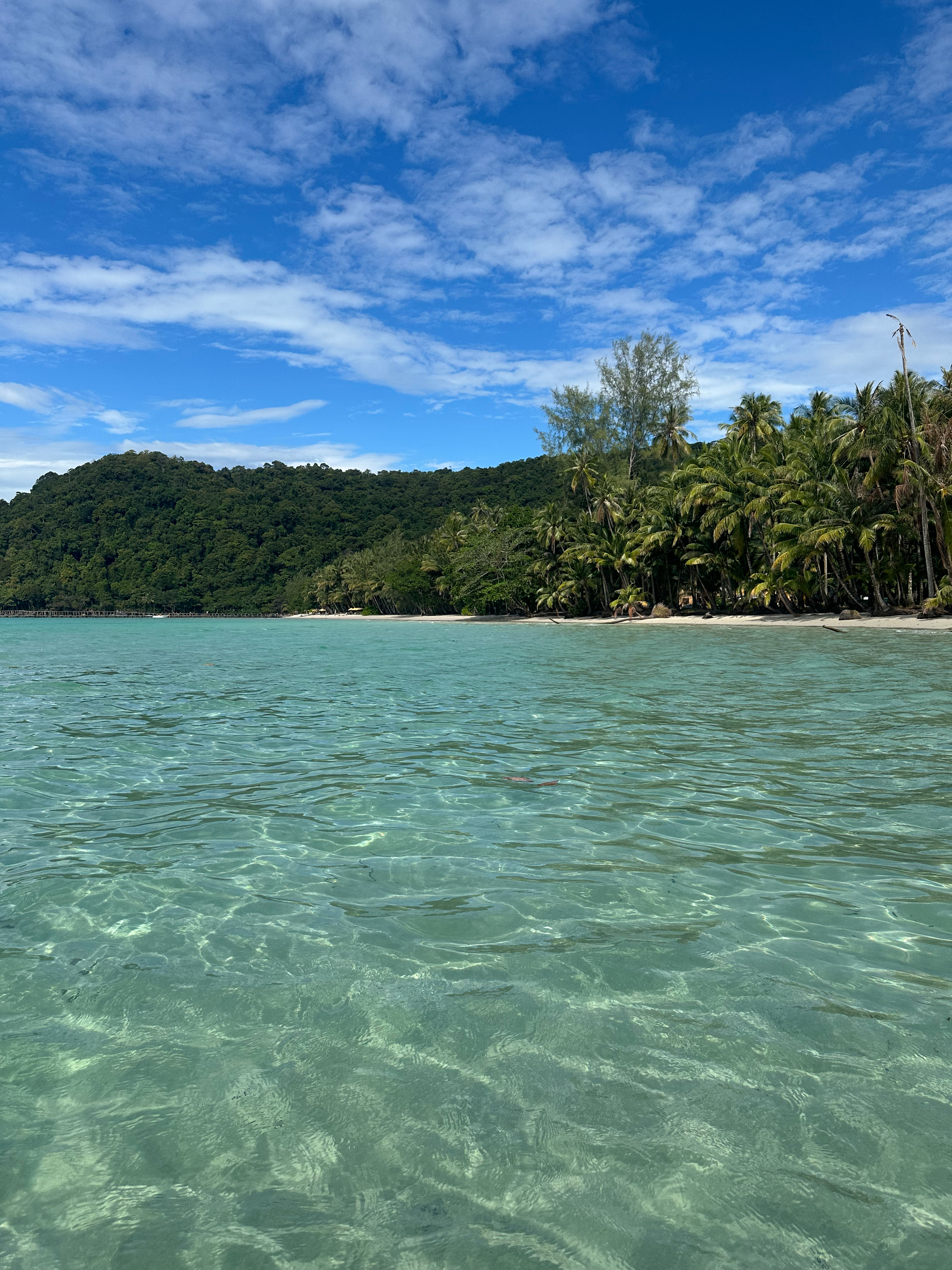
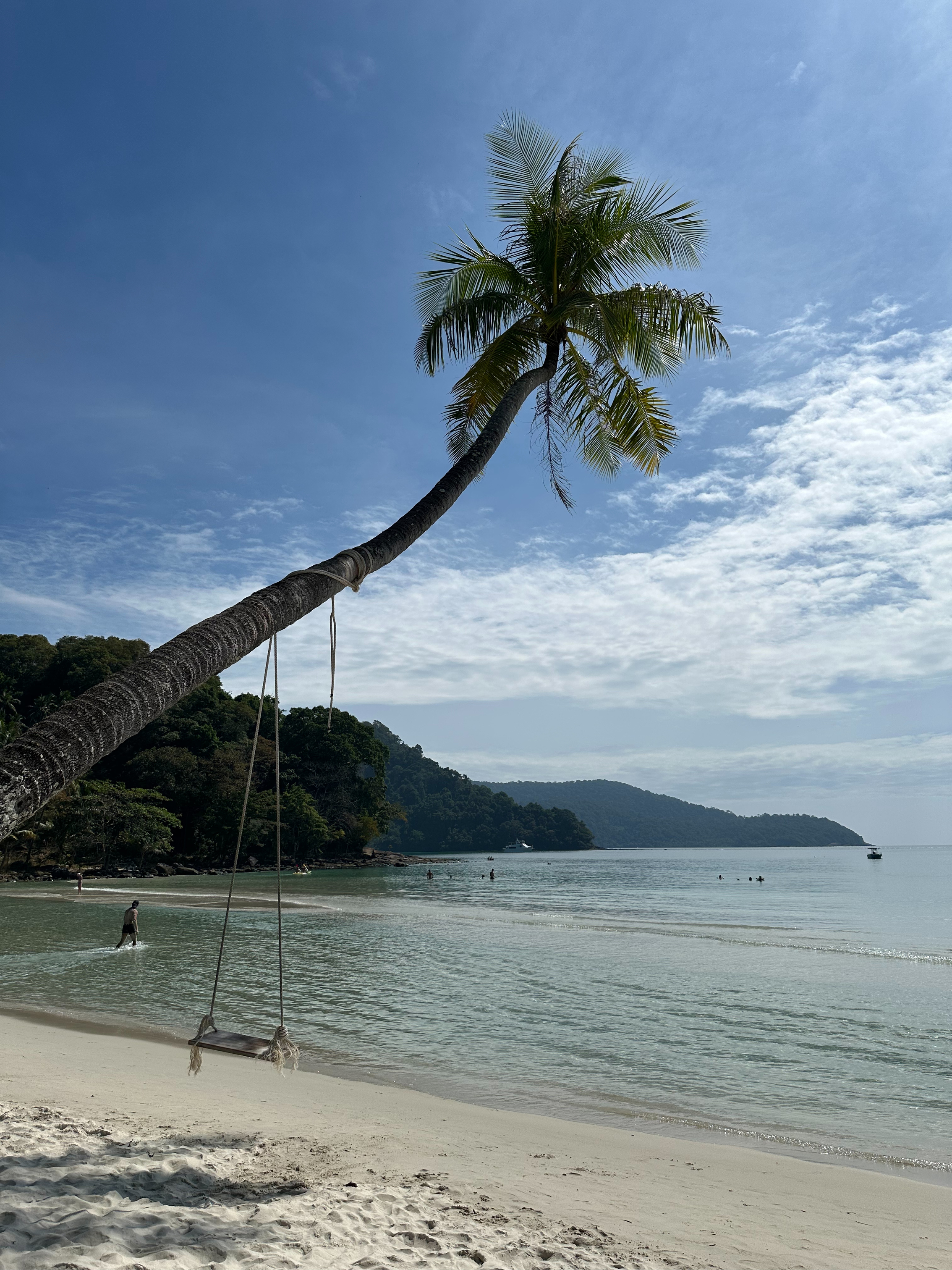
Ao Kham faces northwest and is the main one: shallow turquoise water, white sand, calm most days, and completely backed by resorts. The water clarity is 8–12 metres typical; good snorkelling off the southern rocks without a boat. It has the look of a postcard—orderly, safe, predictable.
Ao Suan Yai is the longer beach on the eastern side: 600 metres of coarser sand, greener water, quieter. Fewer resorts. Good for a half-day walk if you rent a motorbike. No real advantage over Ao Kham except novelty.
Two beaches mean limited discovery. You've seen Koh Mak's coastline in one day.
Koh Kood has four main beaches plus ancillary bays, and they vary significantly.
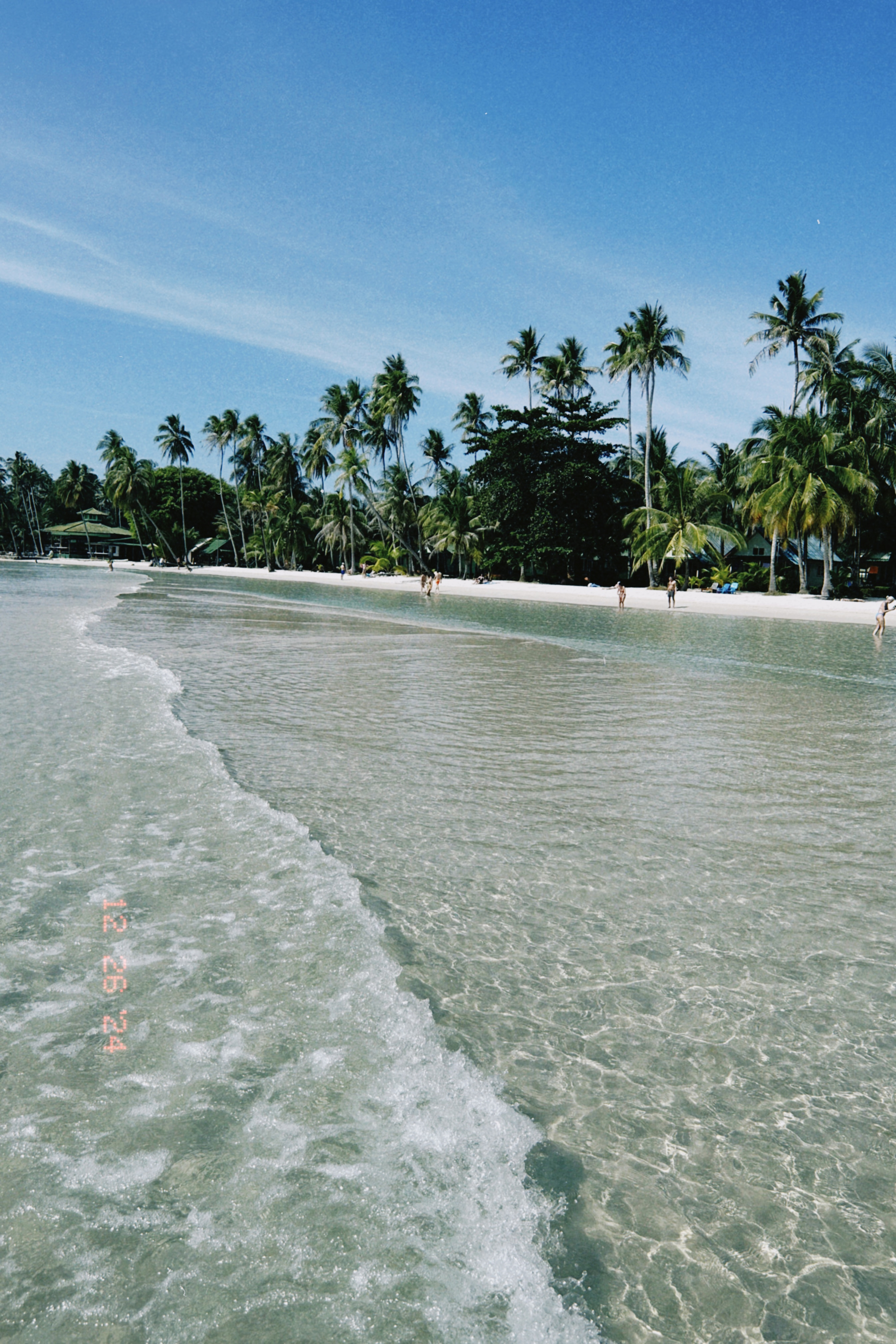
Ao Ngam Kho (northeast) is genuinely beautiful: deep-green forest meeting white sand, water clarity 12–15 metres, rocks breaking the beach into coves. It's Thailand's most underrated beach largely because it's deliberately underdeveloped—most resorts here are bungalow-scale, not resort-scale. The walk from north to south takes 30 minutes; you can feel alone even during high season.
Ao Phrao (northwest) is rockier, better for snorkelling, wilder-feeling. Ao Bang Bao (south) is where the pier is; functional, not pretty. Khlong Chao Beach (west) sits at the mouth of the river and is popular with locals on weekends—you'll see Thai families, not just tourists.
Each beach has a different character. Koh Kood doesn't run out of coastline the way Koh Mak does.
Accommodation: Similar Base Prices, Different Ceilings
Koh Mak's options are limited but consistent. Budget private rooms (basic wood bungalows, no air-con) start at 800–1,000 THB. Mid-range (fan or a/c, bathroom attached, basic breakfast) runs 1,500–2,500 THB. There is no luxury tier; the highest-end property (Koh Mak Resort) maxes out around 4,000 THB. Choices cluster around Ao Kham; venturing to other areas means fewer options and longer walks to restaurants.
Koh Kood has a wider range. Budget rooms: 1,000–1,200 THB. Mid-range: 2,000–4,000 THB. Genuine high-end exists—resorts like The Spa Koh Kood and Four Seasons-adjacent properties ask 8,000–12,000 THB. This isn't necessarily better; it means Koh Kood accommodates a richer demographic without adding value for budget or mid-range travellers.
A practical point: Koh Mak's budget options are genuinely decent (hot water, OK WiFi). Koh Kood's cheapest rooms are more basic—sometimes squat toilets, inconsistent electricity. The cheaper you go on Koh Kood, the more you notice the isolation. Pay 2,500–3,000 THB and the experience is substantially better.
Practicalities: The Infrastructure Question
Koh Mak has one ATM (near Koh Mak Resort, frequently out of cash). One small general store. No pharmacy beyond basic paracetamol. Medical care means a health centre nurse; anything serious requires evacuation to Trat. Electricity is 24-hour from the grid; water is pumped from wells (never an issue). WiFi is available at resorts; it's adequate, not fast.
Koh Kood has one ATM (at the pier). No convenience stores franchises. A health centre exists, but a head wound or serious infection means helicopter evacuation—budget 50,000–100,000 THB if your insurance doesn't cover it. Electricity has been extended to 24-hour supply in most resorts as of 2026, but remote northern beaches (Ao Ngam Kho area) may have generator backup during high-load periods. Water supply is the limiting factor; some resorts ask guests to limit showers during dry months (April–May). WiFi varies from "works" to "barely."
Koh Kood's isolation is real infrastructure-level isolation. Koh Mak is quiet by choice, not by circumstance.
Activities: The Separation Point
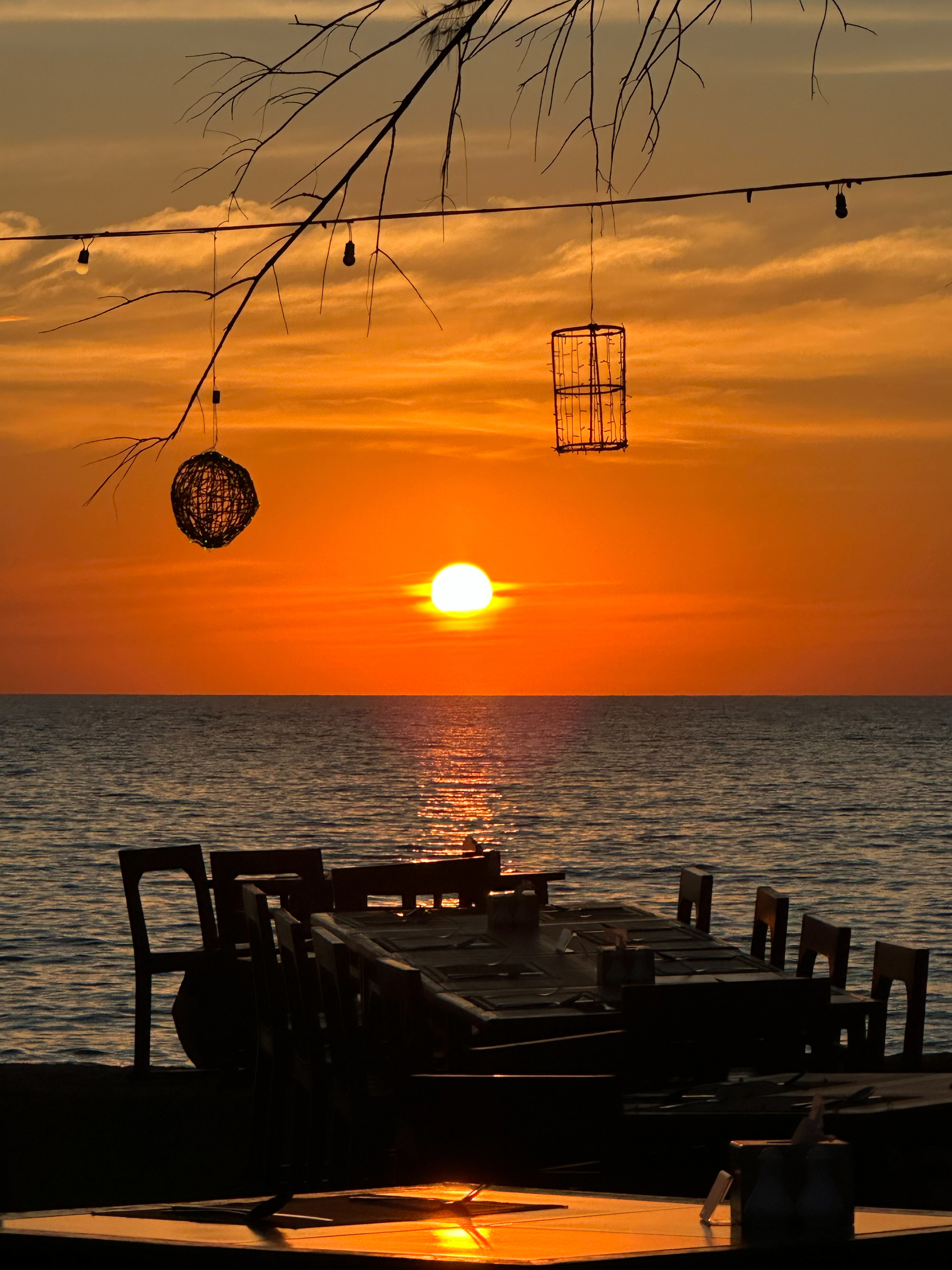
On Koh Mak, activities are: snorkelling (rent a boat for 1,000–1,500 THB/person to nearby islands Koh Kham and Koh Rayang), kayaking through the mangroves west of Ao Suan Yai (usually a resort package, 600–900 THB), cycling the island's single loop road, and sitting in a hammock. That's genuinely the full list. By day three, you've done all of it.
On Koh Kood:
- Waterfalls: Khlong Chao Waterfall (20 minutes' trek, free access) and Khlong Yai Waterfall (more remote, hire a guide, 800 THB) both have swimmable pools.
- River kayaking: Up to 4 kilometres upriver through jungle on Khlong Chao—500–700 THB with a guide.
- Snorkelling: Better visibility than Koh Mak (waters are cleaner here). More reefs, especially around Ao Phrao.
- Diving: Three operators offer PADI courses and day dives; water clarity suits recreational diving better here.
- Village visits: Ao Salat fishing village (southeast) is a working fishing community, not a resort area—you can walk, see local boats, eat fresh seafood at family-run shophouses. It's ethnically Moken/Cham Muslim; genuinely different from other Thai island setups.
The practical difference: Koh Mak is a 3-night island. Koh Kood accommodates 5–6 nights without boredom.
Cost: The Real Difference
Koh Mak daily total (mid-range traveller):
- Accommodation: 1,500–2,000 THB
- Meals (eating at modest local warungs and restaurant bungalows): 400–600 THB breakfast, 300–400 lunch, 600–800 dinner = ~1,300 THB
- Activities (snorkel boat tour one day, kayaking one day): 1,500 THB split across two days = 750 THB average
- Transport: negligible (motorbike rental amortised over three days)
- Daily total: 3,500–4,500 THB (~€95–120)
Koh Kood daily total (mid-range traveller):
- Accommodation: 2,500–3,500 THB (mid-range is actually necessary for comfort)
- Meals: similar pricing but restaurants fewer = slightly higher final bill, ~1,600 THB
- Activities (waterfall trek with guide one day, river kayak another): 2,000 THB split across two days = 1,000 THB average
- Speedboat transfer (amortised over a 5-night stay): 400 THB/night
- Daily total: 5,500–6,500 THB (~€150–175)
Koh Kood costs 50% more. This compounds over a week-long stay.
The Practical Routing: Both Is Doable
The 30–40 minute speedboat between Koh Mak and Koh Kood operates daily in high season (though check with your resort; schedules are informal). A sensible itinerary avoids backtracking:
Bangkok → fly/bus to Trat (4–5 hours from Bangkok) → Koh Chang (optional, 1 night) → Koh Mak (2–3 nights) → Koh Kood (3–4 nights) → return from Koh Kood pier to Trat → fly back to Bangkok.
This flows. You're moving eastward, not west and back. The hardest part is booking the Koh Kood speedboat in advance—call ahead or ask your Koh Mak resort to confirm the schedule and reserve your seat.
Who Should Go Where
Choose Koh Mak if: You have 3–4 nights total, you want zero planning friction, you prioritize beach time over exploration, or you're bringing someone who gets anxious about infrastructure gaps. The island is proven, comfortable, and genuinely quiet. Cost is reasonable. The only downside is that it's small enough to feel fully explored by day two.
Choose Koh Kood if: You have 5+ nights, you want waterfalls and jungle trekking, you're comfortable with limited ATMs and uncertain electricity, or you specifically want to feel removed from Thailand's tourist mainstream. It's harder to reach and more expensive, but the island has actual landscape—not just beaches. Koh Kood still feels like a place you discovered rather than a destination you selected from a guidebook.
Choose both if: You're in Thailand for two weeks and want a quiet eastern-gulf base. Koh Mak is your decompression chamber; Koh Kood is your adventure.
Frequently Asked Questions
Is Koh Kood worth the extra cost and effort?
Only if you'll stay five nights or longer and plan to explore beyond the beach. A two-night Koh Kood trip is inefficient—you spend a day getting there, a day getting back, leaving one full day. Koh Mak's easier access makes short stays worthwhile; Koh Kood justifies a longer commitment.
Can you visit Koh Kood without a guide?
Yes, for beaches and basic exploration. Waterfalls require a guide (paths aren't marked). Hire one through your resort (800–1,500 THB for a half-day) or ask locals at Ao Salat village. River kayaking is safer with a guide familiar with currents; solo paddling is possible but not recommended in high-current sections.
Which island is better for couples?
Koh Mak. Two excellent beaches, minimal planning required, lower cost, more reliable boat schedules. Koh Kood appeals to couples seeking hiking and remoteness, but the difficulty of reaching it and the longer stay requirement make it less flexible for a romantic weekend.
What's the best time to visit both islands?
November through March. Both islands are rain-free, boats run reliably, and water visibility is 12–15 metres. April–May is hot and dry but increasingly crowded. June–October is monsoon season; southern swells make boat schedules unreliable and diving impossible.
Do you need a motorbike on either island?
On Koh Mak: a motorbike (250 THB/day) is useful but not essential. Most resorts are on Ao Kham; walking to restaurants takes 10–15 minutes. Renting a bike lets you reach Ao Suan Yai without hitchhiking.
On Koh Kood: a motorbike or hiring a driver (800–1,200 THB/day) is practical if you want to reach multiple beaches and the waterfall without waiting for irregular minibus service. Most activities are included in resort packages, so this is optional if you're staying put.
Can you island-hop from Koh Mak or Koh Kood to other islands?
From Koh Mak: boats to Koh Kood run daily. Boats to Koh Chang run 2–3 times daily. Direct to other islands (Koh Samet, Koh Phi Phi) requires returning to Trat or Koh Chang first.
From Koh Kood: ferries to Koh Mak run daily (reverse booking issues apply). Return to Trat, then onward. There's no direct service to western gulf islands.