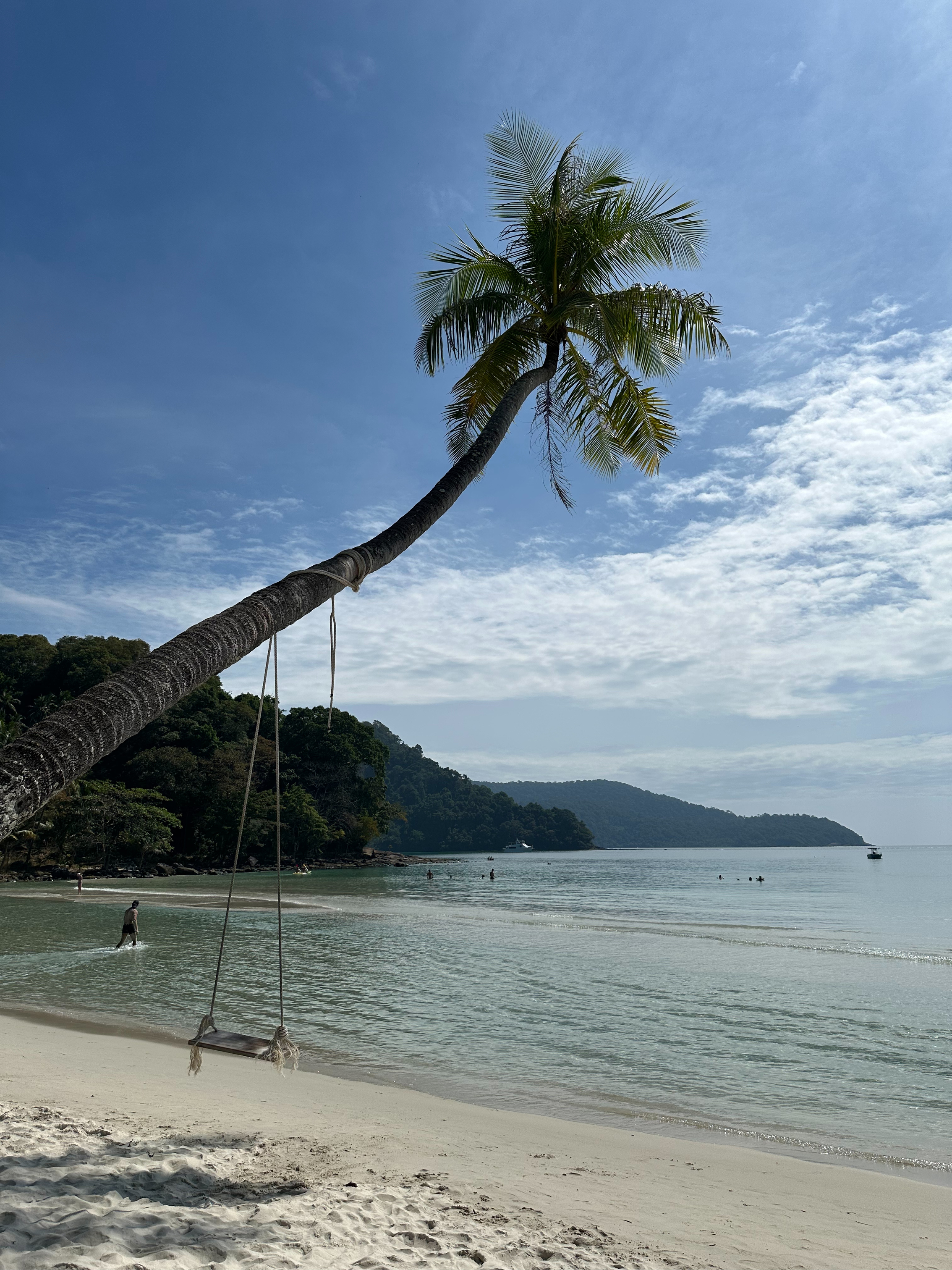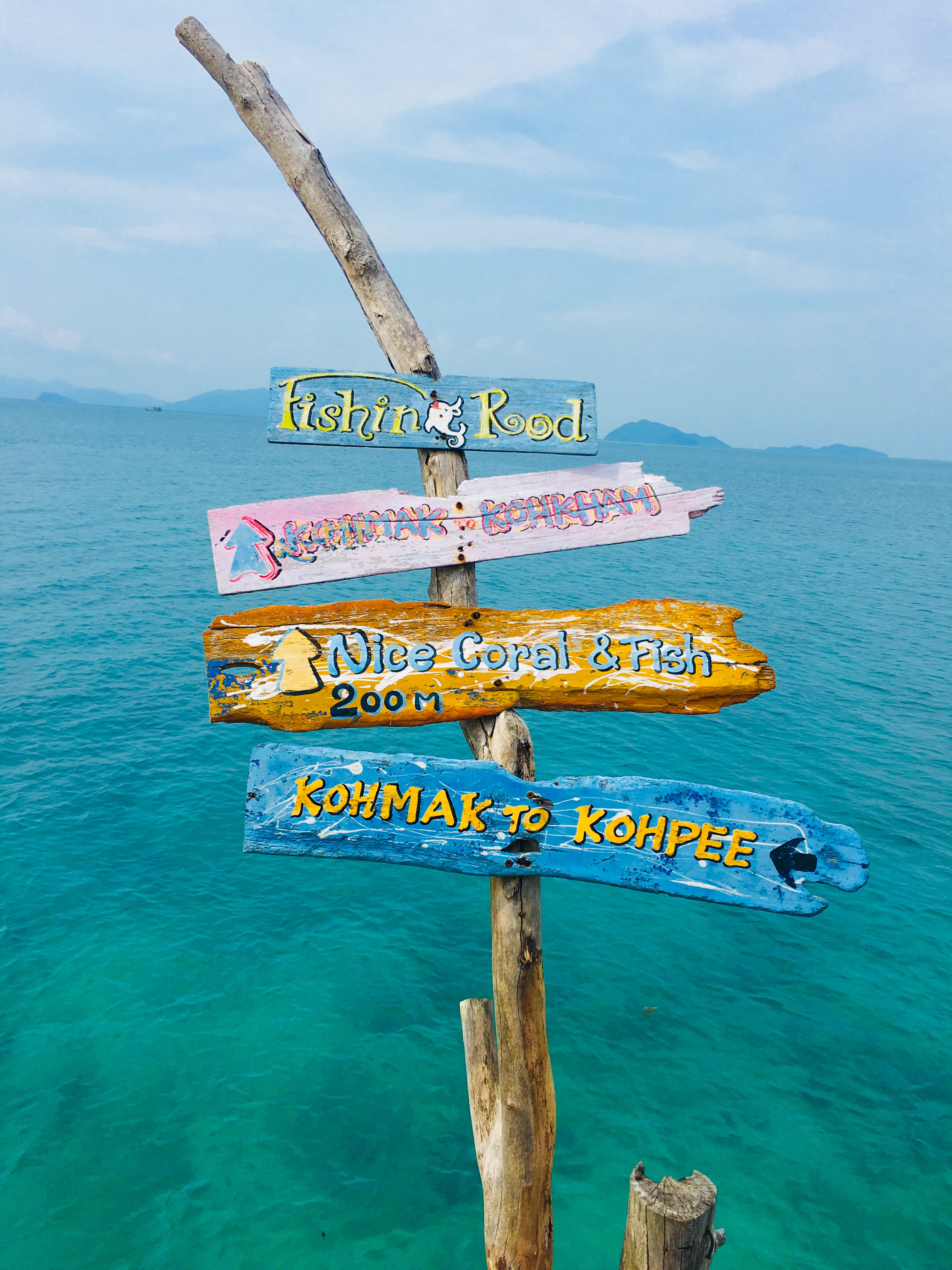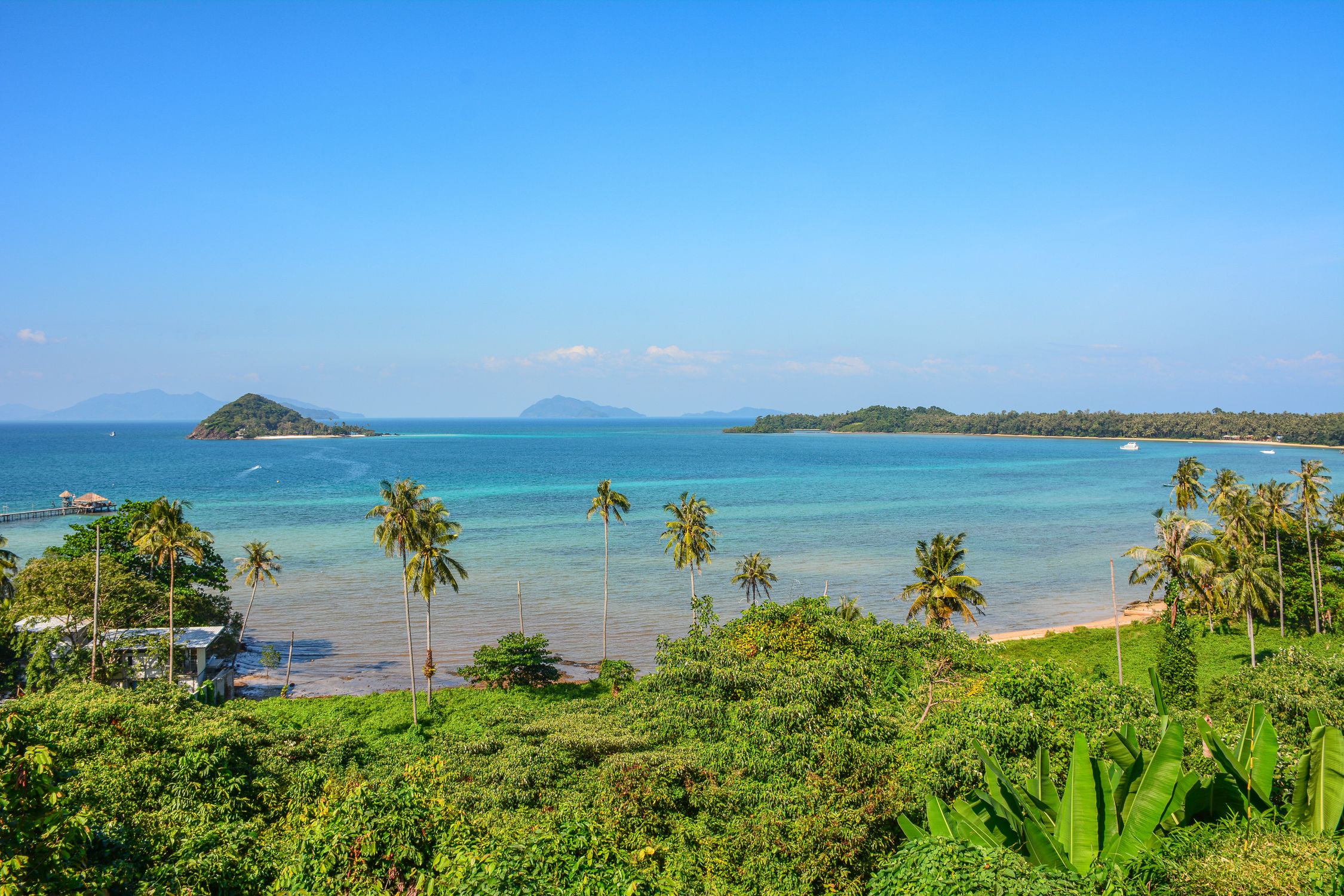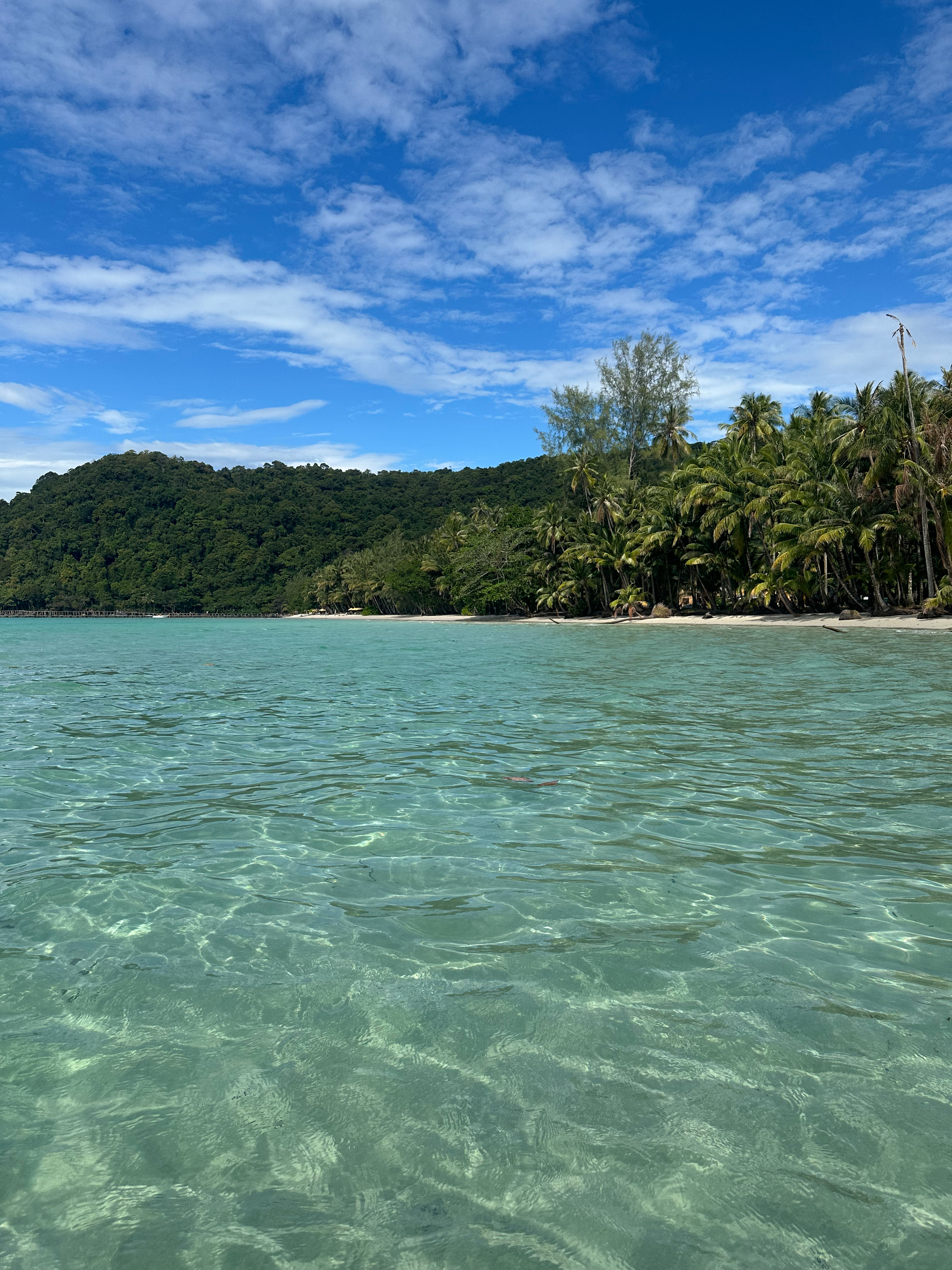

Koh Chang, Koh Mak, and Koh Kood sit in the same archipelago, two to six hours from Bangkok by bus and ferry, but they represent three completely different propositions—and travellers consistently pick the wrong one. Koh Chang is Thailand's second-largest island, developed and accessible, with ATMs, hospitals, and multiple restaurant choices. Koh Mak is a car-free retreat for people who genuinely want to sit still. Koh Kood is remote and expensive, the benchmark for "untouched" Thailand. Pick the wrong one and you'll either be bored by too much activity or frustrated by too little infrastructure.
| Category | Koh Chang | Koh Mak | Koh Kood |
|---|---|---|---|
| Best for | First-timers, families, English speakers | Couples, repeat visitors, silence seekers | Divers, high budgets, logistics tolerance |
| Vibe | Established, busy, Western-friendly | Quiet, deliberately slow, organised calm | Remote, expensive, generator-powered, pristine |
| Key draw | Infrastructure, beach choice, nightlife | Silence, cycling, zero cars, turquoise water | Untouched beaches, clean diving, low footfall |
| Beaches/nature | White Sand busy; Klong Prao calmer | Ao Kham and Ao Suan Yai both excellent | Ao Ngam Kho and Ao Bang Bao—cleanest waters |
| Nightlife | Bars, reggae shacks, occasional live music | None intentionally | None—early dinner, sunset drinks only |
| Daily cost (mid-range) | 800–1,500 THB guesthouses; 80–200 THB meals | 1,200–2,500 THB; limited restaurant choice | 2,500–5,000 THB minimum; cash-only areas |
| Peak crowds | Nov–Feb: busy but not Phuket-scale | Low even in peak season | Rarely crowded; weather limits access |
| Best months | Nov–Feb dry; Mar–Apr hot but manageable | Nov–Feb, then avoid May–Oct ferry cuts | Nov–Feb only; Jun–Oct ferries reduced 60% |
| Recommended stay | 4–5 nights minimum | 2–4 nights maximum | 3–4 nights if you get there |
How to reach them: ferry routes and timing
All three islands depart from Laem Ngop pier, 45 minutes from Trat city. Getting from Bangkok to Laem Ngop takes four to five hours by bus (direct buses from Ekamai or Mo Chit stations, 250–350 THB). Van operators on Khao San Road offer door-to-door packages (500–600 THB) but add two to three hours to the journey. Book transport the day before during high season; during low season (May–October), check that your target island ferry is actually running.
Koh Chang: speedboat or ferry departs Laem Ngop every 30–60 minutes between 7 a.m. and 6 p.m. (Nov–Apr). Journey time 30–45 minutes; cost 100–150 THB per person. Ferries are least reliable in the southwest monsoon (May–September), but the west-coast beaches still function. This is the only route where you won't have to plan around ferry schedules.
Koh Mak: speedboat takes one hour, slow ferry two to 2.5 hours. Only two to four departures daily, and the early morning boat often fills with workers. Book the night before if you have luggage. Low season (May–October) ferries may not run at all—check 48 hours ahead. Cost: 400 THB speedboat, 200 THB slow ferry.
Koh Kood: speedboat 1.5–2 hours (700–900 THB); slower ferry route also exists but is rarely used for tourists. Only one to three departures daily, often mid-morning or late afternoon. Genuinely check the timetable before you commit to Laem Ngop—a missed ferry means you're sleeping in a pier guesthouse. Low season (June–October) is 60% fewer boats and a genuine hassle.
Alternative: if you're island-hopping, speedboats run between Koh Chang → Koh Mak (45 minutes, 350–400 THB) and Koh Mak → Koh Kood (one hour, 400–500 THB). This avoids backtracking to Laem Ngop but costs more.
Koh Chang: second-largest island, first-timer destination
Koh Chang spans 429 square kilometres and feels more developed than other Thai islands at this price point. White Sand Beach (Haad Sai Khao) is the busiest stretch—three kilometres of pale sand, lined with beachfront restaurants, dive shops, and souvenir stalls. It's genuinely good sand and swimmable year-round, but during November through February, you'll share it with 200–400 other people on any given afternoon. This is not Phuket-level chaos, but it's not secluded either.
Better options exist if you want quieter swimming. Klong Prao, south of White Sand, extends another 2.5 kilometres with fewer bars and a younger family crowd. Lonely Beach (Hat Tha Nam) is the backpacker nexus—cheap bungalows, reggae bars, and late-night drink specials. Bang Bao, on the southern stilts-based fishing village, has lost some character to tourism but remains functional for sunset and diving trips. The main road running through the island is a highway—busy, noisy, not pedestrian-friendly.
Accommodation and cost: guesthouses range from 800–1,500 THB per night; actual beachfront bungalows 1,500–3,000 THB. A basic restaurant meal costs 80–120 THB. Tourist menus with English translations and Russian signage are standard. You'll find 7-Elevens, ATMs, pharmacies, and a basic hospital. This is the only island in the three where you can arrive without cash and have zero logistical problems.
Diving: Koh Chang has three dive shops per beach, mostly training-focused rather than expedition-grade. The reefs are okay—colourful but degraded. East-coast dives (Bai Lan area) are better than west-coast reefs, but still secondary to what you'll find at Koh Kood. Book diving the day you arrive; operators run daily two-tank trips (2,500–3,500 THB per person including lunch).
When to avoid: November through February, White Sand Beach hits 300–500 visitors daily. This isn't catastrophic, but if you're fleeing crowds, you've picked the wrong island. The main road is perpetually congested—renting a scooter is quicker than walking.
Koh Mak: the quiet option for couples and returners
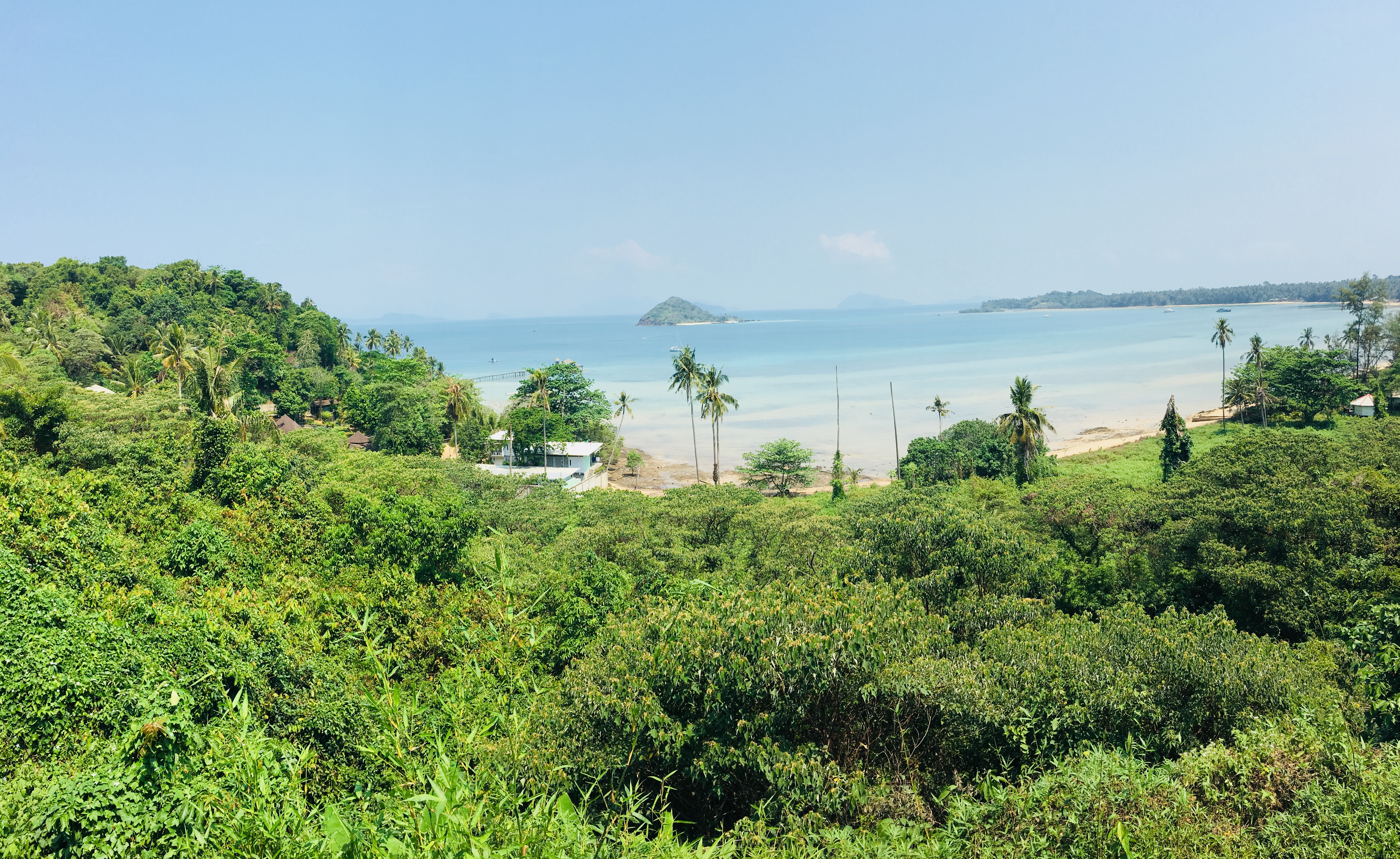
Koh Mak is 16 square kilometres and deliberately designed for silence. No external vehicles drive on island roads (locals have exceptions, but enforcement is real). Most resorts have explicit evening quiet hours; generators shut off at 10 p.m., and staff will politely ask you to leave if you're loud after dark. This is not a destination for parties or group hangouts. If you need consistent entertainment beyond swimming and eating, you'll be bored by night three.
Ao Kham, on the southern coast, is the showcase beach—shallow turquoise water, fine sand, and almost no people even during peak season. Ao Suan Yai, northwest, is longer and backed by shade trees; less photogenic but comfortable for extended periods. You can cycle between them in 40 minutes; the island loop takes two hours at a relaxed pace.
Accommodation and cost: fewer guesthouses than Koh Chang, prices compressed between 1,200–2,500 THB per night. There's no "budget" option below 1,200 THB with private facilities. Most resorts operate their own restaurants since eating options are limited (roughly six to eight independent beach restaurants for the entire island). Food quality is fine, but repetition sets in after three days—you'll likely eat at your resort three of four nights.
The honesty check: Koh Mak works brilliantly for two to four nights. Most visitors who stay five or more nights report monotony. It's not bad, but it's slow-motion boring—the same beach, same restaurants, same walk. Couples appreciate this for romantic resets. Solo travellers often find it isolating. If you're the type who loves silence and slow mornings, two nights will feel too short; if you're used to activity, two nights will feel optimal.
Watersports: minimal infrastructure. One small dive shop, one kayak rental operator. Snorkelling is functional but uninspiring (the reefs near Koh Mak are weaker than at Koh Kood). No speedboat rental; no island-hopping infrastructure. You're committed to staying put.
Koh Kood: expensive, remote, the cleanest diving in the region
Koh Kood is 105 square kilometres with roughly 3,000 permanent residents (mostly in Ao Bang Bao). Unlike Koh Chang and Koh Mak, there's no real town or infrastructure hub. Development is scattered across the coast in isolated resorts. No 7-Elevens. No ATM on most of the island. You'll see "no ATM nearby, withdraw at Laem Ngop" signs at half the resorts. Bring cash—ideally 10,000–15,000 THB for a three-night stay to cover accommodation and meals.
Electricity was generator-powered at most resorts until 2–3 years ago. Large properties now have 24-hour grid power, but smaller places still shut generators at 10 p.m.–11 p.m. This isn't roughing it, but it's genuinely removed from standard Thai infrastructure. Ao Ngam Kho, on the east coast, is the signature beach—deep green water, talc-soft sand, and genuinely empty. Ao Bang Bao is nearly as good and has a few small restaurants. Western bay beaches are calmer but less visually striking.
Accommodation and cost: mid-range resorts start at 2,500 THB/night; nice places 4,000–5,000 THB. Budget below 2,000 THB exists but means basic wooden bungalows with minimal amenities. Expect to spend more than Koh Mak for less convenience. Meals are similar to the other islands (100–250 THB street food, 300–600 THB restaurant), but there are fewer restaurants. Most guests eat at their resort.
Diving: this is Koh Kood's genuine advantage. The waters are measurably cleaner than Koh Chang—visibility 20–25 metres versus 10–15 metres. Reefs are healthier, fish populations denser. A two-tank dive trip costs 3,500–4,500 THB (similar to Koh Chang), but the diving experience is noticeably better. If diving is the reason you're here, Koh Kood justifies the extra cost and logistics.
Getting stuck: weather turns faster here than on Koh Chang. If a squall rolls in from Cambodia, you might lose a day of ferries. This isn't life-threatening, but it's a real constraint. Don't arrive on your last available day before a flight. Bring a book, charge devices, accept the possibility of a delayed departure.
When to go: monsoon reality and ferry reliability
November through April is dry season for all three islands. November and December are the most reliable; March and April remain good but get progressively hotter. This is when all ferries run, beaches are swimmable, and you won't get stuck by weather.
May through October is monsoon season on the Gulf of Thailand. The southwest monsoon hits these eastern islands less severely than western-coast islands (Phuket, Krabi), but it still matters. Koh Chang's western beaches—the main developed area—see increased swell and occasional closures. Koh Mak and Koh Kood are farther east and catch less direct wind, but ferry reliability drops 50–60% during June and September. Resorts stay open but don't expect daily boat departures.
The most common error: arriving at Laem Ngop in May expecting a ferry to Koh Kood and finding boats running twice weekly instead of twice daily. Plan low-season island trips with three to five days of flexibility, not fixed dates.
Can you combine all three?
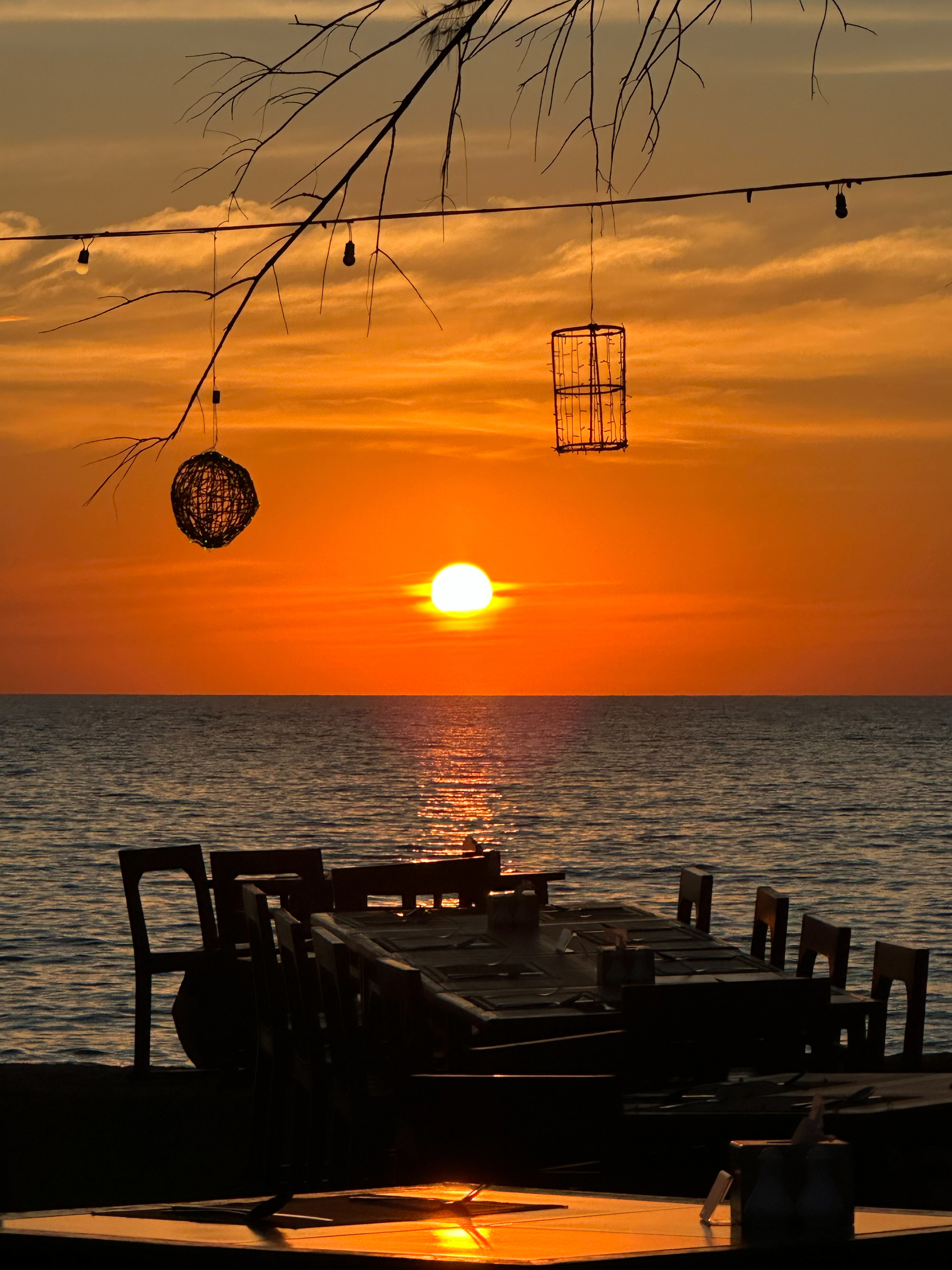
Yes, and this is how many travellers optimize the route. Bangkok (by bus, 4–5 hours) → Laem Ngop → Koh Chang (four nights) → speedboat to Koh Mak (two nights) → speedboat to Koh Kood (three nights) → fly Trat airport back to Bangkok (Bangkok Airways, 70 minutes, 3,500–5,000 THB per ticket). You avoid backtracking and see a genuine progression from "developed island" to "genuinely quiet" to "untouched."
This nine-night loop costs roughly 8,000–12,000 THB in transport (internal ferries plus flights), plus accommodation. It works because you're moving eastward, not repeating journeys. Trat airport is small but functional; book flights at least three to four days ahead.
The alternative: Bangkok → Koh Mak (direct, day trip from Bangkok is possible but grueling) → Koh Kood → return to Bangkok by flight. This skips Koh Chang and saves two nights, but you lose the infrastructure gradient—it's a harder jump from Bangkok rush to Koh Mak silence.
Who should go where
Koh Chang suits first-time Thailand visitors, families, and people who want a proven island with restaurants, pharmacies, ATMs, and actual nightlife. You'll be around other tourists, but infrastructure is reliable and you won't have logistical surprises. Go for four to five nights and use White Sand Beach as your base unless you actively want to avoid crowds, then shift to Klong Prao.
Koh Mak is for couples or solo travellers who've already done the Thai island circuit, want organized quiet, and appreciate slow mornings. Accept two to four nights as optimal; stay longer only if silence is actively healing for you. Bring a book, book accommodation with water views, don't expect to "do" anything. Go November through February only—low-season closures are real.
Koh Kood is for divers prioritizing water quality, people specifically seeking untouched beaches, or those with high budgets and logistics tolerance. Expect to pay 50% more than Koh Chang, navigate ferry timetables as constraints (not conveniences), and accept that getting there requires planning. Go only if one of those three conditions is true. Best for three to four nights; longer stays rarely justify the cost.
Frequently Asked Questions
Which island has the best nightlife?
Koh Chang—specifically Lonely Beach, which has reggae bars, late-night drink specials, and occasional live music. Koh Mak has zero nightlife by design (generators and quiet hours). Koh Kood has sunset drinks but nothing after 10 p.m. If you want to go out in the evening, only Koh Chang delivers.
Is Koh Kood really worth the extra money?
Only if you're diving or specifically looking for empty beaches with pristine water. For casual swimming and beach time, Koh Chang and Koh Mak are objectively fine; Koh Kood's advantage is visibility and solitude, not dramatic scenery difference. If nightlife or convenience matters to you, Koh Kood is definitely overpriced.
What's the difference between speedboat and slow ferry?
Speedboat is faster (45 minutes to Koh Chang, 1–2 hours to Koh Kood), costs more, and runs fewer times daily. Slow ferry is cheaper, takes longer (2–2.5 hours to Koh Mak), and is more susceptible to weather cancellation. For Koh Kood, speedboat is strongly advised—slow ferries are erratic and rarely used for tourists. For Koh Chang, either works.
Can you get to these islands without going through Laem Ngop?
Not reliably. Some operators run boats from coastal towns elsewhere in Trat Province, but Laem Ngop is the established hub. Flying into Trat airport (Bangkok Airways from Bangkok) and taking a ferry from there is an option if you hate long bus rides, but the flight costs 3,500–5,000 THB—often more than the bus + ferry combined.
What if the ferry gets cancelled due to weather?
If you're on Koh Chang, you have restaurants and guesthouses; a day delay is frustrating but manageable. If you're on Koh Kood, you're stuck at a resort with limited entertainment options and limited ferry operators to contact. Never book a flight or onward transport for less than 24 hours after leaving Koh Kood; aim for 48 hours if possible.
Which island should we pick for a romantic getaway?
Koh Mak if you want silence and early dinners. Koh Chang if you want beaches plus the option to go out to a restaurant or bar in the evening. Koh Kood if you're willing to pay premium prices for isolation and empty beaches. Koh Mak is probably the best value for romance; Koh Kood is best if budget is unlimited and you want genuinely untouched scenery.