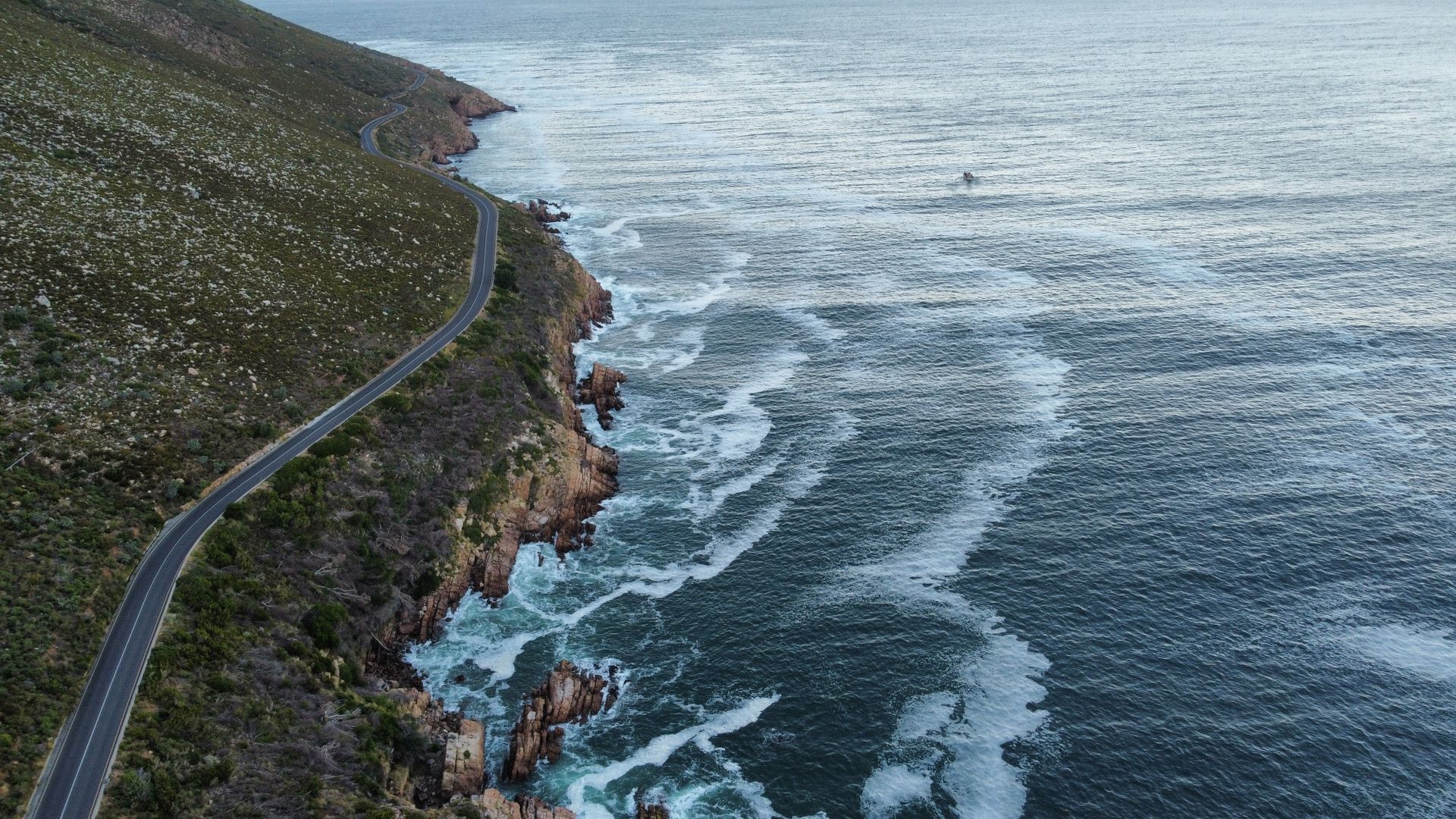
Cape Town occupies a geographic triangle: the Atlantic Ocean to the west, Table Mountain rising 1,086 metres behind the city, and the Cape Peninsula extending 60 kilometres south as a mountain range that drops directly into the sea. This geography creates a different climate on nearly every shore. The Atlantic side—Sea Point, Camps Bay—stays cool and windy year-round. The False Bay side—Muizenberg, Kalk Bay—runs 5–10 degrees warmer. Both neighbourhoods are Cape Town, but a first-timer needs to understand which side they're on to predict what to pack and how the day will feel.
Where to stay for your first visit
De Waterkant is the most practical base. The neighbourhood sits between the city bowl and V&A Waterfront, compressed into roughly 20 city blocks. Green Market Square anchors the south side; the waterfront is a 15-minute walk north. Restaurants, coffee shops, and galleries fill the steep streets between. Mid-range hotels cost €80–150 per night. The density means you can navigate on foot at any time of day, and the area has enough foot traffic that walking alone to restaurants at 11pm is normal.
Sea Point is the alternative. A residential promenade runs 2 kilometres along the Atlantic, lined with restaurants (Mimi's Cafe, La Mouette, Paranga) and a permanent 8–10 degree wind. Hotels cost €100–180 per night and attract a mix of tourists and locals. The waterfront is ten minutes away by Uber (R50–80, roughly €2.50–4). The trade-off is more space and a neighbourhood feel at the cost of density. You'll spend more time getting to attractions.
V&A Waterfront hotels sit inside the waterfront complex itself—€200–400 per night. Convenient if you're arriving late or leaving early, but the area is a shopping mall designed for tourists, not a neighbourhood. The waterfront is better used as a lunch spot or evening destination than a home base. Stay in De Waterkant, visit the waterfront by day.
Avoid the CBD (city bowl proper, around Strand Street and the train station) unless you have a specific restaurant booking and transport arranged to return to it. Safety after dark is a concern, and there's little reason to walk through this area as a tourist. De Waterkant and Sea Point have all the restaurants and nightlife you need.
Table Mountain: cable car or hike
The flat-topped mountain visible in every Cape Town photograph is called the tablecloth—a cloud that sits on the summit when the mountain's surface temperature inverts the air above it. The cloud can roll in within minutes. Plan to visit on a day with a clear 10am forecast, and have a backup day reserved.
The aerial cableway is the fast option. €27 return (€14 for descent only). The cable car runs from 8:30am, typically until 5:30pm or later in summer, depending on weather. Check tablemountain.net the morning of your visit—the site publishes the current closure status and provides a live webcam of visibility at the top. On a clear day, the top walk takes 30–60 minutes and loops around the eastern edge of the plateau with views into the city bowl on one side and False Bay on the other. Budget half a day.
Hiking up via Platteklip Gorge is the direct route and the most rewarding. The path climbs 2.5 hours via a clear, well-marked trail with no technical rock work. Start before 8am in summer (December–February) to avoid midday heat and afternoon clouds. The effort is moderate but unrelenting—1,080 metres of elevation in a compressed space. Many hikers descend via cable car (€14) rather than hiking down the same route, which saves knees and time. Total day commitment is 4–5 hours start to finish. This works if you're prepared for heat and distance; it's not suitable for visitors unused to sustained climbing.
The cable car sells out on clear days in peak season (December–January). Book tickets online at tablemountain.net before arriving in Cape Town, or arrive at the lower station before 8:30am to queue for standby tickets.
The Cape Peninsula: Chapman's Peak, Cape of Good Hope, penguins, and harbour town
This full-day loop covers the dramatic southern coast and should be done within your first three days, before you've spent a full day on Table Mountain.
Transport: hire a car (Budget, Hertz, Europcar all have offices at the airport; €35–60 per day, manual transmission saves money) or book a guided tour (€60–90, includes driver, guide, and return to your hotel). Self-driving allows stopping at viewpoints on your schedule; tours move faster and include commentary. Either works for a first-timer.
Chapman's Peak Drive is a 10-kilometre corniche carved into cliffs along the Atlantic coast. A toll of R50 (roughly €2.50) covers the drive. Stop at the main lookout roughly halfway through—this is the photograph. The drive itself takes 20–25 minutes without stops.
Cape of Good Hope is not the southernmost point of Africa (Cape Agulhas, two hours east, holds that title). Cape Point is the south-western cape of the Peninsula, historically significant to shipping and visually dramatic. The Cape Point Nature Reserve charges €15 entry. A funicular runs to the lighthouse (included in entry), or walk the same route in 45 minutes with better views and no queue. The walk is steep but short. Most first-timers do the funicular on arrival and walk the return. Allow 1.5 hours at the Cape.
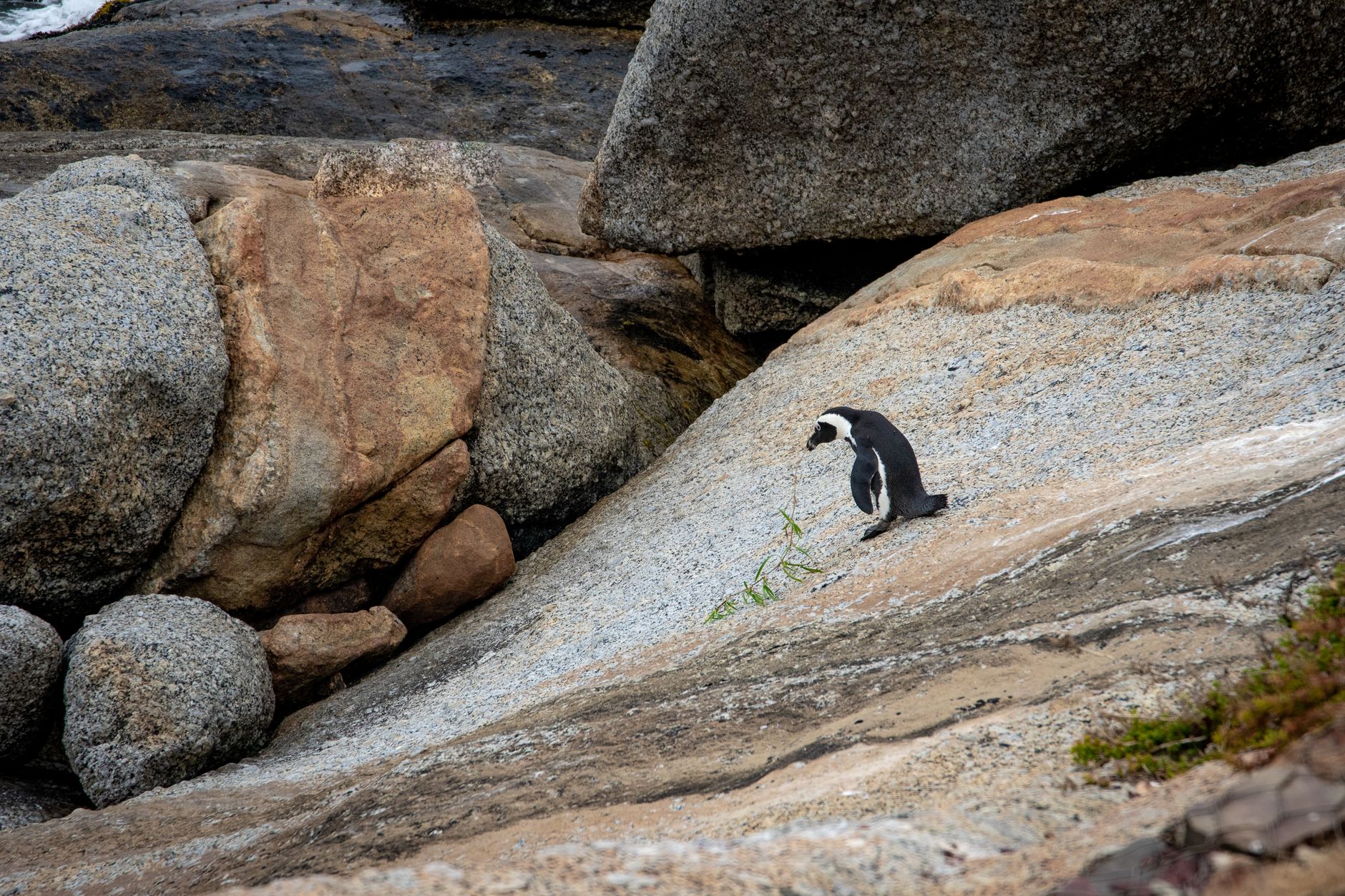
Boulders Beach penguin colony is 4 kilometres past Cape Point on the return leg. €5 entry. African penguins—3,000 of them—nest in and around boulder formations on this beach. The colony has exploded from two birds in 1982 to its current size. Visit before 10am to avoid tour groups and midday heat. By noon, the beach is crowded and penguins retreat to shade. This is worth 45 minutes.
Kalk Bay is a working fishing harbour on the False Bay side, 20 minutes north of Boulders Beach. The harbour is 400 metres of colourful boats, fish stalls, and small antique shops. Eat fish and chips at the original Kalk Bay Harbour restaurant (outdoor tables overlooking the water, order at the counter, €8–12 per plate). This is the lunch stop. Allow one hour.
Route timing: start from Cape Town at 8am, stop for coffee and petrol before Chapman's Peak, arrive Cape Point by 10:30am, Boulders by 11:45am, lunch in Kalk Bay by 1pm, back to your hotel by 4pm. This paces the day without rushing and fits everything.
Stellenbosch wine region: 45 minutes and one strict rule
The Stellenbosch wine region lies 45 minutes east of Cape Town via the N2 highway. This is the source of South Africa's premium red wine production and represents a significant shift from the coastal city—dry valleys, mountain views, and estates that have operated since the 1680s.
The wine: Pinotage is the indigenous grape variety developed in South Africa in 1925 (a cross of Pinot Noir and Cinsault). Stellenbosch produces Pinotage, Cabernet Sauvignon, Shiraz, and blended reds. Reliable estates open to drop-in tastings include Meerlust, Rustenberg, Kanonkop, and Delheim. Tastings typically cost €5–8 and include four to six wines. Most estates require advance booking—use the Stellenbosch Wine Route app to check appointment requirements and opening times before you visit.
The critical rule: South Africa's legal blood alcohol limit is 0.05%—stricter than most European countries. Two glasses of wine puts most people over this threshold. Do not self-drive if you plan to taste at multiple estates. Book a wine tour (€60–90 per person, includes guide, transport from Cape Town, return to your hotel, and tastings at two or three estates) or use an Uber between estates.
Franschhoek is a smaller wine town 20 minutes further from Stellenbosch—higher prices, more tourists, excellent restaurants (Grande Provence, Rickety Bridge, Babylonstoren). The Franschhoek Motor Museum (€10, 90 minutes if you like classic cars) is worth a detour if time allows. First-timers do Stellenbosch in a day; repeat visitors or wine specialists add Franschhoek as a second day.
Safety: honest specifics, not warnings
Tourist areas—De Waterkant, Sea Point, the V&A Waterfront promenade, and the Atlantic Seaboard—have low visible crime. Walk freely during daylight and early evening (until 10pm). Police presence is consistent, and the pedestrian density works in your favour.
The CBD (city bowl, around the train station and Strand Street) has higher risk of opportunistic crime—theft, bag snatching, mugging. Don't walk through this area at night. Use Uber or MyCiTi bus for any night movement through the CBD. Uber's driver verification is stricter in South Africa than Bolt's; use Uber for night transport.
Mugging is a real risk in low-traffic areas without a tourist presence—the outer suburbs, certain industrial zones, streets that feel empty. The practical rule: if you're the only visible tourist on a street, reconsider your route. Walk with purpose and awareness, not distraction.
Phones and cameras: don't display them in unfamiliar areas. In tourist districts (Waterkant, waterfront, Sea Point promenade), phones and cameras in hand are normal and safe. Shoulder bags worn across the body work fine in these areas.
Car hire: smash-and-grab theft at traffic lights is common in some areas, particularly around the CBD and lower-income suburbs. Don't leave anything visible in a parked car—phones, bags, cameras, sunglasses. Lock doors at traffic lights and keep bags on the floor out of sight. Rental companies lock car parks at night, which reduces risk for overnight storage.
Never walk alone in unfamiliar areas after dark. Use transport. This is straightforward risk management, not a reason to avoid the city.
Getting around: transport, costs, currency

Arriving: Cape Town International Airport is 20 kilometres from the city. Uber costs R250–350 (€12–17, roughly 25–30 minutes depending on traffic). Metered taxis operate from a rank outside arrivals and typically cost double the Uber rate. The Gautrain railway connects Johannesburg but not Cape Town, so Uber is the fastest option.
Daily movement: Uber is the primary transport network. A typical ride within the city costs R50–120 (€2.50–6). MyCiTi bus covers the Atlantic Seaboard and runs to the waterfront (R25–30 per ride, €1.30–1.50). Buses have designated tourist routes and run frequently during daylight. For wine tours and the Cape Peninsula, hire a car or book a guided service.
Car hire: Budget, Hertz, and Europcar operate from the airport. Manual transmission is cheaper (€35–45 per day) than automatic (€50–70 per day). Fuel is inexpensive by European standards. Third-party insurance is mandatory; consider declining the rental company's damage waiver if your credit card covers hire car damage (check your terms beforehand). Allow 30–45 minutes for the rental process.
Currency: South African Rand (ZAR). €1 typically equals R18–22 (check current rates; exchange rates fluctuate). ATMs are ubiquitous, and credit cards are accepted in restaurants and shops across tourist areas. The favourable exchange rate makes Cape Town good value for European visitors once you've covered flights—budget €60–100 per day for accommodation, food, and attractions.
How many days: five to seven covers Cape Town properly
Day one covers arrival, settling into De Waterkant, a sunset walk along the promenade at Sea Point, and early dinner. Jet lag will dominate.
Day two is the Cape Peninsula loop (Chapman's Peak, Cape of Good Hope, Boulders Beach, Kalk Bay). Start at 8am. This is the single most rewarding day; don't compromise it with fatigue or bad weather. Choose a day with clear visibility.
Day three is Table Mountain on a clear-weather day. If the tablecloth is down, substitute another activity and return to the mountain later. The cable car or Platteklip Gorge hike takes half a day, leaving time for the city bowl (Company's Garden, Slave Lodge Museum, St. George's Cathedral) or neighbourhoods like Woodstock (galleries, coffee, Sunday markets if timing allows).
Days four and five are flexibility days. Use one for Stellenbosch (full day, wine tour). Use the other for a boat trip to Robben Island (€30, 3 hours including return ferry and island tour, book at the waterfront), swimming at beaches on the False Bay side if weather permits, or shopping and dining. The Constantia wine region (20 minutes south, smaller and less touristy than Stellenbosch) is another option for wine-focused visitors.
Six and seven are optional. Most first-timers have covered the main attractions by day five and day six becomes flexible travel (return to favourite restaurant, long beach walk, museum revisit, or early departure). Seven days is comfortable; five days is the minimum to see the essential geography and not feel rushed.
What first-timers typically miss
Most articles emphasise the aesthetic beauty of Table Mountain and the penguin colony but underplay the difficulty of the weather. Plan a full backup day for Table Mountain. The mountain closes to the cable car 30–50 days per year, and visibility can change from zero to clear in minutes. Don't spend your only clear day indoors.
The False Bay side (Kalk Bay, Muizenberg, Strand) is consistently warmer and has different character than the Atlantic side. First-timers concentrate on the Atlantic (Sea Point, Camps Bay, Chapman's Peak) and miss quieter, often better-value alternatives on the False Bay side. If you hire a car, drive both coasts.
Driving around the Peninsula at night is not safe. Do the loop during daylight (start by 8am) and be back in the city by 5pm.
Who should go and when: Cape Town suits visitors seeking a city-mountain-ocean combination in one location, and food or wine-focused travellers wanting to explore South African estates and restaurants in a compact area. Visit November through February (Southern Hemisphere summer, 24–30°C, daylight until 8:30pm) for the best weather and longest days. The Cape Peninsula loop should anchor your trip, done on day two or three before using a full day on Table Mountain. Book accommodation and car hire eight weeks ahead during peak season.