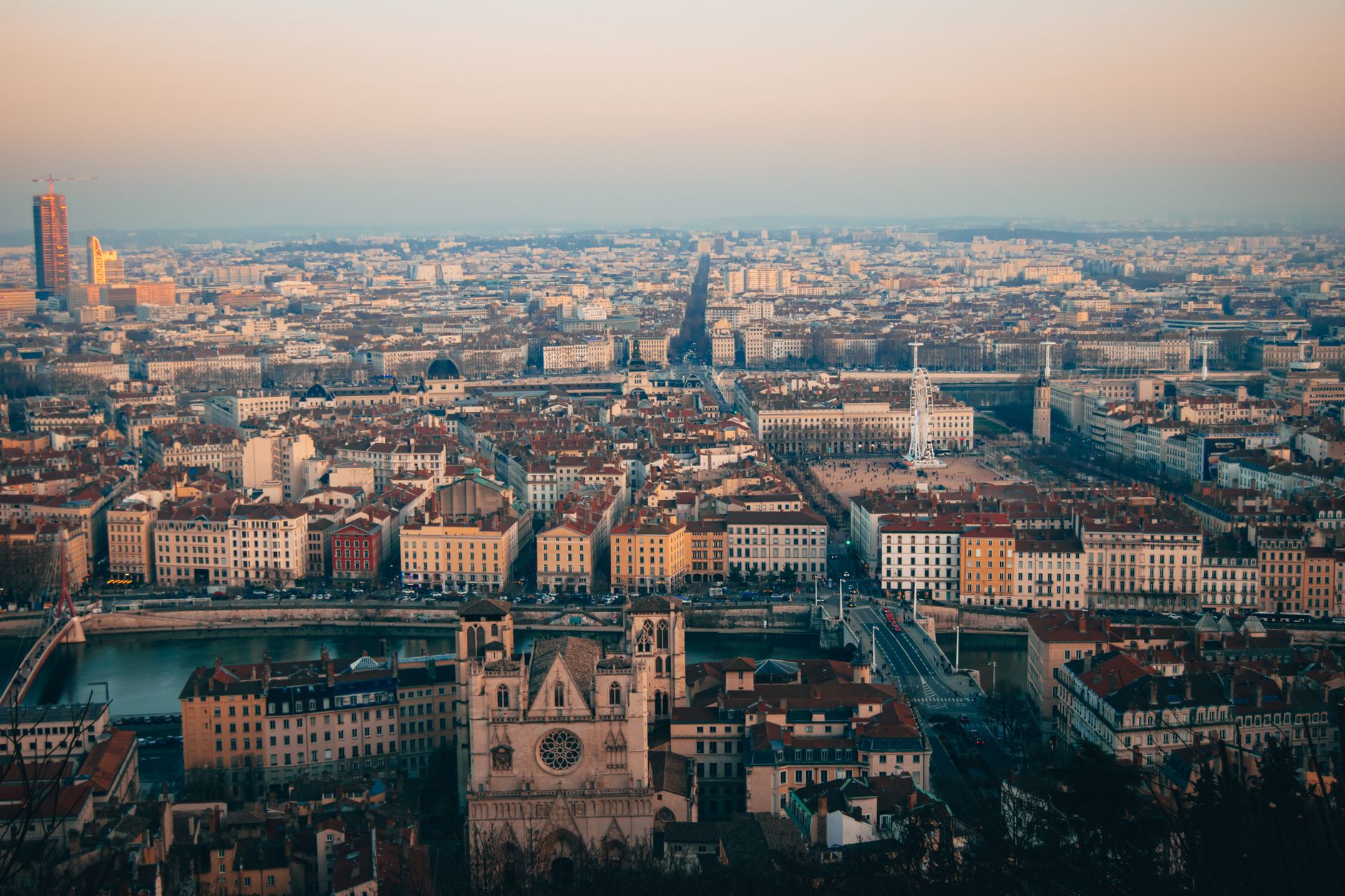
Provence is a large region — roughly the size of Switzerland — covering a range of landscapes from the Camargue wetlands on the coast to the Alpine foothills above Digne-les-Bains. Most visitors focus on the central corridor: the Luberon, the Alpilles, the lavender plateaux around Valensole and Sault, and the cities of Aix-en-Provence and Avignon. The region rewards slow travel more than most; it's also genuinely difficult to navigate without a car, and that's worth accepting before arriving.
The Lavender Season: Timing and Expectations
Lavender blooms from late June through early August, peaking in the first two weeks of July depending on altitude and the preceding winter. The Valensole plateau (between Manosque and Moustiers-Sainte-Marie) is the most accessible — wide, open fields you can walk through, visible from the road, without the artificial staging of some more-photographed spots. The village of Valensole itself is small; accommodation books out months ahead in July.
The Sénanque Abbey, 3km from Gordes, is the classic lavender-and-abbey image — Cistercian architecture rising from a narrow valley of lavender. It exists exactly as photographed, and so do the coach parties. Arrive before 8am or after 5pm in July for usable photographs. The abbey interior is open for visits; the lavender fields are on monastic land and cannot be entered.
The Sault plateau, at 780m altitude, blooms 10–15 days later than Valensole and is both less crowded and more varied — lavender, wheat, and oak forest mixed across rolling terrain. Sault village has a good market on Wednesdays. The combination of later bloom and fewer visitors makes it the better choice for anyone with flexibility on timing.
The Luberon: Villages and Landscape
The Luberon is a limestone massif running 65km east–west, with a string of perched villages on its northern and southern flanks. Gordes is the most photographed — a cascade of pale stone houses on a cliff face, with a 16th-century château at the top. The view from the D15 road below the village is the one on every Provence postcard. The village is extremely busy in July and August; the surrounding area has room to breathe.
Roussillon, 10km east of Gordes, sits in the middle of the world's largest ochre deposits. The surrounding cliffs range from yellow to deep red-orange; the Sentier des Ocres (1–2 hour walk, €3) passes the most dramatic formations. The village streets maintain the ochre theme in their painted facades. Less crowded than Gordes and more genuinely distinctive.
Ménerbes and Lacoste are smaller and receive fewer visitors. Lacoste, dominated by the ruined château of the Marquis de Sade, hosts a small summer festival. Ménerbes is compact and has good cafés. Both work better as stops on a day's driving than as bases.
Aix-en-Provence
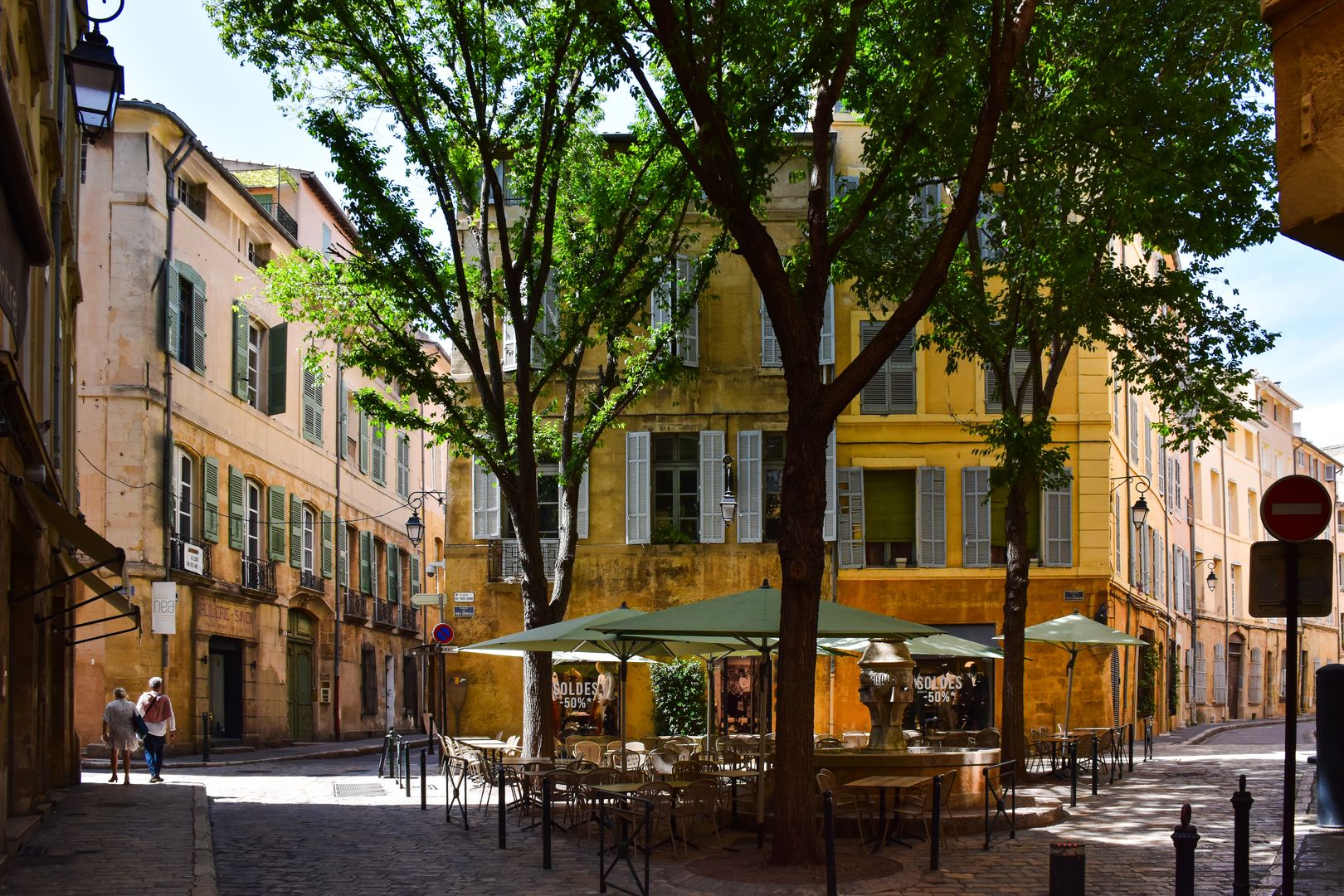
Aix is a university city with a well-preserved historic centre, a morning market on Place Richelme (daily for produce, Saturday for the larger version spreading across nearby squares), and a strong connection to Cézanne, who was born here and painted Mont Sainte-Victoire from the surrounding hills throughout his career. The Atelier Cézanne (his studio, preserved as he left it) is open daily; €7.50 entry, worth an hour. The Vasarely Foundation on the outskirts is a separate trip for fans of Op Art.
Cours Mirabeau is the central boulevard — plane trees, cafés, fountains, and the 17th-century hôtel particuliers that give Aix its particular character. The city is less chaotic than Marseille, more cosmopolitan than the Luberon villages, and has good transport connections (TGV to Paris in 3 hours). A two-night stay is enough to cover the centre thoroughly.
The Camargue
The Camargue is a 930 km² delta at the mouth of the Rhône — wetlands, salt flats, and lagoons supporting flamingos (resident year-round, most numerous April–August), white horses (semi-wild, indigenous to the region), and black bulls. The Parc Naturel Régional de Camargue covers most of it. The main base is Saintes-Maries-de-la-Mer, a small town with beaches on the Mediterranean side.
Flamingos are most reliably seen at the Étang de Vaccarès lake (accessible on foot from the D37 road) and around the Salin-de-Giraud salt works to the south. Morning and evening are the best times. Horses are visible along most of the minor roads through the Camargue; organised horseback tours (€35–60 for 2 hours) operate from several ranches near Saintes-Maries.
The Verdon Gorge
The Gorge du Verdon is the deepest canyon in Western Europe — 25km long, up to 700m deep — with turquoise water at the bottom that powers a hydroelectric system. The Corniche Sublime road on the southern rim and the Route des Crêtes on the northern rim both give views into the gorge. The GR4 trail runs along the valley floor (Martel trail, 15km one way, 5–6 hours, requires shuttle or two cars).
The village of Moustiers-Sainte-Marie at the western end is the most logical base — a pretty village known for its faïence pottery, with restaurants and small hotels. The Lac de Sainte-Croix at the gorge entrance is a reservoir with turquoise water; pedal boats and kayaks rent from the beach car park at the bridge. Summer (July–August) brings significant crowds to both the lake and the gorge roads; the Verdon in September is quieter and the water temperature is still acceptable for swimming.
Provençal Food and Wine

Provence produces around 40% of France's AOC rosé wine — the pale, dry style associated with Bandol and Côtes de Provence appellations. Château Sainte-Roseline and Domaine Ott are among the better-known producers; tasting rooms operate throughout the summer and most allow walk-in visits. The wine is designed to be drunk young, within one to two years of bottling.
Olive oil production is concentrated around Les Baux-de-Provence and the Alpilles. The Moulin Castelas and Moulin du Mas des Barres both do tastings. Tapenade (olive paste with capers and anchovies), pissaladière (onion tart with anchovies and olives), socca (chickpea flatbread, a Niçoise speciality but found across eastern Provence), and bouillabaisse (the Marseille fish stew, strictly speaking only authentic in Marseille) are the regional dishes worth seeking out. Markets are the best way to eat in Provence; a picnic from the Tuesday market in Vaison-la-Romaine competes with any restaurant at a fraction of the cost.
Getting Around and Practical Costs
A car is not optional for most Provence itineraries. Train connections exist between Avignon, Aix, Marseille, and Arles, but the Luberon villages, the Camargue, the Verdon Gorge, and the lavender country are not meaningfully accessible without one. Car hire from Marseille Provence Airport or Avignon TGV runs €40–80 per day for a small car. Petrol prices are similar to the French average (around €1.75–1.90/litre in 2026).
A gîte (rural holiday rental) is better value than hotel rooms for groups of two or more — €90–180 per night for a stone farmhouse with a pool, split between four people, undercuts any hotel in the area. For solo travellers and couples, small hotels in Aix and Avignon run €90–160. Restaurant meals average €18–28 for a main course; a proper provençal lunch with wine runs €35–50. The weekly market picnic method keeps daily food costs to €15–20 per person.