

Spain fortified Cartagena de Indias for good reason: for two centuries it was the main port through which South American gold and silver left for Europe. The walls that protected it, built over 200 years starting in the 1580s, are still standing. The walled city (Ciudad Amurallada) — a 2km-long fortified perimeter enclosing colonial mansions, plazas, and churches — is now the tourist core. It's compact, walkable, and genuinely impressive in the late afternoon light when the heat drops and the stone takes on a warm orange tone. The heat itself is the constant: Cartagena sits at 10° north of the equator at sea level and the average temperature is 30°C year-round.
The Walled City: What's Actually There
The Ciudad Amurallada divides into two halves: the inner city (San Pedro and Santo Domingo neighbourhoods) with the most ornate colonial architecture and the most tourist restaurants, and Getsemaní across the Puerta del Reloj clock-tower gate, which was historically the artisan and working-class quarter and is now the area with the best street art, the most interesting independent restaurants, and accommodation 30–40% cheaper than the inner city.
The Plaza Santo Domingo is the main gathering point in the evening — vendors sell fruit, arepas de huevo, and chilled beer from coolers, and the atmosphere is more relaxed than the more photographed Plaza de los Coches. The Castillo de San Felipe de Barajas, the massive fortress on the hill overlooking the city, is the most significant military structure in the Americas from the colonial period and costs about $35,000 COP (€8) to enter. The tunnel system inside the walls is the most interesting part; allow 90 minutes.
Beaches and Islands Near Cartagena
Cartagena's mainland beaches are not the reason to come — Playa Blanca on Barú Peninsula has the best mainland sand but is also the most crowded day-trip destination. The Rosario Islands (Islas del Rosario), 45km southwest, have the clearest water in the region and are reached by speedboat from the Muelle Turístico (1h30 each way, around $80,000 COP/€18 return for a day trip). The islands range from heavily developed to near-empty; the day-trip operators typically route to the same two islands. For better water and fewer people, the San Bernardo Archipelago further south is worth the longer transfer.
Playa Blanca is 90 minutes by boat from the city and has a line of hammock bars and fish restaurants. It's worth a day for the sand quality; the vendors are persistent (no is a complete sentence), and arriving before 10am means 2–3 hours before the main boat tours arrive.
Getting Around and Practical Logistics
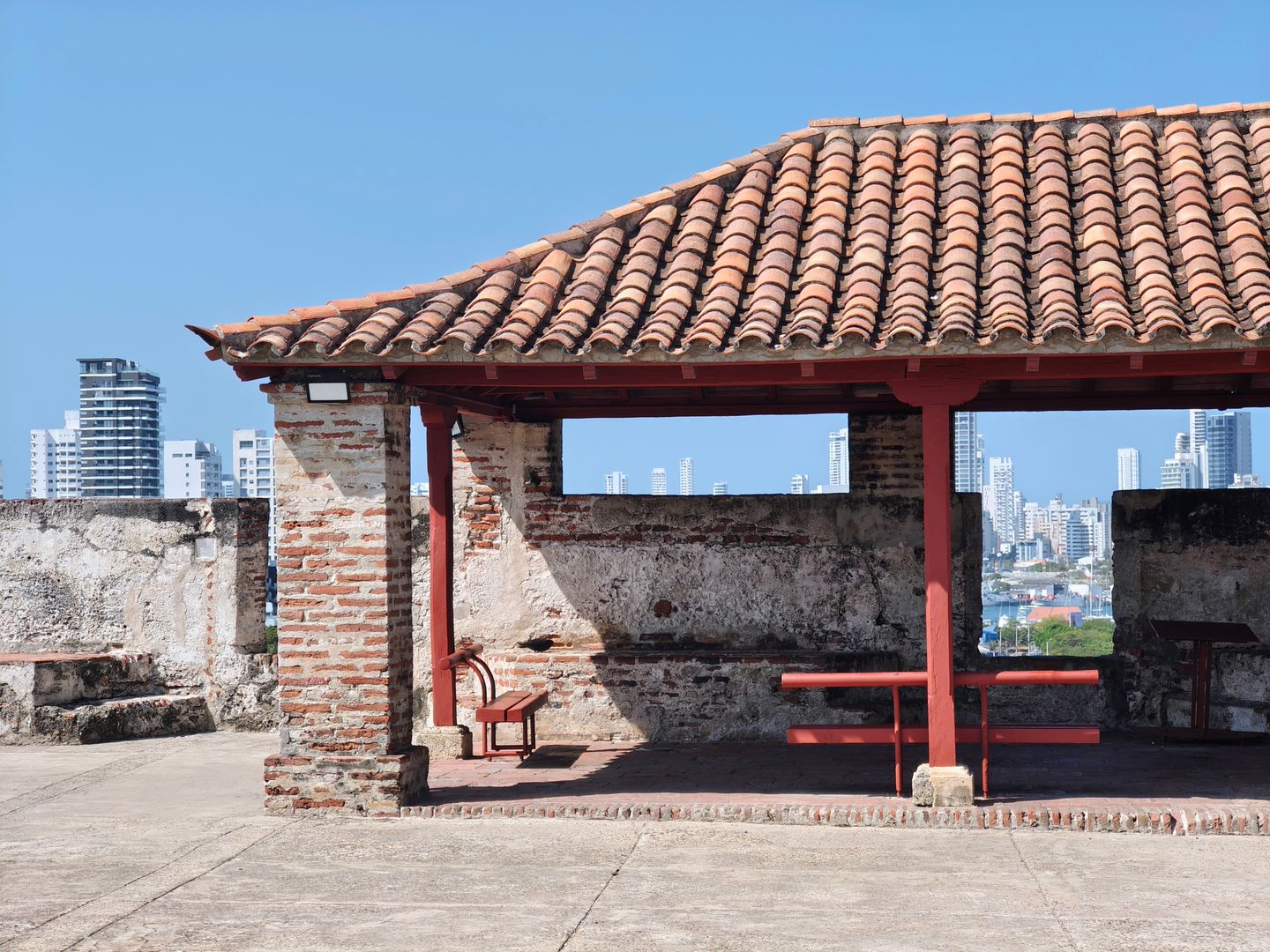
The walled city is walkable in 45 minutes from one end to the other. Beyond it, taxis are cheap and plentiful — a ride within the wider city costs $7,000–15,000 COP (€1.60–3.50). InDriver and Uber operate in Cartagena; both are cheaper than street taxis and avoid negotiation. The Bocagrande peninsula, the modern beach resort district south of the walled city, is worth visiting for swimming (the beach is free, long, and relatively calm) but not for food or nightlife — the walled city and Getsemaní are better for both.
Rafael Núñez Airport is 2km from the walled city and one of the most convenient airport locations in South America — taxis cost $15,000–20,000 COP (€3.50–4.50). Direct flights connect Cartagena to Bogotá (1h15), Medellín (1h), and several US cities including Miami and New York.
When to Visit Cartagena
December through April is the dry season — trade winds keep the humidity slightly lower and rain is minimal. January and February are the windiest months, which matters for boat trips to the islands (rougher seas, possible cancellations). March and April are hot, dry, and less windy — probably the best overall months for combining city and beach.
The wet season (May–November) brings afternoon rain showers, higher humidity, and lower prices. The rain is typically short and intense rather than all-day; mornings are usually clear. October and November see the most rainfall. The city functions year-round and the walled city is worth visiting regardless of season — the heat and humidity are constants that vary less than the rain.
Safety and Practical Notes
The walled city and Bocagrande are straightforwardly safe for tourists by day and in the early evening. Getsemaní is mixed: the central plaza and main streets are fine; some side streets after midnight are less so. The standard guidance applies: don't display expensive cameras and phones unnecessarily, and take taxis after dark rather than walking unfamiliar routes. Express kidnappings via fake taxis were historically an issue; use InDriver or Uber or agree the fare before entering a taxi.
Colombian peso has devalued significantly since 2020; costs for foreign visitors are low. A meal at a good restaurant in the walled city runs $40,000–80,000 COP (€9–18) per person with drink. Street food — arepas de huevo, costeño cheese, fried fish — costs $3,000–8,000 COP (€0.70–1.80). A mid-range boutique hotel in the walled city runs $250,000–450,000 COP (€55–100) per night in low season; in Getsemaní, 30–40% less.
Beyond Cartagena: The Caribbean Coast

Cartagena is the most visited point on Colombia's Caribbean coast but not necessarily the most interesting. Tayrona National Park, 4 hours east by bus, has the best combination of jungle and beach in the country — the walk in takes 45–90 minutes depending on which sector, and the beaches at Cabo San Juan are worth it. The park has strict capacity limits; book in advance on the official website. Minca, a small village in the Sierra Nevada above Santa Marta, is worth a night for the birdwatching and the cooler temperatures. Palomino, between Santa Marta and Tayrona, is a quieter beach village with a river that empties into the sea — less developed than the Tayrona beaches and with better accommodation for multi-day stays.
