48 articles

4 June 2026
franceNormandy Travel Guide: D-Day Beaches, the Bayeux Tapestry, and Mont Saint-Michel
The D-Day beaches stretch 80km across the Normandy coast. On 6 June 1944, Allied forces landed approximately 156,000 men in the largest seaborne invasion in history, involving nearly 7,000 vessels. The landscape bears direct evidence: the crater field at Pointe du Hoc has not…
Henrik Vinter
4 June 2026
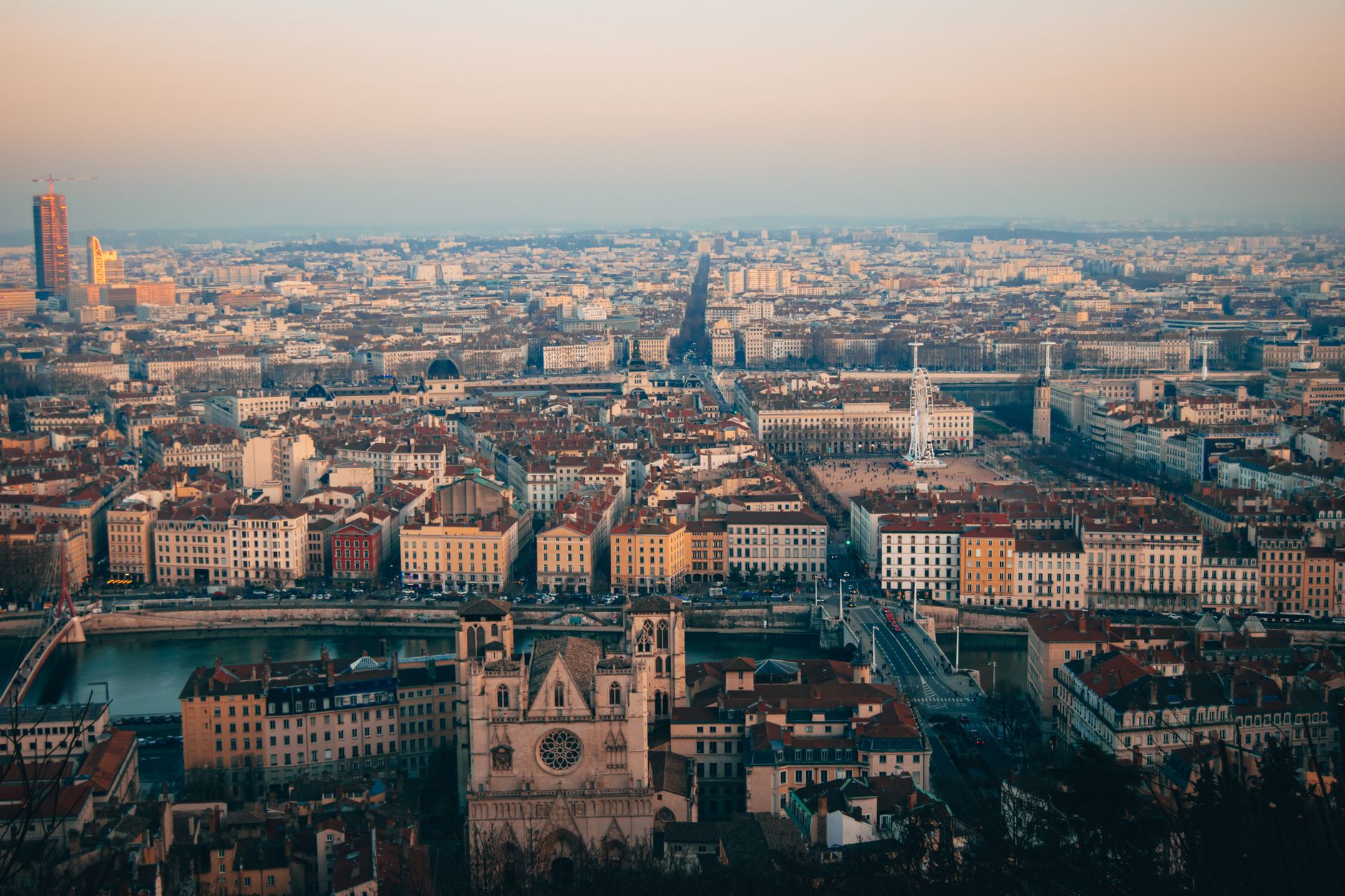
franceLyon Travel Guide: Food, Traboules, and the City Most Visitors Underestimate
Lyon is France's third city by population, first by any meaningful measure of culinary density. The Michelin Guide lists more stars per square kilometre here than anywhere in France outside Paris. Paul Bocuse — the most decorated French chef of the 20th century — was born 10km…
Henrik Vinter

4 June 2026
italyNaples Travel Guide: The City, the Food, and the Excursions
Naples has a metropolitan population of 3 million, a UNESCO World Heritage centre storico, the world's most complete Roman artifact museum, and pizza that genuinely justifies the claim of being better here than anywhere else. It also requires approximately 12 hours of adjustment…
Henrik Vinter
28 May 2026
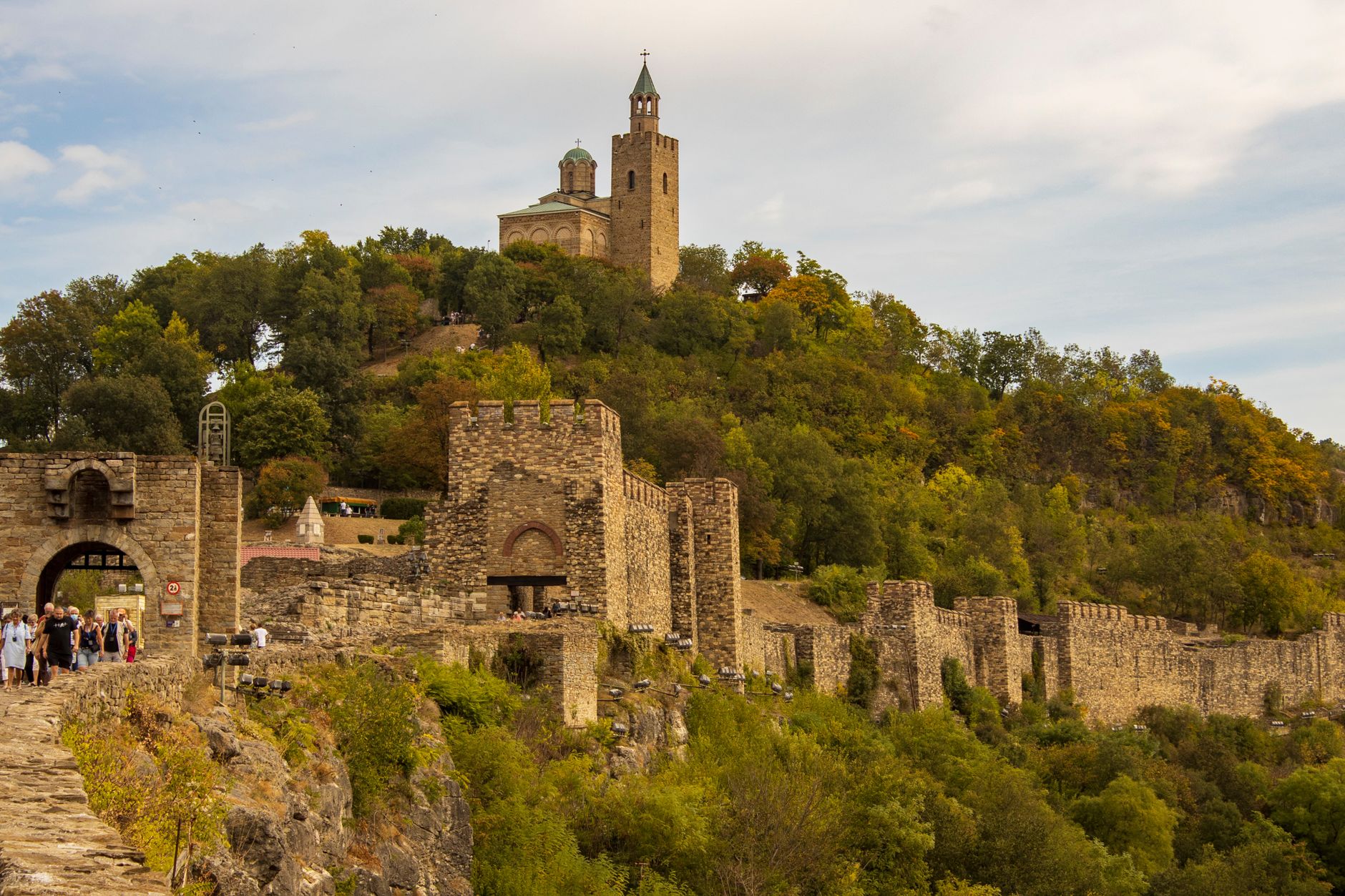
bulgariaVeliko Tarnovo Travel Guide: Bulgaria's Medieval Capital
Veliko Tarnovo was the capital of the Second Bulgarian Empire from 1185 to 1393, when it fell to Ottoman forces after a three-month siege by Sultan Bayezid I. The city sits on three steep hills in a gorge of the Yantra r
Henrik Vinter

28 May 2026
greeceAncient Olympia Travel Guide: The Original Home of the Olympics
The Olympic Games were held at Olympia from 776 BCE to 393 CE — a continuous run of 293 Olympic cycles over nearly 1,200 years before the Emperor Theodosius banned all pagan festivals. The sanctuary of Zeus at Olympia wa
Henrik Vinter
28 May 2026
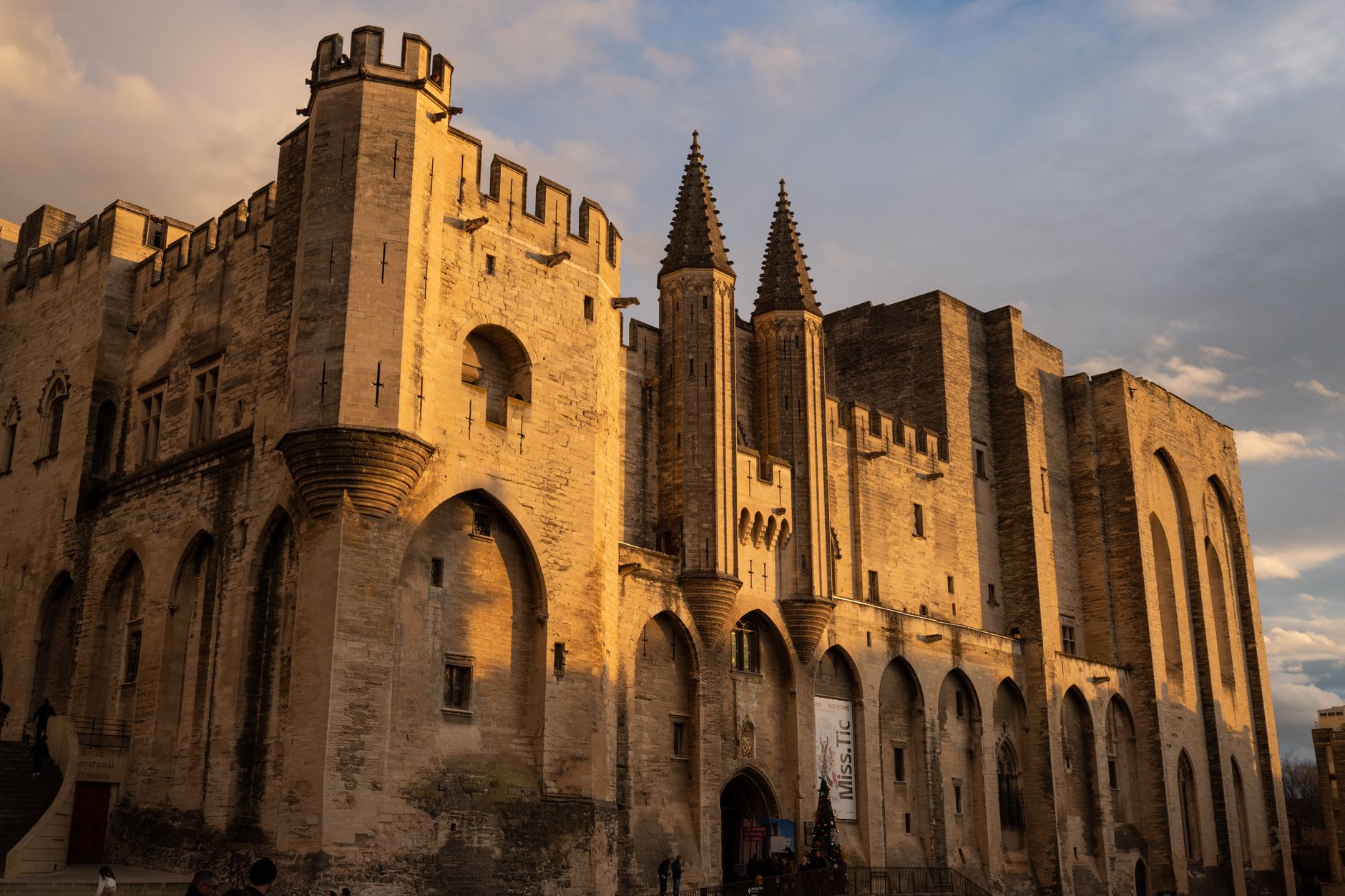
franceAvignon Travel Guide: The Papal City and the Vaucluse
Avignon was the seat of the Catholic papacy from 1309 to 1377, when a succession of French-aligned popes — under pressure from the French crown — transferred the Holy See from Rome to the banks of the Rhône. They built t
Henrik Vinter
28 May 2026
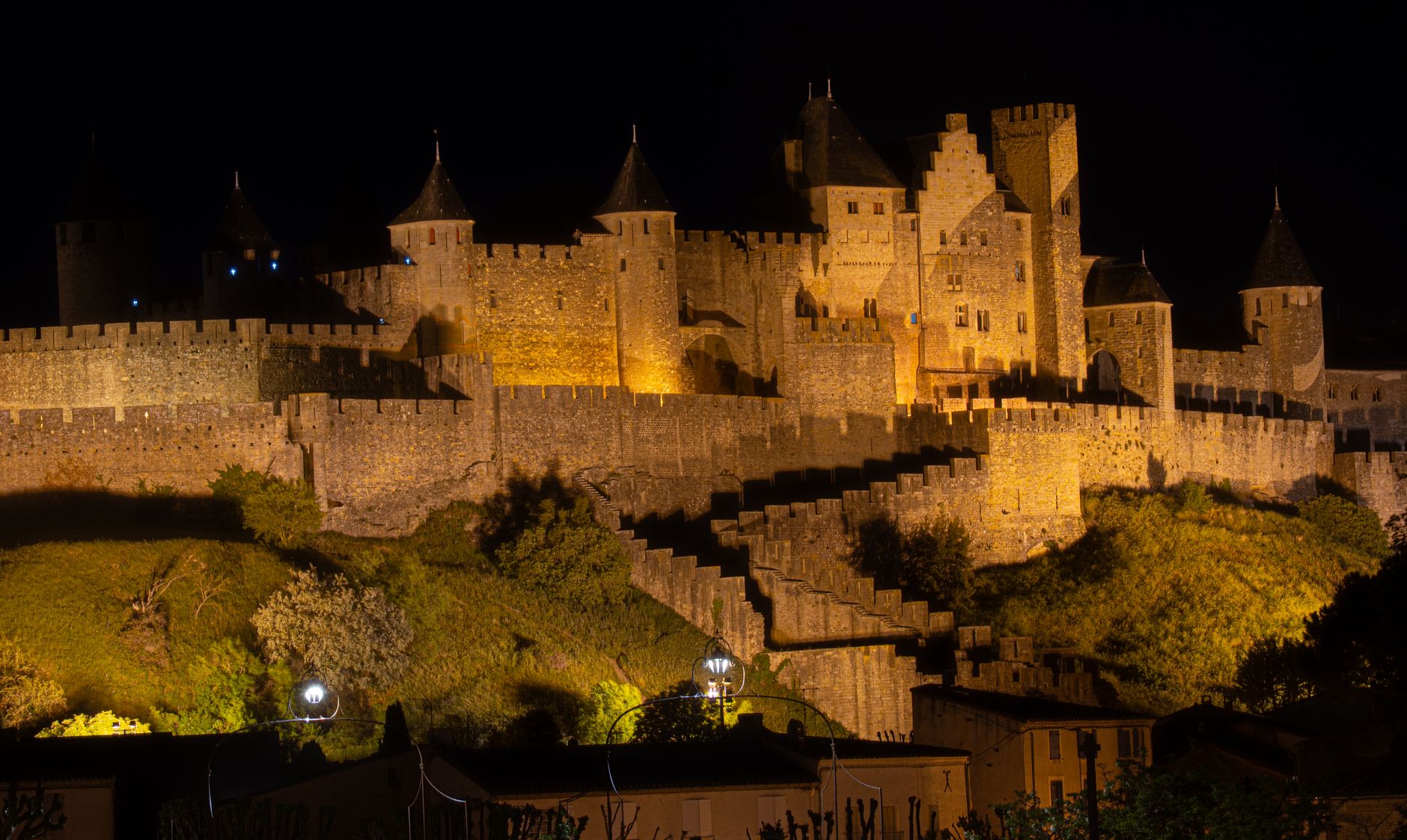
franceCarcassonne Travel Guide: Inside Europe's Largest Medieval Citadel
Carcassonne's Cité is the largest medieval fortress complex in Europe: 52 towers, 3 kilometres of double curtain walls, an inner château, and a Romanesque cathedral, all enclosed in a double ring of fortification that wi
Henrik Vinter
28 May 2026
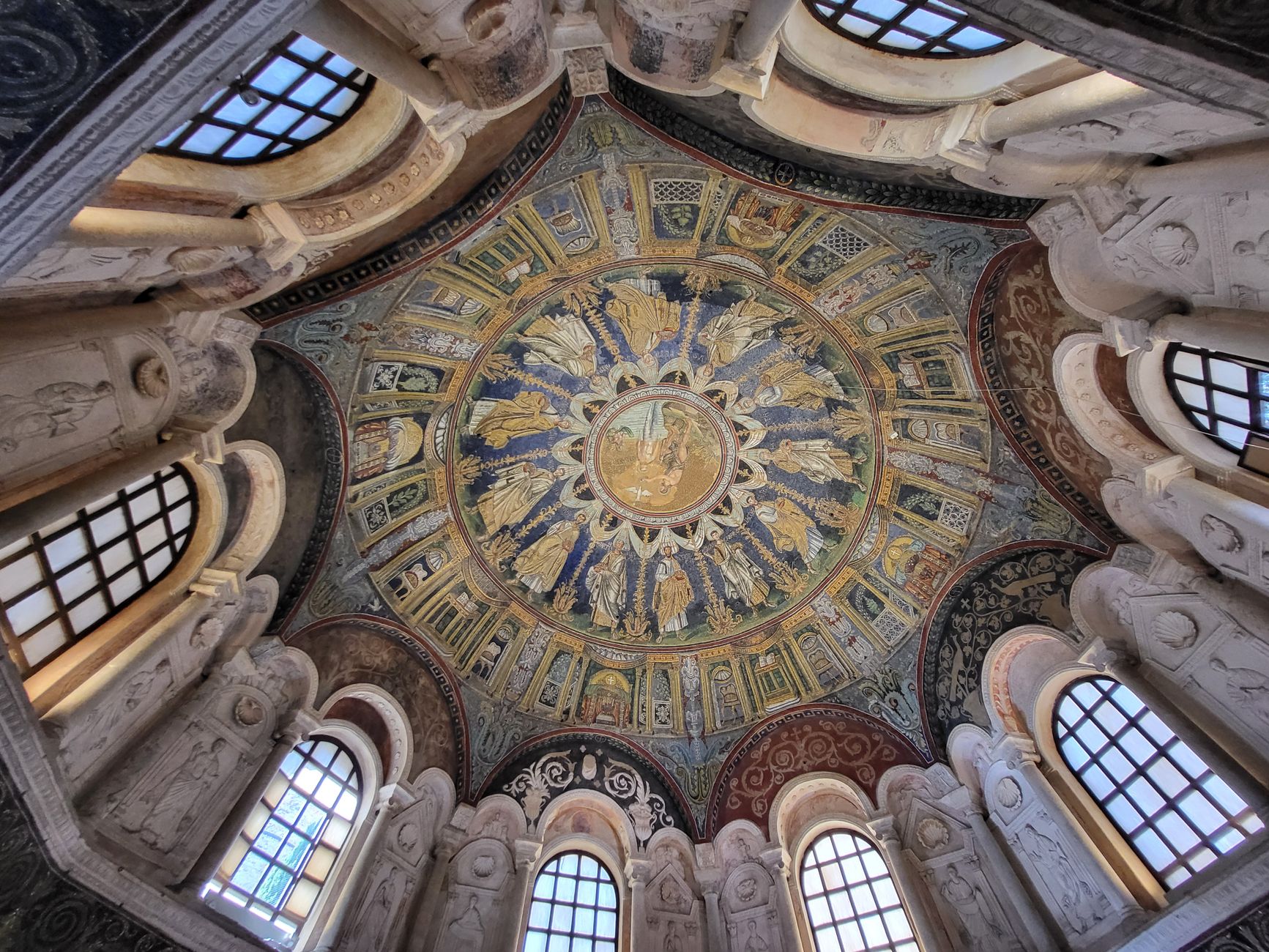
italyRavenna Travel Guide: Italy's Byzantine Mosaic Capital
Ravenna was the capital of the Western Roman Empire from 402 CE until its fall in 476, then the seat of the Ostrogothic kingdom, then the centre of the Byzantine Exarchate of Italy from 540 to 751 CE. Each transition pro
Henrik Vinter
28 May 2026
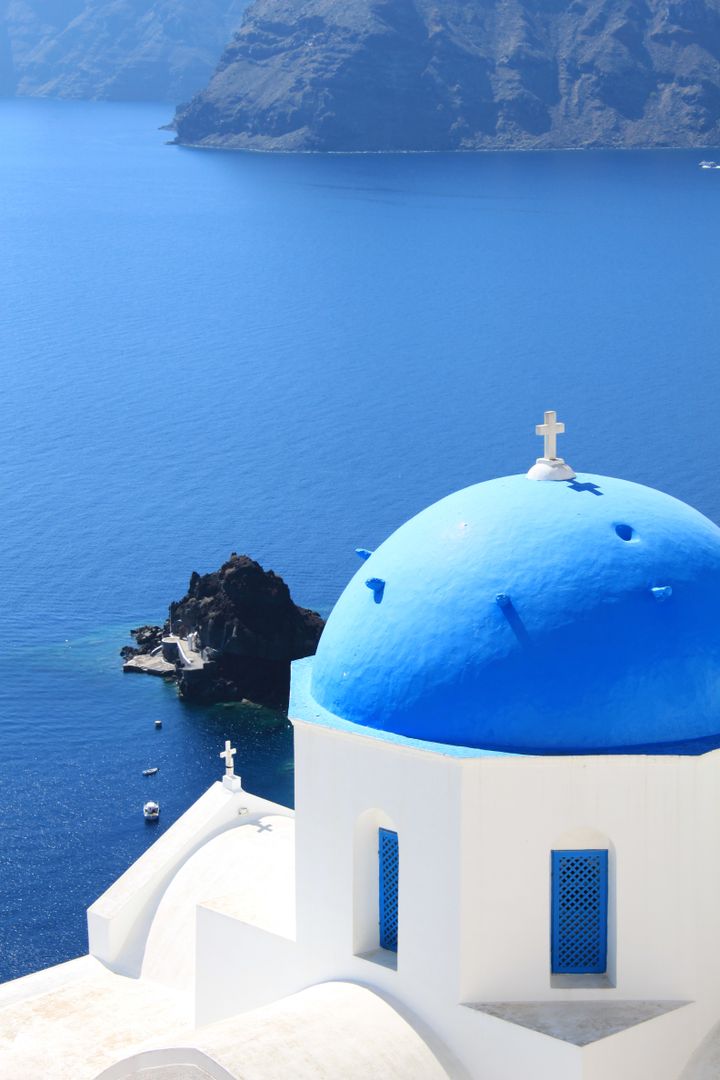
greeceMonemvasia Travel Guide: The Byzantine Rock Fortress
Monemvasia is a medieval walled town built onto a detached rock rising 300 metres above the sea on the southeastern Peloponnese coast. The rock is connected to the mainland by a single 200-metre causeway — the name means
Henrik Vinter

28 May 2026
portugalÉvora Travel Guide: Roman Ruins, Bones, and the Alentejo
Évora is the capital of the Alentejo, the vast inland plain that covers a third of Portugal's territory between the Tagus river and the Algarve. The city sits on a low hill in the centre of a cork oak and olive landscape
Henrik Vinter
28 May 2026
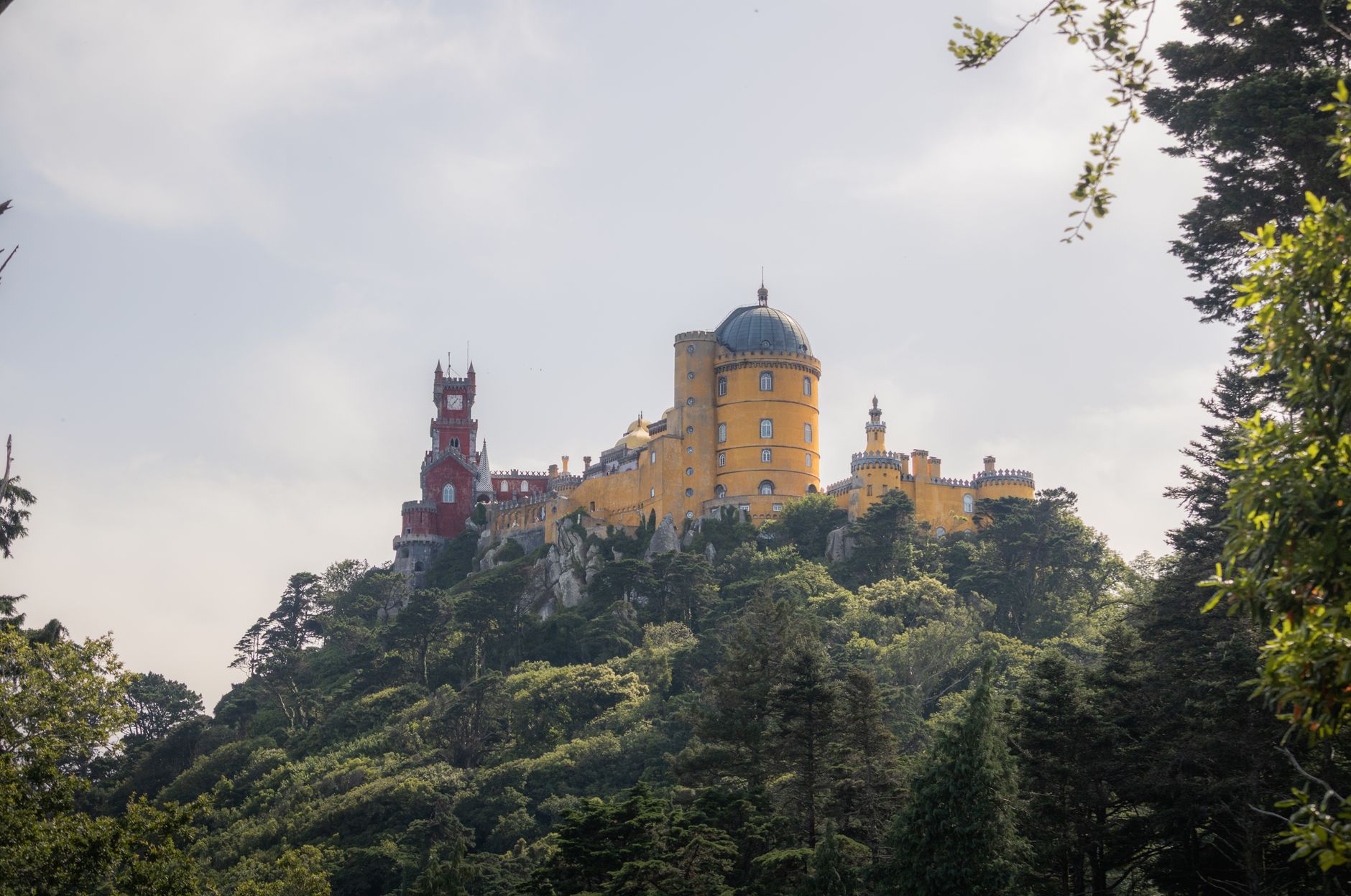
portugalSintra Travel Guide: Palaces, Crowds, and How to Handle Both
Sintra sits in the Serra de Sintra hills 30km northwest of Lisbon, where an Atlantic microclimate keeps the hillsides forested and the temperature 5–8°C cooler than the capital year-round. The Portuguese royal family use
Henrik Vinter

28 May 2026
spainSegovia Travel Guide: Aqueduct, Alcázar, and Roast Pig
Segovia has three structures that each belong in a different century and between them span 1,700 years of European history: a Roman aqueduct built in the 1st or 2nd century CE that still stands 29 metres high in the city
Henrik Vinter

28 May 2026
spainCórdoba Travel Guide: The Mezquita and the City Around It
Córdoba was the most populous city in western Europe in the 10th century — capital of the Umayyad Caliphate of al-Andalus, with a population estimated at 500,000, a functioning street lighting system, running water in pu
Henrik Vinter

28 May 2026
italyOrvieto Travel Guide: The Cathedral Town on the Tufa Cliff
Orvieto sits on a flat-topped plateau of volcanic tufa rock rising 300 metres above the valley of the Paglia river. The plateau is sheer on every side — the medieval town on top of it has never needed defensive walls bec
Henrik Vinter

28 May 2026
south koreaAndong Travel Guide: South Korea's Confucian Heartland
Andong anchors South Korea's Confucian heritage more systematically than any other city. Hahoe Folk Village — a UNESCO World Heritage Site since 2010 — is a riverside settlement of thatched and tile-roofed houses where d
Henrik Vinter
28 May 2026
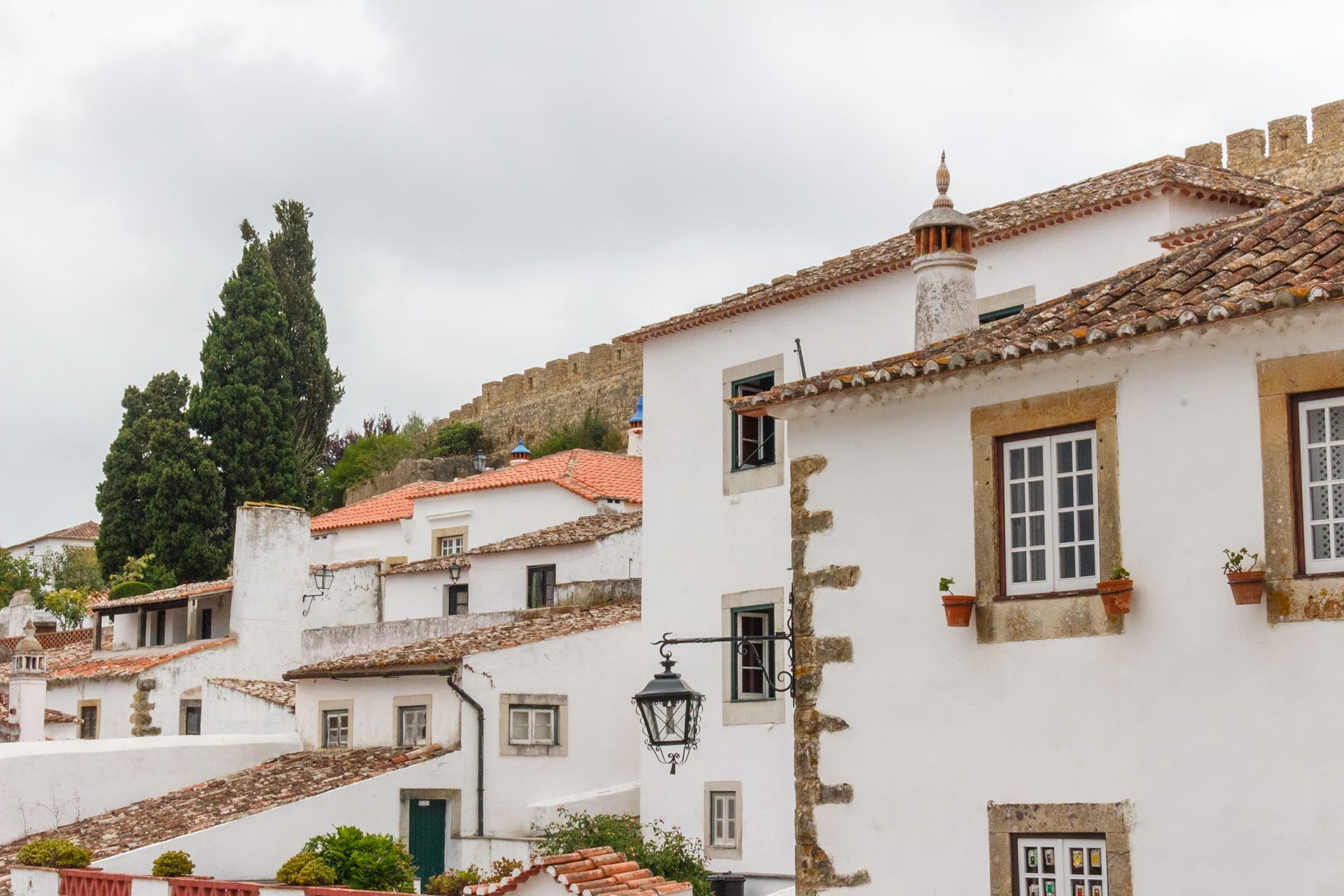
portugalÓbidos Travel Guide: Portugal's Walled Medieval Town
Óbidos is a medieval walled town of around 3,000 permanent residents in central Portugal, 80km north of Lisbon. The walls — 1.5km of complete Roman and medieval fortification — enclose an area small enough to walk end to
Henrik Vinter

28 May 2026
japanTakayama Travel Guide: The Mountain Town with Japan's Best-Preserved Old Quarter
Takayama sits at 573 metres in the mountains of Gifu Prefecture, 2.5 hours by limited express train from Nagoya through the Hida range. The city's two preserved merchant districts — Sanmachi Suji — date from the Edo peri
Henrik Vinter

28 May 2026
greeceNafplio Travel Guide: Greece's First Capital
Nafplio served as the first capital of the modern Greek state from 1821 to 1834, before the seat of government moved to Athens. Three fortresses — the Venetian-built Palamidi on the hill above the town, the sea fortress
Henrik Vinter
28 May 2026
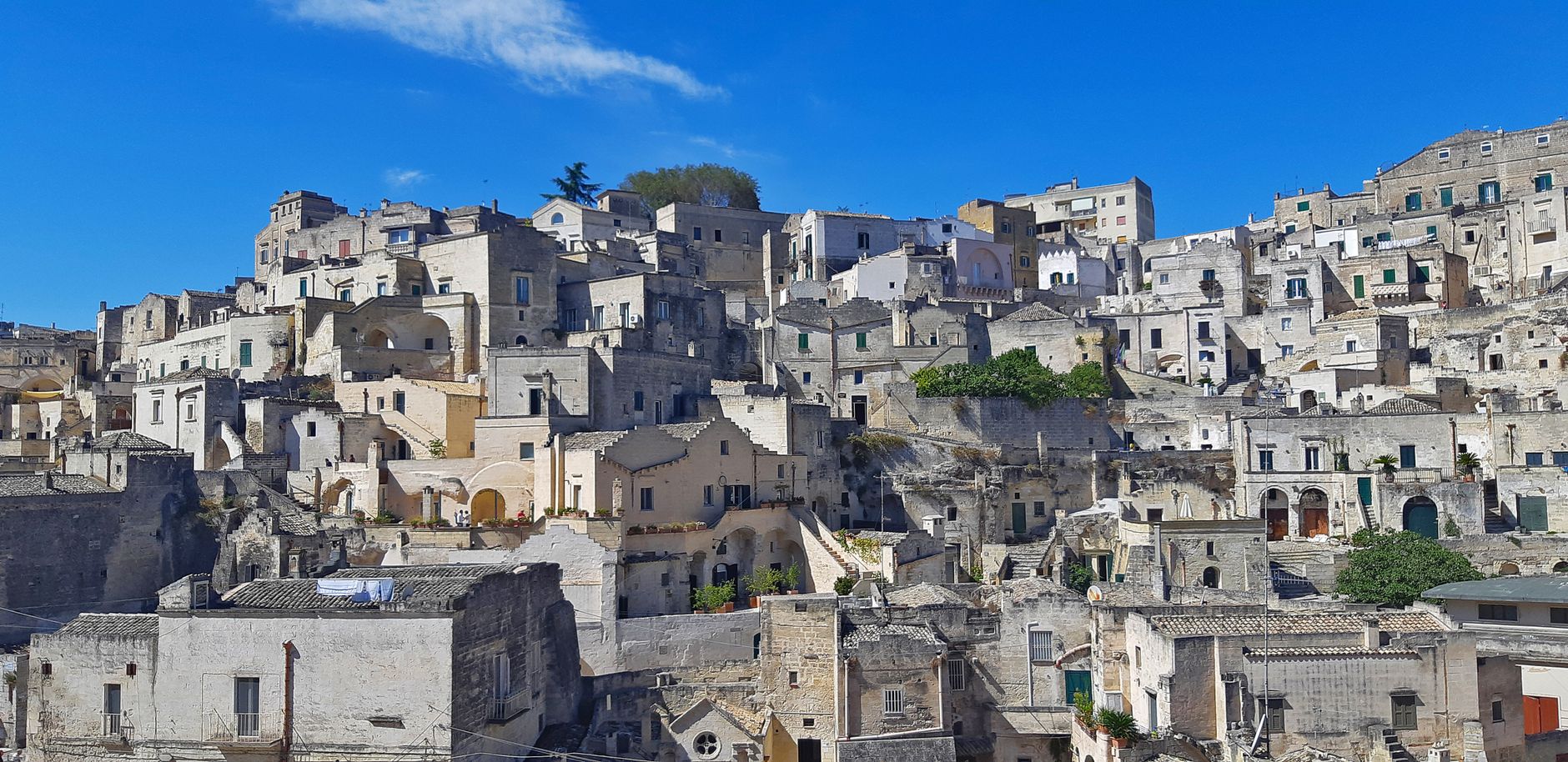
italyMatera Travel Guide: The Cave City and How to Visit It
Matera is one of the oldest continuously inhabited settlements on earth — people have lived in these carved limestone caves for at least 9,000 years. The city was declared a UNESCO World Heritage Site in 1993 and served
Henrik Vinter
25 May 2026
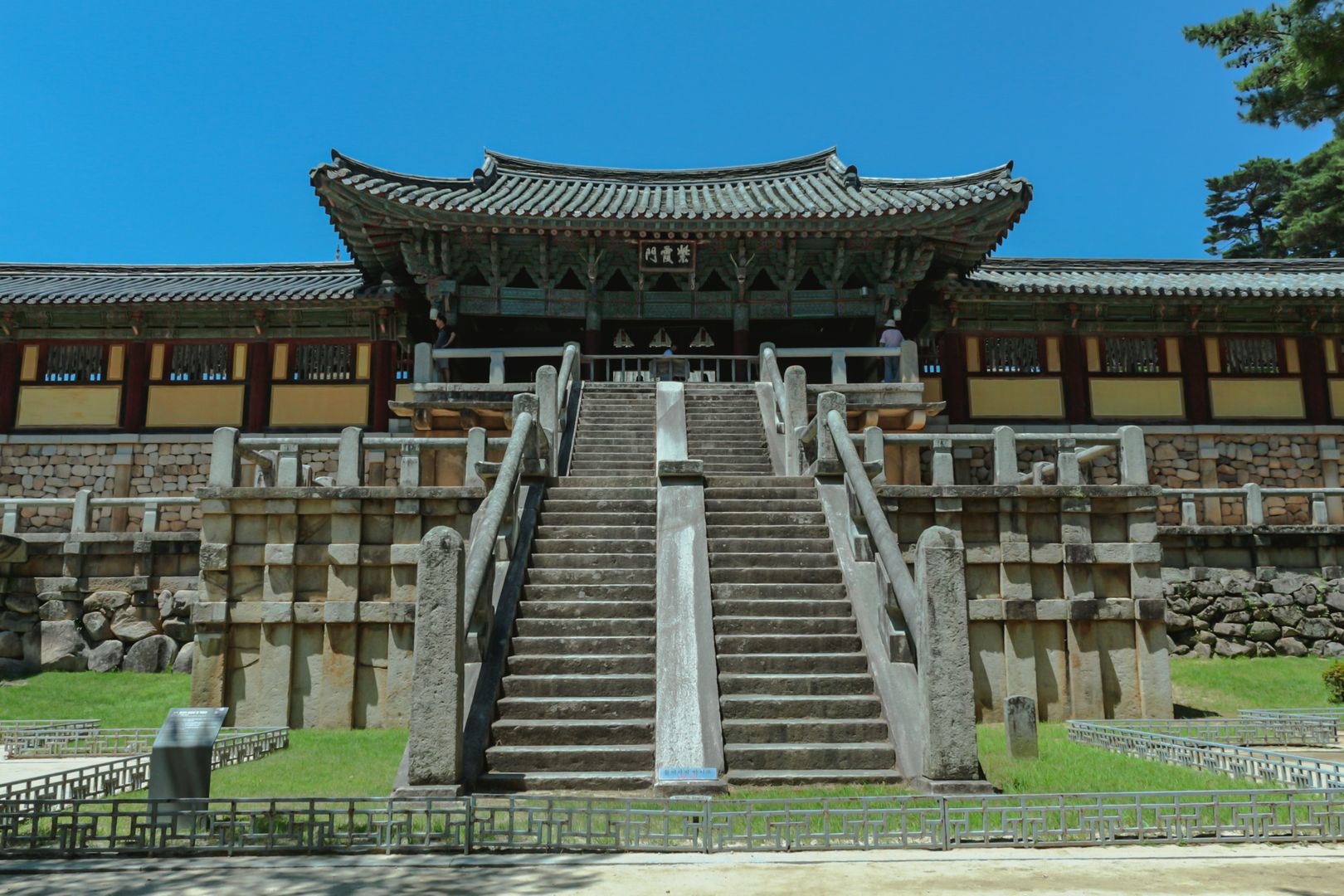
south koreaGyeongju Travel Guide: Temples, Burial Mounds, and the Ancient Silla Capital
Gyeongju was the capital of the Silla Kingdom for almost a thousand years (57 BC – 935 AD). The city is sometimes called a museum without walls — burial mounds sit in public parks, pagodas date to the 7th century, and the Bulguksa Temple complex has been a UNESCO World Heritage Site since 1995. It is a 2-hour KTX ride from Seoul.
Henrik Vinter

23 May 2026
south koreaJeonju Travel Guide: Hanok Village, Bibimbap, and a City That Kept Its Old Centre
Jeonju is the capital of North Jeolla Province and the origin city of bibimbap — a fact taken seriously here, in the same way that Bologna takes ragu seriously. The Hanok Village (Hanokmaul) contains over 700 traditional tile-roofed houses in a single neighbourhood, still functioning as a residential area rather than an outdoor museum.
Henrik Vinter
19 May 2026
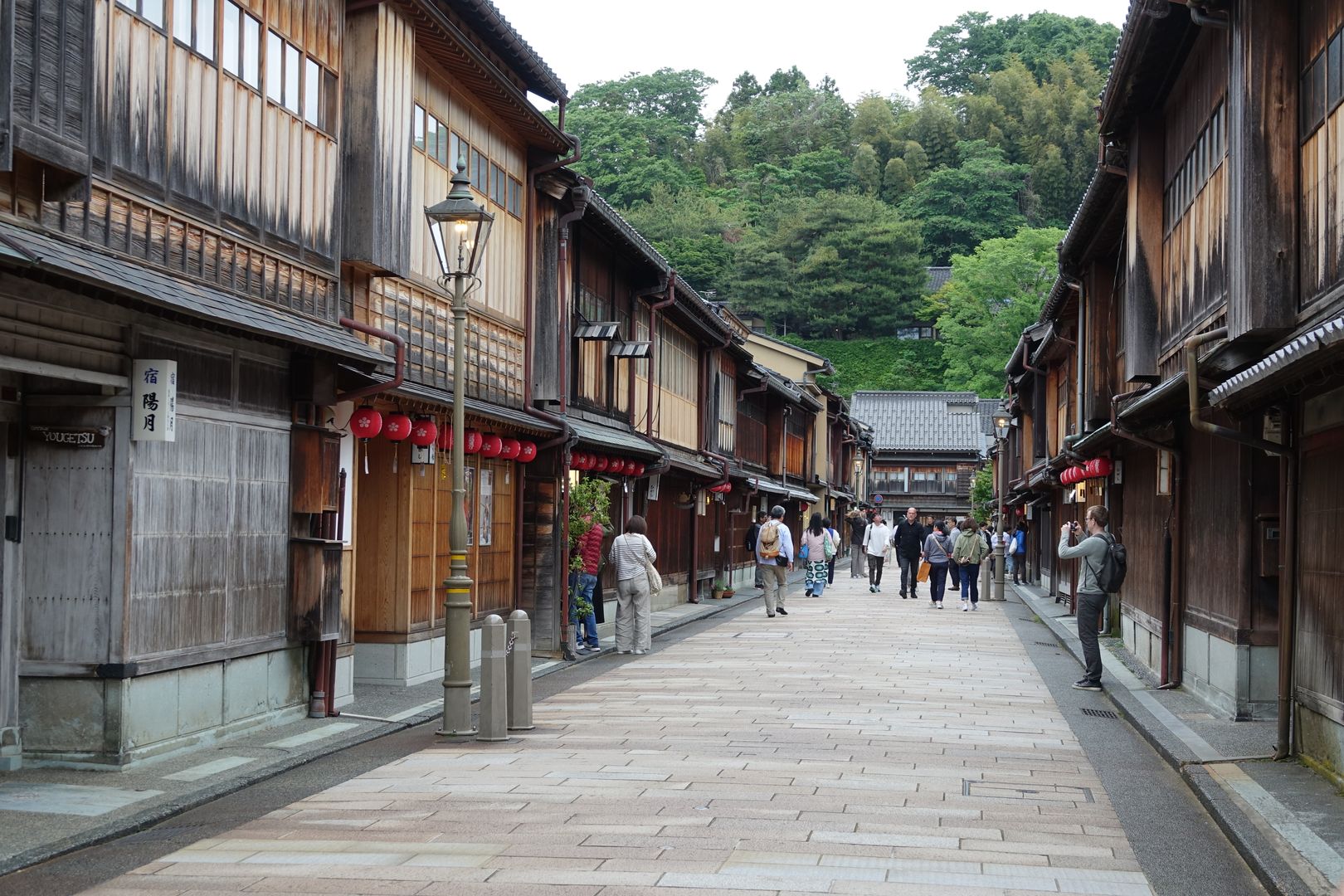
japanKanazawa Travel Guide: Kenroku-en, Seafood Markets, and a City That Missed the Bombs
Kanazawa escaped Allied bombing in World War II — its industrial base was light enough not to be a priority target. The result is one of the best-preserved pre-Meiji urban environments in Japan: a geisha district, a samurai neighbourhood, a functioning morning fish market, and the castle garden rated among Japan's three finest.
Henrik Vinter

17 May 2026
japanKamakura Day Trip Guide: The Great Buddha, Coastal Temples, and When to Go
Kamakura is 50 minutes from Tokyo Station and contains 19 major temples, 5 major shrines, and a 13.35-metre bronze Great Buddha that has been sitting outdoors since the wooden building around it blew away in a 1334 typhoon. It is the easiest and most rewarding day trip from Tokyo.
Henrik Vinter
16 May 2026
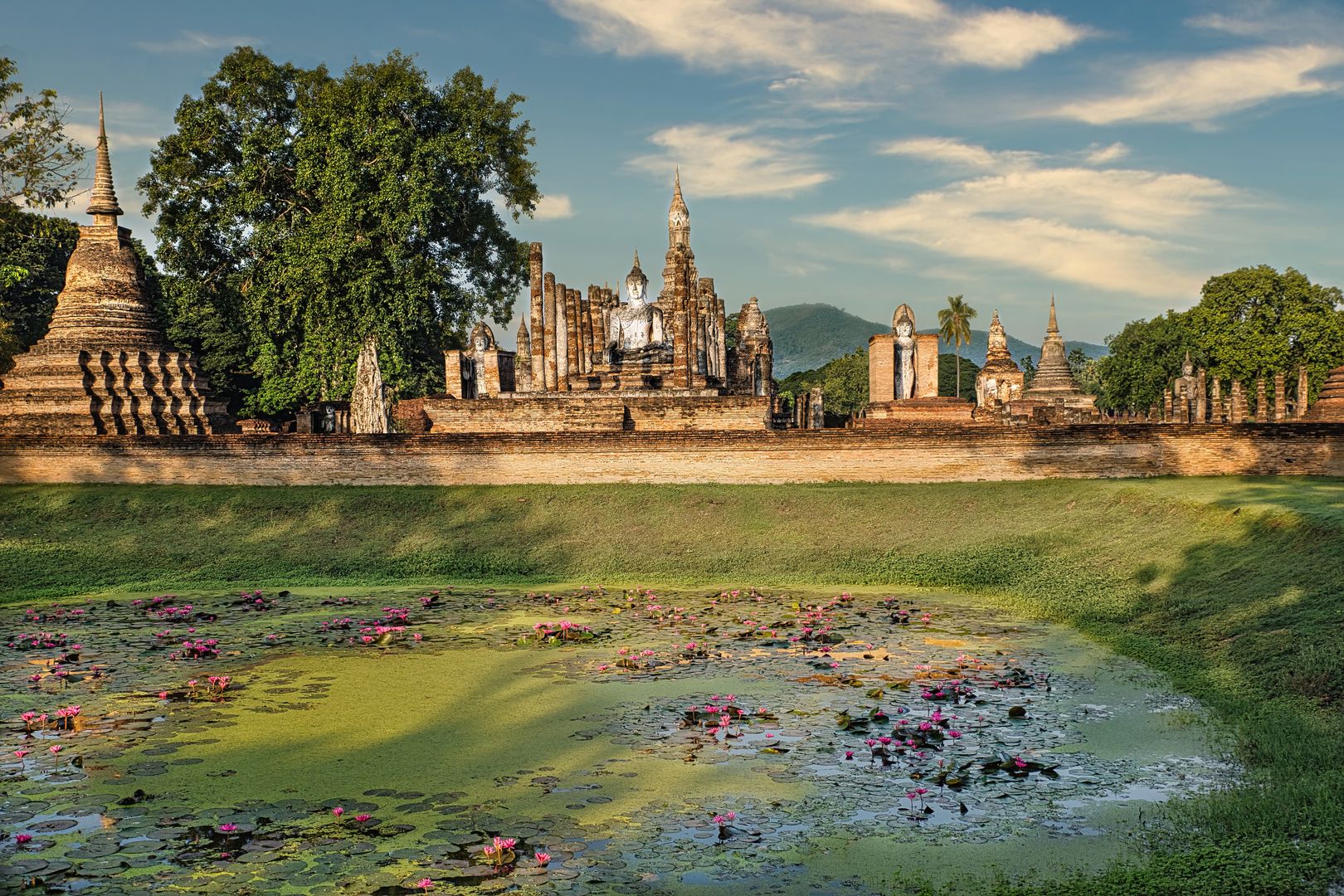
thailandSukhothai Travel Guide: Cycling Through Thailand's First Kingdom
Sukhothai was the capital of Thailand's first kingdom from the 13th to 15th centuries. The ruins — 193 temples spread across a 70 km² historical park — are best seen at dawn on a bicycle, before the tour buses arrive and while the mist still sits over the lotus ponds.
Henrik Vinter
11 May 2026
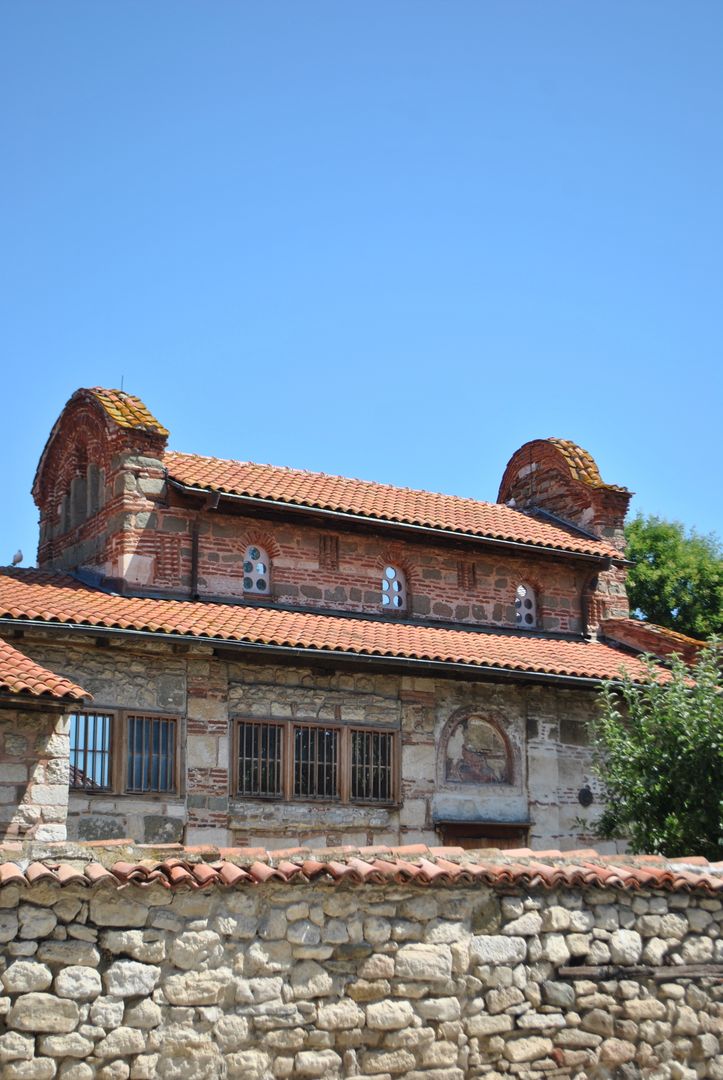
bulgariaBulgarian Black Sea Coast: Nesebar, Sozopol, Varna, and the Summer Season
The Bulgarian Black Sea coast draws millions of domestic and Eastern European visitors each summer. The beach resorts are busy and functional. The two things that distinguish it from any other European beach destination are Nesebar — a 3,000-year-old peninsula town with Byzantine church ruins — and prices that remain well below Greek or Croatian equivalents.
Henrik Vinter
9 May 2026
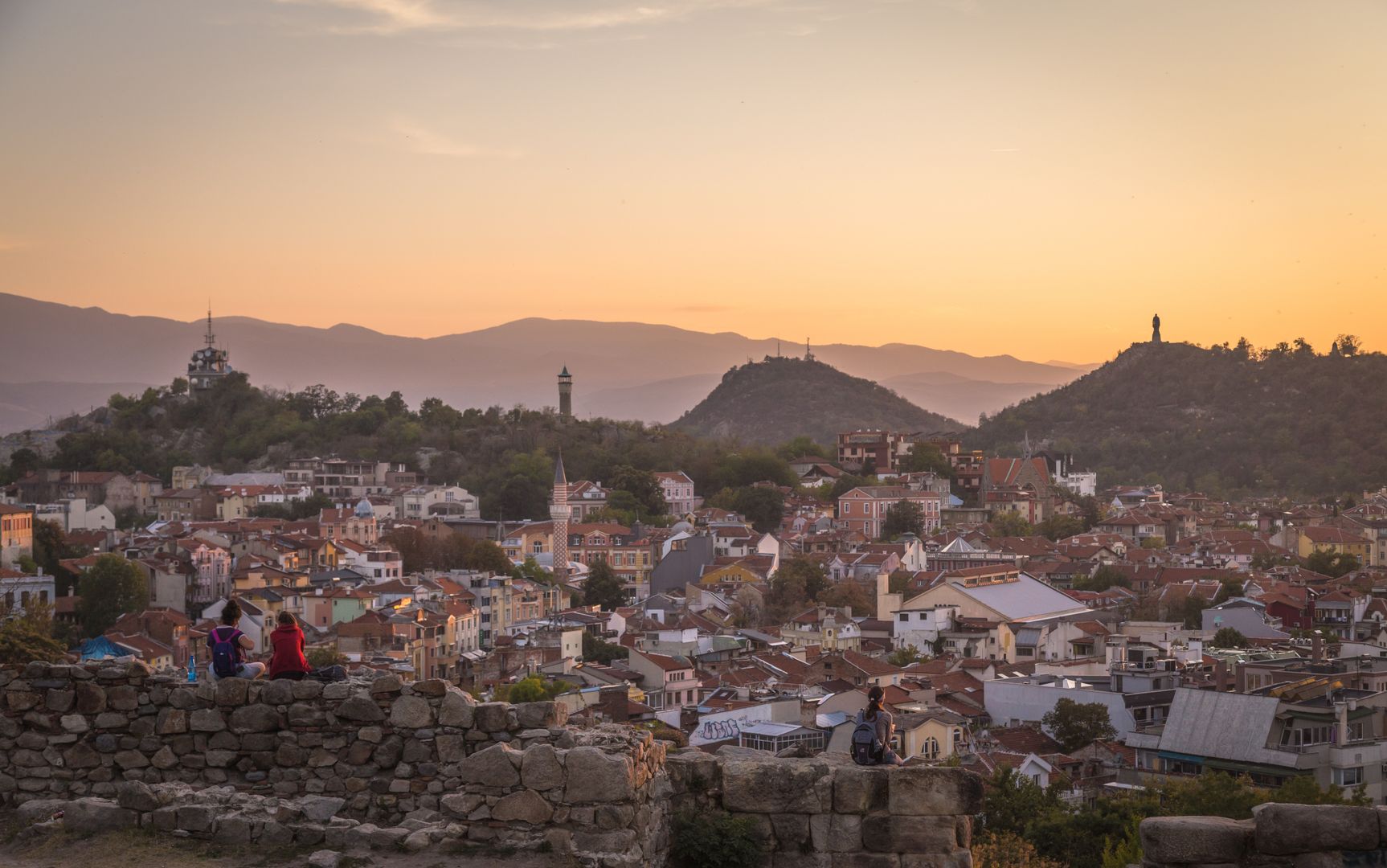
bulgariaPlovdiv Travel Guide: Old Town, the Roman Theatre, and the Kapana District
Plovdiv claims to be one of the oldest continuously inhabited cities in Europe. The 2nd-century Roman amphitheatre is built into the hill below the National Revival architecture of the Old Town. The Kapana creative district below it opened the city to international attention. All three coexist in an area you can walk across in 20 minutes.
Henrik Vinter
7 May 2026
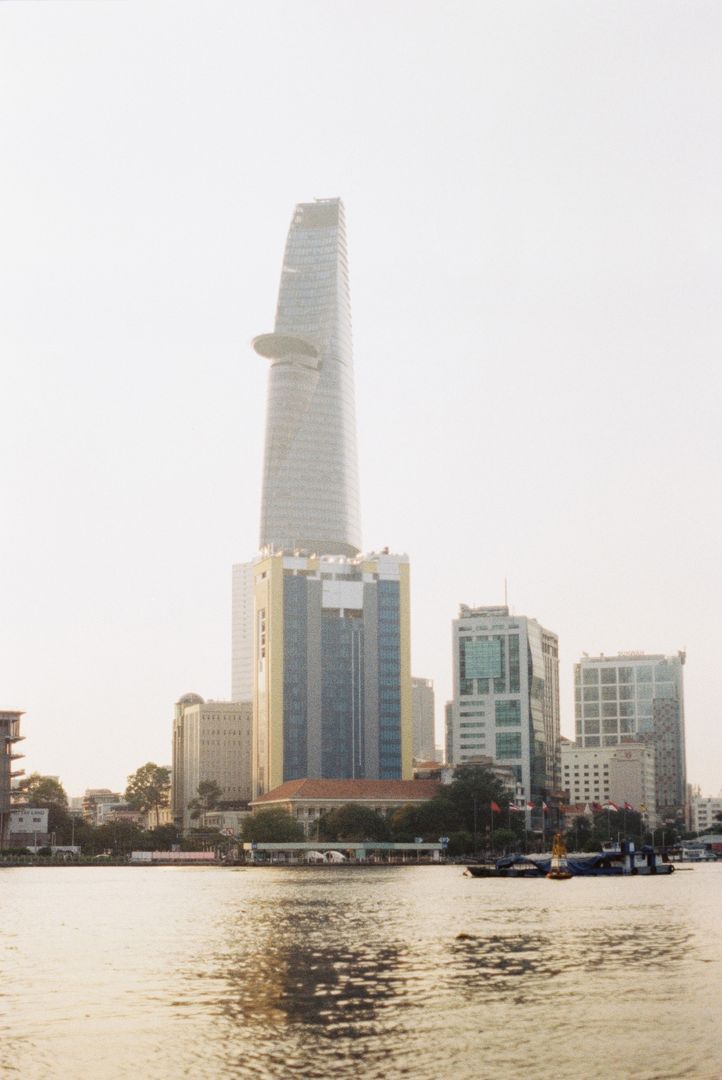
vietnamHuế Travel Guide: Imperial Citadel, Royal Tombs, and the Food Capital of Central Vietnam
Huế was Vietnam's imperial capital for 143 years under the Nguyen dynasty. The citadel, the royal tombs, and the Perfume River are the architectural evidence. The food — bún bò Huế, bánh khoái, cơm hến — is the other reason the city has a reputation that outlasts most of the travellers who pass through it.
Henrik Vinter

4 May 2026
cambodiaSiem Reap and Angkor: The Temple Complex, the Logistics, and How Many Days You Actually Need
Angkor is the largest religious monument ever constructed — a 400 km² complex of over 1,000 temples built between the 9th and 15th centuries. Three days is the minimum to see it properly. Siem Reap, the gateway town, has caught up to the temples as a reason to visit in its own right.
Henrik Vinter

30 April 2026
cambodiaPhnom Penh Travel Guide: The Khmer Rouge History, the Riverside, and a Capital That's Moving Fast
Phnom Penh has changed faster in the past decade than almost any capital in Southeast Asia. The Khmer Rouge history — S-21 and the Killing Fields — remains the most important thing to understand about Cambodia. The city around it is increasingly worth a few days on its own terms.
Henrik Vinter
24 April 2026
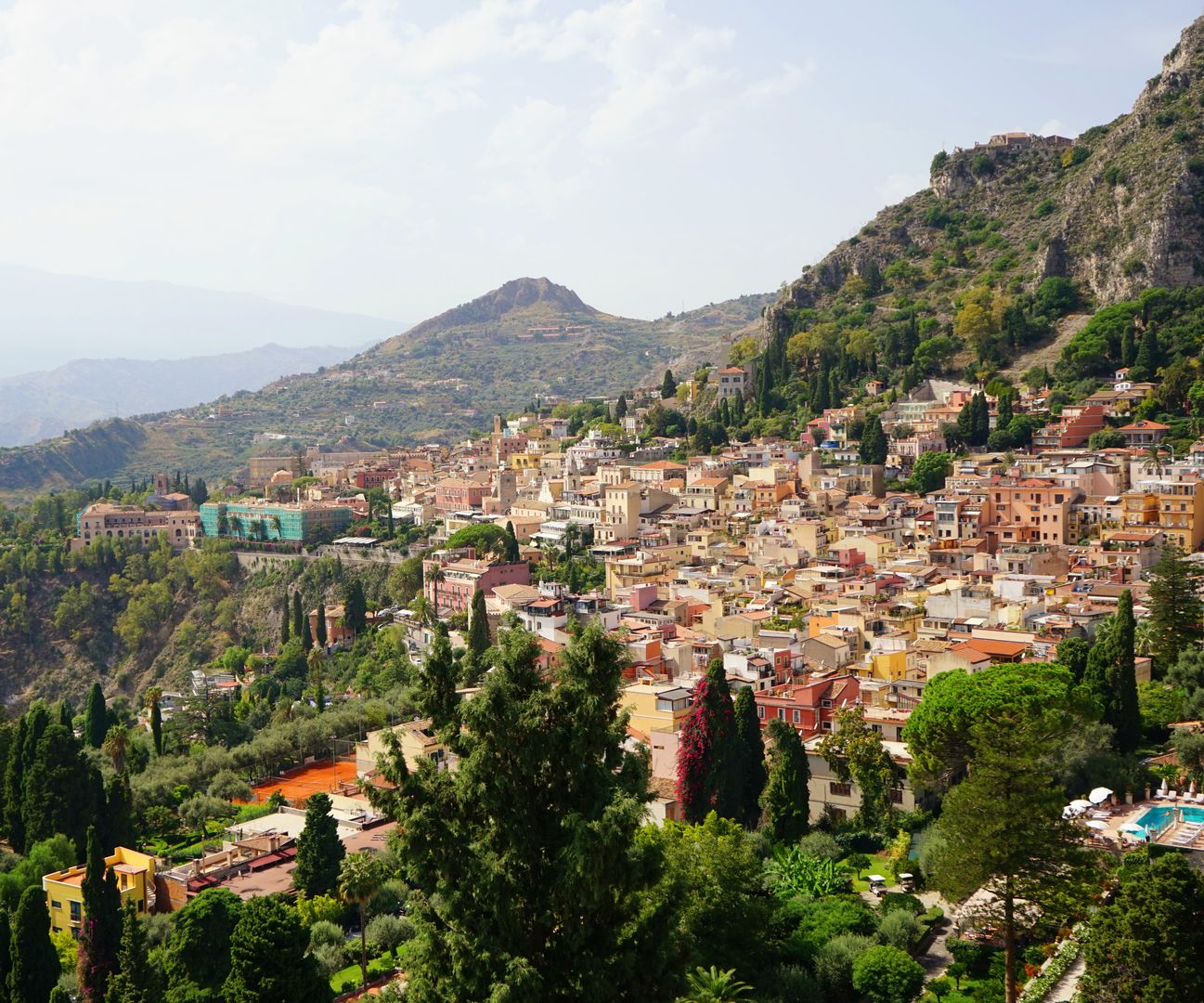
italySicily Travel Guide: Palermo, Etna, Greek Temples, and the Food That Explains the Rest
Sicily is the Mediterranean's largest island and the meeting point of Greek, Roman, Arab, Norman, and Spanish cultures. The architecture reflects all of them simultaneously. So does the food. A car is essential; most of the best things require driving to reach them.
Henrik Vinter

18 April 2026
cubaCuba Travel Guide: Havana, Practical Logistics, and What Has (and Hasn't) Changed
Cuba's infrastructure is genuinely different from any other tourist destination—cash economy, limited internet, accommodation split between state hotels and private casas. The country is worth the friction if you're prepared for it.
Henrik Vinter
17 April 2026
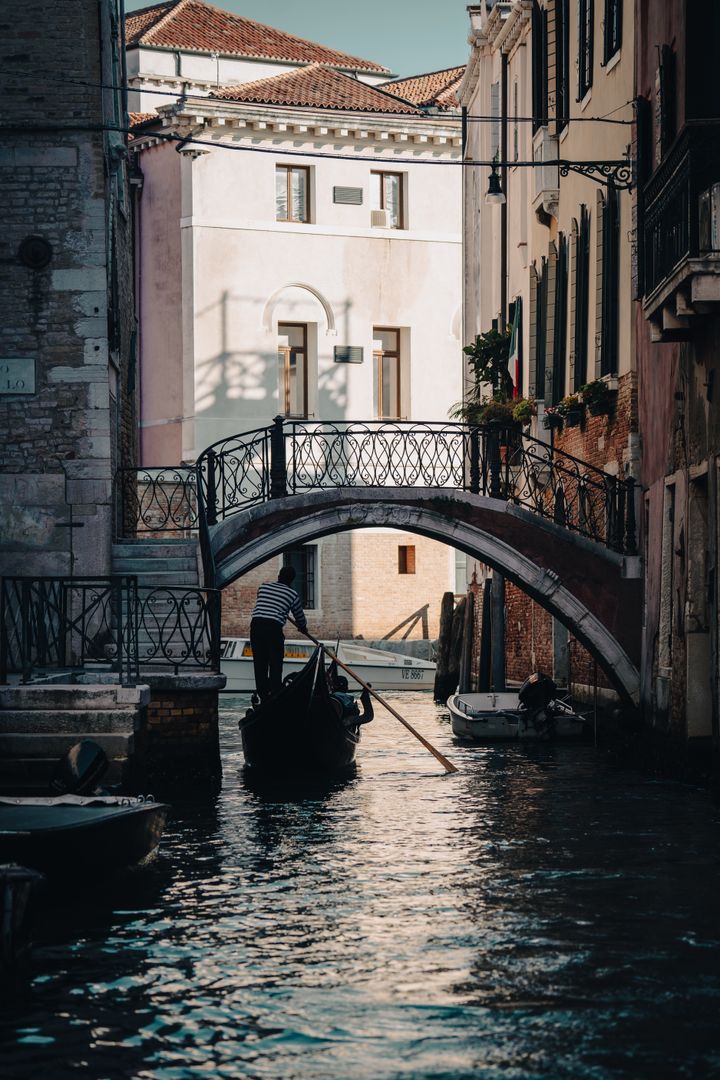
italyRome Travel Guide: What First-Time Visitors Get Wrong
Rome's big three—Colosseum, Vatican, Trevi Fountain—are worth seeing, but the city works far better once you understand which neighbourhoods to use as your base and what to pre-book months ahead.
Henrik Vinter

16 April 2026
colombiaCartagena, Colombia: Walled City, Caribbean Coast, and What to Skip
Cartagena's walled city is one of the best-preserved Spanish colonial centres in the Americas. The surrounding Caribbean coast is the most straightforward beach region in Colombia to visit independently.
Henrik Vinter

15 April 2026
mexicoYucatán Peninsula Travel Guide: Ruins, Cenotes, and the Caribbean Coast
The Yucatán Peninsula holds the largest concentration of Mayan ruins in the Americas, a coastline that splits between backpacker-heavy Tulum and family-resort Riviera Maya, and 6,000 freshwater cenotes. Here's how to navigate it.
Henrik Vinter

14 April 2026
croatiaSplit, Croatia: A Travel Guide to the Dalmatian Coast's Biggest City
Split is built inside a Roman palace. Diocletian's retirement home from 305 AD is now a functioning neighbourhood with bars, restaurants, and apartment rentals in the cellars. That's the thing that makes it different.
Henrik Vinter
13 April 2026
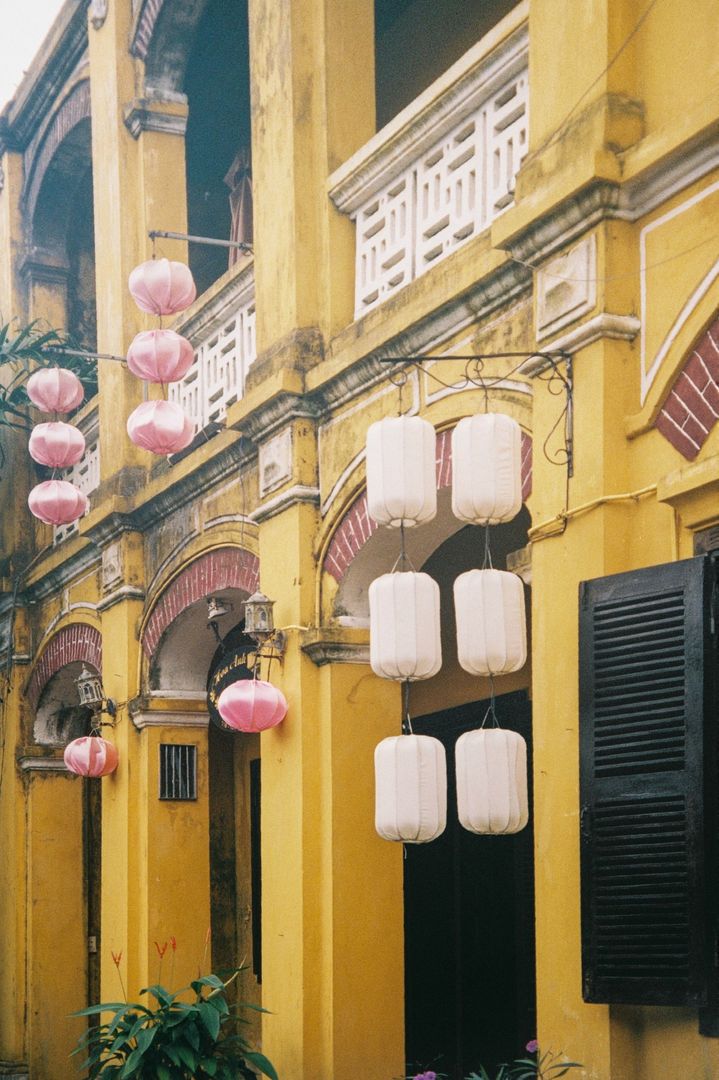
vietnamHoi An Travel Guide: Ancient Town, Tailors, and Getting the Timing Right
Hoi An's Ancient Town is genuinely old and genuinely atmospheric—but it's also one of Vietnam's most visited destinations, with pricing to match. Here's how to make it work.
Henrik Vinter

12 April 2026
moroccoFez Travel Guide: Navigating the World's Largest Car-Free Urban Area
Fez el-Bali is a 1,200-year-old medina with 9,000 streets and no motor vehicles. It's the largest car-free urban area in the world. Getting lost is not a metaphor—it happens to everyone.
Henrik Vinter
7 April 2026
spainToledo Day Trip Guide: Spain's Medieval Capital One Hour from Madrid
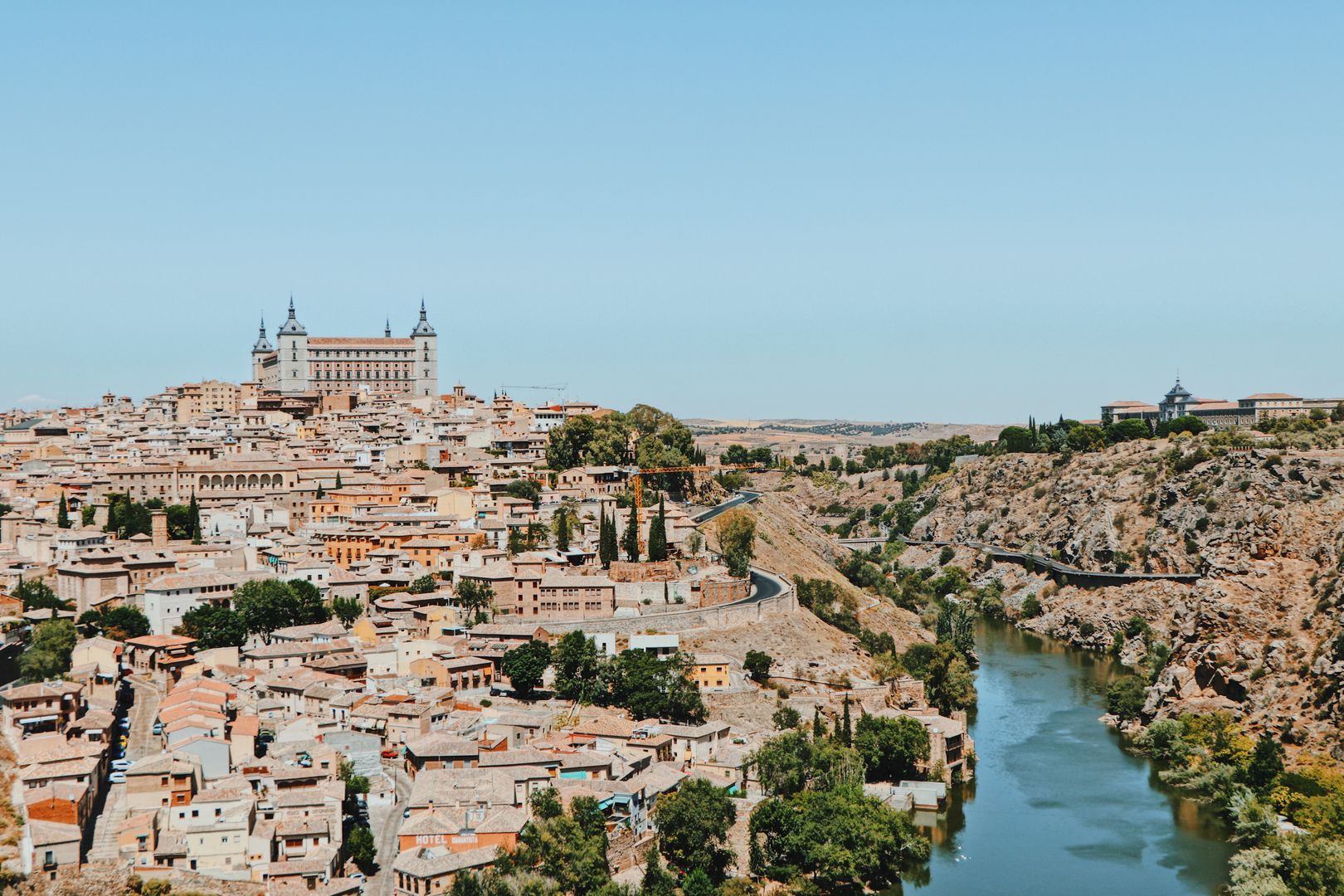
Toledo sits 70km south of Madrid on a granite hill ringed by a bend in the Tagus river — a 16th-century city so unchanged that it functions as a three-dimensional archive of Christian, Jewish, and Islamic coexistence. The problem is timing: on a weekend in July, tour buses outnumber residents; on a weekday morning in November, it's one of the most spatially coherent old towns in Europe. Getting the timing right separates a memorable visit from a queue-management exercise.
Henrik Vinter
7 April 2026
thailandKanchanaburi Travel Guide: The Bridge, the Railway, and the Falls
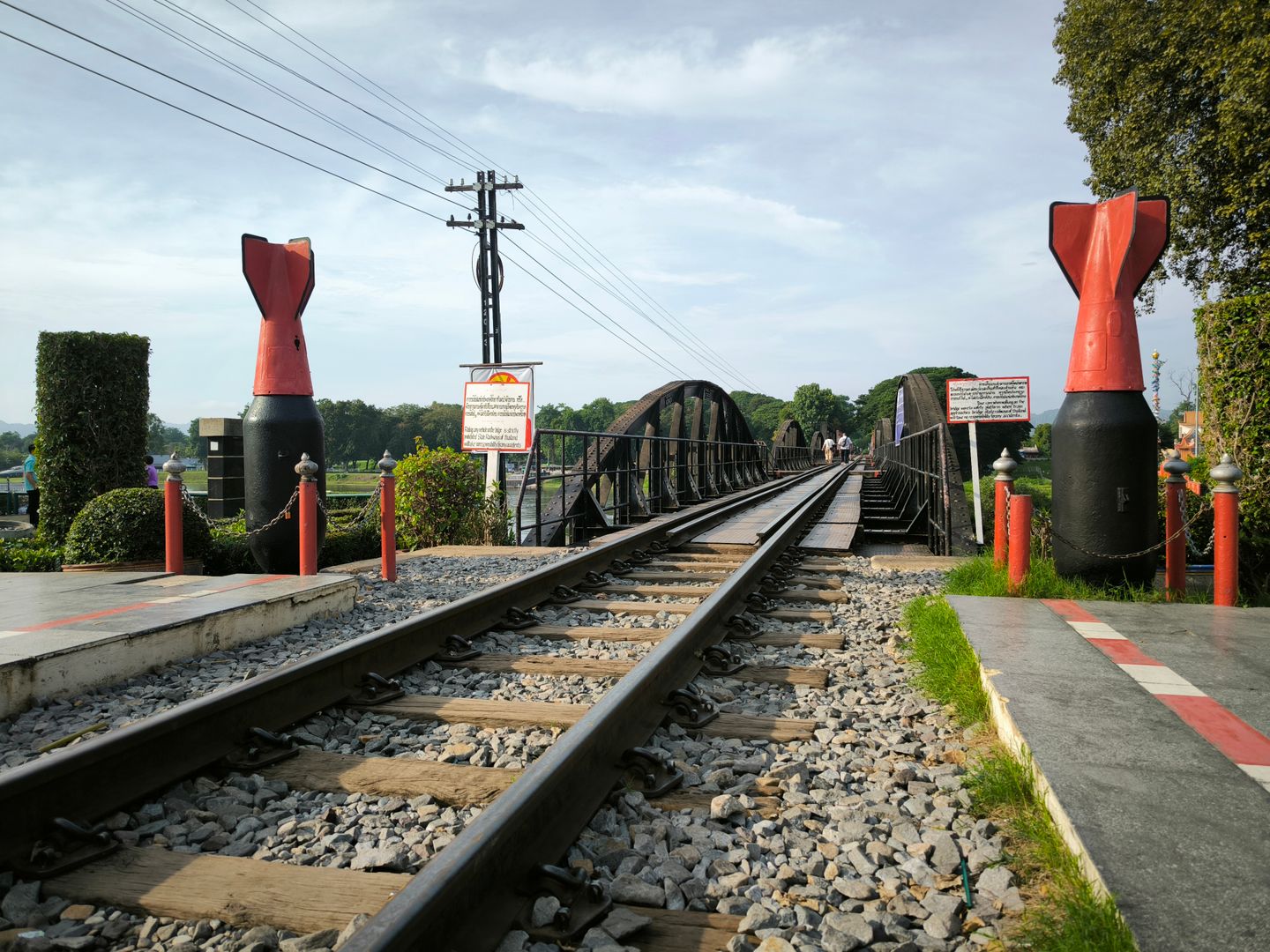
Two hours from Bangkok, Kanchanaburi combines World War II history with jungle waterfalls and riverside guesthouses. Here's what to see and how to make the most of it.
Henrik Vinter

3 April 2026
spainGranada Travel Guide: The Alhambra, the Albaicín, and How to Do It Right
The Alhambra sells out months in advance. Book tickets now—at least 6 to 8 weeks ahead if you're arriving in spring (March–May), or 2 to 4 weeks for autumn and winter. Arrive without a reservation and you will not get in, regardless of how flexible the rest of your trip is. This single fact overrides every other planning decision for Granada.
Henrik Vinter

30 March 2026
greeceDelphi Day Trip from Athens: The Oracle, the Temple, and What to Expect
The ancient oracle at Delphi was consulted by kings and generals before wars, and the site's dramatic position—perched on a narrow mountain shelf at 570m, overlooking a sprawl of olive groves toward the Gulf of Corinth—makes it one of Greece's most rewarding day trips from Athens. The oracle was no mystical illusion: a priestess called the Pythia inhaled ethylene gas seeping from geological faults beneath the Temple of Apollo, entered a trance state, and delivered pronouncements that city-states treated as divine instruction. The site occupied religious and political authority for nearly a thousand years. A day trip here covers the archaeological site (2–2.5 hours), the museum (1–1.5 hours), and lunch in the village above—logistically straightforward, and worth the three-hour journey for the scale and preservation of what remains.
Henrik Vinter
29 March 2026
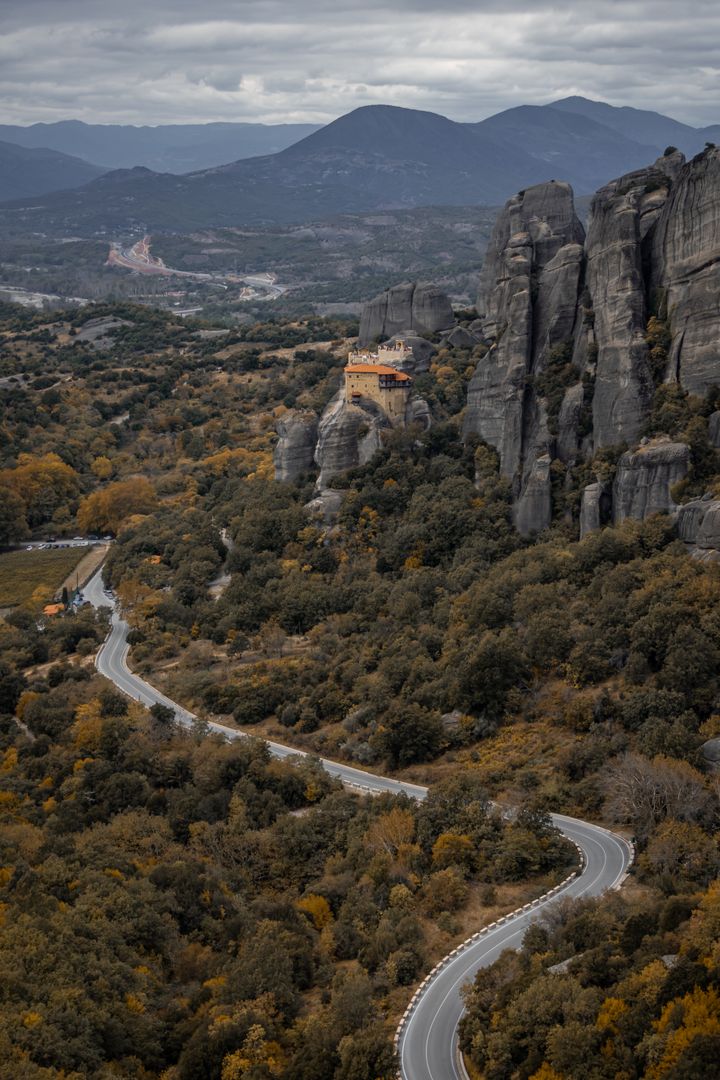
greeceMeteora Travel Guide: The Monasteries, How to Get There, and What to Expect
Meteora is sixty rock pillars rising 400 metres from a Thessalian plain, their tops crowned by six active Orthodox monasteries perched on stone so vertical that monks once entered by rope and basket. The photographs are not exaggerated—this is genuinely one of Europe's most otherworldly landscapes. The six monasteries remain functioning communities, not museums, and the landscape around them is traversable on foot through a network of ancient trails and modern roads. Getting there from Athens is straightforward; the real decision is whether to day-trip or stay overnight.
Henrik Vinter
28 March 2026
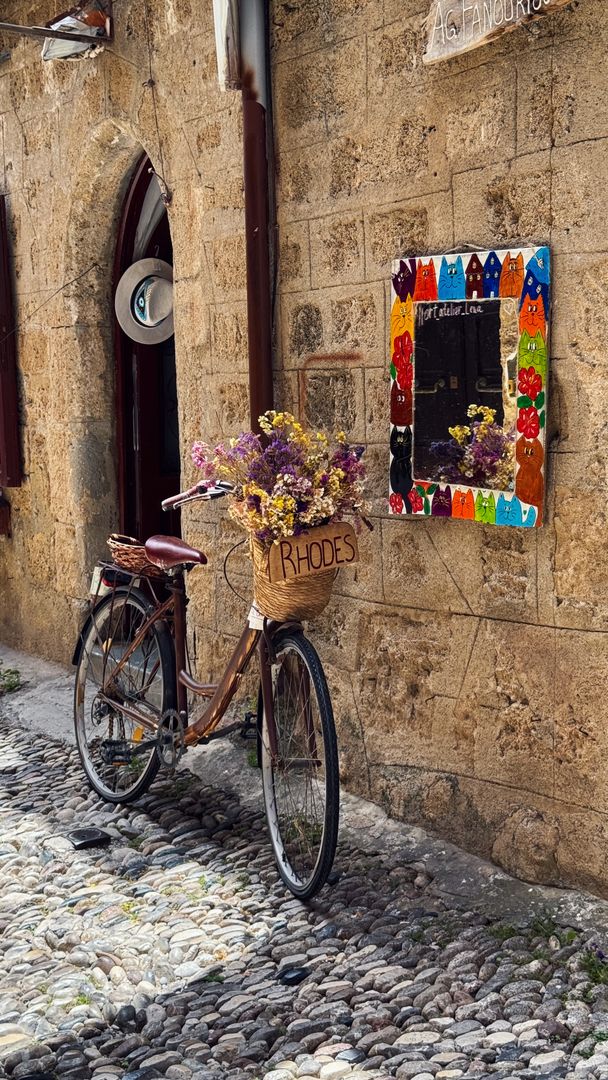
greeceRhodes Travel Guide: History, Beaches, and the Medieval Old Town
Rhodes is the largest of the Dodecanese islands and home to the most intact medieval city in Europe. The Knights Hospitaller built the Old Town's walls and streets starting in 1309, and those same 4km of stone ramparts and cobblestone alleys function as a living neighbourhood today — restaurants operate in 700-year-old buildings, families live above street-level shops, the city never became a museum. This distinguishes Rhodes fundamentally from Santorini or Mykonos, where historic cores have been hollowed out and rebuilt as tourist infrastructure. Add three genuinely excellent beaches within 50km, an extended warm season, and compact geography that allows real exploration without a car, and you have the most complete island experience in the southern Aegean.
Henrik Vinter

24 March 2026
greeceAthens Travel Guide: What First-Timers Actually Need to Know
Athens is a city that underwhelms before it corrects itself. The first impression—traffic, dust, a chaotic centre scarred by 1960s concrete—gives way to something more textured: an ancient city that feels genuinely inhabited rather than preserved for visitors. The Acropolis is real and worth seeing. The food is excellent. And the neighbourhoods south of the centre—Koukaki, Mets, Pangrati—are what the travel photography never captures. Most first-timers spend two days chasing monuments and miss the Athens that actually exists below the hill.
Henrik Vinter

19 March 2026
japanHiroshima and Miyajima: What to Know Before You Visit
Hiroshima is simultaneously a modern, well-functioning city of 1.2 million people and the site of the world's first atomic bomb attack on August 6, 1945. Visiting requires some capacity to sit with that contradiction. The Peace Memorial Museum does not simplify or sanitise the event. If you approach it with that expectation, it becomes one of the most worthwhile museum visits in Japan—not as tourism, but as necessary witness.
Henrik Vinter
18 March 2026
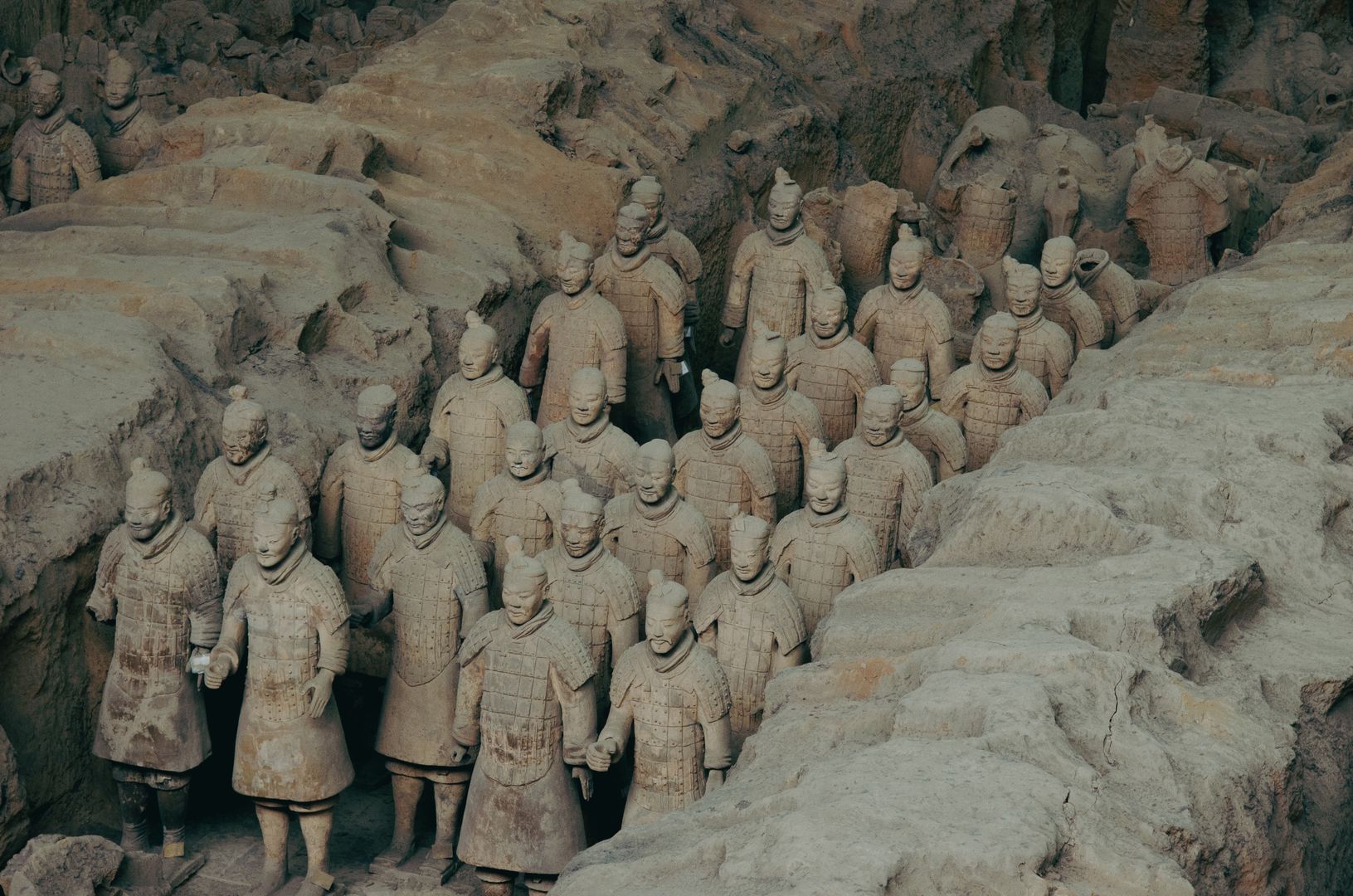
chinaXi'an Travel Guide: Terracotta Army, City Walls, and the Muslim Quarter
Xi'an was China's capital for over a thousand years and the eastern terminus of the Silk Road. The Terracotta Army alone justifies the trip, but the ancient city walls and the Muslim Quarter make Xi'an worth more than a day.
Henrik Vinter

16 February 2026
chinaThe Great Wall of China: Which Section to Visit and How to Get There
The Great Wall stretches 21,000 km across northern China. Which section you visit determines almost everything about the experience. Here's how to choose and what to expect at each.
Henrik Vinter

2 February 2026
chinaBeijing Travel Guide: Forbidden City, Hutongs, and the Great Wall
China's capital holds more UNESCO World Heritage Sites than any other city on earth. Here's how to navigate the major landmarks and find the parts of Beijing that most visitors miss.
Henrik Vinter