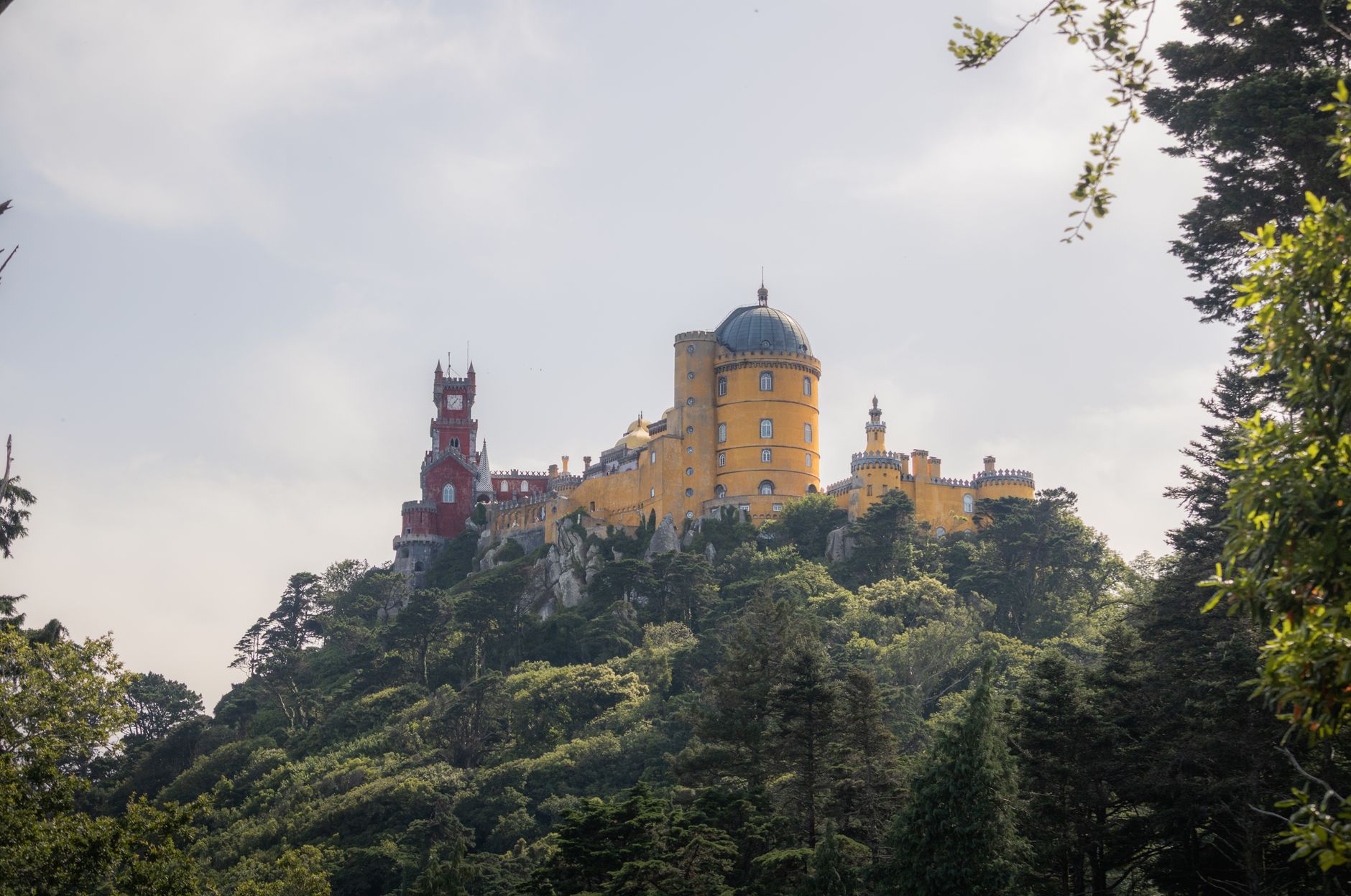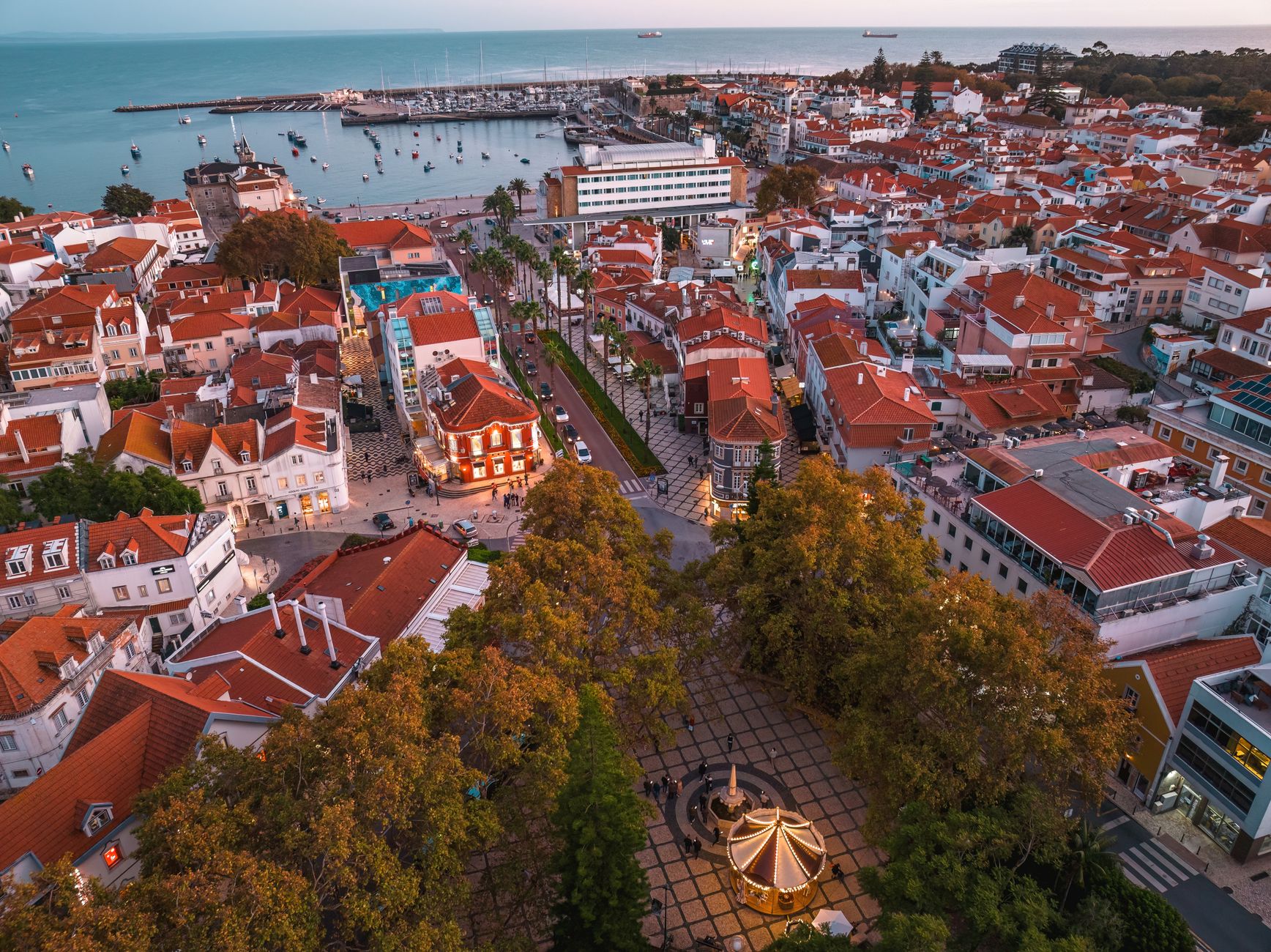

Cascais is a fishing town on the Atlantic coast of the Estoril Coast (Linha de Cascais), 30km west of Lisbon and 40 minutes by train from Cais do Sodré station. The Portuguese royal family used it as a summer residence from 1870 until the end of the monarchy in 1910; several European royal families and exiled heads of state used it similarly through the 20th century. What remains is a compact old town with a working fishing harbour, a seafront lined with 19th-century villas, three beaches within walking distance of the centre, and road access to a stretch of Atlantic surf coast and the Sintra-Cascais Natural Park that most Lisbon day-trippers never reach. The town is quieter than Estoril and more functional than the tourist infrastructure around Sintra.
The Old Town and Harbour
The old town (centro histórico) is a 10-minute walk from the train station: pedestrianised lanes of 18th and 19th-century buildings, three small squares, and the waterfront promenade (Marginal) running from the harbour toward Estoril. The fishing harbour (Doca de Cascais) still operates as a working port — the morning fish market (Mercado da Peixe, daily 8am–1pm) at the harbour end sells directly to restaurants and the public.
Cidadela de Cascais: the 16th-century citadel at the western edge of the old town, converted to a luxury hotel and a cultural centre. The contemporary art museum inside (Museu da Cidadela, free, Tue–Sun) uses the historic military buildings as galleries. The citadel walls walk gives the best view of the harbour.
Casa das Histórias Paula Rego: a purpose-built museum (2009, designed by Eduardo Souto de Moura) housing the permanent collection of the Portuguese-British artist Paula Rego — figurative oil paintings and etchings that are disturbing, frequently feminist, and consistently better than Portuguese art museums in Lisbon. Entry €5. Allow 1.5 hours.
Parque Marechal Carmona: a Victorian park immediately behind the old town, with peacocks, a small lake, and a rose garden. Free entry.
The Three Beaches
Cascais has three beaches within a 15-minute walk of each other:
Praia da Ribeira: the town beach, directly in front of the old town. Small, often crowded in summer, but the most convenient. Fine sand, calm water (the bay is partially sheltered).
Praia da Rainha: a narrow crescent between the old town and the Cidadela. Calmer and shadier than Ribeira but smaller.
Praia da Conceição: 300 metres east of the old town, larger than the other two, with a beach promenade and more consistent summer space. Where Cascais residents actually swim.
For those with a car or bike: the coast north of Cascais toward Guincho is the Atlantic surf coast — wilder, windier, with significant waves. Praia do Guincho (9km from town) is in the Sintra-Cascais Natural Park, a wide sandy beach on an exposed headland. The wind makes it impractical for casual swimming but excellent for kitesurfing and watching large Atlantic swells.
The Boca do Inferno
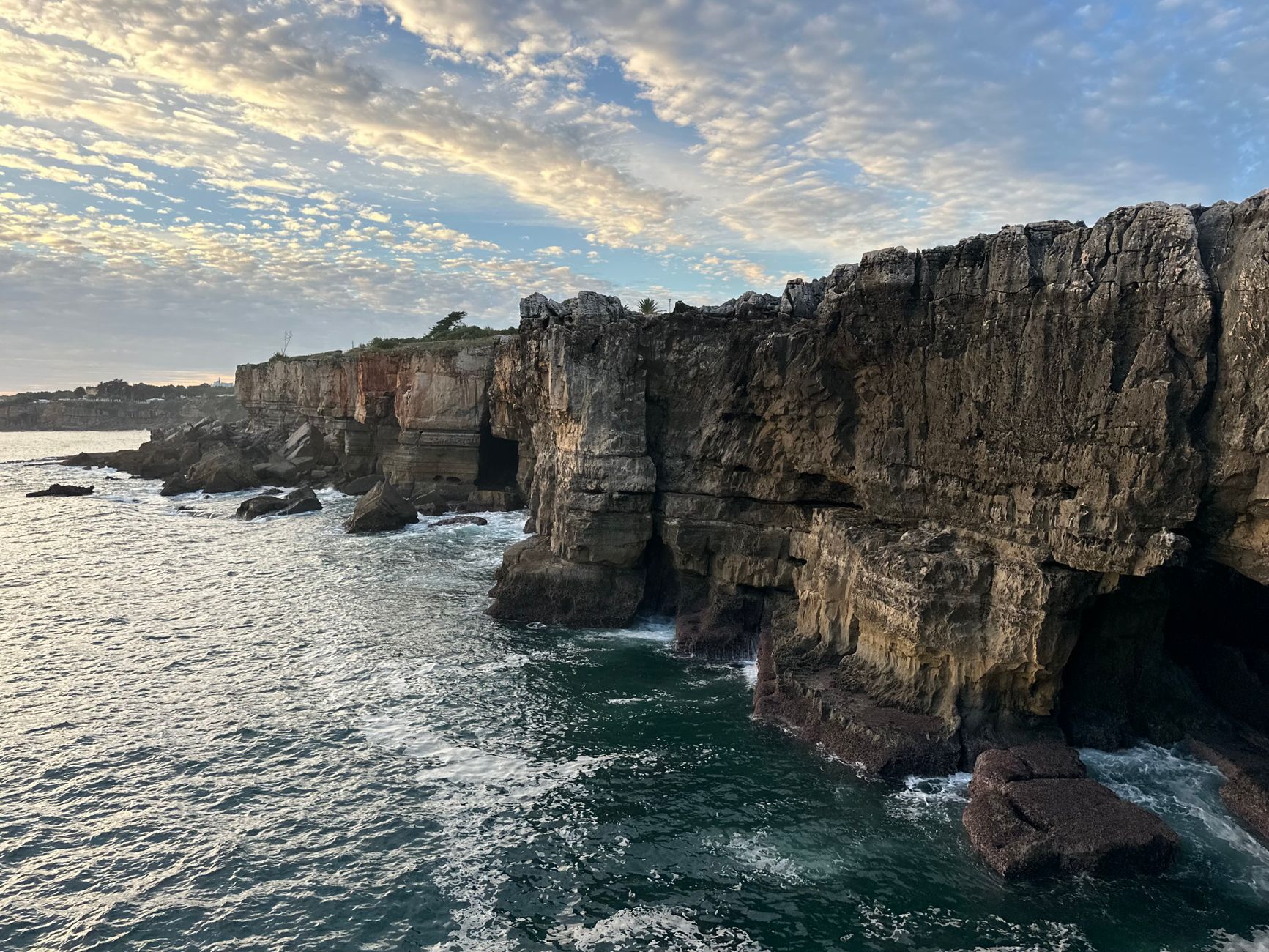
The Boca do Inferno (Mouth of Hell) is a coastal rock formation 2km west of Cascais along a waterfront path — a collapsed sea arch that concentrates wave energy into a narrow channel and produces dramatic spray in swell conditions. The cliff walk from the Cidadela takes 20 minutes. It is impressive when the Atlantic is running at 2m+ swell; on a calm day it is a hole in the rocks.
Cycling the Estoril Coast
A cycle path runs along the waterfront from Cascais to Estoril and continues toward Lisbon (with gaps on the urban sections). Bicycle rental from multiple operators in the old town (€10–15/day). Cycling west from Cascais toward Guincho through the natural park — 9km on a dedicated path — is the better direction.
Getting to Cascais
From Lisbon Cais do Sodré: Linha de Cascais (Comboios de Portugal), 40 minutes, €2.30. Trains every 20–30 minutes. The most practical connection. The Viva Viagem rechargeable card (the standard Lisbon transit card) covers the fare.
By car: 30km from Lisbon on the A5 or the coastal N6 road. The coastal road through Estoril is slower but more scenic. Parking in Cascais is available in the seafront car parks.
Sintra-Cascais Natural Park
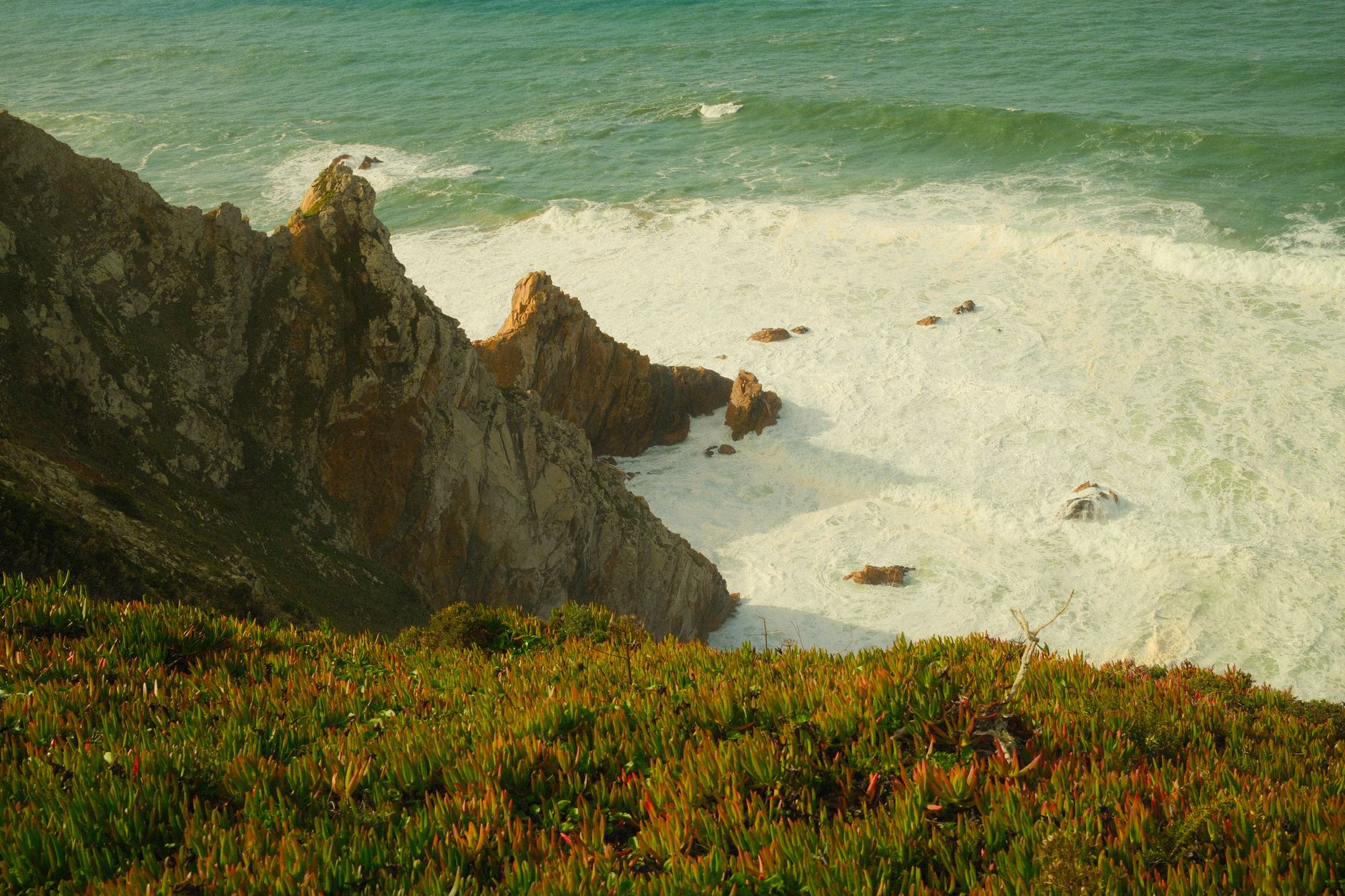
The Parque Natural Sintra-Cascais covers the Serra de Sintra hills and the Atlantic coast from Cascais to Sintra — 145 square kilometres. The park headquarters is in Cascais but most of the trail network is in the Sintra hills. For those combining Cascais and Sintra on the same trip, the park can be traversed on foot or bike — several hiking trails connect the two towns through the forest (10–14km, 3–4 hours).
The Cabo da Roca (17km north of Cascais), the westernmost point of continental Europe, is in the park — a cliff cape at 140m altitude with a lighthouse and the standard "most westerly in Europe" photograph. Access by bus from Cascais (Scotturb bus 403) in 45 minutes.
When to Visit Cascais
May–September: the main beach and swimming season. The Atlantic at Cascais reaches 20°C by July and stays warm through September. May and September have the best balance of warm temperatures and manageable crowds.
June–August: peak season, maximum beach density. The town is busy but not overwhelmed — the train capacity from Lisbon is the limiting factor, not the beaches themselves.
October–April: quieter, cooler (14–18°C in autumn, 10–14°C in winter). The Guincho coast and the natural park are at their best for walking in autumn and spring. The old town functions year-round with its normal commercial and restaurant activity.
Frequently Asked Questions
Is Cascais worth visiting on a day trip from Lisbon?
Yes — the 40-minute train from Cais do Sodré is the most straightforward Lisbon day trip. Two to three hours covers the old town, harbour, beaches, and Boca do Inferno. Combining with Sintra on the same day is possible but rushed (train back from Cascais to Sintra is not direct — requires returning to Lisbon first).
What is the difference between Cascais and Estoril?
Estoril is 3km east of Cascais — a smaller seafront town famous for its casino (the largest in Europe and the model for Ian Fleming's Casino Royale), its waterfront gardens, and its Formula 1 grand prix circuit (1984–1996). Cascais is larger, more functional, and has better beaches. Most day-trippers from Lisbon choose one; those with 2 days can do both.
Is Cascais good for surfing?
The town beaches are not surf beaches — too sheltered. Praia do Guincho (9km north) handles waves well but the wind is variable. The best Estoril Coast surfing is at Praia de Carcavelos (10km east of Cascais, accessible by train) — a wide beach that works in west and northwest swells.
Where do locals eat in Cascais?
Away from the old town pedestrian zone. The streets immediately behind the Mercado de Cascais (covered market, on Rua Visconde da Luz) have traditional seafood restaurants at local prices — grilled robalo (sea bass), caldeirada (fish stew), percebes (barnacles). The tourist-priced seafront restaurants are optional.