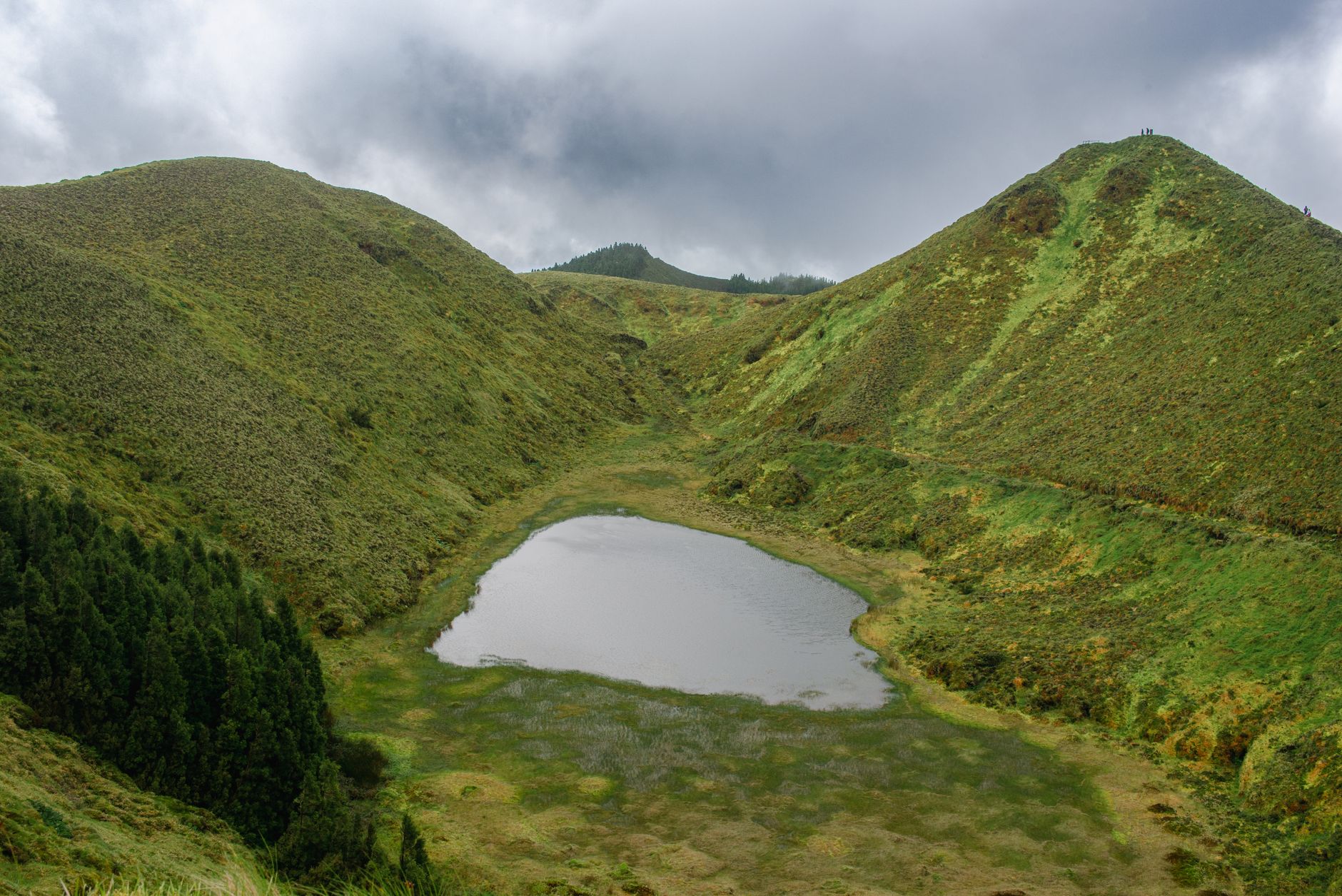
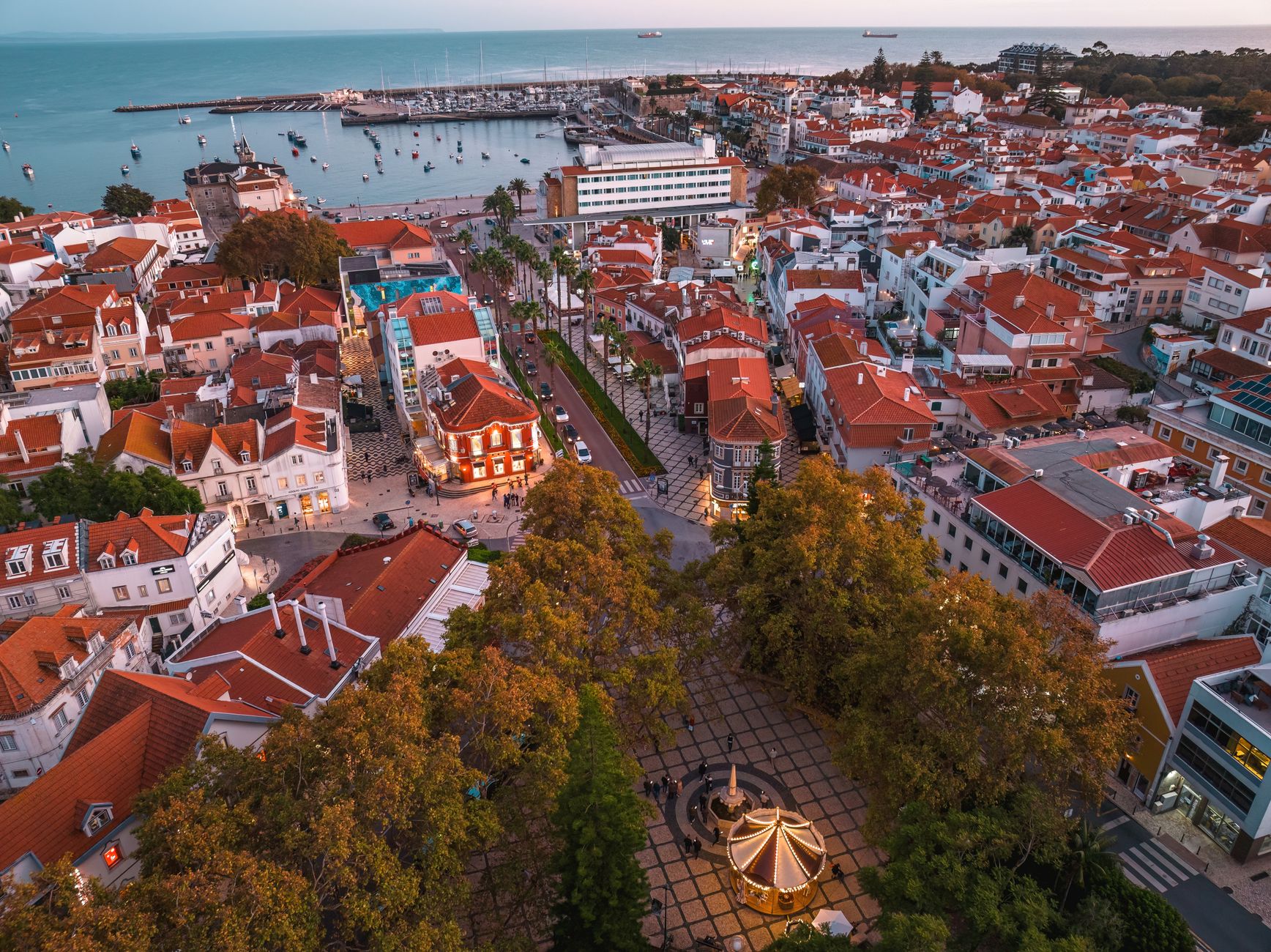
Madeira sits 600km southwest of Lisbon and 700km west of the Moroccan coast in the Atlantic. The island is volcanic, mountainous, and receives between 16°C and 26°C year-round — the south coast around Funchal gets around 2,700 hours of sunshine annually. The "island of eternal spring" description is marketing shorthand for a real climatic fact: the island is viable for outdoor activity in January as it is in August, which distinguishes it from most European island destinations.
The Levada Network
The levadas are irrigation channels built from the 16th century to carry mountain water from the wet north to the dry south for agriculture. The system covers approximately 2,500km of the island. Most channels have been converted into walking paths — typically 1–2m wide, running alongside or above the water through laurisilva cloud forest, across cliff faces, or through tunnels cut directly into rock.
The gradient is very low on most routes (they follow the natural water gradient), making levada walks accessible to walkers who couldn't otherwise manage mountain terrain. Tunnels require a headlamp; waterproof layers are essential in the laurisilva forest. The UNESCO-designated forest zone requires advance permits in high season.
Levada do Caldeirão Verde: 7.6km one-way, four rock tunnels (the longest 450m), ending at a 100m waterfall in primary laurisilva. The most impressive destination on the island. Trailhead at Queimadas park in the north. Permit required in high season (€3, at Madeira Nature portal). Allow 5–6 hours return.
Levada das 25 Fontes: 3.5km one-way, passing 25 natural springs and a waterfall over a rock amphitheatre. Lower difficulty than Caldeirão Verde. Popular; go early to avoid groups.
Levada Nova (Ponta do Sol–Ribeira Brava): the easiest coastal-section levada, open sea views, low gradient. Good introduction for less experienced walkers.
Funchal
The capital of 110,000 sits on a south-facing bay and concentrates most of the island's hotels, restaurants, and services.
Zona Velha (Old Town): the lower seafront district. Rua de Santa Maria has been covered in painted doors since 2011 — the project now spans the full street. Fish restaurants along this street are the most reliable for local cooking at non-hotel prices.
Mercado dos Lavradores: the covered market near the seafront. Ground floor: fish (espada preta — the deep-water scabbard fish unique to Madeira's deep Atlantic — and tuna), tropical fruit grown on the island (passion fruit, papaya, annona). Upper floor: embroidery and crafts. Go in the morning.
Monte Cable Car: from the waterfront at Almirante Reis to Monte village (10 minutes, €13 one-way, €17 return). At the top: Monte Palace Tropical Garden (€12.50 — extensive botanical collection across terraced grounds, worth it for garden visitors), and the Monte toboggan — a wicker basket sled pushed downhill by two carreiros in white uniforms, a genuine transport tradition rather than a tourist invention (€30–35 for two, 2km, about 10 minutes to Livramento).
Viewpoints

Pico do Arieiro: 1,818m, the highest road-accessible point in Portugal. A paved road leads directly to the summit. Morning visits (before 8am) frequently find the summit above a cloud layer, with peaks visible above a white sea. The café at the top opens early. Bring a layer — the temperature is 8–12°C below Funchal even in summer.
Cabo Girão: 580m sea cliff on the south coast, 30 minutes west of Funchal by car. A glass-floor observation platform extends over the cliff edge — free entry. The view down to Câmara de Lobos and the Atlantic is direct and unambiguous.
Porto Moniz: northwest corner of the island, 1h30 from Funchal. Natural volcanic rock pools at sea level — lava formations create protected swimming areas in the Atlantic. Entry to the main pools €1.50. Practical for swimming on good weather days; the mountain drive is part of the experience.
Getting There
Direct flights from Lisbon (1h45), Porto (1h50), and most major Northern and Central European cities. The Cristiano Ronaldo International Airport at Funchal has one of the technically demanding approaches in commercial aviation — the runway extends over the sea on concrete columns at one end, and some approach angles involve a late-stage alignment correction. Normal certificated aircraft, not a safety concern.
What Madeira Costs
Mid-range hotel in Funchal: €80–140/night. Meals at non-hotel restaurants: €12–20 for a main course. Levada permits and viewpoint entry fees are modest. The main cost is the flight.
When to Visit
Any month. The south coast is reliable year-round. April–May for the Flower Festival (Festa da Flor) in Funchal. August for the warmest sea temperatures (25°C). December 31 for the fireworks over Funchal harbour — a consistent entry in global New Year rankings; hotels book a year ahead for this date.
Frequently Asked Questions
Is Madeira good for hiking?
It is one of the best walking destinations in Europe at accessible difficulty levels. The levada network provides a wide range of routes from gentle waterside walks to demanding ridge traverses. The Pico do Areeiro–Pico Ruivo ridge walk is the most spectacular upper-level route (7km one-way, serious terrain).
How does Madeira compare to the Azores?
Different experiences. Madeira has a city (Funchal), more reliable sun, and better infrastructure. The Azores has more dramatic volcanic scenery, whale watching, and greater remoteness. They are not substitutes for each other.
What is espada preta?
The black scabbard fish (Aphanopus carbo), caught at 800–1,600m depth in the Atlantic around Madeira. Long and eel-like, with a distinctive flavour. The standard preparation is pan-fried with banana and passion fruit sauce. Available at most Funchal fish restaurants.
How many days does Madeira need?
Four days for Funchal, two or three levada walks, and the main viewpoints. Six or seven for a more complete circuit of the island including the north coast and west.
Is there nightlife in Madeira?
Limited but present in Funchal — the Zona Velha area has bars and music. The island is not a nightlife destination; visitors who come for that purpose leave disappointed.