

Copenhagen's cost structure is fundamentally different from other major European cities: a mid-range dinner for two with wine runs DKK 600–1,000 (€80–135), and a beer at a bar costs DKK 75–110 (€10–15). It ranks among Europe's most expensive destinations for tourists, competing with Zurich and Reykjavik. Yet the expense isn't random inflation — it reflects high wages, strong design culture, and a city that functions exceptionally well. The decision to visit Copenhagen isn't whether to afford it, but whether what you get justifies the price. For cyclists, neighbourhood explorers, and those who value walkability over tourist density, the answer is usually yes. For budget travellers focused on free attractions and street food, it requires strategic planning.
Where to stay in Copenhagen: neighbourhood guide with price reality
Choosing a base determines both your daily cost and what you actually experience. The city is small enough to bike across in 25 minutes, but where you sleep shapes which neighbourhoods you see regularly.
Indre By (City Centre) is the geographic hub: Nyhavn, the coloured houses, Strøget (the pedestrian shopping street), and Rosenborg Castle are all walkable. Hotels here cost €180–280 per night for mid-range chains like Hotel Ottilia or SP34. You save nothing on transport, but every sight is a 10-minute walk. The downside: you're living in the postcard, not the city. Restaurants within a three-block radius of Nyhavn charge €18–25 for sandwiches and €35–50 for mains. Go there for a walk and coffee; sleep elsewhere.
Nørrebro is where Copenhagen actually happens. Blågård Plads is the neighbourhood square — a market on Saturdays, outdoor café tables most days, surrounded by independent record shops, bookstores, and vintage clothing. Elmegade Street runs parallel and holds the café strip: coffee at 60 DKK (€8), a smørrebrød for 90 DKK (€12), a beer for 50 DKK (€7). The cycle commute to Indre By is five minutes. Hotels are rare; Airbnb apartments and small guesthouses cost €100–150 per night. The neighbourhood has edges — immigrant communities, graffiti, economic variation — which is precisely why it feels like a real place rather than a museum.
Vesterbro is the city's creative quarter, built on the remains of the 19th-century meatpacking district (Kødbyen). The Kødbyen itself occupies a few blocks of converted warehouses now housing restaurants, cocktail bars, and galleries. Hotel d'Angleterre-owned properties run €120–200 per night; independent hotels and apartments slightly cheaper. Dinner and drinks in Vesterbro cost the same as Indre By, but the restaurants are better — Höst serves a 400–600 DKK tasting menu; Slagteren ved Kultorvet is a fish restaurant in a converted butcher shop. The neighbourhood repays walking, especially around Sankt Hans Torv, where weekend street life happens.
Frederiksberg is residential and quiet — leafy streets, the Frederiksberg Gardens (free, 60 acres), and a 15-minute metro ride to Indre By. Hotels cost 20–30% less than the centre. It's ideal for stays longer than four days, when you need some distance from the tourist loop. The trade-off: you'll bike or metro everywhere; there's no ambient neighbourhood energy like Nørrebro or Vesterbro.
Avoid hotels near Kastrup Airport (south of the city). They cost the same as Indre By but require a 25-minute metro commute into town. The metro from the airport into the centre costs DKK 73 (€10) or DKK 27 (€3.60) with a City Pass — neither justifies staying by the airport.
Getting around Copenhagen without overspending
Copenhagen's public transport is efficient and integrated, but passes and pricing can be baffling. Here's the practical reality:
A single journey in Zone 1–2 (which covers all tourist attractions and neighbourhoods) costs DKK 27 (€3.60). The 24-hour City Pass costs DKK 80 (€10.70) and covers unlimited metro, S-Tog, and buses. A 72-hour pass costs DKK 200 (€27). The metro runs 24 hours, which matters if you're returning from a bar after midnight. If you're staying three nights or longer and visiting two paid attractions, a City Pass pays for itself.
The Copenhagen Card is separate from transport passes: it costs DKK 599 for 24 hours, DKK 799 for 48 hours, DKK 1,049 for 72 hours (2026 prices) and includes unlimited public transport plus entry to 89 museums and attractions. Whether it's worth buying depends entirely on your itinerary. Rosenborg Castle costs DKK 175, Nationalmuseet costs DKK 160, Louisiana Museum costs DKK 160, and Ny Carlsberg Glyptotek costs DKK 125. Three museums plus a day of public transport roughly breaks even on a 48-hour card. If you're planning to visit more than three paid sites, the card pays. If you're focused on walking, food, and neighbourhoods, skip it.
Cycling is the better strategy. Copenhagen's cycling infrastructure is the most developed in Europe — separated lanes, traffic lights for bikes, and 400km of connected routes. Donkey Republic (bike-share, DKK 40/hour or DKK 85/day) or Bycyklen (city bikes, DKK 80/day) provide tourist access. Both require a credit card and a helmet sense, but once you understand that cyclists have priority in most situations, the system is faster and more pleasant than the metro for trips under 5km. A bike lets you move through neighbourhoods at observation speed, not car-speed or walking-speed.
The S-Tog (suburban rail) and regional trains connect to day-trip destinations: Malmö (35 minutes, DKK 130 return), Helsingør (45 minutes, DKK 90 return), and Roskilde (25 minutes, DKK 70 return). Book ahead online at dsb.dk; platform tickets are not sold on trains.
Taxis cost DKK 45 to start plus DKK 14 per km. Use them only if you're traveling at 2am with luggage, not as a transport strategy.
The Copenhagen Card: break-even analysis for real itineraries
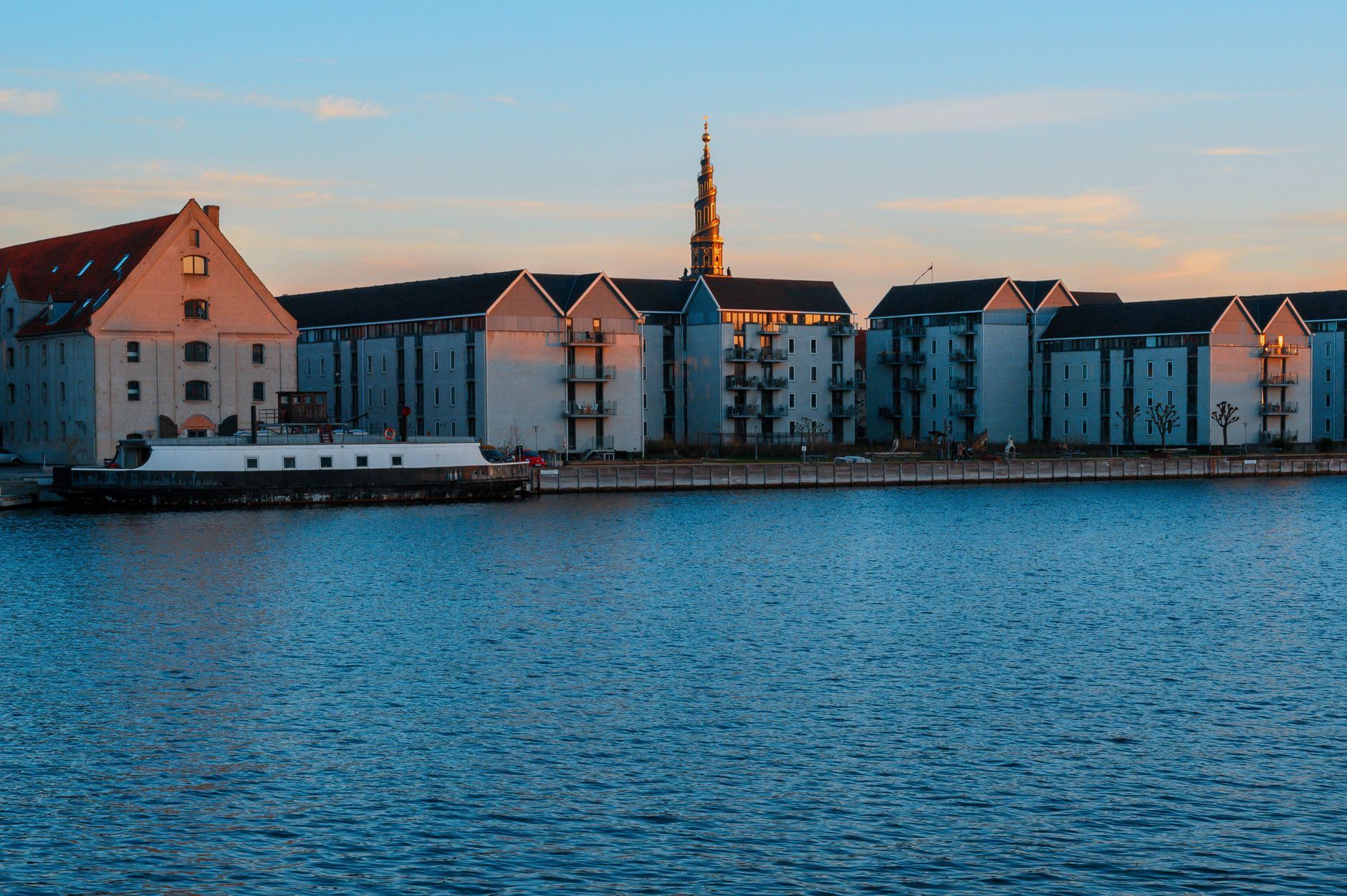
Most guides tell you to "consider" the Copenhagen Card without doing the math. Here's the math:
The 48-hour card costs DKK 799 (€107). It covers public transport and entry to these paid attractions:
- Nationalmuseet: DKK 160. The reason to go is the Viking section — the Sun Chariot (Solvognen), dated 1400 BC, is one of the most extraordinary objects in any European museum. It's a 2-hour visit minimum.
- Rosenborg Castle: DKK 175. 17th-century Dutch Renaissance castle with the Danish Crown Jewels. The surrounding Kongens Have park is free and worth an hour alone.
- Ny Carlsberg Glyptotek: DKK 125 (free on Sundays — important detail). World-class Egyptian, Greek, and Roman collection plus Impressionists and Rodin. The winter garden in the centre is architecturally stunning and free to enter.
- Louisiana Museum of Modern Art: DKK 160 entry, but 40 minutes by S-Tog north of the city. Contains Giacometti, Calder, and Warhol. Views across the Øresund Strait to Sweden. One of northern Europe's best art museums.
Three museums plus one or two days of metro rides = roughly equal to the 48-hour card price. If you're visiting four museums, you're ahead. If you're focused on walking, cycling, and food, the card doesn't pay.
The counter-intuitive fact: admission to Ny Carlsberg Glyptotek is free every Sunday (10am–5pm). If you're in Copenhagen on a Sunday and are interested in art, go then and skip the card entirely.
Major sights: what's worth your time and money
Nyhavn is the postcard image: coloured townhouses reflected in the canal, restaurants with harbour seating, street musicians. Hans Christian Andersen lived in three buildings here (no. 20, 67, and 18). The canal itself is pleasant to walk alongside at any hour. The restaurants on the water charge tourist prices: DKK 200–400 (€27–54) for a main. Eat one street back on Magstræde or Grabrødretorv and pay 20% less for equal quality. Treat Nyhavn as a 30-minute walk with coffee, not a dinner destination.
The Little Mermaid is a 20-minute walk or 10-minute bike from Nyhavn — a small statue on the Langelinie waterfront, installed 1913, often surrounded by tour groups photographing it. Worth cycling past; not worth treating as a destination requiring special travel.
Rosenborg Castle (DKK 175) is a genuine royal residence, built 1606–1634 as a summer retreat. The Crown Jewels are stored here under glass. The castle itself is architecturally coherent and well-maintained. Allow two hours inside. The surrounding Kongens Have (King's Garden) is 30 acres of free green space — best in spring and summer when the flower beds are planted. It's a better use of your time than the Tivoli Gardens, which costs DKK 135–165 to enter depending on season.
Nationalmuseet (DKK 160) contains the Viking section, which is genuinely world-significant. The Sun Chariot, the Gundestrup Cauldron (Celtic, 1st century BC), and reconstructed Viking boats from the Skuldelev shipwrecks are the anchors. The Roman and medieval sections are solid. The Egyptian collection is smaller than major museums but well-selected. Two hours covers it thoroughly. This is the one museum in Copenhagen that isn't substitutable by something elsewhere in Europe.
Ny Carlsberg Glyptotek (DKK 125, free Sundays) occupies a former brewery building and contains Egyptian mummies and canopic jars, Greek sculpture, Etruscan bronzes, and a strong Impressionist collection (Gauguin, Van Gogh, Cézanne). The winter garden — a glass-roofed courtyard with palms and sculptures — is genuinely beautiful and free to access without paying admission. One and a half hours is sufficient.
Louisiana Museum of Modern Art (DKK 160, 40 minutes north by S-Tog) is worth the commute. Permanent collection includes Giacometti ("Tall Figure IV"), Calder mobiles, Warhol, and an exceptional collection of Scandinavian design and architecture. It sits directly on the Øresund coast with views to Sweden. Allow three hours. The café serves coffee and open-faced sandwiches at museum prices (DKK 80–120). This is one of the five best modern art museums in Europe and is overlooked by most Copenhagen itineraries.
Tivoli Gardens (DKK 135–165 depending on season, free entry for children under 2) is a 19th-century amusement park in the city centre. It has roller coasters, gardens, restaurants, and a Christmas market in December. It's genuinely attractive in the evening when lights are on, but it's expensive for what it is — a theme park, not a unique Copenhagen experience. The December market (DKK 65 entry) is worth knowing about if you're in the city in winter, as it's a local tradition and draws Copenhageners, not just tourists.
Food: where to eat and what things actually cost
Copenhagen's food reputation is built on three things: smørrebrød (open-faced rye bread), street food, and new Nordic cuisine. The city also has an exceptionally high tax on eating out, so prices reflect this.
Smørrebrød is the defining meal: dark rye bread (rugbrød, which has a dense, slightly sweet flavor) topped with herring, roast beef with remoulade and crispy onions, shrimp, or egg. It's a lunchtime tradition and a defence against paying restaurant prices. Aamanns Etablissement in Indre By is the contemporary standard — DKK 90–150 (€12–20) per open-faced sandwich; two to three makes a meal. Schønnemann in the Latin Quarter is the older institution (DKK 80–130, cash only for traditional dishes). Both require some queueing at lunch. The quality difference is marginal; go to whichever is closer.
Pølsevogn (hot dog stands) cost DKK 40–55 (€5–7) and are the only remaining street food without tourist inflation. A røde (red sausage in a bun with ketchup, mustard, and remoulade) and a beer costs DKK 95 total. The city has licensed stands in designated locations — they're reliable and sometimes better than restaurants at higher prices.
Budget eating requires knowing the chains: Lagkagehuset (bakery, DKK 50–75 for a sandwich and coffee) and 7-Eleven (DKK 40–60 for pre-made sandwiches). This isn't deprivation — Lagkagehuset's pastries are genuinely excellent, and a coffee there costs half what a café charges.
The Meatpacking District (Kødbyen) is the best concentration of varied food and wine in one area. The district is a few blocks of converted warehouses south of Vesterbro station, within walking distance or a one-stop metro ride from the centre. Höst serves a tasting menu (DKK 400–600, no reservation needed except for large groups). Slagteren ved Kultorvet is a fish restaurant occupying a former butcher shop (DKK 300–500 for mains). Warpigs is a Texas-Danish BBQ collaboration with ribs and craft beer (DKK 200–350). Barr is New Nordic at slightly lower prices (DKK 350–500). These aren't cheap, but they're coherent — the food matches the price. Eat lunch rather than dinner if cost matters; lunch mains are typically 30–40% less.
New Nordic fine dining has produced genuinely good restaurants at various price points. Geranium (three Michelin stars, DKK 3,000+ per person) requires booking months ahead. Kadeau (two stars, DKK 1,200+) requires 4–6 weeks ahead. Höst (no stars, DKK 400–600) can often accommodate walk-ins or be booked a week ahead. Unless you're specifically interested in fine dining, the Høst tier delivers the same culinary intelligence at a third of the price.
Wine bars are economical for wine: the city has a strong natural wine scene. Hallernes Smørrebrød in the Latin Quarter pairs wine (DKK 60–100 per glass) with smørrebrød; Ballerup in Vesterbro does the same at similar prices. These are not nightlife venues, but afternoon or early-evening destinations.
A realistic mid-range dinner budget: DKK 300–500 (€40–67) per person for a main course restaurant (not Michelin), DKK 75–110 (€10–15) for a beer, DKK 100–150 (€13–20) for wine. A meal for two with wine: DKK 600–1,000 (€80–135). This isn't speculation; Copenhagen is among Europe's most expensive cities for eating out.
When to visit Copenhagen: seasonal breakdown

Copenhagen's weather is Nordic maritime: cloudy, cool, and windy most of the year. Timing determines cost, crowds, and what the city feels like.
June to August (18–24°C) is peak season: daylight until 10pm in June, outdoor café culture fully operational, all attractions staffed and open. Hotels cost €200–400 per night in mid-range properties. The Copenhagen Jazz Festival happens in July, bringing live music to venues and streets for two weeks. August is slightly less crowded and slightly cheaper than June–July. Downside: the city is filled with other tourists and prices reflect it.
May and September (15–20°C) are ideal: warm enough to eat and drink outside without shivering, fewer tourists than peak summer, hotel prices drop 15–25%, and the light is still long. May is greening and full of Danish people outdoors. September is slightly cooler but still pleasant. These are the months to visit if weather and crowds matter equally.
April and October (8–15°C) are shoulder seasons. The weather is unpredictable — some days are sunny and 15°C, others are rainy and 5°C. Hotels are 30–40% cheaper than summer. The city empties of tourists. If you can tolerate variable weather and packing layers, you get a far more authentic experience at a lower cost.
December (2–7°C) brings the Tivoli Christmas Market (DKK 65 entry), which is not a tourist afterthought but an actual Copenhagen tradition. It's crowded but with Copenhageners, not tourists. Christmas lights wrap the city. Hotels cost 40–50% less than summer, and the Christmas beer season (stronger, often barrel-aged) fills breweries. The downside: it's dark by 4pm, and the weather is wet. This is for those who want winter specifically, not as a side effect.
January to March (−2 to 5°C) is the off-season: grey, cold, some snow but mostly sleet and rain. Outdoor café culture shuts down. Hotels cost 40–50% less than summer. The Ny Carlsberg Glyptotek's winter garden is especially pleasant when the temperature outside is freezing. Only visit if budget is the priority or you specifically want winter. Otherwise, wait for April or May.
Day trips: when and why to leave Copenhagen
Malmö, Sweden (35 minutes by train, DKK 130 return) is a very different Scandinavian city: quieter, less designed, cheaper, grittier architecture. The Turning Torso building (1999, the tallest building in Scandinavia at the time) and the old Gamla Väster district have character. A half-day trip justifies the train ride; a full day is better. You'll need your passport.
Helsingør (Elsinore) (45 minutes by S-Tog, DKK 90 return) is where Hamlet's castle — Kronborg — overlooks the Øresund Strait. The castle costs DKK 145 entry and contains 16th-century royal apartments and history of naval warfare. The old town is well-preserved 18th-century grid of houses. Two hours in the castle, one hour in town — four hours total from Copenhagen. It's a reasonable afternoon trip.
Roskilde (25 minutes by train, DKK 70 return) holds the Viking Ship Museum — DKK 175 entry. It contains five actual Viking longships excavated from Roskilde Fjord, most dating to the 11th century. This is the most significant Viking maritime collection in the world and far less visited than Nationalmuseet's Viking section. The boats are reconstructions, but they're based on the excavated originals. Allow two hours. The Roskilde Cathedral (medieval, burial site of Danish kings) is free and nearby. This is worth a full day if Viking maritime history interests you.
Copenhagen vs. Amsterdam: choosing between them
Both are medieval cities with rich art museums and excellent cycling infrastructure. Amsterdam is more architecturally distinctive and more crowded. Copenhagen is more expensive and more livable. Here's the practical comparison:
Amsterdam wins on: iconic imagery (the canal ring is more visually coherent than any Copenhagen neighbourhood), art museums (Rijksmuseum and Van Gogh Museum are excellent), and sex-and-drugs tourism (if that matters to you). It's cheaper than Copenhagen (hotels €100–150, meals €15–25). It's visited by 8–9 million tourists per year and feels it.
Copenhagen wins on: cost of living (it's expensive but with higher-quality food and design), neighbourhoods that function as neighbourhoods (Nørrebro and Vesterbro are where Copenhageners live, not where they perform for tourists), cycling experience (the infrastructure is superior), and lack of crowds (roughly half of Amsterdam's tourist volume). The city is designed for the people who live here, not for the tourists.
If you're visiting Europe for the first time and want iconic imagery and cheap living, Amsterdam is the better choice. If you've already done Amsterdam or want to experience a Nordic city as it actually functions, Copenhagen is better. You can't do both in four days; pick one and stay three nights. Both cities have weather that requires packing layers even in June.
Recommendations and final budget reality
Copenhagen is for those who value function over spectacle. The city is expensive — a week costs DKK 7,000–10,000 (€940–1,345) in accommodation, food, and modest attractions without fine dining or shopping. This is higher than most European cities, period. The justification is that you get quality rather than volume: the food is genuinely good at its price point, the cycling infrastructure works as advertised, the neighbourhoods are walkable and legible, and you rarely feel like you're performing tourism rather than moving through a real city. If you're a budget traveller, set a daily spending limit and commit to smørrebrød, pølsevogne, and bike trips. If you're middle-income or above, spend four to five days in May, September, or April, stay in Nørrebro or Vesterbro, bike everywhere, eat lunch at non-tourist restaurants, and save dinner for one special meal in Kødbyen. Copenhagen rewards slow movement and neighborhood time more than any other major Scandinavian city. It won't be cheap, but it will be specific.
Frequently Asked Questions
Is the Copenhagen Card worth buying for a 48-hour visit?
Only if you're visiting three or more paid attractions. The card costs DKK 799 (€107) and covers Rosenborg Castle (DKK 175), Nationalmuseet (DKK 160), and Ny Carlsberg Glyptotek (DKK 125) — which totals the card price. If you're visiting fewer than three museums, or if Ny Carlsberg Glyptotek is on your list and you're visiting on a Sunday (when entry is free), skip the card. Buy a 24-hour City Pass (DKK 80) for transport instead.
Which neighbourhood should I stay in: Nørrebro or Vesterbro?
Stay in Nørrebro if you want to experience Copenhagen as Copenhageners do. Blågård Plads market, Elmegade café strip, independent shops, and cycling culture all cluster here. Stay in Vesterbro (specifically near Kødbyen) if dining and nightlife are your priority — the Meatpacking District holds the city's best restaurants and bars within walking distance. Both are equally close to the city centre (5–15 minutes by bike or metro).
What's the best month to visit Copenhagen if I'm sensitive to cold weather?
May or September offer 15–20°C temperatures, long daylight, fewer tourists than summer, and 15–25% lower hotel prices than June–August. June is also good (18–24°C) if you don't mind crowds and higher prices. Avoid December–March if cold bothers you; temperatures drop to −2 to 5°C and the city is dark by 4pm.
Can I visit Copenhagen cheaply on a tight budget?
Yes, with strategy. Sleep in Frederiksberg or a shared apartment in Nørrebro (€50–70 per night). Eat smørrebrød at lunch (DKK 80–120), pølsevogne at dinner (DKK 40–55), and coffee at Lagkagehuset (DKK 50). Bike instead of using metro (DKK 85/day for a bike beats multiple metro passes). Visit the free attractions: Kongens Have park, Ny Carlsberg Glyptotek on Sundays, Tivoli Gardens window-shopping. Realistic daily budget: DKK 400–600 (€54–80) including accommodation, food, and one paid attraction every two days.
Is Louisiana Museum worth the 40-minute train ride north of Copenhagen?
Yes, if you care about modern art. It contains Giacometti, Calder, Warhol, and exceptional Scandinavian design, set on the Øresund coast with views to Sweden. It's one of the five best modern art museums in northern Europe. Allocate three hours. If you're not interested in art museums, skip it.
What's the honest difference between Copenhagen and Amsterdam?
Amsterdam is cheaper, more architecturally iconic, and far more crowded. Copenhagen is more expensive, more livable, and more focused on cycling as transport rather than tourism. Amsterdam's canal ring is visually more distinctive; Copenhagen's neighbourhoods are more functional as places to live. If you've never been to either, Amsterdam first. If you want to experience a Nordic city beyond the postcard level, Copenhagen.