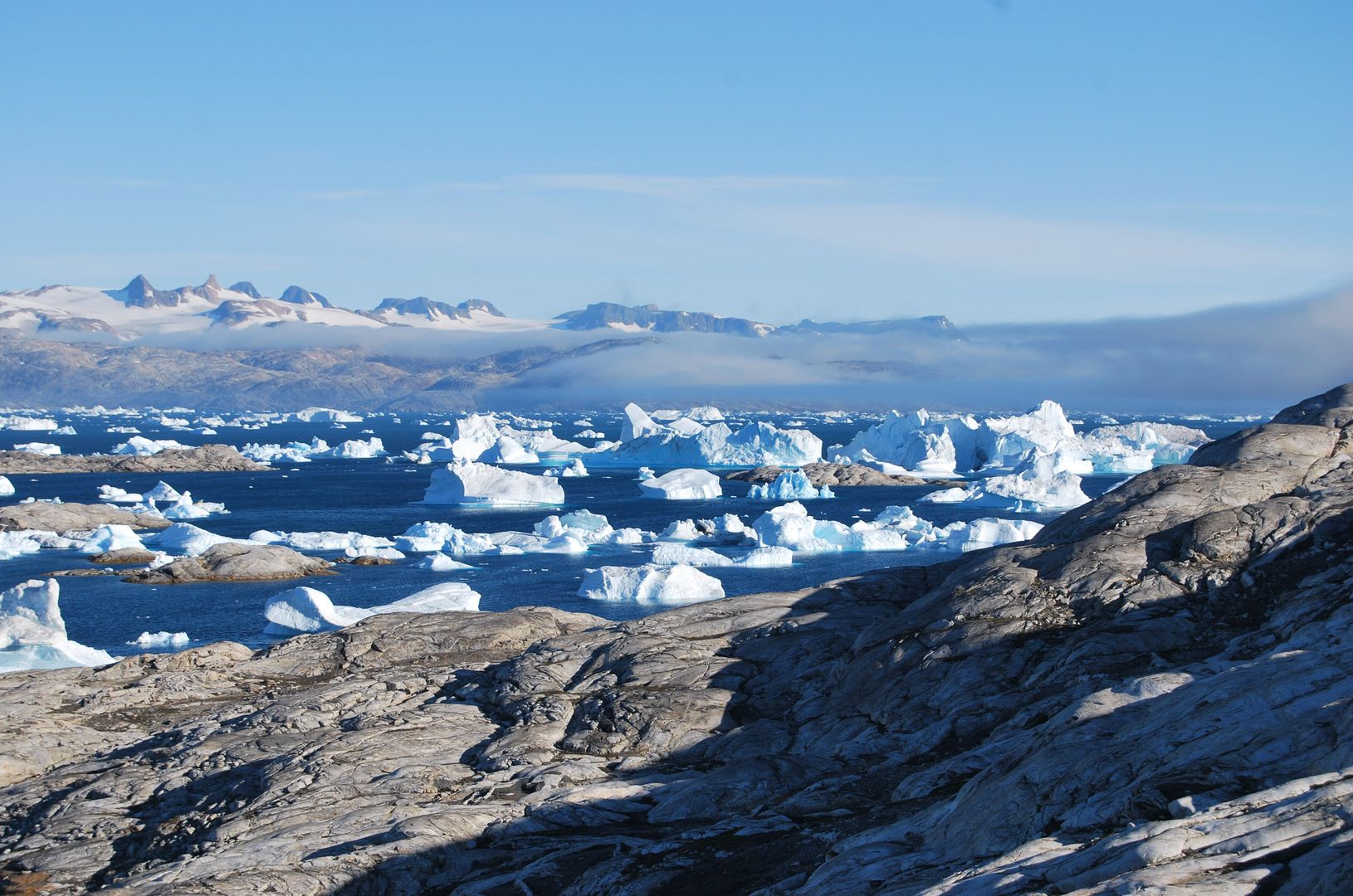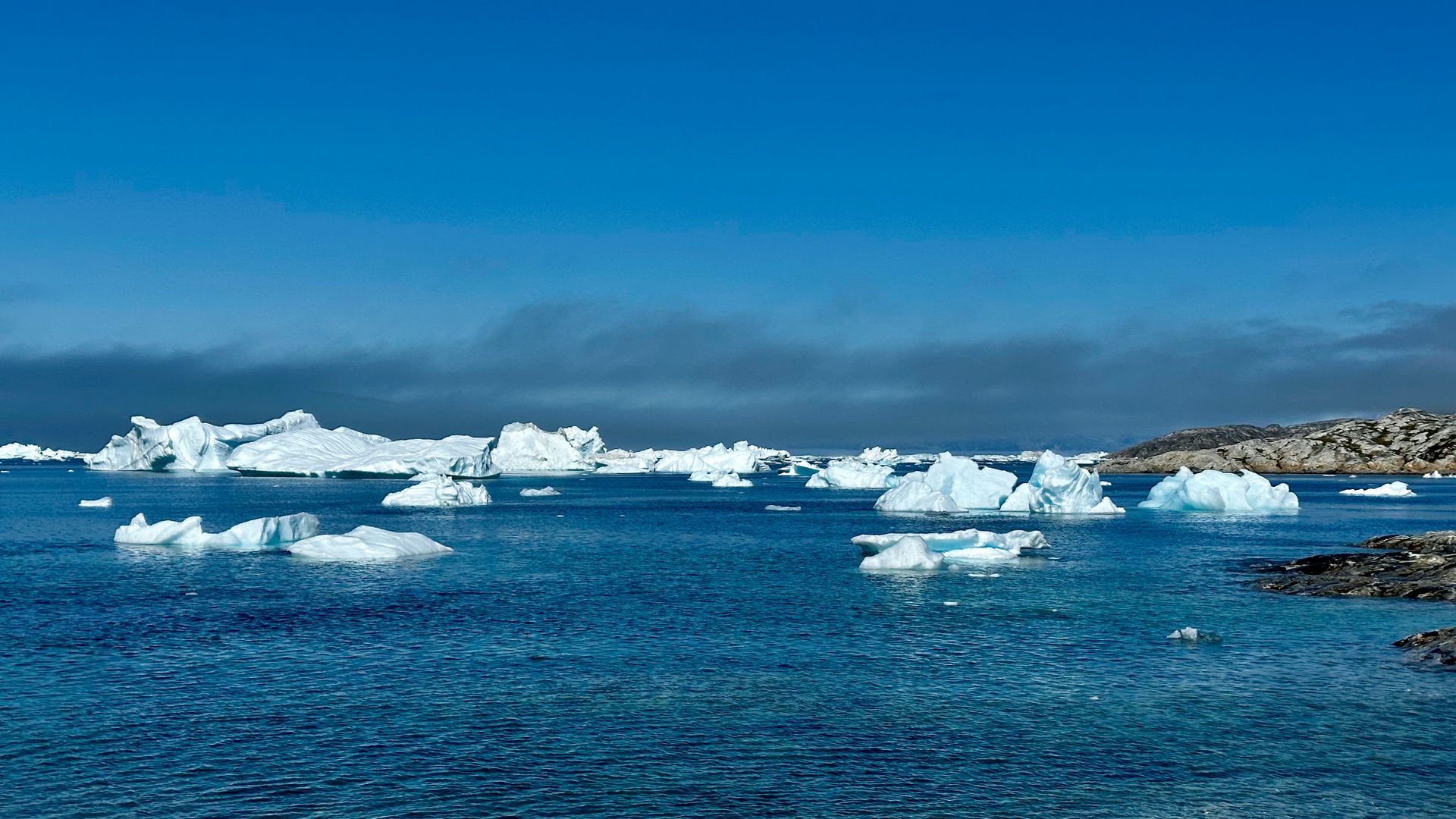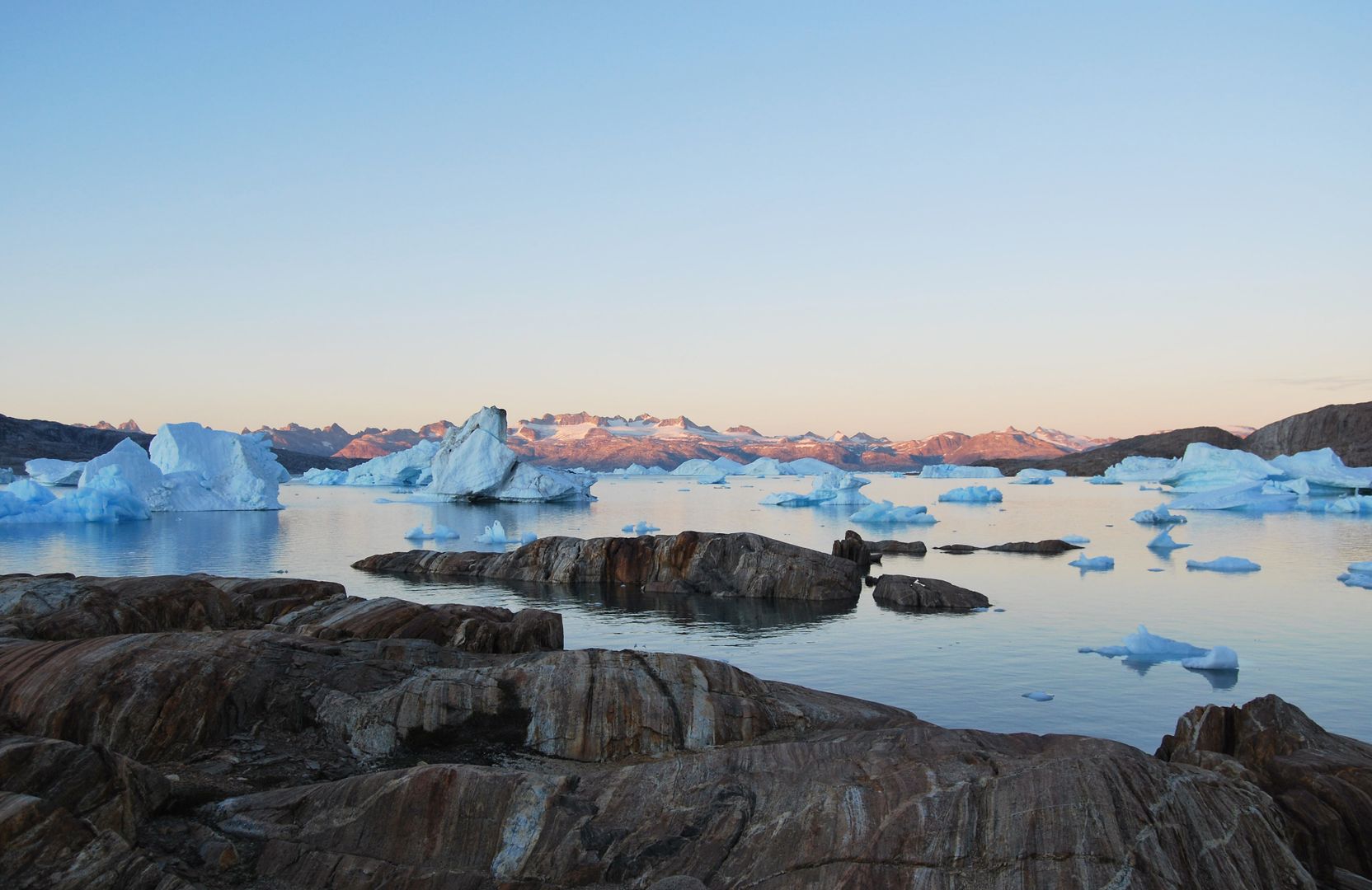

The east coast of Greenland faces Iceland across the Denmark Strait (300km at the narrowest point) and is separated from the west coast by the ice sheet and, for most of the year, by pack ice extending far out to sea. The coast is a succession of fjords cut 40–100km into the mountains, with glaciers descending from the ice sheet between ranges that rise to 3,000m. The two main inhabited areas are the Ammassalik district, anchored by Tasiilaq (2,000 people), and the Ittoqqortoormiit municipality in the north (350 people, one of the most isolated communities on Earth). Between and beyond them is 1,000km of uninhabited coastline.
Tasiilaq and the Ammassalik Area
Tasiilaq (also known historically as Ammassalik) is the largest town on the east coast — a community of 2,000 people on a fjord arm 60km inland from the open sea, surrounded by mountains that rise directly from the water's edge. There are no roads leaving the town; movement is by boat in summer and by snowmobile, dogsled, or helicopter in winter. The surrounding fjord system (King Oscar Fjord, Sermilik Fjord) is the setting for most of the outdoor activities that bring visitors here.
The Ammassalik Museum (free, limited hours) covers the history of the Greenlandic Inuit of the east coast — a population that had no contact with Europeans until 1884, when the Danish ethnographer Gustav Holm arrived on an umiaq expedition. The museum's collection includes original kayaks, hunting tools, and umiaq frames (the large open skin boats used by women for cargo transport). The town's church, the Saviour's Church (1908), has a notable carved altarpiece and is the oldest European building in Tasiilaq.
Hiking and Kayaking Around Tasiilaq
The most accessible hike from Tasiilaq is the Red House Mountain route (4 hours return, no technical equipment required in summer, basic orientation needed — the trail is not marked at all sections). The summit at 675m gives an unobstructed view of the fjord system and, on clear days, the sea ice edge and the open water beyond. The Ice Cap Tours office in Tasiilaq (the main guide operation in the area) provides maps and route advice.
Sea kayaking in the fjords around Tasiilaq is for experienced paddlers or those on guided tours (DKK 800–1,500/day with a guide). The fjord water is cold (2–8°C in summer), the distances between shore and any human presence can be significant, and weather changes rapidly. The reward — paddling past icebergs calved from the Sermilik glacier, in water that is genuinely fjord-quiet — is genuine for those with the right preparation. Ice Cap Tours and Greenland Travel both operate multi-day kayak itineraries from Tasiilaq.
Northern Lights from East Greenland

East Greenland has statistically the clearest skies in Greenland in the autumn-winter period, the highest auroral activity (the eastern auroral zone is more active than the west during certain solar wind configurations), and essentially zero light pollution beyond Tasiilaq's 50-odd streetlights. The aurora viewing here, when conditions align, is among the best on Earth — not because the physics are different, but because the combination of clear skies, dark horizon, fjord water for reflections, and absence of any human infrastructure gives the display its full context.
The viewing season is September through April. October–November is the practical window before winter travel logistics become demanding. The Aurora Hostel in Tasiilaq operates guided aurora tours (DKK 400–600, 3–4 hours, by snowmobile or on foot to a dark-sky position outside the town). Cold-weather preparation is essential: −10 to −25°C on a clear October night in Tasiilaq is normal; standing still watching the sky for two hours requires appropriate clothing.
Kulusuk: The Day Trip Island
Kulusuk Island, 30 minutes by helicopter from Tasiilaq or accessible by boat in summer, has a small airport (KUS) that receives direct flights from Reykjavik (Air Iceland Connect, 50 minutes, ISK 20,000–30,000 return) — the basis of the "East Greenland day tour" operated for visitors who want to set foot in Greenland without the full Tasiilaq overnight logistics. The village of Kulusuk (200 people) has a school, a church, a small supermarket, and a guesthouse. Day-trippers arrive, walk the village, observe the dogsled runs, and return to Reykjavik the same afternoon. It is a genuine Greenlandic community and not a tourist performance; the brevity of the visit is its limitation rather than its depth.
Overnight stays on Kulusuk (Kulusuk Hotel, DKK 900–1,400) give access to the island's hiking trails, the fjord views north toward the ice sheet, and the possibility of longer boat excursions toward the Sermilik Fjord. For the cost of the flights alone, Kulusuk overnight represents the lowest entry cost to a genuine east Greenland experience.
Scoresby Sund
Scoresby Sund (Kangertittivaq in Greenlandic) is the world's largest fjord system — 350km from the open sea to the innermost reaches, with approximately 100 branch fjords covering 38,000 km² of water. The surrounding landscape is polar desert (less than 200mm annual precipitation), with musk oxen on the tundra plains, polar bears on the sea ice in spring, and rock formations that include some of the most ancient exposed geology on Earth (3.8 billion years old in the Isua Greenstone Belt, 300km away but part of the same geological formation).
The only inhabited settlement in the Scoresby Sund system is Ittoqqortoormiit (population 350) at the fjord entrance. Access is by Air Greenland from Constable Point airstrip (2.5 hours from Reykjavik via Air Iceland Connect, seasonal), or by expedition cruise ship. The settlement has a supermarket, one guesthouse, and a population where hunting (polar bear, musk ox, narwhal, walrus) remains a primary food source. Expedition cruise ships — typically 10–30 passengers on ice-reinforced vessels — are the main way foreigners see the interior of the fjord system, typically on 10–14 day voyages from Reykjavik or Longyearbyen (Svalbard). Prices start at USD 5,000 per person for the cheapest berth and extend to USD 12,000–20,000 for premium vessels.
Getting to East Greenland
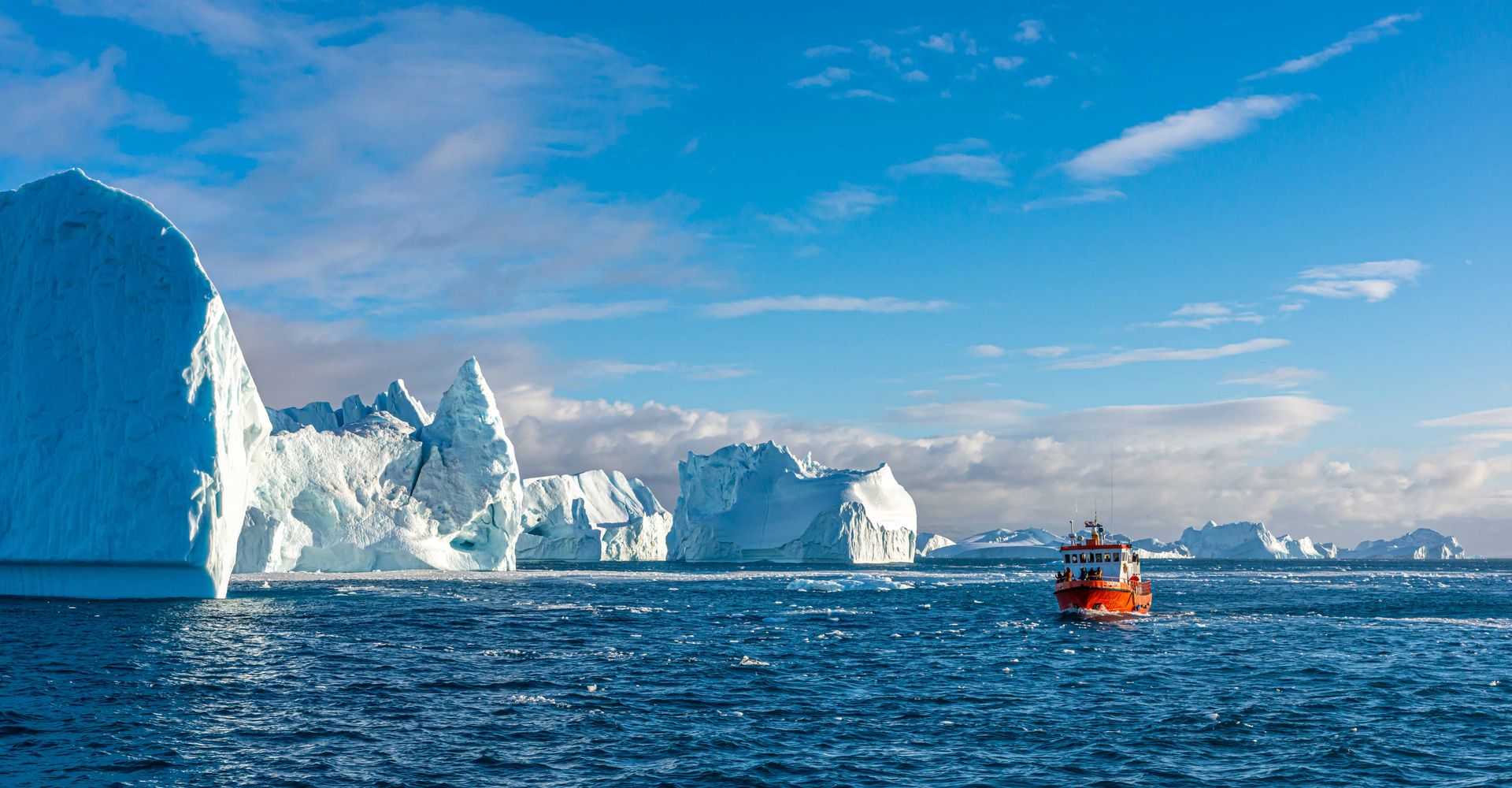
Tasiilaq: Air Greenland from Reykjavik or from Kulusuk Island (helicopter); charter flights from Copenhagen via Reykjavik. Kulusuk: Air Iceland Connect from Reykjavik year-round (weather permitting; cancellations are frequent — typically 1–2 per week in autumn). Ittoqqortoormiit: Air Iceland Connect seasonal service via Constable Point, or expedition cruise. All east coast travel requires planning for delays; the minimum buffer is 2 extra days on any itinerary.
Practical Costs
Tasiilaq guesthouse: DKK 800–1,500 per night (limited options; book well ahead). Meals: DKK 150–350 at the town's two restaurants. Guided day hike: DKK 600–1,000. Sea kayak guided day: DKK 800–1,500. Aurora tour: DKK 400–600. Kulusuk day return from Reykjavik: ISK 20,000–30,000 (€135–200). A 5-night Tasiilaq trip including return flight from Reykjavik, accommodation, guided activities, and meals budgets at DKK 15,000–22,000 (€2,000–3,000) per person excluding the Reykjavik flight.