
Hong Kong Basics
Hong Kong is a Special Administrative Region of China with its own legal system, currency (Hong Kong dollar), and customs area. Despite returning to Chinese sovereignty in 1997, it retains meaningful distinctions from mainland China that matter to travellers: most foreigners can enter without a visa for stays up to 30–90 days (check current policy by nationality), the internet is unrestricted, and the city operates on different institutional frameworks from the mainland.
The territory divides into four main areas: Hong Kong Island (the central business district, Victoria Peak, and the Southside beaches), Kowloon (the peninsula facing the island across Victoria Harbour, including Tsim Sha Tsui and Mong Kok), the New Territories (the bulk of the land area with new towns and country parks), and the Outlying Islands (Lantau, Lamma, Cheung Chau, and others).
Population: 7.5 million in 1,100 square kilometres. About 40% of the territory is protected country park. The density of the urban areas — some of the highest in the world — and the proximity of wild hiking terrain is one of Hong Kong's defining contradictions.
Getting There and Getting Around
Hong Kong International Airport (HKG) is on Lantau Island, connected to Kowloon and Hong Kong Island by the Airport Express train (24 minutes to Hong Kong Station, 29 minutes to Kowloon Station; 115 HKD one-way). Taxis from the airport are metered and reliable; the fare to central Hong Kong Island is 350–450 HKD.
The MTR (Mass Transit Railway) covers all main urban areas efficiently. The Octopus Card is the universal stored-value card for the MTR, buses, ferries, and convenience store payments. Buy one from MTR stations (a 100 HKD deposit is refunded when you return it). Single journeys on the MTR cost 4–56 HKD depending on distance.
The tram (Ding Ding) runs east-west along the northern shore of Hong Kong Island for 3 HKD flat fare — it's slow and always crowded but one of the best ways to move through street level. The Peak Tram is a funicular climbing the north face of Victoria Peak, running since 1888; queues are long in peak season but the ride is genuine infrastructure, not a tourist gimmick.
Victoria Peak
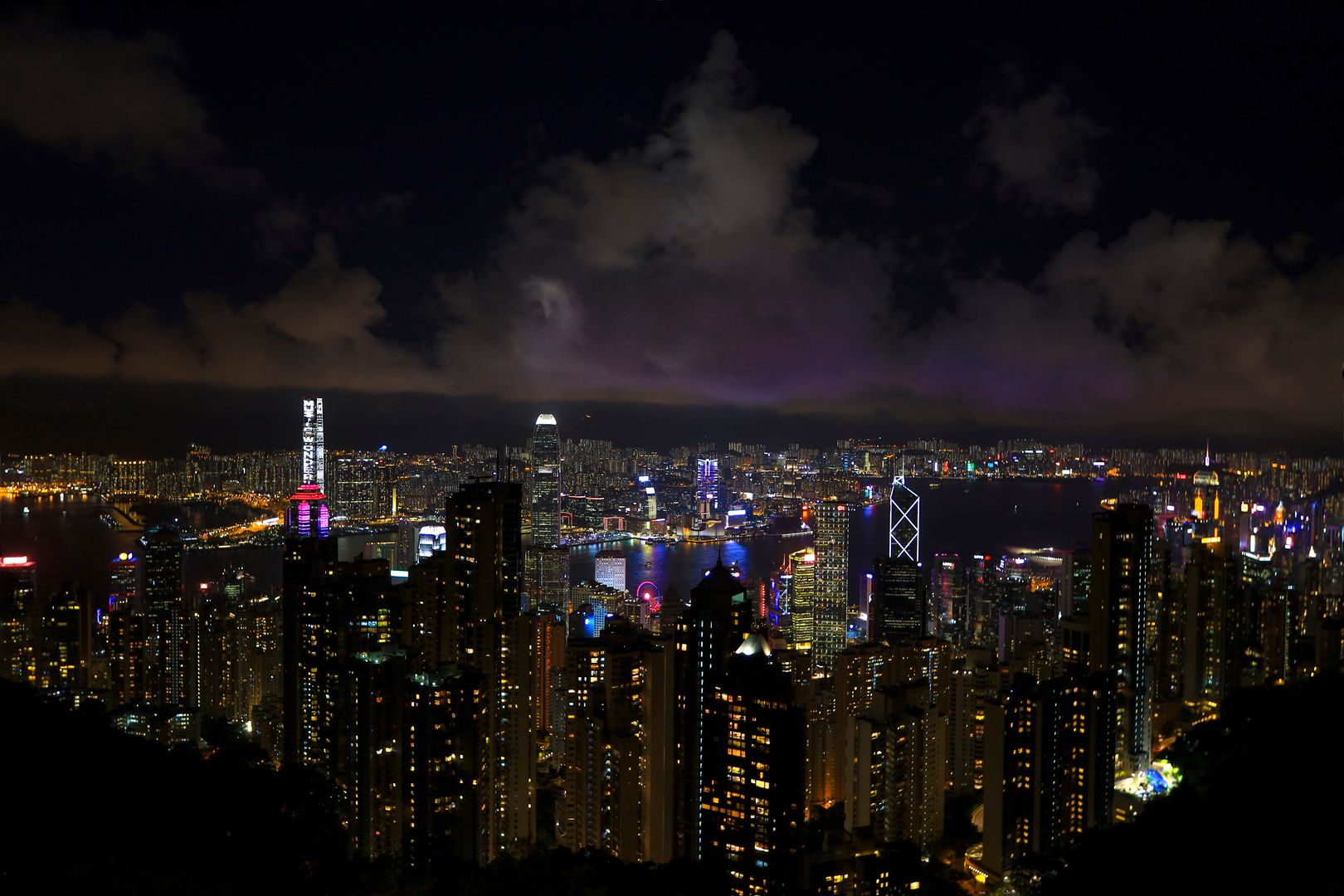
Victoria Peak (552 metres) is the highest point on Hong Kong Island and the most visited viewpoint in the territory. The view from the Peak Tower terrace and the circular Peak Circle Walk takes in the entire downtown skyline, Kowloon across the harbour, and on clear days the New Territories extending north. The best visibility is in autumn and winter (October–February); summer brings haze that reduces the range significantly.
The Peak Tram from Garden Road Station runs continuously; the queue is typically 30–60 minutes during daytime. Booking the Tram Sky Pass (tram ride + Peak Tower entry) online is marginally faster but doesn't eliminate the wait. Alternative: take a taxi to the Peak (10–15 minutes, 120–150 HKD from Central) and take the Tram down. The Circle Walk around the peak is free, takes 45 minutes, and gives better views in different directions than the Tower.
Kowloon and the Night Markets
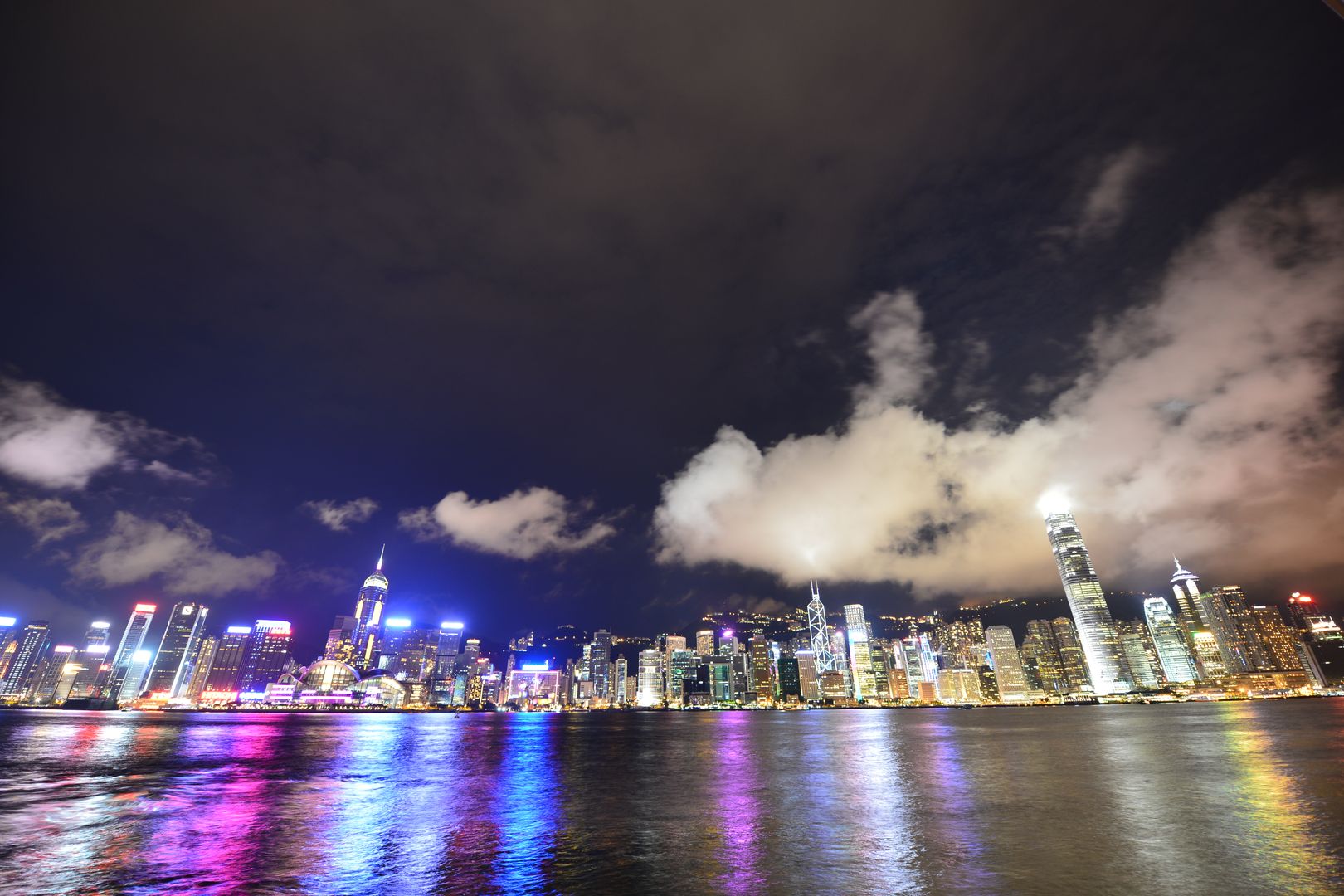
Kowloon's Tsim Sha Tsui (TST) waterfront is the best place to photograph the Hong Kong Island skyline, particularly during the daily Symphony of Lights show at 8pm when buildings across the harbour light up in a coordinated display. The Avenue of Stars runs along the TST waterfront.
Temple Street Night Market in Jordan runs from late afternoon until around midnight, with stalls selling clothing, electronics, and street food, and fortune tellers and Cantonese opera performances at the northern end. It's commercial but atmospheric. Mong Kok's Goldfish Market, Flower Market, and Ladies' Market are neighbourhood street markets operating during the day and useful for understanding Kowloon at street level rather than tourist level.
The Sham Shui Po district in northern Kowloon is where electronics, fabric, and secondhand goods markets cluster — less visited and more local in character than the TST tourist zone.
Dim Sum
Dim sum (yum cha — "drink tea") is Hong Kong's contribution to the global canon of brunch. A procession of small dishes — har gow (shrimp dumplings in translucent rice flour wrappers), siu mai (open-topped pork and prawn dumplings), cheung fun (rice noodle rolls with various fillings), lo mai gai (sticky rice and chicken in lotus leaf), char siu bao (barbecue pork in steamed or baked bun) — arrives by trolley or order form, eaten with Chinese tea at communal tables.
Dim sum in Hong Kong is eaten at lunch (11am–3pm) and on weekend mornings when the best teahouses fill by 10am. Reservations at famous dim sum restaurants (Lin Heung Tea House in Sheung Wan, Yung Kee in Central) are difficult to get; the more practical approach is to arrive at opening, put your name on the list, and wait. Most mid-range restaurants in the city serve dim sum at a high standard for 80–150 HKD per person including tea.
Hiking the Country Parks
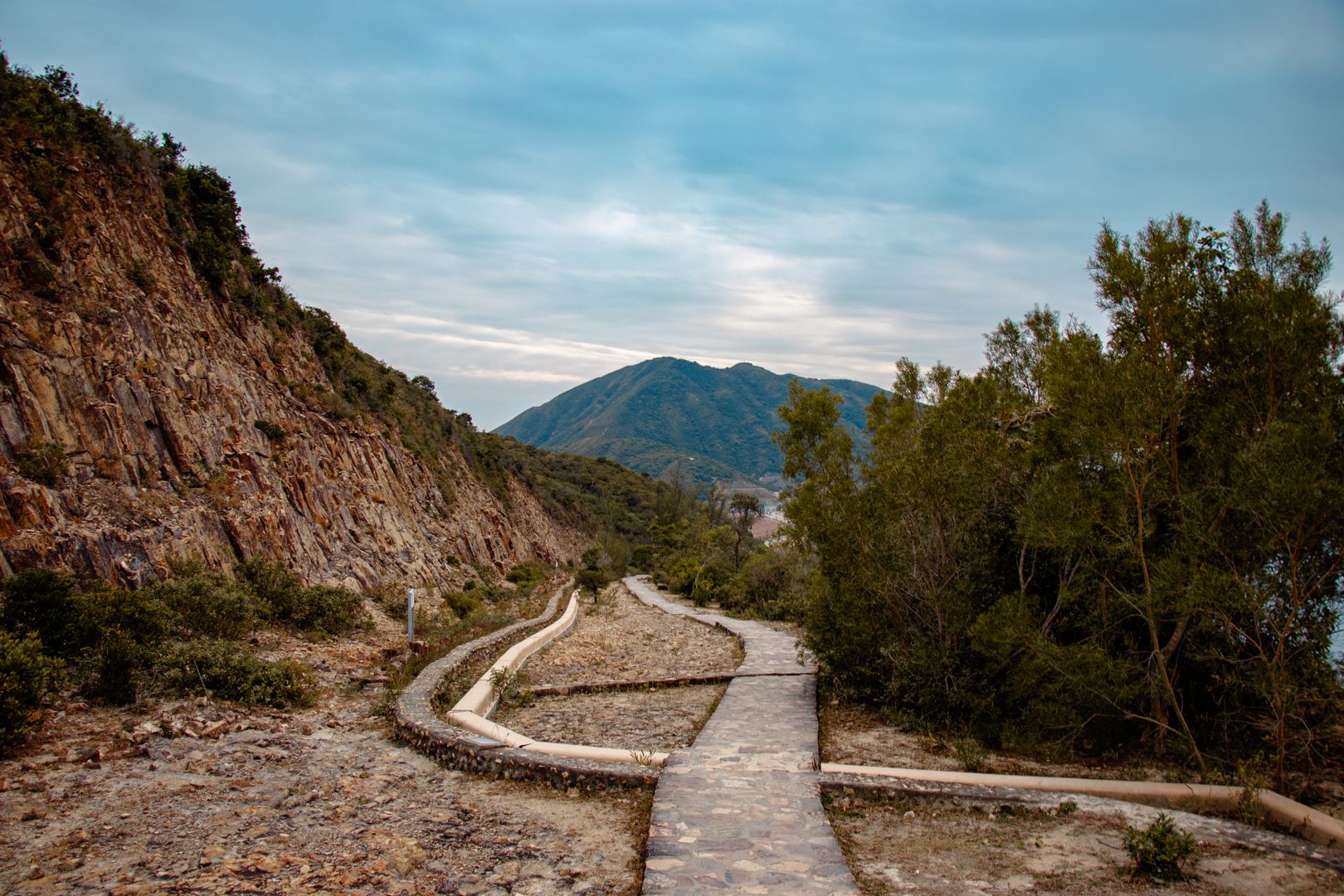
Hong Kong has 24 country parks covering about 40% of the territory's land area. The trails are well-marked, regularly maintained, and accessible by MTR and bus from the urban core. The Dragon's Back trail on Hong Kong Island (accessible from Shau Kei Wan MTR) is the most accessible single-day ridge walk: 8.5 km, 3–4 hours, with views over the southern island coastline and the South China Sea. The MacLehose Trail in the New Territories is a 100 km hiking route through the main mountain ranges, usually completed in stages over multiple days.
Frequently Asked Questions
Do you need a visa to visit Hong Kong?
Most Western nationalities can enter Hong Kong visa-free for 30–90 days depending on nationality. This is separate from mainland China visa requirements — a China visa does not cover Hong Kong and vice versa.
Is Hong Kong safe?
Hong Kong is one of the safest cities in Asia for visitors. Petty crime exists but is low relative to comparable cities. The main practical concern is the density of street-level crowds in Mong Kok and Causeway Bay on weekends.
How many days do you need in Hong Kong?
Three days covers the peak, Kowloon, the harbour, dim sum, and a brief introduction to the country parks. Four or five days allows an outlying island and deeper neighbourhood exploration.
What is the best way to see Hong Kong harbour?
Take the Star Ferry between Tsim Sha Tsui and Central. It costs 3.4 HKD and has been operating since 1888. The 8-minute crossing gives the best mid-harbour view of both waterfronts.