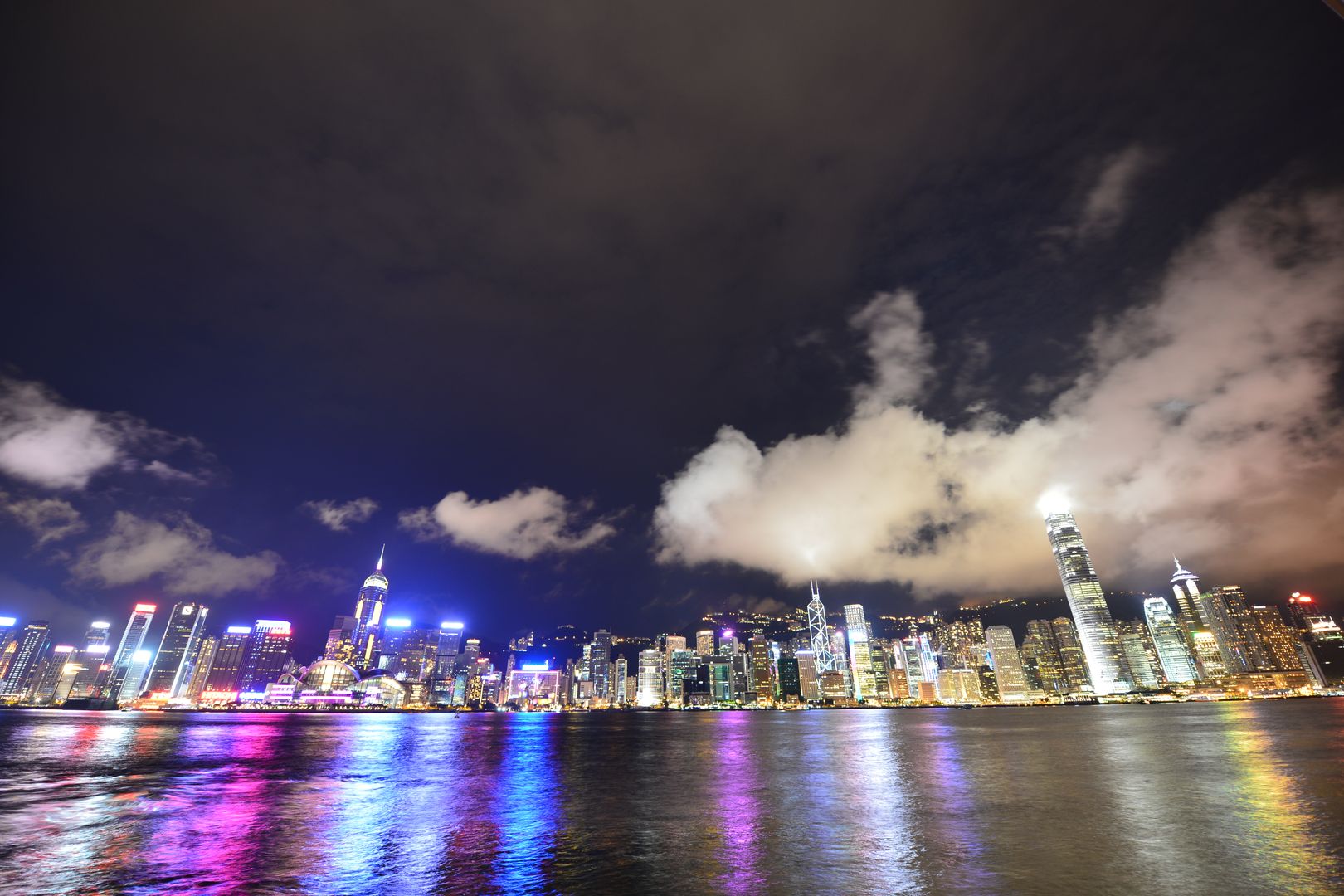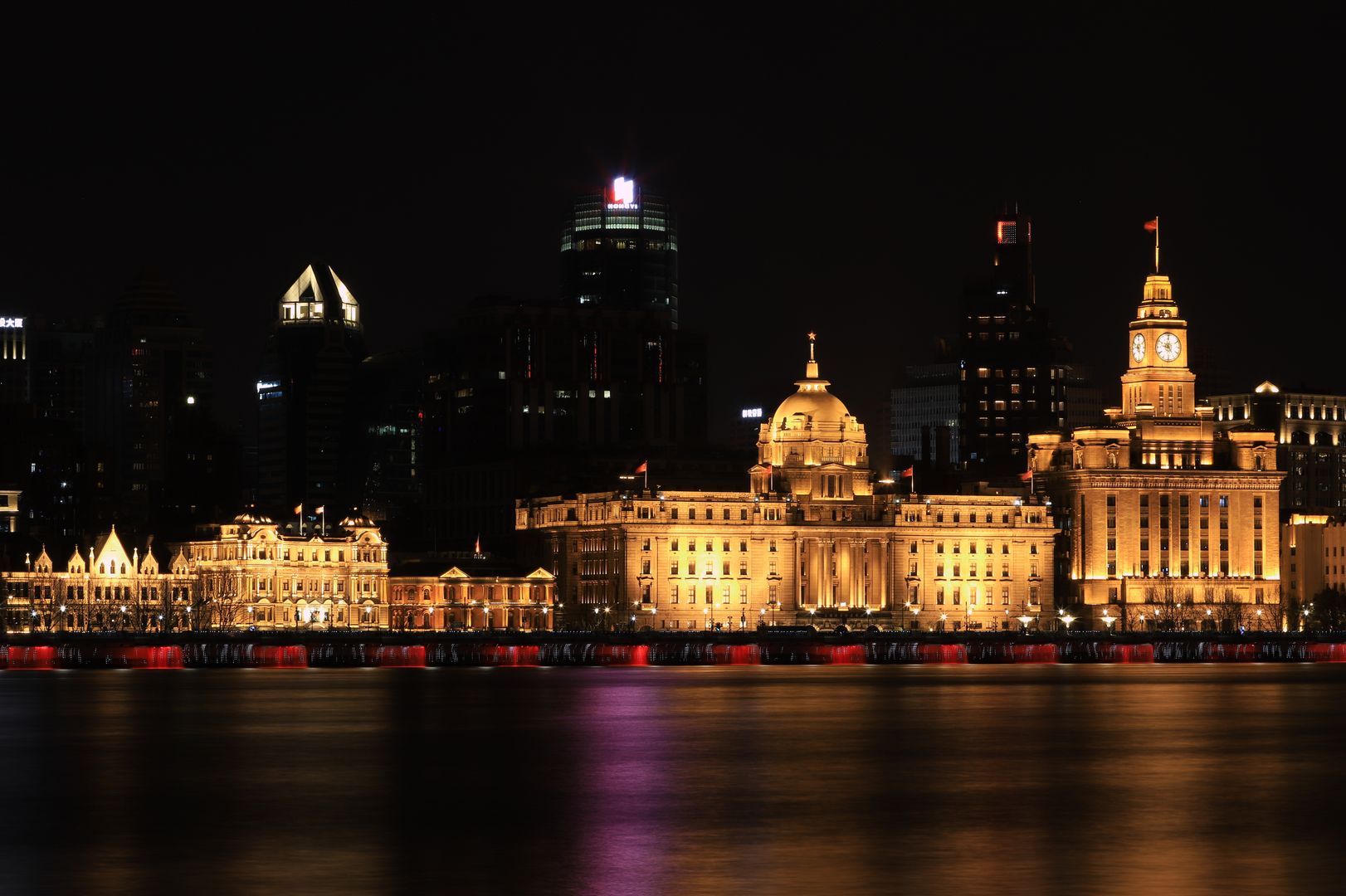

Two Cities Facing Each Other
The most iconic view in Shanghai is free and requires only standing at the right point on the Bund embankment: across the Huangpu River, Pudong's skyline assembles itself in layers — the Pearl Oriental Tower (1994), the Jin Mao Tower (1998), the Shanghai World Financial Center (2008), and the Shanghai Tower (2015), the second-tallest building in the world. Behind you on the Bund: the limestone and granite facades of the 1920s and 1930s British, American, and French banking houses that made Shanghai one of the most lucrative trading ports in Asia.
The contrast between those two waterfronts compresses Shanghai's 200-year transformation into a single sightline. It's the reason most visitors go to the Bund first and understand the city better for it.
Getting There and Getting Around
Shanghai has two major airports: Pudong International (PVG) for most international flights, and Hongqiao (SHA) for most domestic services. The Maglev train from Pudong Airport to Longyang Road station takes 7 minutes at up to 430 km/h and costs 50 RMB — it's the fastest commercial train in the world and worth riding for the experience. Subway Line 2 from Pudong to the city centre takes 45–60 minutes and costs 7 RMB.
The Shanghai Metro is one of the largest and most efficient subway systems in the world. Lines 2 and 10 cover most tourist areas. Line 1 runs through the former French Concession. The city is flat and extremely walkable within neighbourhoods, but distances between districts are significant — use the metro for anything over 20 minutes on foot.
Taxis and DiDi are metered and reliable. The starting fare is low and most journeys within the city cost 20–50 RMB. The language barrier is the main issue; keep destinations written in Chinese characters.
The Bund and the Waterfront

The Bund (Waitan) is a 1.5 km promenade running along the west bank of the Huangpu River. The 52 colonial-era buildings lining East Zhongshan Road behind the promenade span Art Deco, neoclassical, and Gothic Revival styles. Most are still in use as banks, hotels, restaurants, and offices — the HSBC Building (1923) is now a bank branch, the Customs House (1927) still rings its clock bells, and the Peace Hotel (1929) has been restored to something close to its original grandeur.
The Bund is best seen in two passes: early morning for the quietest access to the promenade (before the tour groups arrive) and after dark when the Pudong towers are lit and the neon reflects on the river. The free waterfront viewpoint at the southern end near Yan'an Road is a better photography spot than the more crowded northern section near the Peace Hotel.
Cross to Pudong via the tourist tunnel under the river (25 RMB, more spectacle than substance) or take the ferry from the Bund to Pudong pier (2 RMB, more practical).
Pudong: The New Skyline
Pudong was farmland and shipping docks in 1990. The Special Economic Zone designation opened it to development, and the subsequent 30 years produced one of the densest concentrations of supertall buildings on earth. The Lujiazui financial district contains at least six buildings over 400 metres within a few hundred metres of each other.
The Shanghai Tower (632 metres) has the best observation deck in the city — the 118th floor Sky Walk offers a 360-degree view that includes the other towers of Pudong at eye level and the city spreading west to the horizon. Entry: 180 RMB. Book online to avoid queues. The Shanghai World Financial Center's SWFC Observatory (492 metres) has a glass-floored sky bridge and a notch in the top that gives it its distinctive outline; entry is 180 RMB for the top floor.
At street level, Pudong is sterile in the way all financial districts are. It repays an evening visit for the light show more than a daytime walk.
The French Concession
The French Concession (Frenchtown) was administered by France from 1849 to 1943. The streets are lined with plane trees planted in the 1920s, and the neighbourhood retains low-rise residential blocks, villas, and lane houses (lilong) from the concession era that survived the demolition waves of later decades.
Tianzifang, a network of converted lilong lanes in the southern French Concession, has been reinvented as a shopping and café district while maintaining its residential scale. It's the most atmospheric place to walk in central Shanghai — narrow lanes, mismatched shopfronts, washing lines, and enough residents still living there to feel like a neighbourhood rather than a tourist set. It gets busy on weekends; come weekday morning for quieter access.
Xintiandi, two kilometres north, is a higher-end version — preserved shikumen (stone gate) architecture with international restaurants and boutiques. Worth the walk for the buildings; less interesting than Tianzifang for atmosphere.
Fuxing Road and Huaihai Road form the commercial spine of the French Concession. The streets between them — Donghu Road, Yongkang Road, Anfu Road — have the best neighbourhood cafés and independent shops.
Food

Shanghai cuisine is sweeter and richer than most northern Chinese cooking — use of sugar and soy sauce in braising and red-cooking (hongshao) is characteristic. Xiaolongbao (soup dumplings) are the signature dish: thin wrappers holding pork and gelatinous broth that liquefies when steamed. Din Tai Fung (a Taiwanese chain) has several Shanghai branches and maintains consistent quality; the local chains Nanxiang Mantou Dian and Jia Jia Tang Bao are cheaper and comparable.
Hairy crab season (October–December) is when the city's seafood obsession peaks — the mitten crabs from nearby Yangcheng Lake are eaten steamed with vinegar and ginger, priced by size, and consumed in an elaborate dismantling ritual. A meal of crabs for two costs 300–800 RMB depending on size and restaurant.
Yongkang Road in the French Concession has a dense strip of hole-in-the-wall restaurants and breakfast spots. Wujiang Road near People's Square has popular street food stalls. The food court in the basement of the Raffles City mall at People's Square covers every major Chinese regional cuisine at low prices.
Frequently Asked Questions
How many days do you need in Shanghai?
Three days covers the Bund, Pudong, French Concession, and Tianzifang without rushing. Four days allows a day trip to the water towns of Zhujiajiao or Tongli nearby.
Is Shanghai better to visit before or after Beijing?
Either order works. Shanghai is more immediately navigable for first-time visitors to China — English signage is more prevalent, the international infrastructure is stronger, and the city layout is less overwhelming. Many visitors find it a gentler entry point before travelling to Beijing or other mainland cities.
What is the best area to stay in Shanghai?
The French Concession for atmosphere and restaurant access. The Bund area for views and central proximity. Jing'an for subway connectivity and mid-range accommodation. Pudong for business travel and airport proximity.
Can you drink the water in Shanghai?
No — same as Beijing, the tap water should be boiled before drinking. Hotels provide bottled water; convenience stores stock it cheaply.