
What Makes Chengdu Different
Chengdu has a reputation for being the most liveable city in China — a place where residents take pleasure in sitting still, eating slowly, and not rushing. The teahouse culture that defines the city's public life is centuries old: Chengdu bamboo teahouses were operating in the Tang Dynasty, and the same pattern of sitting outdoors in a garden or courtyard with a pot of tea, playing cards, getting an ear cleaning from a roaming barber, and watching the afternoon pass holds today in parks throughout the city.
This unhurried atmosphere is a genuine contrast to Beijing and Shanghai. Chengdu is still a megacity of 21 million people, but the pace of its streets feels different — partly the geography (the Sichuan Basin has historically been somewhat isolated from the rest of China by mountains on three sides), partly a culture that's always valued enjoyment over ambition.
Giant Panda Research Base
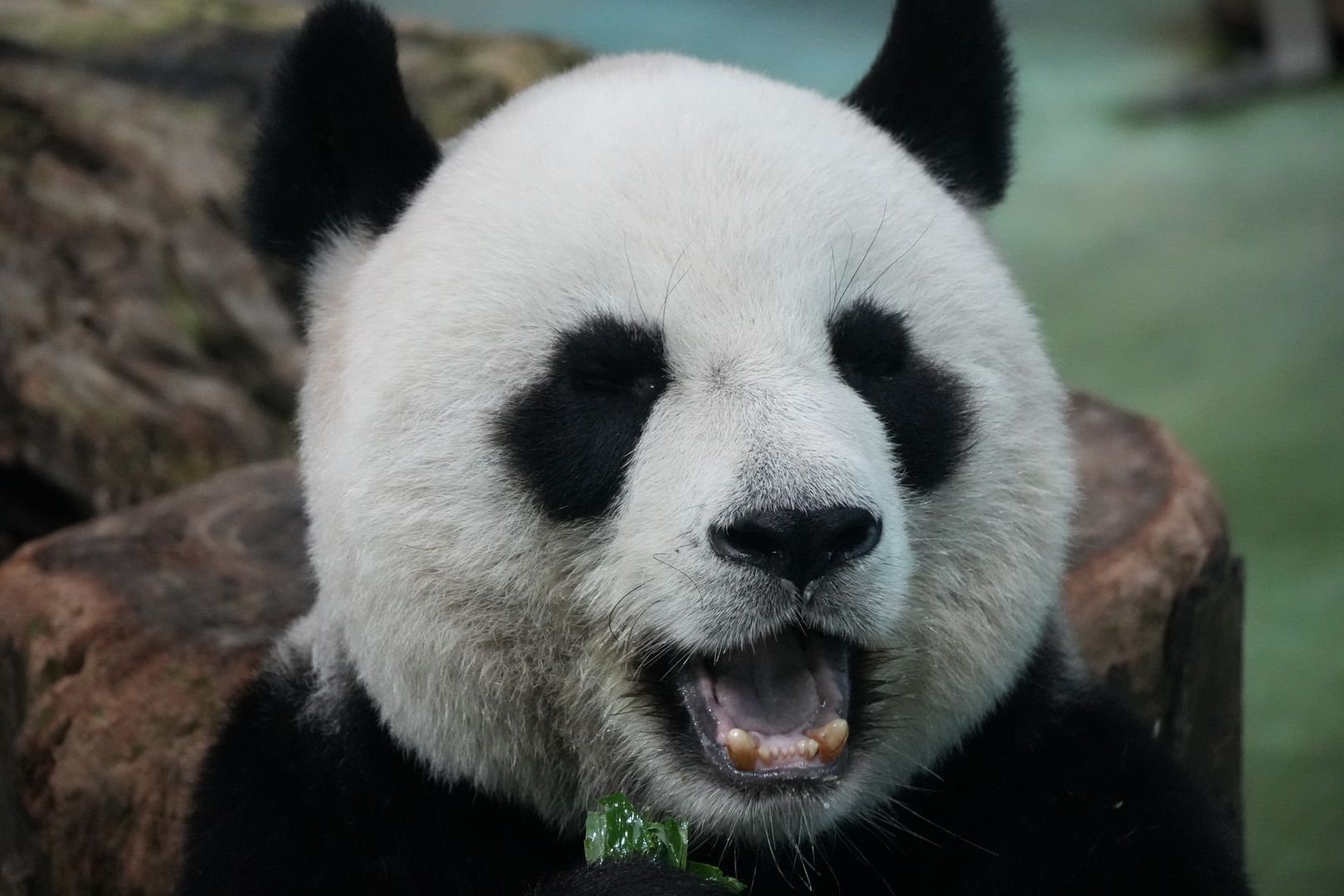
The Chengdu Research Base of Giant Panda Breeding is 10 km north of the city centre. It's the best place in the world to see giant pandas in a setting that's close to their natural environment — a large, forested enclosure with bamboo groves, streams, and enough space that the animals aren't obviously confined.
The base is home to around 50 giant pandas at any given time, as well as red pandas (a separate species, unrelated to giant pandas, and as photogenic as the name suggests). The early morning (8–10am) feeding period is the most active time: pandas are at their least inert, and the enclosures have enough pandas feeding simultaneously that competition for viewing spots is manageable if you arrive at opening time.
Arrival by 8am is strongly recommended. By 10am the pandas are fed, sleeping, and largely motionless. By noon the crowds have thickened significantly. Taxis and DiDi from the city centre take 30–40 minutes. Entry: 55 RMB. The base is well-funded and the enclosures are genuinely good — this is not a zoo in the conventional sense.
Giant pandas are critically endangered — fewer than 2,000 remain in the wild, all in Sichuan, Shaanxi, and Gansu provinces. The base's breeding programme has produced over 200 cubs since 1987 and is considered the most successful captive breeding operation for the species in the world.
Sichuan Food

Sichuan cuisine is built around two sensations: là (spicy heat from dried chillies) and má (the numbing buzz of Sichuan peppercorn). The combination — málà — is the defining flavour of the cuisine and produces an effect that's genuinely unlike anything in other culinary traditions. The peppercorn contains hydroxy-alpha-sanshool, a compound that triggers the same nerve pathways as low-frequency vibration — your lips and tongue go numb, then feel like they're vibrating. It's not painful; once you adjust, it's addictive.
Key dishes to eat in Chengdu: mapo tofu (silken tofu in a crimson sauce of fermented bean paste, minced pork, and Sichuan peppercorn), dan dan noodles (wheat noodles with chilli oil, preserved vegetables, and sesame paste), hotpot (a communal broth with dozens of ingredients cooked tableside — the Sichuan version uses a red broth of tallow, chilli, and peppercorn that's significantly more intense than the Beijing version), and fuqi feipian (thinly sliced beef and offal in a bright chilli sauce, mistranslated on English menus as "husband and wife beef" — the name actually means "a couple's dish").
For hotpot, Haidilao is the best-known chain globally and offers a reliable high-service experience with waiting times managed well and tableside entertainment (noodle-pulling, for instance) while you queue. Locally, small neighbourhood hotpot places throughout the old city serve food that's at least as good for a fraction of the price. The Yulin neighbourhood southwest of the city centre has a high concentration of traditional hotpot restaurants patronised by residents rather than tourists.
Teahouses and Jinli
Renmin Park (People's Park) in the city centre has one of the most accessible teahouses in Chengdu — a large bamboo-and-wood structure in the park grounds that fills in the afternoon with card players, chess games, and ear-cleaning practitioners moving between tables. Tea costs 30–50 RMB per person; no time limit. Sit for as long as you want.
Jinli is a reconstructed historical street adjacent to the Wuhou Temple (dedicated to the Three Kingdoms-era strategist Zhuge Liang). The architecture is Qing Dynasty style and the street has shadow puppet shops, local snack stalls, and performance spaces for Sichuan folk music. It's commercial but well-maintained and livelier in the evening when the lanterns are lit. The Wuhou Temple itself is worth the entrance fee (50 RMB) for the Three Kingdoms museum and the bamboo garden behind it.
Sichuan Opera
Sichuan Opera performances run every evening at multiple venues in Chengdu, with the Shufeng Yayun teahouse and the Jinjiang Theatre among the most accessible. The performances include bian lian (face-changing) — a technique in which performers swap between multiple masks in fractions of a second, the mechanism of which is a fiercely guarded trade secret — along with acrobatics, fire-breathing, and traditional singing.
Tourist-oriented shows run 90–120 minutes with commentary in multiple languages and are specifically designed for visitors unfamiliar with the form. Prices run 150–300 RMB. The teahouse versions are more atmospheric than the theatre versions; arriving 30 minutes early for tea before the performance starts is the standard approach.
Frequently Asked Questions
What is the best time to visit the Giant Panda Base in Chengdu?
8–10am. Arrive at opening to see the pandas during their morning feeding. By noon they are fully sated and sleeping; the crowds are also much heavier later in the day.
Is Sichuan food always extremely spicy?
The spice levels vary significantly — most restaurants will adjust on request. The málà flavour profile (chilli heat plus numbing peppercorn) is present in many dishes at moderate levels. The numbing sensation of Sichuan peppercorn is often more pronounced than the raw heat.
How do you get from Chengdu to other Sichuan destinations?
Chengdu is the transport hub for the Sichuan Basin. Buses to Leshan (Giant Buddha, 2 hours) and Emei Shan (Buddhist pilgrimage mountain, 2.5 hours) run frequently. High-speed rail connects to Chongqing in 70 minutes.
How many days do you need in Chengdu?
Two days minimum: one for the Panda Base and Jinli, one for a Sichuan Opera evening and teahouse afternoon. Three days adds a day trip to Leshan or Emei Shan.