24 articles
4 June 2026
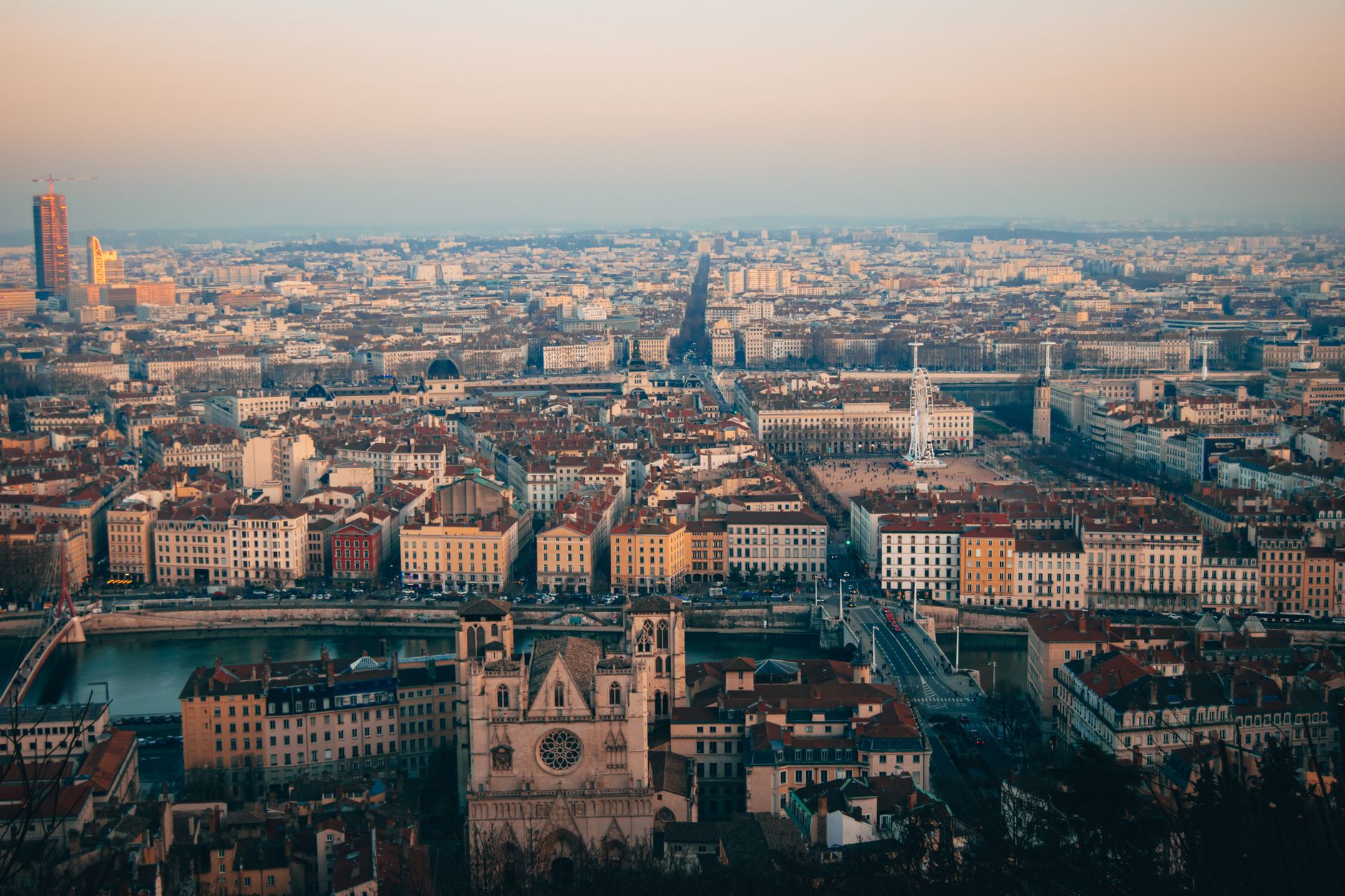
franceLyon Travel Guide: Food, Traboules, and the City Most Visitors Underestimate
Lyon is France's third city by population, first by any meaningful measure of culinary density. The Michelin Guide lists more stars per square kilometre here than anywhere in France outside Paris. Paul Bocuse — the most decorated French chef of the 20th century — was born 10km…
Henrik Vinter

4 June 2026
italyNaples Travel Guide: The City, the Food, and the Excursions
Naples has a metropolitan population of 3 million, a UNESCO World Heritage centre storico, the world's most complete Roman artifact museum, and pizza that genuinely justifies the claim of being better here than anywhere else. It also requires approximately 12 hours of adjustment…
Henrik Vinter
7 May 2026
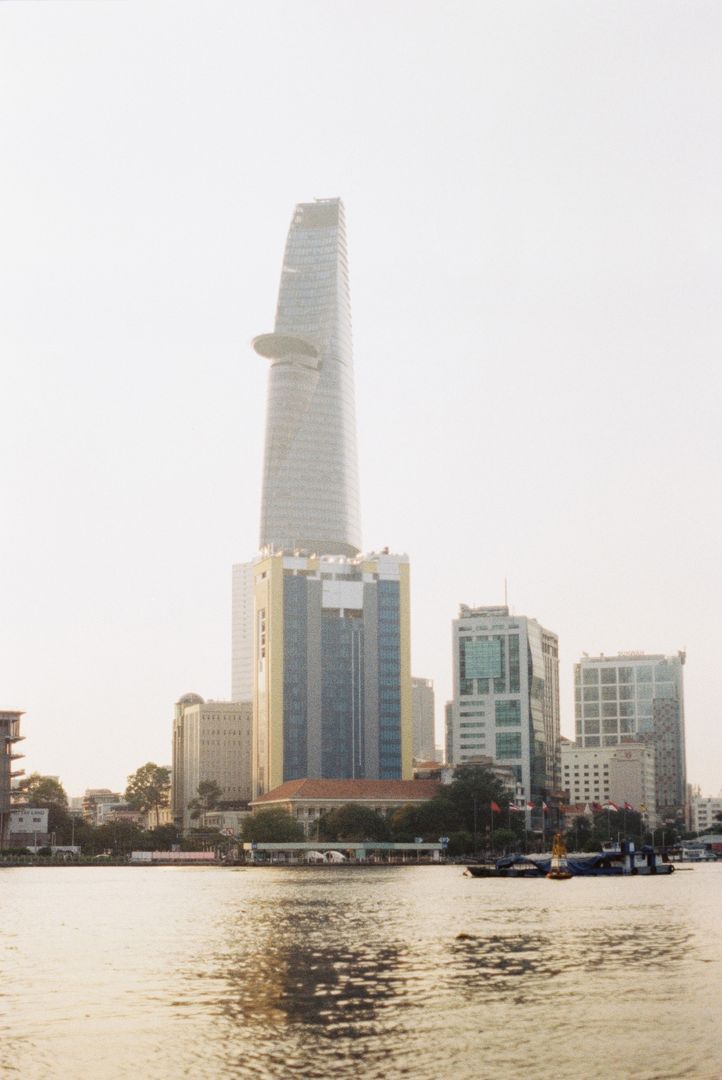
vietnamHuế Travel Guide: Imperial Citadel, Royal Tombs, and the Food Capital of Central Vietnam
Huế was Vietnam's imperial capital for 143 years under the Nguyen dynasty. The citadel, the royal tombs, and the Perfume River are the architectural evidence. The food — bún bò Huế, bánh khoái, cơm hến — is the other reason the city has a reputation that outlasts most of the travellers who pass through it.
Henrik Vinter
5 May 2026
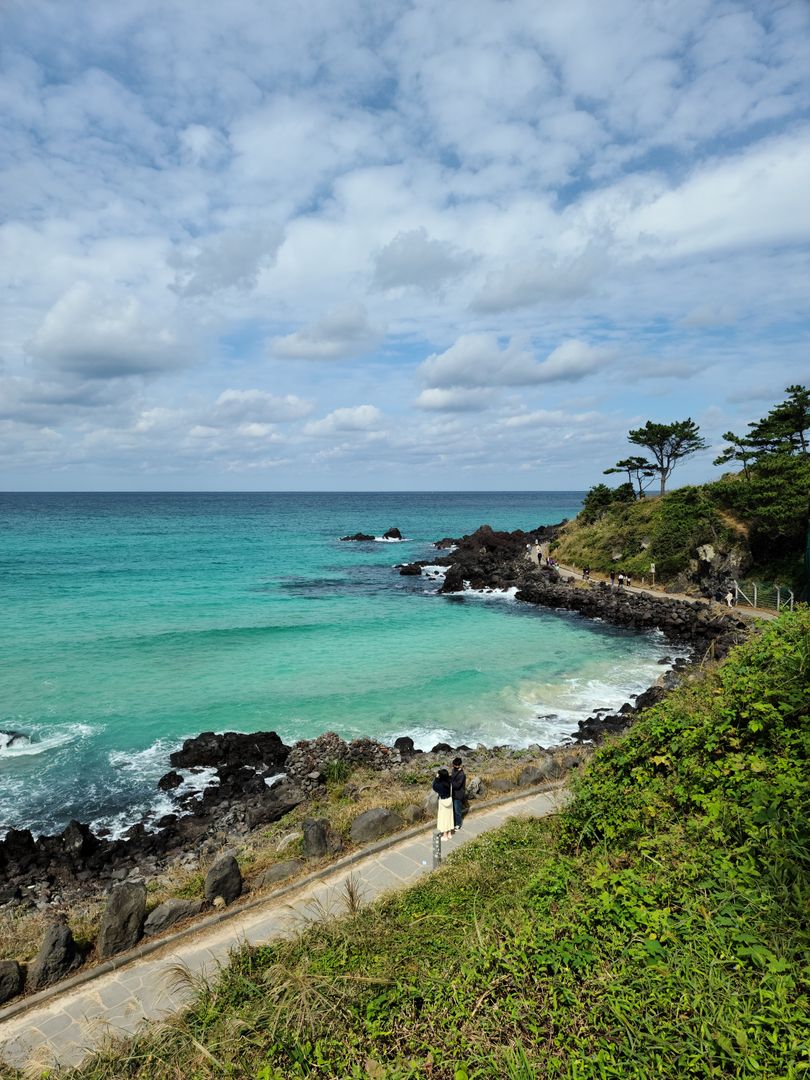
south koreaBusan Travel Guide: Gamcheon Village, the Fish Market, and Korea's Second City
Busan is South Korea's second city and its largest port — a working industrial city on a spectacular coastline. Gamcheon Culture Village, Jagalchi Fish Market, and the cliff-side Haedong Yonggungsa Temple are the main attractions. The seafood is the best reason to go.
Henrik Vinter

3 May 2026
vietnamHo Chi Minh City Travel Guide: Districts, the War History, and Street Food in Saigon
Ho Chi Minh City — still called Saigon by most residents — is Vietnam's commercial capital and its most kinetic city. The War Remnants Museum is the most important single visit. The food, from $1 bánh mì to three-hour hotpot dinners, is the reason to stay longer than you planned.
Henrik Vinter

2 May 2026
south koreaSeoul Travel Guide: Palaces, Neighbourhoods, and the Food That Keeps People Longer Than Planned
Seoul is a city of 10 million people in a metro area of 26 million, built into a landscape of granite mountains and the Han River. The infrastructure is excellent, the food range is extraordinary, and the combination of ancient palaces and contemporary neighbourhoods is closer to Tokyo than to any other Southeast Asian capital.
Henrik Vinter
1 May 2026
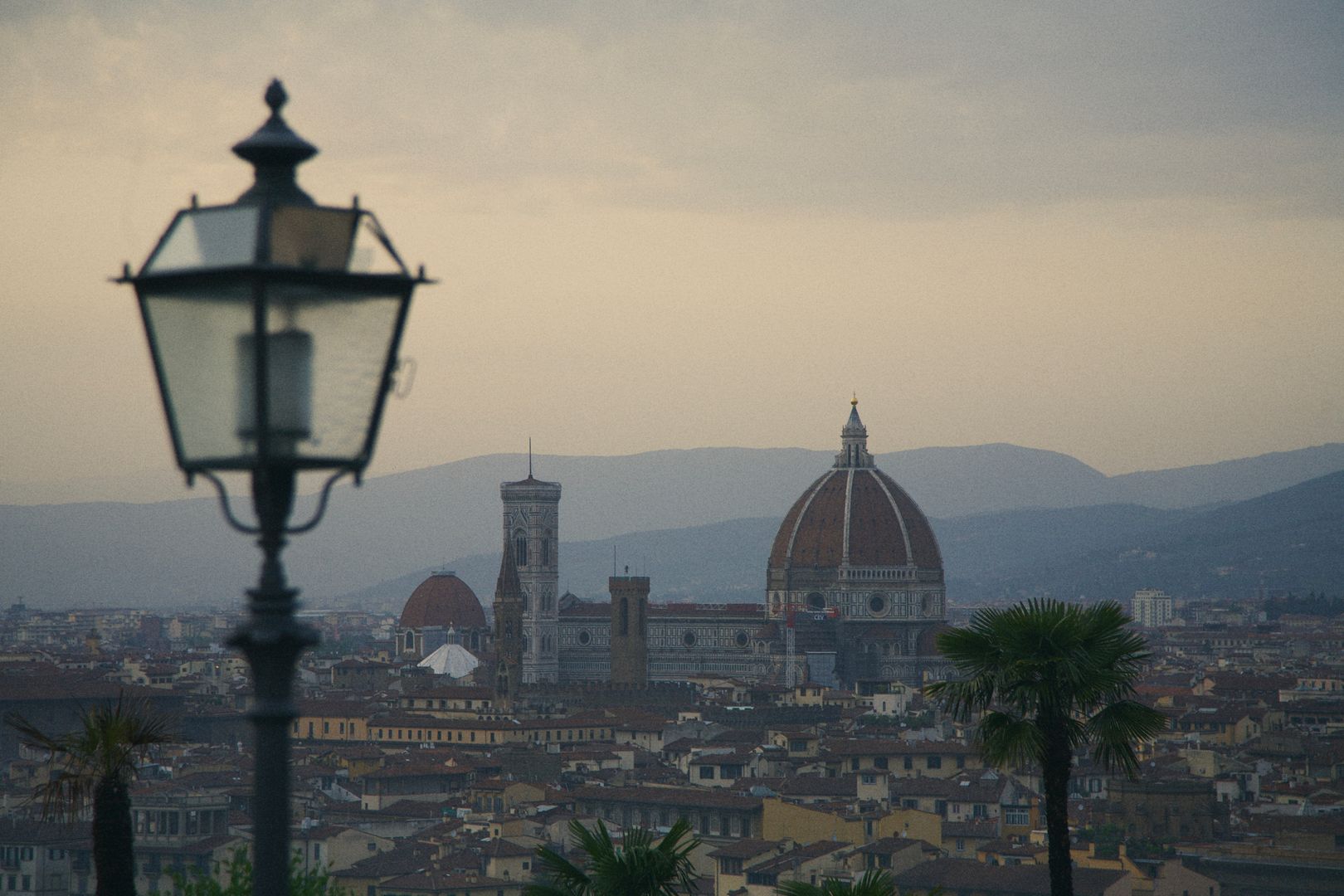
italyFlorence Travel Guide: The Uffizi, the Food, and the City Beyond the Renaissance Superlatives
Florence is one of the most densely concentrated collections of Renaissance art in the world, in a city of 380,000 people that receives 12 million visitors annually. The logistics — booked museums, booked restaurants, strategic timing — matter more here than almost anywhere else in Europe.
Henrik Vinter

27 April 2026
franceBordeaux Wine Region Guide: The City, the Châteaux, and Who the Wine Is Actually For
Bordeaux is split between a genuinely good European city and a wine region where access to the famous châteaux ranges from open-door welcoming to appointment-only exclusive. Knowing which is which saves considerable frustration.
Henrik Vinter

27 April 2026
franceProvence Travel Guide: Lavender, Hill Villages, and the Case for Renting a Car
Provence is a region of villages, vineyards, and seasonal landscapes — lavender fields in July, olive groves year-round, the Verdon Gorge in late summer. Getting between them without a car is possible but significantly slower.
Henrik Vinter
24 April 2026
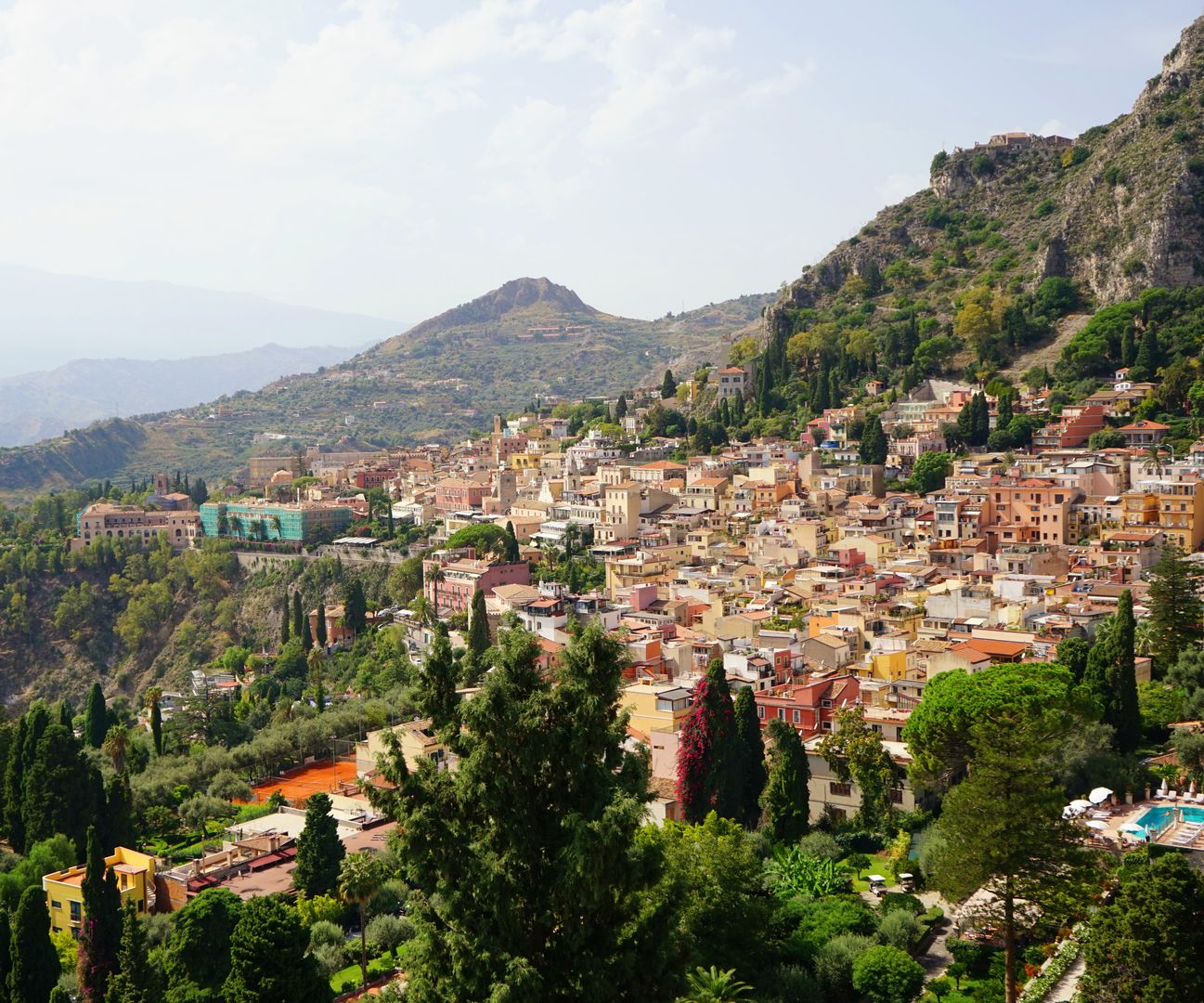
italySicily Travel Guide: Palermo, Etna, Greek Temples, and the Food That Explains the Rest
Sicily is the Mediterranean's largest island and the meeting point of Greek, Roman, Arab, Norman, and Spanish cultures. The architecture reflects all of them simultaneously. So does the food. A car is essential; most of the best things require driving to reach them.
Henrik Vinter
5 April 2026
spainValencia Travel Guide: Paella, Architecture, and the City of Arts and Sciences
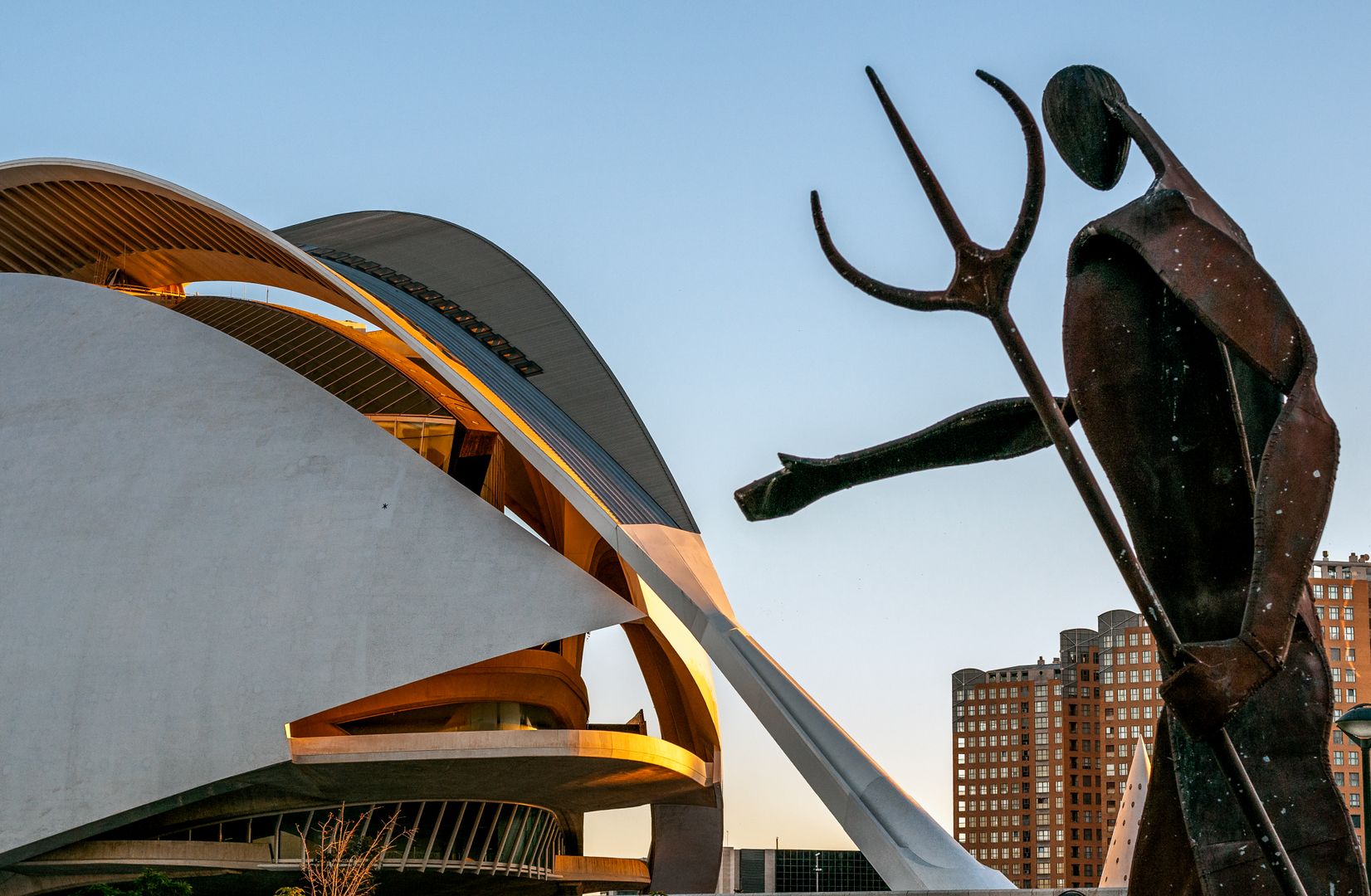
Valencia is the city where paella was invented—not as cuisine tourism, but as the daily lunch of farmers and fishermen in the Turia region. It's also where a catastrophic 1957 flood prompted the diversion of an entire river, transforming the old riverbed into a nine-kilometre park that now hosts Santiago Calatrava's €1.3 billion futuristic cultural complex. It has one of Europe's better urban beaches accessible by tram, and a Mediterranean pace that feels distinctly removed from the competitive intensity of Barcelona or the bureaucratic formality of Madrid. Valencia is underrated because it doesn't market itself as aggressively, but the architecture is bolder, the food is less performative, and the crowds are half the size.
Henrik Vinter
5 April 2026
spainBilbao and the Basque Country: Guggenheim, Food, and the Coast
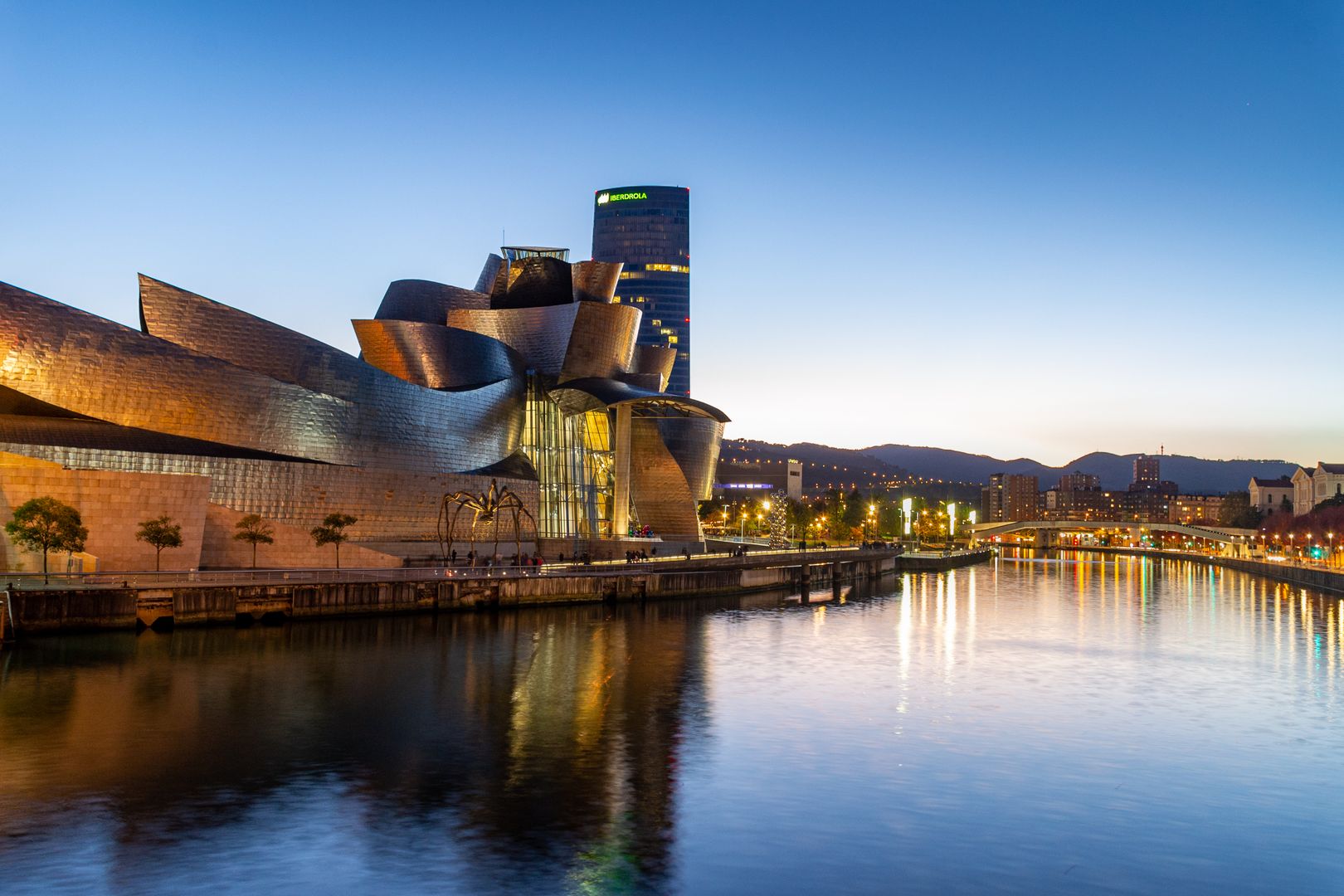
In 1990, Bilbao was dying. The Basque industrial heartland had contracted into unemployment, contaminated rivers, and urban decay. When Frank Gehry's Guggenheim Museum opened in 1997, the building didn't just attract visitors — it forced the city to ask what came next. Twenty-seven years on, the "Bilbao Effect" theory (the belief that iconic architecture alone regenerates cities) remains debated by planners. What's not debatable: Bilbao is now a genuinely good destination. The Guggenheim is essential. The food is serious. The coast is within reach.
Henrik Vinter
4 April 2026
spainSan Sebastián Travel Guide: Pintxos, Beaches, and the Basque Country
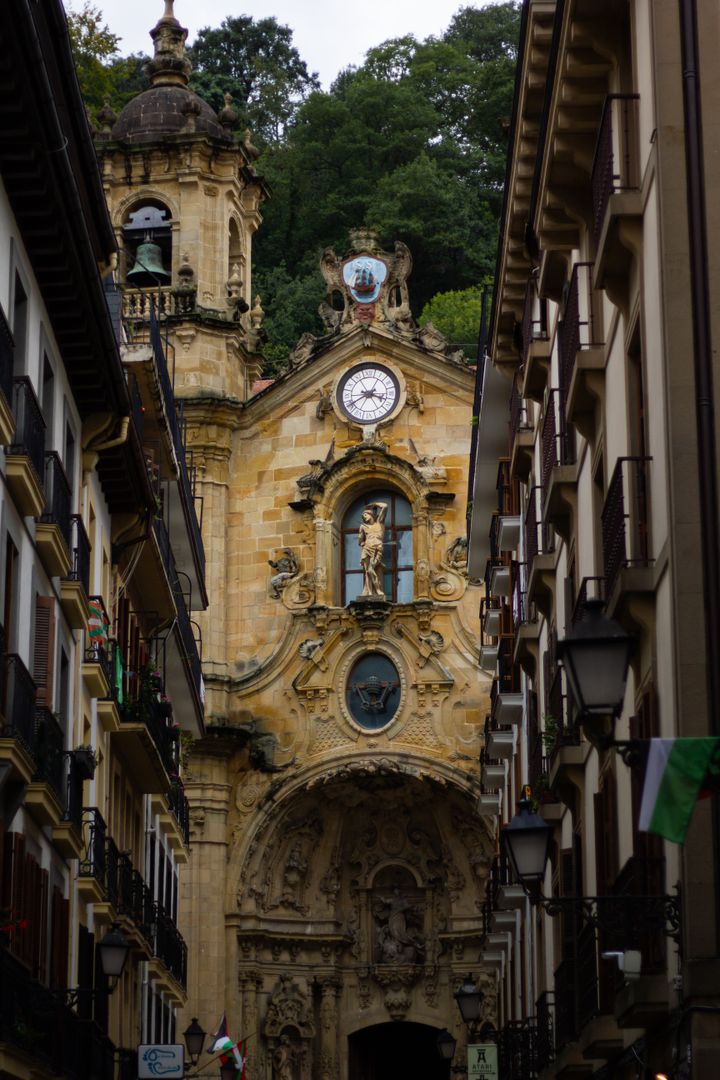
San Sebastián has more Michelin stars per capita than any city in the world — three restaurants with three stars (Arzak, Akelarre, Martín Berasategui) serving a population of 190,000. It also has pintxos bars where €15 buys a sequence of small plates and drinks that outrank most European fine-dining experiences. Both claims are true. This is not a destination for one or the other; it's a city where the food culture splits cleanly between haute cuisine restaurants booked eight weeks ahead and a street-level pintxos circuit that operates every evening in the Parte Vieja (Old Town), where locals and travellers stand at the bar, order rounds of txakoli, point at skewers and croquetas, and move to the next bar. Understanding the distinction — and how to navigate each — is the core of a San Sebastián visit.
Henrik Vinter

2 April 2026
spainMadrid Travel Guide: What First-Timers Actually Need to Know
Madrid is Spain's capital and the most uncompromisingly Spanish of the country's major cities — it makes no particular effort to accommodate non-Spanish speakers, eats dinner at 10pm, and houses a museum collection that rivals Paris. Barcelona is more internationally polished, has the sea, and markets itself as a destination. The two cities appeal to different people entirely, and knowing which you are saves both time and argument.
Henrik Vinter

30 March 2026
greeceThessaloniki Travel Guide: Greece's Second City
Thessaloniki is the city Greeks from Athens recommend when you tell them you're going to Greece. It has better food, a more vibrant street culture, and a Byzantine history as deep as Athens' ancient one. It's also consistently underbooked by international visitors — which makes it one of the better-value cities in the country. Most visitors treat it as a side trip. It deserves to be the main event.
Henrik Vinter
25 March 2026
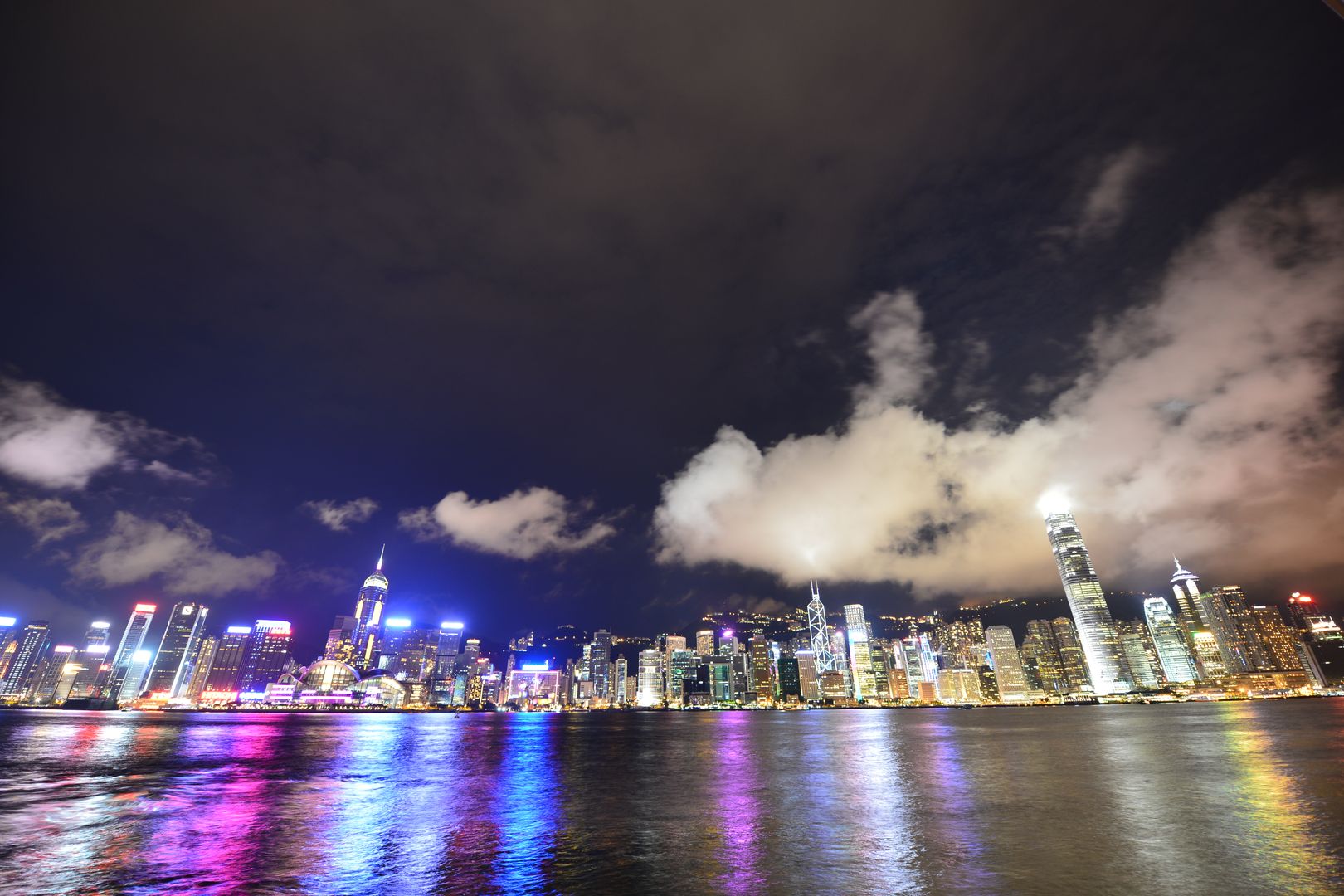
chinaHong Kong Travel Guide: Victoria Peak, Dim Sum, and the Star Ferry
Hong Kong packs more density per square kilometre than almost anywhere on earth — skyscrapers, hiking trails, night markets, and one of the world's most serious food cultures all within a city half the size of Los Angeles.
Henrik Vinter
23 March 2026
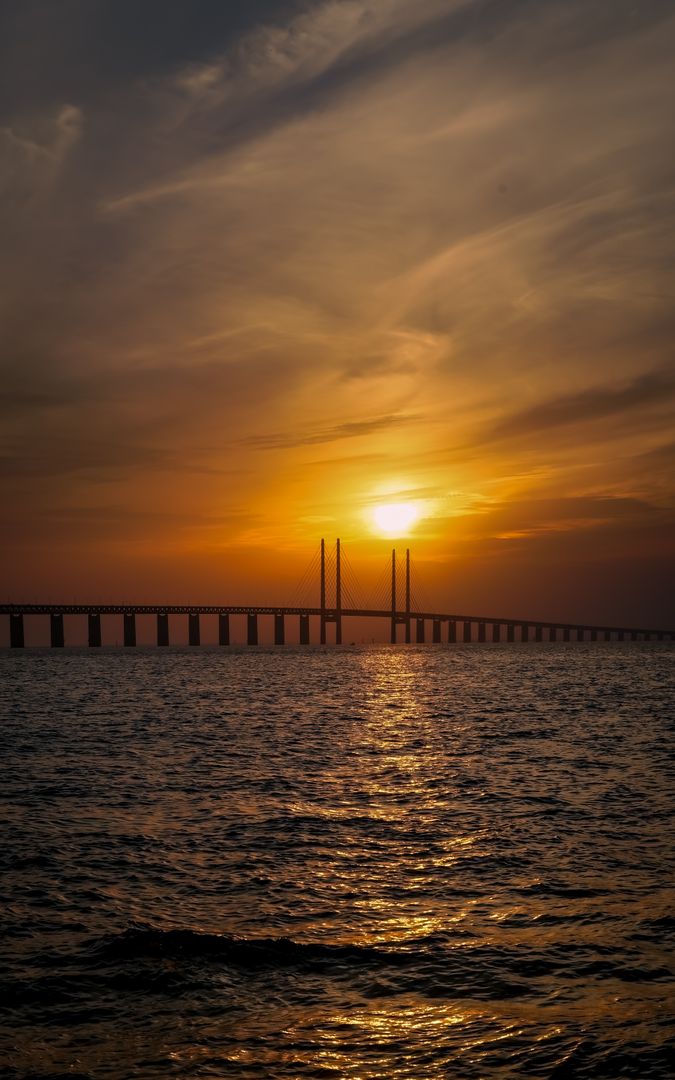
swedenMalmö Travel Guide: The City Where Sweden Meets Denmark
Malmö sits at the southern tip of Sweden, connected to Copenhagen by the Öresund Bridge. Smaller and less-visited than Stockholm or Gothenburg, it makes a compelling stop for the old town, the waterfront architecture, and one of the most varied food cultures in Scandinavia.
Henrik Vinter
20 March 2026
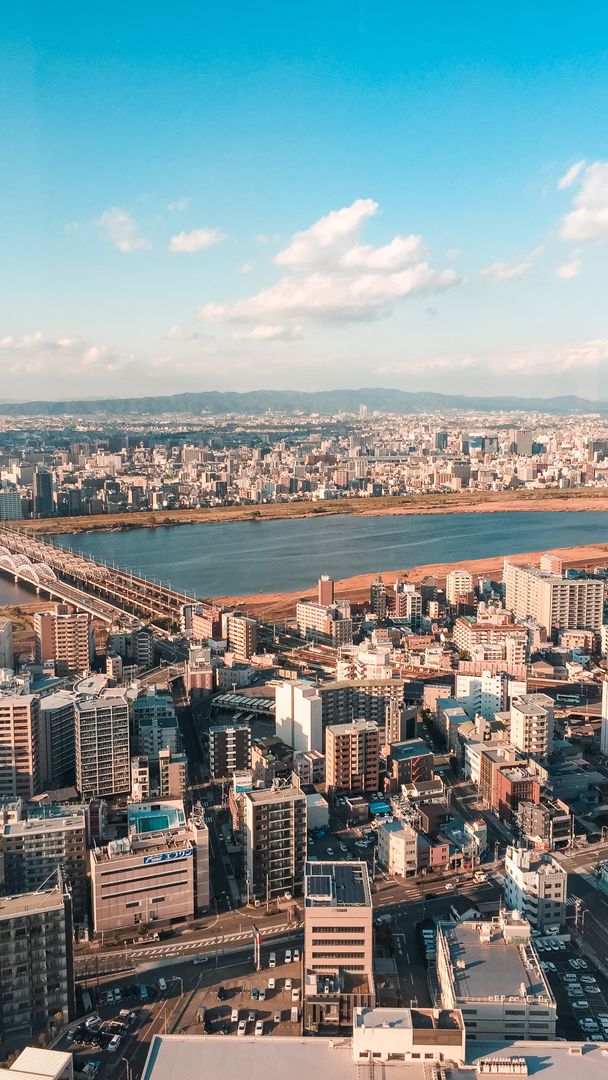
japanOsaka Travel Guide: Food, Neighbourhoods, and What the City Is Actually Like
Osaka's reputation outside Japan is as Tokyo's louder, messier cousin — a characterization that misses the point entirely. The city that other Japanese cities consider too direct, too loud, too willing to talk to strangers. Local saying: "Kyoto people are subtle, Osaka people are direct." The food is richer, the humour sharper, and the street energy closer to Hong Kong or Naples than to Tokyo's contained precision. For many long-term Japan visitors, it is the most approachable Japanese city — and the only one where pointing at a menu and grunting is not just acceptable but expected.
Henrik Vinter

7 March 2026
swedenGothenburg Travel Guide: Seafood, Haga, and the West Coast
Sweden's second city is regularly overlooked in favour of Stockholm. It shouldn't be — Gothenburg has a strong food scene, a walkable historic quarter, and direct access to the island archipelago of the west coast.
Henrik Vinter

2 March 2026
chinaChengdu Travel Guide: Pandas, Sichuan Food, and Teahouse Culture
Chengdu is where you go to eat the best Sichuan food, sit in a teahouse for three hours, and watch giant pandas eat their body weight in bamboo. Here's how to do all three properly.
Henrik Vinter

18 February 2026
mexicoOaxaca Travel Guide: Food, Mezcal, and Monte Albán
Oaxaca is not Mexico City scaled down or Cancún remixed — it's a separate category entirely. The city sits in a highland valley at 1,550m elevation, built on the foundations of Zapotec culture rather than Spanish colonial template, and it remains the world's mezcal production centre (over 80% of Mexico's artisanal mezcal originates from Oaxaca state). The food tradition here is the most technically complex in Mexico, built around seven distinct mole sauces and ingredients that are still sourced and prepared by local producers rather than imported for tourists. If you're planning Oaxaca after Mexico City, or weighing it against beach destinations, understand this first: the draw is the cuisine, the craft, and the indigenous cultural continuity — not architecture or monuments competing with Mexico City's collection.
Henrik Vinter

16 February 2026
taiwanTaipei Travel Guide: The Practical First-Timer's Briefing
Taipei is cheaper than Tokyo, calmer than Bangkok, and less organised around performance than Seoul. It offers better night market culture than any of them — and rewards wandering more than following a predetermined list. The gaps between the tourist highlights are often where Taipei's actual character lives: the side streets in Da'an, the morning dumpling shops, the temple districts where worship still happens without an audience. First-time visitors who spend three days following an itinerary and two days getting lost will see the city more clearly than those who book every hour.
Henrik Vinter
9 February 2026
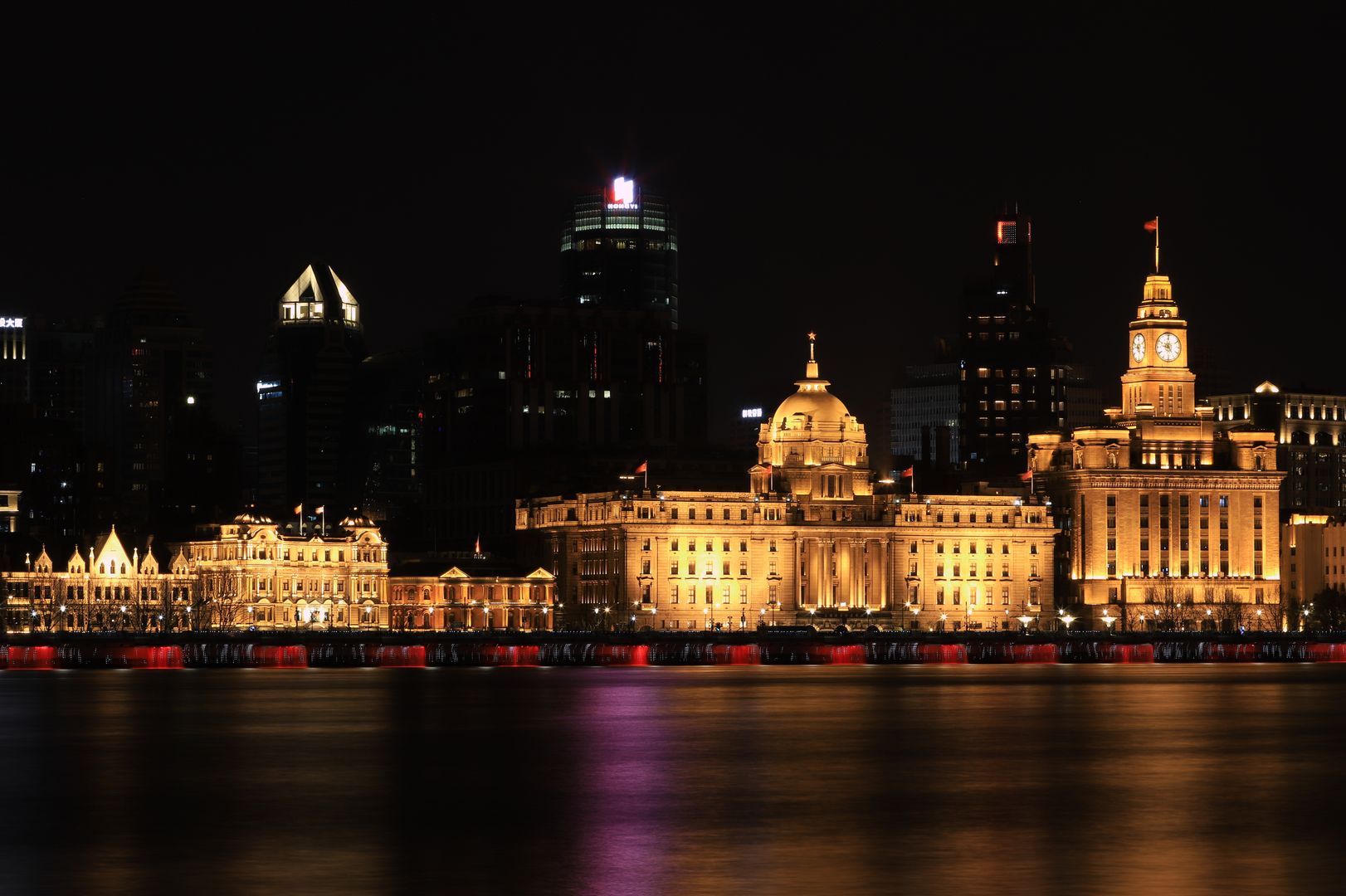
chinaShanghai Travel Guide: The Bund, Pudong, and the French Concession
Shanghai is China's most cosmopolitan city — a place where 1930s European colonial architecture faces off across the Huangpu River against the second-tallest skyline on earth. Here's how to read it.
Henrik Vinter

28 January 2026
malaysiaPenang, Malaysia: A First-Timer's Guide to George Town and Beyond
Penang is Malaysia's food capital, and George Town — its UNESCO-listed heritage district — is where that reputation lives. This is not a beach destination. Batu Ferringhi's sand is mediocre, the water murky. Come for the hawker stalls, the street art, the clan jetties, and the fact that you can eat extraordinary food for €2–5 per meal in a city that actually tastes like something. The island rewards hungry, curious travellers willing to turn down alleys without a plan.
Henrik Vinter