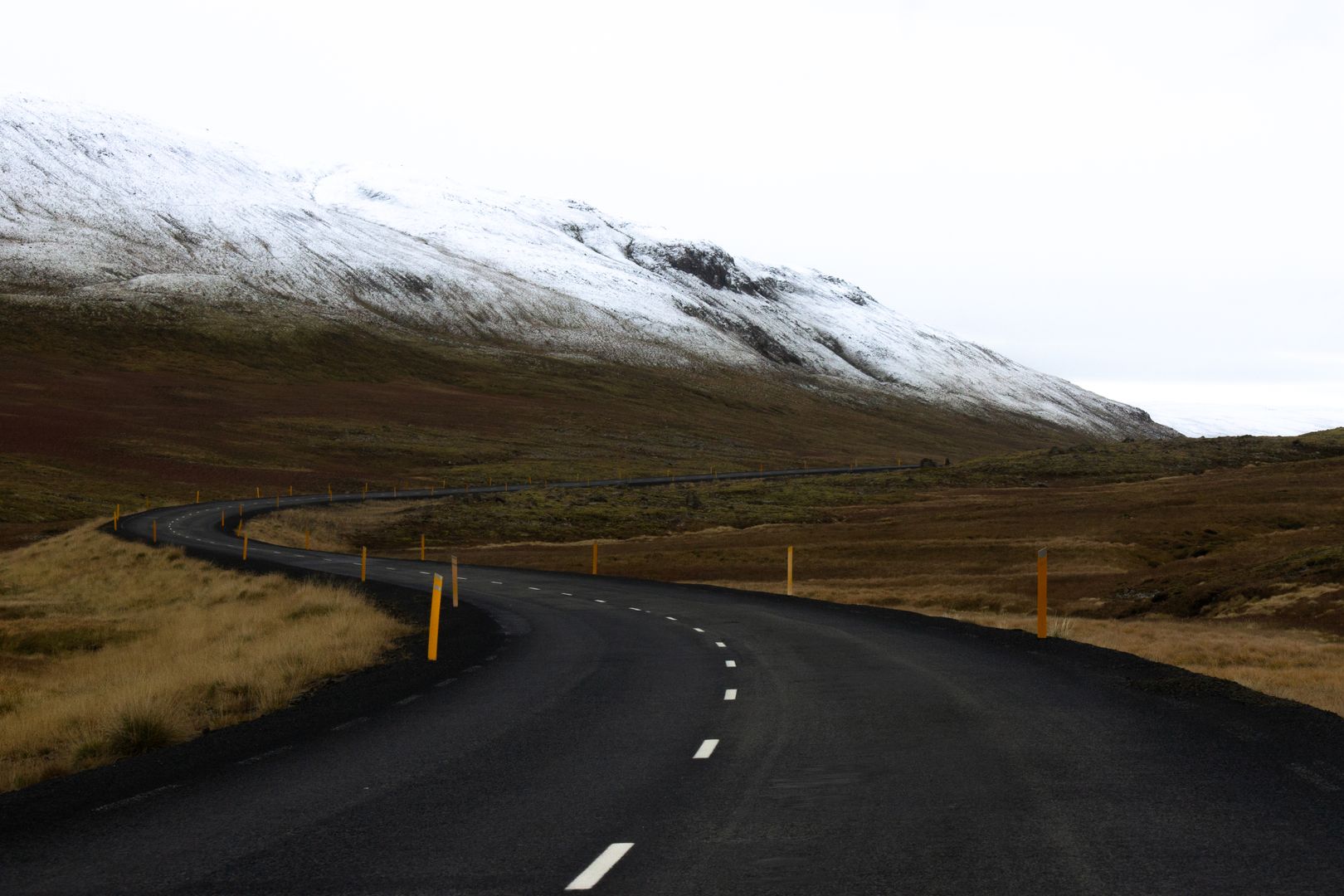
Iceland costs €100–130 per day on a tight budget (hostels, self-catered), €200–250 mid-range (guesthouses, restaurant dinners), and €300+ for comfort. This is not backpacker territory. The landscape is extraordinary, but the economic reality requires honest framing before booking.
| Days | Region | Key highlight | Practical note |
|---|---|---|---|
| 1–2 | Reykjavik | Hallgrímskirkja, National Museum, geothermal pools | Base for arrival; minimal driving required |
| 3 | Golden Circle | Þingvellir, Strokkur, Gullfoss | Depart 8am, return same day; 7–8 hours total |
| 4 | South coast west | Seljalandsfoss, Skógafoss | Base in Vík; arrive before 9:30am for smaller crowds |
| 5 | South coast east | Reynisfjara, Jökulsárlón, Diamond Beach | 250km span; 2-day tempo unhurried; avoid sneaker waves |
| 6 | Skaftafell or Snæfellsnes | Glacier hike or Kirkjufell peak alternative | Depends on fitness; Snæfellsnes replaces Days 4–5 |
| 7 | Blue Lagoon / airport | Geothermal pool; departure | Book morning slot; book 3–6 months ahead in summer |
Summer vs. Winter: Two entirely different trips
Summer (June–August) delivers 20–24 hours of daylight—the midnight sun—which rules out the northern lights entirely. Temperatures run 10–18°C in the south; wind, not cold, is what bites. All roads open, including the F-roads into the highlands. Waterfalls run at glacial-melt peak. Puffins nest on the Westman Islands through August. Wildflowers (particularly lupine fields) turn the landscape violet. The trade-off: crowds from mid-June onward are genuinely intense. Book accommodation three to six months ahead. Tourist infrastructure reaches capacity—restaurants have 45-minute waits, the Golden Circle tours run five buses per hour, and parking fills by 10am.
Winter (November–March) offers four to six hours of daylight and the aurora borealis if skies clear. Temperatures range -3 to +5°C in the south; colder inland. The F-roads close entirely (no highlands access). Some facilities around Mývatn operate on reduced schedules. The advantage: 20–30% lower prices and sparse crowds. The Blue Lagoon in December feels atmospheric rather than chaotic. Winter is the northern lights season—the scientific phenomenon that many travellers arrange their entire Iceland trip around.
Iceland's northern lights: what actually increases your chances
The aurora requires three simultaneous conditions: active solar activity (Kp index ≥3), clear skies (the primary blocker), and darkness (away from Reykjavik's light pollution). Probability per night in November–February, given clear conditions, is 50–60%. The catch: clear nights are unpredictable in Iceland's maritime climate.
The realistic approach: rent a car and monitor aurora forecasts nightly using vedur.is or the Space Weather app. When the Kp index rises above 3 and cloud cover drops below 30%, drive north or east of Reykjavik. The further from the capital, the darker the sky.
Do not book a fixed "northern lights tour" without understanding that night's forecast first. Tour operators run tours regardless of conditions. One week in Iceland in winter, moving to clear skies each night, yields a 70–80% chance of seeing the lights at least once. A fixed location guarantees nothing.
The Golden Circle: worth the crowds, but time it right

Þingvellir, Geysir, and Gullfoss form Iceland's most-visited circuit. Ninety percent of Iceland's tourists do this route in one day from Reykjavik. The sites themselves justify the reputation; the execution requires strategy.
Þingvellir National Park sits where the North American and Eurasian tectonic plates meet visibly. The Almannagjá rift valley walk reveals the geological violence cleanly—you are walking between two continental shelves. UNESCO Heritage Site. Alþing, the world's oldest parliament, convened here from 930 CE. Entry is free. Start before 8am to walk the rift before the first tour buses arrive (they depart Reykjavik at 8:30am).
Strokkur geyser erupts every five to ten minutes, 15–30m high. The original Geysir no longer erupts predictably. Strokkur is the reliable event. The site is free. The viewing platform floods with people between 10am and 3pm. Arrive at 9am or after 4pm.
Gullfoss is a two-tiered waterfall on the Hvítá River. Two stages, separated by a bend in the canyon. The second drop is the more dramatic. Free entry. A walking path descends within 50m of the lower falls—the water spray is heavy. Wear waterproof clothing; a light rain jacket will be soaked within five minutes.
Driving time between sites is 45 minutes to one hour each leg. Accomplish the circuit in seven to eight hours if you start before 8am and skip the expensive restaurant at Geysir.
The one-week southern route: Days 3–5
After two days in Reykjavik, head south. The south coast concentrates Iceland's most accessible waterfalls and glacier landscapes.
Seljalandsfoss (parking €8): a 50m waterfall with a notable feature—the water lip protrudes past the cliff base, creating a path you walk behind. The looking-out view through the water curtain is distinctive. The walk takes 15 minutes. Summer crowds start arriving at 9:30am.
Skógafoss (parking €8): 60m wide, 25m high. A staircase on the right ascends to the clifftop. The upper walk gives a reversed perspective—you look down at the falls from above. Take both paths; each view is different.
Reynisfjara Black Sand Beach: basalt columns, black volcanic sand, Atlantic swell. The warning signs about sneaker waves are not hyperbole—waves surge 5–10m up the beach unpredictably and drag swimmers back. Several fatalities in recent years. Stay above the tide line.
Jökulsárlón Glacier Lagoon (one to two hours further east): icebergs calved from Vatnajökull glacier float in a lagoon that drains into the Atlantic. The sight is genuine—electric-blue ice against dark water. The Diamond Beach, 200m east of the main bridge, shows ice blocks stranded on black sand after tide retreat. The walk between both viewpoints is 30 minutes. Parking is free. Amphibious boat tours (€50–70) operate here in summer; the value is marginal—the stationary views are nearly as good.
Skaftafell National Park (within Vatnajökull): the base for glacier hikes. Extreme Iceland and other outfitters guide three-hour ice walks on Vatnajökull (€70–90). Alternatively, the free Svartifoss trail ascends to a waterfall framed by basalt columns—40 minutes up, excellent light conditions late afternoon.
These sites span 250km of coast. A two-day tempo (Day 4 west of Jökulsárlón, Day 5 Jökulsárlón and Skaftafell east) allows unhurried movement and multiple light conditions at each location.
Reykjavik: what's actually worth your time
Hallgrímskirkja: the landmark church, architecture by Guðjón Samúelsson (1974). The tower lift costs €10 and delivers panoramic city views. Entry to the nave is free. The building justifies one photograph; the views justify the lift ticket.
Harpa Concert Hall: free entry to the lobby. The façade—glass geometric skin—is the draw. The building houses the opera and symphony; ticket prices for performances are reasonable (€15–45) if a concert aligns with your dates.
National Museum of Iceland (€17): excellent exhibit on Icelandic history from Norse settlement to the 20th century. Plan one and a half hours. It's not a blockbuster attraction, but the context it provides for the landscape you'll see outside Reykjavik is valuable.
Laugavegur Street: the main pedestrian shopping street. Kex Hostel bar serves cocktails and local craft beers (€8–12). Mikkeller & Friends bottle shop stocks 400+ beers and ciders. Both are worth a detour for drinking culture rather than tourism.
Skip the Viking Village (themed attraction, touristy), the Golden Circle restaurants (overpriced, mediocre food), and most gift shops (the same Icelandic knit sweaters at +300% markup).
Blue Lagoon (€70–100 for the Comfort package): the geothermal pool between Reykjavik and Keflavik airport. Book at bluelagoon.com months ahead in summer; specific time slots fill. The lagoon is genuinely warm (37–40°C), silica-rich (skin benefit is real), and surrounded by lava. Winter visits feel more atmospheric—fewer people, steam rising into darkness. The departure day (airport transfer after the lagoon) is the smartest time slot. Arrive 30 minutes early; processing takes time.
Driving: the practical realities
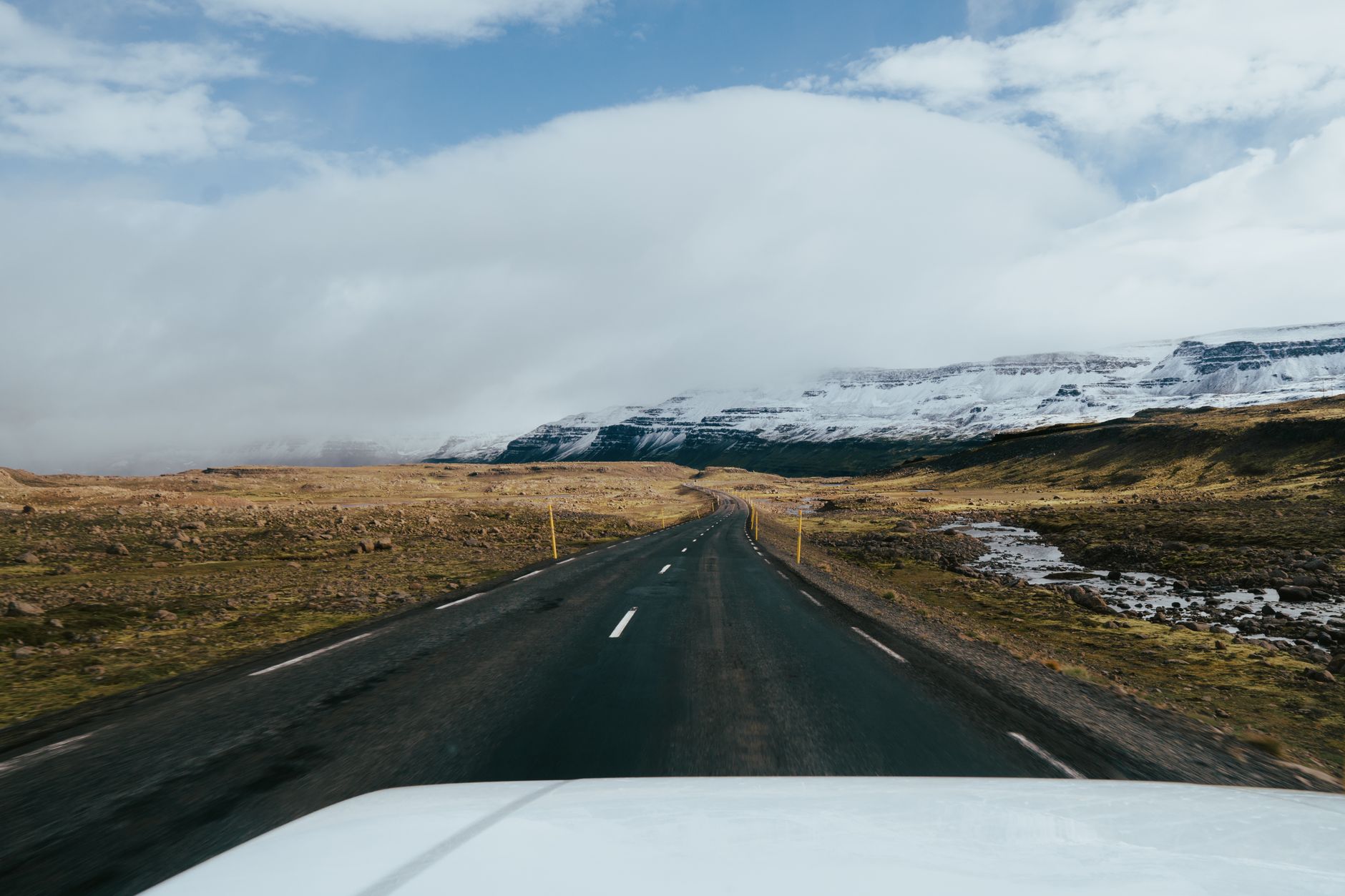
Rent a 4WD (€80–120/day summer, more in winter with ice-damage insurance). This is not optional for F-road access or winter safety. The roads themselves are well-maintained, but wind and ice conditions change without warning.
Speed limits are 90km/h on highways, 60km/h on gravel F-roads. Fines for speeding are significant—exceeding 90km/h on a highway triggers a €500+ penalty.
Petrol stations are 100km apart in remote areas. Never let your tank drop below half-full. The fuel itself costs roughly €1.80/litre (2026 prices).
Wind is underestimated. Strong gusts can prevent opening car doors safely. The landscape is exposed and coastal; afternoon winds strengthen reliably.
What to actually pack
Summer: waterproof jacket, wind-resistant fleece, insulated thermal layers (mornings and evenings are cold despite long daylight), waterproof trousers, sturdy waterproof hiking boots, sun protection (sunburn in midnight sun is real), swimsuit (natural hot springs).
Winter: insulated winter coat (-10°C rated), thermal base layers, wool hat, gloves, scarf, waterproof hiking boots with good tread, hand warmers, sunglasses (snow glare). Iceland's winter is windier than it is deeply cold.
Realistic one-week itinerary
Days 1–2: Reykjavik. Hallgrímskirkja, National Museum, Laugavegur Street, one evening in a geothermal pool (Sky Lagoon or Sundhöllin public bath—€8, less crowded than Blue Lagoon).
Day 3: Golden Circle circuit. Depart Reykjavik by 8am. Þingvellir, Geysir, Gullfoss. Return to base by evening (a Reykjavik hotel or a guesthouse in Borgarnes, 45 minutes from the city, costs less).
Day 4: South coast west leg. Seljalandsfoss, Skógafoss. Base in Vík or Vik South Coast Hotel.
Day 5: South coast east leg. Reynisfjara, Jökulsárlón, Diamond Beach.
Day 6: Skaftafell glacier hike (if summer and inclined to guide/pay), or Snæfellsnes Peninsula as an alternative (3-hour drive from Reykjavik, glacier-topped mountain, Kirkjufell peak, Arnarstapi fishing village). The Snæfellsnes route replaces Days 4–5 if you prefer west-coast focus.
Day 7: Blue Lagoon (book a morning or early-afternoon slot), then Keflavik departure. Or if your flight departs evening, more time at Skaftafell or a day exploring inland routes.
Iceland's one-week reality
Iceland's most important planning decision is choosing summer or winter—they are different experiences, not the same trip in different weather. Summer offers access, colour, and the phenomenon of continuous daylight. Winter delivers the northern lights and a landscape stripped to geological essentials. Both work for seven days. Neither is cheap.
If the budget is manageable and you can commit to one week, Iceland delivers: geology made visible (the tectonic plates, the recent lava, the glaciers), waterfalls at scale, and a sense of planetary violence that most destinations don't offer. Go in knowing the costs, manage expectations around the northern lights, and time the Golden Circle early.
Frequently Asked Questions
What is the best time to see the northern lights in Iceland?
November to March offers darkness and the aurora borealis if skies clear. Probability per night is 50–60% if conditions align (Kp index ≥3, cloud cover below 30%). Winter visits rent cars and move to clear skies nightly; one week yields 70–80% chance of seeing lights at least once. Fixed tours guarantee nothing regardless of forecast.
Do I need a 4WD vehicle in Iceland?
Yes. Rent 4WD (€80–120/day summer) for F-road access in summer and winter safety. Roads are well-maintained, but wind and ice conditions change rapidly. A regular car will block highland routes and leave you exposed in winter weather. Cost is non-negotiable.
Can I visit the Golden Circle and see the Blue Lagoon in one day?
Not comfortably. The Golden Circle takes 7–8 hours from Reykjavik (depart 8am, return evening). The Blue Lagoon sits between Reykjavik and Keflavik airport; schedule it as a departure activity. Combine them only if your flight departs evening and you skip other stops.
How far in advance should I book accommodation and tours?
Summer (June–August): book accommodation 3–6 months ahead; restaurants and tours fill by May. Winter (November–March): book 1–2 months ahead; lower demand but popular dates still fill. The Blue Lagoon requires advance booking at bluelagoon.com year-round; specific time slots fill months ahead in summer.
What should I pack for Iceland in summer versus winter?
Summer: waterproof jacket, wind-resistant fleece, thermal layers, waterproof trousers, waterproof hiking boots, sun protection, swimsuit. Winter: insulated coat rated to -10°C, thermal base layers, wool hat, gloves, scarf, waterproof boots with good tread, hand warmers, sunglasses for snow glare. Wind matters more than absolute cold in both seasons.