

The single honest fact that changes every budget Maldives conversation: an overwater bungalow at a resort costs €600–2,000 per night. A guesthouse room on a local island—on the same reef, with the same fish below the water—costs €60–150 per night. The €1,800 daily difference buys privacy, exclusivity, seaplane transfers, and the ability to snorkel alone at dawn. The water and marine life are identical. Understanding what you're actually paying for at a resort versus what you're getting on a local island determines whether the price gap makes sense for your trip.
How the Maldives is physically structured
The Maldives spans 1,192 islands across 26 atolls, with 298 inhabited by locals. This is the critical distinction most budget guides skip: resort islands are private (one resort per island, closed to outside visitors). Local islands have 300–2,500 Maldivian residents, functioning villages, guesthouses, local restaurants, and a fundamentally different atmosphere from the resort experience.
Male, the capital, is not a destination—it's a functional transit hub of 100,000 people in dense quarters. The airport sits on an artificial island 1.6km from the city centre. Most visitors pass through in under three hours. If you need a stopover night, book Hulhumale instead (connected by bridge to Male, less chaotic, guesthouses at €60–80/night). Spending time exploring Male itself wastes a day; the city is crowded, hot, and offers nothing unavailable elsewhere in the country.
Getting to local islands requires one of three methods:
- Speedboat from Male: €10–30 per person depending on distance, 45 minutes to 2 hours. These operate on set schedules; check with your guesthouse before booking.
- Domestic flight: €60–150 one way via Maldivian Airlines (the state carrier), landing on one of five domestic airstrips scattered across atolls, followed by a speedboat transfer.
- Seaplane from Male: €200–400 each way (scenic, used by resorts exclusively). This is the transfer method that inflates resort costs—it's not mandatory for budget travel, but it's the reason resorts claim "remote" access.
Maafushi Island: the developed local island option
Maafushi (Kaafu Atoll) is the most established local island for tourism, with around 2,500 residents and the highest concentration of guesthouses in the Maldives. It's 3km long, accessible by speedboat in 45 minutes from Male (€15 return, departing at fixed times), and designed for independent travellers who don't want isolation.
The guesthouse tier here runs €80–120/night for a mid-range room including breakfast (high season: December–January). Options include Blue Horizon, Kaani Beach Guesthouse, and Sunny Side Up. Rooms are functional—fan-cooled or air-conditioned, private bathroom, concrete construction—not atmospheric, but reliable. Book two weeks ahead during peak season; four weeks ahead for December.
The island has two beach zones: one designated bikini beach (the northeastern end, where tourists swim freely), and a covered local beach for Maldivian residents (where swimwear is not worn). This is not a hidden rule—the island is explicit about the separation. If you plan to spend beach time in a bikini, it's the northern end. If you want to experience local beach life, it's segregated. Most guesthouses are located between these zones, within walking distance (five to ten minutes) of both.
House reef snorkelling here has degraded somewhat due to coral stress and fishing pressure. The visible fish and coral are still present, but depth and density are lower than they were five years ago. The better snorkelling requires a 15-minute boat trip to the house reef of an adjacent island (typically €20–30 per person, arranged through your guesthouse). Diving operations are well-organised; operators charge €50–80/dive for open-water certified divers, the same price as resort dive centres and often the same instructors.
Other local islands worth considering
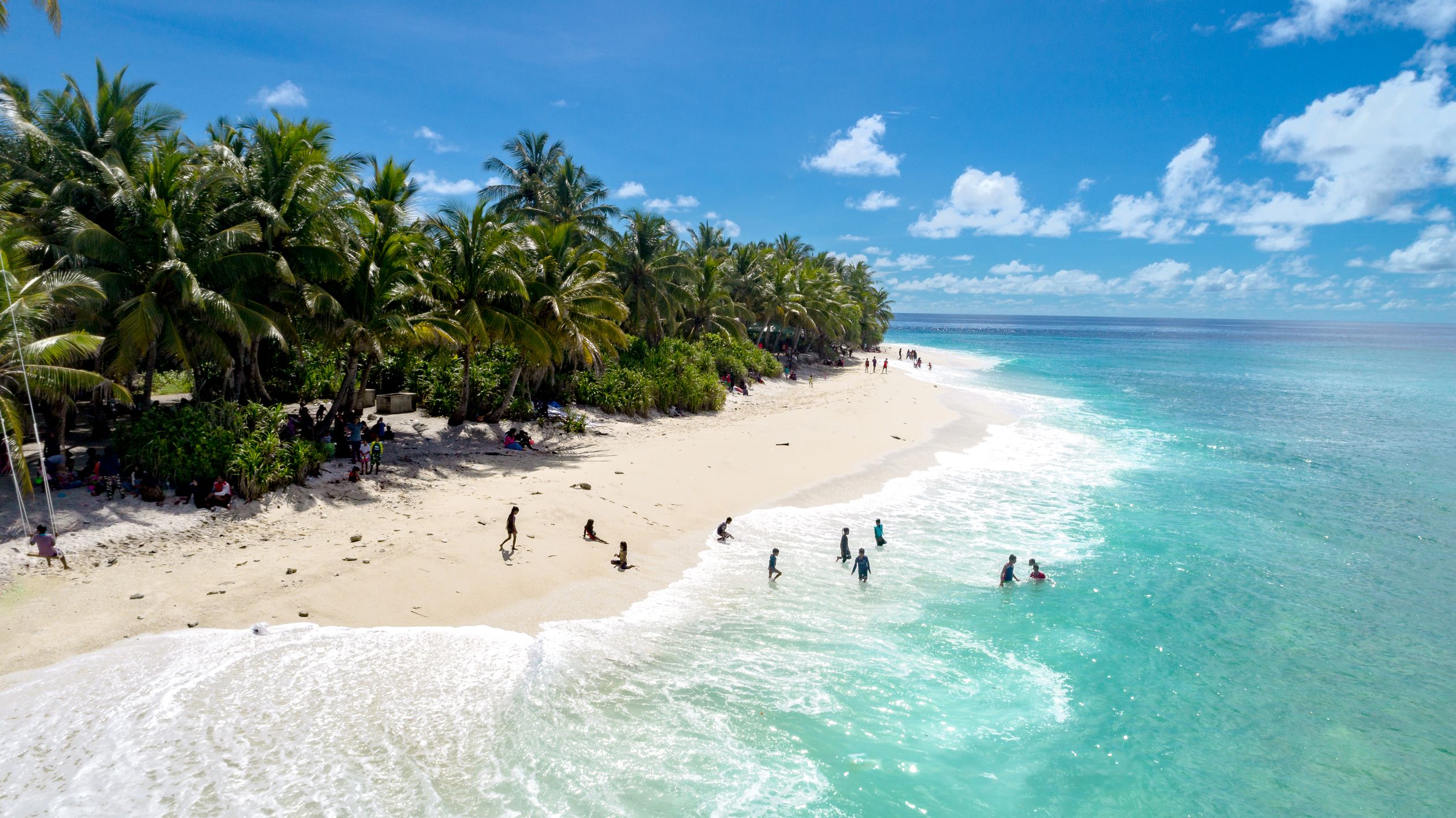
Fulidhoo (Vaavu Atoll) is smaller, with approximately 300 residents and a handful of guesthouses. The house reef is notably better-preserved than Maafushi's; snorkelling straight off the island is productive. Access requires either a domestic flight to Dhaarana (€70–90) plus a speedboat connection, or a direct speedboat from Male (2.5 hours, €20). High season costs are €90–130/night. This is the choice for experienced independent travellers who don't need the guesthouse density and restaurant variety of Maafushi.
Ukulhas (North Ari Atoll) is known for a turtle cleaning station on the house reef, where sea turtles gather to be cleaned by fish—free diving with them is a standard daily activity (no guarantee of sighting). The island has five guesthouses and a resident population of around 800. Nightly rates are €100–140. Access requires a domestic flight (€100–120) plus transfer.
Dhigurah (South Ari Atoll) spans 2.4km and has become known for whale shark encounters (August–October are the reliable months) and manta ray encounters (November–May). Seven guesthouses operate here; rates are €85–130/night. Whale shark tours cost €30–50/person. Neither whale sharks nor mantas are guaranteed; local operators will tell you honestly about sighting frequency.
What local islands offer and what they don't
You get:
- Snorkelling off a house reef (quality varies by island; check reviews for your specific choice).
- Organised diving with the same PADI operators as resorts, at identical certification costs (€300–400 for an open-water course).
- Sunset fishing excursions (€25–40/person, typically returning with tuna for dinner).
- Breakfast: mas huni (tuna and coconut rice, a local staple) and fresh fruit at guesthouses for €4–5.
- Rapid access to outer reef diving sites where manta rays, whale sharks, and reef sharks congregate.
You don't get:
- A private house reef you can snorkel alone (resorts have closed reefs; your early-dawn solo snorkel is exclusive).
- Swim-up bars, private overwater decks, or built-in infinity pools.
- Staff available at 2am if you need something (guesthouses typically have day reception only).
- The resort's premium spa infrastructure or meal variety.
- Alcohol (the Maldives bans alcohol on local islands and in Male; resorts are exempt and stock it at €12–20 per drink). You will be sober for the duration.
Diving and snorkelling: what's actually possible
The Maldives is genuinely exceptional for marine life: manta rays, whale sharks, reef sharks (blacktip reef sharks are common; whitetip reef sharks patrol the channels), hawksbill turtles, giant moray eels, napoleon wrasse, and dense schools of jacks and snappers on the outer reefs.
The house reef snorkelling experience depends entirely on which island you choose. Maafushi's is degraded; Fulidhoo's is better; islands in the Southern Atolls (Dhigurah, Kudahuvadhoo) show healthier coral. Research your specific island's house reef condition before booking by checking recent trip reports. Budget €20–50 per person for a dedicated snorkelling excursion to better-preserved reefs.
Diving is the same technical standard wherever you stay. Local island dive operators charge €50–80/dive, the same cost as resort operators, and most instructors work seasonally across multiple bases. The advantage of diving from a local island is that you save on seaplane transfer costs (€400–800 for a four-dive package at a resort). A four-dive package from a guesthouse costs approximately €200–320 in dive fees alone.
The most productive diving happens at the outer reefs where channels connect atolls—these sites require a 30- to 90-minute boat transfer regardless of where you stay. Manta rays concentrate in channels during the season (November–May for most atolls); whale sharks are pelagic and unpredictable. Reef sharks and turtles are standard sightings.
Cost breakdown for seven nights

Local island (Maafushi):
- Accommodation: €560–840 (€80–120/night)
- Meals (lunch and dinner): €150–250 (breakfast included; lunch €6–10, dinner €10–15)
- Activities (diving, snorkelling excursions, fishing): €200–300
- Total: €910–1,390 per person, excluding international flights
Mid-range resort (€600–800/night):
- Accommodation: €4,200–5,600
- Meals: €0 (all-inclusive is standard)
- Activities: €100–200 (many included, but diving and water sports add cost)
- Total: €4,300–5,800 per person, excluding international flights
International flights to Male: €400–700 from northern Europe depending on routing (Sri Lankan Airlines via Colombo, Emirates via Dubai, Qatar Airways via Doha all offer competitive schedules). Book 6–8 weeks ahead for the best rates.
When to visit: seasons and coral bleaching
Dry season (November–April): Northeast monsoon, low rainfall, calmer seas, excellent visibility (30m+ underwater). December and January are peak season—highest prices, most crowded islands, booked guesthouses. January–March offers the same conditions at lower prices (20–30% cheaper than December) with less crowding.
Wet season (May–October): Southwest monsoon, more frequent rain (especially July–September), rougher seas on eastern atolls, but often superior visibility on western atolls where the reefs face away from the wind. Prices drop 20–30%. August–September is cheapest and wettest (several days per week of heavy rain). Most guesthouses stay open year-round.
Coral bleaching risk: The Maldives experienced severe bleaching events in 1998, 2016, and 2019. Recovery has been partial; reefs that bleached in 2016 remain stressed. Warmer-water events recur during El Niño years and in late spring (April–May). If coral health is your primary concern, visit January–March or dive with an operator who monitors current reef conditions. Bleaching doesn't prevent diving (reef sharks and pelagic life persist), but the coral structure and biodiversity are compromised.
The alcohol situation and island life
The Maldives is a majority-Muslim nation with strict alcohol laws. It is banned on all local islands, in Male, and throughout the country except resorts (which are designated tourist zones and exempt). This is non-negotiable; you cannot bring alcohol into the country or onto a local island. If drinking alcohol is essential to your trip, book a resort. If you can abstain or drink minimally, local islands are feasible and often more memorable for it.
Island life centres around fishing, diving, meals, and conversation. Guesthouses typically have a social common area (open-air or semi-covered) where travellers and staff converge for meals and evening chat. Diving logs are compared; snorkelling tips are shared. This community aspect is one of the genuine advantages of local islands over resort stays, where guests are often isolated in their villas.
Practical logistics for independent travel
Booking accommodation: Use Booking.com, Agoda, or direct email to guesthouses (most have English-language websites or email addresses listed on Google Maps). Email is faster than website booking systems for date verification and pricing. Book 4–6 weeks ahead for November–March; 2 weeks is sufficient for May–October.
Visas: EU and North American citizens receive a 30-day tourist visa on arrival free of charge. Bring your passport and return flight confirmation; no advance application needed.
Getting from Male to your island: Confirm your guesthouse's preferred speedboat provider when you book. They typically arrange your transfer for €15–30 and collect you from the airport. Alternatively, hire a private speedboat (€80–150 for a group of up to six) if you want scheduling flexibility or are arriving at an unusual time.
Cash and payments: The Maldivian Rufiyaa (MVR) is the local currency (approximately 15 MVR = €1). ATMs in Male dispense Rufiyaa; there are no ATMs on most local islands. Withdraw €150–250 in Rufiyaa before leaving Male. Most guesthouses accept credit cards, but bring backup cash for small vendors and local restaurants.
Communication: Local SIM cards (Dhiraagu or Ooredoo) cost €10–15 and include data packages. Buy at the airport or in Male. WhatsApp and email are your primary contact methods with guesthouses and dive operators.
Budget Maldives suited to these travellers
Book a guesthouse on Maafushi for seven nights in February if you're a certified diver on a budget, comfortable without resort infrastructure, and interested in marine life over beach luxury. Maafushi is the most developed local island—guesthouse options are reliable, diving is well-organised, and the snorkelling (despite some degradation) remains productive. You'll spend €1,100–1,400 total accommodation and activities, share evening meals with other travellers, and see the same reefs and fish as resort guests at a tenth of the price. The trade-off is straightforward: no private deck, no swim-up bar, no seaplane moment, and sobriety for the week. Whether that trade-off is worth €12,000–14,000 in savings per person is your decision to make.