58 articles

28 May 2026
cambodiaKampot Travel Guide: Cambodia's Most Relaxed River Town
Kampot sits on the Kampot river in southern Cambodia, 5km from the Gulf of Thailand coast and 148km from Phnom Penh. The town is not famous for a single monument — it is famous for pepper, for French colonial architectur
Henrik Vinter

28 May 2026
japanMatsumoto Travel Guide: The Black Castle and the Japanese Alps
Matsumoto Castle was built between 1593 and 1614 and is one of only twelve original castles remaining in Japan — meaning the wooden keep and tower are the genuine 16th–17th-century structure, not a 20th-century reinforce
Henrik Vinter
28 May 2026
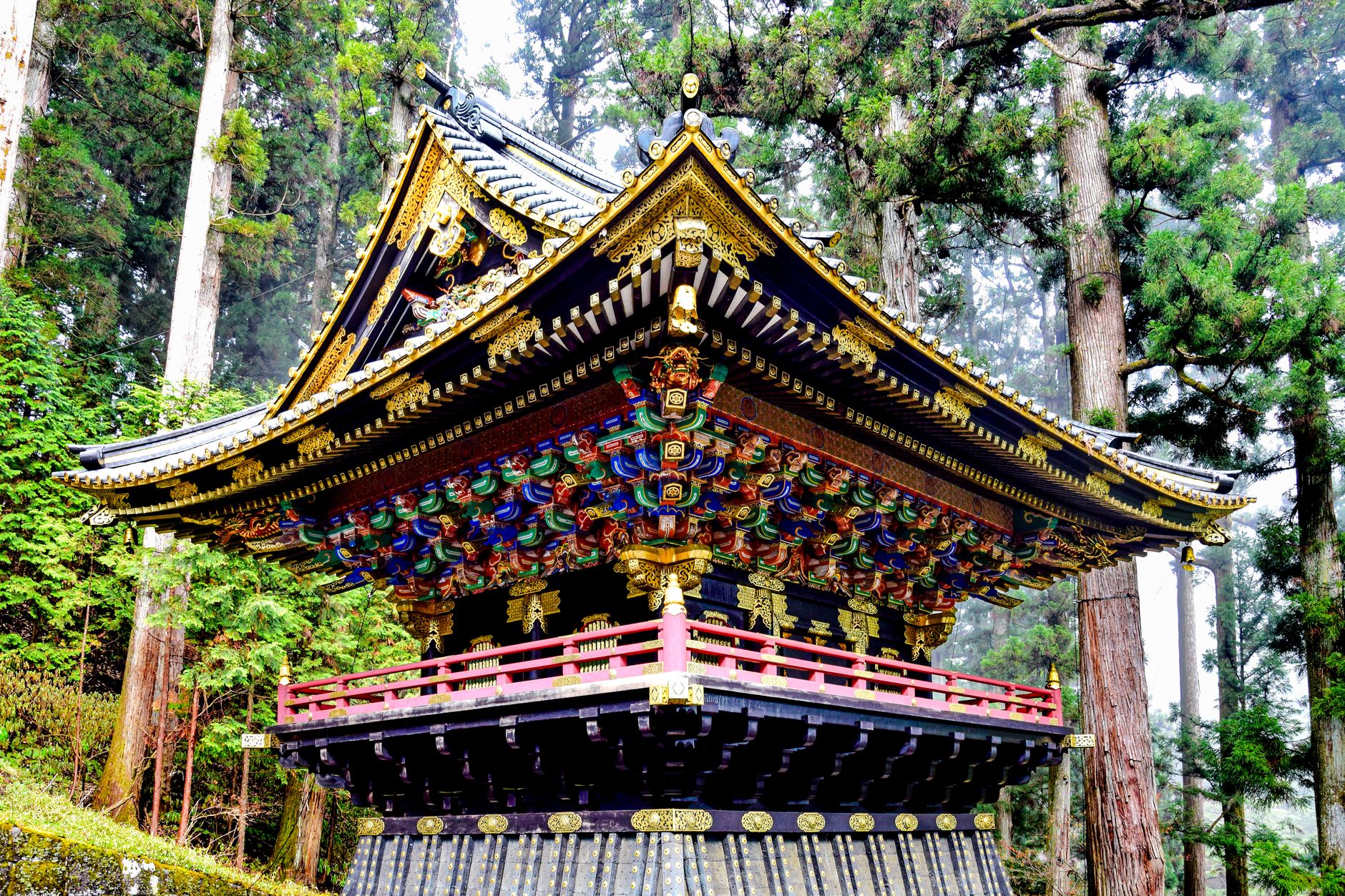
japanNikko Travel Guide: The Toshogu Shrine Complex and the National Park
Nikko is 150km north of Tokyo in Tochigi Prefecture, a 2-hour journey by Tobu Limited Express from Asakusa. The town itself is unremarkable, but the forested hillside above it contains the Toshogu Shrine — the mausoleum
Henrik Vinter

28 May 2026
south koreaAndong Travel Guide: South Korea's Confucian Heartland
Andong anchors South Korea's Confucian heritage more systematically than any other city. Hahoe Folk Village — a UNESCO World Heritage Site since 2010 — is a riverside settlement of thatched and tile-roofed houses where d
Henrik Vinter

28 May 2026
vietnamPhong Nha Travel Guide: Caves, National Park, and the Son Doong Expedition
Phong Nha-Kẻ Bàng National Park contains the world's largest known cave system by volume. Hang Son Doong — the largest single cave passage on earth — is 5km long, 200 metres high in its main chamber, and contains its own
Henrik Vinter

28 May 2026
japanTakayama Travel Guide: The Mountain Town with Japan's Best-Preserved Old Quarter
Takayama sits at 573 metres in the mountains of Gifu Prefecture, 2.5 hours by limited express train from Nagoya through the Hida range. The city's two preserved merchant districts — Sanmachi Suji — date from the Edo peri
Henrik Vinter
25 May 2026
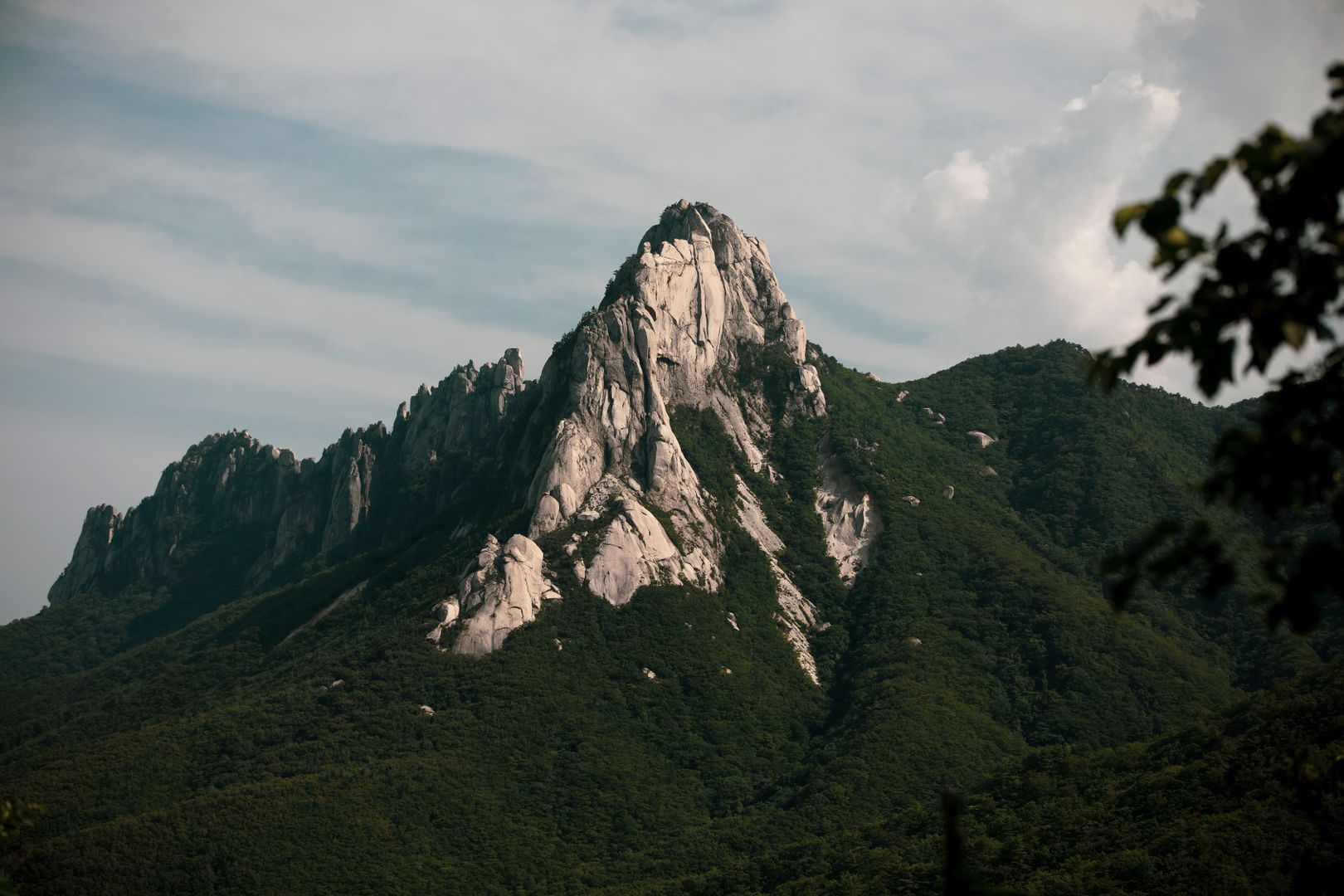
south koreaSeoraksan National Park Guide: Korea's Most Dramatic Mountain Landscape
Seoraksan National Park covers 399 km² of the northern Taebaek range on the east coast of Gangwon Province. The granite peaks are the most dramatic mountain scenery in Korea — particularly in late September and October when the maple and oak forest turns red and gold and every trail in the park becomes busy. Sokcho, 10km away, is the base.
Henrik Vinter
25 May 2026
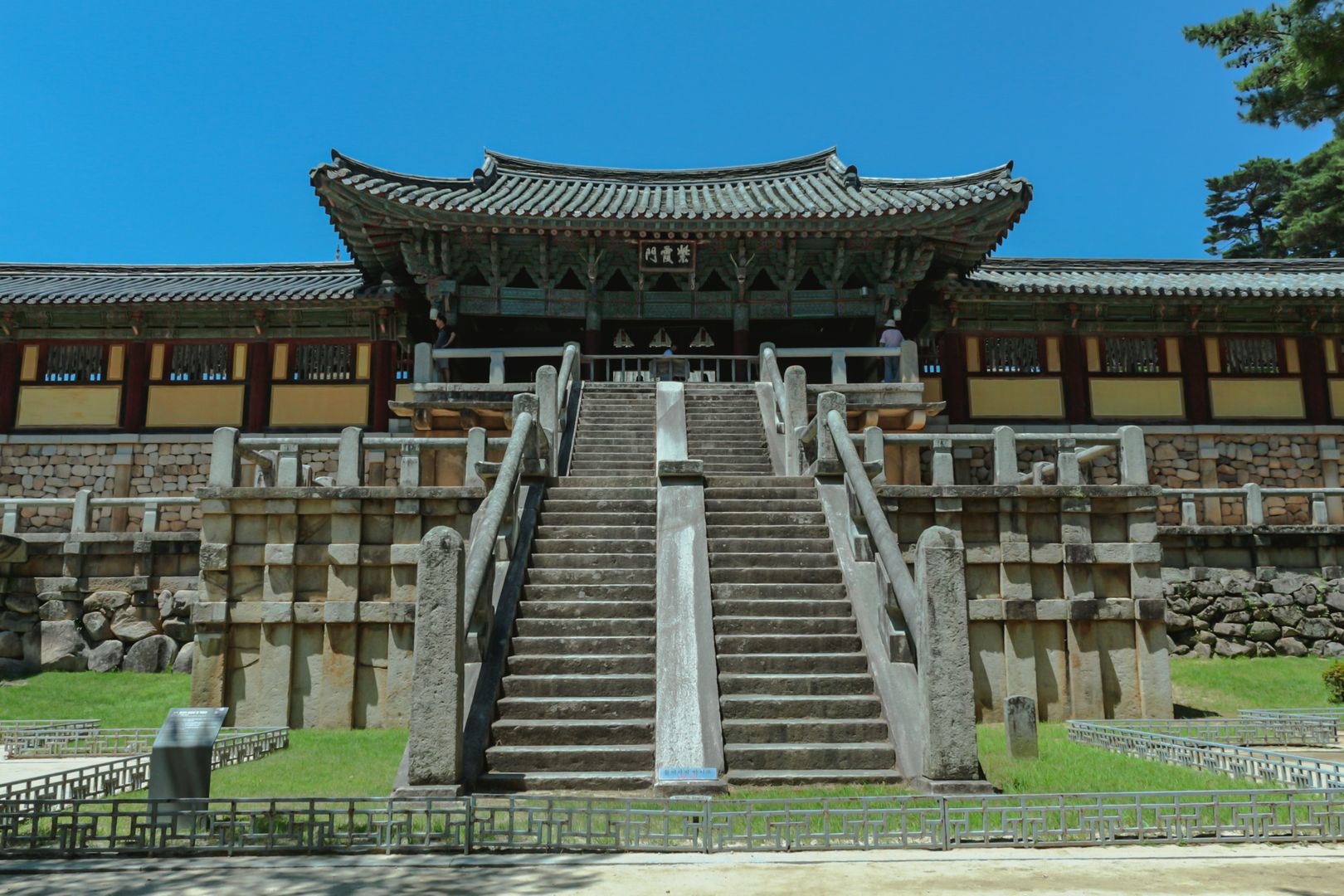
south koreaGyeongju Travel Guide: Temples, Burial Mounds, and the Ancient Silla Capital
Gyeongju was the capital of the Silla Kingdom for almost a thousand years (57 BC – 935 AD). The city is sometimes called a museum without walls — burial mounds sit in public parks, pagodas date to the 7th century, and the Bulguksa Temple complex has been a UNESCO World Heritage Site since 1995. It is a 2-hour KTX ride from Seoul.
Henrik Vinter
24 May 2026
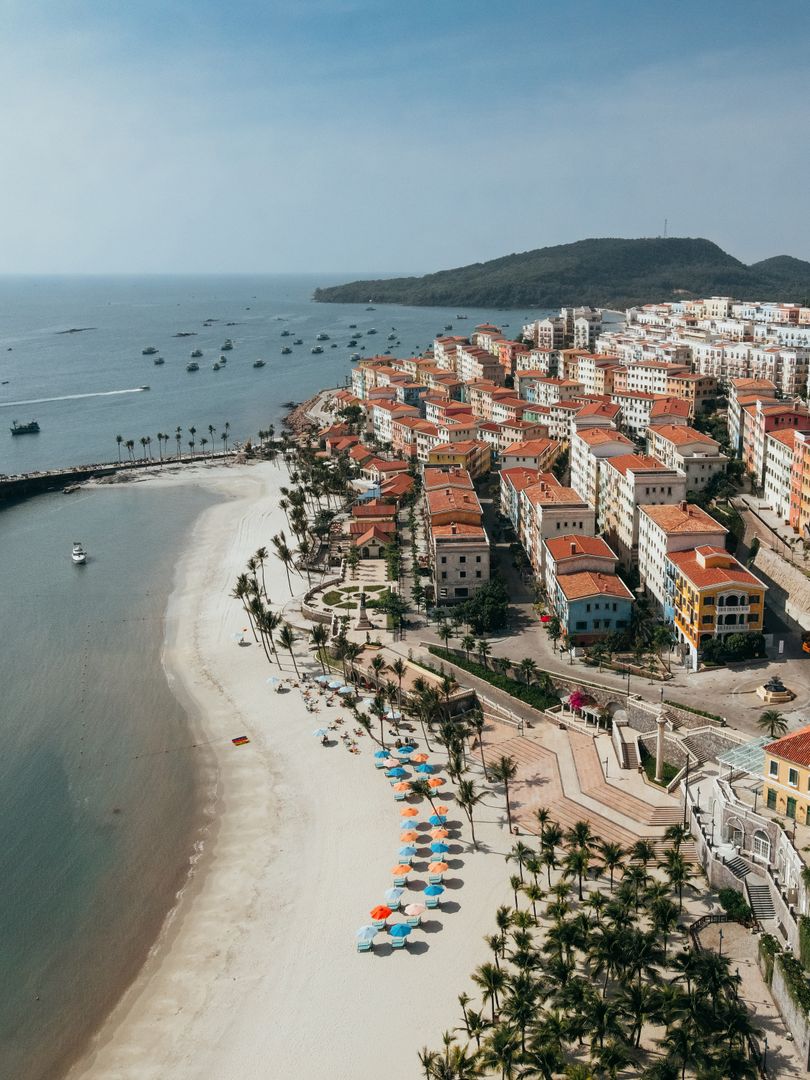
vietnamPhu Quoc Travel Guide: Vietnam's Island That Got Discovered Twice
Phu Quoc is Vietnam's largest island — 589 km² off the southwest coast, closer to Cambodia than to Ho Chi Minh City. An international airport opened in 2012; a casino resort opened in 2020; an elevated cable car crosses 8km of sea to a theme park island. Long Beach is still a long beach. The north still has a national park.
Henrik Vinter

23 May 2026
south koreaJeonju Travel Guide: Hanok Village, Bibimbap, and a City That Kept Its Old Centre
Jeonju is the capital of North Jeolla Province and the origin city of bibimbap — a fact taken seriously here, in the same way that Bologna takes ragu seriously. The Hanok Village (Hanokmaul) contains over 700 traditional tile-roofed houses in a single neighbourhood, still functioning as a residential area rather than an outdoor museum.
Henrik Vinter
21 May 2026
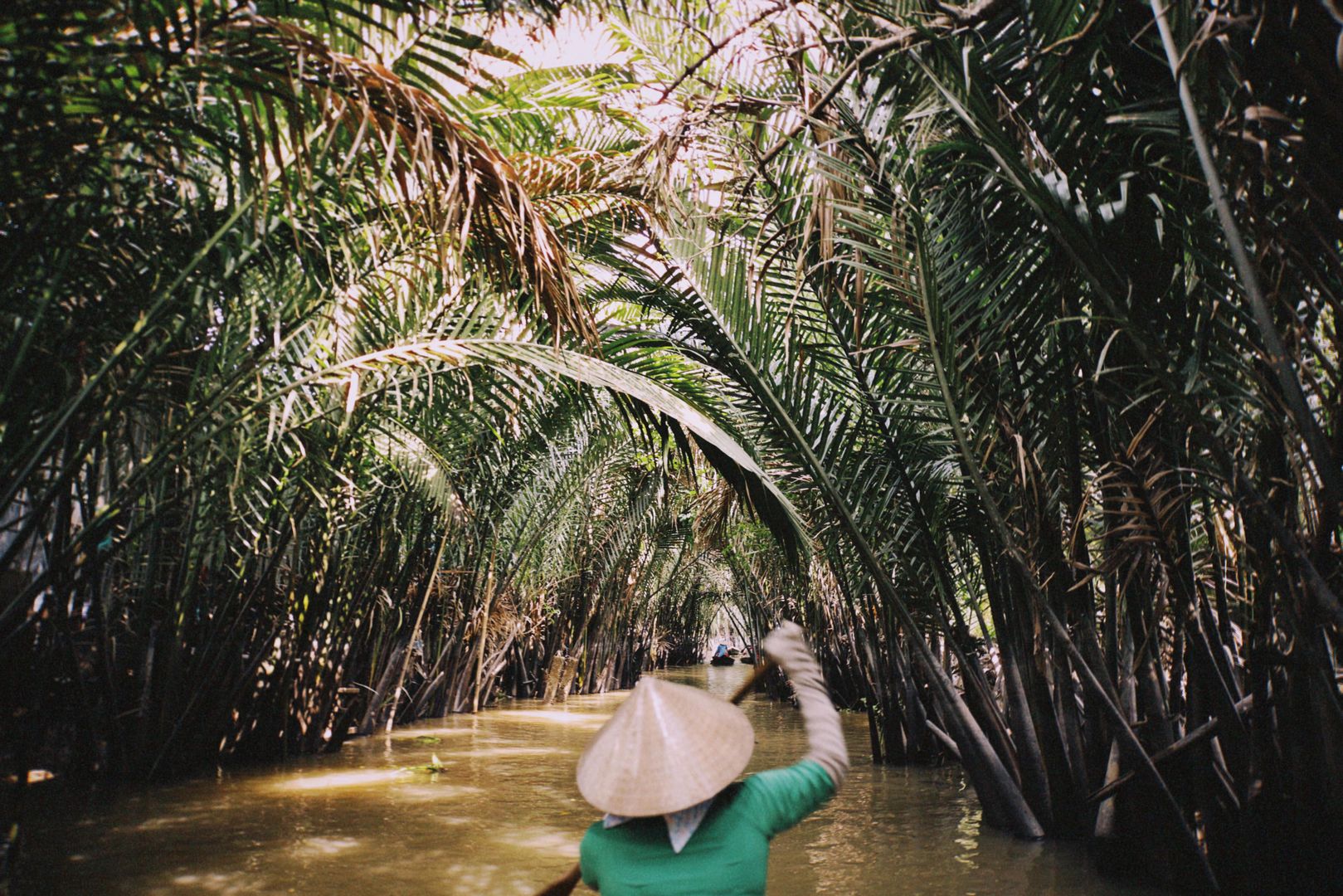
vietnamMekong Delta Guide: Floating Markets, River Villages, and Two Days Well Spent
The Mekong splits into nine distributaries before reaching the sea in southern Vietnam — this is the delta, a flat, green, boat-dependent region that produces more than half of Vietnam's rice and a third of its fish. Can Tho is the delta's largest city and the most practical base. The floating markets run in the early morning.
Henrik Vinter
20 May 2026
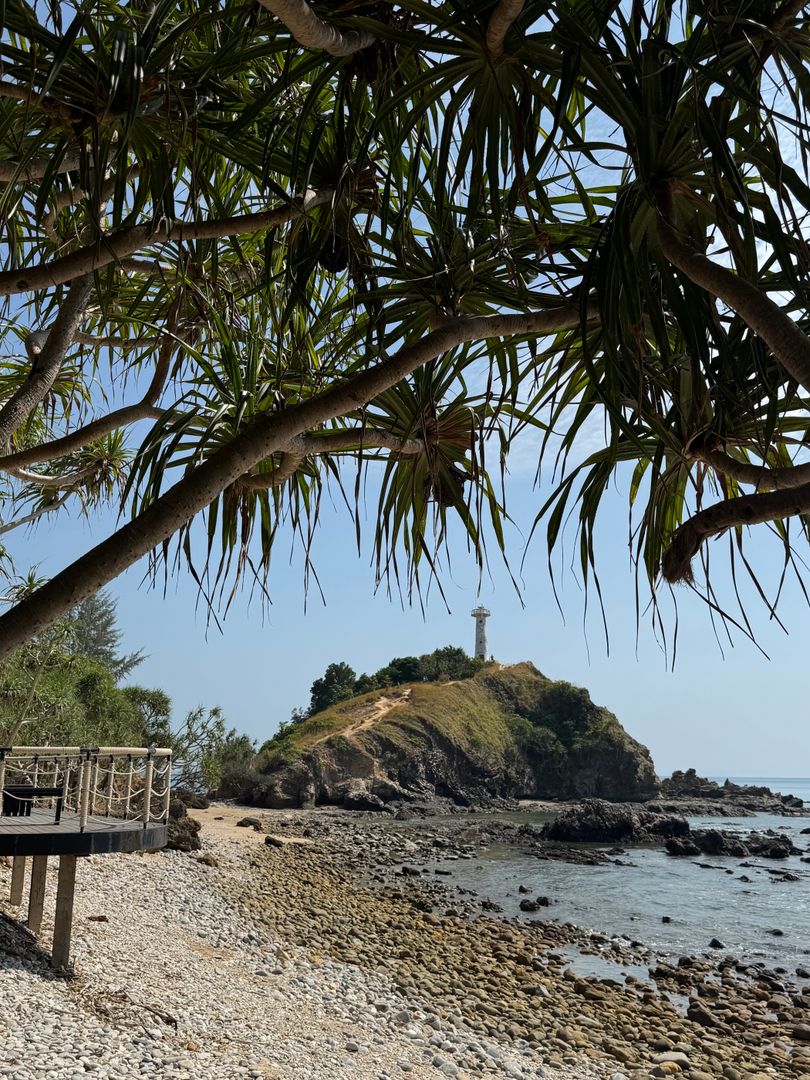
thailandKoh Lanta Travel Guide: The Andaman Island That Trades Crowds for Coral
Koh Lanta sits south of Krabi in the Andaman Sea — long enough to have a proper road, small enough that most of it stays quiet. Long Beach stretches 4km without jet-ski operators; the national park at the southern tip costs 200 baht to enter and is almost never full.
Henrik Vinter
19 May 2026
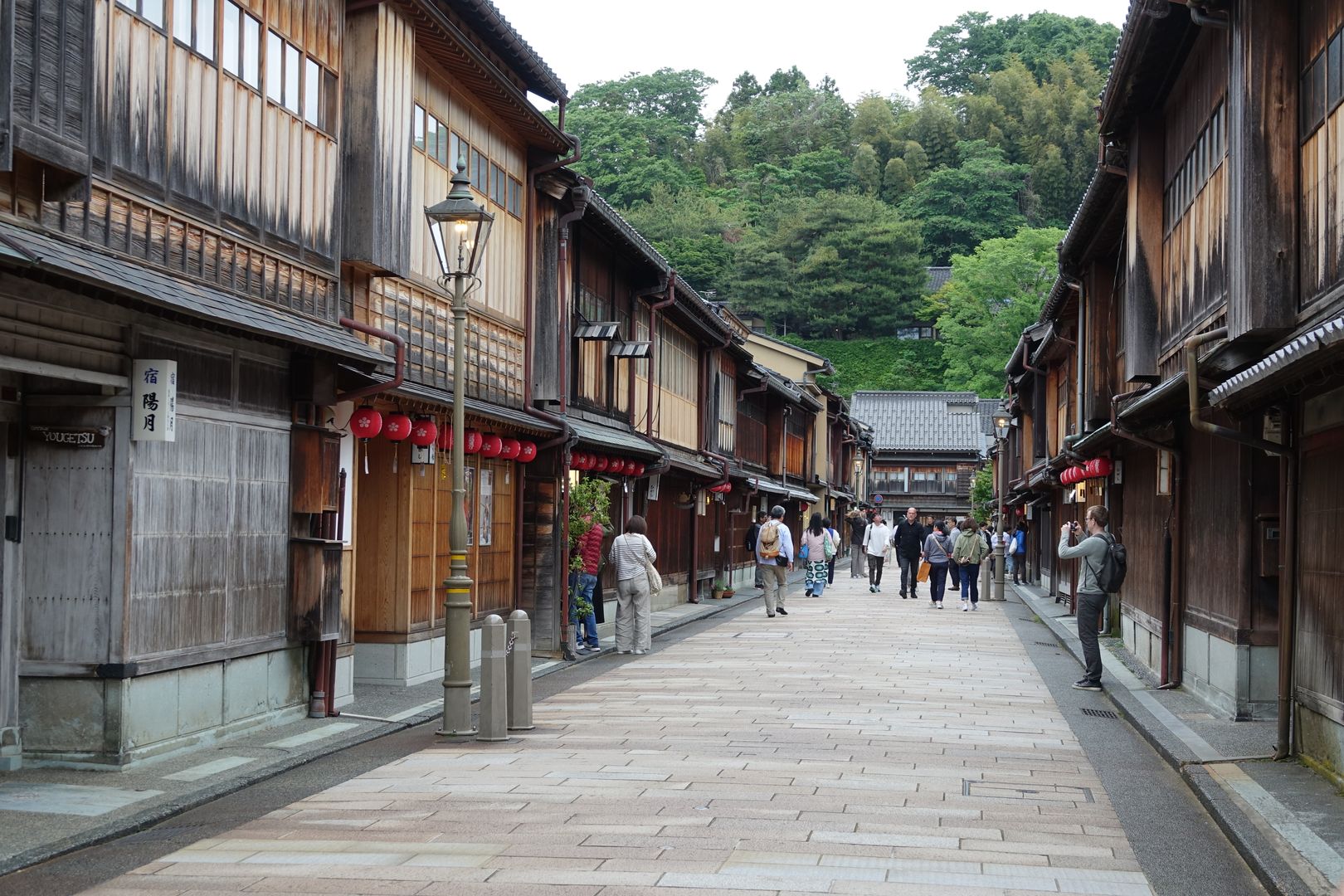
japanKanazawa Travel Guide: Kenroku-en, Seafood Markets, and a City That Missed the Bombs
Kanazawa escaped Allied bombing in World War II — its industrial base was light enough not to be a priority target. The result is one of the best-preserved pre-Meiji urban environments in Japan: a geisha district, a samurai neighbourhood, a functioning morning fish market, and the castle garden rated among Japan's three finest.
Henrik Vinter

19 May 2026
vietnamDa Lat Travel Guide: Vietnam's Highland City for Coffee, Waterfalls, and Cooler Weather
Da Lat sits at 1,500m in the Langbiang Plateau in the Central Highlands — cool enough for a sweater in January, warm enough for a t-shirt in April. The French built a hill station here in 1907; the Vietnamese kept the villas, added strawberry farms and coffee plantations, and made it the country's most popular domestic honeymoon destination.
Henrik Vinter
18 May 2026
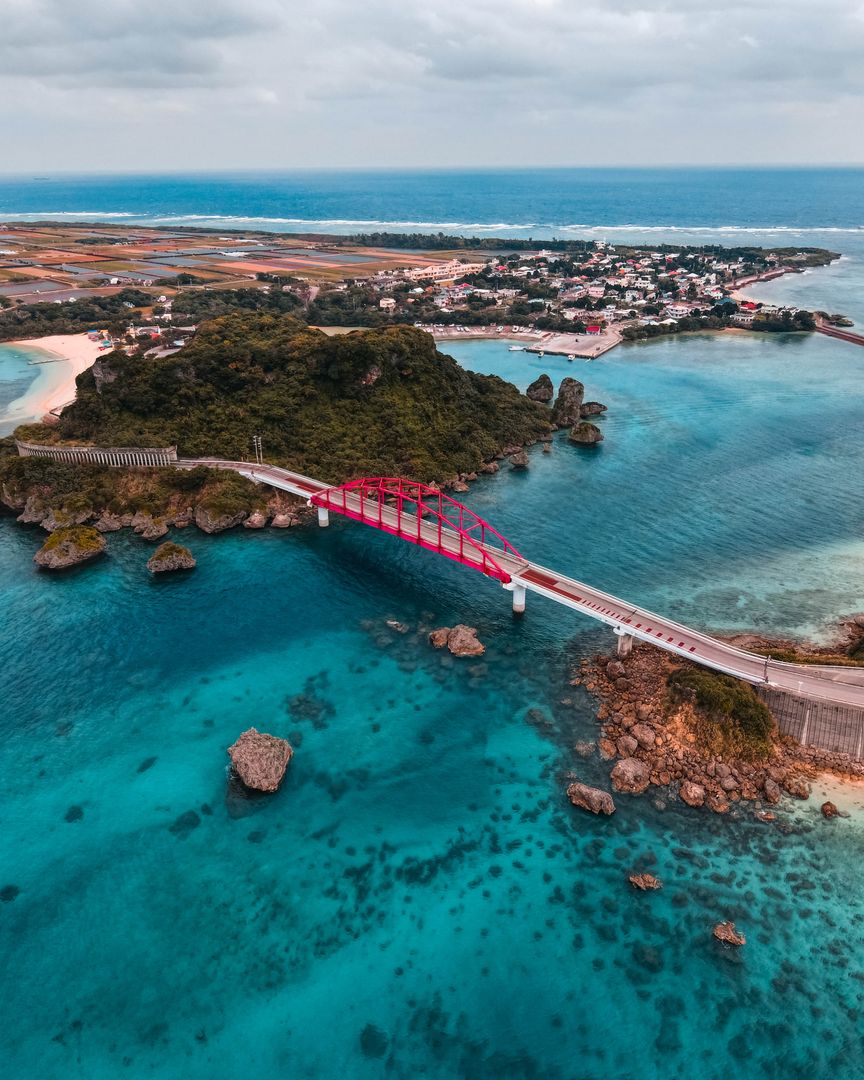
japanOkinawa Travel Guide: Japan's Subtropical Islands, Explained
Okinawa Prefecture consists of 160 islands spread across 1,000km of ocean between Japan and Taiwan. The main island has traffic, Shuri Castle, and the most US military bases outside the continental United States. The outer islands have some of the clearest water in Japan and almost no one on them.
Henrik Vinter

17 May 2026
japanKamakura Day Trip Guide: The Great Buddha, Coastal Temples, and When to Go
Kamakura is 50 minutes from Tokyo Station and contains 19 major temples, 5 major shrines, and a 13.35-metre bronze Great Buddha that has been sitting outdoors since the wooden building around it blew away in a 1334 typhoon. It is the easiest and most rewarding day trip from Tokyo.
Henrik Vinter
17 May 2026
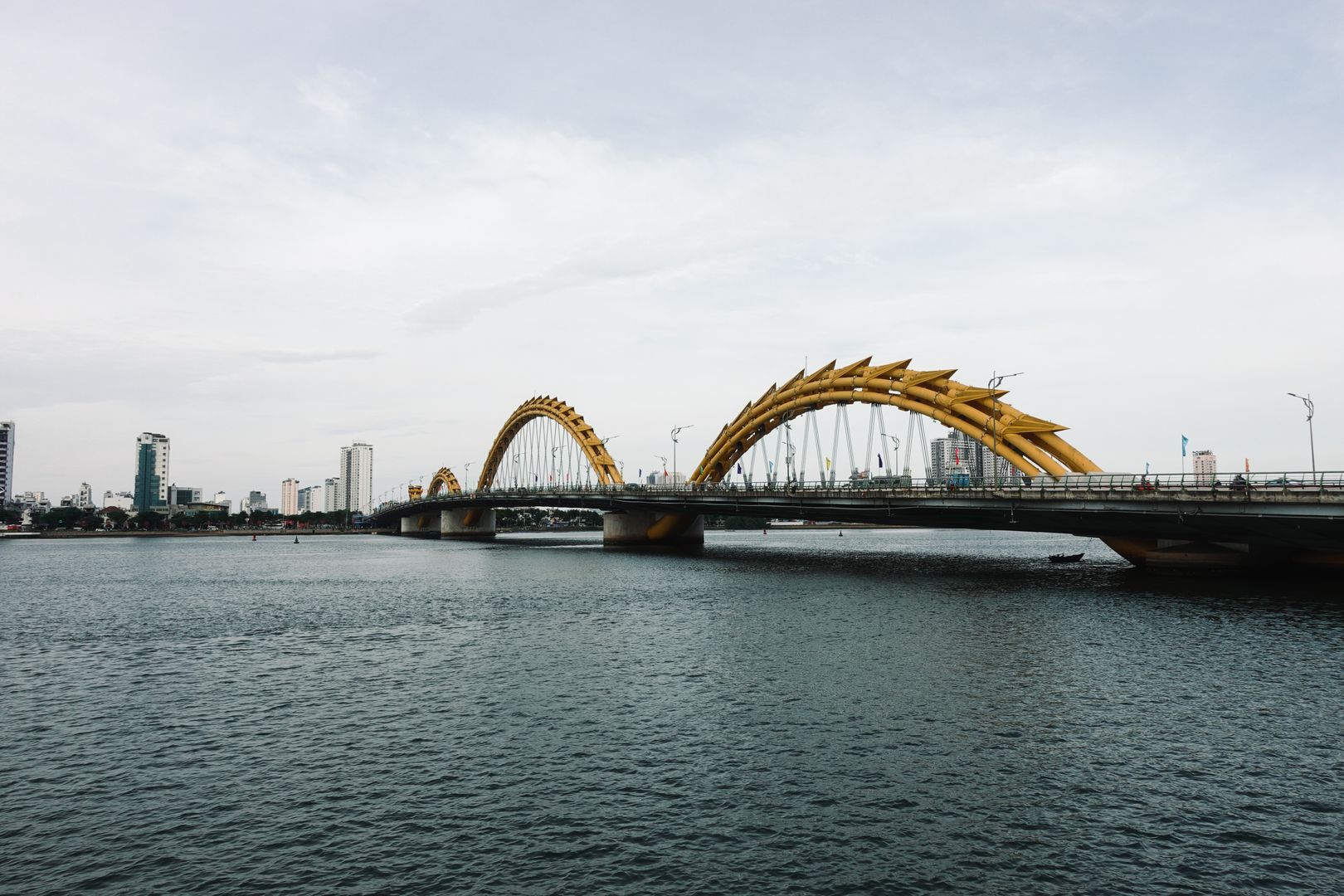
vietnamDa Nang Travel Guide: Beach City, Dragon Bridge, and the Base for Central Vietnam
Da Nang is Vietnam's third-largest city and the most useful base for central Vietnam — 30 minutes from Hoi An, 2 hours from Hue, with its own beach (My Khe, 30km of flat sand), an international airport, and a city that has rebuilt itself almost entirely in the past 20 years.
Henrik Vinter
16 May 2026
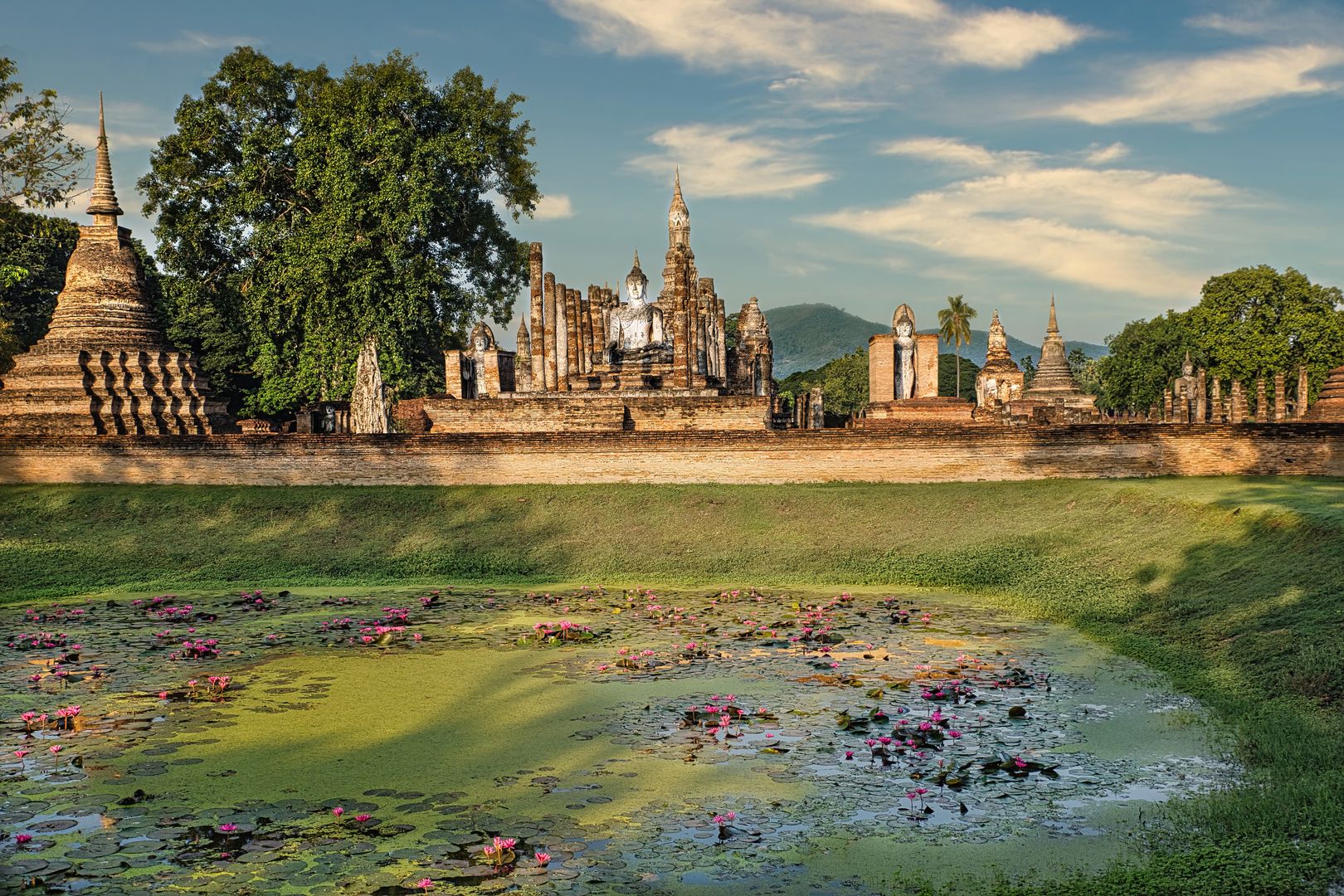
thailandSukhothai Travel Guide: Cycling Through Thailand's First Kingdom
Sukhothai was the capital of Thailand's first kingdom from the 13th to 15th centuries. The ruins — 193 temples spread across a 70 km² historical park — are best seen at dawn on a bicycle, before the tour buses arrive and while the mist still sits over the lotus ponds.
Henrik Vinter
15 May 2026
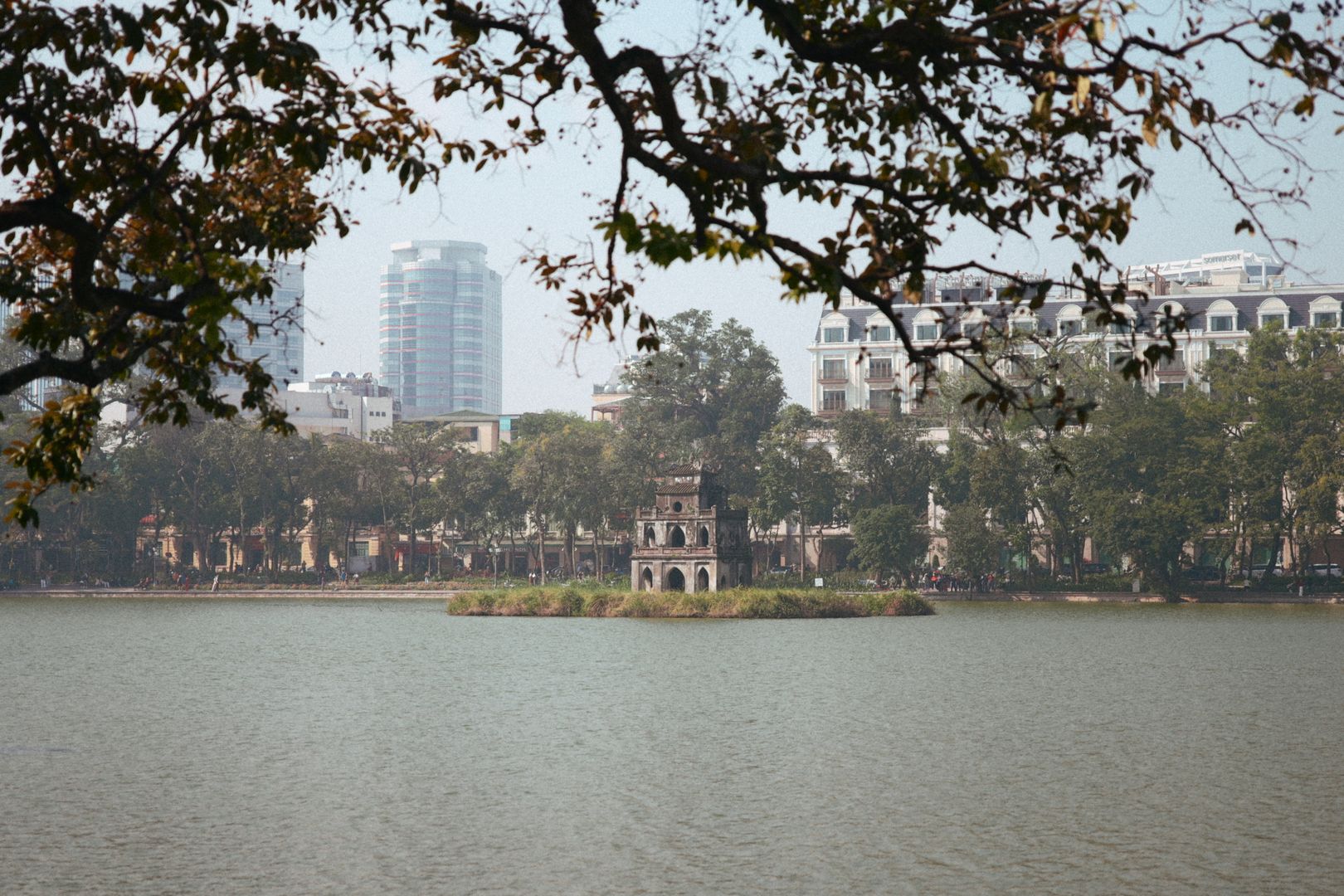
vietnamHanoi Travel Guide: Old Quarter, Hoan Kiem Lake, and a Capital That Moves Fast
Hanoi is Vietnam's capital and has been a city for over 1,000 years. The Old Quarter — 36 streets originally organised by trade guild — is still the commercial centre, still chaotic, and increasingly expensive. Hoan Kiem Lake sits at its edge like a pause button. The food is worth the trip by itself.
Henrik Vinter

15 May 2026
vietnamNinh Binh Guide: Tam Coc, Trang An, and the Karsts Without the Boat Traffic
Ninh Binh sits 90km south of Hanoi at the edge of a karst landscape — limestone mountains rising from rice paddies, river caves accessible by rowing boat, and one of Vietnam's most complete ancient imperial citadels. It is often called the inland Ha Long Bay, which understates how different it is from Ha Long Bay.
Henrik Vinter
14 May 2026
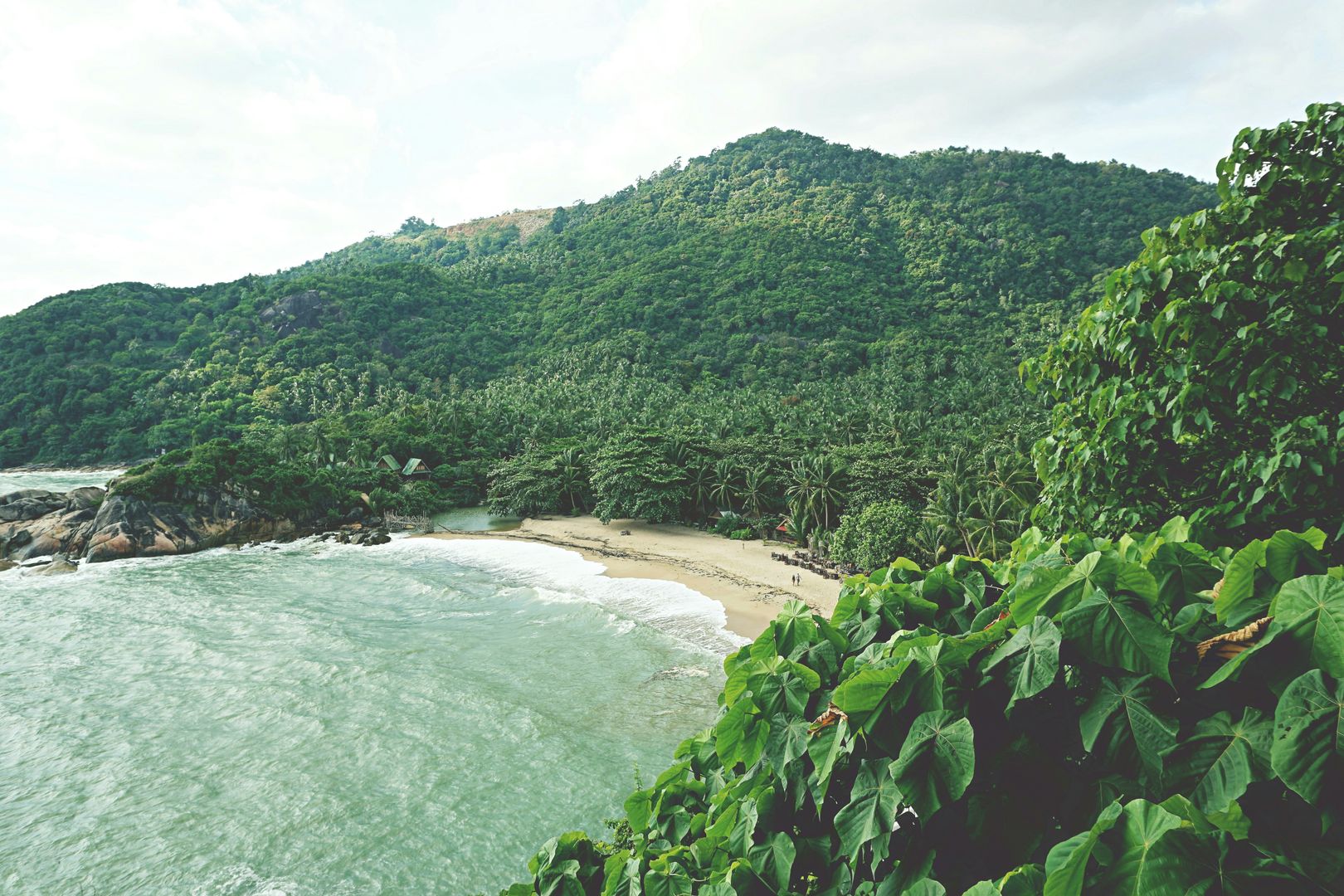
thailandKoh Phangan Travel Guide: Beyond the Full Moon Party
The Full Moon Party is real and it is worth doing once. But Koh Phangan is also a 168 km² island with a national park, a dozen quiet bays, a functioning yoga industry, and some of the best seafood in the Gulf of Thailand. Most of it has nothing to do with buckets and neon paint.
Henrik Vinter
7 May 2026
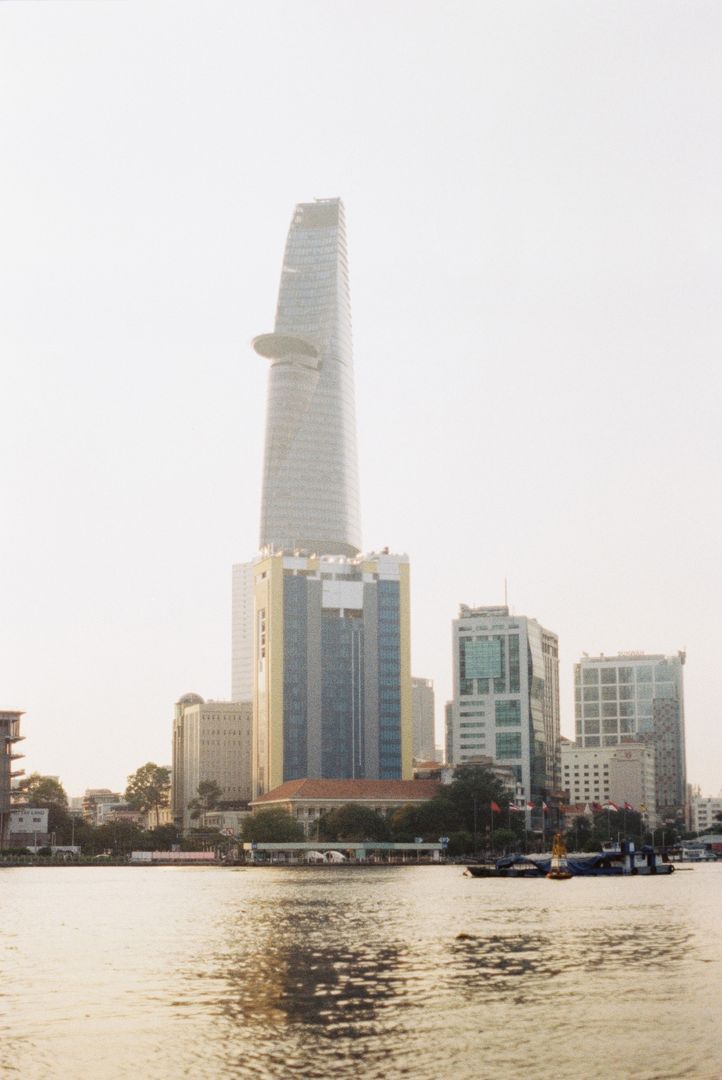
vietnamHuế Travel Guide: Imperial Citadel, Royal Tombs, and the Food Capital of Central Vietnam
Huế was Vietnam's imperial capital for 143 years under the Nguyen dynasty. The citadel, the royal tombs, and the Perfume River are the architectural evidence. The food — bún bò Huế, bánh khoái, cơm hến — is the other reason the city has a reputation that outlasts most of the travellers who pass through it.
Henrik Vinter
5 May 2026
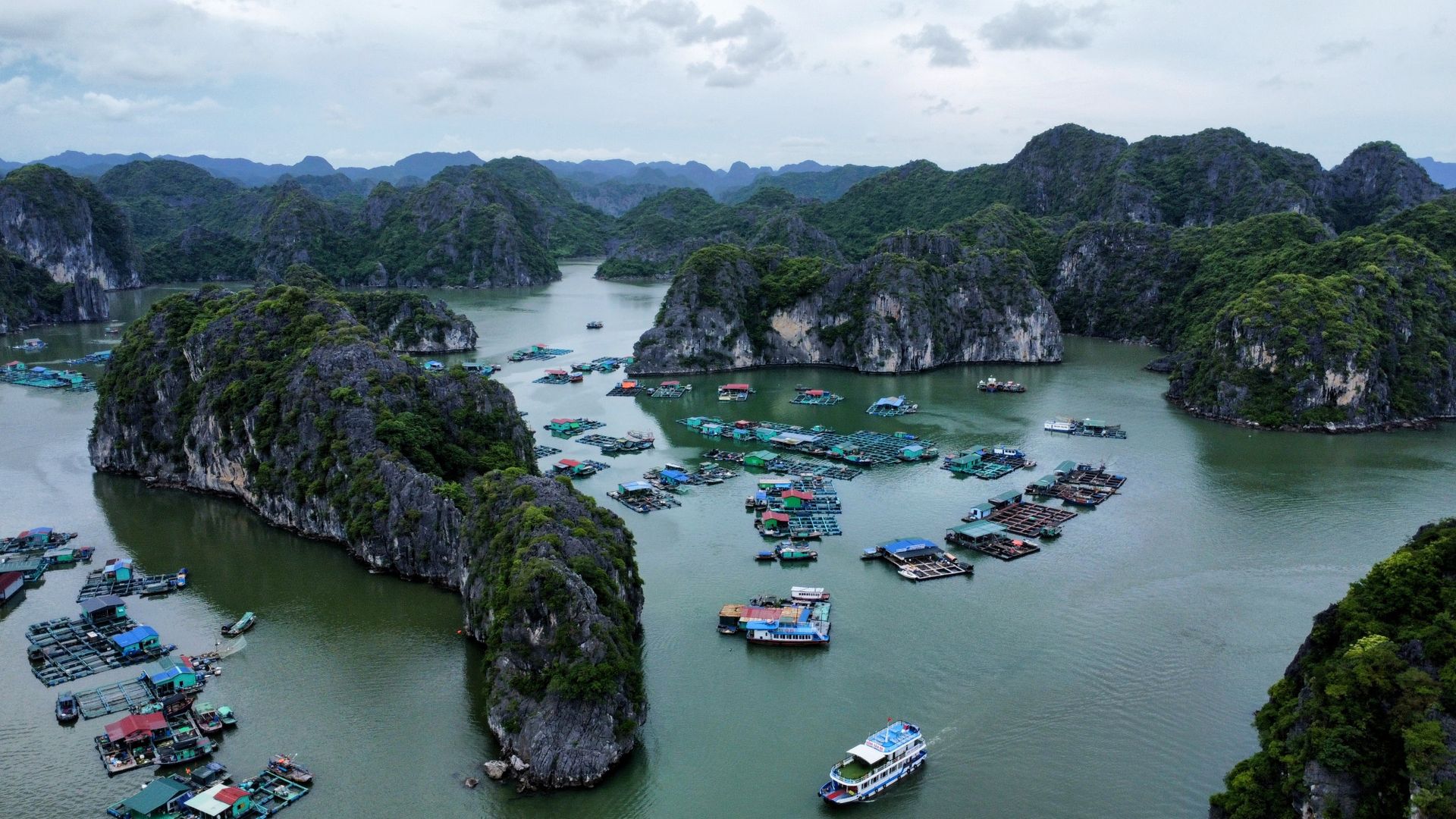
vietnamHa Long Bay Travel Guide: Overnight Cruises, Cat Ba Island, and Which Bay to Choose
Ha Long Bay's 1,969 limestone islands are among the most striking seascapes in Asia. The overnight cruise is the standard way to see them — the quality range is enormous. Lan Ha Bay and Bai Tu Long Bay offer the same geology with fewer boats. Cat Ba Island gives access to all three without committing to a single cruise operator.
Henrik Vinter
5 May 2026
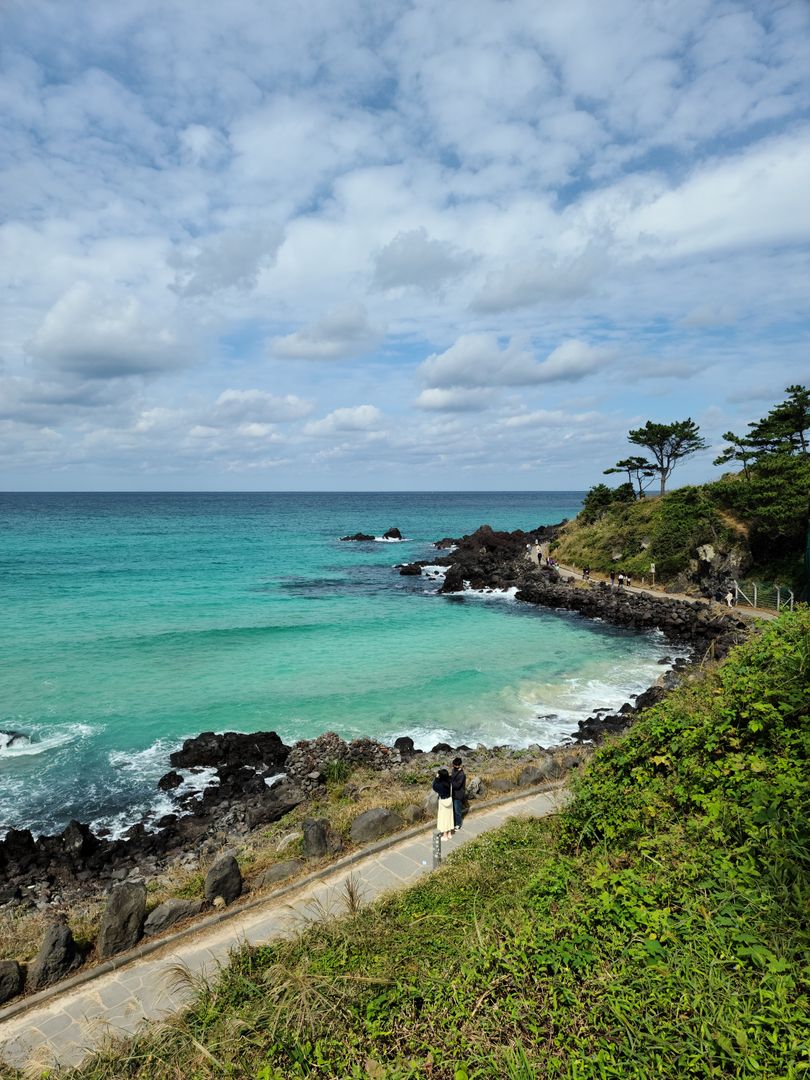
south koreaBusan Travel Guide: Gamcheon Village, the Fish Market, and Korea's Second City
Busan is South Korea's second city and its largest port — a working industrial city on a spectacular coastline. Gamcheon Culture Village, Jagalchi Fish Market, and the cliff-side Haedong Yonggungsa Temple are the main attractions. The seafood is the best reason to go.
Henrik Vinter

4 May 2026
cambodiaSiem Reap and Angkor: The Temple Complex, the Logistics, and How Many Days You Actually Need
Angkor is the largest religious monument ever constructed — a 400 km² complex of over 1,000 temples built between the 9th and 15th centuries. Three days is the minimum to see it properly. Siem Reap, the gateway town, has caught up to the temples as a reason to visit in its own right.
Henrik Vinter

3 May 2026
vietnamHo Chi Minh City Travel Guide: Districts, the War History, and Street Food in Saigon
Ho Chi Minh City — still called Saigon by most residents — is Vietnam's commercial capital and its most kinetic city. The War Remnants Museum is the most important single visit. The food, from $1 bánh mì to three-hour hotpot dinners, is the reason to stay longer than you planned.
Henrik Vinter
3 May 2026
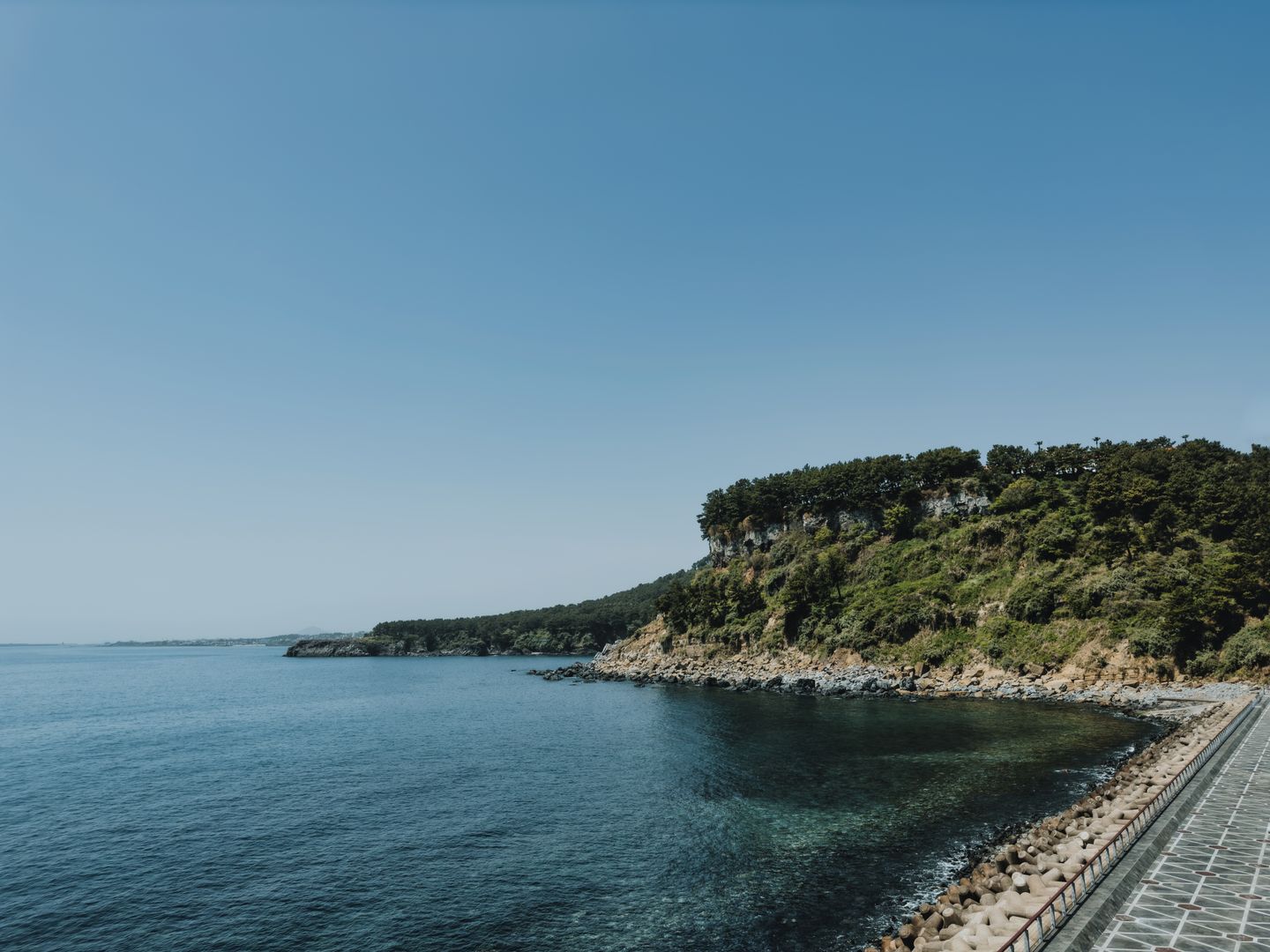
south koreaJeju Island Travel Guide: Hallasan, Lava Tubes, and the Volcanic Coast
Jeju is a volcanic island 90km south of the Korean mainland — Hallasan at the centre, lava tubes underneath, basalt coastline around the edges. The island has been a domestic honeymoon destination for decades and an international one more recently. A rental car is not optional; most of what makes Jeju worth visiting is accessible only by road.
Henrik Vinter

2 May 2026
south koreaSeoul Travel Guide: Palaces, Neighbourhoods, and the Food That Keeps People Longer Than Planned
Seoul is a city of 10 million people in a metro area of 26 million, built into a landscape of granite mountains and the Han River. The infrastructure is excellent, the food range is extraordinary, and the combination of ancient palaces and contemporary neighbourhoods is closer to Tokyo than to any other Southeast Asian capital.
Henrik Vinter

1 May 2026
cambodiaCambodia's Islands and Coast: Koh Rong, Koh Rong Samloem, Kampot, and Kep
The Cambodian coast is still developing as a destination — infrastructure is basic in places, and Sihanoukville's Chinese casino development has changed the character of the mainland departure point. The islands themselves remain largely unspoiled. Kampot and Kep, an hour south, are a different proposition: river towns, pepper farms, and some of the best crabs in Southeast Asia.
Henrik Vinter

30 April 2026
cambodiaPhnom Penh Travel Guide: The Khmer Rouge History, the Riverside, and a Capital That's Moving Fast
Phnom Penh has changed faster in the past decade than almost any capital in Southeast Asia. The Khmer Rouge history — S-21 and the Killing Fields — remains the most important thing to understand about Cambodia. The city around it is increasingly worth a few days on its own terms.
Henrik Vinter
23 April 2026
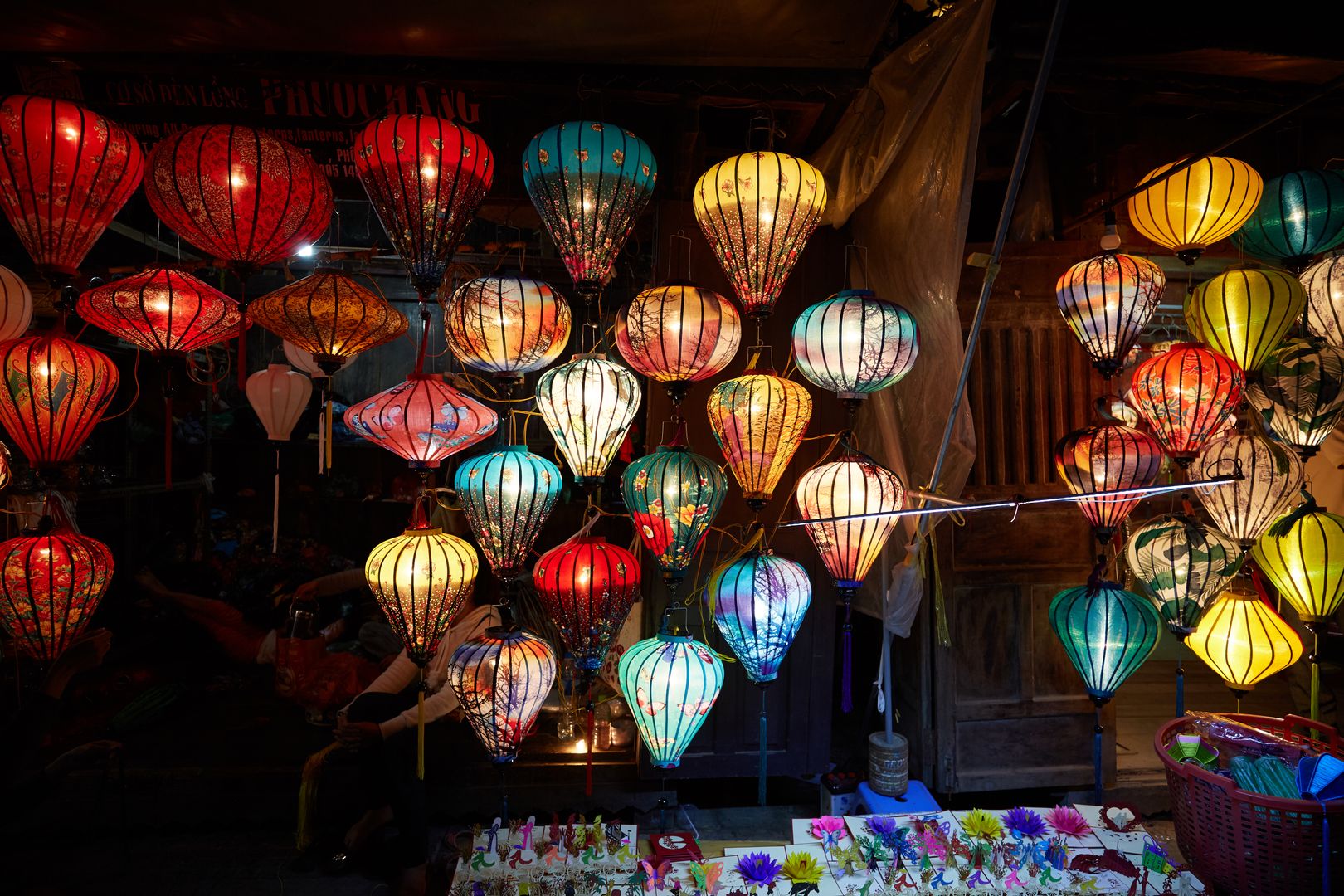
vietnamSapa, Vietnam: Trekking the Rice Terraces and Getting There Without the Tour
Sapa sits at 1,500 metres near the Chinese border. The rice terraces peak in September and October during harvest. Most visitors come on weekend tours from Hanoi—going independently is cheaper and significantly more flexible.
Henrik Vinter

21 April 2026
philippinesCebu, Philippines: Whale Sharks, Diving, and Island Hopping the Visayas
Cebu is the Philippines' most accessible island beyond Palawan—direct international flights, good dive sites, and a central location for reaching the Visayas islands. The whale shark watching at Oslob has a controversial history; here's what you need to know.
Henrik Vinter

19 April 2026
baliLombok Travel Guide: Rinjani, the South Coast, and Life Without the Crowds
Lombok is 35km east of Bali with a fraction of the visitors. The south coast beaches are more dramatic than anything on Bali, and Rinjani is one of the finest two-day volcano treks in Southeast Asia.
Henrik Vinter

13 April 2026
indiaKerala Travel Guide: Backwaters, Beaches, and When Monsoon Works
Kerala has two monsoon systems and one of India's most functional tourist infrastructures. The backwaters, the hill stations, and the beaches are all accessible without the logistical friction of many Indian destinations.
Henrik Vinter
13 April 2026
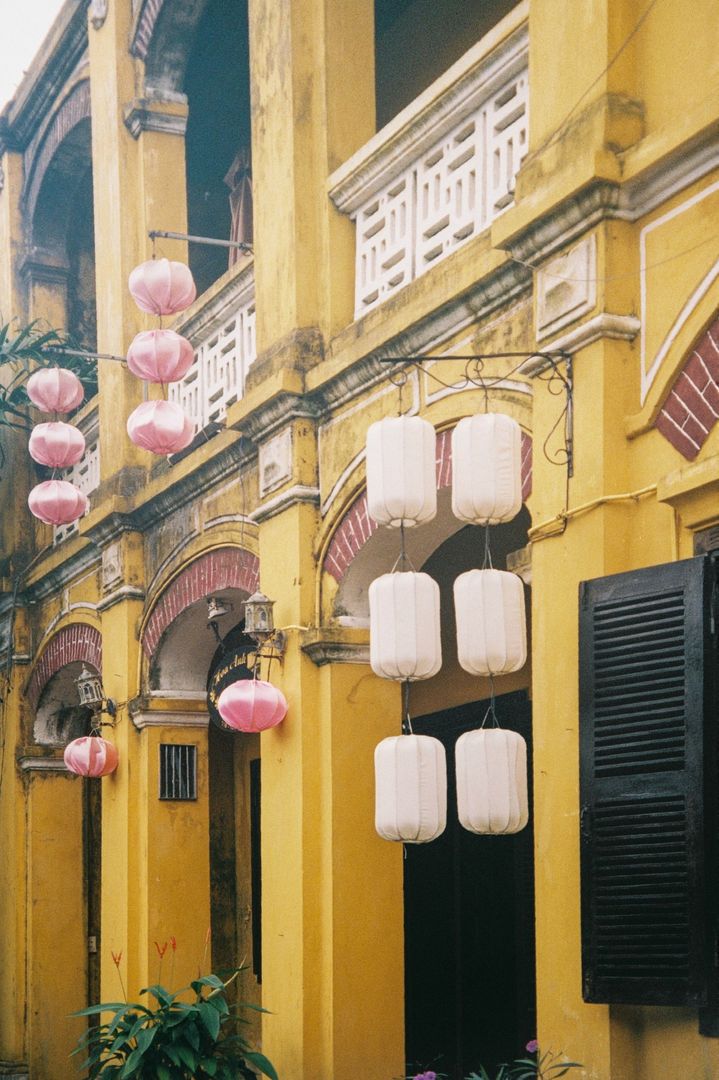
vietnamHoi An Travel Guide: Ancient Town, Tailors, and Getting the Timing Right
Hoi An's Ancient Town is genuinely old and genuinely atmospheric—but it's also one of Vietnam's most visited destinations, with pricing to match. Here's how to make it work.
Henrik Vinter
9 April 2026
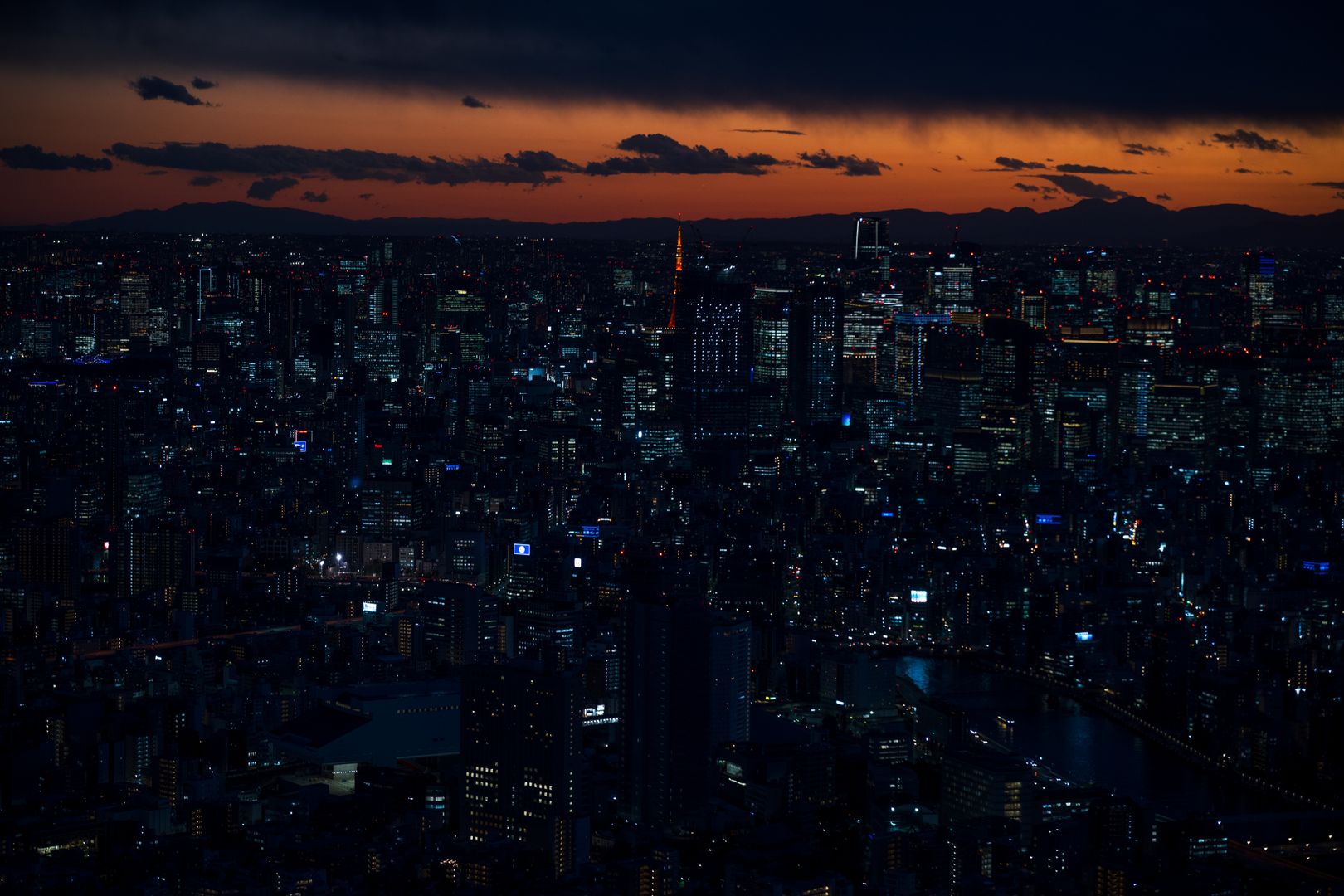
japanTokyo Neighbourhoods: Where to Stay and What Each Area Is Like
Tokyo spans 627 km² across 23 special wards and over 40 distinct neighbourhoods, each with its own character, price tier, and convenience profile. Where you stay determines your daily commute pattern and which parts of the city feel accessible — staying in the wrong area for your interests can add 45 minutes of transit time to every outing. The Yamanote Line, the circular JR loop connecting 29 stations in 60 minutes, forms the city's backbone. East of it (Asakusa, Ueno, Akihabara) tends toward tradition and affordability; west (Shinjuku, Shibuya, Harajuku, Omotesando) leans contemporary and expensive. Understanding this geography before booking is more useful than comparing hotel star ratings.
Henrik Vinter

24 March 2026
japanJapan Rail Pass: Is It Worth It for Your Trip?
The fastest Shinkansen trains between Tokyo and Osaka—the Nozomi services—don't accept the Japan Rail Pass. Only the slower Hikari trains are covered. On this route, that's a difference of 50 minutes (Nozomi: 2h 25m vs. Hikari: 3h 15m). If your itinerary relies on Nozomi for speed, the JR Pass math changes immediately.
Henrik Vinter

22 March 2026
japanJapan on a Budget: What Things Cost and Where to Save
Japan costs roughly 60% of what a comparable trip to London, Paris, or Sydney costs in 2026, and this gap has widened since 2023 due to yen weakness. A mid-range traveller spends £40–65 per day on everything except long-distance trains and accommodation—substantially less than the same itinerary in Western Europe. The persistent myth that Japan is prohibitively expensive dates from 2010–2015, when the yen was strong and budget options were genuinely scarce. In 2026, with a weak yen hovering around 150–155 to the US dollar and 190–200 to the pound, and with capsule hotels, business hotel chains, and ramen culture thriving, Japan is one of the most sensible budget destinations in developed Asia.
Henrik Vinter

22 March 2026
japanNara Day Trip from Kyoto or Osaka: Deer, Temples, and How to Do It
Nara was Japan's first permanent capital from 710–794 AD and is now home to 370,000 people and over 1,200 freely roaming sika deer. The deer are the draw — they will bow, headbutt you for crackers, and occasionally eat your map. It is exactly what it sounds like, and it is excellent. Most visitors from Kyoto or Osaka can see the essential sights in three to four hours, though the experience easily stretches to a half day. The question isn't whether to go — it's how to fit it into your existing itinerary without wasting time.
Henrik Vinter

21 March 2026
japanHakone and Mount Fuji: The Practical Guide
Mount Fuji is hidden by cloud approximately 60% of the time year-round. This single fact should shape your entire itinerary. If you plan to see the mountain from a summit or base viewpoint, allocate multiple days in the Hakone and Fuji area, or accept that you may see nothing but grey. The mountain is most visible in October and during clear spells in December to February. If you're set on summiting, July to early September is the only window — and even then, you'll climb into cloud cover roughly half the time. The area remains rewarding without Fuji views: Hakone itself is a functional mountain resort with geothermal water, ropeway access to volcanic vents, and an excellent open-air museum. But the Fuji element is the draw, and pretending otherwise leads to disappointment.
Henrik Vinter
20 March 2026
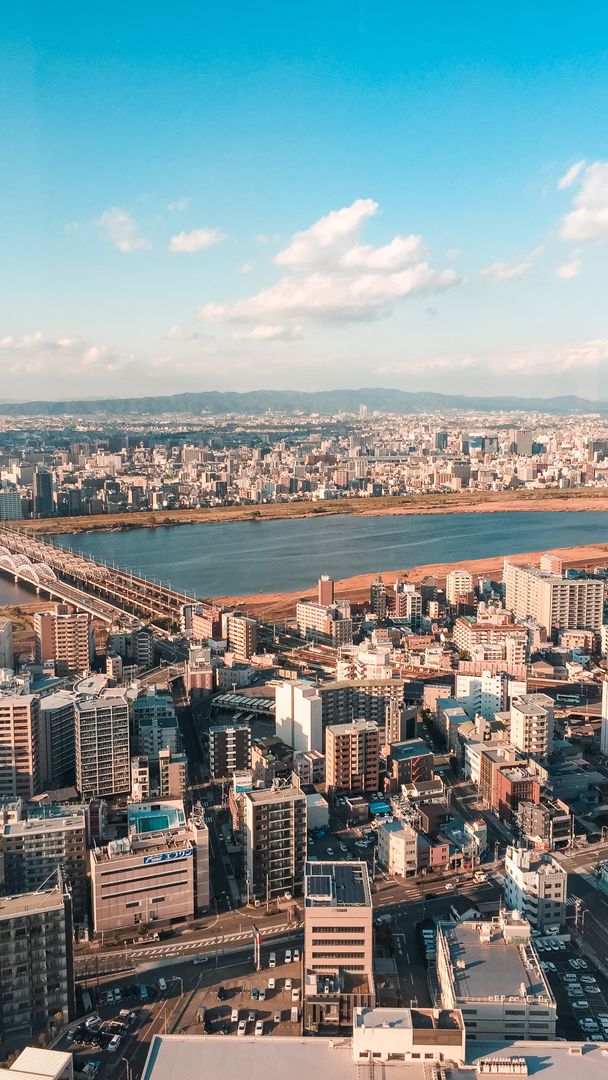
japanOsaka Travel Guide: Food, Neighbourhoods, and What the City Is Actually Like
Osaka's reputation outside Japan is as Tokyo's louder, messier cousin — a characterization that misses the point entirely. The city that other Japanese cities consider too direct, too loud, too willing to talk to strangers. Local saying: "Kyoto people are subtle, Osaka people are direct." The food is richer, the humour sharper, and the street energy closer to Hong Kong or Naples than to Tokyo's contained precision. For many long-term Japan visitors, it is the most approachable Japanese city — and the only one where pointing at a menu and grunting is not just acceptable but expected.
Henrik Vinter
20 March 2026
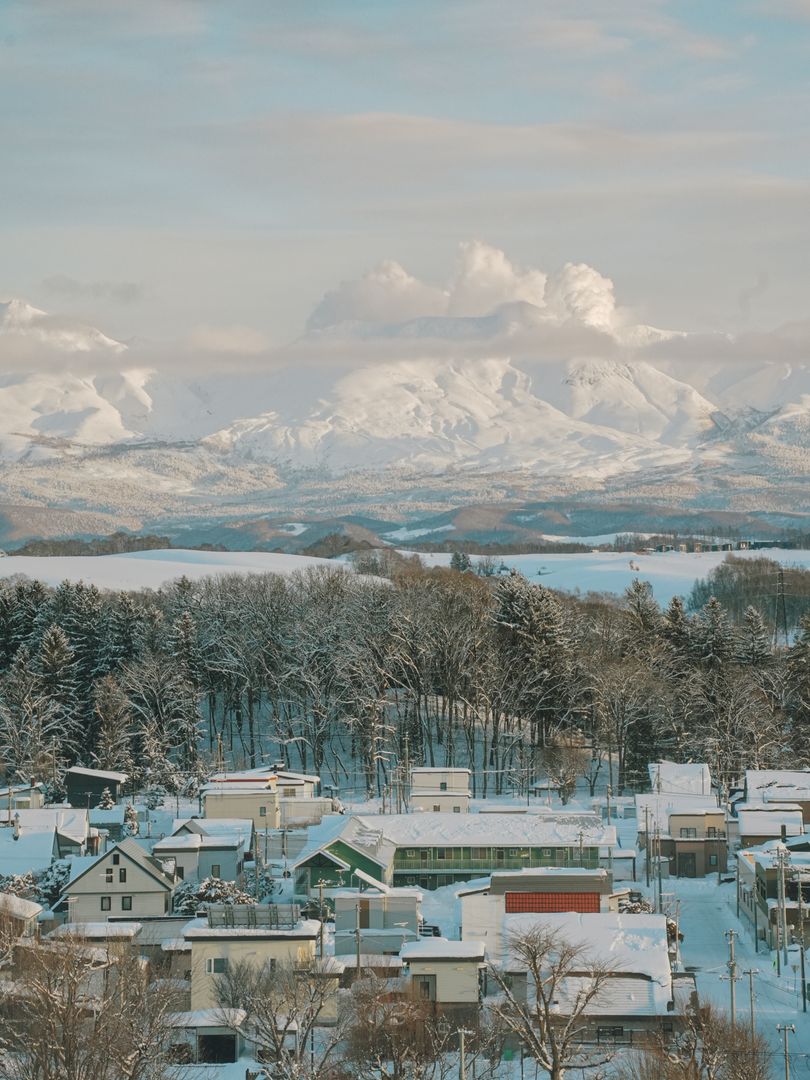
japanHokkaido Travel Guide: Japan's Wild North
Hokkaido is not a smaller version of Honshu — it is a fundamentally different Japan. The island covers 22% of Japan's land area but holds only 4% of the population. The climate is subarctic: winters drop to −10°C in Sapporo, −20°C in rural valleys, with annual snowfall exceeding 15 metres in ski zones. Summers stay dry and mild (20–25°C), free of the humidity that makes Tokyo in July oppressive. This is a choice between two entirely separate Japan experiences, separated by geography and season.
Henrik Vinter

19 March 2026
japanHiroshima and Miyajima: What to Know Before You Visit
Hiroshima is simultaneously a modern, well-functioning city of 1.2 million people and the site of the world's first atomic bomb attack on August 6, 1945. Visiting requires some capacity to sit with that contradiction. The Peace Memorial Museum does not simplify or sanitise the event. If you approach it with that expectation, it becomes one of the most worthwhile museum visits in Japan—not as tourism, but as necessary witness.
Henrik Vinter

18 March 2026
japanKyoto Travel Guide: What First-Timers Actually Need
Kyoto holds 17 of Japan's UNESCO World Heritage Sites and more temples than any comparable city in the world — 1,700+ temples and shrines scattered across a basin the size of Greater London. The central problem isn't finding things to do. It's deciding how many temples you can genuinely appreciate before they blur into architectural repetition. Two full days is the practical minimum to see the main sites without a sense of rushing. Three days is the threshold where you can actually spend time in places instead of collecting them.
Henrik Vinter

16 March 2026
japanOne Week in Japan: A Practical First-Timer's Itinerary
A one-week Japan itinerary typically follows the Tokyo–Kyoto–Osaka circuit, and it works well for first-timers because these three cities are connected by reliable trains and collectively show Japan's contradictions: megacity noise, temple forests, neon districts, and centuries-old shrine districts within 30 minutes of each other. What first-timers get wrong is thinking seven days is enough to add Hiroshima without rushing—it isn't. This route instead prioritises depth over distance. Decide upfront whether you're optimising for urban exploration, temple culture, food, or sensory contrast. Everything else follows from that choice.
Henrik Vinter

20 February 2026
omanOman Travel Guide: Muscat, the Desert, and the Green Mountain
Oman is not the UAE, and the moment you step out of Muscat International Airport, you'll notice the deliberate difference. Where Dubai performs its modernity vertically, in glass and brand saturation, Oman sprawls horizontally—quiet, older, built around what's actually there rather than what investors want you to see. The forts are centuries old and still standing. The desert is genuinely overwhelming. The souqs operate on genuine commerce, not theatre. Most visitors arrive expecting a Dubai-adjacent experience and leave wondering why they hadn't come here first.
Henrik Vinter

17 February 2026
jordanJordan in One Week: Petra, Wadi Rum, and the Dead Sea
A seven-day trip to Jordan costs between JD 50–150 per day depending on accommodation choices, and the single biggest planning decision is whether to buy the Jordan Pass—it pays for itself if you stay longer than three nights and visit Petra. Most Western travellers arrive expecting bureaucratic friction and find instead a small, stable country where the main sites are connected by a single highway, English is spoken widely, and a rental car costs JD 25–40 per day. The real shock is that Jordan remains one of the easiest and cheapest Middle Eastern countries to navigate independently, yet it absorbs far fewer tourists than Egypt or Lebanon.
Henrik Vinter

16 February 2026
taiwanTaipei Travel Guide: The Practical First-Timer's Briefing
Taipei is cheaper than Tokyo, calmer than Bangkok, and less organised around performance than Seoul. It offers better night market culture than any of them — and rewards wandering more than following a predetermined list. The gaps between the tourist highlights are often where Taipei's actual character lives: the side streets in Da'an, the morning dumpling shops, the temple districts where worship still happens without an audience. First-time visitors who spend three days following an itinerary and two days getting lost will see the city more clearly than those who book every hour.
Henrik Vinter

14 February 2026
japanBest Time to Visit Japan: A Month-by-Month Guide
Japan's peak seasons are narrow, furious, and prices-tripling events. Late March through early April brings cherry blossoms and the year's largest crowd surge; mid-November replicates it with autumn foliage. Between these two poles sits a year that most travellers ignore: July and August are genuinely hot and humid in most of Honshu but manageable in Hokkaido; June is rainy but photographers and budget travellers find underrated value; May 6–31 and October are genuinely excellent with near-zero crowds; January and early December are quiet and cheap.
Henrik Vinter

13 February 2026
south koreaSeoul First-Timer Guide: What to Know Before You Go
Seoul's greatest shock for first-timers is how efficiently it runs despite almost no English street signage outside tourist zones. The city is safer and cheaper than most Asian capitals, the subway is colour-coded and announces stops in English, and a ₩3,000 T-money card unlocks everything. Yet without it—and the Naver Map or Kakao Map app in your pocket—you'll waste entire mornings navigating. This is the contract Seoul offers: exceptional infrastructure that requires you to use it on Seoul's terms, not yours.
Henrik Vinter

12 February 2026
indiaRajasthan: How to Plan a Two-Week Trip Through India's Desert Kingdom
Rajasthan is one of the few places in India where the historical setting is as dramatic as the guidebooks claim. The Mehrangarh Fort above Jodhpur, the lake palaces of Udaipur, the sand dunes outside Jaisalmer, the pink-walled City Palace of Jaipur — these are not overrated. They require planning to experience well, because the distances between them are significant and the heat from March onwards is severe. A two-week Rajasthan itinerary moving through the four major cities is the standard circuit, and it works because each stop has a distinct character and the logistics between them — train, bus, or private car — are straightforward if booked ahead.
Henrik Vinter

4 February 2026
indiaGoa vs Kerala: Which Part of South India Should You Choose
Goa and Kerala are 400km apart and almost completely different destinations. Goa is a beach holiday: colonial Portuguese towns, nightlife, beach shacks, and established tourist infrastructure. Kerala is a cultural and ecological experience: backwaters, tea plantations, ayurveda, and a food tradition that stands apart from the rest of India. The question "Goa vs Kerala — which is better" has no answer because they solve different problems. You can visit both in a two-week trip; you shouldn't try to combine them into a single experience.
Henrik Vinter

3 February 2026
nepalNepal Trekking for Beginners: Annapurna vs Everest Base Camp
Everest Base Camp and the Annapurna treks are genuinely extraordinary, but they are not equivalent experiences. The decision comes down to what you want from two weeks in Nepal: a pilgrimage to the world's highest mountain, or a more varied topographic and cultural introduction to high-altitude trekking. Both require 12–16 days and cardiovascular fitness rather than technical skill. Neither will be easy above 4,000m, but the Everest trek loads more altitude challenge into a shorter timeframe, while the Annapurna options spread the climb more gradually and offer sharper landscape transitions.
Henrik Vinter

1 February 2026
indiaIndia's Golden Triangle: Delhi, Agra, and Jaipur for First-Timers
Delhi, Agra, and Jaipur form India's most-travelled circuit because the three cities are connected by express trains, separated by 3–4 hours, and contain the country's most recognisable monuments. This understates what first-time visitors encounter. Delhi alone has 32 million residents, traffic that moves at walking pace during peak hours, and an air quality that can affect breathing within hours of arrival. The sensory intensity — noise, crowding, smell, visual chaos — disorients many travellers who've never been to South Asia. Agra exists almost entirely around the Taj Mahal. Jaipur is more manageable but not small. The circuit takes a minimum of seven days to do with any depth; ten days is comfortable. Going in knowing the actual conditions — the scams, the crowds, the heat — prepares you far better than the standard framing of this as an "easy introduction to India."
Henrik Vinter

26 January 2026
sri lankaSri Lanka in 10 Days: A Practical Route Through the Island
A 10-day circuit of Sri Lanka covers the cultural triangle, hill country, and coast in a logical sequence without backtracking — but only if you move south or east from the cultural sites instead of returning to Colombo. The island is compact (300km north to south), yet transport is slow: a private driver with a vehicle covers roughly 150km in five hours on main roads. The efficient route is Colombo (transit) → cultural triangle (Dambulla, Sigiriya, Polonnaruwa) → highlands (Kandy, Ella via train) → coast (south or east, depending on monsoon season). This avoids reversing direction and maximises distinct landscapes.
Henrik Vinter

24 January 2026
maldivesMaldives Without the Resort Price Tag: What's Actually Possible
The single honest fact that changes every budget Maldives conversation: an overwater bungalow at a resort costs €600–2,000 per night. A guesthouse room on a local island—on the same reef, with the same fish below the water—costs €60–150 per night. The €1,800 daily difference buys privacy, exclusivity, seaplane transfers, and the ability to snorkel alone at dawn. The water and marine life are identical. Understanding what you're actually paying for at a resort versus what you're getting on a local island determines whether the price gap makes sense for your trip.
Henrik Vinter

17 January 2026
japanKyoto vs Osaka: How to Split Your Japan Time
Kyoto and Osaka sit 75km apart and are connected by Shinkansen (14 minutes, €12), Hankyu Railway (45 minutes, €3.50), and Kintetsu Railway (35 minutes express, €7). They're close enough to day-trip between but fundamentally different in purpose. Kyoto is the former imperial capital — 17 UNESCO sites, 1,600+ temples, a city designed around cultural pilgrimage. Osaka is the food-forward commercial city that generates revenue instead of nostalgia. Choosing the wrong base for your travel style wastes commute time every morning. This guide clarifies which city to sleep in, how many days each requires, and what actually takes priority when your time is limited.
Henrik Vinter

16 January 2026
turkeyIstanbul for First-Timers: Where East Meets Your Itinerary
Istanbul straddles two continents, and this split is not decorative—it dictates how the city functions, where tourists cluster, and where actual life happens. The European side holds the historical sights that draw most first-timers: Hagia Sophia, the Blue Mosque, Topkapı Palace, and the Grand Bazaar. The Asian side—primarily Kadıköy and Üsküdar—is where 10 million residents eat, work, and spend weekends without foreign tour groups. The Bosphorus strait running between them is 700 metres wide and crossed by regular ferries for €0.80 each way. That single commute encapsulates why Istanbul works: a journey between continents costs less than a coffee.
Henrik Vinter