
Getting There
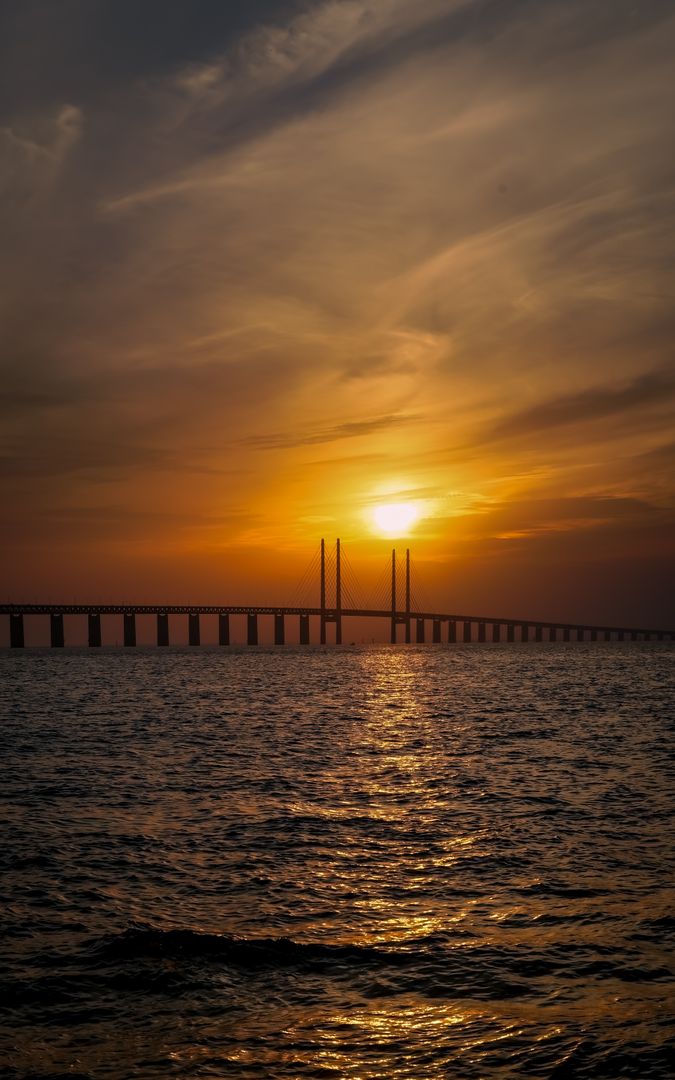
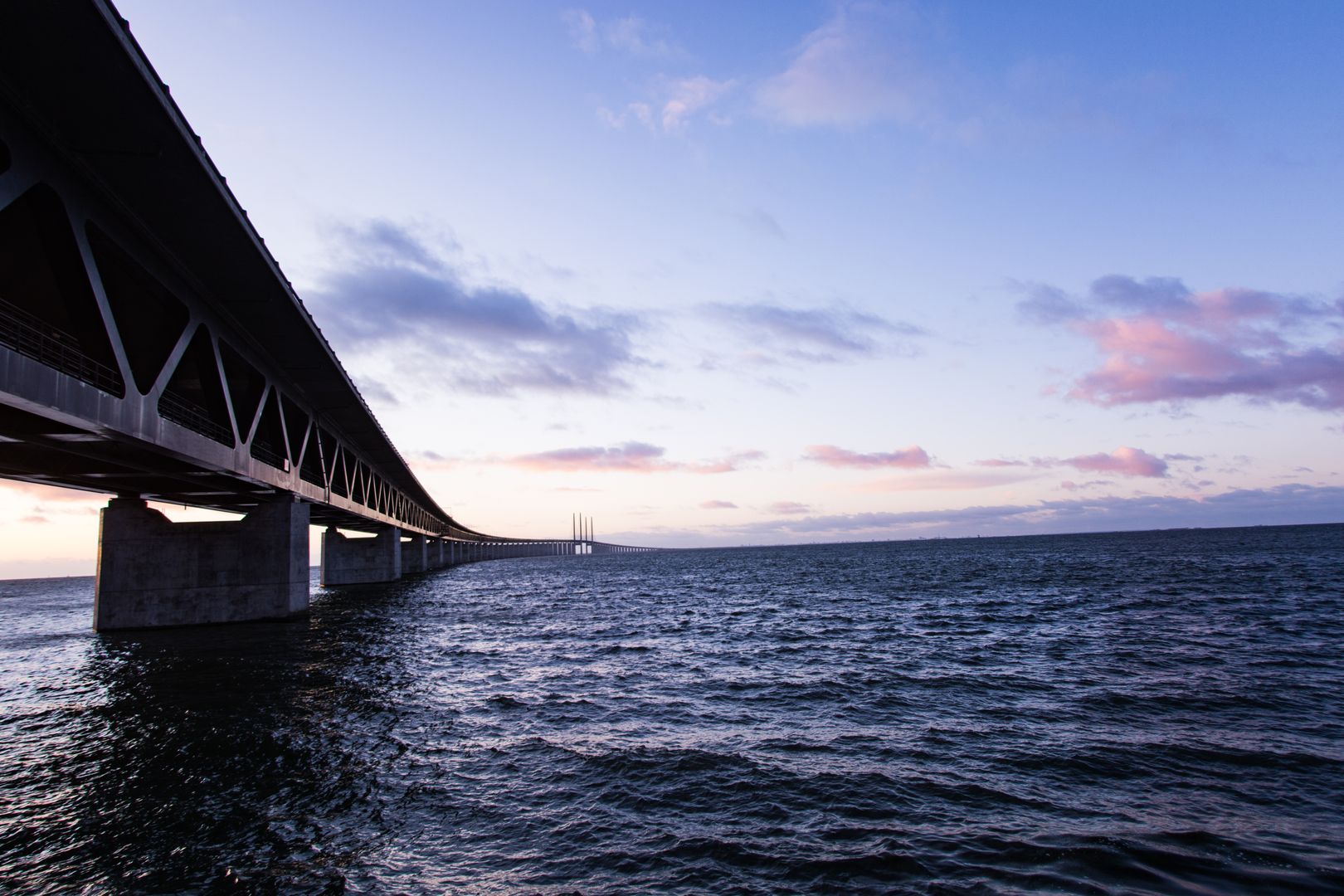
Malmö is the most accessible city in Sweden from continental Europe. The Öresund Bridge connects it directly to Copenhagen — a 15-minute train ride from Copenhagen Central Station to Malmö Central Station. If you're flying into Copenhagen Airport (CPH), you can be in Malmö in 20–25 minutes on the regional Øresundståg trains that stop at the airport. This makes Malmö functionally a day trip from Copenhagen or an easy overnight stop when flying into CPH for a broader Scandinavian journey.
From Stockholm, the high-speed train takes around 4.5 hours. From Gothenburg, 2.5 hours. Malmö fits naturally as the southern anchor of a Swedish rail trip.
Malmö Airport (MMX) handles some budget European routes but is 30 km east of the city centre and less convenient than flying to CPH and crossing by train. Most visitors arrive via Copenhagen Airport.
Gamla Staden: The Old Town
Malmö's old town is compact — roughly 15 minutes to cross on foot — centred on Stortorget, the main square. The town hall dates from the 1540s and is one of the oldest secular buildings in Sweden. The step-gabled facade and red-brick surface are characteristic of the Danish-influenced Scandinavian Renaissance architecture of the period. Malmö was a Danish city until 1658, when the Treaty of Roskilde transferred it to Sweden after the Second Northern War.
St. Peter's Church (Sankt Petri Kyrka), dating from the 14th century, is the oldest building in Malmö and sits half a block from Stortorget. The interior has partial medieval wall paintings, partly exposed in a 19th-century restoration.
Lilla Torg — the Little Square, two minutes from Stortorget — is a tighter cobblestone square surrounded by half-timbered houses from the 16th and 17th centuries. It has been converted into a dining and bar district with outdoor seating in summer and heated tents in winter. The combination of preserved historical architecture with a functioning restaurant quarter is what makes the old town worth more than a quick look.
Turning Torso and the Western Harbour
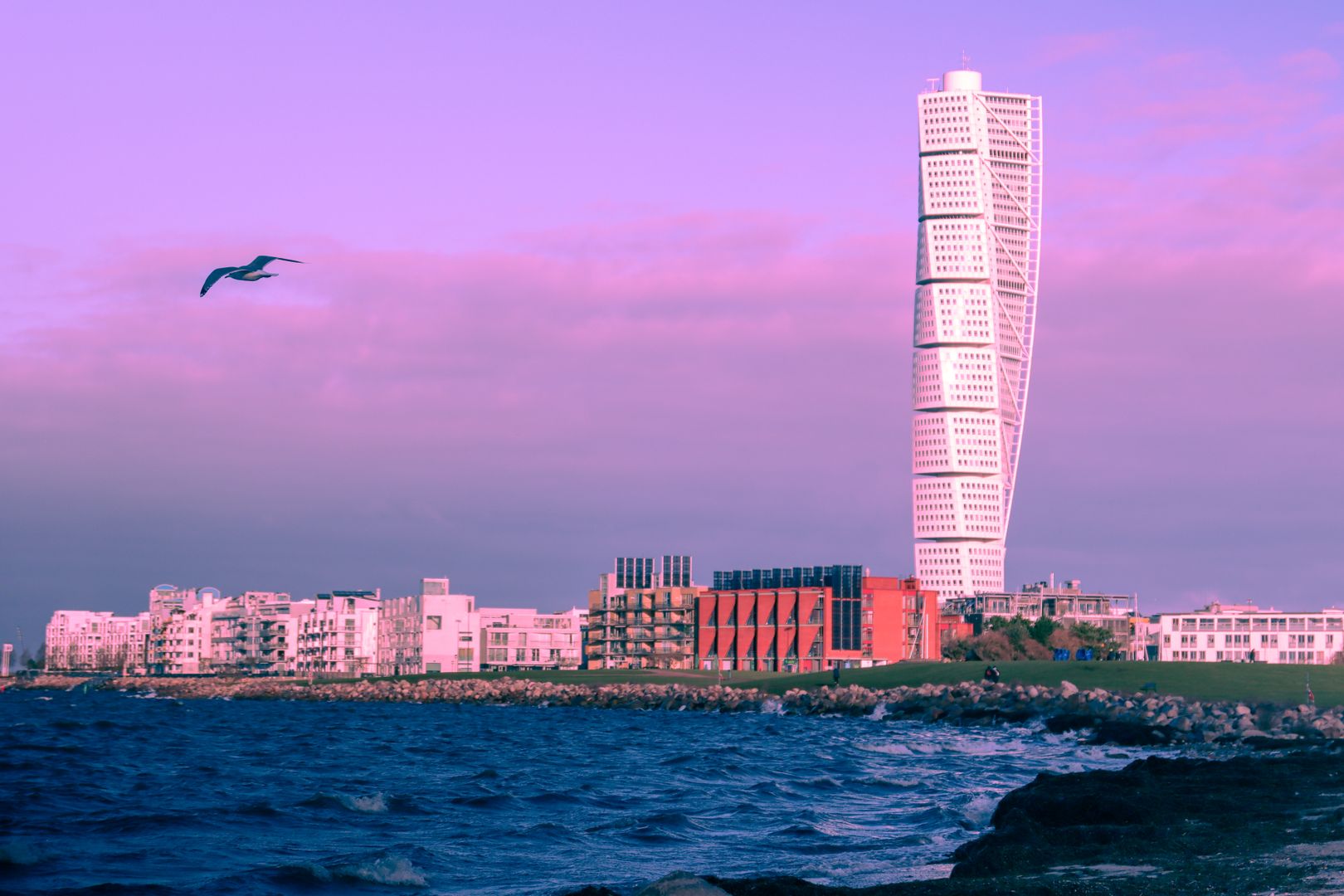
The Turning Torso is a 190-metre residential skyscraper designed by Santiago Calatrava, completed in 2005. It's the tallest building in Scandinavia and is held together by a twisting white steel exoskeleton that rotates 90 degrees from base to top. It is visible from the train window as you approach Malmö from Copenhagen.
The tower stands in the Western Harbour (Västra Hamnen), built on the site of the former Kockums shipyard — one of the largest shipyards in the world during its operation, closed in 1986. The site was redeveloped from the 1990s and served as the showcase development for the 2001 European Housing Expo. It is now a dense, walkable waterfront district with cafés, a public beach, parks, and views across the Öresund to the Danish coast and offshore wind turbines.
The Turning Torso is a residential building — no observation deck, no public access. The exterior and the surrounding waterfront promenade are the reason to come to this part of the city. On clear days the Öresund Bridge is visible curving toward Copenhagen from the harbour walkway.
Food and the Multicultural Scene
Malmö has one of the most ethnically diverse populations of any city in Scandinavia — around 170 nationalities represented in a city of 360,000. The food scene reflects this in a way that Stockholm's more homogeneous restaurant landscape doesn't fully replicate.
Möllevångstorget (Möllan) in the southern part of the city centre is the market square at the heart of the Middle Eastern and North African community that settled in the area from the 1970s onwards. The market stalls sell vegetables, spices, and fresh produce at prices below the Swedish average. The surrounding streets have kebab restaurants, falafel shops, Lebanese pastry, and halal butchers alongside Swedish cafés and newer Nordic restaurants.
Malmö has several Michelin-starred restaurants, including Vollmers, and a casual dining scene that punches above its size. For food-focused travel specifically, the city is underrated compared to Stockholm and Gothenburg.
Saluhallen, the covered food market near Stortorget, is open weekdays and Saturdays with Swedish specialty foods, cheese, fish, and prepared food stalls — useful as an orientation point for local food culture and practical for lunch.
Day Trip to Copenhagen
The standard arrangement is to treat Malmö as a day trip from Copenhagen. The reverse works equally well: using Malmö as a base can be cheaper for accommodation while still giving easy access to Copenhagen's museums, Nyhavn, and Tivoli. Copenhagen Central to Malmö Central costs around 100–120 DKK (130–160 SEK) each way; trains run several times per hour.
Copenhagen Airport is 40 minutes from Malmö Central by direct train — a genuinely practical arrangement for an overnight stay before or after a flight. The two cities function as a single urban region in many respects: large numbers of Swedes commute daily to work in Denmark and vice versa. The Öresund Bridge is infrastructure here, not a tourist attraction.
When to Visit
May through September is the most comfortable period. Malmö's position at the southern tip of Sweden gives it warmer summers than Gothenburg or Stockholm — temperatures regularly reach 20–25°C in July and August. June through August brings outdoor café culture and the Western Harbour public beach to life.
Winter has genuine appeal: the old town in frost and low light is photogenic, the covered market operates year-round, and the Christmas market at Stortorget in December is one of the better ones in Sweden. Cold and dark, but functional in a way that more northerly destinations aren't when the long nights arrive.
Frequently Asked Questions
Is Malmö worth a visit or just a day trip from Copenhagen?
Worth a one- or two-night stay if you have the time. The old town, Western Harbour, and the Möllan food area each deserve more than a hurried look. If you only have a day, the 15-minute train from Copenhagen is still worth taking.
What currency is used in Malmö?
Swedish kronor (SEK). Malmö is Sweden despite the Danish proximity. Most places accept cards; cash is rarely necessary but useful for market stalls at Möllevångstorget.
Can you see the Öresund Bridge from Malmö?
Yes, clearly. The best views are from the Western Harbour waterfront looking southwest across the strait. The bridge is also visible from the train as you approach from Copenhagen.
How does Malmö compare to Stockholm and Gothenburg?
Smaller and more manageable than Stockholm, with a more multicultural food and neighbourhood culture. As a third city on a Sweden trip — particularly travelling by train from Copenhagen or combining with Gothenburg — it adds a different dimension without overlap.