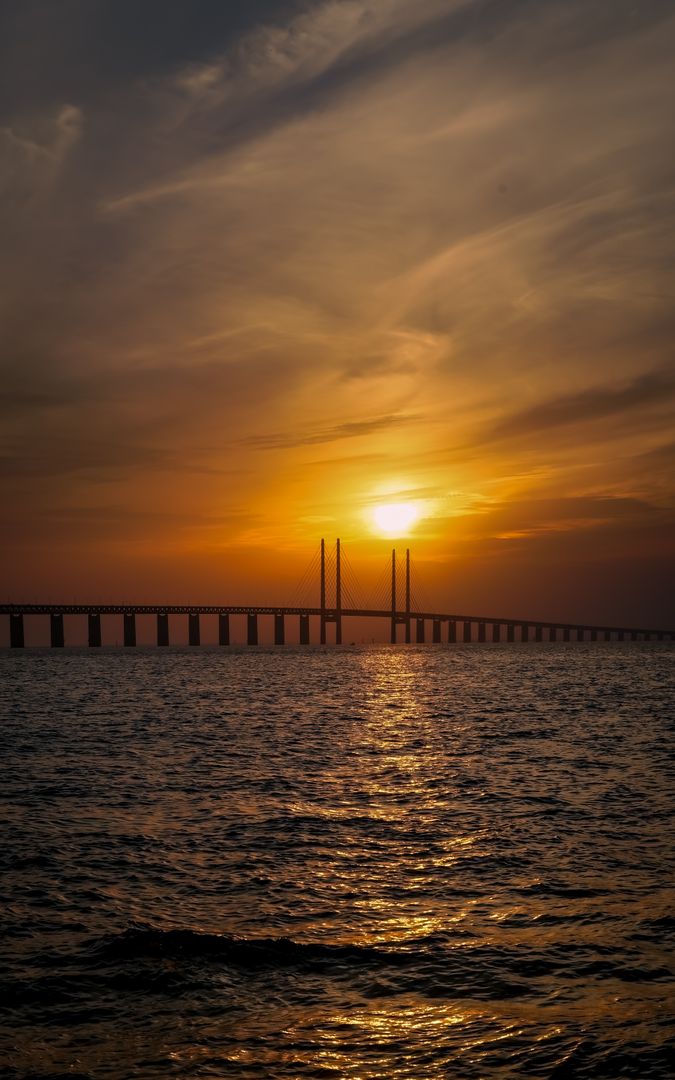
Stockholm sits on 14 islands where Lake Mälaren meets the Baltic Sea, and the water is genuinely everywhere—visible from almost any street corner, crossed by bridges constantly. The architecture alternates between baroque palaces and severe Functionalist rectangles. Summer light in June barely sets. The city is also expensive: a coffee costs €5, a beer €8, a dinner for two at a competent mid-range restaurant €80. This requires specific cost-management strategies rather than avoidance.
What Actually Exists to Do in Stockholm
Gamla Stan: The Medieval Island, Not the Theme Park
The Old Town occupies the central island, built in the 13th century with cobblestone streets and ochre-rendered buildings that photograph well but house significant history. The Royal Palace exterior is free to walk around; interior tours run €18. Stortorget, the main square, is where the Stockholm Bloodbath occurred in November 1520—King Christian II of Denmark executed 80+ Swedish nobles, sparking 90 years of conflict. Most visitors photograph the colourful buildings without absorbing that detail.
The Nobel Museum (€16) displays exhibits on every Nobel laureate since 1901, each with personalised objects, correspondence, or context. The café serves food from actual Nobel Prize banquet menus—traditional Swedish dishes prepared according to historical recipes. Budget two to three hours.
The critical cost error: eating in Gamla Stan. Tourist-targeted restaurants here charge 50–100% premiums for equivalent quality. Walk ten minutes south into Södermalm and prices drop immediately.
Djurgården: Three Focused Museum Hours
Vasa Museum (€20) houses a 69-metre war galleon that sank on its maiden voyage in 1628 and was recovered almost intact in 1961. The preservation is extraordinary—95% original wood, with carved ornamentation and internal structure still visible. No museum object quite matches it; allow two hours minimum.
ABBA: The Museum (€28) is an interactive exhibition covering the group's history and cultural phenomenon. The design is genuinely sophisticated even if the music holds no interest for you. Two hours.
Skansen (€25 in summer, €19 in winter) is an open-air museum: historical Swedish buildings relocated from across the country plus a zoo with Nordic species—elk, brown bear, wolf, lynx. Useful for families or those interested in regional architecture. Three to four hours depending on engagement.
Södermalm: The Actual Living City
This south-island neighbourhood has restaurants that serve residents at resident prices. Fotografiska (€20) is the best contemporary photography museum in Scandinavia—exhibitions rotate and consistently feature serious work. Monteliusvägen is a 500-metre raised walkway along a clifftop offering unobstructed views of the city, Gamla Stan, and the islands beyond. Free. One of Stockholm's genuinely best views, accessible without paying anyone.
For eating: SoFo (South of Folkungagatan) contains the independent restaurants, cafes, and bars. Pelikan serves traditional Swedish husmanskost—meatballs, herring, pork knuckle—for €15–25 mains. Omnipollos Hatt pairs craft beer with pizza in a converted industrial space. These places function as neighbourhood restaurants, not tourist destinations.
Östermalm: The Food Hall and Viking Silver
Östermalms Saluhall (the covered food market) reopened in 2021 after renovation. This is where Stockholm's food culture is observable: fish counters, charcuterie, vegetables, prepared foods. The best smörgåsbord lunch in the city is served at the market restaurants—herring in multiple preparations, gravlax, shrimp, egg, fresh bread—for €20–25. No tourist markup, because locals eat here.
The Swedish History Museum (Historiska museet) has free entry to the permanent collection. The Viking gold section contains the Spillings Hoard (the world's largest Viking silver hoard discovered as a single deposit) and the Golden Room requires a separate €7 ticket for medieval gold and jewellery. Both are genuinely significant archaeological objects, not recreations.
Managing the Expense Reality
Lunch menus are the primary cost lever. Every Swedish restaurant offers dagens rätt (today's special): a main course, side, coffee, and bread for €12–16. This is often 30–40% cheaper than ordering the same dish at dinner. Eat your substantial meal at noon.
Systembolaget is the alcohol monopoly and advantage. A decent bottle of wine costs €12–18 at retail, whereas restaurant mark-ups run 200–300%. Buy before the meal and drink at a café or park.
Free or low-cost museums compound. Moderna Museet (contemporary art) and Arkitekturmuseet are free. The Swedish History Museum permanent collection is free. Stockholm Card (€75 for 24 hours, €100 for 48 hours) covers metro, ferries, and 60+ museums—worthwhile if you visit four or more paid museums.
Stockholm Card logistics. The card covers unlimited public transport and entry to major museums. If you plan Vasa (€20) + Nobel Museum (€16) + ABBA (€28) + Fotografiska (€20) + Skansen (€25), the card pays for itself; without it you spend €109. Cards activate on first use, so purchase one day before your museum day.
Transport: Airport to City and Within

Arlanda Airport is 40km north. The Arlanda Express train reaches central station in 20 minutes for €32 one-way. The SL bus 583 goes to Märsta station (45 minutes), then commuter trains continue to central station (15 minutes total). The bus costs €9 with an SL card—roughly one-third the train fare. If you have no luggage constraints, the bus-train route saves money; if time matters, the Express is the only rational choice.
In-city transport: SL (Stockholms Lokaltrafik) operates metro, commuter trains, trams, and buses using a single card system. Single journey €3.50. 24-hour pass €14. The SL app allows real-time journey planning and card top-up. The metro has three colour-coded lines; trams primarily serve the central areas and southern islands; buses are reliable but slower.
Archipelago access: Waxholmsbolaget ferries depart from Strömkajen (the central dock, walking distance from Gamla Stan). Vaxholm island (the principal inhabited island in the archipelago, 1 hour by ferry) makes a logical half-day trip: €12 return. The island has restaurants, a castle, and a working fishing village. Ferries run hourly in summer, less frequently in winter.
Seasonal Reality: When to Go and What Changes
June–August is the draw. Daylight persists until 23:00 in June, temperatures reach 20–25°C, and every outdoor space fills with seating. The archipelago ferries run full schedules. Book accommodation three to four months ahead—June especially fills. This is the expensive season and also the correct season if light and weather matter.
September–October offers a genuine advantage: the light remains exceptional (amber, low-angled, photographers' light), crowds reduce sharply, temperatures stay 10–15°C, and mushroom foraging (skogsturism) becomes culturally visible. September is arguably better than August.
November–February is genuinely dark. Stockholm sits at 59°N; December has six hours of daylight. Temperatures range from -5 to +5°C. This is Christmas market season (December specifically), and julbord (Christmas buffet)—traditionally served at restaurants from late November—features herring, meatballs, ham, and brown beans. Prices for accommodation and services drop considerably. The city is cosy rather than beautiful.
March–May sees improving light and reduced winter cold (0–10°C), but still lacks the continuous daylight of summer. Fewer tourists than summer, before the main season influx. A reasonable compromise season if summer accommodation costs deter you.
Getting Around: Specifics That Matter
The metro map is logical: three lines radiating from central station. Trams run mainly in central areas and to Djurgården. Buses fill gaps but move slower. A single journey costs €3.50; a 24-hour card €14. The SL app is reliable for real-time information and payment.
Most of what matters in Stockholm is reachable on foot or one metro trip. Djurgården requires metro to Karlaplans station then a walk or tram. Södermalm is either metro to Slussen or a 20-minute walk from Gamla Stan.
Final Specifics: How Many Days
Three days covers the essentials: one day for Gamla Stan and the central islands (morning exploring, Nobel Museum afternoon), one day for Djurgården (Vasa Museum, one other museum), one day for Södermalm and Östermalm (Monteliusvägen walk, Saluhall lunch, Fotografiska or History Museum). A fourth day on the archipelago—ferrying to Vaxholm or another inhabited island for a few hours—rounds out the experience and offers a different sense of the geography.
Stockholm is among Europe's most liveable cities, which directly correlates with visiting expense. The trade-off: transport works reliably, museums maintain serious standards, the restaurant scene has developed beyond Swedish tourism clichés, and the setting itself—water, islands, light—is genuinely unusual for a capital city. Three focused days covers the core. Four days with an archipelago excursion completes it without fatigue.