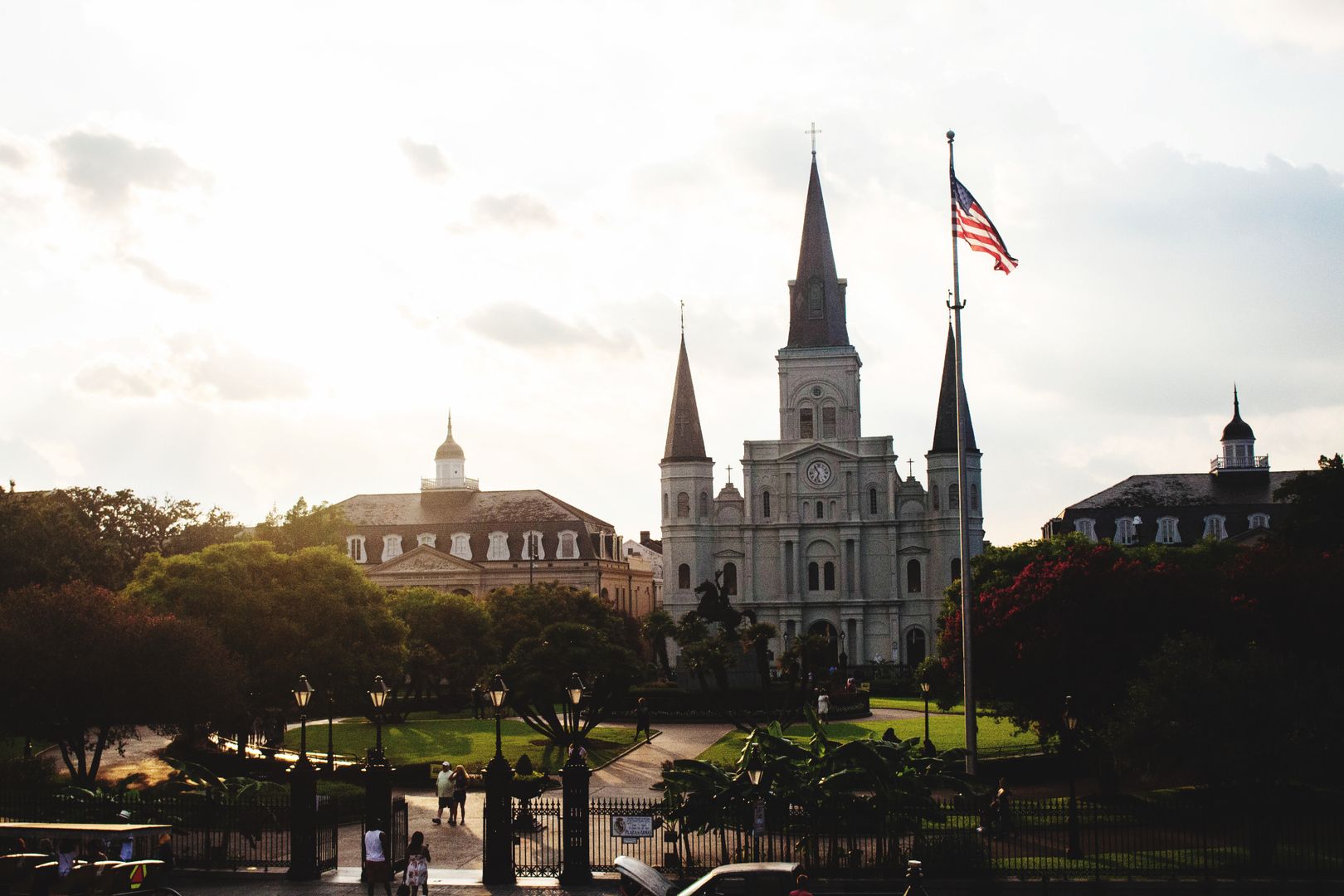

New Orleans is the only major American city that resembles a European port town — a direct result of French and Spanish colonial rule, African diaspora food cultures, and a relationship with time that's markedly different from anywhere else in the country. Most visitors spend their entire trip on Bourbon Street and leave thinking they've seen the city. Bourbon Street is the worst block in New Orleans. This guide covers what the city actually is, when to visit outside the tourist machinery, where locals eat, and what trips up first-time visitors.
When to visit New Orleans
The best months to visit are October and November. Daytime temperatures run 18–26°C, humidity drops to manageable levels by local standards, and accommodation costs half what they are during peak season because Jazz Fest hasn't started yet. You can walk for hours without needing to retreat indoors.
March (outside Mardi Gras week) offers similar weather with slightly warmer afternoons. Mardi Gras itself — the date varies yearly but falls between February 3 and March 9 — transforms the city into a different place. Hotels triple in price and book out 12 months ahead. The public parades on St. Charles Avenue are worth seeing once if you plan carefully: Friday and Saturday are oppressively crowded; Sunday and Monday are more manageable. The Quarter during peak Mardi Gras weekend becomes a human overflow problem. Avoid visiting during Mardi Gras week unless that specific event is the point of the trip.
Jazz Fest runs the last weekend of April through the first weekend of May. Daily tickets cost $95–175 depending on the day and advance purchase. The festival is held at the Fairgrounds, northeast of the Quarter, and the programming is stronger than Mardi Gras — more New Orleans music, less drunken tourism. Book accommodation eight weeks ahead; book tickets at ticketmaster.com as soon as they go on sale.
June through August bring 30–38°C heat with humidity that limits outdoor activity to early morning or evening. The city doesn't shut down, but sitting in a restaurant with air conditioning becomes the default schedule. Hurricane season technically runs June through November, though direct hits are rare enough in any given year that they shouldn't determine your planning.
Where to stay in New Orleans
The French Quarter is the most central and most touristed. Bourbon Street generates the noise that defines the experience: live cover bands, go-cups, pedestrian congestion from 8pm until 3am. The side streets — Royal, Chartres, Dauphine — are dramatically quieter and walkable to most major attractions. Guesthouse rooms start at €120 per night (around $130 USD). The advantage is proximity: everything in the Quarter is within a 20-minute walk. The disadvantage is noise levels and the constant press of visitors.
The Garden District, uptown from the Quarter, is where New Orleans people actually live if they can afford it. The neighbourhood centres on St. Charles Avenue, lined with antebellum mansions and oak trees that have stood for 150 years. The St. Charles streetcar ($1.25 cash, no change given) connects the District to the Quarter in about 25 minutes — slow but reliable and iconic. Guesthouse accommodation starts at €110 per night. Restaurants and bars are quieter. The trade-off is that you need the streetcar to reach the Quarter; walking isn't an option.
Marigny and Bywater are east of the French Quarter, younger, less manicured. Frenchmen Street is where New Orleans musicians actually perform — jazz, blues, funk, funk-blues hybrids — rather than the cover-band rotation of Bourbon Street. Guesthouses run €95 per night. The neighbourhood has the feel of a place where people live and make music rather than a historical museum. Many visitors prefer it to the Quarter.
Avoid the Central Business District adjacent to the Convention Center unless you're attending a specific event. It's disconnected, the architecture is corporate, and you'll spend your time in Uber rides rather than walking.
New Orleans food — the whole point

Food is the real reason to visit New Orleans. The city's cuisine reflects centuries of African, Caribbean, Spanish, French, and Italian culinary traditions blended into something that doesn't exist anywhere else. Here are the meals that define the city:
Beignets are fried dough covered in powdered sugar — one of the least interesting things to eat in the city but required once. Café Du Monde, open 24 hours on Decatur Street, serves them for $4–6 per order of three. The powdered sugar will coat your hands and clothes. Accept this. Morning Call in City Park is an alternative location with less foot traffic.
Po'boys are French bread sandwiches — fried shrimp, oyster, catfish, or roast beef debris are the standards. Domilise's on Annunciation Street (walk from the Quarter across the CBD) is consistently cited and does solid work. Liuzza's by the Track, a walk from the Fairgrounds, is more casual and serves better gumbo. A po'boy costs $12–16.
Gumbo is the defining New Orleans dish: a roux-based stew thickened with okra or filé powder, built on a base of chicken and sausage, seafood, or greens. Quality varies enormously depending on the cook and the day. Dooky Chase's Restaurant in the Tremé neighbourhood is historically significant — Leah Chase ran it for decades and it became a meeting point during the Civil Rights era. The food is good but the historical gravity is the real reason to go. Expect to wait 30–45 minutes. A bowl costs $12–15.
Muffuletta is a round Italian bread sandwich stacked with cold cuts, provolone, and olive salad — a creation of Italian immigrants that became a New Orleans staple. Central Grocery on Decatur Street, open since 1906, still makes the original. A full muffuletta feeds two people and costs about $20.
Char-grilled oysters are a genuine New Orleans speciality that exists almost nowhere else in the US. Drago's Restaurant in Metairie (15 minutes west of the Quarter) is the original; there's also a CBD location. A dozen oysters char-grilled with garlic butter and parmesan costs $25. It's a plate that justifies the visit alone.
Crawfish étouffée — crawfish tails in a buttery Cajun stew — is available spring and early summer when crawfish are in season (March–May). It's richer and denser than the seafood version.
Commander's Palace in the Garden District is the institution of Creole fine dining. Dinner requires a jacket; the restaurant enforces this. Saturday and Sunday jazz brunch ($45–65 per person) is more accessible and includes live jazz and bottomless cocktails. Book well ahead — two weeks minimum in spring, though October and November have better availability.
The mistake first-time visitors make is thinking they need reservations everywhere. Most good restaurants don't take them. Show up before 11:30am for breakfast, before 5:30pm for dinner, and expect 20–40 minute waits at popular spots. Eat lunch instead of dinner at the most famous places and the crowds drop by 80%.
Music and nightlife
Frenchmen Street in Marigny is where New Orleans musicians play for other New Orleans musicians and people who appreciate the music. Within a two-block stretch: the Spotted Cat, d.b.a., the Frenchmen, and smaller venues offer live jazz, blues, funk, and rhythm-and-blues most nights starting at 9pm. Cover charges are $0–10. The sound quality varies by venue, but these are genuine performances, not tourist rotation shows.
Preservation Hall in the French Quarter is a 70-year-old jazz venue in a deliberately rough building — the acoustics are poor, the space is cramped, and the musicians are serious. Shows run at 8pm, 9pm, and 10pm most nights. Tickets cost $20–35. It's popular enough that booking a day ahead is sensible. This is tourist-facing but honest about what it is.
Tipitina's in Uptown is a 60-capacity venue hosting local and touring acts. Check the calendar on the website; the quality depends on who's playing, not the venue itself.
Bourbon Street has live music from 9pm onward, but it's cover bands playing classic rock and top-40 to tourists. This is not what people mean when they talk about New Orleans music. Spend an evening here if you're curious, but understand that it's a specific product for a specific market.
Is New Orleans safe for tourists?
New Orleans has a violent crime rate that's higher than the US median, concentrated in specific neighbourhoods (Central City, parts of Tremé after dark) that aren't on tourist itineraries. The French Quarter, Garden District, Marigny, Frenchmen Street, and the main daytime areas are generally safe with normal urban awareness — don't wander into unfamiliar blocks at 2am alone, don't carry more than you'll need, don't accept invitations to "private" clubs from strangers.
Petty theft (bag snatching, pickpocketing) occurs on Bourbon Street during peak weekend hours and around major events. The risk is manageable if you don't carry valuables. Serious crime against tourists is unusual. The risk calculus is lower than in comparable major cities.
Take Uber or Lyft after midnight rather than walking between distant neighbourhoods. Taxis exist but are slower and more expensive than app-based rides. The taxi flat rate from the airport ($36 to the CBD or Quarter) is an exception where taxis make sense.
Getting around, arrival, and day trips
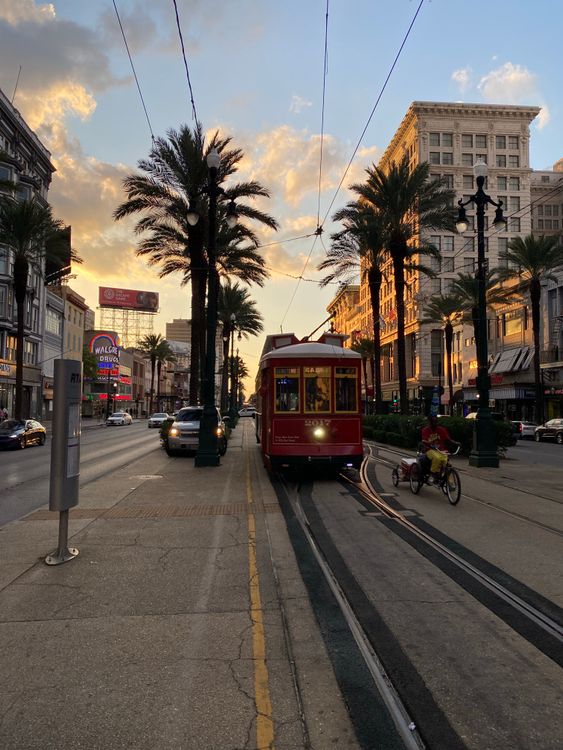
The French Quarter and Marigny are walkable to each other across the Quarter boundary. Everything else requires transport. The St. Charles streetcar ($1.25 cash per ride, exact change; buy a day pass at the station for $3) runs from the Quarter north through the Garden District to Carrollton Avenue. It's slow — 25 minutes from the Quarter to Audubon Park — but iconic and functional.
Uber and Lyft operate throughout the city and are cheaper and faster than traditional taxis. A ride within the Quarter costs $6–12. From the Quarter to the Fairgrounds is $10–15.
Louis Armstrong New Orleans International Airport (MSY) is 20 minutes from the Quarter by road. Taxis charge a flat $36 to the CBD or Quarter. The E2 Airline local bus is cheaper but requires a transfer and takes 45 minutes. Drive time is worth the $15–20 premium if you're tired.
Plantation tours along River Road (Laura, Oak Alley, San Francisco) are heavily marketed to tourists. They're worth doing once if antebellum architecture and Louisiana's plantation economy interest you. Choose tours that address slavery directly — the "before the war was beautiful" framing is common and should be avoided. Tours cost $20–40 and take four to five hours.
Swamp tours — Jean Lafitte Swamp Tour is the standard — run 45 minutes south of the city. You'll see alligators, egrets, cypress trees, and the landscape that defines the region outside the city grid. These are genuine and worth the 90-minute round trip, though the guides vary. Tours cost $25–35.
Frequently Asked Questions
How many days should I spend in New Orleans?
Three full days is the minimum: one day exploring the French Quarter and learning the food basics, one day on Frenchmen Street and in Marigny, one day in the Garden District and on the St. Charles streetcar, with a plantation or swamp tour as a half-day option. Four or five days allows you to skip the tour, eat at a slower pace, and return to restaurants you liked. A week is ideal but not necessary.
Is Mardi Gras worth visiting for?
Mardi Gras is worth experiencing once if you're interested in the cultural event itself, but it's not the best time to see New Orleans. Accommodation costs triple, crowds are oppressive in the Quarter, and the city's functioning rhythms are disrupted. October–November or Jazz Fest are better times to visit if you want to experience the city as it actually works. Book accommodation 12 months ahead if you're going to Mardi Gras; book six weeks ahead for other months.
What's the real difference between Bourbon Street and Frenchmen Street?
Bourbon Street is cover bands and tourist nightlife — a product designed for visitors with money. Frenchmen Street is where New Orleans musicians perform for audiences who know the music. The quality of the performances, the age of the crowd, and the relationship to the music are fundamentally different. Most visitors prefer Frenchmen after experiencing both.
Should I book a restaurant tour or a food tour?
Skip organized food tours. New Orleans restaurants don't benefit from tours, the groups slow your pace, and guides vary in knowledge. Eat at the places recommended in this guide without a middleman. You'll eat better, pay less, and have more autonomy over your time.
Is the French Quarter really that bad, or is it just crowded?
The Quarter is a functioning neighborhood underneath the tourism layer, but Bourbon Street specifically is a bar-and-cover-band machine — a place where the function is profit extraction from tourists rather than any authentic cultural expression. Walk off Bourbon to Royal, Chartres, and Dauphine and the Quarter becomes normal: restaurants where locals eat, quieter bars, actual residences. The mistake is assuming Bourbon represents the Quarter or the city.
What should I pack?
Comfortable walking shoes — you'll walk five to eight miles per day. A light rain jacket (afternoon thunderstorms are common in summer, less so in fall and spring). Clothes for 18–26°C if visiting October–November, 22–28°C in March, 30–38°C in summer. Sunscreen — the sun reflects off water and whitewashed buildings and intensifies the UV exposure. Minimal valuables; leave expensive watches and jewelry at home.
New Orleans rewards visitors who ignore the tourism machine and eat, walk, and listen like the city actually works. October and November offer the best balance of weather, accommodation costs, and crowd levels — you can move through the city without fighting people. Skip Bourbon Street, spend at least one evening on Frenchmen Street, eat multiple meals at non-famous restaurants, and plan 72 hours minimum. The city's real character exists in its food culture, its music traditions, and its willingness to function differently than the rest of America — and all three of those become apparent only if you stay long enough to move past the tourist checklist.