
New York City is five boroughs, not one, and most first-timers spend four days in Midtown Manhattan—the most expensive, least representative part—and miss the city almost entirely. The gap between Times Square and the actual New York that people who live here inhabit is about ten subway stops. A realistic first visit takes four to five days to move through multiple neighbourhoods without rushing, but those days are wasted if you don't leave Midtown.
Where to stay: the decision that shapes your entire trip
Your accommodation neighbourhood determines whether you experience New York or a simulacrum of it built for tourists with money and no time.
Midtown Manhattan (34th–59th Street) is closest to the postcard sights. Hotels run €250–400 per night for a decent mid-range room. Everything costs more within three blocks of Times Square: €8 coffee, €28 pasta, €45 museum tickets sold from tour operators on street corners. The area empties after 7pm on weekends. This is the worst value in the city and the most convenient if your only goal is to photograph the Empire State Building and leave.
Lower Manhattan and the Financial District are quieter after business hours, close to the Brooklyn Bridge and the ferries to Staten Island. You'll find better restaurants and less visible tourism infrastructure. Hotels range €180–320 per night. This is a reasonable compromise if you want to stay in Manhattan but not in the theme park.
Brooklyn—Williamsburg, Brooklyn Heights, DUMBO is the most liveable option for anyone who wants to understand how the city actually operates. Accommodation costs €150–280 per night. The subway commute to Manhattan is fifteen to twenty-five minutes, which is not a hardship and is faster than walking from Midtown to uptown attractions. You'll eat better, spend less, and see actual New York in the evenings and mornings. The commute is a feature, not a problem.
Avoid any "budget" hotel near Penn Station or in the garment district without reading recent reviews from the past two months. Building quality varies enormously and the cheapest rooms are often in buildings with infrastructure problems that make them genuinely unpleasant to sleep in.
The subway: what actually matters and what will confuse you
The New York City subway runs twenty-four hours, is generally safe, and is the only practical way to move around the city. Most first-timers misunderstand one specific thing that costs them an extra two to three hours per trip.
Buy a seven-day unlimited MetroCard for €34, or tap in with a contactless credit card at the turnstile. Don't buy single-ride tickets at €2.90 each—they're a trap designed for tourists. A MetroCard pays for itself after twelve rides.
The single thing that confuses first-timers: the letters and numbers on the lines. The A/C/E and the 1/2/3 both run north-south on the same general corridor but stop at different stations. The Q and N both run from Midtown to Brooklyn but on completely different routes. Check the specific stops in your destination, not just the line colour. Use Google Maps or the MTA app: enter your start and end address, get the exact line and direction, and follow it. The system is logical once you understand that routes are not interchangeable even if they sound similar.
Express trains (numbered lines: 1, 2, 3, 4, 5, 6) skip stops between downtown and midtown. Local trains (lettered lines: A, C, E) stop at every station. This matters if you're moving between neighbourhoods—an express train can save five to ten minutes.
The subway is slower and less frequent between midnight and 5am. Plan accordingly. Safety is straightforward: don't stand at the edge of the platform, keep bags in front of you during peak hours (8–10am, 5–7pm weekdays), and move away from aggressive or unstable passengers. The system is genuinely safe by the standards of major cities—police presence is consistent, and most tourists experience no problems.
What's actually worth your time
The High Line is a 1.5km elevated park built on a disused freight rail line between the Hudson River and Tenth Avenue. Entry is free. Walk it early morning or late afternoon when it's less crowded—you'll understand why it transformed the neighbourhood. The Whitney Museum is at the southern end. Budget forty-five minutes for the full walk.
Central Park is four kilometres long and 0.8km wide. Don't walk the full perimeter unless you have six hours and enthusiasm for repetitive terrain. Rent a bike for €15–20 per hour instead: you'll see the Bow Bridge, Bethesda Fountain, the Reservoir, and the boathouse without foot fatigue. Carriage rides are expensive (€60 for twenty minutes) and slower than biking.
The Metropolitan Museum of Art costs €30 admission (pay what you wish technically applies to New York State residents, but the museum doesn't verify) and is genuinely one of the world's great museums—not a tourist obligation but a genuinely strong collection. Three hours minimum. The rooftop garden opens May through October and is worth the trip for the views and quiet. Go on a weekday morning to avoid crowds.
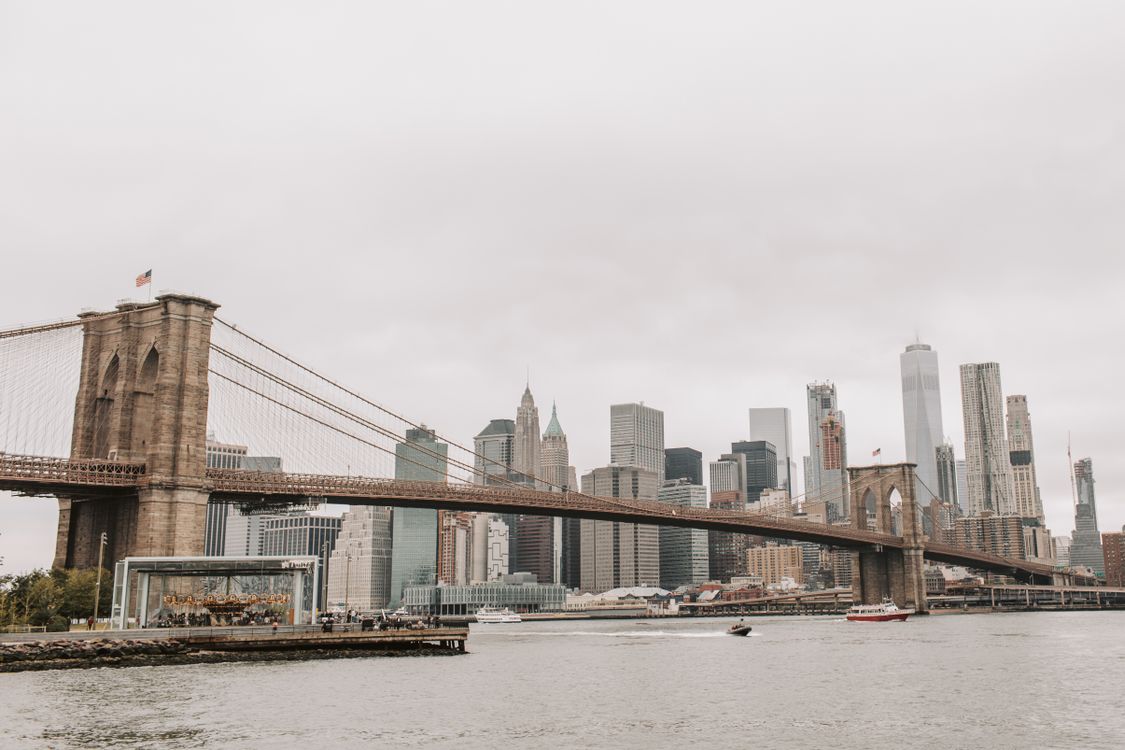
The Brooklyn Bridge walk spans 1.3 kilometres and takes twenty minutes. Walk it Manhattan-to-Brooklyn (the downhill direction). The DUMBO neighbourhood on the Brooklyn side has the famous Washington Street archway-framing view of the bridge—this is one of the most photographed angles in the world because it actually works.
The Staten Island Ferry is free and runs twenty-four hours. The forty-five-minute round trip (twenty-five minutes each way) gives you the Statue of Liberty view without paying €24 for the official Liberty Island tour. The return trip is worth your time alone: you'll see the Manhattan skyline from the water at sunset or on a clear morning. This is the underrated way to experience both monuments.
MoMA (Museum of Modern Art) costs €30, has a strong permanent collection (Warhol, Pollock, Picasso), and books out. Reserve online to skip the queue. Two to three hours is sufficient.
Top of the Rock at Rockefeller Center costs €42 and offers a 360-degree view including the Empire State Building in the frame. One World Observatory costs €46, has the tallest view in Manhattan, but the approach is aggressively commercial—extended media presentations before you reach the observation deck. Top of the Rock is the better experience.
What to skip or approach differently
Times Square should be walked through once at night for the sensory experience. Don't eat here: every restaurant is tourist-priced and mediocre. Don't stay here.
Statue of Liberty Island is two to three hours of queueing and walking for a close-up of a monument that is far more impressive from a distance. The Staten Island Ferry view is sufficient.
Pizza by the slice is a genuine New York pleasure. The best slices cost €3–5 from neighbourhood pizzerias—Di Fara in Brooklyn (Ave J near East 15th Street) and Joe's in the Village (Bleecker Street) are reliably good. Avoid the tourist-oriented spots near the main attractions.
Neighbourhood restaurant strategy: the restaurants within three blocks of major museums and attractions are consistently overpriced and mediocre. Walk five blocks in any direction, find a corner restaurant that is busy with locals, and eat there. The quality and cost difference is immediately obvious. Use Google Maps reviews filtered by "recent" to find places that have stayed good in 2026, not places that were good in 2015.
Daily budget breakdown
Budget (€100–140/day): Brooklyn accommodation (€45–60/night), subway (€5/day, or €34 for a 7-day pass amortised), street food and deli sandwiches (€5–10 per meal), museums on pay-what-you-wish days. Many museums offer free or discounted hours: check the Met website for its recommended donation structure, and the New York Public Library has free exhibitions.
Mid-range (€200–300/day): Manhattan accommodation (€120–180/night), subway, two sit-down meals (€18–35 each), one paid museum visit (€30).
Peak-season premium (€350–500+/day): June to August and December accommodation prices spike. Expect €250–400/night in Manhattan, €180–300/night in Brooklyn.
New York is not a budget city. The gap between a €45/night Brooklyn hostel and a €350/night Midtown hotel is real, and the hostel is often a better experience—you'll meet other travellers and locals working at independent cafés nearby.
Best time to visit

April–May: comfortable (12–22°C), Central Park blooms, lower crowds than summer. Good overall choice.
September–October: arguably the best months. 18–25°C, lower humidity than August, excellent light. Hotels fill quickly.
June–August: hot (28–38°C with humidity), peak crowds, peak prices. The city is less comfortable and more expensive. Go if it's your only option but adjust expectations for heat and congestion.
December: Christmas lighting is genuine. Cold (0–8°C). Accommodation prices spike around December 20–January 2.
January–February: worst weather (cold, grey, possible snow) but the cheapest flights and hotels by far. The city is quieter, locals are more accessible, and you'll see the city as residents experience it rather than as a summer spectacle.
Frequently Asked Questions
How many days do you actually need in New York City?
Four to five days covers the main neighbourhoods and museums without rushing. Three days is possible if you stay in Midtown and skip outer boroughs; seven days allows you to slow down, eat well, and see things twice without stress. Most people spend their first two days orienting themselves, not starting to understand the city until day three.
Is New York City safe for tourists?
The subway is generally safe. Midtown is busy and well-lit. Brooklyn neighbourhoods are lived-in and safer than many major cities. The gaps between tourist areas (late-night walks in less-populated blocks, empty platforms after midnight) are where problems occur, but these are avoidable with basic awareness. Don't flash expensive phones, keep bags zipped, and avoid being visibly drunk alone at 2am. Thousands of tourists visit daily without incident.
What's the best area to stay in NYC for first-timers?
Brooklyn (Williamsburg, Brooklyn Heights, or DUMBO) if you want value and to see the actual city. Lower Manhattan if you want to stay in Manhattan but save money. Midtown only if museums and proximity to major sights matter more than liveable neighbourhoods and good food. Most first-timers regret staying in Midtown; few regret staying in Brooklyn.
What do most first-time visitors to NYC get wrong?
They overestimate how far they can walk in a day. Manhattan is longer than it looks. They underestimate the subway's speed and reliability. They eat in restaurants near attractions instead of walking five blocks. They spend an entire day at one museum instead of splitting time across neighbourhoods and quick visits. They don't leave Midtown.
Is New York City expensive compared to other major cities?
Accommodation and museums are more expensive than London, similar to Paris or Tokyo, and far more expensive than most other US cities. Food ranges from €3 (pizza, deli sandwiches) to €100+ (fine dining), so you can eat cheaply if you avoid restaurants in tourist zones. A mid-range daily spend (€200–250) is standard for comparable major cities; budget travel requires discipline and neighbourhood knowledge.
When should first-timers avoid visiting New York City?
Avoid July unless you tolerate heat above 35°C and crowds. Avoid December 20–January 2 unless you specifically want Christmas energy and can afford 30–50% price premiums on hotels. Avoid August if you prefer comfortable temperatures and space in museums. January and February are cold but offer the best prices and the quietest experience—only skip if you genuinely cannot tolerate winter weather.
Go to New York for four to five days in September, October, April, or May. Stay in Brooklyn or Lower Manhattan to spend less and see the actual city. Use the subway with Google Maps open; don't overthink it. Skip Times Square and the Statue of Liberty island. Walk the Brooklyn Bridge, ride the Staten Island Ferry for free, and rent a bike in Central Park. Eat from neighbourhood pizzerias and delis, not from restaurants facing major attractions. This costs €200–250 per day and delivers the city that people who live there understand, not the postcard simulacrum.