

Paris is one of the most visited cities in the world and one of the most written-about, which creates a particular problem: knowing what something is before you see it makes the experience slightly surreal. The Eiffel Tower is real, the Seine is real, the Louvre's glass pyramid is real. The city is also genuinely large, genuinely expensive by European standards, and genuinely difficult to navigate on foot between districts. None of this is a deterrent — it's just logistics. Approach it as a logistical problem and Paris delivers consistently.
The Eiffel Tower and the Tourist Circuit
Seven million people visit the Eiffel Tower each year. The experience is best approached with booked tickets (€26.10 to the summit, €17.10 to the second floor), an early-morning or evening arrival, and no particular expectation of solitude. The best view of the tower from ground level is from the Trocadéro esplanade across the Seine — arrive before 8am in summer to photograph it without crowds in the frame.
The Champs-Élysées is best treated as a route rather than a destination: walk it once, acknowledge that it has been comprehensively commercialised, and continue to the Arc de Triomphe. Climbing the Arc (€13, 284 steps) gives a view down all twelve avenues and is worth the effort. The Palais-Royal gardens, a 10-minute walk from the Louvre, are free, genuinely calm at most hours, and largely ignored by first-time visitors.
Paris by Arrondissement: Where to Stay and Explore
Le Marais (3rd and 4th arrondissements) is the most consistently liveable part of central Paris — compact, walkable, a mix of medieval alleyways, Haussmann-era apartments, and the Place des Vosges (the oldest planned square in Paris, completed 1612). The Picasso Museum and Musée Carnavalet (history of Paris, free entry) are both here. Hotel prices run €150–280 for mid-range; boutique options cluster around Rue de Bretagne.
Saint-Germain-des-Prés (6th) is quieter than its literary reputation suggests — the cafés Flore and Deux Magots are tourist operations at this point, but the surrounding streets have genuine bookshops, the Jardin du Luxembourg (free, one of the best parks in Paris), and access to Odéon's cinemas and Rue du Cherche-Midi's bakeries. Hotel prices run €180–350.
Montmartre (18th) is steep, photogenic, and divided between a tourist district around the Sacré-Cœur and a functional residential neighbourhood below. The Sacré-Cœur itself is free; the views from the parvis are excellent. The Place du Tertre artist colony directly behind it is one of the most aggressively touristic corners of the city. The streets to the east (Rue Lepic, Rue des Abbesses) are the ones worth exploring.
Oberkampf and Belleville (11th, 20th) are the areas where Parisians who aren't doing the tourist circuit actually spend evenings — restaurant-dense, less polished, cheaper. Not convenient for museum-hopping but good as a base if the city is familiar.
The Louvre and the Musée d'Orsay
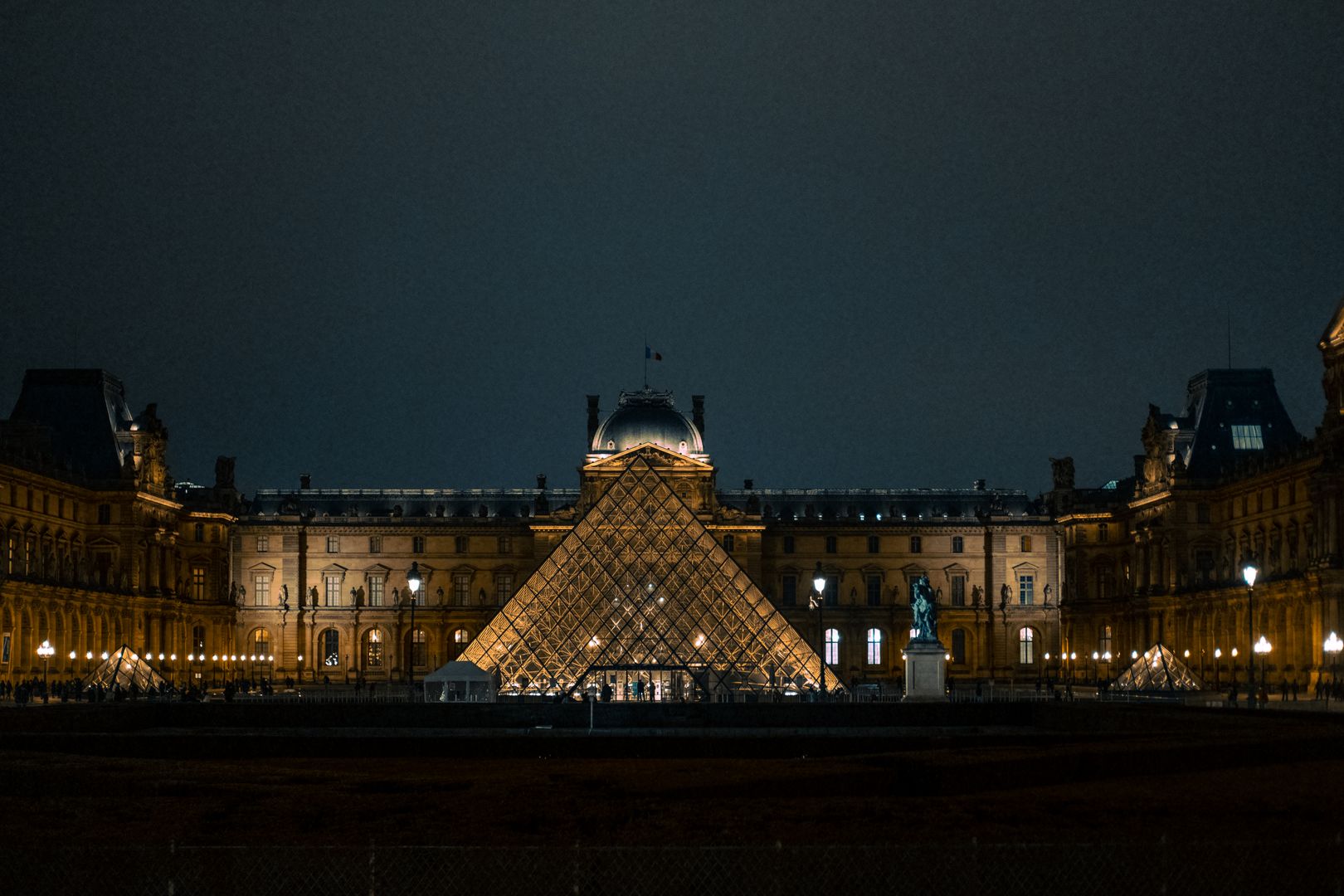
The Louvre holds 35,000 works across 60,000 square metres. Attempting to cover it comprehensively takes several days and produces diminishing returns. The practical approach: book timed-entry tickets online (€22, free under 18, free for EU residents under 26), download the map in advance, and choose three to four specific collections rather than attempting systematic coverage. The Winged Victory of Samothrace, Vermeer, and the Dutch masters wing are consistently less crowded than the Mona Lisa.
The Musée d'Orsay (€16, free first Sunday of each month — lines start early) is housed in a converted 1900 railway station and holds the world's largest collection of Impressionist and Post-Impressionist work: Monet, Renoir, Degas, Cézanne, Van Gogh, Seurat. The building itself is architecturally striking. For a single museum visit in Paris, this is the more manageable and often more rewarding choice. Book tickets in advance.
Food: What to Eat and Where
A Parisian café breakfast — espresso, croissant, perhaps a tartine — runs €5–9 at a neighbourhood café, €10–14 near tourist sites. The croissant at the counter is not inferior to the one at the table; French café culture draws no real distinction. For lunch, the menu du jour (two or three courses at a fixed price, €14–22) is the best-value way to eat properly in a bistro.
Bouillon Chartier (9th arrondissement) is a working-class brasserie opened in 1896 that serves traditional French dishes — oeufs mayonnaise, boeuf bourguignon, crème caramel — at prices that haven't tracked with the neighbourhood's gentrification. A three-course meal with wine runs €20–28. The waiter writes your order on the paper tablecloth. Lines form outside; the turnover is fast.
Marché d'Aligre (12th, open Tuesday–Sunday mornings) is Paris's most atmospheric food market — produce, cheese, charcuterie, and a flea market in the covered Beauvau hall. Marché des Enfants Rouges (3rd, Tuesday–Sunday) is smaller, covered, and has food stalls from Morocco, Japan, and Lebanon alongside French produce. Neither is particularly convenient for hotel tourists; both reward the detour.
Day Trips from Paris
Versailles is 40 minutes from Paris by RER C (€7.10 each way). The palace (€20 entry, garden access included) is genuinely enormous — the Hall of Mirrors, the King's Apartments, and the Grand Trianon are the essential parts. Arrive before 10am to beat the group tours. The gardens are most worth visiting in summer when the fountains operate (€9.50 supplement on show days).
Giverny — Monet's house and gardens, the original source of the Water Lilies paintings — is 80km west of Paris. Access requires a train to Vernon (Rouen line, 1h20 from Saint-Lazare, €15–22) and a bus or bicycle from there. The gardens are open April to October only. Book ahead in May and June when the irises and roses coincide. The experience is straightforwardly worth the logistics.
Getting Around Paris

The Paris Métro covers the city thoroughly and runs until 1am (2am on weekends). A carnet of 10 tickets (€16.90) or a weekly Navigo Découverte pass (€30, valid Monday–Sunday, requires a passport photo) are the practical options for multi-day visits. Vélib' bike share covers most of the city; a 24-hour pass costs €5, individual journeys under 45 minutes are free. The Périphérique ring road makes driving unnecessary and parking expensive (€3–5/hour in central districts).
Practical Costs
Budget €120–200 per person per day (excluding accommodation) for food, transport, and two to three paid activities. A central hotel room runs €150–300; hostels with private rooms €60–100. A restaurant dinner with a glass of wine runs €30–50 per person. Coffee at a café counter costs €2–3; at a table €3–5. The city is expensive by the standards of most European capitals, but not unusually so for what it delivers.


