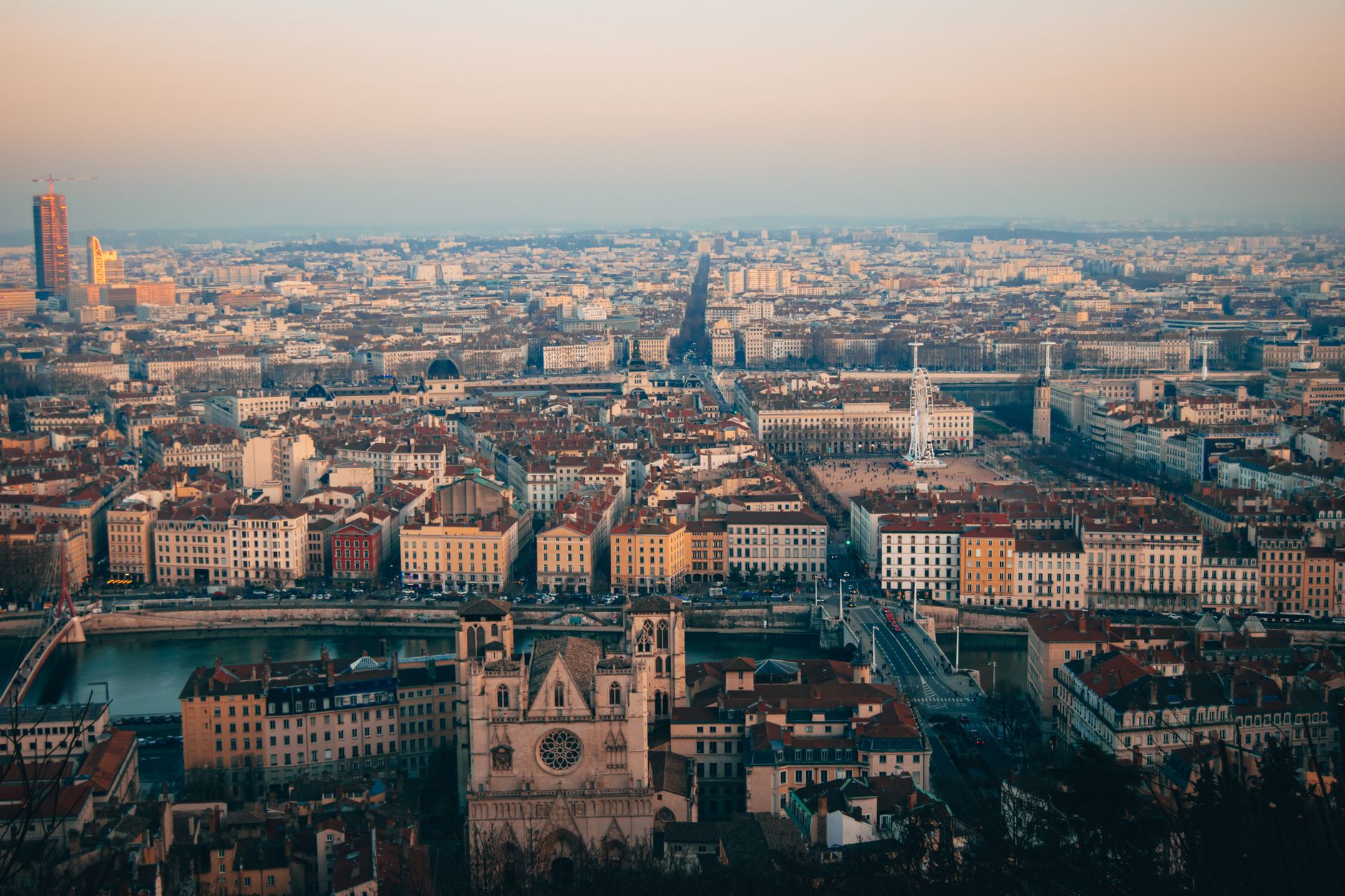
Bordeaux produces more classified fine wine than any other region in the world, which creates a particular tourism paradox: the most famous bottles — Château Pétrus, Château Margaux, Château Latour — are not available to casual visitors, the vineyards themselves are largely flat and visually undramatic by French agricultural standards, and the medieval town of Saint-Émilion is both the most accessible part of the wine country and the most crowded. The city of Bordeaux, meanwhile, is genuinely underrated — a compact, walkable historic centre that most visitors treat as a transit point and fewer take seriously as a destination.
Bordeaux City
The historic centre was inscribed as a UNESCO World Heritage Site in 2007, covering the largest urban area in France under that designation. The architectural logic is 18th-century: the Bordelais merchant class rebuilt the city in the neoclassical style during the height of the wine trade, producing the grand facades along the Allées de Tourny and the Cours du Chapeau Rouge. The Cathédrale Saint-André predates this by several centuries; its Gothic towers (the Tour Pey-Berland, free-standing, €6 to climb) give a view over the low roofline of the city.
The Place de la Bourse, completed in 1755, is the waterfront set piece — a curved neoclassical facade reflected in the Miroir d'Eau, a 3,450 m² shallow mirror pool that alternates between a thin film of still water and bursts of mist. The effect is most photogenic at dawn or late afternoon. The Pont de Pierre, the oldest bridge across the Garonne (1822), connects the Bourse to the Bastide neighbourhood on the east bank, which has fewer tourists and a Saturday market worth the detour.
The Marché des Capucins, open Tuesday–Sunday, is the city's main covered market — cheese, oysters from Arcachon Bay, seasonal produce, charcuterie. The Chartrons neighbourhood north of the centre is the former wine merchant district, now gentrified with antiques dealers, wine bars, and Sunday brocante (flea market). Rue Sainte-Catherine, the main pedestrianised shopping street, is the longest in France at 1.2km and primarily of interest for its length rather than its shops.
Saint-Émilion
Saint-Émilion is the wine region most accessible to casual visitors. The medieval village is built on a limestone plateau 40km east of Bordeaux, with vineyards running to the edges of the village streets. You can walk from the village centre into named vineyards within five minutes. The appellations Château Ausone and Château Cheval Blanc are the Premier Grand Cru Classé A wines — by appointment only, usually months in advance. But dozens of other châteaux in the village and surrounding hillsides offer walk-in tastings at €10–20 per person.
The village has a single main street (Rue Guadet) lined with wine shops, and a cluster of restaurants ranging from tourist-oriented to serious. The underground limestone quarries (carrières) that produce building stone and house aging cellars are open for tours; the Catacombs de Saint-Émilion and the underground Église Monolithe (carved from a single limestone cliff) are genuine architectural curiosities, €6–8 to visit.
Saint-Émilion is busy from May through October. Parking is limited and the streets narrow. Bus access from Bordeaux (Ligne 302, €2, 1h15) is straightforward enough that driving is unnecessary — the wine tasting makes driving inadvisable in any case.
The Médoc: Grand Châteaux and the Route des Châteaux
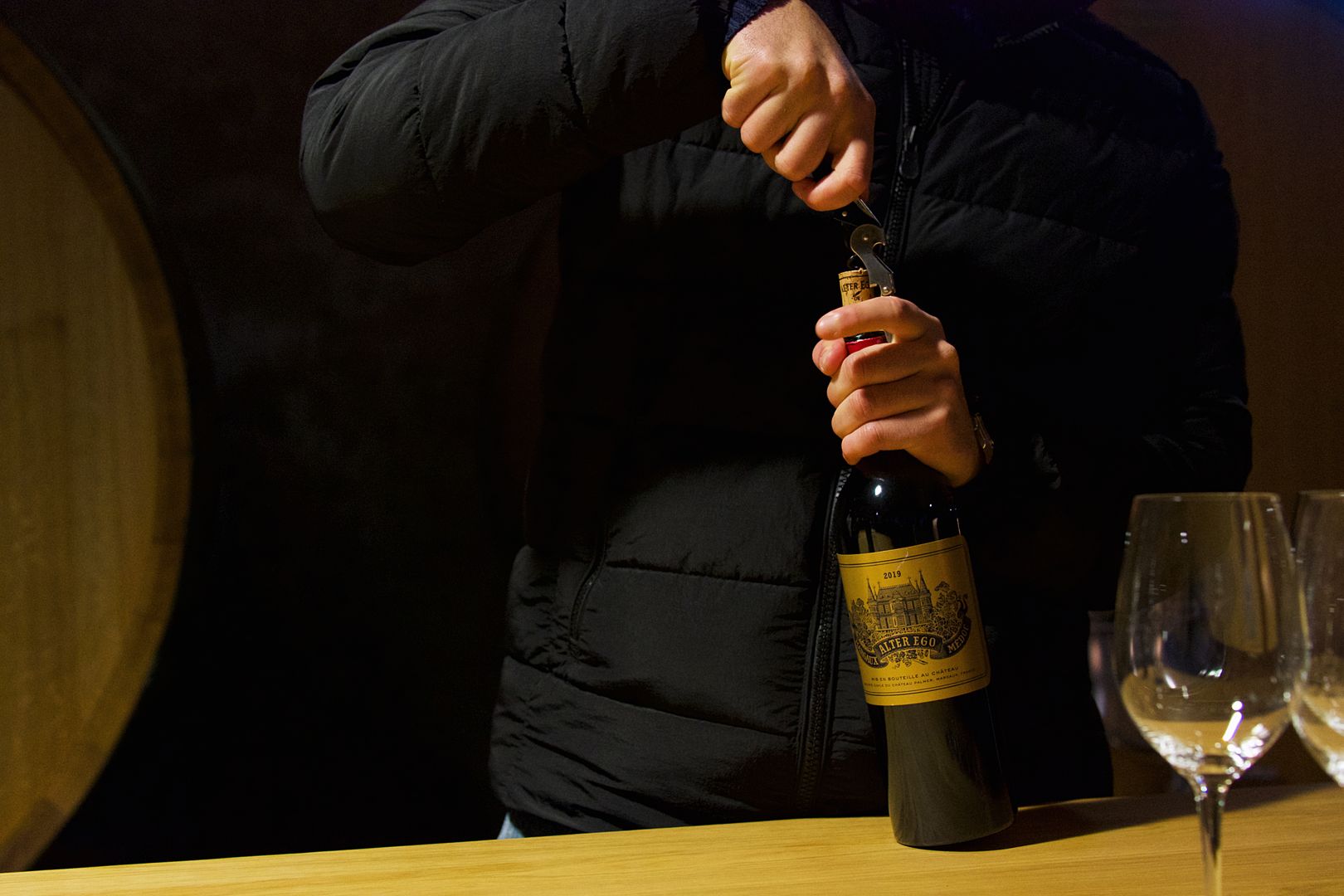
The Médoc peninsula north of Bordeaux contains the appellations that produce the most famous Bordeaux wines: Pauillac (Château Lafite Rothschild, Latour, Mouton Rothschild), Margaux, Saint-Julien, Saint-Estèphe. The landscape is flat agricultural land with the Atlantic forest (La Forêt des Landes) to the west — less picturesque than Saint-Émilion's hillsides.
Most First Growth châteaux (Lafite, Latour, Margaux, Mouton) require advance booking and are oriented toward trade visitors rather than tourists. Mouton Rothschild has an art museum that opens to the public (€20, by appointment). Château Pichon Baron, Château Léoville-Barton, and Château Cos d'Estournel are among the properties more accessible to individual visitors, though booking ahead is still advisable in summer. The Maison du Tourisme et du Vin in Pauillac coordinates visits and is the practical starting point for navigating the appellation.
La Cité du Vin
La Cité du Vin opened in 2016 on the Bordeaux waterfront — a €81 million wine museum designed by architects who described its form as inspired by wine swirling in a glass (the resemblance is arguable). The permanent collection uses interactive installations to cover wine culture, production, and history globally, not just Bordeaux. Entry is €22 and includes a tasting session on the top-floor belvedere with a panoramic view of the Garonne. It's pitched at all levels of wine knowledge rather than specifically at enthusiasts; whether that's a feature or a limitation depends on why you're there.
Arcachon Bay and the Dune du Pilat
Arcachon Bay, 60km southwest of Bordeaux (45 minutes by train), is a tidal lagoon producing most of France's oysters. The basin has four distinct microenvironments — the Bird of Winter, Bird of Spring, Bird of Summer, Bird of Autumn, each sector named for what it resembles from above. The oyster villages of Gujan-Mestras and Andernos-les-Bains sell direct from huts on the waterfront at €8–12 per dozen.
The Dune du Pilat, 5km south of Arcachon town, is the tallest sand dune in Europe at 110m and 3km long. Climbing it takes 20 minutes; the view west over the Atlantic and east over the pine forest is genuinely dramatic. It advances inland at roughly 1–5 metres per year, consuming whatever lies in its path. The access road charges for parking (€7–12 in summer); arrive before 9am or after 6pm to avoid the peak crowds of July and August.
Best Time to Visit
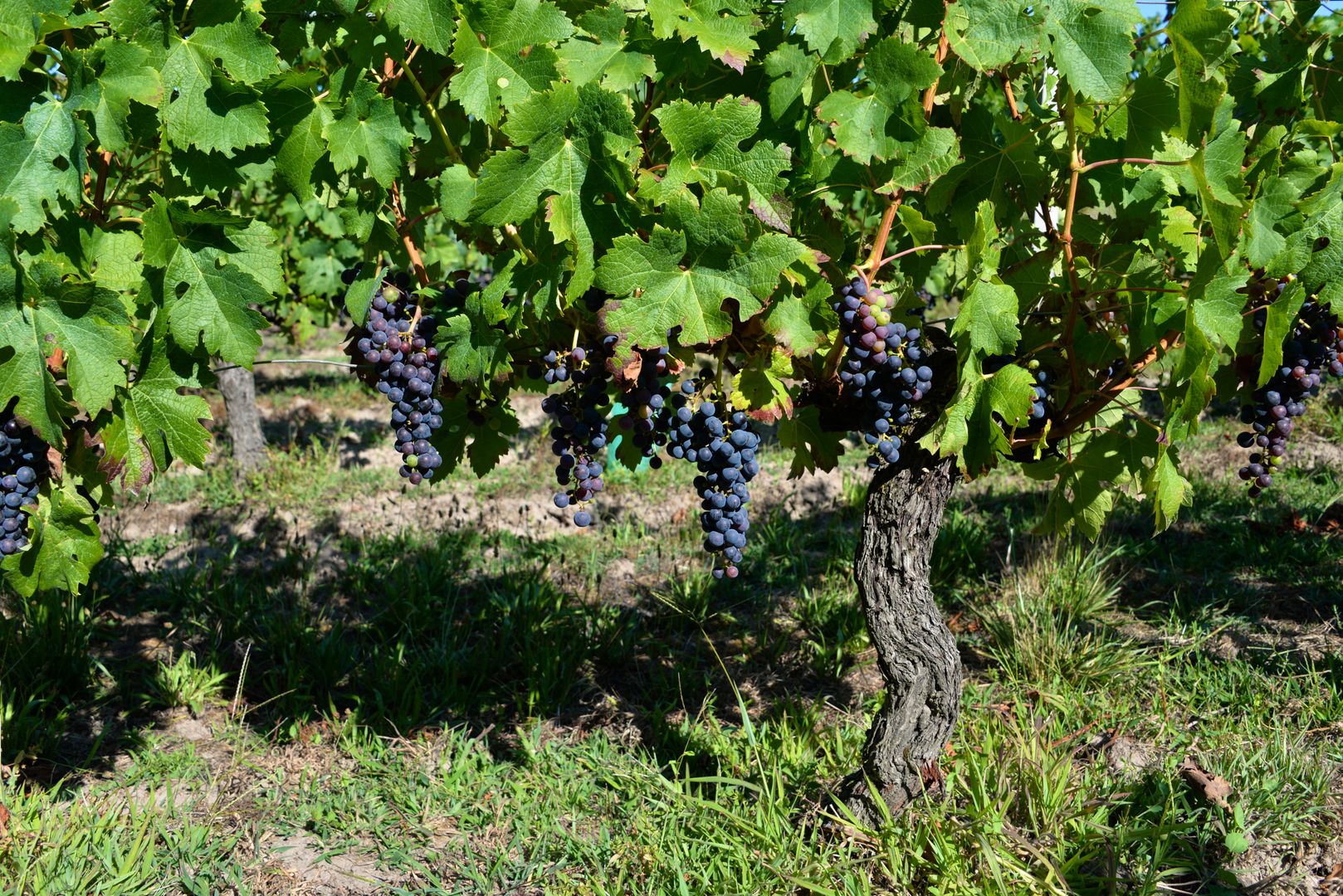
Harvest season (vendanges) runs late September through October — the most active time in the vineyards, when some châteaux organise harvest experiences and the countryside has real agricultural energy. The weather in September is usually still warm and the tourist crowds are noticeably lower than July and August. Spring (April–June) is the other good window: the vines are greening up, the weather is pleasant, and the high-season pricing hasn't fully kicked in.
Practical Costs
Bordeaux city hotels run €90–180 for a mid-range room. Saint-Émilion accommodation is limited and expensive during high season (€150–300 for a decent room in the village); staying in Bordeaux and day-tripping is the practical solution. A restaurant dinner in Bordeaux runs €25–40 for a main course; wine bars offer tasting flights at €15–25 for three glasses. A serious Médoc château visit with tasting costs €20–35. Day trips by public transport (Saint-Émilion €4 return by bus, Arcachon €15–20 by train) are all straightforward from Bordeaux's Saint-Jean station.