Showing 13–15 of 15 articles
11 April 2026
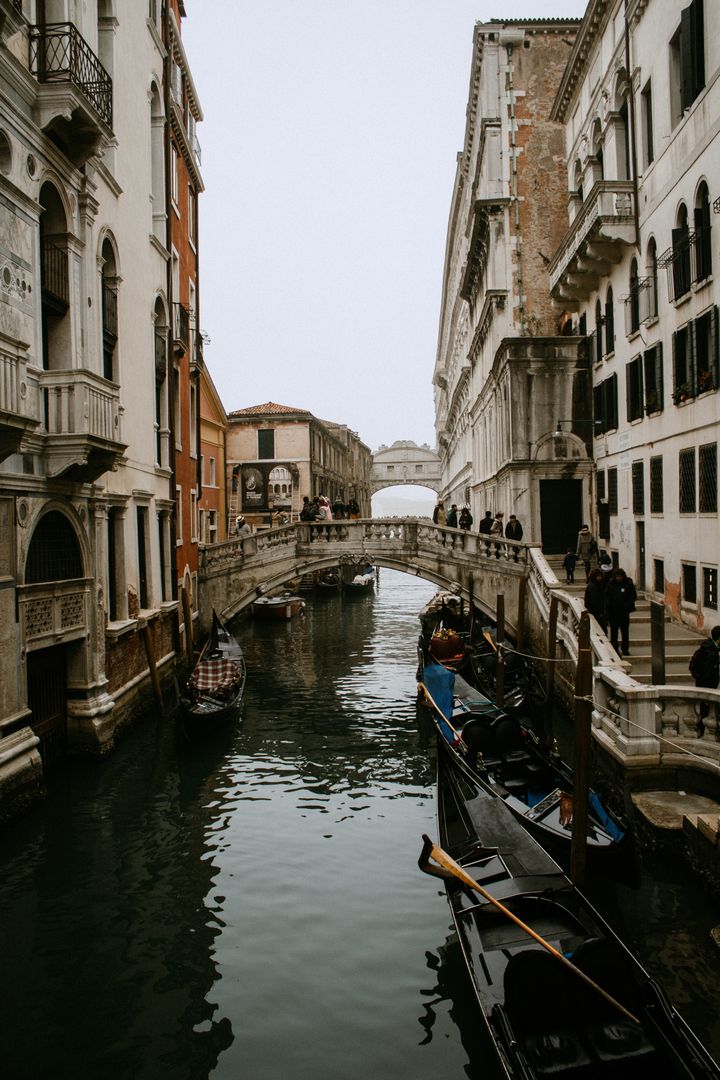
italyVenice Travel Guide: What to Know Before You Go
Venice works best in October or January, when the crowds thin and prices drop. Here's how the city actually functions—transport, costs, and which parts are worth your time.
Henrik Vinter

20 January 2026
italyAmalfi Coast by Public Transport: The Practical Guide
The Amalfi Coast doesn't require a car, but every rental agency and travel article insists it does. In July and August, a vehicle becomes a liability: the SS163 coast road carries two lanes of traffic with one lane per direction, SITA buses overtake on blind corners, and parking costs €30/day in Positano or simply doesn't exist in Amalfi town. The ferry network and SITA bus system cover all main towns reliably between April and October, making public transport not just viable but often faster than driving. The trade-off is straightforward: less flexibility for spontaneous stops, more standing room in high season, and motion sickness on hairpin turns for some passengers. This matters only if your itinerary depends on being elsewhere by noon.
Henrik Vinter

13 January 2026
italyFlorence vs Rome: Which Italian City to Prioritise
Most Italy guidebooks treat Florence and Rome as equivalent first-time destinations. They aren't. Florence is a concentrated Renaissance art museum you can walk across in 25 minutes; Rome is a sprawling three-city layering (ancient, medieval, papal) that requires 4–5 days minimum and significantly more logistics. Choose Florence if you want art intensity and walkability. Choose Rome if you want historical range and can tolerate crowds, heat, and longer distances between sights. Many travellers who try to do both in five days end up burnt out and hotel-hopping. The better question isn't which one to visit—it's how much time you have and what exhausts you less: queuing or walking.
Henrik Vinter