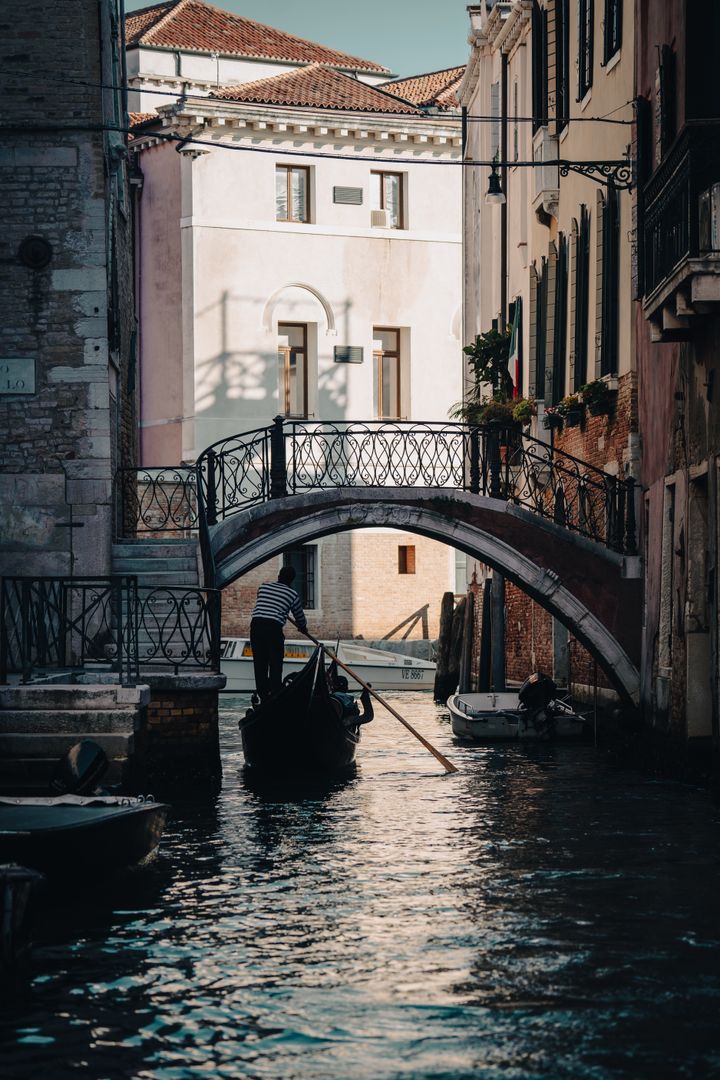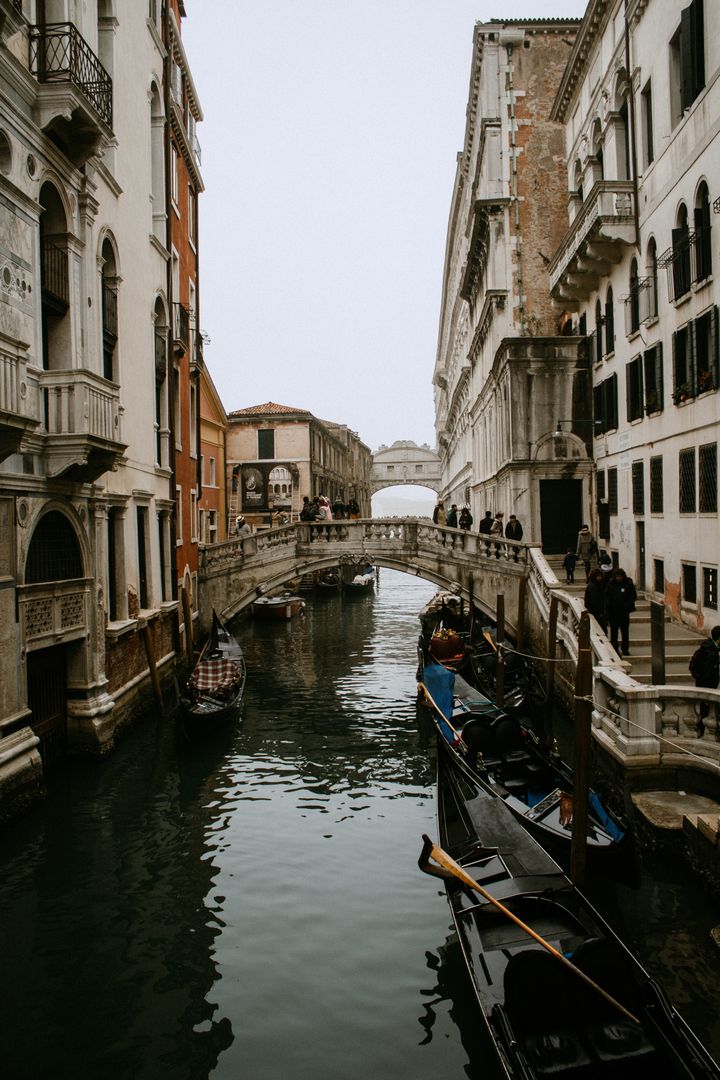

Most people visit Venice in June or August and spend half their trip shuffling along the Rialto Bridge between tour groups. The city has roughly 50,000 residents and receives around 30 million visitors a year — that arithmetic shows up everywhere: in the queues, the restaurant menus written in four languages, and the prices. Come in October, or better still January, and you get a different city. The canals are quiet, vaporetto seats are available, and the restaurants that survive off locals rather than tourists are easier to find.
How Venice Is Laid Out
Venice is divided into six districts called sestieri: San Marco, Dorsoduro, Santa Croce, San Polo, Cannaregio, and Castello. San Marco is the tourist core — St Mark's Basilica, the Doge's Palace, the Bridge of Sighs. It's worth seeing but not worth staying in if budget is a factor. Dorsoduro and Cannaregio are where most locals actually spend time, and both have good restaurants and bars that don't hike prices based on the nearest landmark.
The city sits on 118 small islands connected by roughly 400 bridges. Getting lost is inevitable and usually productive — many of the best courtyards and campos are unmarked. The main navigation tool is the Grand Canal, which snakes through the centre in an S-shape. Almost everything is within 30 minutes' walk of everywhere else, though the walk itself will take longer than a map suggests.
Getting to Venice and Around the City
Venice Marco Polo Airport is on the mainland. You reach the city by water taxi (fast, around €80–120), the Alilaguna water bus (around €15, 75 minutes to San Marco), or land bus to Piazzale Roma followed by a vaporetto. The land bus option is cheapest at around €8 total but takes the most navigation. Most people arriving for the first time underestimate how long the water bus takes.
Once inside the city, you move on foot or by vaporetto. Line 1 runs the length of the Grand Canal and stops everywhere — useful for orientation but slow. Line 2 covers the same route with fewer stops. A single vaporetto ticket costs €9.50; a 24-hour pass is €25 and worth it if you're crossing the canal more than twice. The traghetto gondola ferries that cross the Grand Canal at fixed points charge around €2 and are a practical way to cross without walking to a bridge.
When to Visit Venice
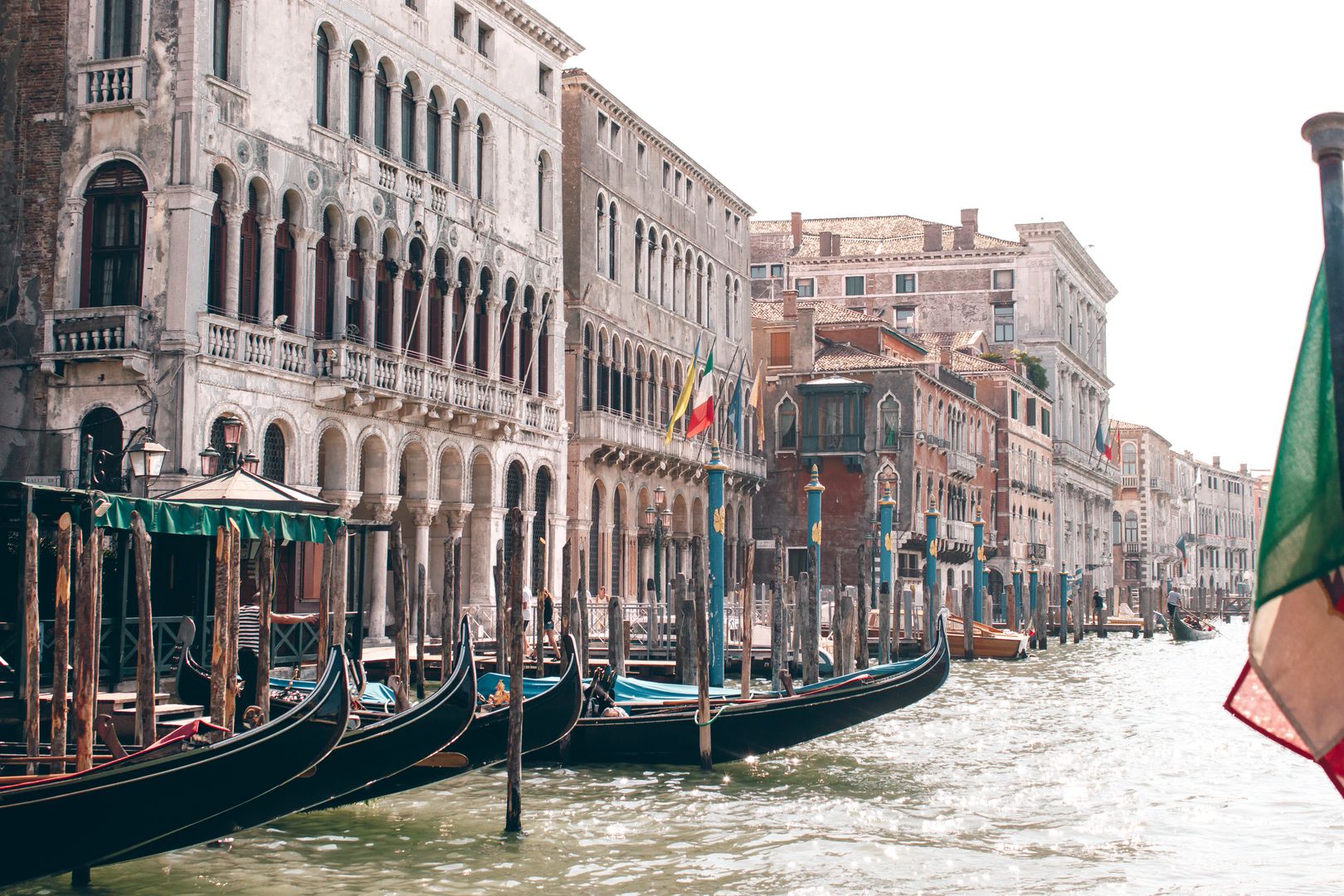
The best months are October, November, and January through early March. Temperatures in October sit between 12°C and 18°C — cool enough to walk comfortably, warm enough to sit outside. January is cold (5°C–9°C) but the city is at its quietest, and Carnival in February draws crowds back briefly before quieting again in early March.
Avoid July and August: temperatures reach 28–32°C with high humidity, the crowds peak, and accommodation prices roughly double. The acqua alta — seasonal flooding — occurs most frequently between October and January, typically for a few hours at a time. It's rarely as dramatic as photos suggest; locals put on rubber boots and carry on. The city publishes 48-hour flood forecasts, and most hotels provide boots if you ask.
- October–November: Ideal weather, manageable crowds, lower prices than summer
- January: Quietest month, some restaurants close, great for photography
- February: Carnival brings costumes and crowds for two weeks — book early or avoid
- April–May: Good weather but crowds climb sharply from Easter onwards
- June–August: Peak season — hot, expensive, very crowded
Where to Stay in Venice
Staying inside the historic centre is expensive; staying on the mainland in Mestre and commuting by train saves money but costs time and atmosphere. The better trade-off for most travellers is staying in Cannaregio or Castello — both are within the city, quieter than San Marco, and 15–20 minutes' walk from the main sights.
Budget accommodation in Venice starts around €100–130 per night for a basic double in low season, rising to €200–300 in summer. The islands of Giudecca and Lido offer cheaper options with short vaporetto commutes. Hostels and budget hotels cluster near the train station in Cannaregio. Booking 10–12 weeks ahead is sensible for summer; for January you can often find rooms a fortnight out.
What to See Beyond the Obvious
St Mark's Basilica, the Doge's Palace, and the Peggy Guggenheim Collection are all worth it — but they're also the three things every visitor does. The Guggenheim in particular is easier to appreciate than most modern art museums because the collection is focused and the building (Peggy's former home) is small enough to digest in two hours.
Less visited but genuinely useful: the Querini Stampalia museum in Castello, which has a good permanent collection and very short queues; the Scuola Grande di San Rocco, which contains a ceiling cycle by Tintoretto that Ruskin considered among the finest paintings in Europe; and the island of San Giorgio Maggiore, a 10-minute vaporetto ride from San Marco, whose bell tower gives a better view of the city than the overcrowded Campanile at a fraction of the wait time.
The outer islands — Murano for glass, Burano for lace and coloured houses, Torcello for the oldest Byzantine mosaics in the lagoon — are worth a half-day each. The vaporetto connections are straightforward from Fondamente Nove.
Where to Eat Without Paying Tourist Prices
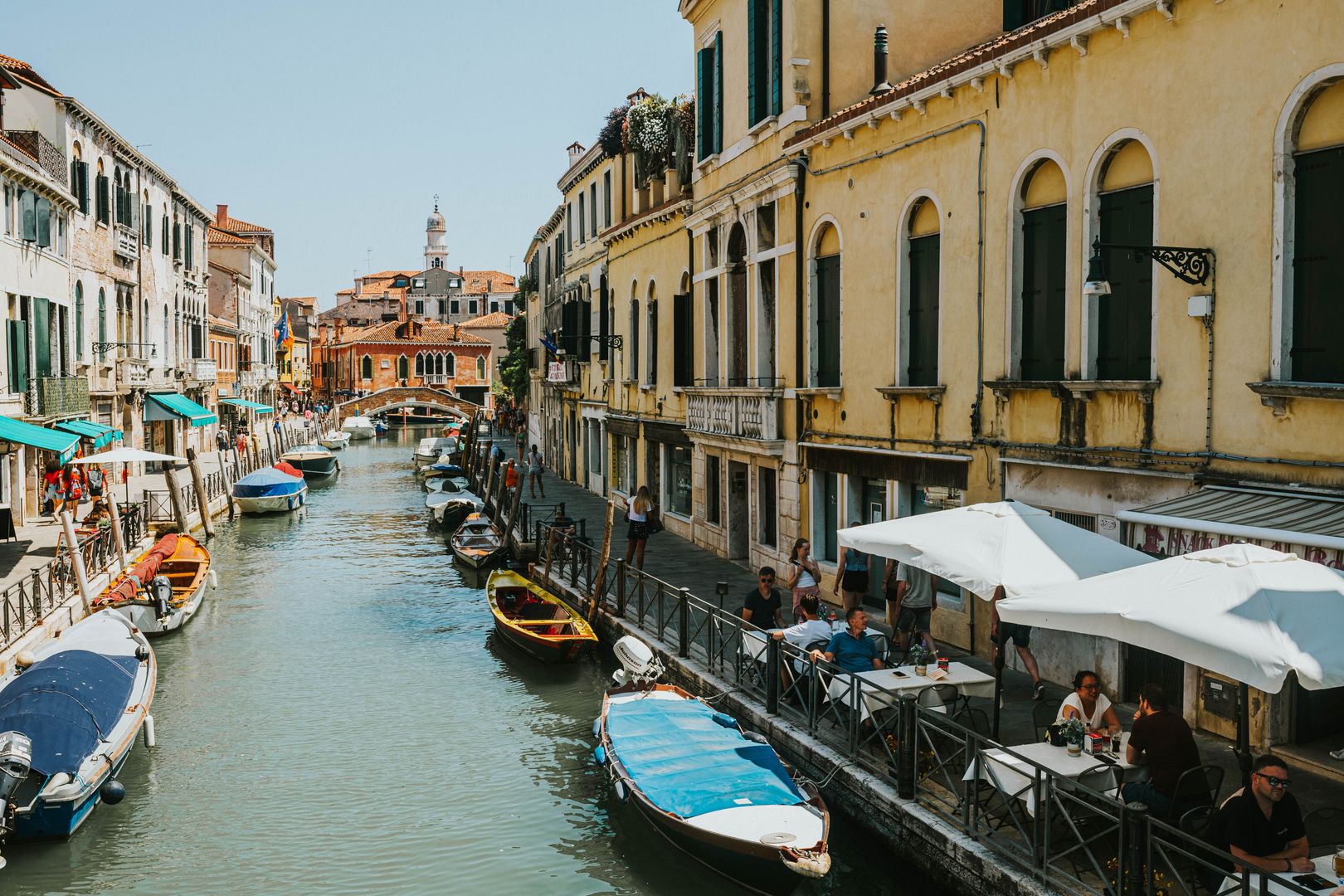
The clearest sign of a tourist trap in Venice is any restaurant with photographs on the menu and a host standing outside. The useful alternative is the bacaro — a small wine bar that serves cicchetti, small snacks similar to tapas, alongside glasses of ombra (house wine). Do Spade in San Polo, Cantina Do Mori near the Rialto market, and Alla Vedova in Cannaregio are long-standing examples. A lunch of cicchetti and two glasses of wine costs €12–18.
For a full sit-down meal, look in Dorsoduro around Campo Santa Margherita, or in Castello away from the Riva degli Schiavoni waterfront. Rialto market is the best place to buy produce if you have cooking facilities — it opens early and closes by noon.
Budget Expectations
Venice is expensive by Italian standards. A realistic daily budget for a mid-range trip — one museum, lunch at a bacaro, dinner at a neighbourhood trattoria, and two vaporetto journeys — runs €100–140 per person excluding accommodation. Museum entry adds up: the Doge's Palace costs €14, the Guggenheim €16, and the Basilica's treasury and Pala d'Oro charge separately on top of the free nave entry. The Museum Pass (€35) covers the Doge's Palace and several civic museums and pays off if you're spending more than two days.
What Venice Is Actually Like
Venice is a city that rewards slowness. The best use of a first day is to arrive, pick a direction, and walk without a specific destination for two hours. The tourist infrastructure is so well-developed around San Marco that stepping three streets back from the main route immediately changes the feel of the place. The city is shrinking — population has halved since the 1950s — and some of what feels authentic is genuinely so, while some is performance. Both are worth observing.
Three days is enough to cover the main museums, the outer islands, and enough walking to understand the layout. Five days allows for slower mornings, day trips to the Veneto (Verona is 90 minutes by train, Padua is 45 minutes), and a better sense of the neighbourhood differences. A weekend is not enough to do it properly, though many people try.