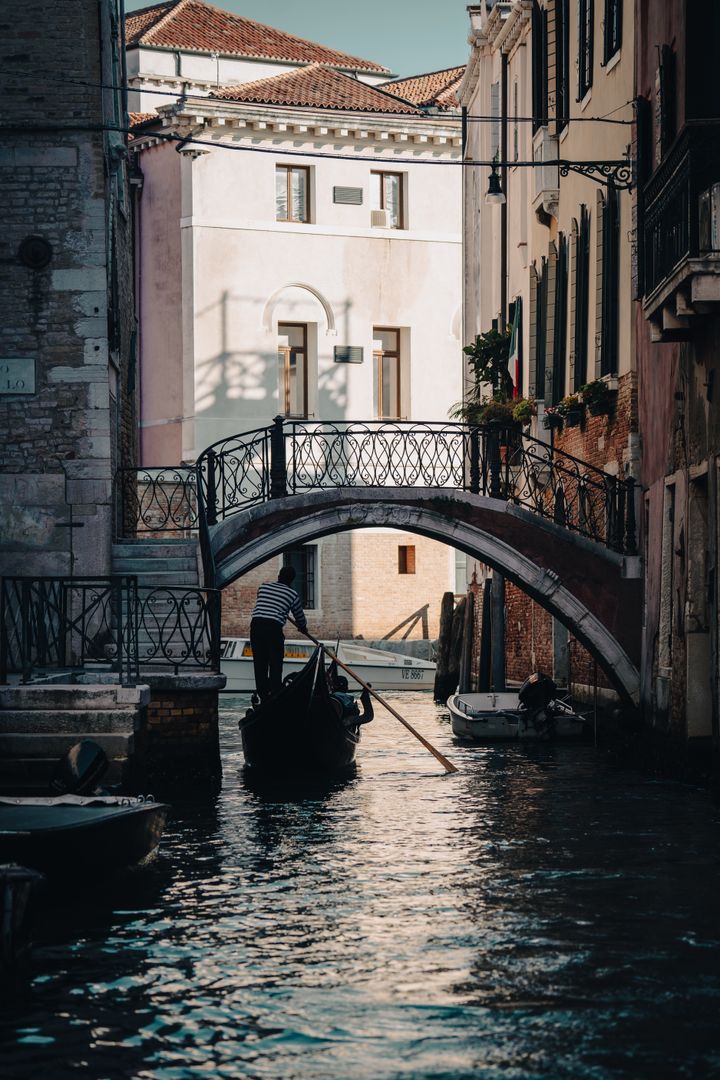
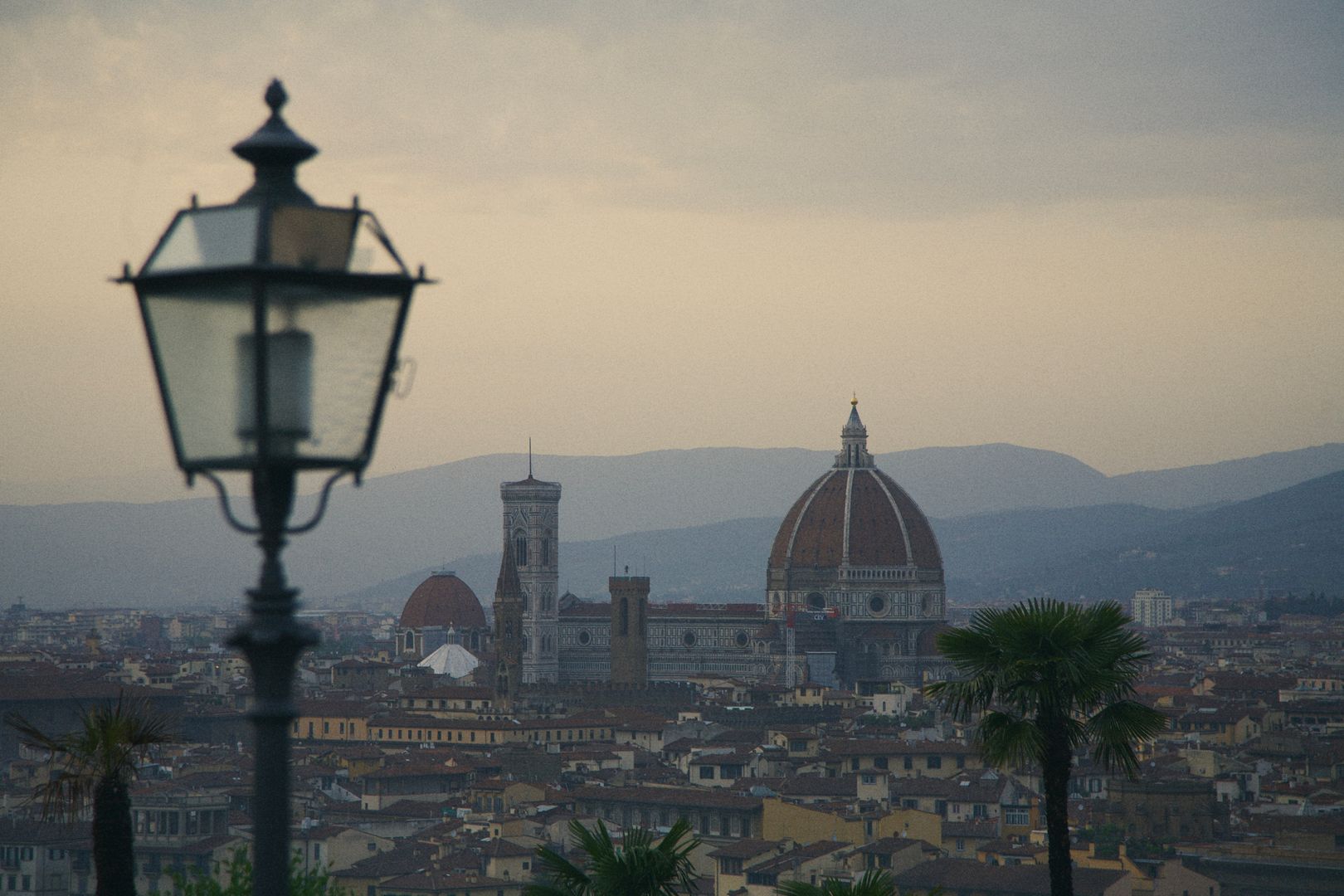
Most Italy guidebooks treat Florence and Rome as equivalent first-time destinations. They aren't. Florence is a concentrated Renaissance art museum you can walk across in 25 minutes; Rome is a sprawling three-city layering (ancient, medieval, papal) that requires 4–5 days minimum and significantly more logistics. Choose Florence if you want art intensity and walkability. Choose Rome if you want historical range and can tolerate crowds, heat, and longer distances between sights. Many travellers who try to do both in five days end up burnt out and hotel-hopping. The better question isn't which one to visit—it's how much time you have and what exhausts you less: queuing or walking.
| Category | Florence | Rome |
|---|---|---|
| Best for | Renaissance art intensity, walkable exploration | Historical range, ancient ruins and papal architecture |
| Signature draw | Uffizi Gallery, Michelangelo's David | Colosseum, Vatican, Sistine Chapel |
| Beaches or nature | None; day trip to Siena (medieval town) | None; urban only |
| Nightlife | Bars only; no club scene | Bars and clubs; more options |
| Mid-range daily cost | €60–90 (food, transport, entry) | €80–120 (larger scale, more sights) |
| Peak season | May–September, Easter, Christmas | May–September, Easter, Christmas |
| Crowd level | Moderate; manageable in peak | High; severe at major sites July–August |
| Recommended stay | 2–3 nights minimum | 4–5 nights minimum |
| Getting there | Train from Rome: 1.5 hours, €25–60 | Train to Florence: 1.5 hours, €25–60 |
Florence: what you actually get in 2–3 days
Florence's historic centre contains 370,000 people and fits inside a one-square-kilometre wall. You can walk from the Duomo to the Ponte Vecchio in 15 minutes. This compactness is its defining advantage, not a drawback. Most travellers vastly overestimate how much time they need here.
The art core. The Uffizi Gallery holds Botticelli's Birth of Venus, Leonardo's Annunciation, Caravaggio's Medusa, and Giotto's work—roughly eight centuries of painting in one building. Book your slot two to three weeks in advance (€20, timed entry; same-day tickets exist only on quiet weekdays, typically mid-November through February). Allow three hours minimum; four if you're taking notes.
The Accademia Gallery exists for one reason: Michelangelo's David, a marble figure worth seeing once in person. The gallery itself contains 30 minutes of other worthwhile work. Without pre-booking, expect two-hour queues; with booking (€20 + €4 fee), you enter in 10 minutes. Book online, same-day options available.
Brunelleschi's Dome dominates the skyline. The exterior is free to walk around and photograph. If you climb it (463 steps, €30 combined ticket with the Baptistry and Opera Museum), book a timed slot in advance. The views from the top are legitimate—you see the Arno, the Tuscan hills, and Fiesole to the north. The climb itself is narrow (one-way traffic, tight spiral) and takes 30 minutes.
Skip the Uffizi if you've spent two weeks in Italian museums already. Skip the Accademia if sculpture doesn't move you. But one of these two is essential for a first-time Florence visit.
Where to stay and eat. Oltrarno, the neighbourhood south of the Arno, hosts the Pitti Palace and Boboli Gardens. It's less touristy than the area around the Duomo, but still central—five-minute walks to major sights. Restaurants here serve actual Florence residents alongside tourists. Order the ribollita (bread and bean soup, €6–8), bistecca alla fiorentina if they have it (€40–60 per kilo, shared), and house wine (€3–5 per glass). Avoid restaurants with picture menus or English-language signs facing the street.
The day trip that matters. Siena, 1.5 hours by direct bus (€15 return, FlixBus or SITA Nord from the main station), is one of Europe's intact medieval cities. The Piazza del Campo is a sloped brick piazza where the Palio horse race happens every July and August; even without the race, the architecture alone justifies a full day. Climb the Torre del Mangia (500 steps, €10) for a view across Tuscany. Eat cacio e pepe or pici (a thick local pasta) for €8–12. Last bus back to Florence leaves around 8pm; night buses exist but are slower.
Most itineraries get this wrong. Many guides suggest three to four days in Florence, which creates pressure to see everything and often means renting a car to visit Chianti or other Tuscan towns. Florence itself doesn't need more than two to three days. If you want Chianti wine and countryside, that adds a day—but budget travellers should skip it. It's expensive and doesn't substantially change your Florence experience.
Fit for whom. Art-focused travellers, anyone seeking a walkable city base, couples on a romantic trip. Less suited to people who need nightlife (Florence has bars but no club scene) or beaches.
Rome: what you need to know before booking
Rome's population is 2.8 million. Its historic centre sprawls across roughly three kilometres from the Colosseum (southeast) to Vatican (northwest). Walking between major sights takes 20–30 minutes. It's hotter than Florence in summer (regularly 32°C in July–August), more crowded at peak sights, and demands more advance planning.
The Colosseum and Roman Forum. Book your timed-entry ticket at least two weeks ahead (€18–24, depending on which sites you add). Arrive at opening time—9am is the rule. By 11am, queues outside the barriers stretch 45 minutes even for pre-booked visitors. The wait is partly security screening (metal detectors). Allow three hours to see both sites properly. The Forum is the more rewarding of the two: you're walking through the actual layout of an ancient city—temples, markets, the Senate building—rather than looking at a ruin from the outside.
Vatican Museums and Sistine Chapel. Seven million people visit these rooms annually. Book your timed-entry online at least three weeks ahead (€19, or €26 with early entry at 7:45am—worth the cost). Arrive 15 minutes before your slot. Allow three to four hours. The Sistine Chapel is genuinely astounding—Michelangelo's Creation of Adam is one of Western art's anchor images—but the crowd experience is suffocating (no audio guides allowed, everyone's craning their neck, the room is 40 people per square metre). Go early if possible.
St Peter's Basilica is free and separate from the Museums. You don't need a ticket, but you will queue for security screening (bag checks, shoulders covered). Climbing the dome (551 steps, €10) takes 30 minutes and offers a view inside the basilica and across Rome. Book online to skip the queue.
Trevi Fountain. It's flooded with tourists 24 hours a day—which is what makes the conventional wisdom about visiting at 6am accurate. If you go at 6–7am, you'll photograph it without 300 people in the frame. By 10am, you won't have that option. The fountain itself is underwhelming in person: smaller than expected, enclosed by a piazza so cramped you can't see the whole thing clearly. Throw a coin if you want; don't spend 45 minutes positioning yourself for a photo.
Eating and neighbourhoods. Trastevere, on the west bank of the Tiber, is the neighbourhood where Romans actually eat dinner. Avoid the restaurants facing the main piazza (Piazza Santa Maria); walk one block further into the side streets. Cacio e pepe (cheese and black pepper pasta, €10–14), carbonara (€10–14), and saltimbocca (veal with sage, €16–22) are the local dishes. House wine is €3–5 per glass. Book dinner reservations through local restaurants' websites or DinnerBooking.com (not OpenTable, which charges high commission here).
Spanish Steps and Pantheon are central and worth a short visit, but they're dense with tour groups. The Pantheon has free entry to the building itself; go at 8am if you want to see it without 500 people.
Safety. Rome's petty theft is real but concentrated. Phone snatches and bag slashing happen on the metro (Line A near the Vatican in particular) and at the Colosseum. Keep your phone in a front pocket or crossbody bag, not a back pocket. The city is safe to walk at night in tourist districts and main roads. Avoid empty side streets after dark. Overall safety is comparable to Florence—both are safer than most major European cities for tourists.
How heat changes the schedule. July and August see temperatures of 30–35°C with crowds doubled. Museums are more bearable (air-conditioned, fewer outdoor queues), but you'll be drenched in sweat walking between sites. Late April–May or September–October are optimal: 20–22°C, manageable crowds. December through February are cold (8–12°C, unpredictable rain) but quiet.
Doing both cities in one trip

The logistics. High-speed trains (Frecciarossa or Italo) run the Florence–Rome route in 1.5 hours, €25–60 depending on how far ahead you book. Standard trains take 3.5 hours and cost €12–15. Both depart every hour or so during the day. Book through Trenitalia or Italotreno websites, or use Omio to compare both.
The time split that actually works. Two nights in Florence + four nights in Rome covers both cities adequately. Day one: arrive in Rome, train to Florence. Days two and three: Florence. Day four: train back to Rome. Days five and six: Rome. Day seven: fly home.
Reverse this if you fly into a city with better connections (Rome has more direct flights from North America and Northern Europe). Flying into Florence limits your options; flying into Rome and training north is more flexible.
Which to prioritise if time is tight. If you have only five days total and must choose one: pick Rome. It's the historically more significant destination and offers a wider range—ancient ruins, Renaissance palaces, baroque fountains, papal architecture. Florence is the better day-trip destination from Rome (2.5–3 hours by train, doable as an overnight excursion).
If you're art-focused and willing to skip everything else: Florence. The concentration of Renaissance work in a 2km radius—Uffizi, Accademia, Duomo, dozens of churches—is unmatched anywhere in Europe.
If you're travelling with children under 12: Florence is easier. It's compact, fewer sites require timed bookings, crowds are slightly lighter, and the walking distances are shorter.
When to visit and booking timeline
Late April and October are optimal for both cities. Temperatures are 18–22°C, crowds are moderate, and trains run on schedule. May and September work nearly as well; June is bearable but crowded. July and August are hot and mobbed—doable but exhausting. December through February are cold and quiet, which suits some travellers; Easter week and Christmas are peak-crowd periods regardless of weather.
Book museum tickets and Colosseum entry six to eight weeks in advance if you're visiting in peak season (May–September, Easter week, Christmas). For off-season visits (November, January–February), three weeks is sufficient. Book your train tickets two to four weeks ahead for the best fares.
Who should go and when
Visit Rome first if you want a comprehensive Italian experience: ancient ruins, Renaissance art, and baroque drama in one city. Visit Florence first if art is your sole focus. Spend two nights in Florence and four in Rome, book your major museum tickets eight weeks ahead of peak-season travel, and plan for late April or October to avoid heat and peak crowds. This split gives you the Renaissance in condensed form and Rome's full historical span—enough to understand why each city shaped Europe differently.
Frequently Asked Questions
Can I visit both Florence and Rome in one week?
Yes. Two nights in Florence and four nights in Rome allows adequate time for both cities without excessive logistics. Frecciarossa trains connect them in 1.5 hours. Flying into Rome and training north is more flexible than flying into Florence.
Do I need to book museum tickets in advance?
For peak season (May–September, Easter, Christmas), book 6–8 weeks ahead. The Uffizi, Accademia, and Colosseum require timed entry; without pre-booking, expect 45-minute to 2-hour queues. Vatican Museums reach capacity daily. For off-season visits, 3 weeks is sufficient.
What's the best time of year to visit?
Late April and October are optimal—temperatures are 18–22°C with moderate crowds. May and September work nearly as well. July–August are hot (30–35°C) and heavily crowded. December–February are cold (8–12°C) but quiet.
Is Rome or Florence safer for tourists?
Both are safer than most major European cities. Rome has concentrated petty theft on the metro (especially Line A near Vatican) and at the Colosseum; keep phones in front pockets or crossbody bags. Avoid empty side streets after dark in both cities. Tourist districts and main roads are safe at night.
Which city should I prioritize if I only have five days?
Choose Rome if you want historical breadth across ancient, Renaissance, and baroque periods. Choose Florence if art is your sole focus—the concentration of Renaissance work in a 2km radius is unmatched. Florence is also easier as a day trip from Rome (2.5–3 hours by train).