23 May 2026
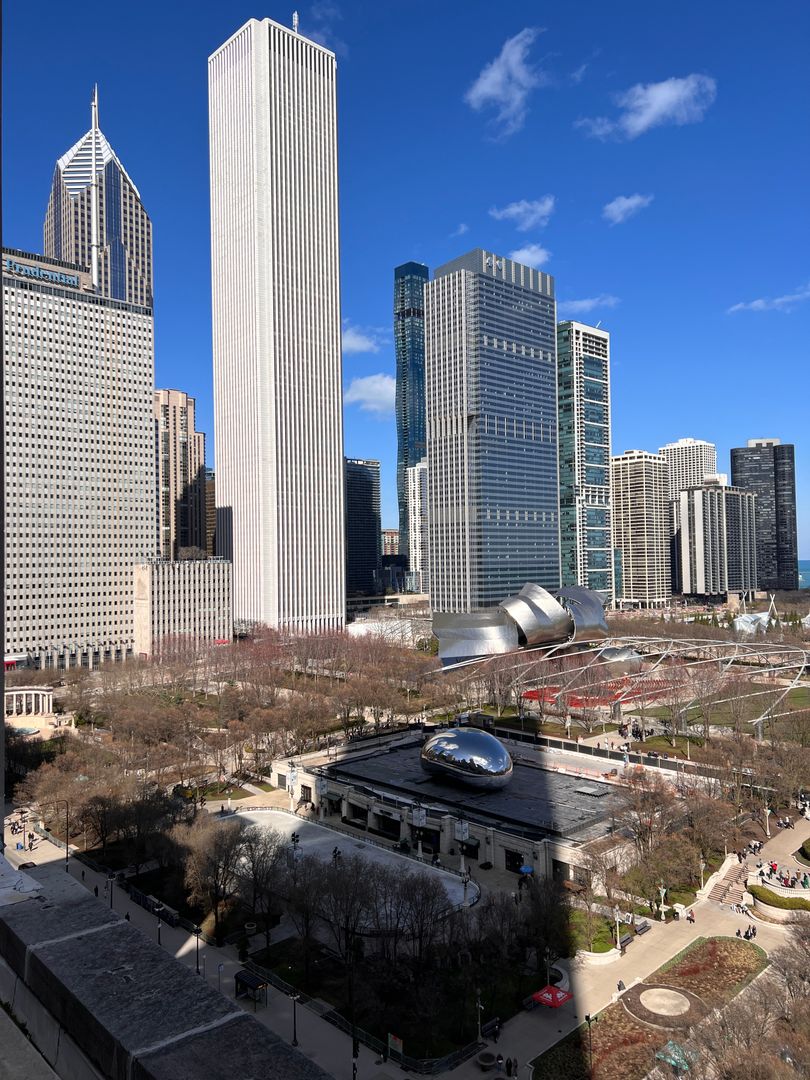
united statesChicago Travel Guide: Architecture, Deep Dish, and the Bean
Chicago is the third-largest city in the United States and arguably its most architecturally significant — the steel-frame skyscraper was invented here in 1885. The city has a world-class art museum, a Blues scene that shaped American music, pizza so different from New York's that the comparison is not useful, and a lake that functions as an inland sea.
Henrik Vinter
22 May 2026
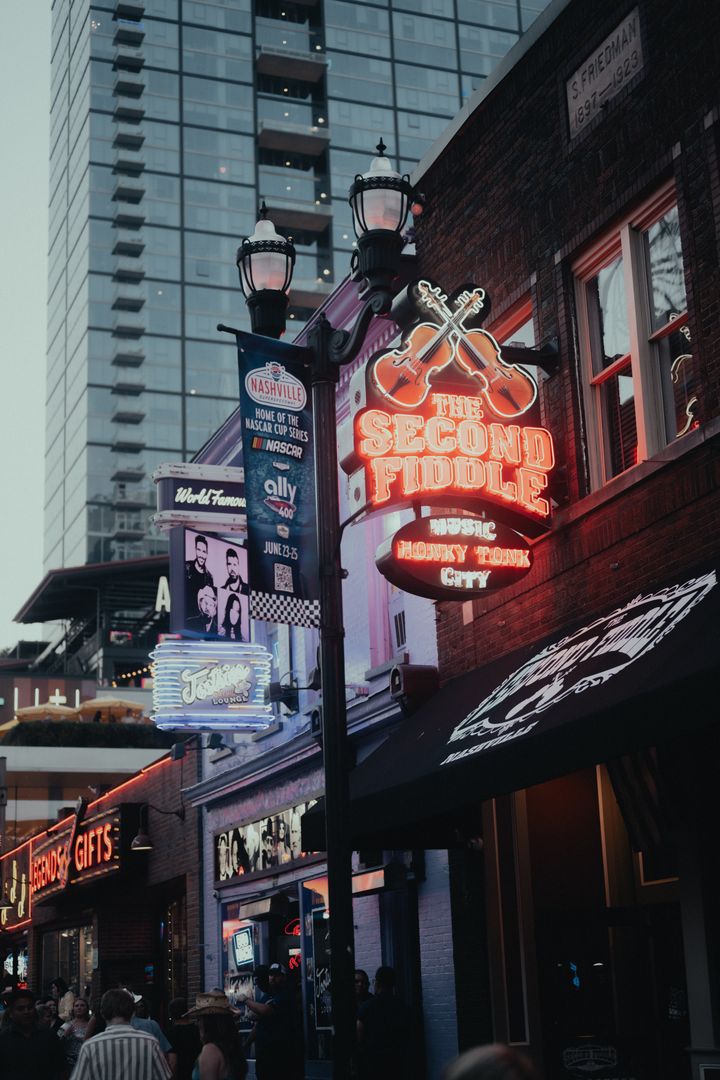
united statesNashville Travel Guide: Country Music, Hot Chicken, and a City That Changed Fast
Nashville has been American country music's capital since the 1920s. The honky-tonks on Lower Broadway have neon signs and live bands from 10am. The hot chicken at Prince's will require a decision about your spice tolerance. The city has grown by 100 people per day for the past decade, and the bachelorette party economy has taken hold of the downtown.
Henrik Vinter
21 May 2026
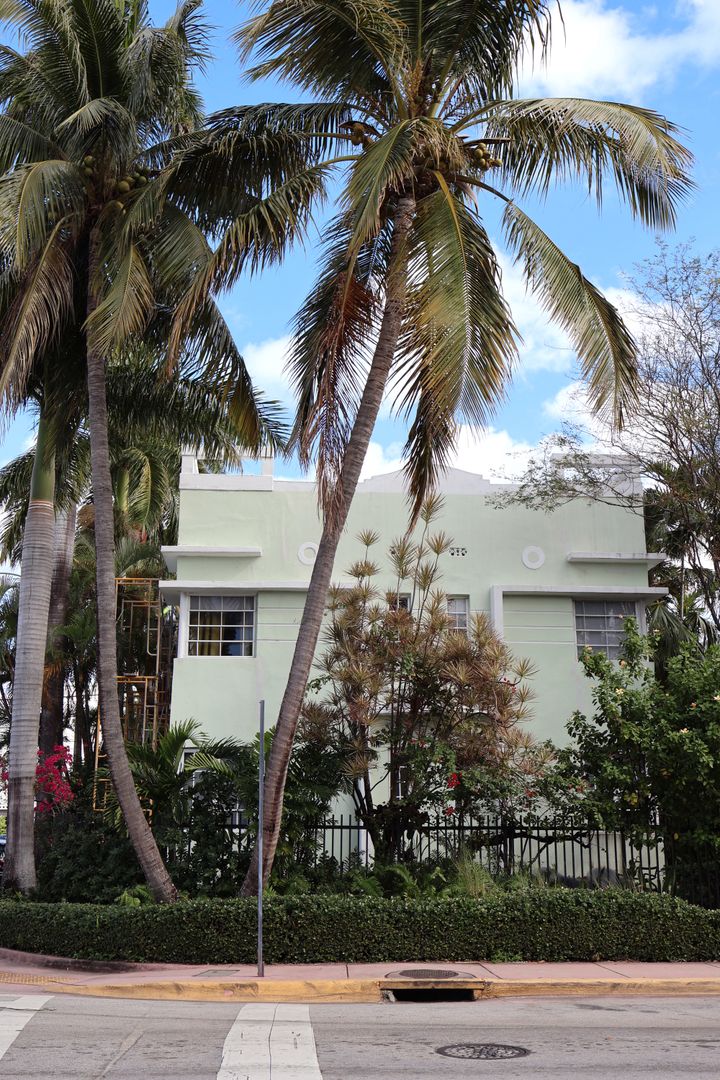
united statesMiami Travel Guide: South Beach, Wynwood, and a City Built for Winter
Miami occupies the southeast tip of Florida — subtropical, flat, and designed around the car. In winter (December–April) it has the best weather of any major American city: 24–28°C, low humidity, clear skies. South Beach has Art Deco architecture from the 1930s, a beach that faces east into the Atlantic, and hotels that charge accordingly.
Henrik Vinter

8 March 2026
united statesMaui Travel Guide: A First-Timer's Practical Briefing
Maui is the second-largest Hawaiian island and the one deliberately engineered for tourists. The resort infrastructure is concentrated, the beaches are genuinely excellent, and the costs are high: a week for two people runs roughly $4,500–7,000 including flights from the US mainland, accommodation, car rental, and meals — comparable to a Maldives trip but for a fundamentally different experience. The question is whether Maui's particular appeal — excellent snorkelling, reliable weather, proximity to the volcano, whale watching in season — justifies it over the Big Island or a return to somewhere you've already been.
Henrik Vinter
6 March 2026
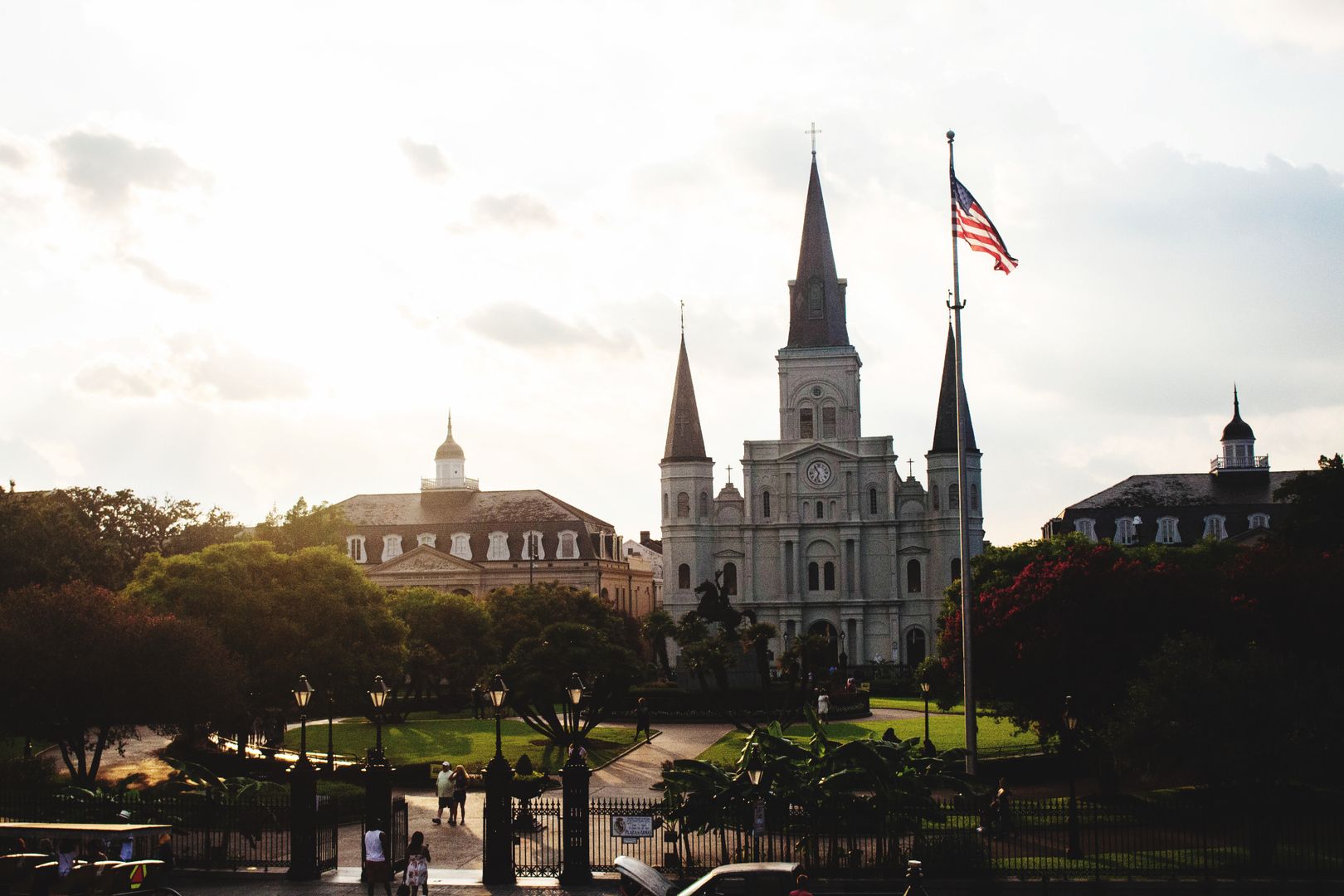
united statesNew Orleans Travel Guide: What to Know Before You Visit
New Orleans is the only major American city that resembles a European port town — a direct result of French and Spanish colonial rule, African diaspora food cultures, and a relationship with time that's markedly different from anywhere else in the country. Most visitors spend their entire trip on Bourbon Street and leave thinking they've seen the city. Bourbon Street is the worst block in New Orleans. This guide covers what the city actually is, when to visit outside the tourist machinery, where locals eat, and what trips up first-time visitors.
Henrik Vinter

6 March 2026
united statesSouthwest USA Road Trip: Grand Canyon, Zion, and Bryce Canyon
The Grand Canyon, Zion, and Bryce Canyon lie within 500km of each other, connected by straightforward highways and a landscape that shifts dramatically every 100km. Most people who drive to one end up visiting all three—the Southwest road trip is the most logistically coherent multi-park loop in America because the roads are simple, the signposting clear, and the scenery between parks is genuinely exceptional, not filler. This loop covers 1,000–1,200km of total driving depending on your start point. The distances are real, but they move at 100–110 km/h on empty highways, and you'll spend more time on trails than in the car.
Henrik Vinter
5 March 2026
united statesSan Francisco Travel Guide: What First-Timers Need to Know
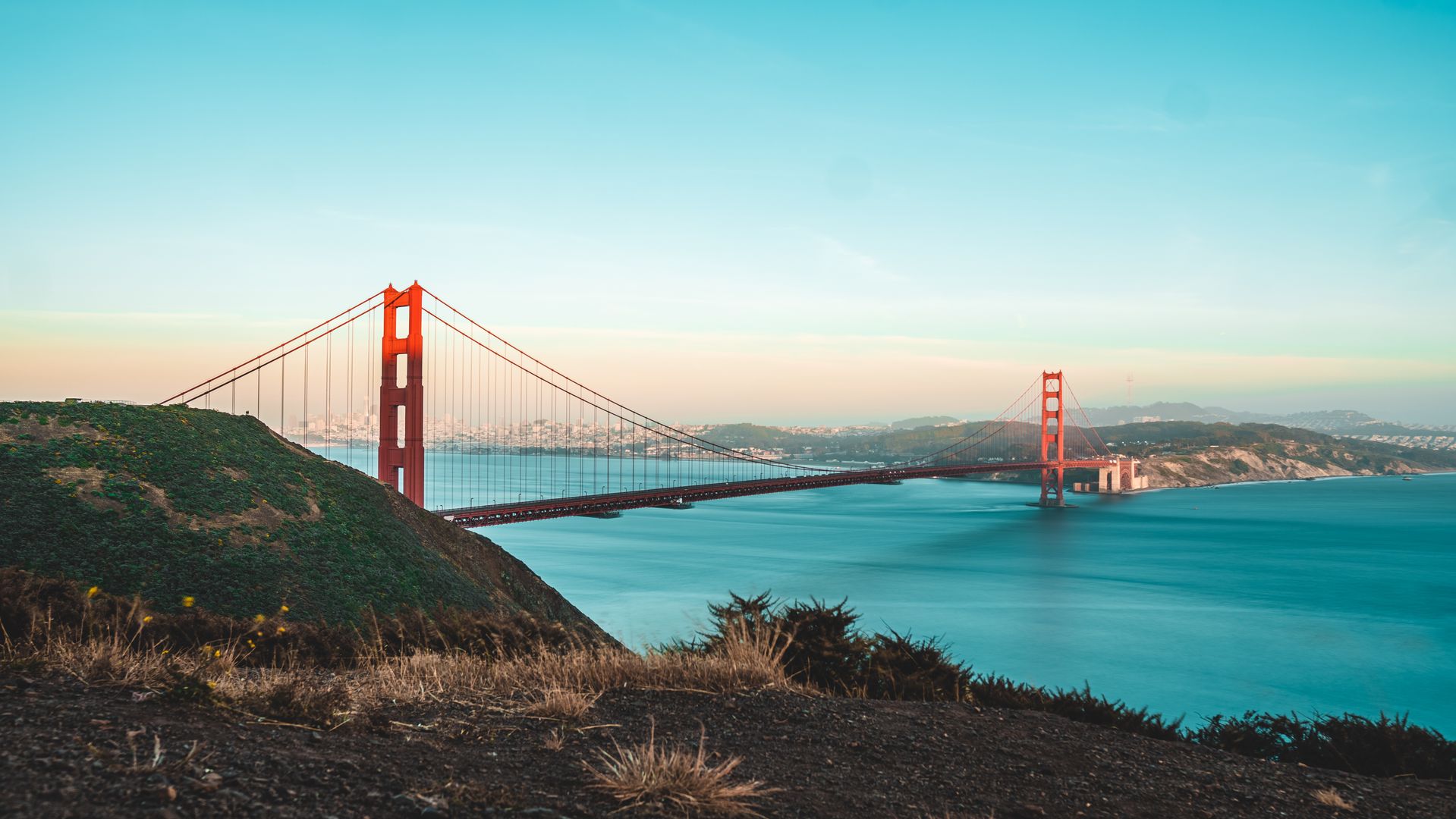
San Francisco's most famous weather feature—the summer fog rolling through the Golden Gate every afternoon—makes July and August among the worst months to visit. The city reaches its warmest and clearest state in September and October, when the rest of California thinks about autumn. Most visitors discover this frustration only after booking. The reality of San Francisco is messier than the postcard: it's expensive, visibly struggling with open-air drug use in specific neighbourhoods, and the cable cars move slower than walking. What remains genuine is the topology, the water on three sides, the neighbourhoods that feel like separate towns, and a working port that hasn't been turned into pure tourism.
Henrik Vinter

4 March 2026
united statesNew York City: A Practical First-Timer's Guide
New York City is five boroughs, not one, and most first-timers spend four days in Midtown Manhattan—the most expensive, least representative part—and miss the city almost entirely. The gap between Times Square and the actual New York that people who live here inhabit is about ten subway stops. A realistic first visit takes four to five days to move through multiple neighbourhoods without rushing, but those days are wasted if you don't leave Midtown.
Henrik Vinter