Showing 1–12 of 19 articles

28 May 2026
japanMatsumoto Travel Guide: The Black Castle and the Japanese Alps
Matsumoto Castle was built between 1593 and 1614 and is one of only twelve original castles remaining in Japan — meaning the wooden keep and tower are the genuine 16th–17th-century structure, not a 20th-century reinforce
Henrik Vinter
28 May 2026
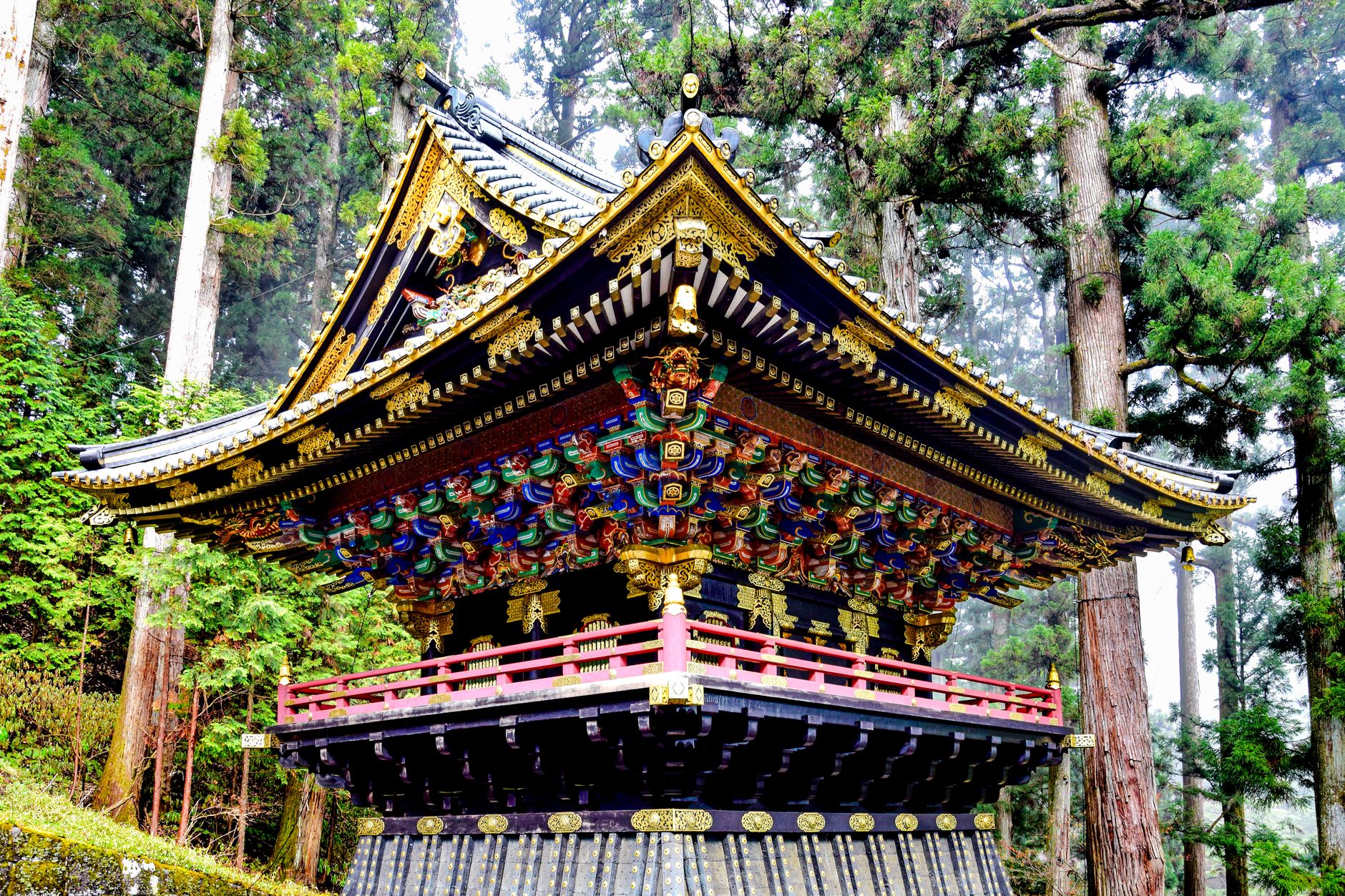
japanNikko Travel Guide: The Toshogu Shrine Complex and the National Park
Nikko is 150km north of Tokyo in Tochigi Prefecture, a 2-hour journey by Tobu Limited Express from Asakusa. The town itself is unremarkable, but the forested hillside above it contains the Toshogu Shrine — the mausoleum
Henrik Vinter

28 May 2026
japanTakayama Travel Guide: The Mountain Town with Japan's Best-Preserved Old Quarter
Takayama sits at 573 metres in the mountains of Gifu Prefecture, 2.5 hours by limited express train from Nagoya through the Hida range. The city's two preserved merchant districts — Sanmachi Suji — date from the Edo peri
Henrik Vinter
19 May 2026
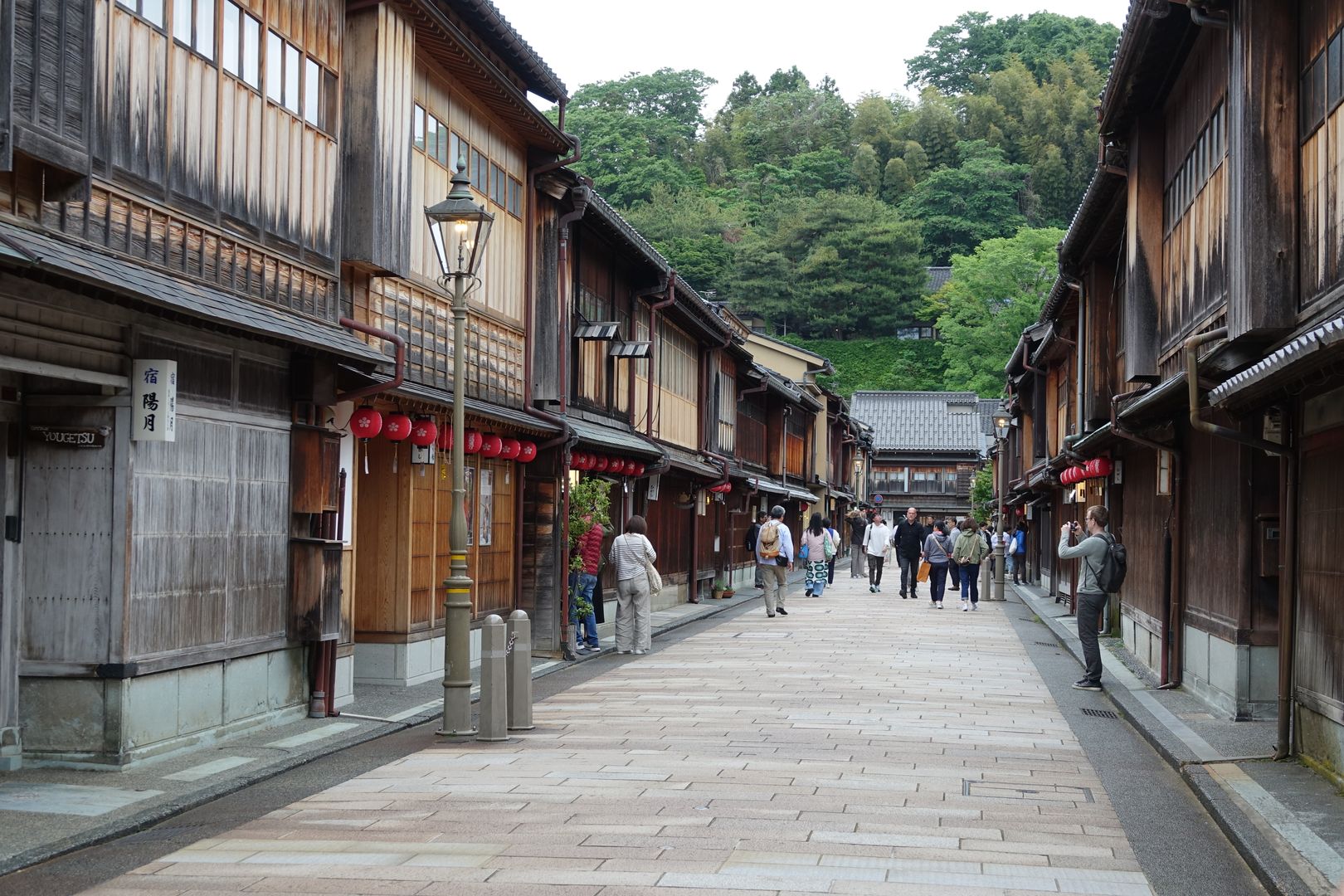
japanKanazawa Travel Guide: Kenroku-en, Seafood Markets, and a City That Missed the Bombs
Kanazawa escaped Allied bombing in World War II — its industrial base was light enough not to be a priority target. The result is one of the best-preserved pre-Meiji urban environments in Japan: a geisha district, a samurai neighbourhood, a functioning morning fish market, and the castle garden rated among Japan's three finest.
Henrik Vinter
18 May 2026
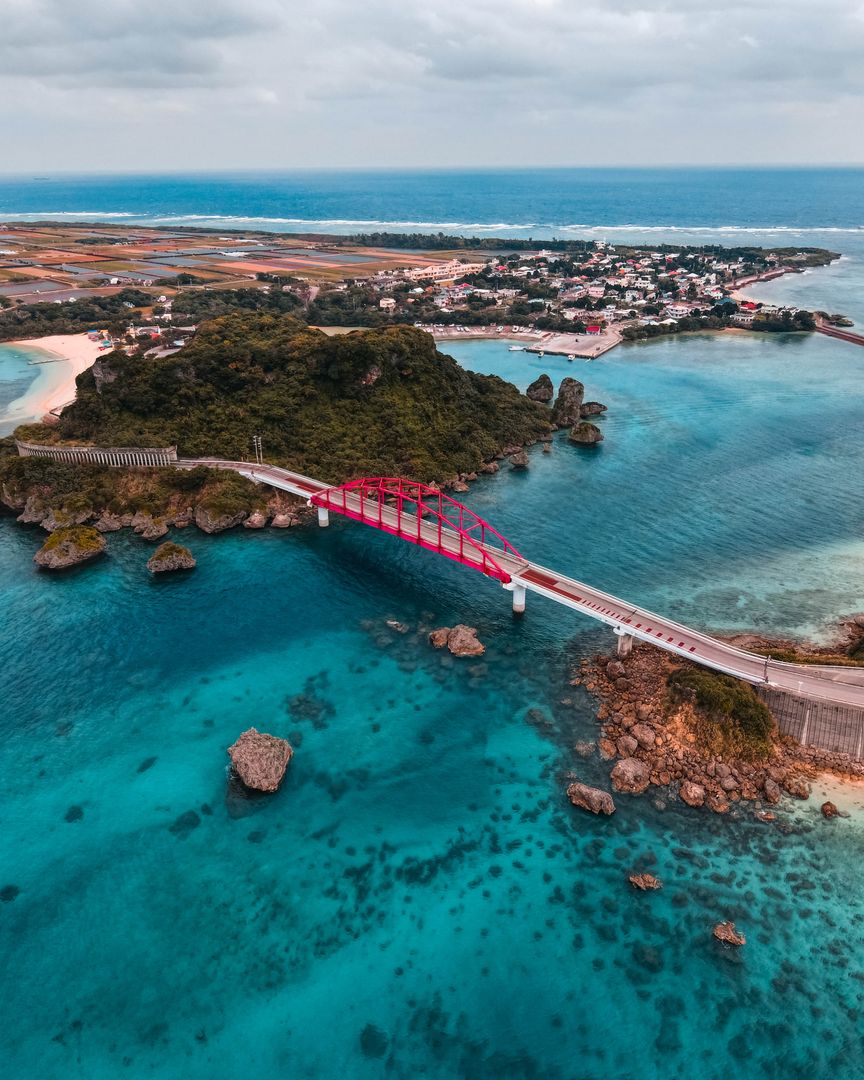
japanOkinawa Travel Guide: Japan's Subtropical Islands, Explained
Okinawa Prefecture consists of 160 islands spread across 1,000km of ocean between Japan and Taiwan. The main island has traffic, Shuri Castle, and the most US military bases outside the continental United States. The outer islands have some of the clearest water in Japan and almost no one on them.
Henrik Vinter

17 May 2026
japanKamakura Day Trip Guide: The Great Buddha, Coastal Temples, and When to Go
Kamakura is 50 minutes from Tokyo Station and contains 19 major temples, 5 major shrines, and a 13.35-metre bronze Great Buddha that has been sitting outdoors since the wooden building around it blew away in a 1334 typhoon. It is the easiest and most rewarding day trip from Tokyo.
Henrik Vinter
9 April 2026
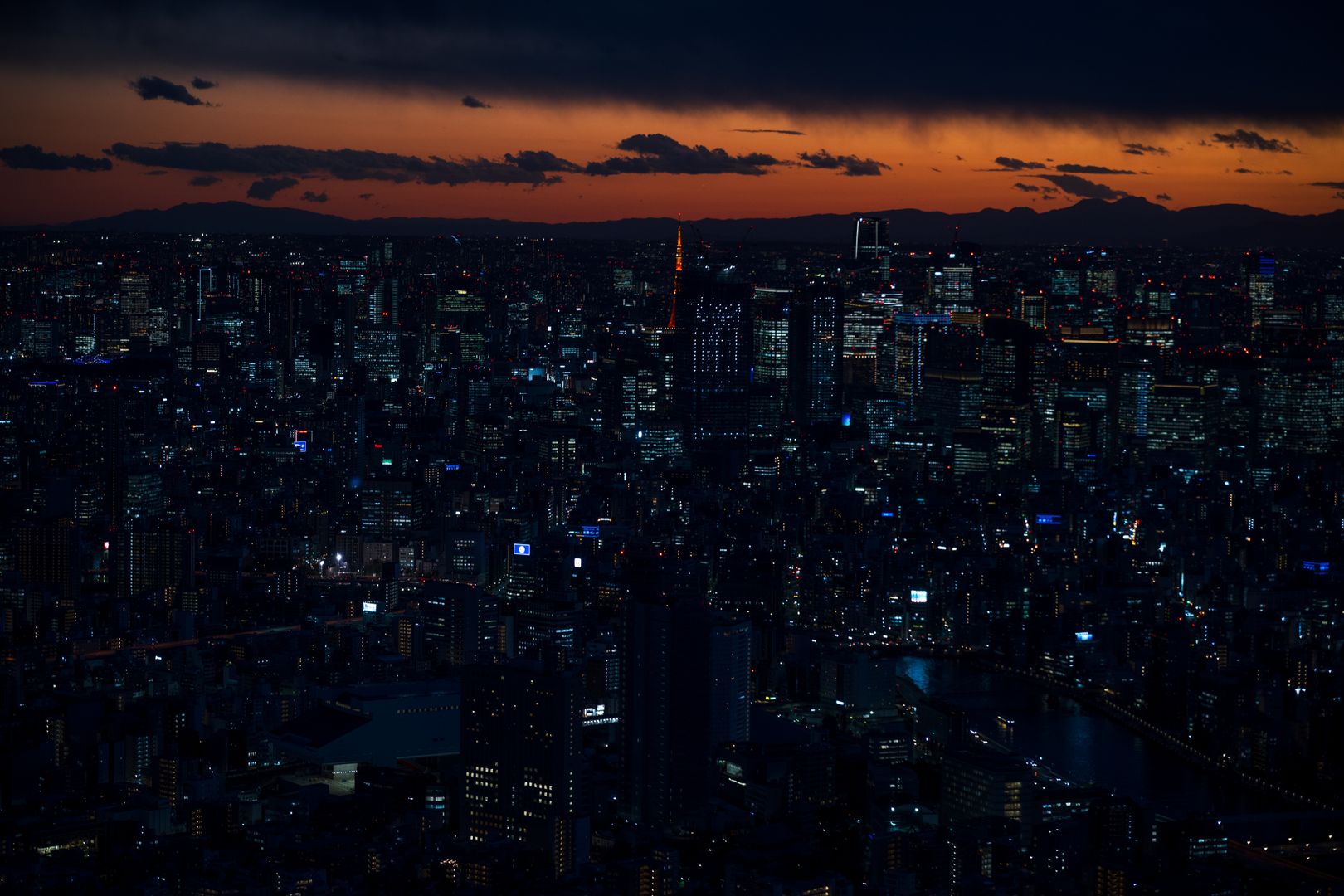
japanTokyo Neighbourhoods: Where to Stay and What Each Area Is Like
Tokyo spans 627 km² across 23 special wards and over 40 distinct neighbourhoods, each with its own character, price tier, and convenience profile. Where you stay determines your daily commute pattern and which parts of the city feel accessible — staying in the wrong area for your interests can add 45 minutes of transit time to every outing. The Yamanote Line, the circular JR loop connecting 29 stations in 60 minutes, forms the city's backbone. East of it (Asakusa, Ueno, Akihabara) tends toward tradition and affordability; west (Shinjuku, Shibuya, Harajuku, Omotesando) leans contemporary and expensive. Understanding this geography before booking is more useful than comparing hotel star ratings.
Henrik Vinter

24 March 2026
japanJapan Rail Pass: Is It Worth It for Your Trip?
The fastest Shinkansen trains between Tokyo and Osaka—the Nozomi services—don't accept the Japan Rail Pass. Only the slower Hikari trains are covered. On this route, that's a difference of 50 minutes (Nozomi: 2h 25m vs. Hikari: 3h 15m). If your itinerary relies on Nozomi for speed, the JR Pass math changes immediately.
Henrik Vinter

22 March 2026
japanNara Day Trip from Kyoto or Osaka: Deer, Temples, and How to Do It
Nara was Japan's first permanent capital from 710–794 AD and is now home to 370,000 people and over 1,200 freely roaming sika deer. The deer are the draw — they will bow, headbutt you for crackers, and occasionally eat your map. It is exactly what it sounds like, and it is excellent. Most visitors from Kyoto or Osaka can see the essential sights in three to four hours, though the experience easily stretches to a half day. The question isn't whether to go — it's how to fit it into your existing itinerary without wasting time.
Henrik Vinter

22 March 2026
japanJapan on a Budget: What Things Cost and Where to Save
Japan costs roughly 60% of what a comparable trip to London, Paris, or Sydney costs in 2026, and this gap has widened since 2023 due to yen weakness. A mid-range traveller spends £40–65 per day on everything except long-distance trains and accommodation—substantially less than the same itinerary in Western Europe. The persistent myth that Japan is prohibitively expensive dates from 2010–2015, when the yen was strong and budget options were genuinely scarce. In 2026, with a weak yen hovering around 150–155 to the US dollar and 190–200 to the pound, and with capsule hotels, business hotel chains, and ramen culture thriving, Japan is one of the most sensible budget destinations in developed Asia.
Henrik Vinter

21 March 2026
japanHakone and Mount Fuji: The Practical Guide
Mount Fuji is hidden by cloud approximately 60% of the time year-round. This single fact should shape your entire itinerary. If you plan to see the mountain from a summit or base viewpoint, allocate multiple days in the Hakone and Fuji area, or accept that you may see nothing but grey. The mountain is most visible in October and during clear spells in December to February. If you're set on summiting, July to early September is the only window — and even then, you'll climb into cloud cover roughly half the time. The area remains rewarding without Fuji views: Hakone itself is a functional mountain resort with geothermal water, ropeway access to volcanic vents, and an excellent open-air museum. But the Fuji element is the draw, and pretending otherwise leads to disappointment.
Henrik Vinter
20 March 2026
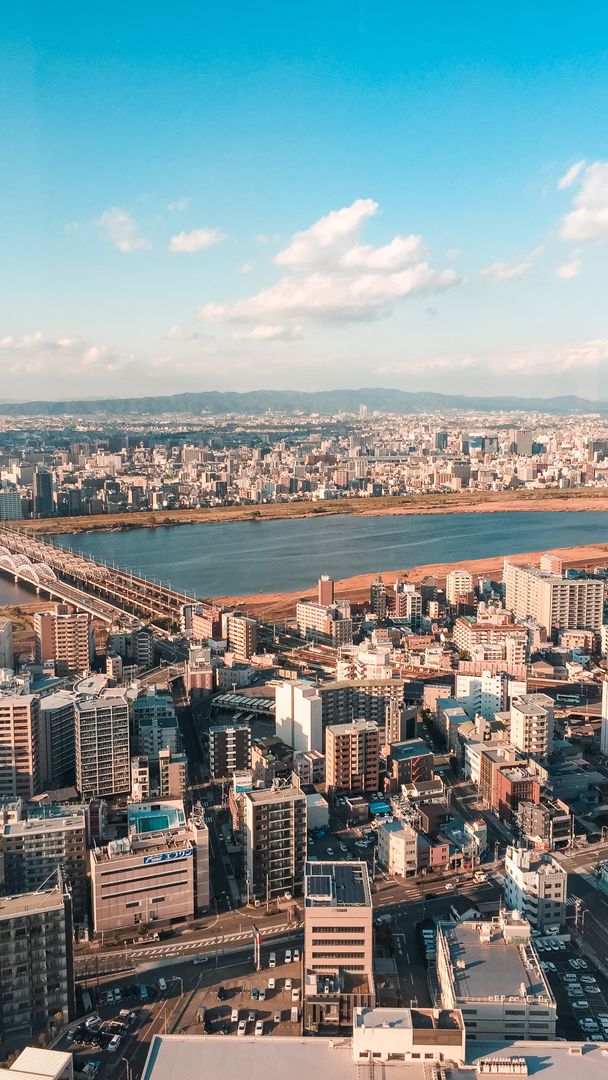
japanOsaka Travel Guide: Food, Neighbourhoods, and What the City Is Actually Like
Osaka's reputation outside Japan is as Tokyo's louder, messier cousin — a characterization that misses the point entirely. The city that other Japanese cities consider too direct, too loud, too willing to talk to strangers. Local saying: "Kyoto people are subtle, Osaka people are direct." The food is richer, the humour sharper, and the street energy closer to Hong Kong or Naples than to Tokyo's contained precision. For many long-term Japan visitors, it is the most approachable Japanese city — and the only one where pointing at a menu and grunting is not just acceptable but expected.
Henrik Vinter