Showing 13–15 of 15 articles

1 April 2026
spainSeville Travel Guide: Flamenco, the Alcázar, and How to Time Your Visit
Seville is the hottest city in continental Europe during summer — July averages 37°C, August 36°C, with regular peaks at 42–44°C. This is not background detail; it dictates whether you spend your days inside or exploring the Alcázar's gardens and cathedral plazas. Visit March through May or October through November, and Seville is extraordinary. Visit in August and you're managing heat rather than discovering a city. The historic centre is compact, the tapas are genuine, and the architecture — Moorish, Gothic, Renaissance, layered across eight centuries — rewards the traveller who arrives at the right season.
Henrik Vinter

12 January 2026
spainFirst Time in Barcelona: What to Know Before You Go
Barcelona's most famous street, Las Ramblas, is where you'll see the most postcards and lose the most wallets. Pickpocketing here runs at roughly one incident per 50 tourists during peak season. The architecture tourists photograph is often 20th-century reconstruction, not medieval original. But ignore that street—the actual Barcelona starts a ten-minute walk into the grid of Eixample or the narrow lanes of El Born. First-timers arriving without a strategy waste three days finding this out.
Henrik Vinter
6 January 2026
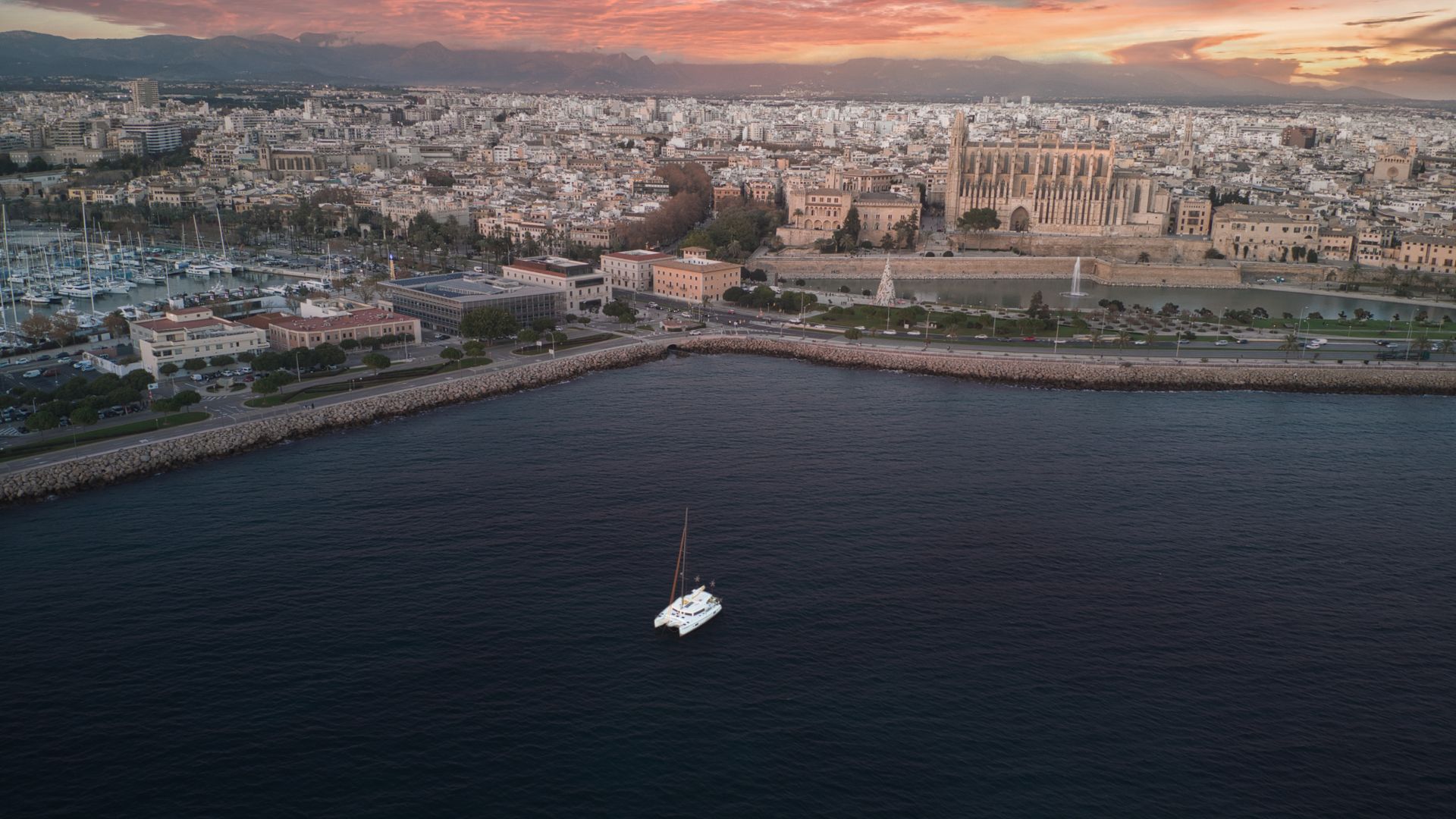
spainPalma, Mallorca: A Practical First-Timer's Guide
Palma is one of those cities that most visitors walk through without actually visiting. The 400,000-person capital of Mallorca sits 8km from the package-holiday strip at Platja de Palma — the two look nothing alike. The old town has a 13th-century Gothic cathedral, 10th-century Arab baths, a covered food market open six days a week, and a Mallorcan food scene that has nothing to do with sangria and burgers. The confusion costs people two to three days of a week-long trip.
Henrik Vinter