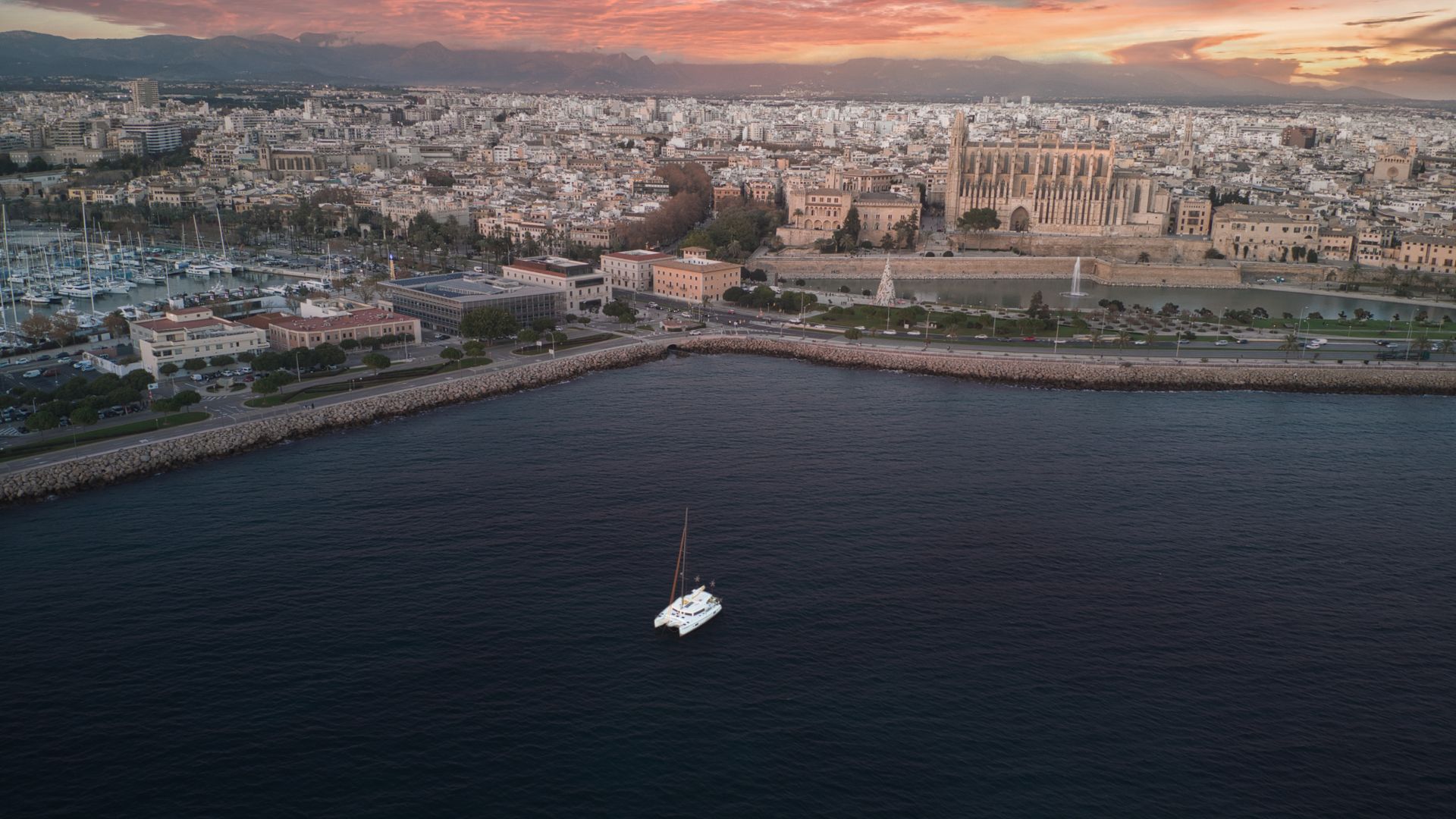

Palma is one of those cities that most visitors walk through without actually visiting. The 400,000-person capital of Mallorca sits 8km from the package-holiday strip at Platja de Palma — the two look nothing alike. The old town has a 13th-century Gothic cathedral, 10th-century Arab baths, a covered food market open six days a week, and a Mallorcan food scene that has nothing to do with sangria and burgers. The confusion costs people two to three days of a week-long trip.
What Kind of City Palma Actually Is
Palma is a regional capital. It has a university, a cathedral, courthouses, a financial district, and a population that is genuinely Mallorcan rather than expat or seasonal. The old city — bounded roughly by the Avinguda de Gabriel Roca (the seafront) to the south and Avinguda Jaume III to the north — takes about 20 minutes to cross on foot and contains most of what's worth seeing.
Mallorca receives around 13 million tourists per year, the majority heading for the beaches and never particularly engaging with Palma itself. This is your advantage. June–August mornings in the old town are crowded when cruise ships are docked — sometimes three ships simultaneously at Moll de la Fusta — but by midday most day visitors are heading for the coast, and the city reclaims itself.
Who Palma suits: anyone who wants a Mediterranean city with good food, walkable streets, and access to excellent beaches 30–60 minutes away by car. It works as a standalone urban destination or as a base for island exploration. It does not work if your goal is a quiet beach week — for that, stay on the north or east coast and visit Palma for a single day trip.
La Seu, the Palau, and the Arab Quarter
La Seu cathedral is the obvious starting point and worth the €10 entry. Construction began in 1229 under King James I of Aragon and took roughly 350 years to complete — the result is one of the largest Gothic cathedrals in Europe, with a 44-metre nave and rose windows that flood the interior with amber light on winter afternoons. Gaudí worked on the interior in the early 20th century; his most visible contribution is the iron canopy above the altar, which he left unfinished. Allow 45 minutes.
Directly adjacent is the Palau de l'Almudaina, a 14th-century royal palace converted from a Moorish fortress. It's still used by the Spanish royal family in summer, so sections close without much notice. The combination of palace and cathedral takes a full morning at an unhurried pace.
Three minutes' walk north, the Banys Àrabs (Arab Baths) are among the better-preserved 10th-century hammams on the Iberian Peninsula. The courtyard garden is genuinely quiet even in August. Entry is €3.50.
The medieval Jewish quarter, the Call, sits northwest of the cathedral — the streets are narrow enough that even modest crowds feel like a crowd, but it's reliably calmer than the cathedral's main façade.
Santa Catalina: Where Palma Actually Eats

Santa Catalina is the neighbourhood that has replaced the Born area as where Palma residents go for food and drink. It's a 15-minute walk west of the cathedral, centred on the Mercat de Santa Catalina — a covered market open Monday to Saturday that sells fresh fish, vegetables, and Mallorcan cheeses from around 7am.
Around the market, the streets hold restaurants that serve locals rather than tourists: smaller menus, seasonal produce, no English translations on the blackboards. Pa amb oli — bread rubbed with tomato and olive oil, topped with sobrassada or Mallorcan cheese — costs €4–6 at a bar here versus €12–15 near the cathedral. The price gap is reliable and consistent across the city: the closer you are to La Seu, the more you pay for the same food.
The older Mercat de l'Olivar, 10 minutes closer to the old town, is larger, more tourist-facing, but still functional for fresh produce and a stand-up lunch.
For dinner in Santa Catalina during June–September, book 48 hours ahead at any restaurant that doesn't have its menu posted in four languages. Those that do rarely need reservations.
Bellver Castle and Es Baluard
Bellver Castle sits 3km west of the city centre on a wooded hill with clear views over the bay and Palma's roofline. It is the only circular Gothic castle in Spain and one of very few in Europe. The walk up from the road takes 15 minutes and the grounds are partly open even when the museum inside is closed. Entry is €4.
Es Baluard, the contemporary art museum built into the city's Renaissance sea walls, is worth a morning if modern art is relevant to you. The permanent collection includes Miró and Picasso, both of whom have significant connections to Mallorca and Spain. Admission is €8. The terrace above the walls has the best unobstructed view of the harbour from within the city.
Beaches Near Palma: The Honest Version
Platja de Palma is the 6km beach strip immediately southeast of the airport. It's technically the closest beach to the city but is surrounded by decades of package-holiday infrastructure — concrete hotels, anglophone bars, and sun-lounger rental at €12–18 per chair per day. The water is clean but the beach itself is overcrowded July through August and the area around it has no particular reason to visit.
Better options within 25–45 minutes by car:
- Portals Nous and Portals Vells — calmer coves southwest of Palma, 25 minutes; Portals Vells has two small beaches at the end of a pine track
- Cala Major — closest alternative, rocky but clear water, 15 minutes
- Playa de Muro and Playa de Alcúdia in the north — longer drive (50–60 min) but the beaches on Mallorca's north coast are a meaningfully different category: wide, shallow water, backed by dunes
To see the best of Mallorca's coast — Formentor, the Tramuntana coves, the east-coast calas near Cala d'Or — you need a hire car. Public buses reach some beaches but not the most interesting ones.
When Is the Best Time to Visit Palma?
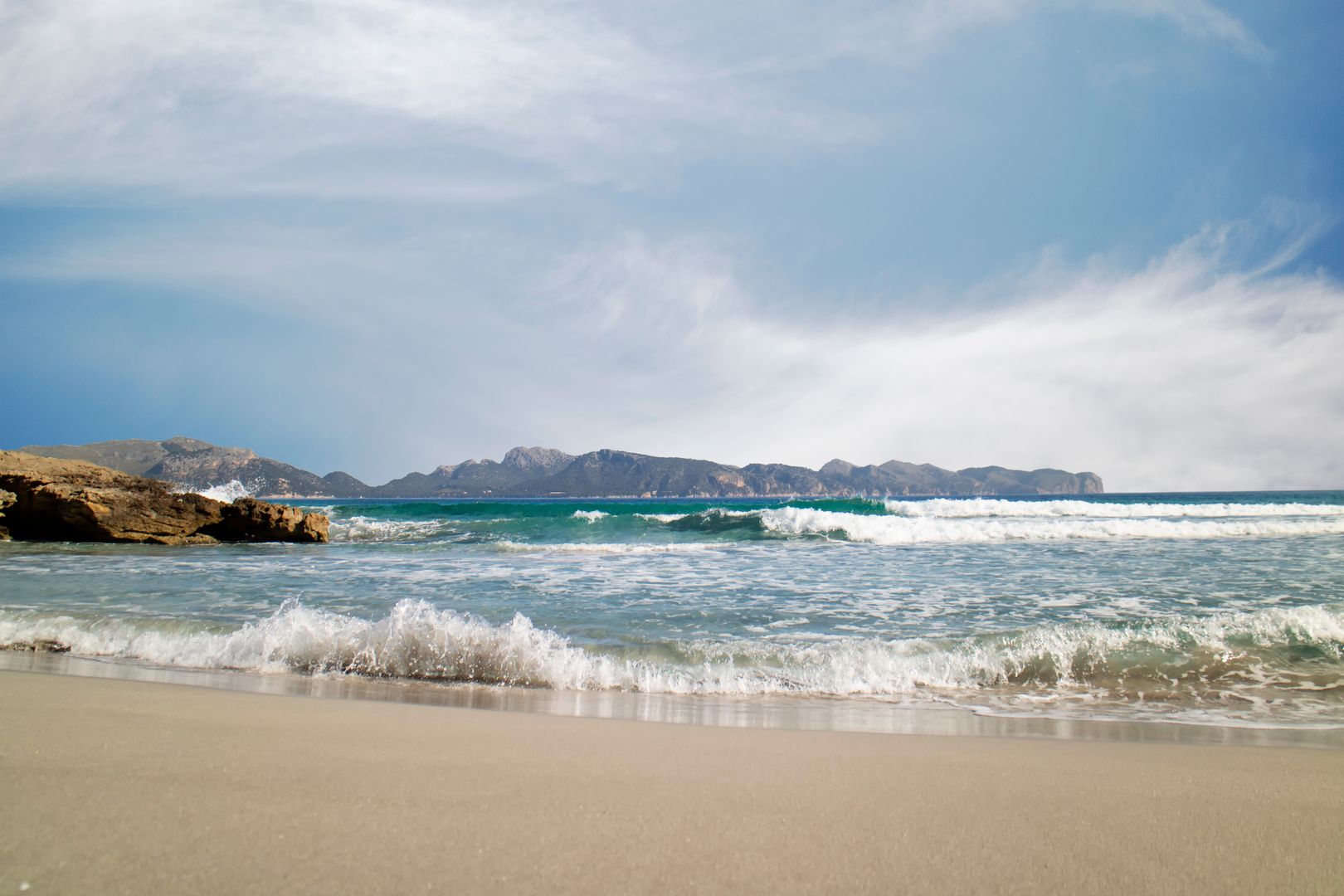
May, June, and September are the most practical months. Temperatures run 20–27°C, the sea is warm enough to swim from June onward, and accommodation is 25–40% below the July–August peak. The old town is walkable without heat becoming a problem.
July and August are peak months across every metric: 30–35°C daytime temperatures, the island's full 13 million annual tourists concentrated into 8 weeks, and prices that benchmark closer to Ibiza than to mainland Spain. Book hotels 3–4 months in advance for August; expect €160–260/night for a decent mid-range room in the city.
October and November work well for anyone who doesn't need to swim. Temperatures drop to 18–23°C, crowds thin sharply after the first week of October, and the old town is at its most accessible. Rainfall increases — October averages around 60mm — but rarely disrupts sightseeing.
December through February is the quiet season. Temperatures stay mild at 12–16°C, prices drop significantly, and Palma functions as a real city rather than a tourist destination. Most beach infrastructure closes. The cathedral, the markets, and Santa Catalina all continue normally.
Getting There and Getting Around
Palma de Mallorca Airport (PMI) is one of the 10 busiest airports in Europe during summer — around 30 million passengers annually. Direct connections exist from most European cities including multiple daily services from London, Amsterdam, Frankfurt, Stockholm, and Paris. In July and August, allow 2.5 hours before departure; queues at check-in and security are genuine.
A taxi from the airport to the city centre costs €18–25 and takes 15–25 minutes depending on traffic. The 1 bus line connects the airport to Plaça d'Espanya for €1.75 and runs every 20 minutes.
Ferries from Barcelona (Baleàrea, Trasmediterránea) take 7–8 hours overnight and make sense if you want to bring a car or avoid the airport in peak season. From Valencia the crossing is around 7 hours; from Denia, roughly 5 hours.
Within the city, the old town and Santa Catalina are walkable. EMT buses cover the rest of the city and connect to some beaches; single fare is €1.75. For the island, hire a car at the airport — €30–60/day for a small car in shoulder season, considerably more in August.
The wooden train from Plaça d'Espanya to Sóller — 27km through the Serra de Tramuntana — is worth doing once. The journey takes about an hour, costs €25 return, and runs several times daily. The mountain scenery is the point; Sóller itself has been taken over by tour groups but the train justifies the trip.
What It Costs
Palma prices roughly as mid-range European with a significant seasonal premium July through August:
- Hostel dorm: €25–40/night
- Budget private room: €65–95, shoulder season
- Mid-range hotel: €100–160, shoulder season; €180–270 in August
- Boutique hotel, old town: €200–400, shoulder; €350–600 in August
- Pa amb oli with toppings: €4–8 at a local bar; €12–18 near the cathedral
- Set lunch menu (menú del día): €12–17 at a neighbourhood restaurant
- Dinner per person without wine: €20–35 at a good local restaurant; €50–80+ at anywhere positioning itself as a destination
- Mallorcan wine (Binissalem appellation): €15–28 per bottle in restaurants
The 200-metre rule applies consistently: restaurants within 200 metres of La Seu price for tourists regardless of quality. Walk further.
What to Skip
Platja de Palma unless you're staying there. The beach is functional but the strip around it is package-holiday infrastructure, not Mallorca.
Horse-drawn carriage rides in the old town — €40–60 for a circuit of streets you can walk in 20 minutes.
Palma Aquarium — €28 entry and no better than any large European city aquarium.
The cathedral terrace viewpoints during morning cruise-ship hours (9am–12pm). The view is real; the crowd makes it unpleasant. Go late afternoon instead when the light is better and the tour groups have left.
Palma is most itself in May, June, or September: warm enough to swim, cool enough to walk the old town without strategy, and priced in line with the rest of the Mediterranean. Use it as a city — two or three days in the capital, a hire car for the rest of the week, and an understanding that the island's best beaches require effort to reach. The visitors who don't figure this out spend their week at Platja de Palma wondering what the fuss is about.