Seville is the hottest city in continental Europe during summer — July averages 37°C, August 36°C, with regular peaks at 42–44°C. This is not background detail; it dictates whether you spend your days inside or exploring the Alcázar's gardens and cathedral plazas. Visit March through May or October through November, and Seville is extraordinary. Visit in August and you're managing heat rather than discovering a city. The historic centre is compact, the tapas are genuine, and the architecture — Moorish, Gothic, Renaissance, layered across eight centuries — rewards the traveller who arrives at the right season.
When to visit Seville: a seasonal breakdown
| Month | Weather | Crowds | Verdict |
|---|---|---|---|
| January | 14°C, rain possible | Low | Good |
| February | 15°C, occasional rain | Low | Good |
| March | 18°C, dry | Shoulder | Best |
| April | 22°C, dry | High | Best |
| May | 27°C, dry | Shoulder | Best |
| June | 32°C, very dry | Moderate | Shoulder |
| July | 37°C, intense heat | Moderate | Avoid |
| August | 36°C, intense heat | Moderate | Avoid |
| September | 32°C, dry | Low | Shoulder |
| October | 26°C, dry | Low | Good |
| November | 20°C, occasional rain | Low | Best |
| December | 15°C, rain possible | Low | Good |
The heat problem is real: July and August routinely produce days at 42–44°C. The Alcázar closes at 6pm in summer; the cathedral becomes a refuge rather than a sight. Air-conditioning in hotels and museums works well, but wandering the Barrio Santa Cruz at 2pm is genuinely unpleasant. Plan your visit for spring (March–May) or autumn (October–November). If August is your only option, visit early morning (7–9am), take a long afternoon siesta, and resume at 7pm.
Real Alcázar: a working royal palace
The Alcázar is not a historical ruin or museum facsimile — it is an active royal residence. The Spanish monarchy uses the upper floors when visiting Seville. The oldest section, the Mudéjar Palace, was built in 1364 for King Peter I by Moorish craftsmen from Granada. The plasterwork and tile mosaics are indistinguishable from the Alhambra. Entry costs €14.50; timed slots must be booked online one to two weeks ahead during spring and autumn.
The palace interior (rooms, throne halls, courtyards) merits one to two hours. The real experience, however, is the 15 hectares of gardens: ornamental pools, arcaded walkways, orange trees, and shade. In April, orange blossom perfumes the entire complex. The gardens are better than the interior for heat management — you move continuously between sun and deep shadow. Allow two and a half to three hours total. Book early morning (9–10am) or late afternoon (4–5pm) slots to avoid the midday press and heat.
Seville Cathedral and La Giralda: the third-largest in Europe

Seville Cathedral is the third-largest cathedral in the world after St. Peter's in Rome and St. Paul's in London. Built between 1401 and 1528 on the site of the former Almohad mosque, it retained the mosque's minaret — converted to a bell tower and renamed La Giralda. The interior is Gothic and Renaissance; the scale is immediately apparent when you enter.
Columbus's tomb occupies a chapel in the cathedral. It contains some of Columbus's remains; which remains, and whether Seville's coffin is complete, is a dispute among historians that has persisted for centuries. It's worth seeing for the craftsmanship (a four-figure marble catafalque) rather than for historical certainty.
La Giralda itself is the climb: 34 ramps, not stairs — designed originally for horseback access to the minaret top. The views justify the ascent: the Alcázar gardens, the Barrio Santa Cruz maze, the Guadalquivir river bend. Entry is €10 for the combined cathedral and tower. The climb takes 20 minutes. Visit early morning before the crowds; the bell tower can get congested by 11am.
The Barrio de Santa Cruz: the navigable maze
The Barrio Santa Cruz is the old Jewish quarter and Seville's most atmospheric neighbourhood — a labyrinth of narrow alleys, whitewashed houses, and small planted squares (plazas with orange trees, churches, or fountains). Streets are deliberate curves; orientation is difficult by design. Wander between 7am and 9am or after 6pm when tour groups are thinned. Midday is crowded and hot.
La Carbonería is the counter-intuitive flamenco choice: free entry, no reservation, no dinner requirement. It occupies a former coal yard (carbonería) with open-air seating, strong drinks, and informal flamenco from local performers. Musicians and dancers arrive around 10:30–11pm; the scene is unscripted. Arrive with low expectations and the evening often surprises. Open from 8pm.
Flamenco: where to see it
Flamenco as a traveller sees it in Seville is inherently commercial. The artistry is genuine; the presentation is curated. Casa de la Memoria is the least touristy end of that spectrum: an intimate 70-seat theatre, daily performances, €18 entry. Performances are 90 minutes. Book online. Dancers and musicians are professional; the atmosphere is serious rather than festive.
Tablao El Arenal is the alternative: a larger room (200+ seats), professional ensemble, higher price (~€50 with a three-course dinner). It's more theatrical — costumes, staging, extended numbers. Some travellers prefer this; others find it overproduced. Either venue represents legitimate flamenco. Choose Casa de la Memoria if you want intimacy and a smaller crowd; choose El Arenal if you prefer the dinner-and-show format.
The honest distinction: commercial flamenco venues are not inferior to neighbourhood bars where locals happen to be dancing. They're different experiences. Casa de la Memoria is the former with less gloss.
Tapas and local eating culture
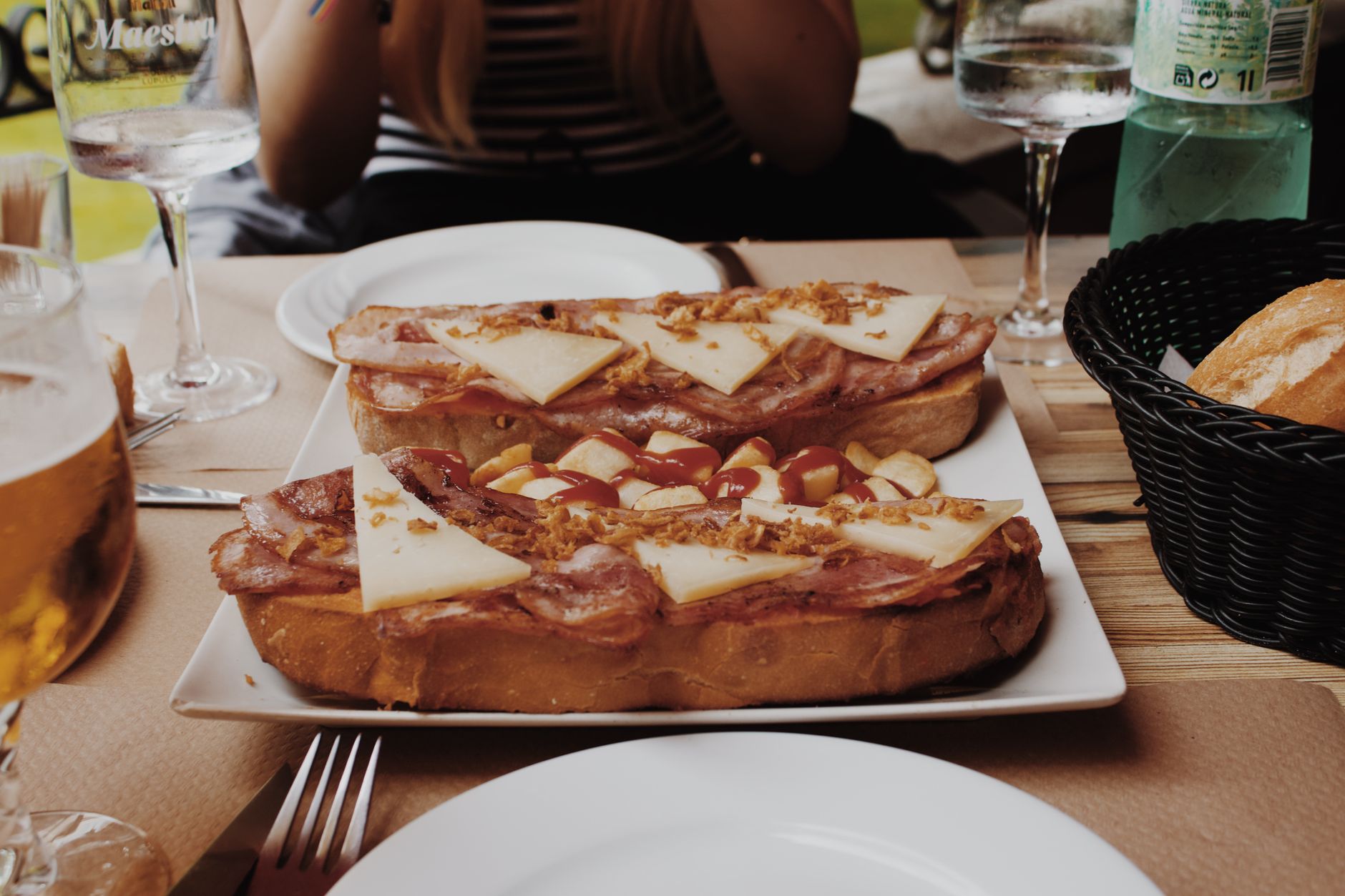
Seville arguably claims the title of Spain's tapas capital — a claim the rest of Spain disputes, but Sevillanos defend vigorously. Tapas here are not miniature skewers for consumption while standing at a bar; they are small plates served with sherry or wine, ordered progressively through the evening, eaten seated at a table or standing at the counter. It's a social structure, not a meal format.
El Rinconcillo, established in 1670, is Seville's oldest bar. Counter service only. Your tab is tracked in chalk directly on the bar — you see the running total accumulate with each order. Traditional Seville tapas: espinacas con garbanzos (spinach and chickpeas), remolacha (beetroot salad), ensalada de bacalao (salt cod salad). No reservations; arrive between 12–1:30pm for lunch or 8–9pm to start the evening service. Crowded, loud, authentic.
La Azotea represents modern Seville tapas — higher prices (€3–8 per plate), seasonal creativity, reservation recommended. Location matters: the original is in the historic centre; satellite locations exist in Triana and elsewhere.
Triana, across the Guadalquivir river, is the working-class neighbourhood that historically supplied Seville's flamenco dancers and ceramic tradition. Tapas here carry less Santa Cruz premium; quality is comparable, cost is lower. Good for exploring without the guidebook crowds.
Eating times matter: lunch runs 2–4pm; dinner 9–11pm. Eating at 8pm or earlier marks you as a tourist managing a schedule. Restaurants are often empty until 9:30pm. Adjust your rhythm or accept being the only English-speakers in the room.
Day trips from Seville
Córdoba (45 minutes by AVE, €30 return)
The Mezquita is a 10th-century mosque with a Renaissance cathedral built inside it beginning in 1523. The contrast is jarring (and intentional — the cathedral's insertion was meant to demonstrate Christian dominion). The interior, however, is among the most beautiful architectural spaces in Europe: striped red-and-white arches, carved wooden ceilings, light filtering through small windows. Entry is €13. Allow a full day: 90 minutes for the Mezquita, two hours for the Jewish quarter, lunch, and the Alcázar fortress overlooking the city. Return to Seville by evening train.
Ronda (2 hours by bus, no direct train)
Ronda is a whitewashed town perched on a gorge. The Puente Nuevo (New Bridge) spans the gorge at 120 metres and is the most photographed single span in Spain. The town itself is compact, walkable, and visibly less touristy than Córdoba. A day trip is feasible (three to four hours in the town); an overnight allows for better pacing and dinner overlooking the gorge. Book a bus (Comes operates the route) in advance during spring and autumn.
Cádiz (1.5 hours by train, €20 return)
Cádiz is an ancient Atlantic port city — Phoenician origins, Roman occupation, Muslim rule, Christian reconquest. It's less monumental than Córdoba or Ronda but more alive as a working city. Beaches (Playa de la Caleta), seafood restaurants on the waterfront, narrow streets in the old town. Worth a day for a different flavor of Andalusian life.
Getting around Seville
The historic centre is walkable — most major sights (cathedral, Alcázar, Santa Cruz) cluster within a one-kilometre radius. Streets are narrow, paved in marble, and largely flat.
Tram: Line 1 runs from the main train station through the centre to the Triana neighbourhood. €1.40 per journey; day passes cost €4.60.
BiciSevilla: Public bike system, available at 250 stations. €3 for a day pass. Terrain is flat; it's a logical choice. Helmet use is not culturally standard but advisable.
Car: Avoid. The historic centre is a restricted zone (zona de tráfico limitado) — resident-only traffic, except for specific hours and authorized vehicles. Parking outside the centre is expensive and inconvenient.
Taxi or Uber: Useful for specific destinations outside the centre (airport, train stations, Triana late at night). Uber operates; metered taxis are abundant.
What you should prioritize
Skip the tourist flamenco at El Arenal in favour of the intimacy of Casa de la Memoria. The show is shorter, cheaper, and the proximity to the performers is worth the trade-off in production value. Book a week ahead.
Allocate a morning entirely to the Alcázar gardens. Most visitors spend time in the palace rooms and abbreviate the gardens. Reverse the priority: two hours in gardens, 45 minutes in the palace. The gardens are cooler and the plasterwork in the courtyards is as fine as anything inside.
Eat breakfast early (7–8am) and a substantial lunch (2–4pm); dinner can be tapas without committing to a full meal. This rhythm suits the climate and local eating culture.
Book your Alcázar slot at least two weeks ahead if you're visiting in April or May. Semana Santa (Holy Week, dates vary by year) requires hotel booking three to four months ahead; the processions are extraordinary but also intensely crowded.
Frequently Asked Questions
Is Seville safe for solo travellers?
Seville is safe for solo travellers, including at night in the city centre. Petty theft (bag snatching, pickpocketing) occurs in crowded areas and on public transport — common precautions apply. Avoid the neighbourhoods west of the train station (Polígono Sur) and the areas around Estación de Santa Justa after dark. The tourist centre is policed and busy.
What is the best way to see flamenco without paying €50?
La Carbonería offers free entry and informal flamenco from 10:30pm onward, though performances are unpredictable. Casa de la Memoria costs €18 and guarantees a professional 90-minute performance daily. Neither option is truly cheap, but Casa de la Memoria represents the best value for quality. Avoid free "authentic flamenco" performances promoted by street touts — these are typically commission scams designed to direct you to overpriced dinner venues.
How many days should I spend in Seville?
Three days is the minimum: one full day for the cathedral, Alcázar, and Santa Cruz exploration; one day for tapas, walking, and a flamenco show; one day for a side trip to Córdoba or Ronda (or additional neighbourhood exploration). Four days allows for a more relaxed pace and better heat management — you can schedule afternoon siestas and evening wandering without feeling rushed.
Can I visit the Alcázar without a reservation?
Walk-in entry is possible, but timed slots during high season (April, May, October) often sell out by mid-morning. Advance online booking (one to two weeks ahead) is reliable and costs the same as walk-up. Book online to eliminate the risk of arrival and disappointment.
What should I pack for Seville in summer?
If you must visit July or August: high-SPF sunscreen, a broad-brimmed hat, lightweight long-sleeved cotton clothing (sun protection, not cooling), and refillable water bottles. Seville's water is safe; drinking fountains are marked agua potable. Wear lightweight walking shoes, not sandals — streets are marble and marble is hot. Accept that midday exploration is not realistic; plan indoor activities (museum, café, siesta) between 1–6pm.
What is the easiest day trip from Seville for someone short on time?
Córdoba by AVE train: 45 minutes there, 45 minutes back. Arrive 10am, dedicate 90 minutes to the Mezquita, take lunch in the Jewish quarter, walk the Alcázar fortress exterior, return by 6pm train. A true half-day plus travel. Ronda requires a longer commitment (2 hours each way by bus). Cádiz is simpler logistically but also less visually distinct from Seville.
Seville demands the right season. Visit March through May when orange blossoms fill the air and the cathedral's Gothic interior glows in clear light, or October through November when the city is yours. The Alcázar's gardens are worth the entire trip alone. Skip the high-production flamenco shows; book Casa de la Memoria instead. Eat your main meal at 2pm, take a siesta, and resume at 7pm — this is not a concession to the climate but an adoption of the local rhythm. Arrive for spring or autumn and Seville is one of the finest architectural experiences in southern Europe.