Tokyo rewards structure. The city is vast — 14 million people in the metropolitan area, a subway system with over 280 stations — and first-time visitors who arrive without a plan tend to spend their first day riding the wrong trains and queuing for things that didn't need queuing. This itinerary is built for efficiency, not coverage. Three days won't show you all of Tokyo. They will give you a real foundation: the old city and the new, the commercial and the quiet, the iconic and the actual.
Before You Arrive: Logistics That Matter
Getting from the Airport to the City
From Narita Airport: The Narita Express (N'EX) is the fastest and most reliable option. It runs directly to Shinjuku, Shibuya, and Tokyo Station, takes roughly 60–90 minutes depending on your stop, and costs around ¥3,000–¥4,000. Tickets can be bought at the airport. The Limousine Bus is a reasonable alternative if your hotel is in a neighbourhood with a designated stop — it skips the station walk — but it takes longer due to traffic and is less predictable on arrival times. For most first-time visitors staying in central Tokyo, the N'EX is the right call.
From Haneda Airport: Haneda is significantly closer to the city. The Tokyo Monorail to Hamamatsucho takes about 20 minutes, or the Keikyu Line runs directly to Shinagawa and Asakusa in similar time. Taxis from Haneda are feasible in a way they absolutely are not from Narita.
IC Card Setup
At the airport, before you leave arrivals, get a Suica or Pasmo card from any ticketing machine — both work identically for tourists. Load ¥3,000–¥5,000 onto it. This card will pay for every subway line, JR train, bus, and many convenience stores, vending machines, and cafes. Tapping in and out removes all mental effort from navigation. Do not attempt to buy individual tickets for each journey — the machine interfaces are slow, the fare calculations are confusing, and you'll block the queue.
Note on the JR Pass: If you are only visiting Tokyo, the JR Pass is not worth purchasing. It covers JR-operated lines but not the Tokyo Metro or Toei Subway lines, which are the ones you'll use most. The Pass makes financial sense for multi-city itineraries involving bullet trains to Kyoto or Osaka. For Tokyo alone, your IC card handles everything.
On taxis: Avoid them for general transit. They are expensive, drivers rarely speak English, and the address system in Tokyo requires navigation by landmark rather than street number, which creates confusion on both sides. Use trains.
Day 1 — Arrival and West Tokyo
Morning: Orientation in Shibuya
After checking in — drop your bags even if your room isn't ready — head to Shibuya. For a first-time visitor, the Shibuya Crossing is the correct starting point, not because it's a sight to tick off, but because it orients you spatially. Standing at street level at the intersection with hundreds of people crossing from every direction simultaneously is a functional demonstration of how Tokyo manages density: organised, fast, non-chaotic.
Timing matters here. The crossing in the early morning (before 8am) is clean and walkable but thin. The real visual impact — when every crossing fills simultaneously in all directions — happens at rush hour (8am–9:30am) or early evening (5pm–7pm). If you want the experience rather than just the geography, come back in the evening. During your morning visit, walk through and get your bearings: the Scramble Square observation deck (¥2,000 entry) gives you an elevated view of the intersection and the surrounding sprawl if you want to understand the city's scale early.
Afternoon: Harajuku and Meiji Shrine
Walk north from Shibuya along Omotesando — a broad, tree-lined avenue with serious architecture (the Prada building by Herzog & de Meuron, the Omotesando Hills complex by Tadao Ando). This is the commercial side of Harajuku: quieter, more expensive, actually navigable.
Takeshita Street, one block over, is the opposite: narrow, loud, crowded with teenage fashion subcultures and crepe stands. If you have teenagers with you, it's essential. If you don't, fifteen minutes is sufficient. The street is an authentic piece of Tokyo subculture, but it is genuinely difficult to walk through on weekends.
Cross the JR tracks to reach Meiji Shrine. The walk through the forested approach (the trees were planted in 1920 when the shrine was built — this is not ancient forest) takes about ten minutes and provides an abrupt tonal shift from the commercial district behind you. The shrine itself is straightforward Shinto architecture. Arrive by 3pm to have time to walk the full grounds without rushing.
Evening: Shinjuku
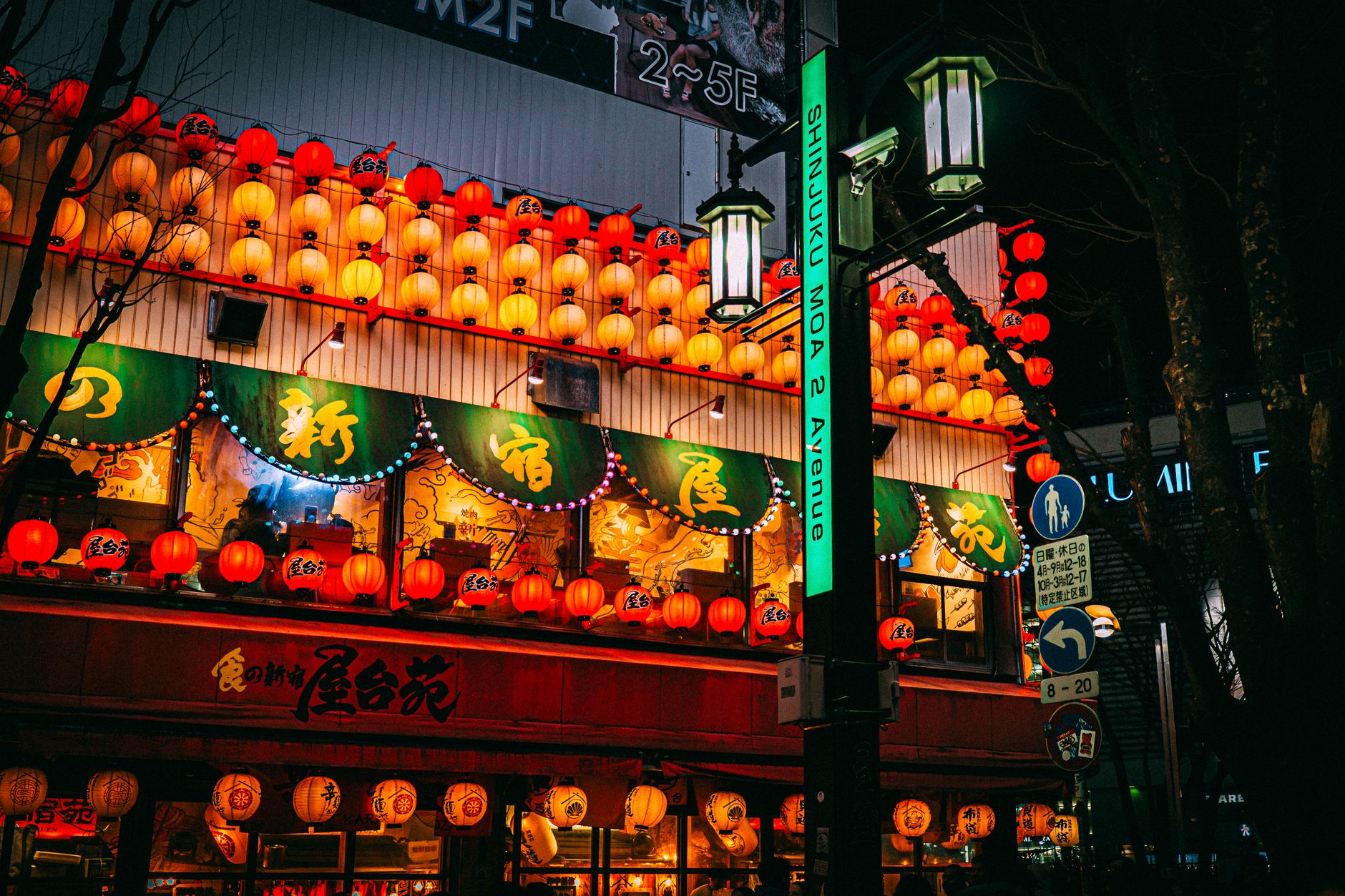
Take the JR Yamanote Line one stop to Shinjuku, or walk the 20 minutes. Omoide Yokocho — a narrow alley immediately west of Shinjuku Station's west exit, also called Memory Lane — is a cluster of tiny yakitori stalls operating under plastic sheeting since the postwar period. Smoke, charcoal, skewered chicken, cold beer. Seats accommodate four to six people per stall. It opens from around 5pm; come before 7pm to get a seat without waiting.
For drinks afterward, Golden Gai is ten minutes on foot to the northeast: a grid of approximately 200 small bars, most seating fewer than ten people, built into what looks like it should have been demolished decades ago. Many bars have cover charges (¥500–¥1,000); some are regulars-only. Walk the alleys first, find a bar with an open door and a bartender who makes eye contact, and go in. This is not a tourist trap — it is where Tokyo's writers, musicians, and night workers have been drinking since the 1950s.
Day 2 — Traditional Tokyo
Morning: Asakusa
Senso-ji opens at 6am. If you arrive before 8am, you will have the temple approach nearly to yourself. After 10am on any day except a weekday in January, the Nakamise shopping street leading to the main gate becomes a solid queue of visitors. The temple itself is always free to enter; the five-story pagoda and the main hall are the primary structures.
Nakamise is worth walking for the food stalls — ningyo-yaki (small cakes filled with red bean paste), senbei rice crackers cooked on the spot. The souvenir shops are largely identical along the entire length; you don't need to examine every one.
Afternoon: Ueno and Akihabara
Ueno Park is about 15 minutes on foot from Senso-ji, or one stop on the subway. The Tokyo National Museum at the park's north end is genuinely excellent for Japanese art and archaeology, but it requires two to three hours to do properly — skip it on this trip unless it's specifically what you came for. The park itself, and the Shinobazu Pond with its lotus plants, are worth 30–40 minutes of walking. In late March and early April, Ueno Park is one of Tokyo's primary cherry blossom locations; at that time, expect large crowds and a festival atmosphere.
Ameyoko market, on the elevated rail line edge of the park, is a street market that has operated since the postwar black market era. Vendors sell dried seafood, cosmetics, clothing, and food. It's compact and easy to walk in 20 minutes.
From Ueno, Akihabara is one stop on the JR Yamanote Line. Half an hour here is enough to understand the electronics-and-anime district without committing a full afternoon to it. The multi-storey electronics stores (Yodobashi Camera is the largest) are useful if you need any tech purchases; the anime merchandise shops are interesting as an urban phenomenon even if the content isn't relevant to you.
Evening: Yanaka
Yanaka is Tokyo's most intact pre-earthquake, pre-war residential neighbourhood — most of central Tokyo was destroyed in the 1923 Kanto earthquake and again in the 1945 firebombing. Yanaka survived both. The streets are narrow, the buildings are wooden, the temples are small and numerous, and the neighbourhood operates as a lived-in community rather than a heritage precinct.
Yanaka Ginza is a short shotengai (covered shopping street) with independent butchers, tofu makers, sweet shops, and cat-themed businesses (the neighbourhood has a large stray cat population, which has become part of its identity). Come between 4pm and 7pm when the shops are open and residents are out. Eat at one of the simple restaurants on the side streets — there are no famous names here, which is precisely the point.
Day 3 — Modern Tokyo and Departure
Morning: Tsukiji Outer Market
The Tsukiji Inner Market — the famous wholesale tuna auction — relocated to Toyosu in 2018. The outer market, which operated as the surrounding retail and restaurant zone, remained at Tsukiji and continues as before. Come for breakfast: fresh sushi and sashimi from vendors who open at 5am, tamagoyaki (rolled omelette) stands, grilled scallops, oysters. This is a working market, not a food court. Walk the alleys, buy from stalls, eat standing up. Allow 90 minutes.
Afternoon: Shimokitazawa
Odaiba, the reclaimed-land entertainment island in Tokyo Bay, offers views back toward the city skyline and houses a Teamlab digital art venue, but it requires significant travel time and is most interesting to visitors with specific interest in its individual attractions. For a first visit, Shimokitazawa is more revealing.
Shimokitazawa is a dense neighbourhood of record shops, vintage clothing stores, small theatres, and independent cafes built into a warren of streets too narrow for regular traffic. It's where Tokyo's musicians and students live and work. Spend two to three hours browsing — there are serious used record shops (Jet Set, Flash Disc Ranch) for anyone with that interest — and have lunch at one of the cafes on the upper floors of the narrow buildings along the main covered arcade.
Evening: Views Before Departure
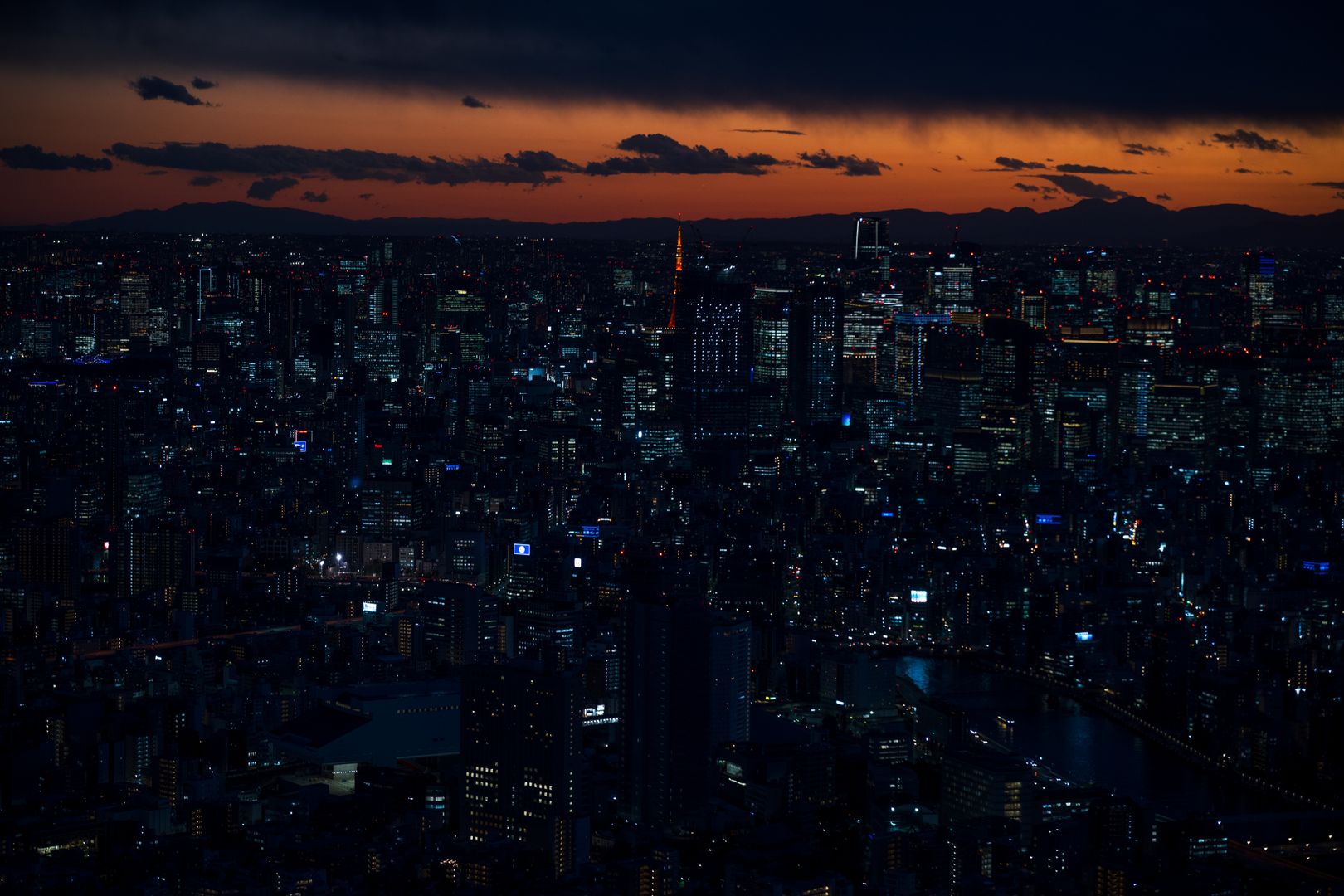
Tokyo Skytree (634 metres, the world's second-tallest structure) and Tokyo Tower (333 metres, 1958) both offer city views. Skytree is higher and more modern; Tokyo Tower has the advantage of being in the city's centre, which means you look out at Tokyo rather than down at it from a peripheral position. For night views, both work well after 6pm; for the specific experience of watching the city light up at sunset, arrive at either 30 minutes before dark.
If your flight departs late, this is a functional final activity — it requires no more than 90 minutes including travel. Book Skytree tickets in advance online; Tokyo Tower does not require advance booking and has shorter queues.
Eating in Tokyo: Practical Notes
Ramen: Tonkotsu (rich pork-bone broth, associated with Fukuoka but available everywhere in Tokyo) suits visitors who want an intense, filling bowl. Shoyu (soy-sauce-seasoned clear broth) is lighter and more Tokyo-native in style. Ichiran is the chain most tourists encounter first — individual booths, English menu, reliable tonkotsu — and is genuinely good, not a concession to tourists.
Conveyor belt sushi (kaiten-zushi): Chains like Sushi Zanmai near Tsukiji or Kura Sushi are inexpensive, high-quality, and straightforward to navigate. Most now have touchscreen ordering in English. Breakfast sushi at Tsukiji, standing at a counter, is preferable to any chain.
Depachika: The basement food halls of department stores — Isetan in Shinjuku and Takashimaya in Shinjuku or Shibuya — contain prepared foods, pastries, bento, and packaged sweets at a higher standard than any food court. Budget ¥1,000–¥2,000 for an evening depachika meal and you will not be disappointed.
What to Skip on a First Visit

- teamLab (without specific interest): Long queues, high price (¥3,200+), and the experience is better suited to visitors with a second or third trip's worth of patience for it.
- Robot Restaurant: A theatrical dinner show in Shinjuku that is expensive, loud, and has no meaningful connection to how Tokyo actually functions. It closed during the pandemic and has not fully reopened — this is not a significant loss.
- Full-day day trips on Day 1 or 2: Nikko, Kamakura, and Hakone are each worth visiting, but each requires a half-day of transit and pulls you out of Tokyo before you've understood it.
The Thing Most Itineraries Get Wrong
Most Tokyo first-timer guides treat the city as a list of sights to photograph and move on from. The actual value of Tokyo — the thing that makes it worth the journey — is in the texture of its everyday operation: the convenience stores (7-Eleven and Lawson here are genuinely good for breakfast, onigiri, sandwiches, and coffee), the precision of the trains, the way a neighbourhood like Yanaka or Shimokitazawa has maintained a local character despite existing within one of the world's most commercialised cities.
Build in unstructured time on each afternoon. If you follow a meal plan too rigidly, you'll miss the ramen shop that's been running since 1962 in a building that looks like it shouldn't still be standing. Tokyo is navigable, English signage is widespread in the tourist areas, and getting slightly lost costs you nothing but time. The city is safe at all hours. Walk further than the itinerary says. That's the correct way to spend 72 hours here.