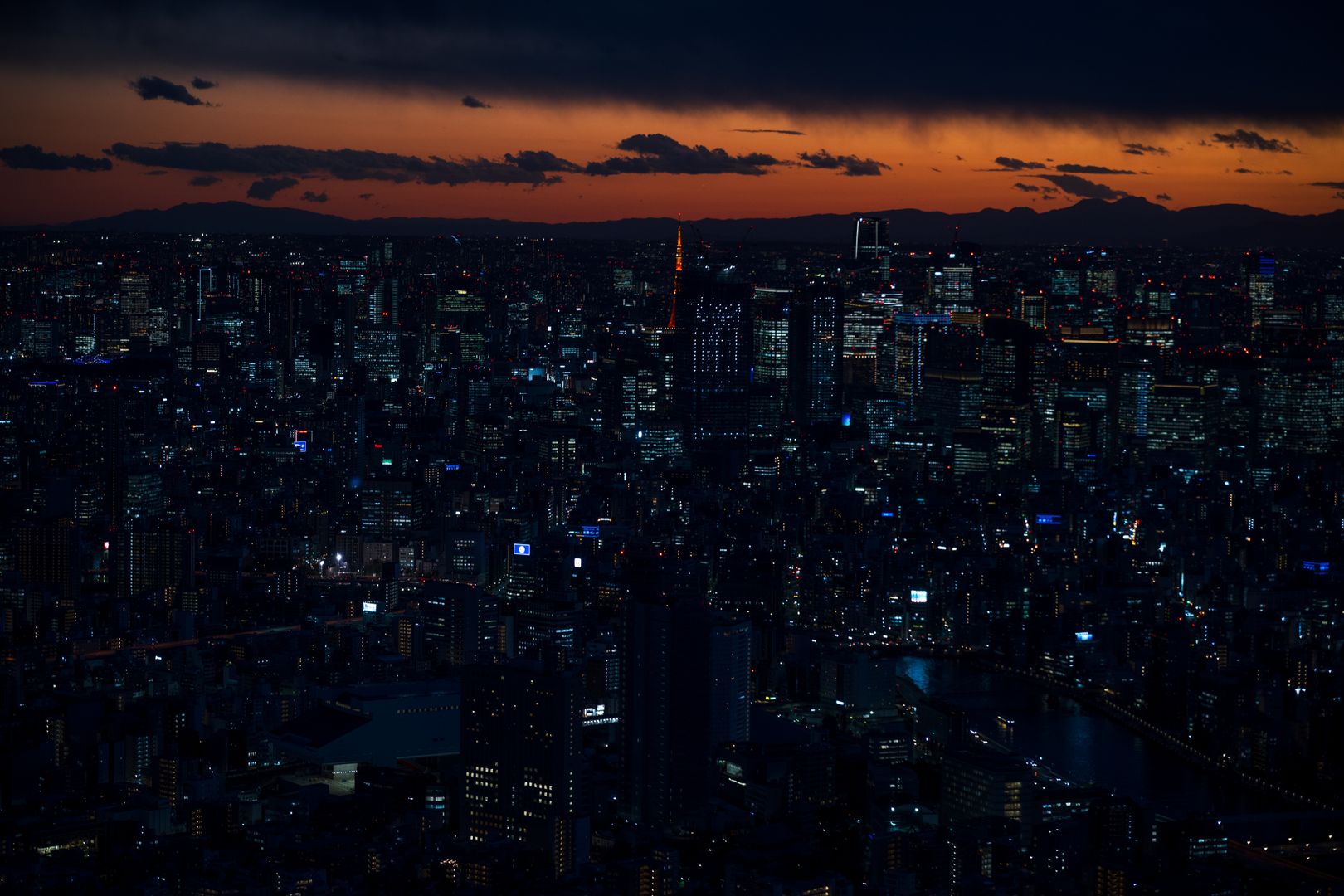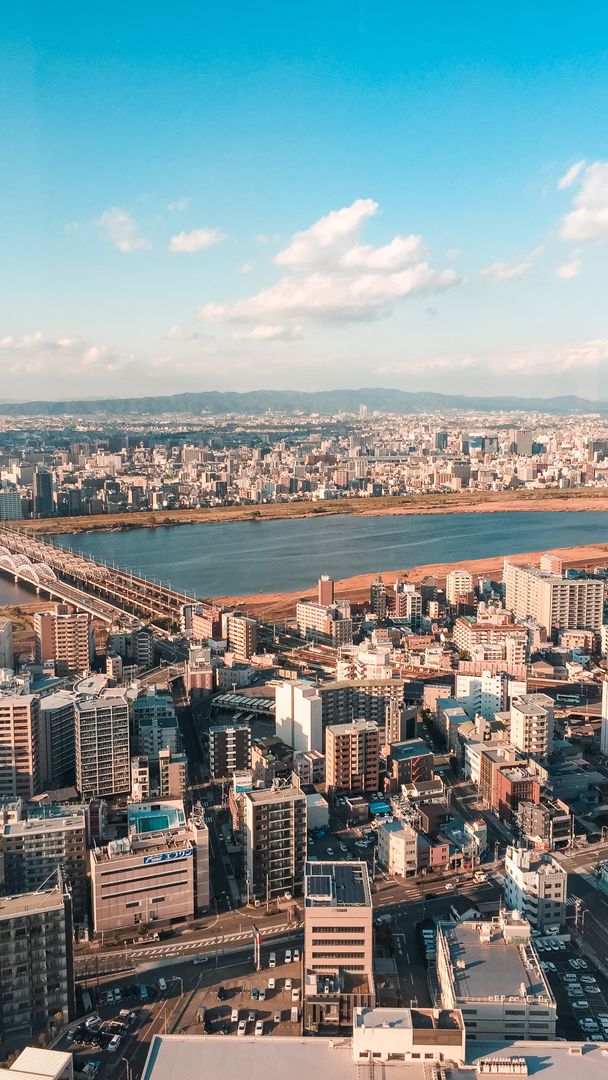

Osaka's reputation outside Japan is as Tokyo's louder, messier cousin — a characterization that misses the point entirely. The city that other Japanese cities consider too direct, too loud, too willing to talk to strangers. Local saying: "Kyoto people are subtle, Osaka people are direct." The food is richer, the humour sharper, and the street energy closer to Hong Kong or Naples than to Tokyo's contained precision. For many long-term Japan visitors, it is the most approachable Japanese city — and the only one where pointing at a menu and grunting is not just acceptable but expected.
How Osaka differs from Tokyo and Kyoto
Scale and navigation. Osaka proper has 2.7 million people versus Tokyo's 14 million. The city compresses its main attractions into a dense 3km radius. Getting from Dotonbori to Osaka Castle to Shinsekai and back takes 90 minutes on foot; the equivalent journey in Tokyo would require three subway changes and a taxi. Kyoto, by contrast, sprawls across 1,500 km² and demands either a rental bike or strategic route-planning. Osaka's compactness means first-time visitors navigate successfully without apps.
Cost. Food, accommodation, and local transport are consistently 10–20% cheaper than Tokyo. A bowl of ramen at a counter in Shinsekai costs 850 JPY; the same bowl in Shibuya costs 1,200 JPY. Taxis are metered and undercut by the metro, but when you take one, it costs less. A mid-range hotel room (double bed, ensuite bathroom, central location) runs 8,000–12,000 JPY in Osaka versus 12,000–18,000 JPY in central Tokyo.
Nightlife and formality. Tokyo's nightlife is hierarchical — membership bars, reservation-only clubs, table minimums. Osaka's is congregational. You walk into a standing bar in Shinsekai, order beer at the counter, strike up a conversation with the person next to you, and end up at three more places by midnight. The formal dinner-jacket places exist, but they are not the default. Kyoto has almost no nightlife worth the name — it closes at 11 p.m.
English and willingness to improvise. English is less common than in Tokyo, but Osaka locals are unusually willing to draw diagrams, call someone who speaks English, or physically walk you to a destination rather than explain directions. The stereotype holds: strangers will insert themselves into your problem-solving.
Neighbourhoods: where to stay, where to visit
Dotonbori and Namba — the neon canal strip
This is where Osaka's reputation is earned. A 2.7km canal lined with restaurants, arcades, and the mechanical crab (8m tall, still turning slowly since 1979). The Glico running-man sign (rebuilt 2011 after a fire in 2010, now LED) is here. Takoyaki stalls on every corner. The crowds are genuine — count on 15,000 people per evening in peak season. The district operates at full volume.
Stay in Namba if you want to be inside the action; stay in Dotonbori if you want the view of the action from a hotel window (one block back from the canal). The neon noise travels. Namba hotels tend to be mid-range 7,000–15,000 JPY per night; Dotonbori ones cost 10,000–20,000 JPY for the same room. Both are functional. The payoff is proximity to 60+ restaurants within a 5-minute walk.
What to actually do here: Watch the crowds, eat takoyaki standing up (Aizuya, the original stall, 500–600 JPY for 8), eat okonomiyaki (Mizuno, 1,100–1,600 JPY depending on toppings), visit the arcade if you want to understand Japanese game culture. Do not expect to find yourself. Do expect to find thousands of other tourists. The neighbourhood is loud and transactional by design.
Shinsaibashi — shopping and department stores
A 1.2km covered shopping street that runs perpendicular to Dotonbori. Zara, Uniqlo, Kapital, Japanese streetwear brands. Department stores (Parco, Daimaru) stock cosmetics, fashion, and kitchen equipment at prices that matter if you are buying multiples but not if you are buying one thing.
The real draw is the depachika (department store basement food halls) at Takashimaya and Daimaru — the highest concentration of ready-to-eat Japanese food in one place. Bento boxes assembled fresh daily, sushi from specialist counters, grilled chicken skewers, sweet bean cakes. Quality is better and price is lower than sit-down restaurants. Spend 20 minutes selecting, pay 1,500–2,500 JPY for a lunch that would cost 3,000–4,500 JPY in a restaurant.
Stay in Shinsaibashi if you want proximity to shopping and a quieter streetscape than Namba. Hotels run 8,000–16,000 JPY. The neighbourhood closes around 9 p.m. and is effectively silent by 10 p.m. — the opposite of Dotonbori.
Shinsekai and Tsutenkaku — retro working-class neighbourhood
This is where Osaka's food reputation was forged. A 1960s-era neighbourhood centred on Tsutenkaku, a red lattice tower (19.3m) rebuilt in 1956 after wartime bombing. The tower interior is a three-floor museum of local history, plus observation deck. Entry 300 JPY. The view is a realistic 360° of the neighbourhood itself — not a postcard view, but an actual view of where you are standing.
The reason to come here is kushikatsu. Battered and deep-fried skewers of meat, vegetables, seafood, mushrooms. Dipped in a shared sauce. The local rule is: no double-dipping. Break this rule and you will be politely but firmly corrected. Daruma is the institution — 80 years operating, efficient, harsh fluorescent lighting, correct kushikatsu. Budget 2,500–3,500 JPY per person for a full meal with drinks. Takozuka across the street is similar quality, slightly less formal.
Other Shinsekai restaurants: okonomiyaki (Kiji, 1,100 JPY), grilled chicken (Torihei, 2,000–3,000 JPY for a set). The neighbourhood has no English signage; menus are pictures and price signs. This is not a drawback — point-and-order is the fastest route.
Do not stay in Shinsekai as a first-time visitor. Stay in Namba or Dotonbori and take the JR Loop Line (20 minutes from Namba Station) to Ebisuguchi Station (exit from the south exit of the station; it is less obvious than the north exit). The neighbourhood is best visited as a 2–3 hour excursion, eaten through methodically, and exited before 9 p.m. when the energy drops.
Nakazakicho — where Osaka people actually go
North of Umeda, a neighbourhood of narrow lanes, independent cafés, vintage clothing shops, and no English signage. The crowds are local — office workers on lunch, students, retirees. The energy is the opposite of Dotonbori: quiet, intentional, curious about strangers but not seeking them out.
Restaurants are smaller, more specialized, less pictorial in their menus. Nakamura Ramen is one of three ramen shops on a single block and is worth the wait (often 30 minutes at lunch). Okonomiyaki at Furusato is cooked at a single counter where the chef converses with regular customers. Budget 800–1,200 JPY per bowl or plate.
Stay in Nakazakicho if you want to disappear into Osaka rather than photograph it. Hotels are fewer and smaller — 7,000–12,000 JPY per night, often family-run. The neighbourhood is 15 minutes from Dotonbori on the Tanimachi Line (metro) or a 20-minute walk south. Many Japan visitors rank it as the best neighbourhood in Osaka; first-time visitors often miss it entirely.
Umeda — the transport hub and rooftop views
Osaka Station is the major transport nexus (Shinkansen, JR, Hankyu, Kintetsu, Osaka Metro). Umeda is the neighbourhood immediately north and around the station. Hotels here are chain and functional — APA Hotel, Hotel Monterey, similar — priced 7,000–14,000 JPY. The neighbourhood has the least character of the central areas but the most efficient access to everything.
The reason to come here is rooftop views. Umeda Sky Building (40 storeys, finished 1993) has an open-air observation deck on the 39th floor and a rooftop walkway. Entry 1,500 JPY, worth 45 minutes at sunset. The view shows the scale of Osaka's sprawl — mountains on three sides, low-rise residential to the horizon. Takashimaya and Hankyu department stores are adjacent; their depachika food halls are the largest in the city.
Stay in Umeda if arriving on the Shinkansen and exiting immediately toward Kyoto or Tokyo. Otherwise, stay closer to Dotonbori or Namba — Umeda is a logistics choice, not an experience choice.
Food: the reason to come to Osaka

Osaka's food reputation is not metaphorical. The city has a higher density of small, excellent restaurants than anywhere else in Japan. The food is richer and more complex than Kyoto's temple food, less refined and more urgent than Tokyo's high-end cuisine. Osakans eat constantly and debate restaurants with the intensity of football fans.
Takoyaki (octopus balls): Soft octopus core, crispy batter shell, topped with bonito flakes (which curl from the residual heat). The best are made in front of you. Aizuya (the original, established 1909, now run by the fifth generation) operates a single stall in Dotonbori. Queue 10–15 minutes during peak hours. 500–600 JPY for 8. The shape and temperature matter; a takoyaki made four hours ago and reheated is detectable and inferior.
Okonomiyaki (Osaka-style savoury pancake): Wheat flour batter, shredded cabbage, your choice of protein (pork, seafood, egg), topped with okonomiyaki sauce, mayonnaise, bonito flakes, seaweed powder. Cooked on a flat griddle in front of you. Mizuno (Dotonbori, five counters, opened 1945) serves pork okonomiyaki for 1,100 JPY and a full mixed version (pork + shrimp + squid + egg) for 1,600 JPY. Kiji (Shinsekai, smaller, more formal) does the same at similar prices. The difference between them is minimal; proximity matters more than quality.
Kushikatsu (battered and deep-fried skewers): Meat, vegetables, seafood, mushrooms, all skewered, battered, and fried until the outside crisps. Served with a communal dipping sauce. The rule — no double-dipping — is enforced socially; older diners will correct younger ones. Daruma (Shinsekai, open since 1945, harsh lighting, efficient service) is the institution. Budget 2,500–3,500 JPY per person for 12–15 skewers, rice, miso soup, and a beer. Takozuka across the street is comparable in quality and cost.
Ramen: Osaka ramen is lighter than Sapporo's miso-based style, darker and more complex than Kyoto's dashi-based broths. The tonkotsu (pork bone) style dominates. Ichiran (Dotonbori area, multiple locations) is a counter ramen shop — individual booths, communal broth station. Solo diners are the default. 950–1,200 JPY per bowl. Nakamura (Nakazakicho) is smaller, more regional, often a 30-minute wait during lunch. Both serve an Osaka-standard ramen: soft noodles, rich broth, chashu pork, boiled egg.
Depachika (department store food halls): The most concentrated food shopping in Japan. Takashimaya (Umeda) has 60+ vendors on one basement level. Hankyu (Umeda) is comparable. Daimaru (Shinsaibashi) and Parco (Shinsaibashi) have smaller but still substantial food sections. The business model is fresh daily preparation and high turnover. A bento box (1,500–2,500 JPY) is assembled the morning of sale. Sushi is cut fresh at 10 a.m. Grilled chicken skewers are cooked every 90 minutes. Quality exceeds sit-down restaurants at the same price point, and you have 100+ options to choose from rather than one menu.
Other essentials: Grilled chicken (yakitori) at Torihei (Shinsekai, 2,500–3,500 JPY per person). Sushi at Tsukiji Outer Market (near Osaka Castle, open 5 a.m.–2 p.m., omakase from 3,500 JPY). Noodle soup at Kiji (Shinsekai, 900–1,100 JPY).
The realistic strategy: buy a depachika bento or sushi box for lunch (1,500–2,500 JPY). Eat a street food snack mid-afternoon (takoyaki or okonomiyaki, 600–1,200 JPY). Sit down for a proper dinner (ramen, kushikatsu, or yakitori, 2,500–4,000 JPY). This totals 4,600–7,200 JPY per day for eating well, above backpacker budget but well below Tokyo or Kyoto equivalents.
Osaka Castle: practical details
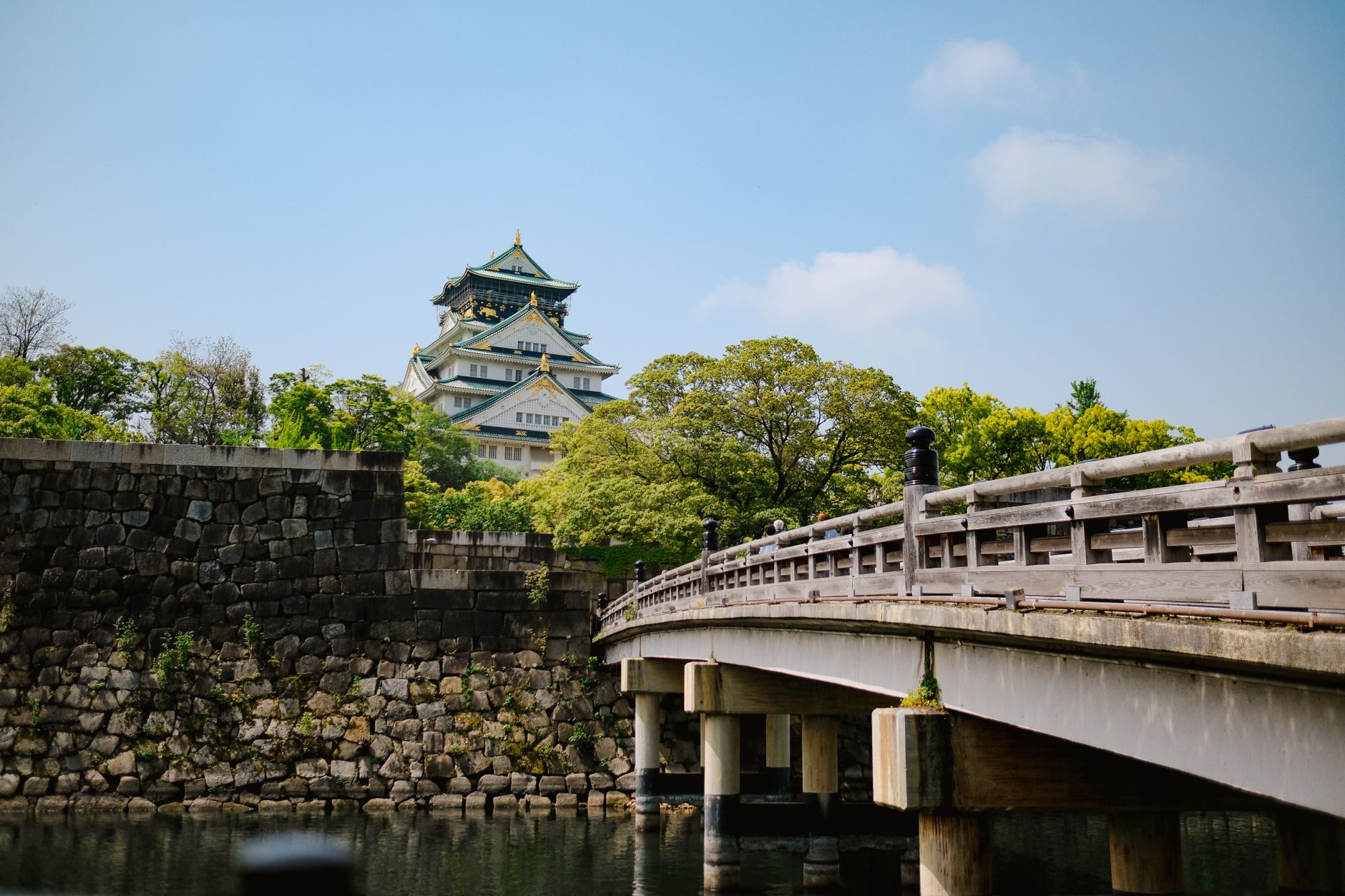
The castle standing today is a 1931 concrete reconstruction of the 1597 original (destroyed in the 1868 Boshin War). The interior is a history museum spread across five floors. The top floor (39th) has an observation deck with views across the city and surrounding mountains. Entry 600 JPY. Worth 90 minutes including the museum and view.
The castle grounds are more valuable than the building itself. A 4.3km moat surrounds 106 acres of parkland — one of Osaka's few large open spaces. The park is crowded in cherry blossom season (late March to early April) but otherwise manageable. Lunch options are limited inside the park (two cafés, expensive); eat beforehand in adjacent Tenmabashi neighbourhood (covered shopping arcade with 40+ local restaurants) or bring a depachika bento.
Getting there: Osaka Loop Line (JR) to Osaka Castle Station (30 minutes from Namba, 210 JPY). Or Tanimachi Line (Metro) to Tanimachi 4-chome (20 minutes from Namba, 220 JPY). Walking from either station to the castle is 15 minutes uphill.
Combine with Tenmabashi (one station south on the Loop Line, or a 10-minute walk). The covered shopping arcade has okonomiyaki (Kiji, 1,100 JPY), sushi (Tsukiji, from 1,500 JPY), ramen (Hanamaru, 850 JPY), and grilled chicken. The arcade is a genuine neighbourhood shopping strip, not a tourist facility. Most diners are local.
Getting around Osaka
Osaka Metro: Eight lines covering all central neighbourhoods. Colour-coded and signed in English. A single ride costs 220–210 JPY depending on distance. Day pass (Osaka Metro One-Day Pass) costs 800 JPY and includes unlimited metro rides plus some connected train lines. Worth it if making four or more trips. Top-up at vending machines in every station.
JR Loop Line (Osaka Loop Line): Encircles the city, connecting Osaka Station, Osaka Castle, Shinsekai (Ebisuguchi Station), Dotonbori (Namba Station). Single ride 210 JPY. Useful for Osaka Castle and Shinsekai if staying in Namba.
IC Card (ICOCA): A rechargeable card accepted on all Osaka Metro, JR, Hankyu, Keihan, and Kintetsu lines, plus convenience stores (FamilyMart, Lawson). Top up as you go at station machines. Initial purchase 2,000 JPY (1,500 JPY credit + 500 JPY card fee). Saves time on every journey — tap at entry and exit; no ticket booth queues.
Walking: Dotonbori to Shinsaibashi to Namba is a flat 1.2km — 15 minutes. Umeda to Namba (south) is 2.5km — 30 minutes, partly uphill. Most central neighbourhoods are walkable from each other. Bring a light pair of shoes; the streets are hard and walking is the fastest way to move.
Taxis: Metered and honest. A ride across central Osaka (Umeda to Shinsaibashi) costs 1,200–1,500 JPY depending on traffic. Use the metro or walk unless you are carrying luggage or arriving late at night.
Day trips from Osaka
Kyoto: 15–28 minutes away
Shinkansen (bullet train): Osaka Station to Kyoto Station, 15 minutes, Hikari service, 1,430 JPY, trains every 10 minutes during daylight. Fastest and least disorienting if you dislike trains.
Regional railways: Hankyu Railway (Umeda Station to Kawaramachi Station, 40 minutes, 400 JPY) or Keihan Railway (Yodoyabashi Station to Gojo Station, 47 minutes, 430 JPY). Both are comfortable and scenic. Significantly cheaper than the Shinkansen, slower, but still quick enough for a day trip. Locals use these routes; tourist infrastructure is lighter.
What to see: Fushimi Inari (30,000 vermillion torii gates, 2 hours), Arashiyama Bamboo Grove (45 minutes), Kinkaku-ji (Golden Temple, 60 minutes). A realistic day trip is two sites maximum. Kyoto is larger than Osaka and more spread out; you will spend 60–90 minutes on transport between sites.
Nara: 45 minutes from Osaka Namba
Kintetsu Nara Line: Osaka Namba Station to Nara Station, 45 minutes, frequent service, 560 JPY. The train is less crowded than metro lines and passes through residential areas.
What to see: Nara Park (1,250 acres, 1,200 semi-wild deer that bow for crackers, 150 JPY per pack), Todai-ji Temple (housing an 15m bronze Buddha, entry 600 JPY). Allow 4–5 hours including transport. The deer are the draw; everything else is secondary. Visit in the morning (before 10 a.m.) to avoid crowds. The deer are significantly less aggressive early in the day.
Kobe: 30 minutes from Osaka Umeda
Hankyu Railway: Osaka Umeda Station to Kobe Sannomiya Station, 30 minutes, frequent service, 320 JPY. The journey is fast and direct.
What to see: Kobe Harbour District (waterfront walk, restaurants, shopping, 2 hours), Chinatown (restaurants, crowds, less interesting than Dotonbori, 60 minutes), Arima Onsen (hot spring town 60 minutes north by cable car and train, 800–1,200 JPY additional transport, full day). Most visitors do harbour district + Chinatown in 4–5 hours and return to Osaka. Arima Onsen requires staying overnight or a very early start.
How many days in Osaka
One day: Dotonbori for 2 hours (food, neon, crowds), Shinsekai for 2 hours (kushikatsu), Shinsaibashi for 1 hour (shopping, depachika), evening ramen. Covers the essentials. Viable if using Osaka as a stop between Tokyo and Kyoto.
Two days: Day one as above. Day two: Osaka Castle + Tenmabashi (4 hours), Nakazakicho neighbourhood (3 hours), one depachika lunch, one proper sit-down dinner. Covers the city without repeating yourself.
Three days: Two days as above, plus Kuromon Market (Osaka's covered seafood and produce market, operating since 1820, open 10 a.m.–6 p.m., 100+ vendors), one day trip (Kyoto, Nara, or Kobe), Umeda rooftop view. This is the realistic sweet spot — enough to explore without rushing, time to get lost deliberately, time for a second meal at a restaurant you find by accident.
Four days or longer: Stay in multiple neighbourhoods (Namba one night, Nakazakicho one night, Umeda one night), revisit favourite restaurants, spend a full day outside the city (Arima Onsen, Kinosaki Onsen further afield).
Best time to visit
| Month | Weather | Crowds | Verdict |
|---|---|---|---|
| January | Cold, dry (5–9°C) | Low | Shoulder |
| February | Cold, occasional rain (6–10°C) | Low | Shoulder |
| March | Mild, occasional rain (10–16°C) | Rising | Good |
| April | Mild, cherry blossoms (15–23°C) | Peak | Best |
| May | Warm, occasional rain (20–27°C) | Moderate | Good |
| June | Hot, humid, rainy (25–31°C) | Low | Avoid |
| July | Very hot, humid (30–36°C) | Moderate | Avoid |
| August | Very hot, humid (31–37°C) | Moderate | Avoid |
| September | Hot, humid, typhoon risk (26–32°C) | Low | Avoid |
| October | Mild, dry (20–26°C) | Moderate | Best |
| November | Cool, dry (14–20°C) | Low | Best |
| December | Cold, dry (8–14°C) | Low | Shoulder |
March–April: Cherry blossoms. Osaka Castle Park is one of Japan's better blossom viewing sites with 3,000+ trees. Crowds are significant; hotels fill 6–8 weeks ahead. Expect queues at major restaurants during lunch (30–60 minutes common).
October–November: Mild temperatures, low humidity, dry weather. Ideal for walking between neighbourhoods and sitting outside at depachika. Fewer crowds than spring. Hotels 20–30% cheaper than peak season. Food quality is high (autumn harvest). This is the best window.
December–February: Cold and quiet. Temperatures 5–10°C; require a jacket. Fewer tourists. Restaurants are less crowded. The nightlife energy is lower. Acceptable but not ideal unless you dislike crowds more than cold.
June–September: Hot, humid, and rainy. Temperatures exceed 30°C. Walking between Dotonbori and Shinsekai becomes uncomfortable. Summer festivals (Tenjin Matsuri in July, Kishiwada Danjiri in September) draw crowds. The depachika lunch strategy becomes essential — eating indoors in climate-controlled buildings. Acceptable if you tolerate heat but not ideal.
Frequently Asked Questions
Is Osaka worth a full trip, or should I just day-trip from Kyoto?
Osaka deserves 2–3 days as a standalone destination. The food scene alone justifies this — Kyoto has excellent restaurants but Osaka has the density and energy that makes eating the primary activity. Osaka is also logistically easier to navigate than Kyoto, making it better for first-time Japan visitors. Day-tripping from Kyoto saves accommodation costs but sacrifices the evening energy, the neighbourhood exploration, and the chance to eat at smaller, less-touristy places.
What's the single most important meal to book ahead for?
Okonomiyaki or kushikatsu at Daruma (Shinseaki). Both are best eaten while standing or sitting at a counter, watching the preparation. Mizuno (okonomiyaki, Dotonbori) and Takozuka (kushikatsu, Shinseaki) have no reservations and operate on first-come-first-served. Expect queues of 20–30 minutes during peak lunch (12–1 p.m.) and dinner (6–7 p.m.). Otherwise, food in Osaka does not require advance booking. Walk into a ramen shop or depachika with hunger and a willingness to point at pictures.
How much should I budget per day for food?
Plan 4,500–7,000 JPY per day for eating well (depachika lunch, snack, sit-down dinner). Backpacker budget (convenience store food, one restaurant meal): 2,500–3,500 JPY. Mid-range budget (depachika lunch, two sit-down meals): 6,000–9,000 JPY. High-end (kaiseki or omakase): 12,000–20,000 JPY. Alcohol adds 1,500–3,000 JPY per day depending on where you drink (standing bar vs restaurant).
Can I visit Osaka without much Japanese or English from locals?
Yes. Point-and-order works in 90% of Osaka restaurants. Menus are pictures or plastic models. Depachika stalls have English signage on price and contents. Convenience stores (FamilyMart, Lawson) have English-language touch-screen ordering. Metro signs are in English and Japanese. Locals are unusually willing to draw diagrams or walk you to a destination. Download Google Translate's offline mode before arriving. Osaka is less English-friendly than Tokyo but more willing to problem-solve than Kyoto. Learning 10 phrases (thank you, excuse me, one of that, check please) accelerates everything.
Which neighbourhood is best for a first-time visitor?
Stay in Namba or Dotonbori if you want central access to food, nightlife, and transport, and don't mind neon and crowds. Stay in Shinsaibashi if you want quieter surroundings and proximity to shopping and depachika food halls. Stay in Nakazakicho if you want to avoid tourist infrastructure and eat like a local. Avoid Umeda (business district, no character) unless arriving on the Shinkansen and exiting immediately. For a first visit, Namba or Dotonbori is the fastest route to understanding Osaka's energy.
What's the most useful transport pass?
The ICOCA card (IC Card, 2,000 JPY initial purchase, 1,500 JPY usable credit) is the single most useful investment. It works on all metro lines, JR, regional railways (Hankyu, Keihan, Kintetsu), and at convenience stores. Tap-and-go is faster than buying single-ride tickets and eliminates navigation to ticket machines. If staying only 1–2 days, a single-day metro pass (800 JPY) is cheaper. If staying 3+ days or making day trips, ICOCA pays for itself by the second day.
Osaka deserves a 2–3 day standalone trip, not a day-trip detour. The food is richer and more honest than Tokyo's, the neighbourhoods more walkable than Kyoto's, and the price 15% lower than both. Come for Dotonbori's neon and kushikatsu, stay for Nakazakicho's quiet restaurants and the depachika lunch strategy that changes how you eat. October or April. Book your okonomiyaki or kushikatsu meal around the trip schedule, not the other way around — this city feeds first, sightseeing second.